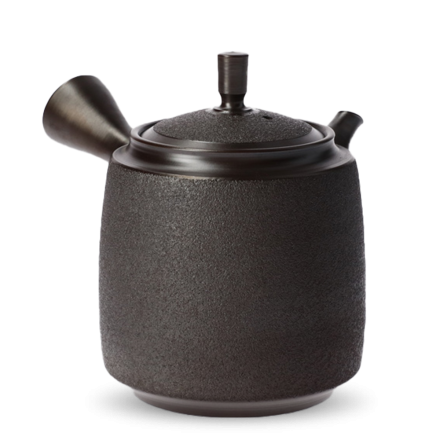
NEW "Yin & Yang" teaware collection – find inner balance with every sip




Choose your language:

Private collection
The Yoshi en private collection of exquisite teawares made by renowned artists. These pieces are displayed for viewing only and are not for sale.
Raku Kichizaemon 楽吉左衛門
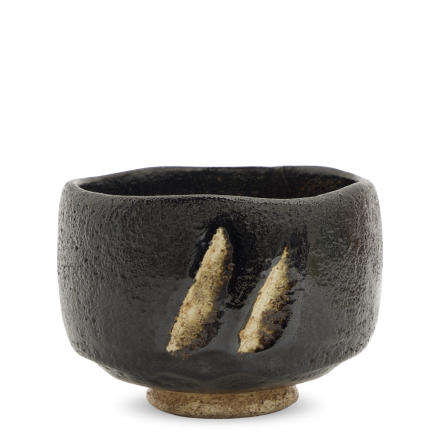
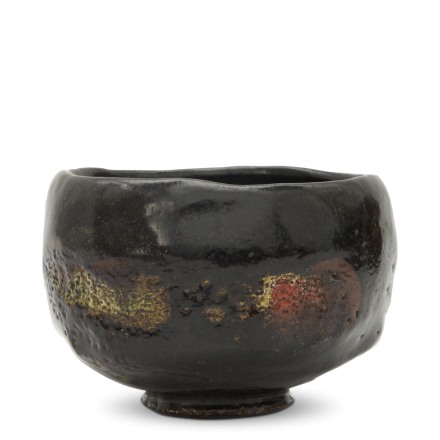
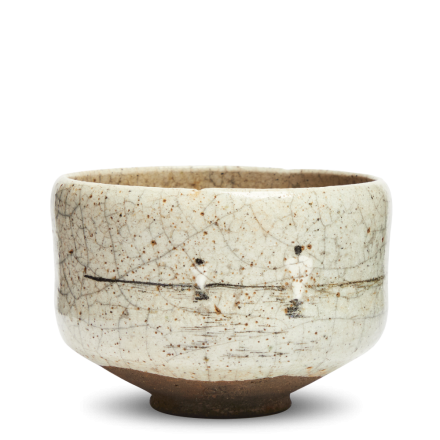
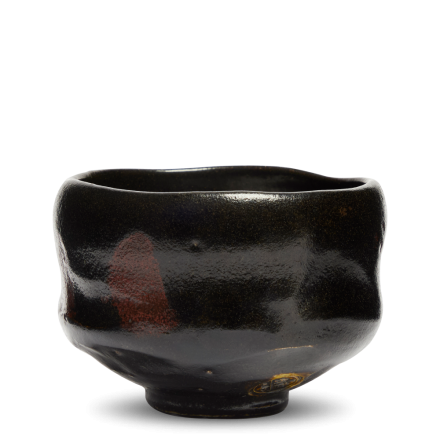
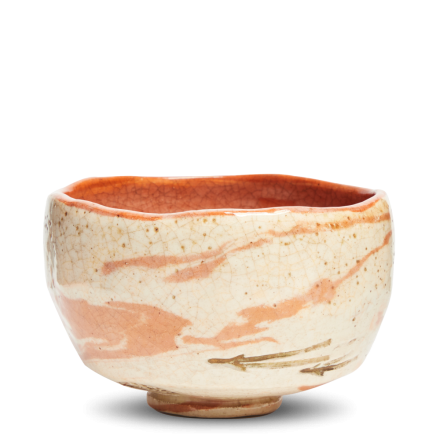
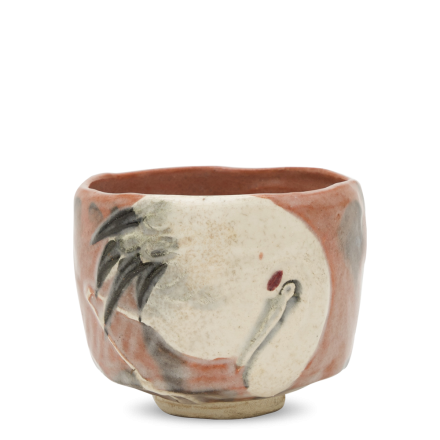
Traditional Japanese Raku is a special type of hand-moulded, quick-fired, lead-glazed pottery primarily used for the tea ceremony. Raku was developed in the 16th century according to the Wabi-cha philosophy of legendary tea master, Sen no Rikyu, and realised by Tanaka Chōjirō: a Kyoto-based tile-maker and the founding father of the Raku family of potters. After his death, his successor, Jōkei, was bestowed the Raku seal (楽) and name by Prince Hideyoshi, which has now been passed down through sixteen generations.
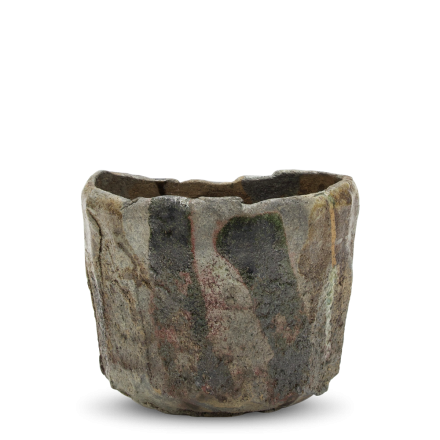
Arakawa Toyozō 荒川 豊蔵
One of the most celebrated potters in 20th-century Japanese ceramics, Arakawa Toyozō (1894–1985) was born in Tajimi, Gifu prefecture – historically Mino province: the home of Mino-yaki, and the style he is famed for reviving. In 1955 he was recognised as the first Living National Treasure for his masterful Shino and Setoguro wares.
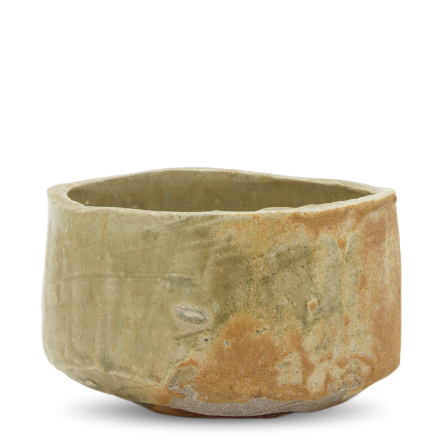
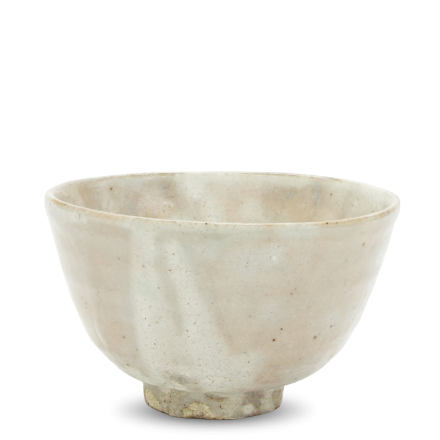
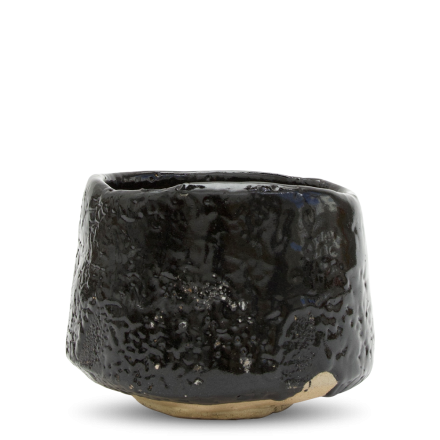
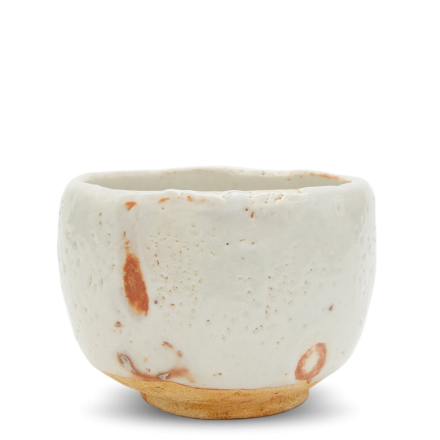
Katō Kōzō 加藤 孝造
Hailing from Tajimi: the historic heart of Mino-yaki, in Gifu Prefecture, Katō Kōzō (1935–2023) was one of the foremost masters dedicated to authentic Momoyama Period ceramic techniques. In 2010 he was designated a Living National Treasure for his Black Seto glaze. Today, his works are held in prestigious public and private collections worldwide, including the National Museum of Modern Art in Tokyo, and the Victoria and Albert Museum in London.
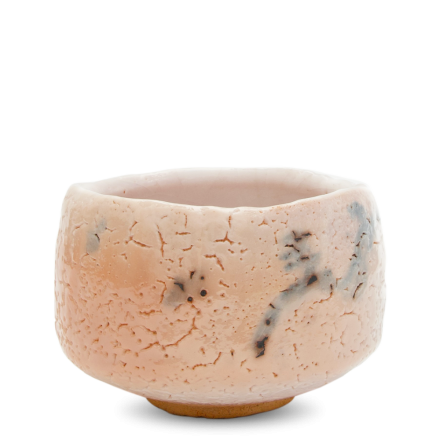
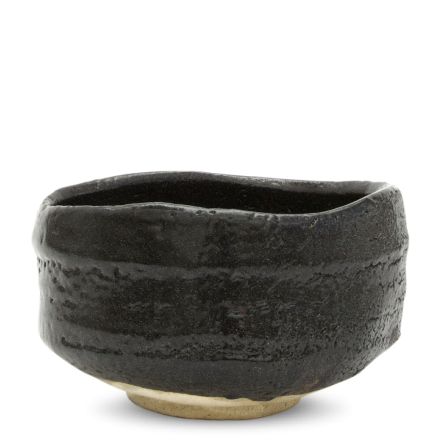
Suzuki Osamu (Kura) 鈴木 藏
Born 1934, in Toki, Gifu Prefecture, Suzuki Osamu is best known for revitalising Shino glazes by blending 16th-century Momoyama Period tradition with modern artistic vision. Characterised by bold textures, dynamic glaze flows, and intricate crazing, his Shino wares led to his designation as a Living National Treasure in 1994 – only the second artist for Shino ceramics, after Arakawa Toyozō.
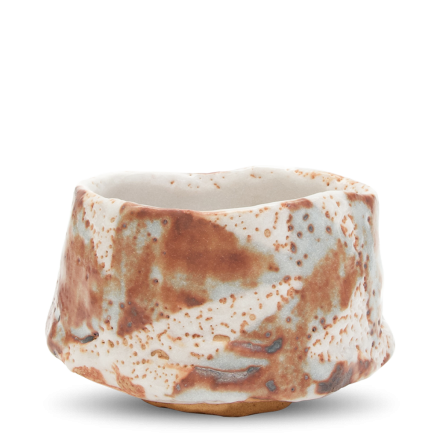
Kaneshige Tōyō 金重 陶陽
Born in Imbe, the birthplace of Bizen-yaki, Kaneshige Tōyō (1896–1967) was a visionary Japanese potter who successfully revived the long-lost, rustic aesthetic of 16th-century Old Bizen ware. His rediscovery of ancient clay and wood-firing techniques earned him the honour of becoming Bizen's very first Living National Treasure in 1956.
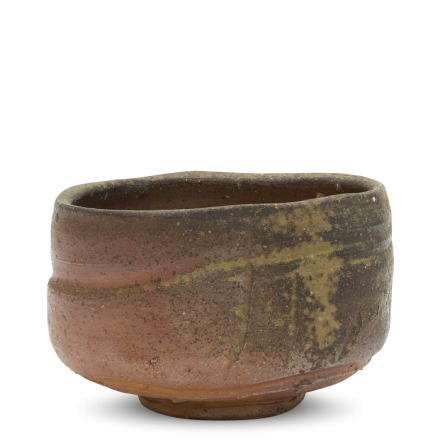
Yusen Konishi 小西友仙
Born in 1913, Master Yusen is considered one of the most famous and innovative kyusu artists in Japan. He perfected the ceramic sieve both in artistry and functionality and developed the Nerikomi technique of clay production, which gives many of his works a splendid and unique beauty of colour.
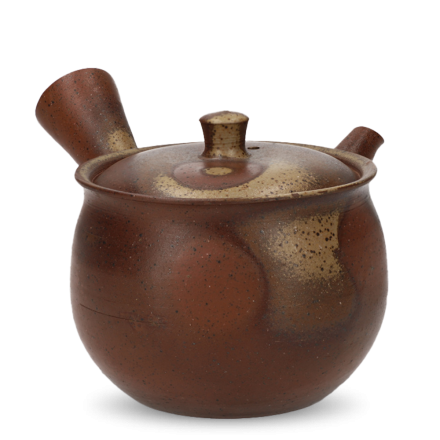
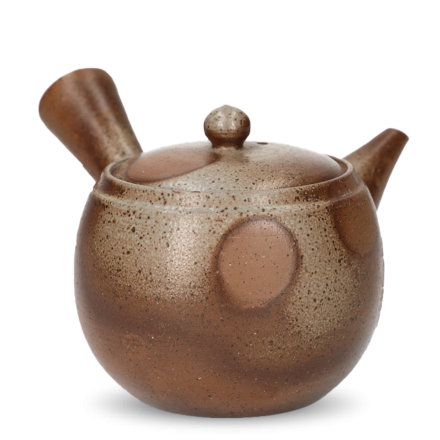
Jōzan Yamada III 三代山田常山
Tokoname master Jōzan Yamada III (1924–2005) was a defining figure in Japanese tea ceramics, celebrated for mastering over 100 distinct kyusu forms. In 1998, he was designated a Living National Treasure – a milestone that elevated both the kyusu teapot and Tokoname ware to fine art. His enduring legacy lives on through his disciples, including his son Jōzan IV, his grandson Sou Yamada, and Murakoshi Fūgetsu.
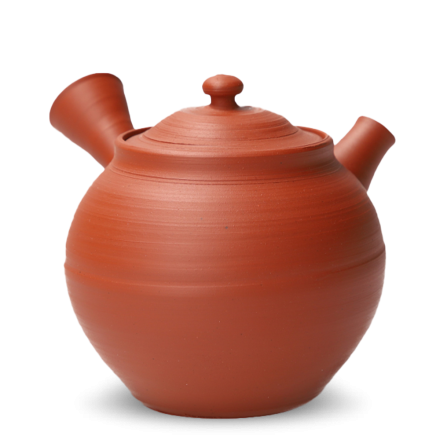
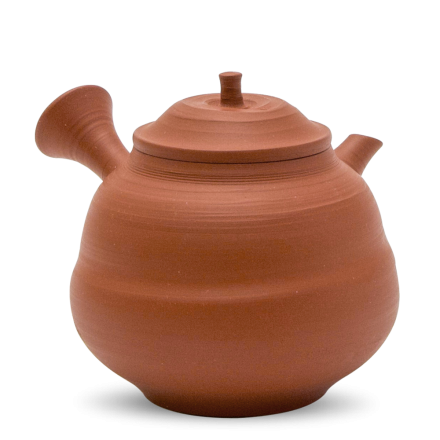
Shoson Sawada 澤田昭邨
Master Sawada Shoson was born in Tokoname in 1937 under the name Shuji Sawada. From 1956, he was taught the art of kyusu making by the famous Master Shuzan Umehara. By 1970, his father Shoson, a renowned sculptor, had bestowed his name upon him. He has taught at the Aichi University of the Arts, among other institutions, and is a member of the Japan Kogei Association for traditional Japanese art crafts.
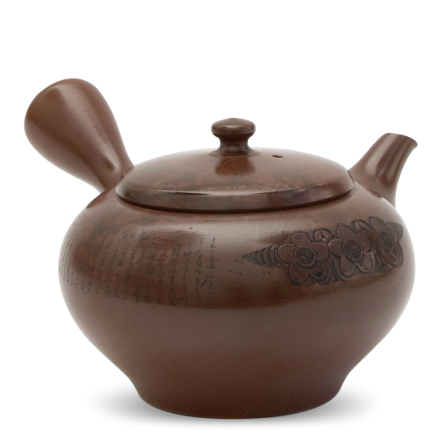
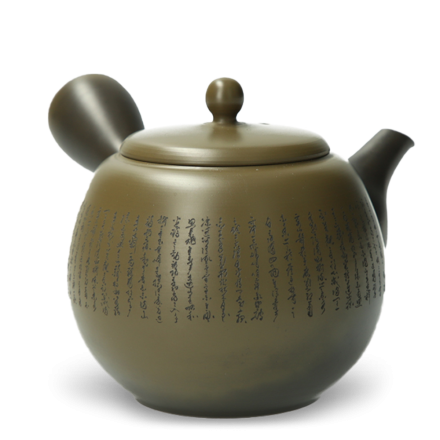
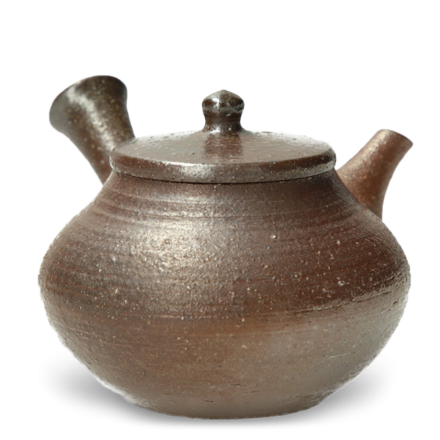
Yohei Konishi 小西洋平
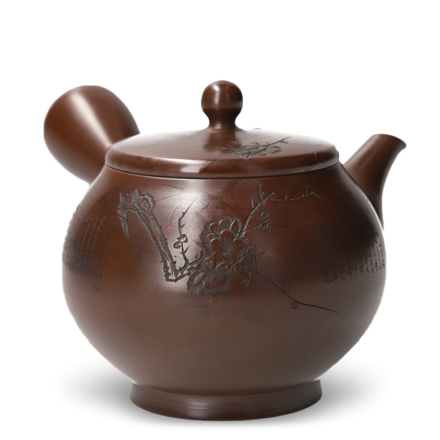
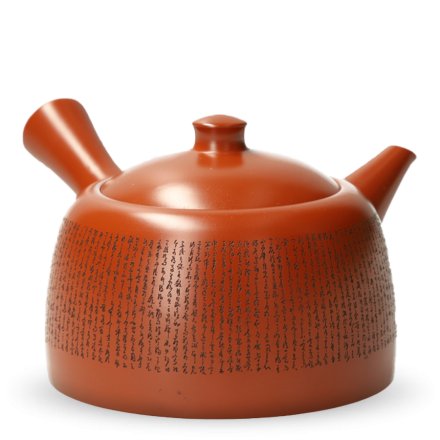
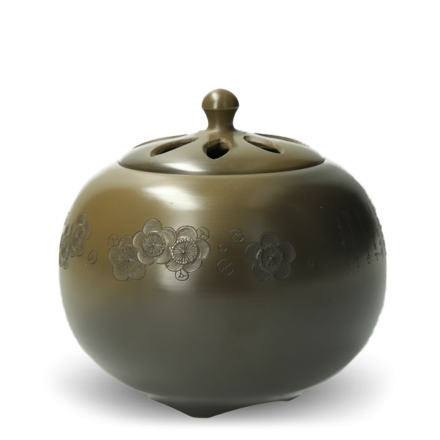
Master Yohei Konishi was born in Tokoname in 1941. The first son of the renowned pottery master Yusen, Yohei Konishi quickly accrued a number of national and international awards for his creative and masterful tea ceramics just a few years after graduating. His philosophy of ceramics, underpinning everything he creates, sees clay as a living being, with the potter's task being to put all their heart and soul into each work, expressing through it the entire ceramic tradition which flows through the master.
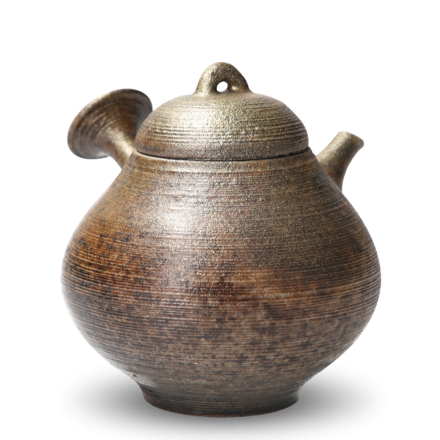
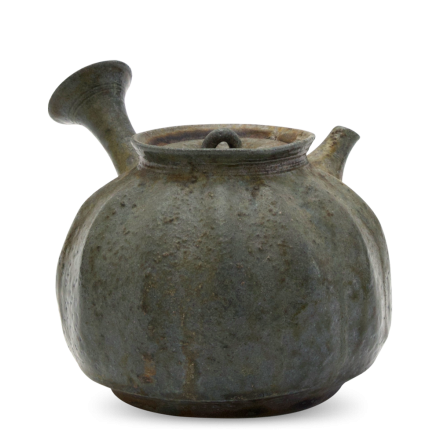
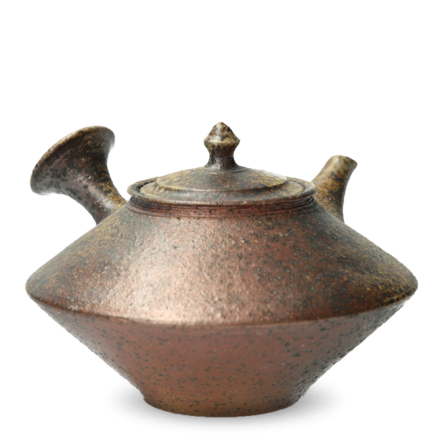
Soko Umehara 梅原宗弘
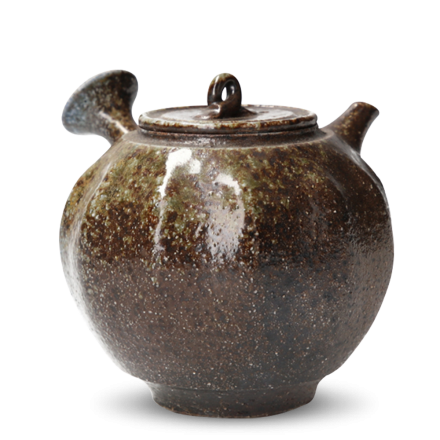
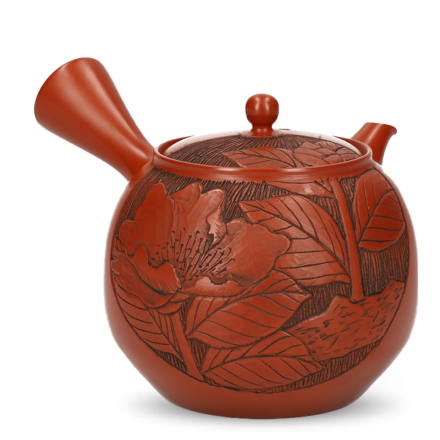
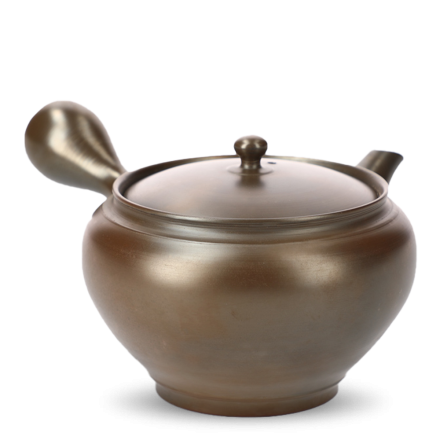
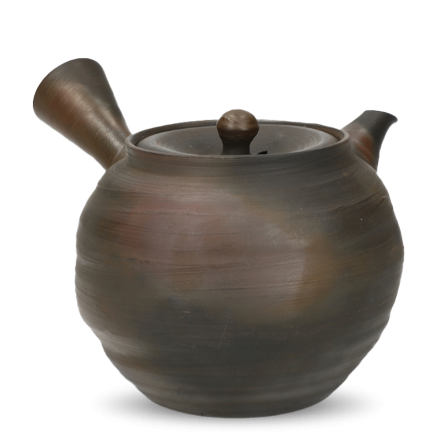
Born in 1941, Soko achieved the status of Master Traditional Craftsman (伝統工芸士) in 1993. Considered a master of the Yohen firing technique, his kyusus are famous for their detailed bodies and precisely engraved filters.
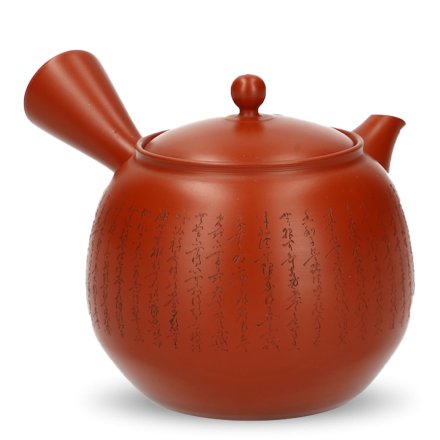
Yoshikawa Setsudo 吉川雪堂
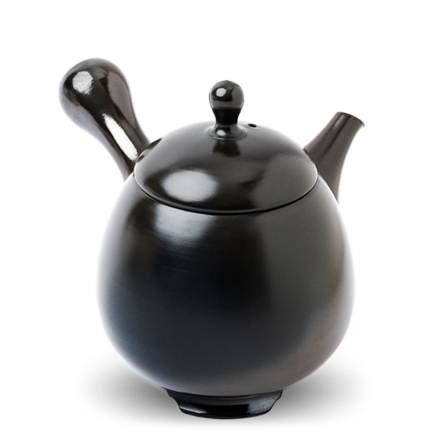
Born in 1947, the third-generation Tokoname kyusu artist, Yoshikawa Setsudo, is best known for his flawless, polished teapots fitted with ceramic strainers with up to a thousand tiny hand-perforated holes – a feat that even modern machinery cannot achieve.
Gafu Ito 伊藤雅風
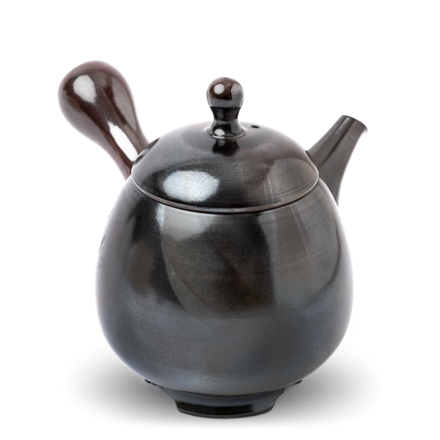
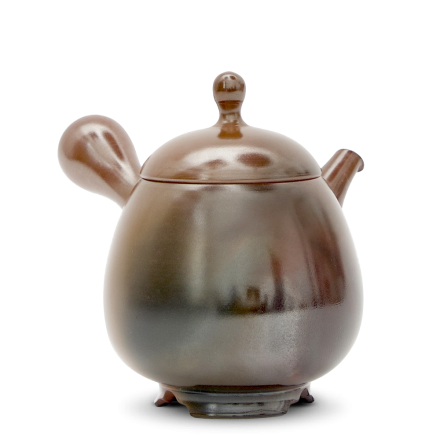
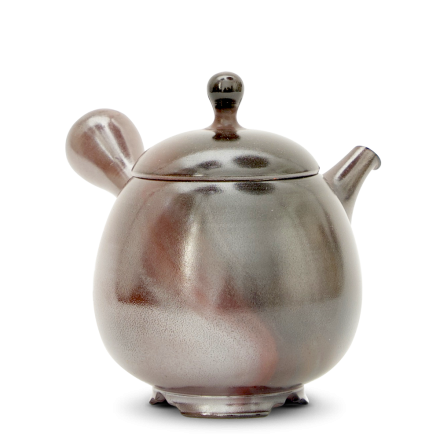
At just 32 years old, Master Gafu is already one of Japan's most respected ceramic artists. He is a student of Fugetsu, who in turn was a student of the first Living National Treasure from Tokoname: Jozan Yamada. He is particularly known for his clay, which he produces according to the Suihi method and stores for up to two years, as well as his perfectly shaped, smaller kyusus, which invite a closer connection with the tea inside.
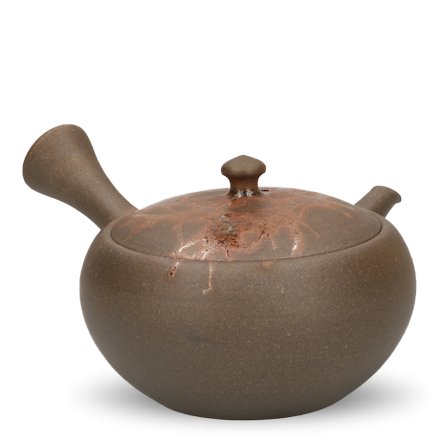
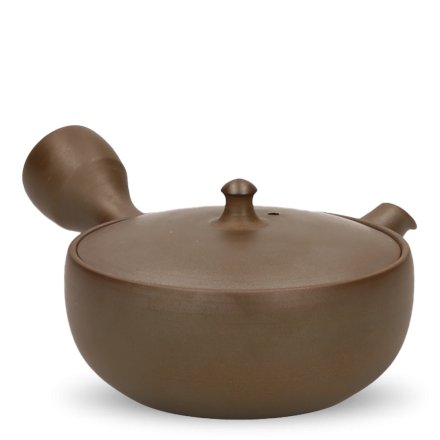
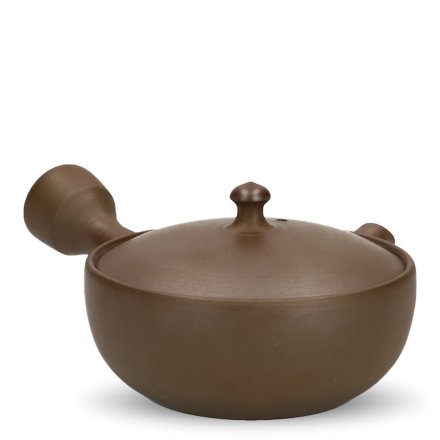
Shunzan 春山