



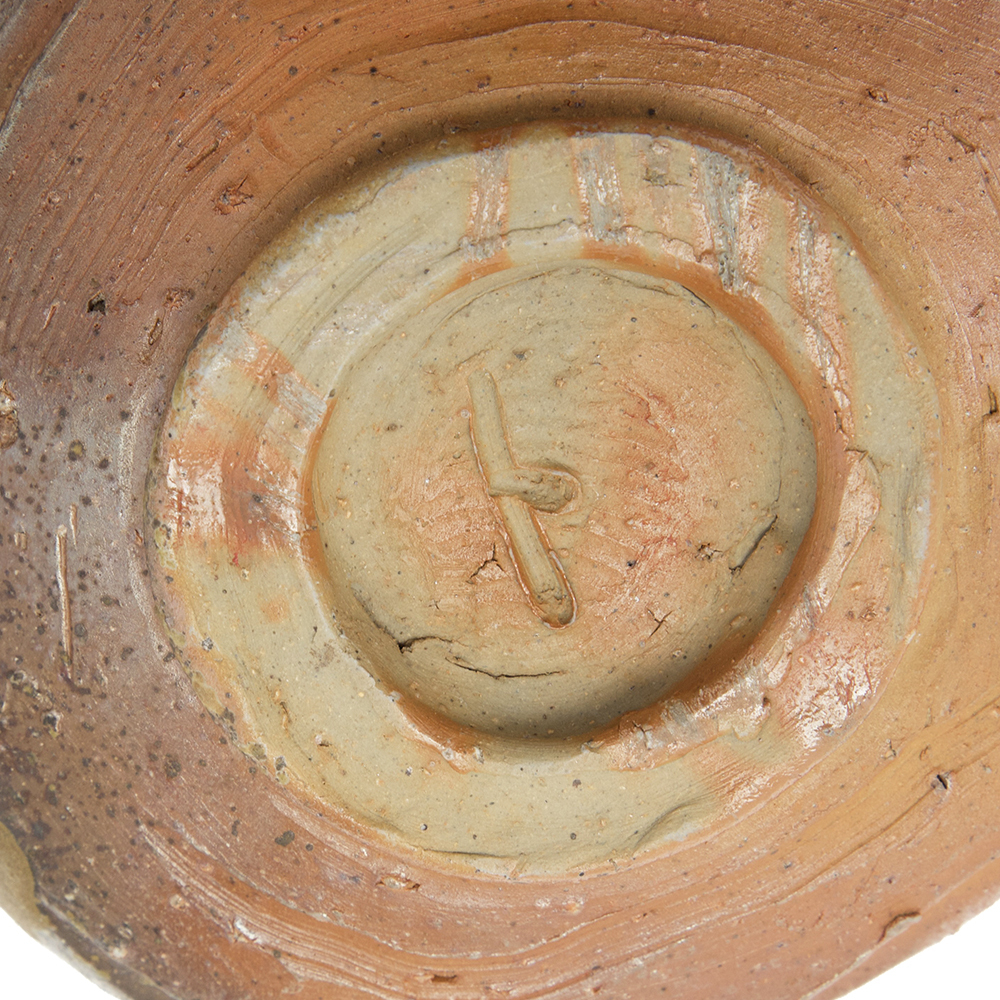
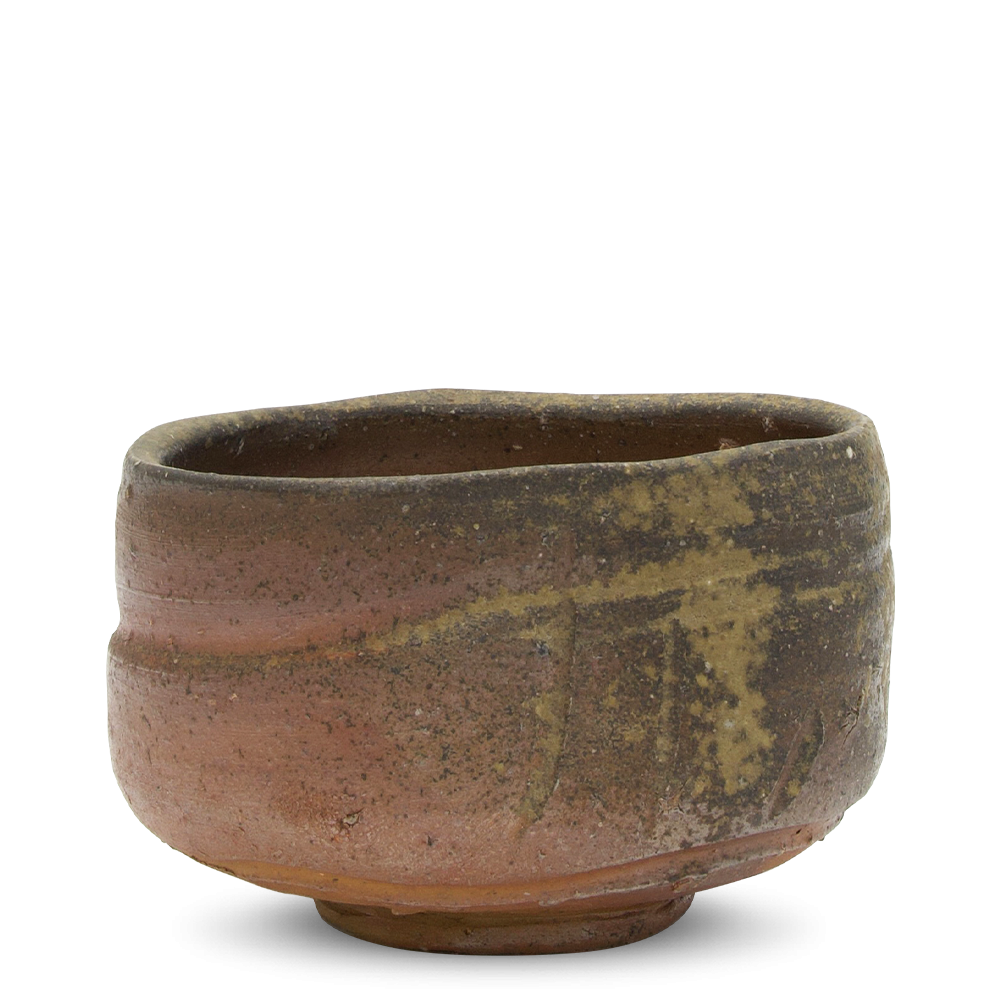
Bizen-yaki is a type of Japanese pottery traditionally produced in the Inbe region of Bizen City, present-day Okayama prefecture, and is one of the Six Ancient Kilns of Japan, with over a thousand year history. During the Muromachi period (1336–1573), production mainly focused on large pots, small vessels, and mortars. Come the Momoyama period (1573–1615) with the rise of the tea ceremony, Bizen utensils gained prominence for their simple, rustic charm. The unglazed red-brown stoneware is traditionally made of local sticky, iron-rich Hiyose clay harvested from the lower layers of rice paddies, which is burned at extremely high temperatures for around two weeks. A natural ash glaze is acquired with the help of the burning red pinewood used to heat the kiln, which is also responsible for the unique surface variations of each piece – such as Hidasuki (緋襷) "fire cord" and Enokihada (榎肌) "hackberry skin". In 1982 Bizen-yaki was designated a Traditional Japanese Craft by the government.
NEW "Yin & Yang" teaware collection – find inner balance with every sip