

Chawan Kakunyu
Aka-Raku

Raku Kichizaemon XIV

SKU
0352
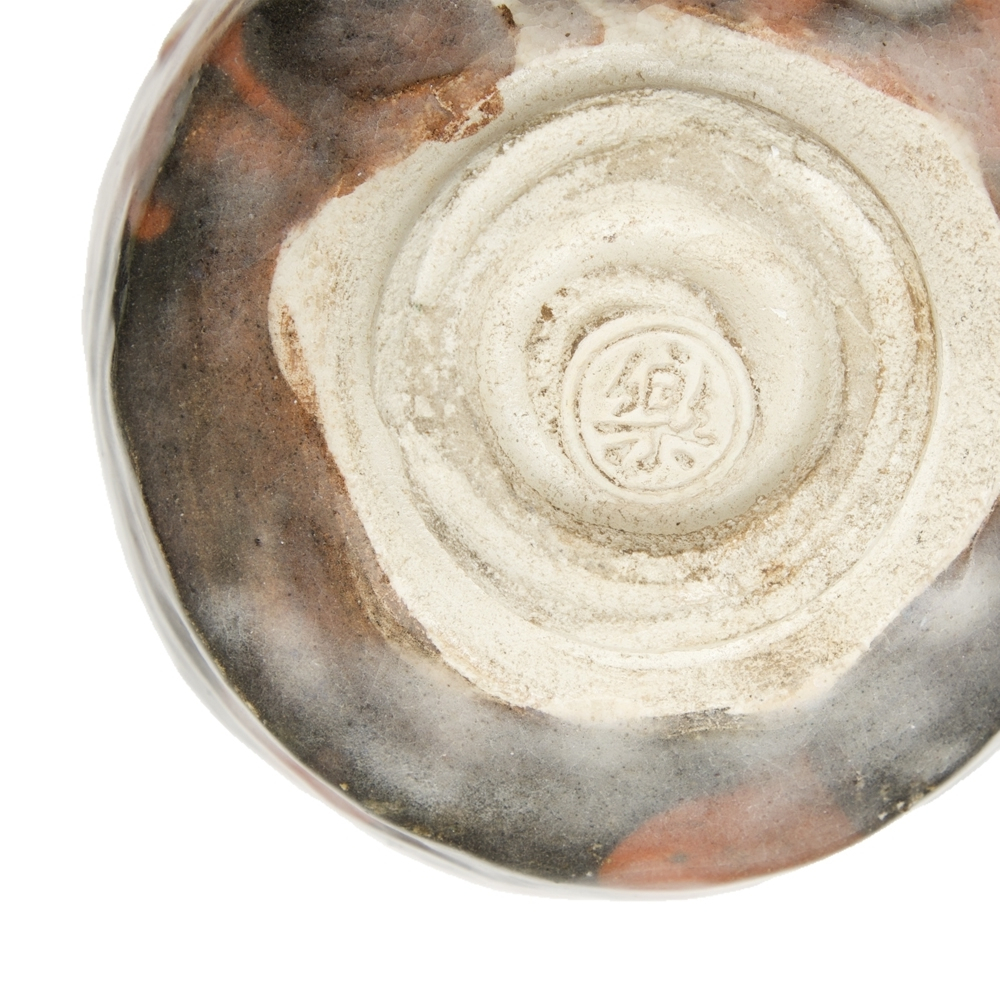
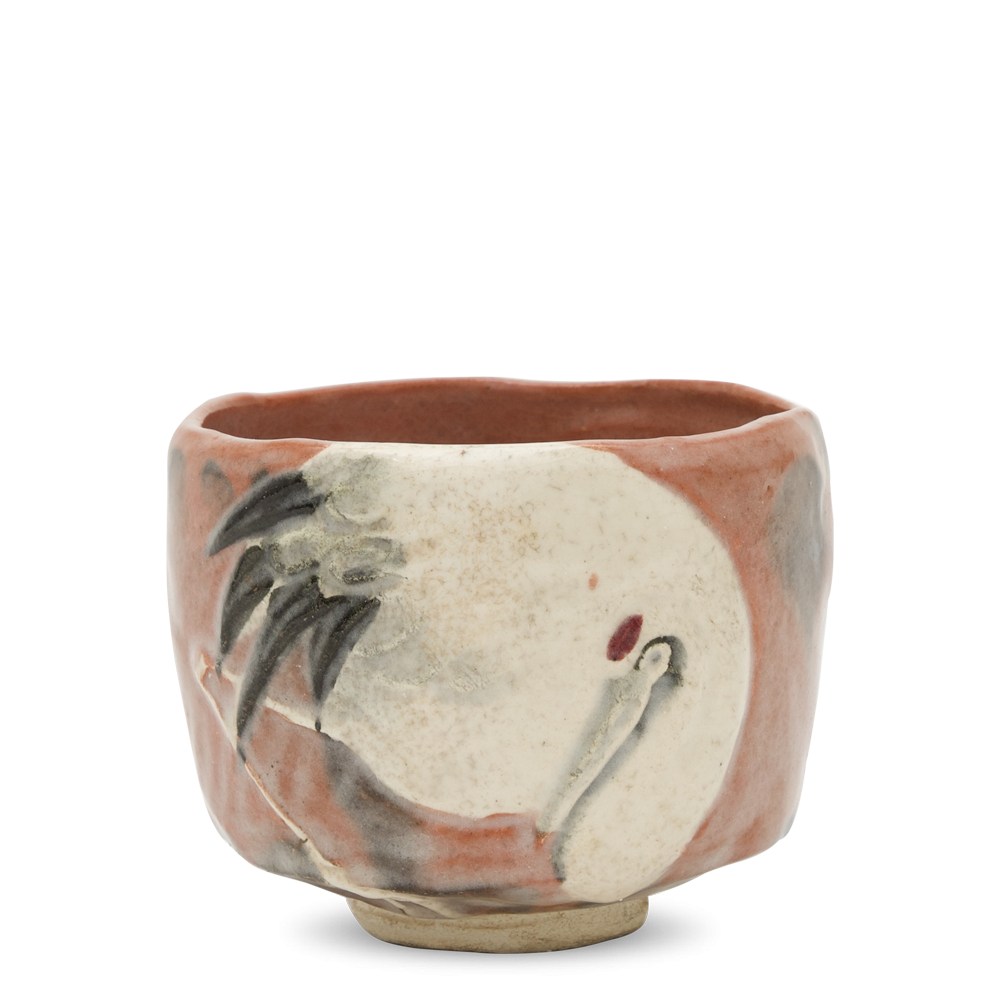
An original Aka Raku-yaki Chawan tea bowl by Raku Kichizaemon XIV, aka Kakunyū (1918-1980), handcrafted in Kyoto in the 1960/70s. This large Chawan has a tall, cylindrical shape and is decorated with a white crane in relief on a crackled salmon-red glaze with patches of light grey. Raku seal to base within the low, notched, unglazed foot ring.
Artist Raku Kichizaemon XIV (Kakunyū)
十四代 樂吉左衛門 (覚入)
Item Chawan tea bowl
Period Shōwa, 1960/70s
Origin Kyoto, Japan
Style Raku-yaki
Material Ceramic, red Raku glaze
Dimensions Ø11.8 x 9cm
Weight 322g
Artist's mark Double circle Raku seal to base
Packaging Signed Tomobako


This masterpiece is part of the Yoshi en Private Collection, shown here for display only and is not for sale.

In stock
Raku Kichizaemon XIV Kakunyu Chawan Tsuru no hori

Raku Kichizaemon XIV

Kakunyū was born in 1918, the eldest son of Seinyū (1887-1944). After returning home from World War II military service in 1945, he succeeded his father, becoming the 14th head of the Raku family, a position he held until his death in 1980. His modern art studies at the Tokyo School of Art helped inform his unique style, distinct from previous generations, characterised by meticulous trimming techniques and harnessing kiln changes to create innovative glazes. In 1978 he founded the Raku Museum in Kyoto to document the history of Raku and make it accessible to the public.

The Raku family traces its roots back to Tanaka Chōjirō: a 16th century Kyoto-based tile-maker who developed Raku bowls in collaboration with foremost Japanese tea master, Sen no Rikyu. After Chōjirō's death, his successor Jōkei, was bestowed the Raku seal (樂) and name by Prince Hideyoshi, which, 450 years and sixteen generations later, continues to identify the work of the Raku family today.

Raku Kichizaemon XIV Kakunyu Chawan Tsuru no hori

Chawan 茶碗

The tea bowl, known as a Chawan (茶碗: "tea bowl") or Matchawan (抹茶椀: "matcha tea bowl") in Japanese, originated in China and began to be imported to Japan in the 13th century. To this day, Chawan are used in the Japanese tea ceremony to prepare and serve Koicha (濃茶): a thick, dark tea made with the finest matcha, as well as Usucha (薄茶): a thinner, frothier version – or how matcha is typically prepared for everyday drinking. Chawan come in a variety of shapes and regional styles, sometimes with the addition of seasonal motifs, making them popular items to collect.

Raku-Yaki 楽焼

Almost exclusively used for tea ceremonies, traditional Japanese Raku is a special type of hand-moulded, lead-glazed pottery that is quick-fired at low temperatures then rapidly cooled in air or water to give it its characteristic soft, warm texture. Designed to reflect the sobriety of the Wabi-cha aesthetic championed by Japanese tea master, Sen no Rikyu, Raku bowls were originally produced, without ornament, in black or red – colours believed to bring out the vibrant green of Matcha most beautifully.

Aka-Raku 赤楽

Traditionally, red or Aka Raku is made from iron-rich red clay, coated with a transparent glaze and fired at around 800°C (a little lower than for black Raku), resulting in a light red finish. Nowadays, for a more vivid colour, a high iron, ochre slip may be applied
Our recommendations

Loading...
The image could not be loaded.