

NEW "Yin & Yang" teaware collection – find inner balance with every sip

Chawan Suzuki Shino

Suzuki Osamu

SKU
0277
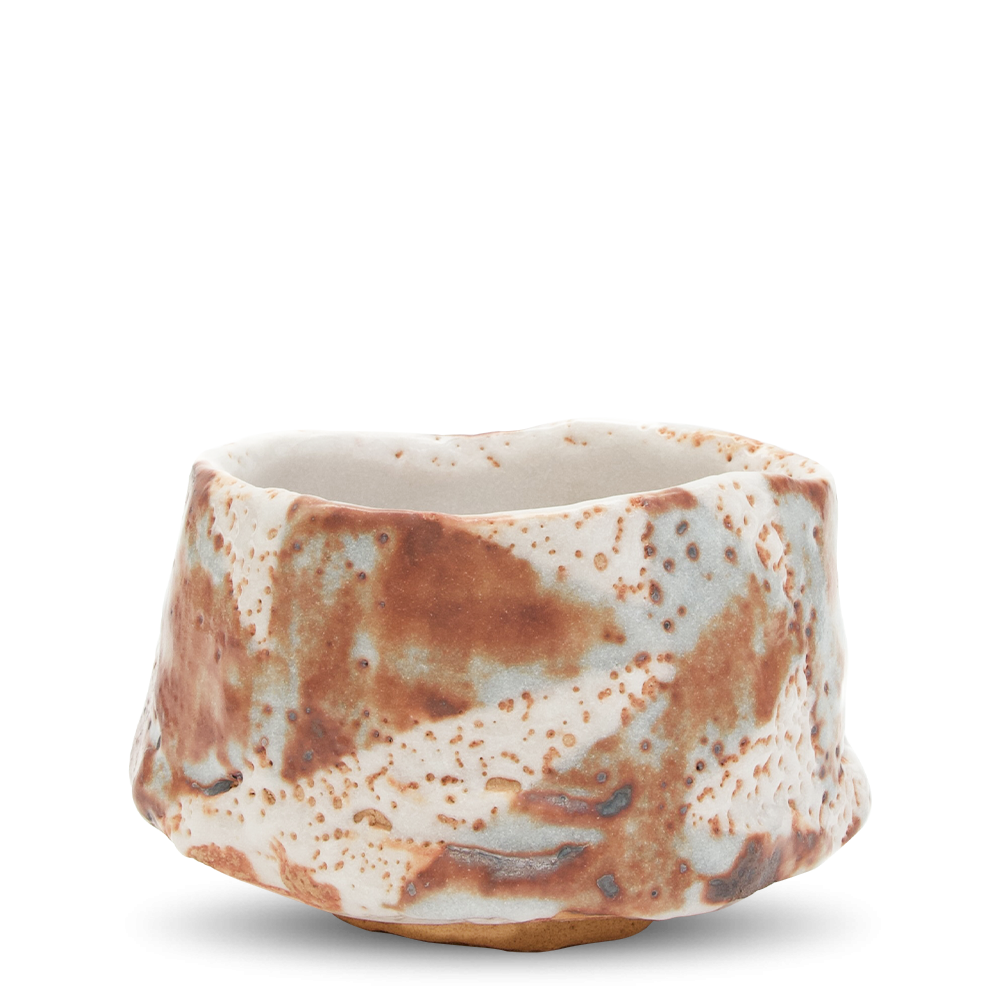
Mino-yaki Chawan tea bowl by Japanese Living National Treasure, Suzuki Osamu. This piece features a tall, hand-sculpted cylindrical form with subtle asymmetry, tapering gently toward the rim. Crafted from clay, it is finished in a pitted, milky-white Shino glaze with warm orange fire marks on an unglazed foot ring.
Artist Suzuki Osamu (Kura)
Object Chawan tea bowl
Period Late 20th century
Origin Mino, Gifu, Japan
Style Mino-Yaki
Material Ceramic, Shino glaze
Dimensions Ø15.8 x 9.7cm
Weight 797g
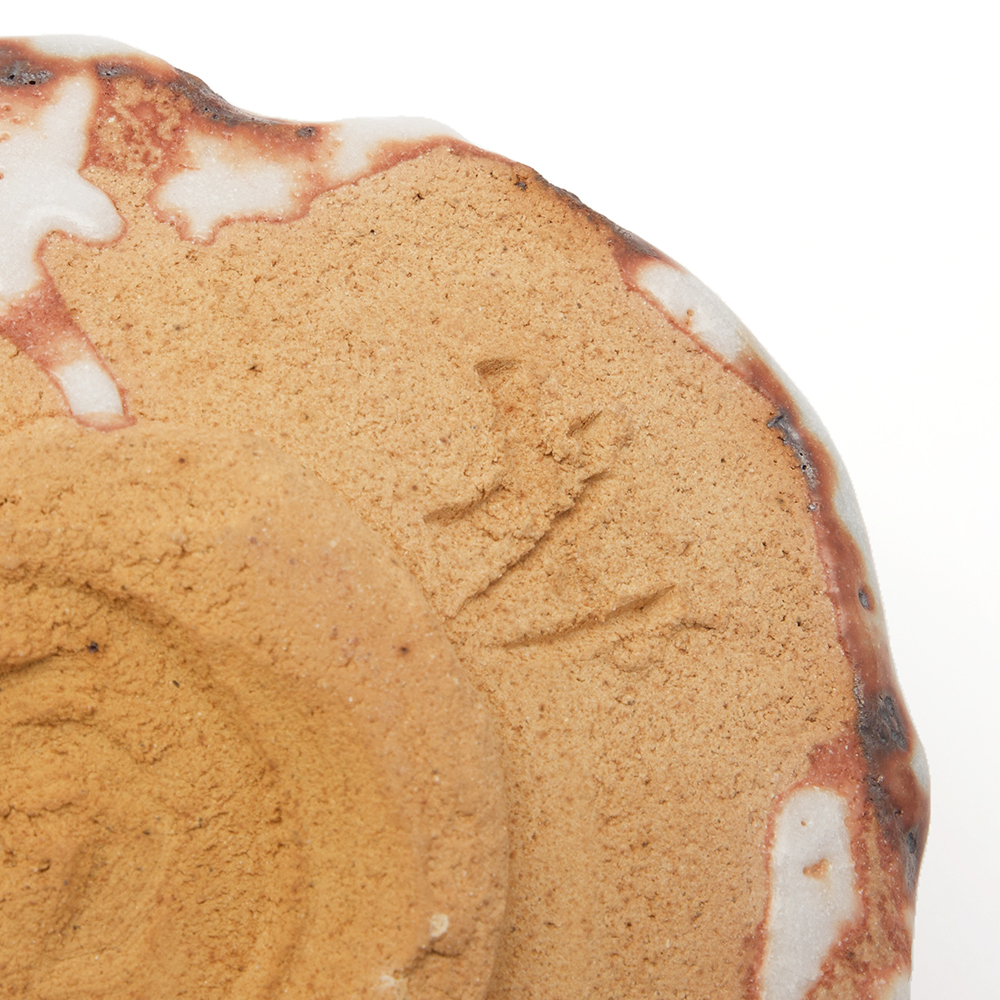
Artist's Mark Inscribed to side of foot ring
Packaging Signed Tomobako in lacquered wooden box


This masterpiece is part of the Yoshi en Private Collection, shown here for display only and is not for sale.

In stock
Suzuki Osamu Kura Chawan Shino

Suzuki Osamu 鈴木 蔵

Born in 1934 in Toki, Gifu Prefecture, Suzuki Osamu (Kura) learned ceramic craft at an early age from his father. Fascinated by the ancient kilns of the Mino region, he immersed himself in the traditional techniques of the Momoyama Period (1573–1615). He blends historical tradition with modern innovation, expanding classic Shino palettes through bold textures, dynamic glaze flows, and intricate crazing. Through exhaustive experimentation, he developed his signature style, incorporating thicker walls, extended firing times, and slow cooling to give traditional Shino an air of unmistakable modernity. Alongside Shino, he creates Oribe and Black Seto (Seto-guro) ceramics, primarily for the tea ceremony, which he considers the highest expression of Japanese aesthetics. In 1994, he became only the second artist designated a Living National Treasure for Shino ceramics, following Arakawa Toyozō. Today, Suzuki Osamu is recognized as one of the most significant pioneers of contemporary Shino ceramics.

Suzuki Osamu Kura Chawan Shino

Chawan 茶碗

The tea bowl, known as a Chawan (茶碗: "tea bowl") or Matchawan (抹茶椀: "matcha tea bowl") in Japanese, originated in China and began to be imported to Japan in the 13th century. To this day, Chawan are used in the Japanese tea ceremony to prepare and serve Koicha (濃茶): a thick, dark tea made with the finest matcha, as well as Usucha (薄茶): a thinner, frothier version – or how matcha is typically prepared for everyday drinking. Chawan come in a variety of shapes and regional styles, sometimes with the addition of seasonal motifs, making them popular items to collect.

Mino-Yaki 美濃焼

Produced in the historic Mino province, present-day Gifu prefecture, Mino-yaki has a long ceramic history dating back to the 11th century. Mino ceramic production developed in correlation with that of Seto, in neighbouring Aichi prefecture, where one of the legendary Six Ancient Kilns of Japan was located. A variety of styles and glazing techniques were produced in Mino following the Japanese tea ceremony, or Chanoyu, boom in the Momoyama period (1573–1615), including yellow Kiseto, black Setoguro and Tenmoku glazes, as well as Shino and Oribe wares.

Shino-yaki 志野焼

Admired for their organic, natural beauty, Shino wares, or Shino-yaki, are characterised by thick white glazes, often textured with crackles or small holes, and red scorch marks. Shino glazes are primarily composed of feldspar and traditionally undergo a long firing and cooling process in a reduction atmosphere.
Awards

  • 1961 President of NHK Prize at the 8th Japan Traditional Art Crafts Exhibition
  • 1962 Grand Prix at the Prague International Ceramics Competition
  • 1967 Chairman of Japan Art Crafts Association Prize at the 14th Japan Traditional Art Crafts Exhibition
  • 1968 Japan Ceramic Society Award
  • 1982 Japan Ceramic Society Gold Award
  • 1987 Minister of Education, Science and Culture Prize at the Geijutsu Sensho Awards
  • 1994 Important Intangible Cultural Property Holder (Ningen Kokuhō 人間国宝) of Shino Ware
  • 2006 Order of the Rising Sun, Gold Rays with Neck Ribbon

Our recommendations

Loading...
The image could not be loaded.