

NEW "Yin & Yang" teaware collection – find inner balance with every sip

Sencha Karigane
Yame Organic

Sencha/Karigane 93/96 P.

SKU
6009-bio
Organic Karigane crafted from premium Sencha with plenty of leaf material. 1st and 2nd harvest, 100% shaded, Yabukita cultivar, cultivated in the top terroir of Yame. 100g
  • Cultivated in the mountains of Yame, a region which offers an optimally stimulating climate resulting in strong, healthy tea plants
  • One of the few organic farmers in Yame
  • Sourced from a family-run farm in the 3rd generation
  • Winner of multiple awards (including the MAFF Award)
  • Rich in amino acids and umami, hardly any bitterness
  • Mild and low in caffeine, making it an ideal tea for those who drink many cups throughout the day and for those sensitive to caffeine
  • Karigane is known in Japan as the "tea of tea farmers"

Character Aromatic with a delicate umami, light body, warm notes of hay, walnut and chocolate
Tea Garden Renowned, 3rd generation tea farmer
Terroir Yabe, Yame, Fukuoka Prefecture
Harvest 1st and 2nd flush, early May and late June 2026
Cultivar Saemidori, Yama no Ibuki, Yabukita, Okuyutaka, Okumidori
Elevation 600m above sea level
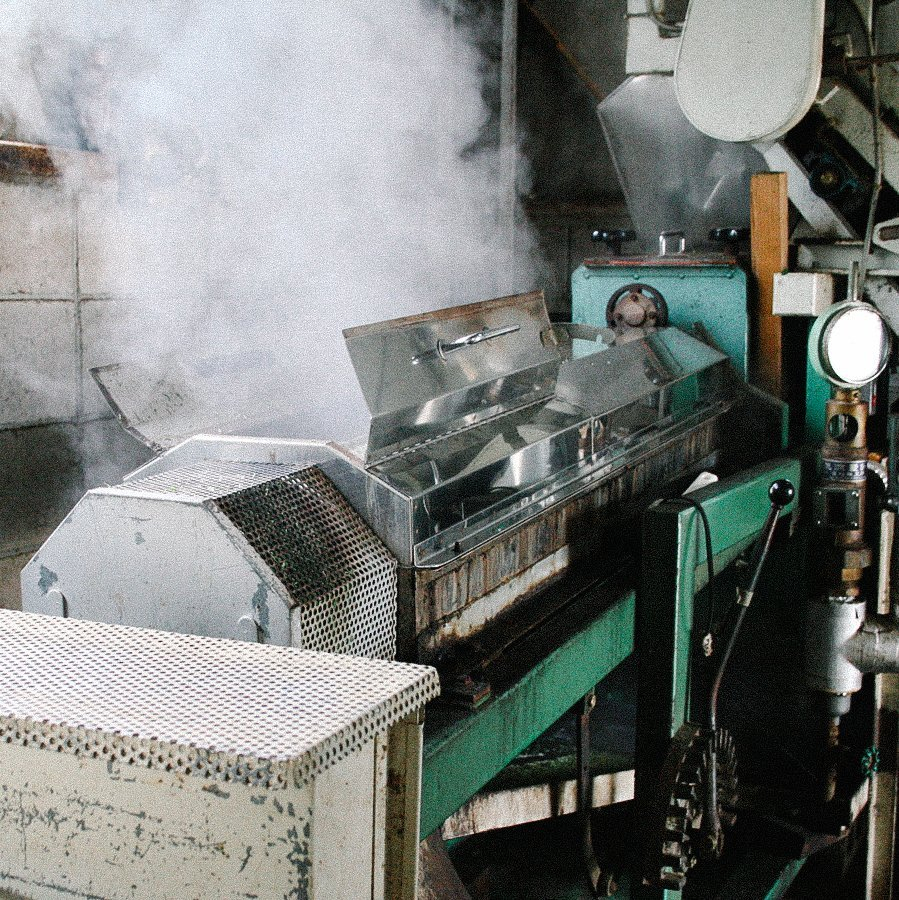
Steaming Medium (chuumushi), about 50 seconds
Shading Shaded for 5 days before harvest
Cultivation Certified organic cultivation
Laboratory Tests Radioactivity (annual test of region) and pesticides
Awards The tea farmer is a winner of the MAFF Award
Grade 96/100 p. (Karigane category); Highest Grade
93/100 p. (Sencha category); Premium

Note: We have newly graded this tea, the label may still show an old score.

€12.90
100g

Delivery : up to 5 business days

Incl. VAT, excl. shipping

SKU
6009-bio
€129.00 / 1kg

Back in Stock after 2026 Harvest

Notify me when this product is available:

Incl. VAT, excl. shipping

SKU
6009-bio
€129.00 / 1kg
Reminder set
Organic Sencha Karigane Yame Organic Sencha Karigane Yame Organic Sencha Karigane Yame Organic Sencha Karigane Yame Organic Sencha Karigane Yame

Tea Farm

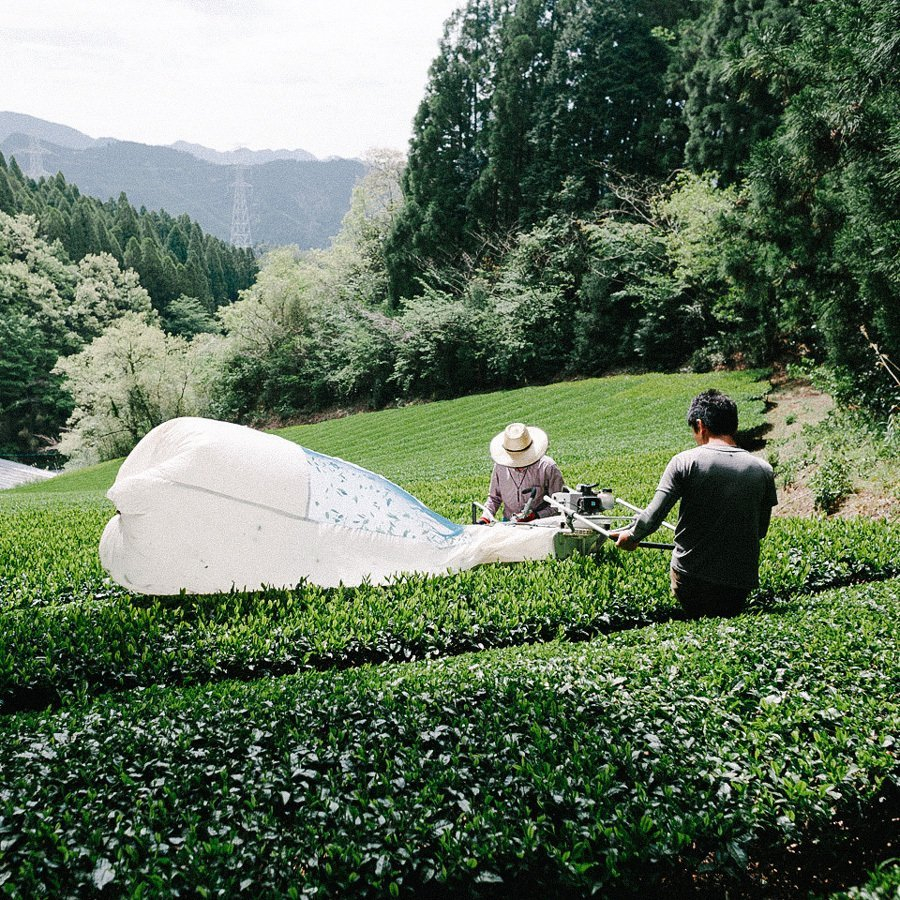
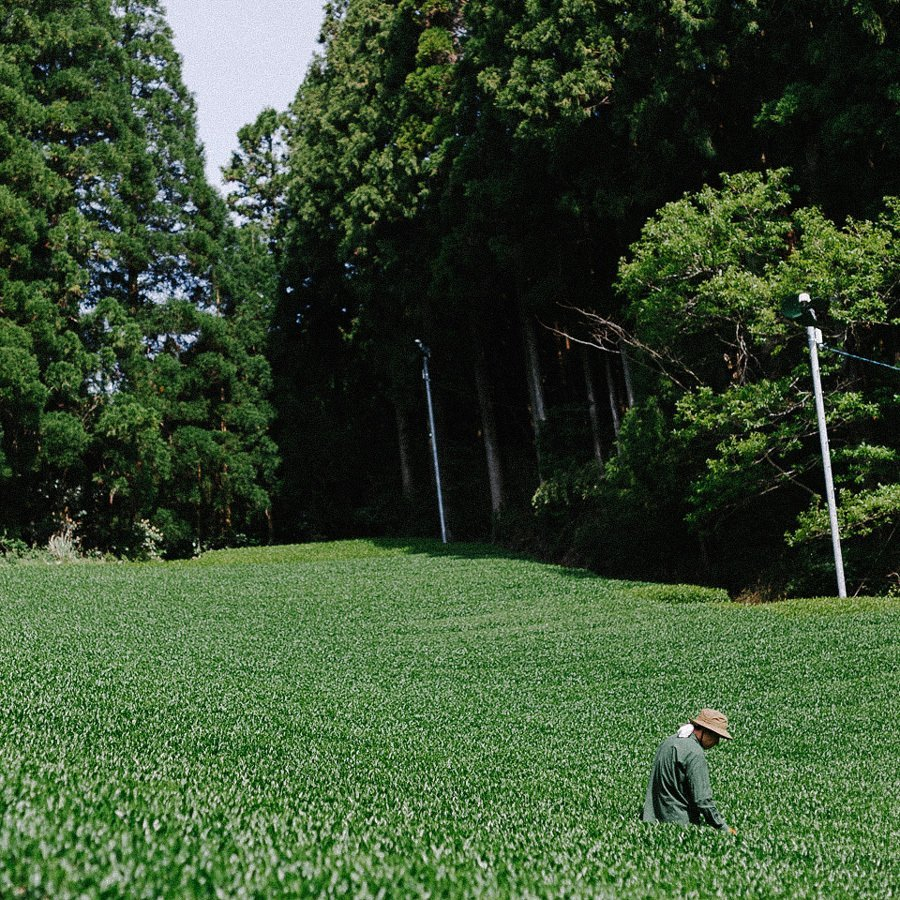
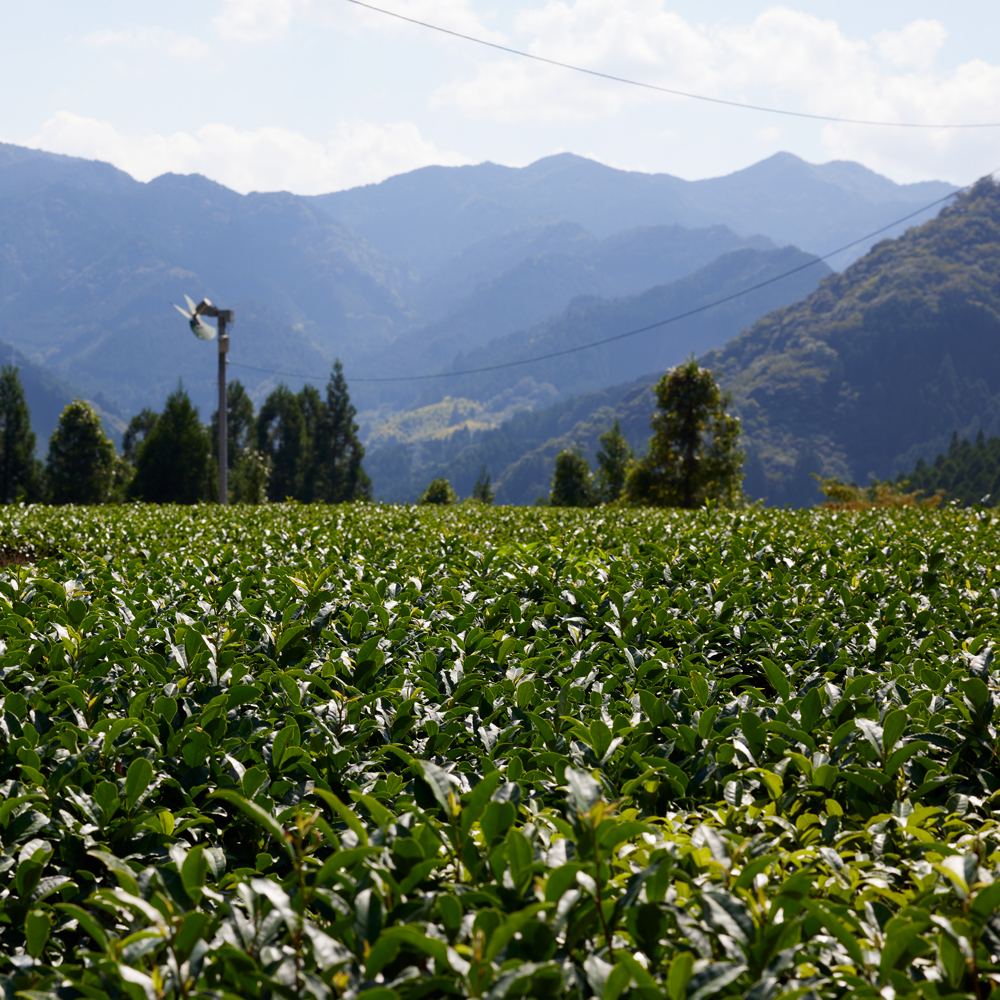
High in the snow-covered mountains of Yabe, one of Yame’s legendary tea villages, our farmer has tended his family’s tea fields for over 30 years. Founded by his grandfather, the farm has been cultivated entirely without pesticides or crop protection chemicals for the past 13 years.

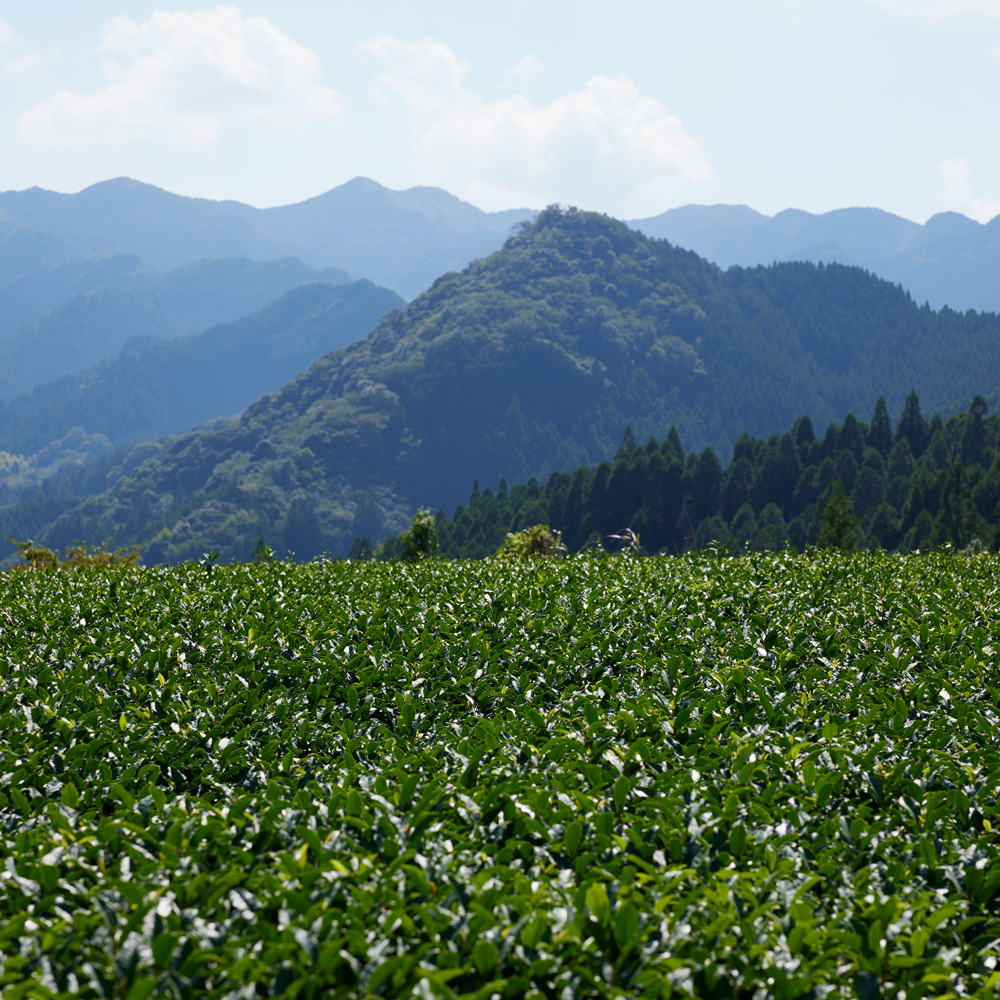
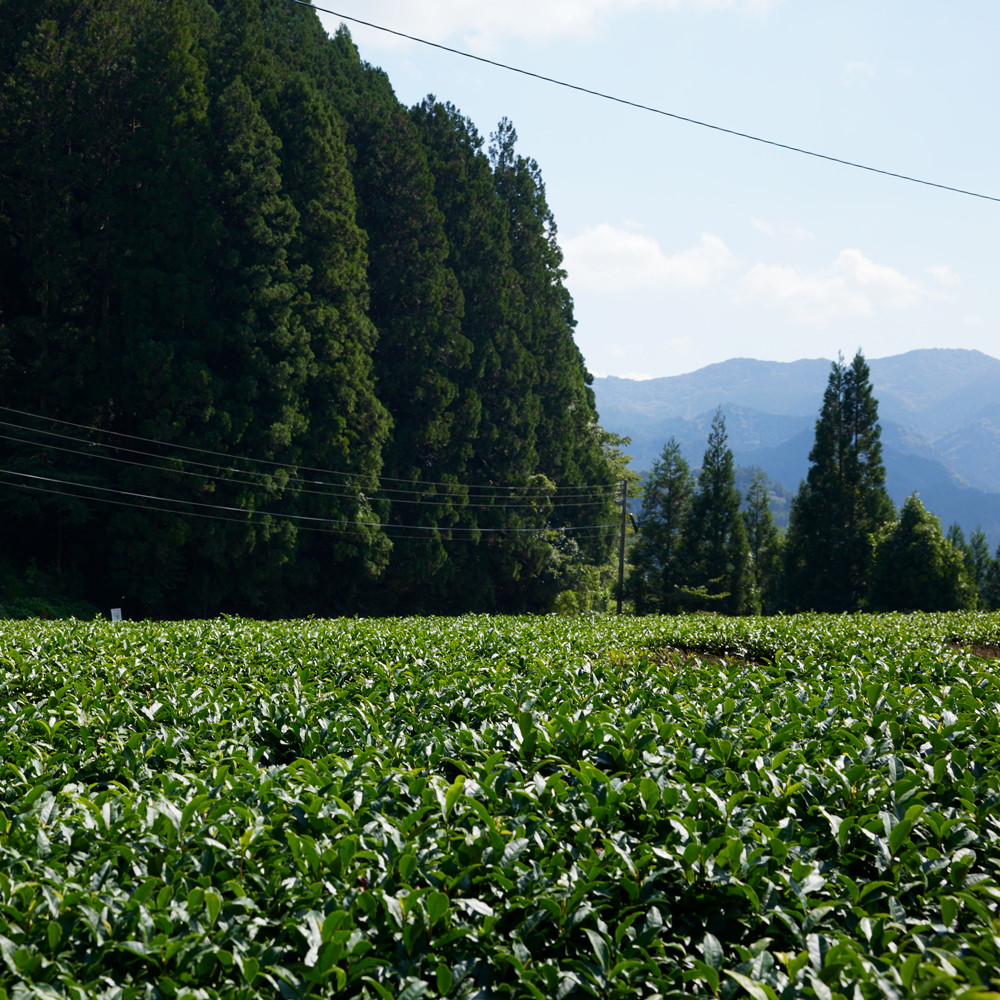
This approach is made possible in part by the farm’s exceptional location, more than 500 metres above sea level. At this altitude, insects and pests are naturally scarce, while the distinctive mountain climate is shaped by snow, sunshine and mist. Together, these conditions help the tea plants develop a natural resilience, reflected in the remarkable aromatic depth and distinctive character of the teas.

The farmer’s skill and dedication have earned him the prestigious MAFF Award on several occasions, alongside numerous other accolades, confirming his reputation as one of Yame’s finest organic tea growers. The farm is particularly proud that not only its Sencha and Gyokuro, but also its rare Wakocha have received such recognition. These Japanese black teas rank among the finest in Japan.

Organic Sencha Karigane Yame

Character

Tasting Notes

This Karigane comes from Yame, a renowned centre of Japanese green tea nestled in the mountains of Fukuoka. It beautifully combines the light, easy-drinking quality of traditional Kukicha (stem tea) with the refined, umami-rich mountain-grown character of fine Yame Sencha.

The stems lend the tea a bright, delicate flavour, complemented by subtle notes of fresh walnut and hay. Compared with regular Sencha, Karigane is notably mild and, thanks to its naturally low caffeine content, is also well-suited to drinking in the evening or for those who are sensitive to caffeine.

Leaf

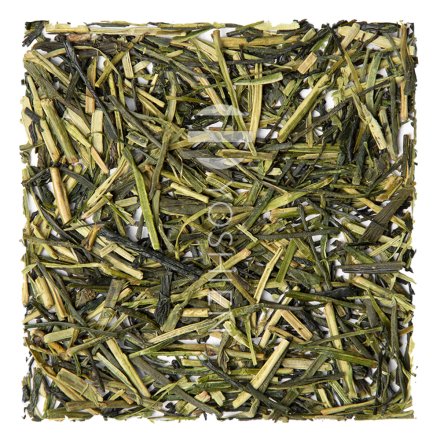
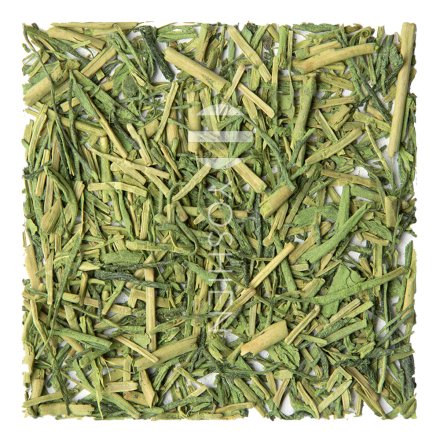
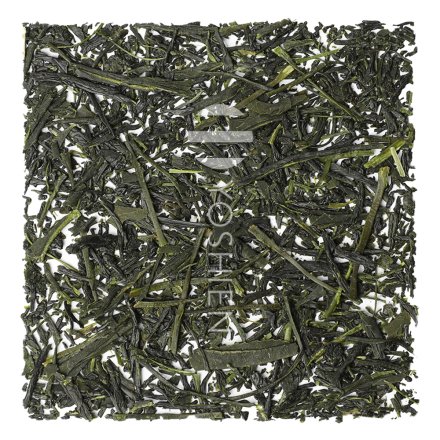
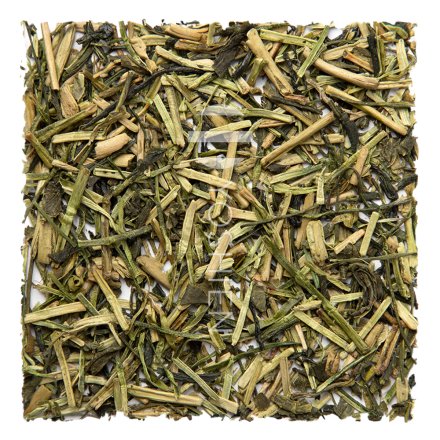
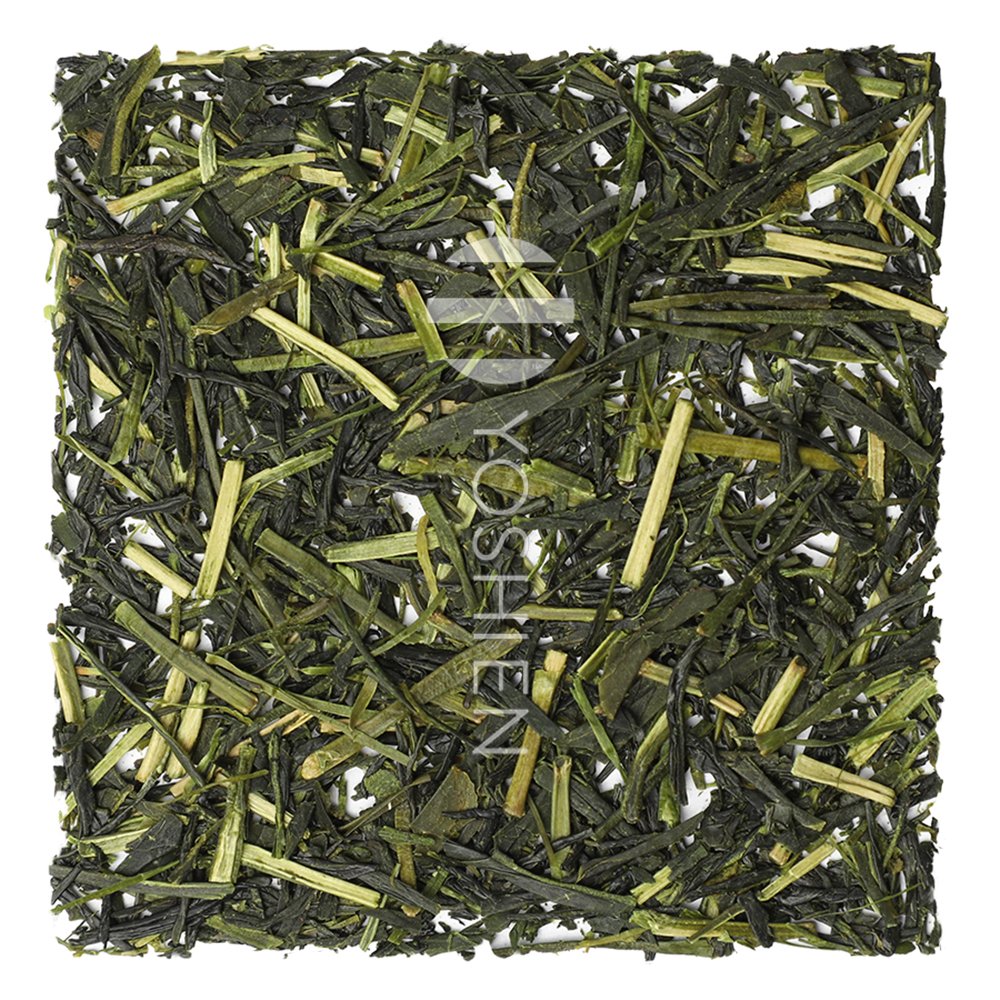
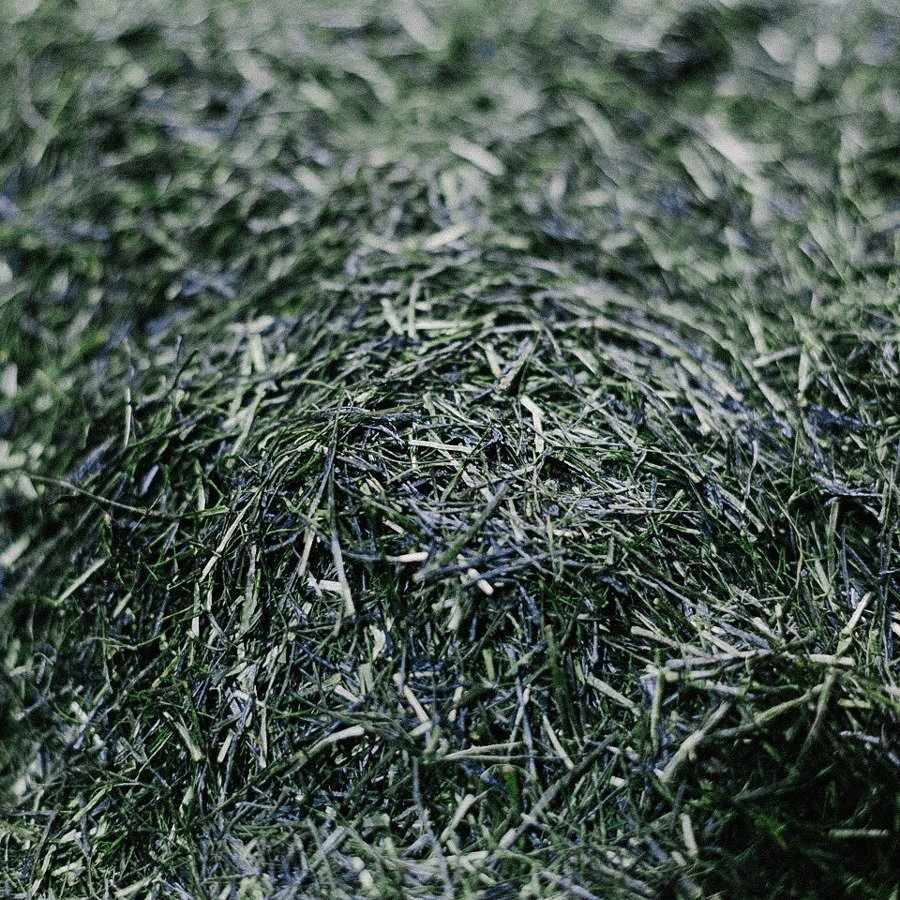
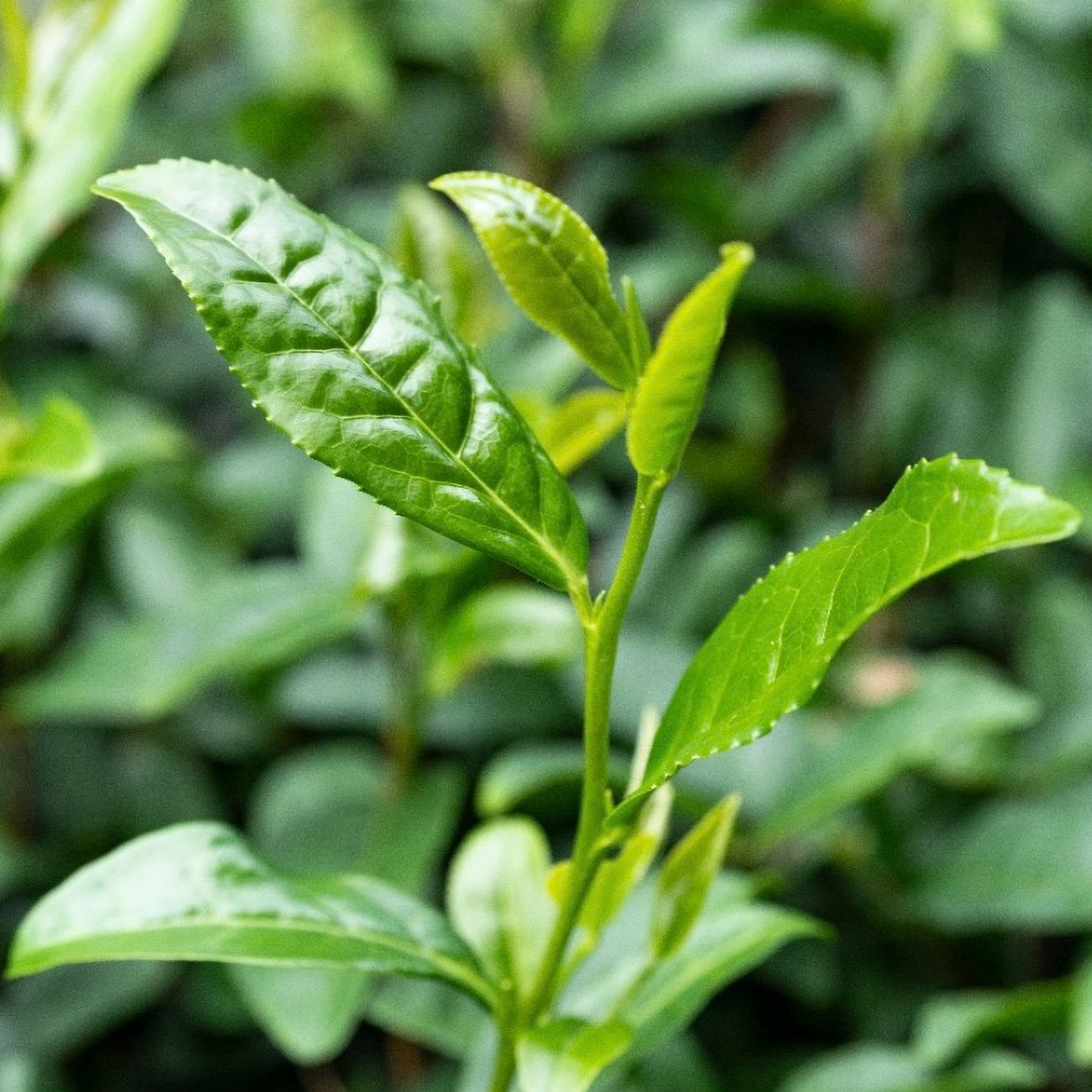
Juicy, light green stems and abundant leaf material

Cup

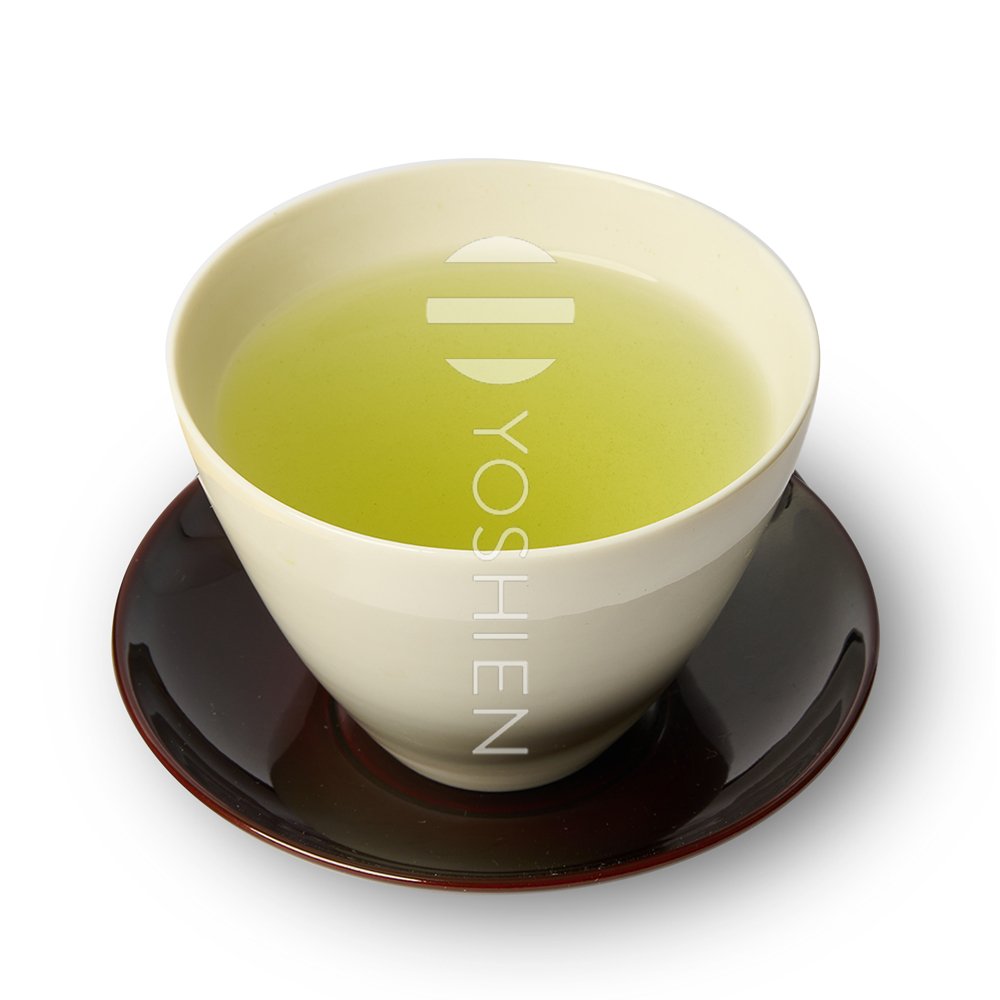
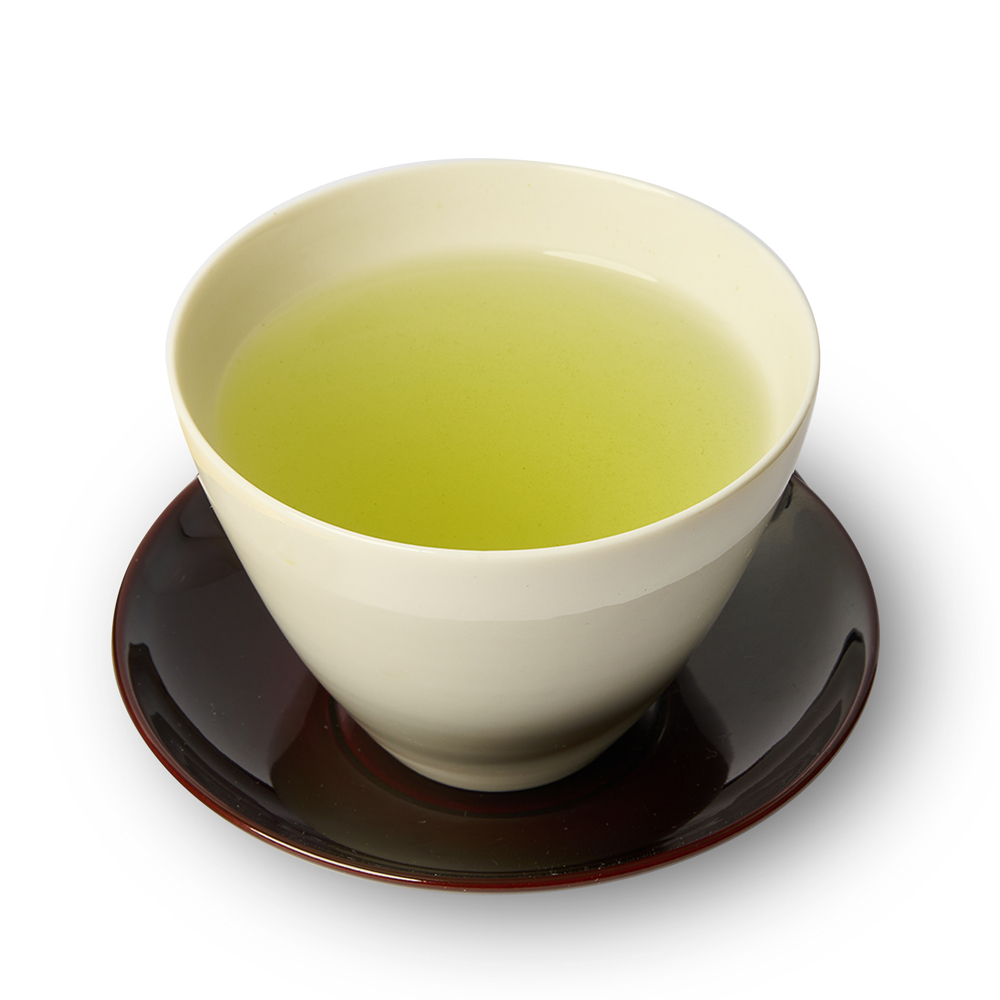
Beautiful olive green

Organic Sencha Karigane Yame Organic Sencha Karigane Yame

Sencha Karigane

Karigane refers to fine green teas obtained from the higher-quality stems, leaf veins and small leaf portions of select senchas and gyokuros. It is naturally low in caffeine and rich in amino acids, the latter of which give this tea its creamy and sweet aroma. Karigane is often called the "tea of tea farmers" because it is considered a bit of an insider secret that high-quality stem teas outshine basic and middle-rate senchas, gyokuros and hoijchas. The name karigane is a reference to Japanese folklore: wild geese are said to carry small branches (karigane) in their beaks when flying over large expanses of water in order to rest on them when they get tired. The high stem content of karigane thus inspired the name for this tea, which evokes the pieces of wood that the wild geese place in the water to float on and rest.

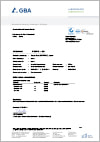
Yoshien Labortests

Laboratory Tests

We go to great lengths to identify the finest organic tea farms across the world’s most celebrated terroirs. All our teas are sourced directly from the farmer and, with a few exceptions, are certified organic or come from pesticide-free farms. Each batch of tea for every harvest is tested for pesticides and other pollutants in an independent German lab to ensure they meet our strict quality standards as well as HACCP food safety requirements. Likewise, the regions of Japan from which we source our teas are tested for radioactivity for every harvest.
Yoshien

Yoshi En

Premium Organic Teas

Our comprehensive portfolio focuses on organic, single-origin teas sourced directly from renowned farms. We believe in creating partnerships with farmers who share our values and are committed to sustainable, responsible tea cultivation. Thanks to these strong relationships our exciting range is constantly growing and evolving. As an international team of dedicated and passionate tea experts, we are committed to preserving centuries-old tea culture while ensuring it remains relevant and continues to bring joy in the present. About Yoshi En.

Cultivation & Processing

Yamecha (八女茶)

Located in the north of Kyushu, the southernmost of Japan's three main islands, the region around Yame city is home to Japan's famous Yamecha (八女茶; "tea from Yame"). The Tsukushi Plain and especially the basins of the two main Yame rivers, the Yabe and the Chikugo, are often shrouded in a dense morning fog. This natural shield from sunlight encourages the tea plants to produce high levels of umami-rich amino acids, creating a rich flavour profile. For this reason, teas from Yame are often referred to as "natural Gyokuros," and can become particularly intense in flavour. The rivers provide pure mountain spring water as well as bring cool, moist air to the region, contributing to the fog. The dramatic climate features hot days and cold nights, with tea bushes occasionally covered in snow during the winter months. The area around Yame also has an extremely high precipitation rate, with up to 2,400mm falling annually. This causes the tea fields, which are mostly located on mountain slopes with loose, sediment-rich soils, to be constantly washed through and drained. These harsh conditions allow the plants to become particularly resistant and contribute to the unmistakably full Yamecha flavour.

The historical origins of Yamecha date back to 1423, when Zen master Shuzui introduced tea cultivation and processing methods from China’s Ming dynasty, where tea was roasted in pans. It was not until the Edo period in the mid-19th century that the Uji method of tea production (involving steaming and shading) gradually took hold, leading to the first production of Sencha tea, albeit in small quantities and as luxury goods. Over time, the tea production methods were modernised, and the foundation for a regional tea industry was established. In 1925, teas from various areas of Fukuoka were officially combined under the name Yamecha in 1925 to emphasise the special quality of the roasted and steamed green teas.

Today, Yame is regarded across Japan as one of the leading tea regions, alongside Uji, and consistently receives top honours in the country’s most prestigious tea competitions. From 2001 to 2012, Yamecha regularly won the prestigious MAFF Award for Gyokuro from the Japanese Ministry of Agriculture, Forestry and Fisheries, and also regularly received the same award in the Sencha category.

Single Origin

This tea comes from the above-mentioned tea field in Yame and is sourced directly from the tea farmer.


Organic Certification

Organic Certification

PL-EKO-01
Nicht-EU-Landwirtschaft

100% pure

Preparation

Brewing Guide

2 heaped teaspoons per 200–300ml (60°C) water. Steep for 2 minutes. Suitable for several infusions.
For a more intense taste, we recommend increasing the temperature to 70–80°C and slightly reducing the infusion time.

Packaging

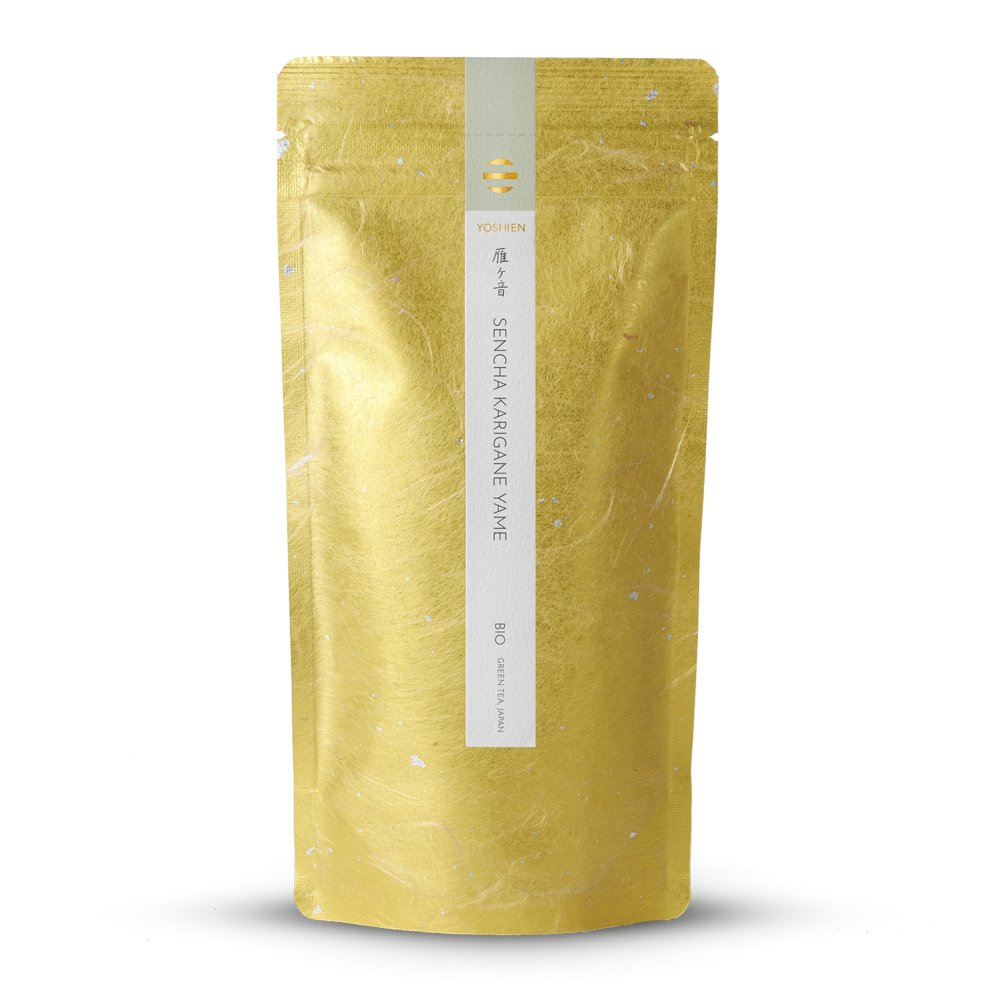
High-quality, airtight, resealable standing zipper pouch with 9 protective layers to preserve flavour and protect against oxidation and contamination.

Recommended Teapot

Purple Banko kyusus with ceramic strainers are ideally suited to bring out the beautiful amino acids in this tea. Alternatively, a black Tokoname kyusu can be used for a more neutral taste.

Recommended Storage

A high-quality tea caddy made of cherry bark (solid wood, kabazaiku chazutsu) is ideal. Alternatively, a cheaper, internally coated, airtight tea caddy can suffice.

Test results

We find it very important that our teas are pure and produced in a way that respects the environment. For this reason, each one of our teas is tested for pesticide residues by an independent laboratory, the results of which can be found here. Some of our teas are also tested for specific nutritional compounds, in which case the test results are also published here.
Test results

Our recommendations

Loading...
The image could not be loaded.