

Shi Feng Long Jing
Imperial Grade

Imperial Grade 100 P.

SKU
8518
Imperial Grade Long Jing from Wenjiashan, one of the original tea-growing villages in the heart of Shi Feng, West Lake’s most prized terroir. Hand-picked in March 2026, before the Qingming Festival (Ming Qian), from the Long Jing 43 cultivar and traditionally wok-roasted by a fifth-generation family of tea makers. Rich, savoury roasted notes meet succulent asparagus freshness and an elegant, mouth-watering umami finish. 20g
Character Hearty roasted notes, succulent asparagus, pronounced sweetness, elegant umami, nutty undertones and a subtle, underlying bitterness
Tea Farm Fifth-generation family-run tea farm, with gardens established around 150 years ago
Terroir Wenjiashan (翁家山), in the heart of the Shi Feng growing area at West Lake, with provenance traceable to the individual village
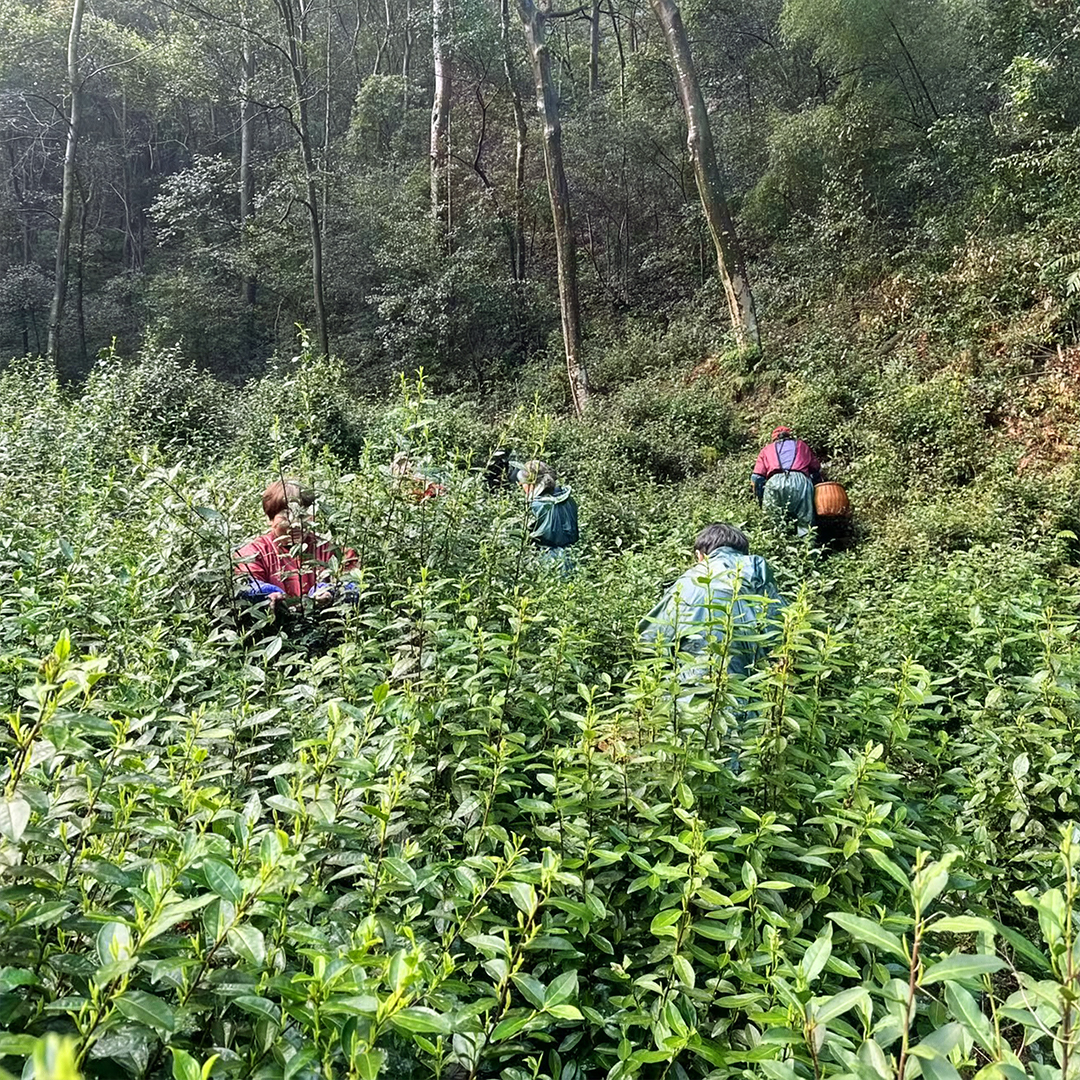
Harvest Ming Qian, the first harvest before the Qingming Festival, hand-picked in March 2026
Cultivar Long Jing 43
Elevation 200–500m above sea level
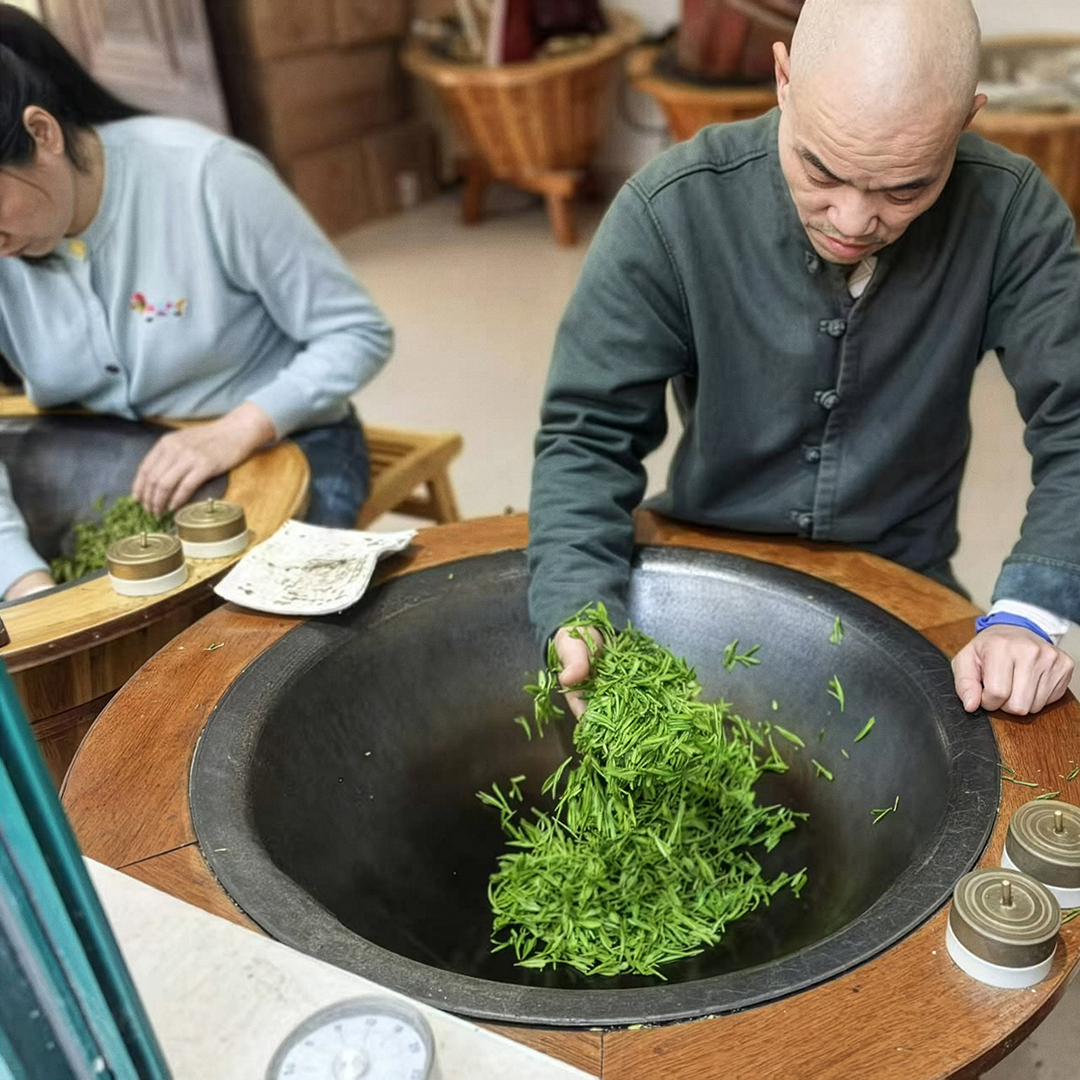
Processing Hand-picking, withering, Sha Qing (殺青, wok-firing to halt oxidation), pressing into the characteristic flat shape and drying
Laboratory Tests Pesticides
Grade Imperial Grade (100/100 P.)
€55.00
20g

Delivery : up to 5 business days

Incl. VAT, excl. shipping

SKU
8518
€2,750.00 / 1kg
Notify me when this product is available:

Incl. VAT, excl. shipping

SKU
8518
€2,750.00 / 1kg
Reminder set
Shi Feng Long Jing Imperial Grade Shi Feng Long Jing Imperial Grade Shi Feng Long Jing Imperial Grade Shi Feng Long Jing Imperial Grade Shi Feng Long Jing Imperial Grade

Tea Farm

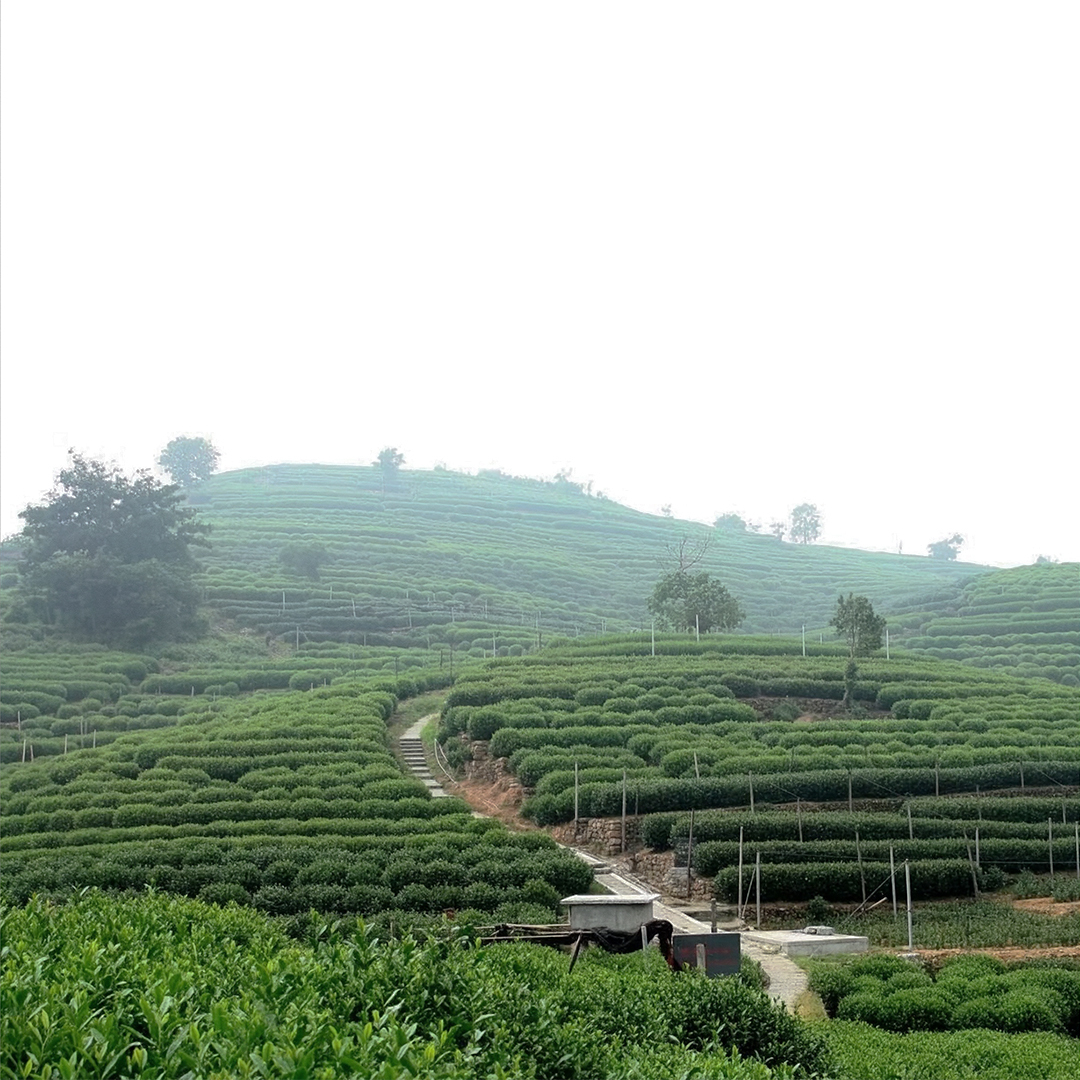
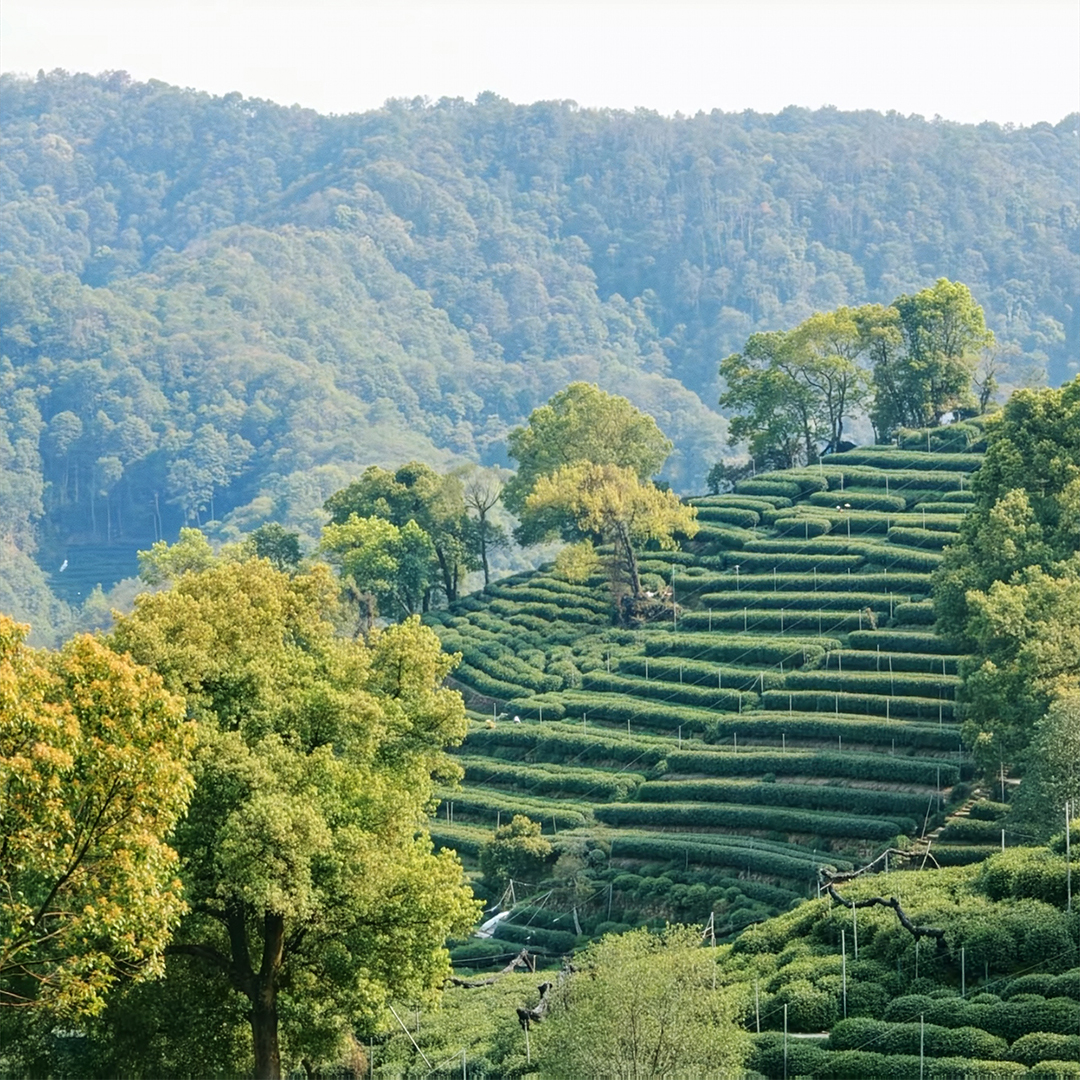
This Long Jing comes from a family-run tea garden in Wenjiashan (翁家山), on the south-eastern slopes of the Shi Feng massif, in the heart of West Lake’s most celebrated tea-growing region. Its provenance can be traced to the village itself, a distinction of particular significance for Long Jing. Established some 150 years ago, the garden has been tended by the same family for five generations. Throughout this time, they have preserved and refined their expertise, from recognising the precise moment to pick the leaves to the delicate processes of withering and traditional wok-firing. The garden is small and highly regarded, with only very limited quantities of this special tea making its way to Europe.

Shi Feng Long Jing Imperial Grade

Character

Tasting Notes

Even before brewing, the leaves release an extraordinary aroma in the warmed Gaiwan: a unique, savoury roasted aroma that brings to mind sizzling bacon bits and the mouth-watering richness of a fine gourmet meal. Once infused, the aroma shifts towards fresh green asparagus, wonderfully juicy and vibrant, with a generous sweetness running through it. As the tea develops, the roasted notes return, making for a remarkably complex and ever-changing bouquet. On the palate, the tea is soft, elegant and beautifully balanced. Deep, savoury umami meets warm, nutty roasted notes, complemented by a fine, underlying bitterness that remains noticeable even at lower brewing temperatures. Rather than disturbing the balance, it gives the tea structure and depth. The characteristic Long Jing umami lingers long after each sip, leaving the mouth watering. The second infusion retains its elegance but gains in strength, with a lively bitterness that moves gently across the palate without becoming harsh or overwhelming.

Leaf

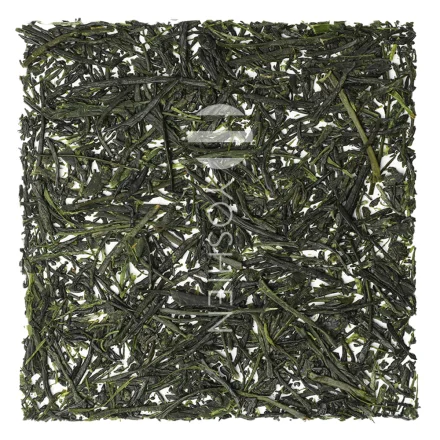
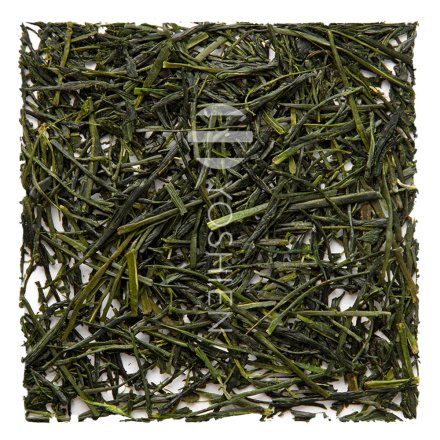
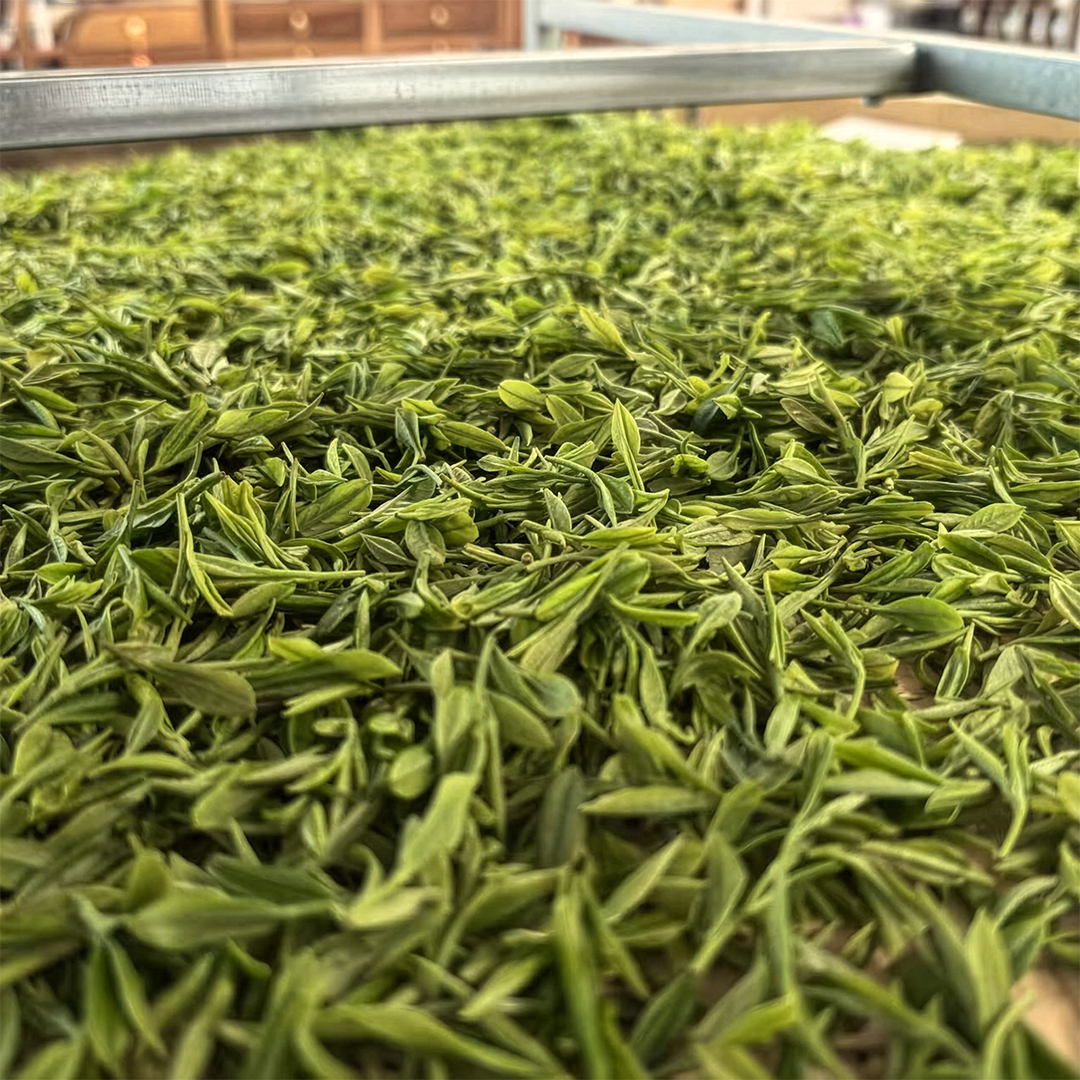
The characteristic flat leaf shape of Long Jing (Bianxingcha 扁形茶), with a fresh, light green colour and subtle yellow tones

Cup

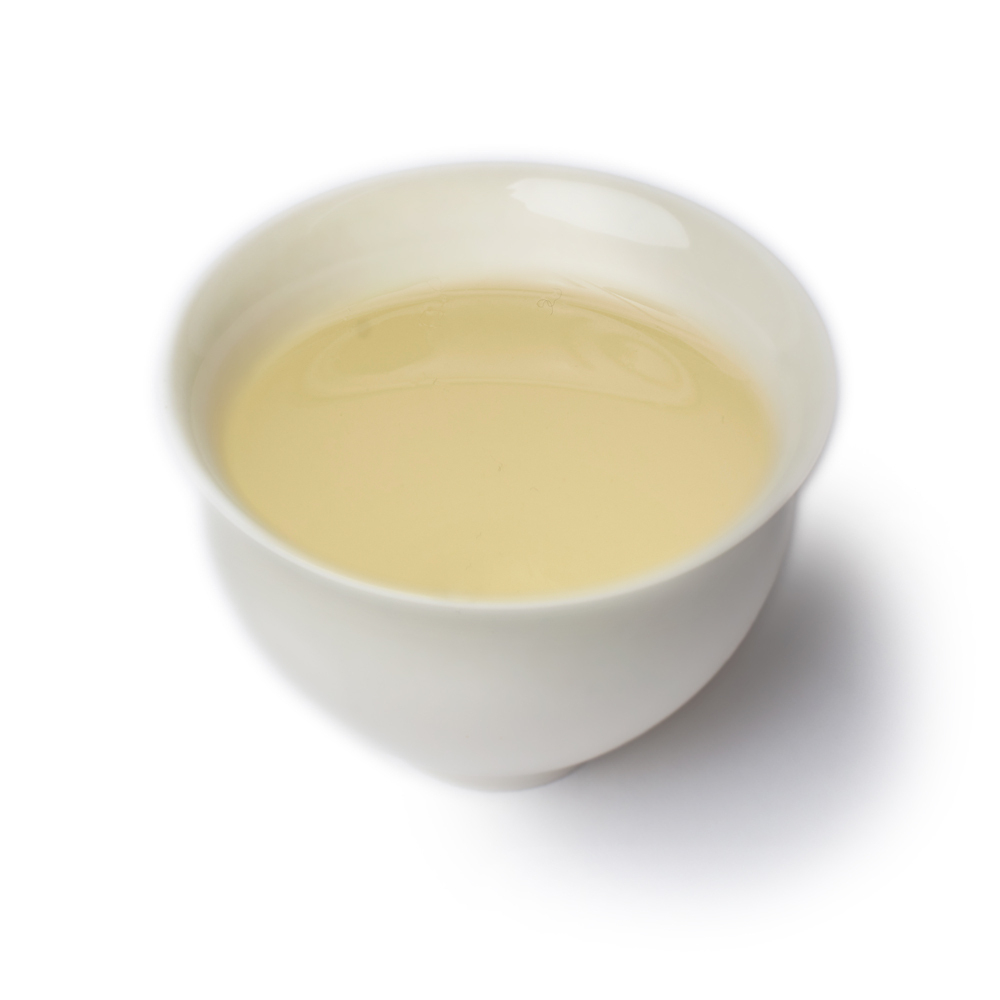
Exceptionally clear, with barely any suspended particles and a delicate green sheen

Shi Feng Long Jing Imperial Grade

Long Jing Green Tea

Authentic Long Jing from Longjingcun (龙井村), the tea’s original village at the foot of Shi Feng Mountain, is highly sought after and celebrated worldwide for its distinctive flavour. The finest examples offer an extraordinary range of aromas, a high concentration of amino acids and a remarkably smooth, gentle character, often accompanied by lower levels of caffeine and catechins. Long Jing is particularly prized for its characteristic nutty notes, developed through the traditional process of pan-firing the leaves.

Yoshien Labortests

Laboratory Tests

We go to great lengths to identify the finest organic tea farms across the world’s most celebrated terroirs. All our teas are sourced directly from the farmer and, with a few exceptions, are certified organic or come from pesticide-free farms. Each batch of tea for every harvest is tested for pesticides and other pollutants in an independent German lab to ensure they meet our strict quality standards as well as HACCP food safety requirements.

Yoshien

Yoshi En

Premium Organic Teas

Our comprehensive portfolio focuses on organic, single-origin teas sourced directly from renowned farms. We believe in creating partnerships with farmers who share our values and are committed to sustainable, responsible tea cultivation. Thanks to these strong relationships our exciting range is constantly growing and evolving. As an international team of dedicated and passionate tea experts, we are committed to preserving centuries-old tea culture while ensuring it remains relevant and continues to bring joy in the present. About Yoshi En.

Cultivation & Processing

Special features in location, cultivation and processing

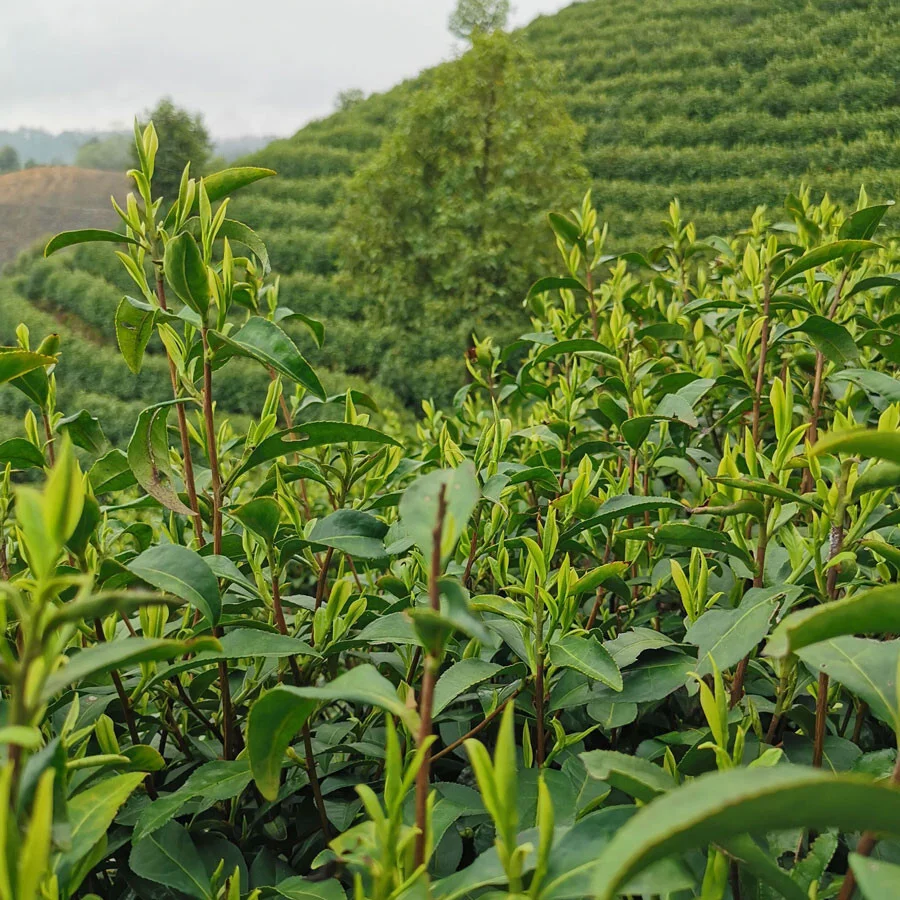
Wenjiashan is one of the historic tea-growing villages surrounding Shi Feng, the Lion Peak west of Hangzhou. Long regarded as the heart of Long Jing production, this is now the most sought-after and prized terroir for the tea. Being able to trace a Long Jing back to its village of origin is far from common. The name is used well beyond the historic growing region, making teas from its traditional heartland particularly rare.

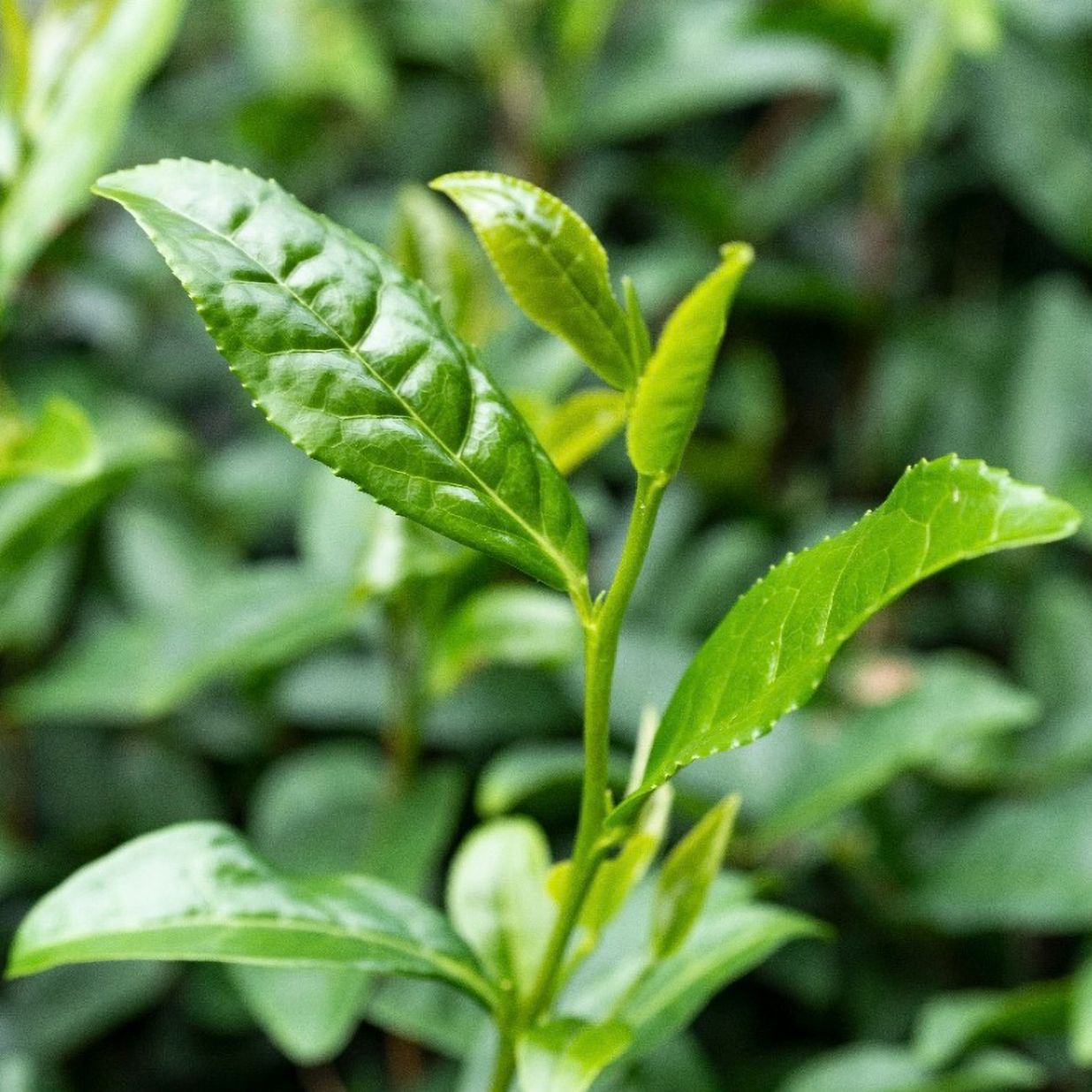
The tea gardens lie at elevations of 200 to 500 metres in the hills surrounding West Lake. Harvest takes place in March, during the Ming Qian period, before the Qingming Festival in early April, when the young shoots of the early-budding Long Jing 43 cultivar are at their most tender and aromatic.

After hand-picking, the leaves are briefly withered before undergoing Sha Qing (殺青), a traditional wok-firing process that halts oxidation. They are then pressed into Long Jing’s characteristic flat shape and gently dried. It is this careful roasting that gives the tea its distinctive savoury, nutty character.

Single Origin

Sourced directly and exclusively from Wenjiashan, in the heart of the Shi Feng growing region.
Preparation

Brewing Guide

2 tsp (4g) per 250ml water, 75°C, brew for 2 minutes. Suitable for multiple infusions.

Our tip:
Before brewing, take a moment to enjoy the fragrance of the dry leaves in a pre-warmed gaiwan or teapot. This particular Long Jing releases an extraordinary, deeply savoury roasted aroma.

Traditional, stronger brewing in a small teapot or Gaiwan (150ml):
2–3 generously heaped tsp (7g), 80–85°C, 100–180ml, 1 minute. Suitable for 3–4 infusions.

Brewing directly in a glass:
In Zhejiang, tea is traditionally prepared by simply placing the leaves in a tall, narrow drinking glass and pouring hot water (100°C) over them. The tea is enjoyed straight from the glass, with more hot water added as needed.

Packaging

Packed in a premium, airtight, resealable stand-up pouch designed to preserve the tea’s freshness and aroma. Its nine-layer, high-barrier construction provides exceptional protection against oxidation and external contaminants.

Recommended Tea Pot

For a particularly aromatic and traditional brewing experience, we recommend a porcelain Gaiwan. Alternatively, a glass teapot with an integrated strainer allows the leaves to unfurl and infuse freely. For brewing directly in a glass, our double-walled, heat-resistant glass cups are an excellent choice.

Recommended Storage

For elegant, traditional storage, we recommend authentic Chinese porcelain or clay tea caddies. Alternatively, a more affordable airtight tea caddy with a protective inner lining is an excellent choice.

Our recommendations

Loading...
The image could not be loaded.