

Osmanthus
Black Tea P.Free

Super Premium 95 P.

SKU
8517
An exquisite black tea from the mist-shrouded mountains of Jiangxi, traditionally scented with real osmanthus blossoms. Fruity notes of ripe plum and delicate hints of chocolate mingle with the sweet, herbal freshness of osmanthus, creating a wonderfully juicy, full-bodied flavour profile. 50g
Character Fruity with hints of plum, liquorice, and chocolate; savoury and flavoursome, juicy, with a fresh note of osmanthus
Tea Farm A leading, remote tea farm in the region, committed to a natural approach to cultivation without chemical pesticides
Terroir Fuliang, Jiangxi Province, China
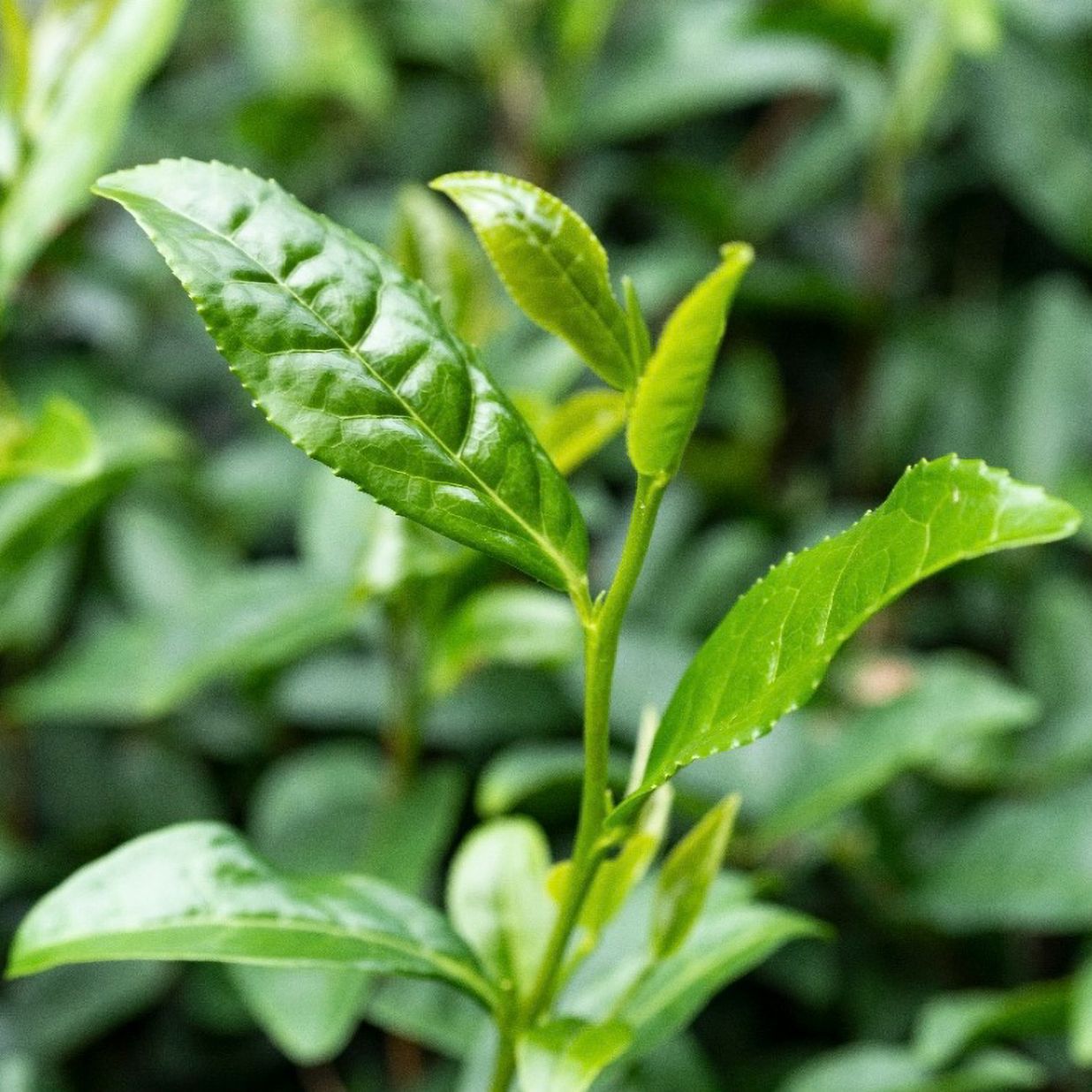
Harvest Black tea: Spring, May, hand-picked (1 bud, 2 leaves)
Osmanthus blossoms: September
Cultivar Zhuyeqi 槠叶齐
Elevation 400-450m above sea level
Processing Hand-picked, indoor withering, rolling, oxidation (80–90%), roasting and drying, followed by traditional scenting with osmanthus flowers
Cultivation 100% natural, free from chemical pesticides
Grade 95/100 points (flavoured teas category), Super Premium
€15.90
50g

Delivery : up to 5 business days

Incl. VAT, excl. shipping

SKU
8517
€318.00 / 1kg
Notify me when this product is available:

Incl. VAT, excl. shipping

SKU
8517
€318.00 / 1kg
Reminder set
Osmanthus Black Tea Osmanthus Black Tea Osmanthus Black Tea Osmanthus Black Tea Osmanthus Black Tea

Tea Farm

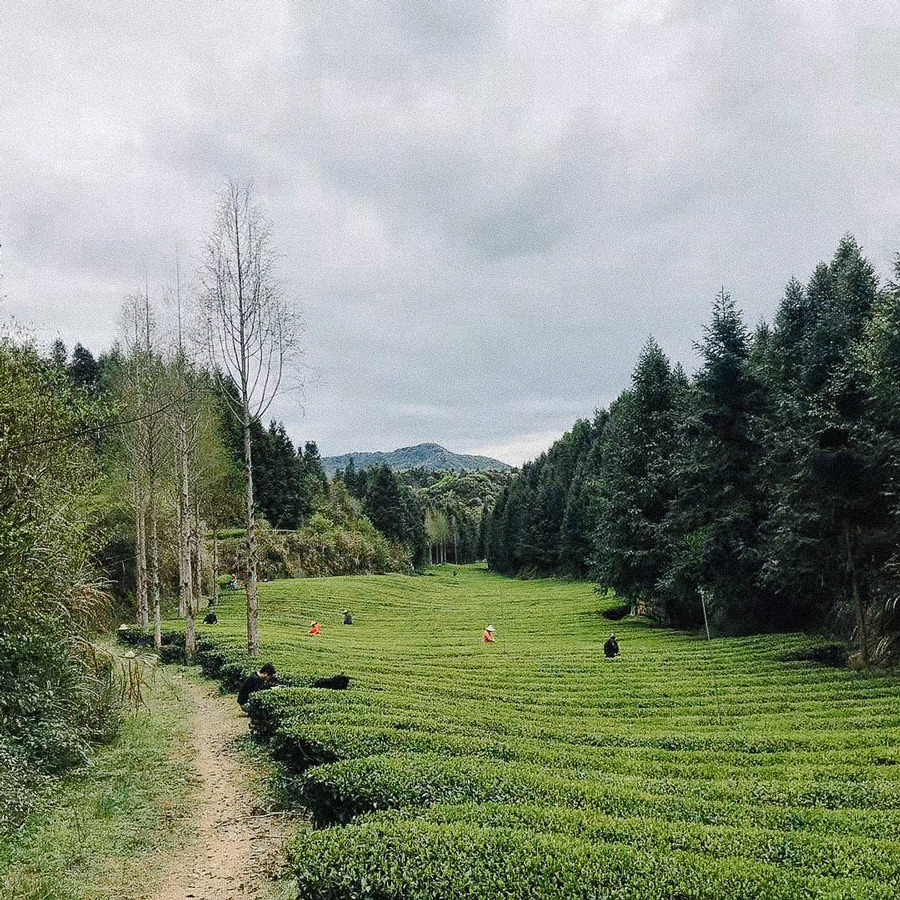
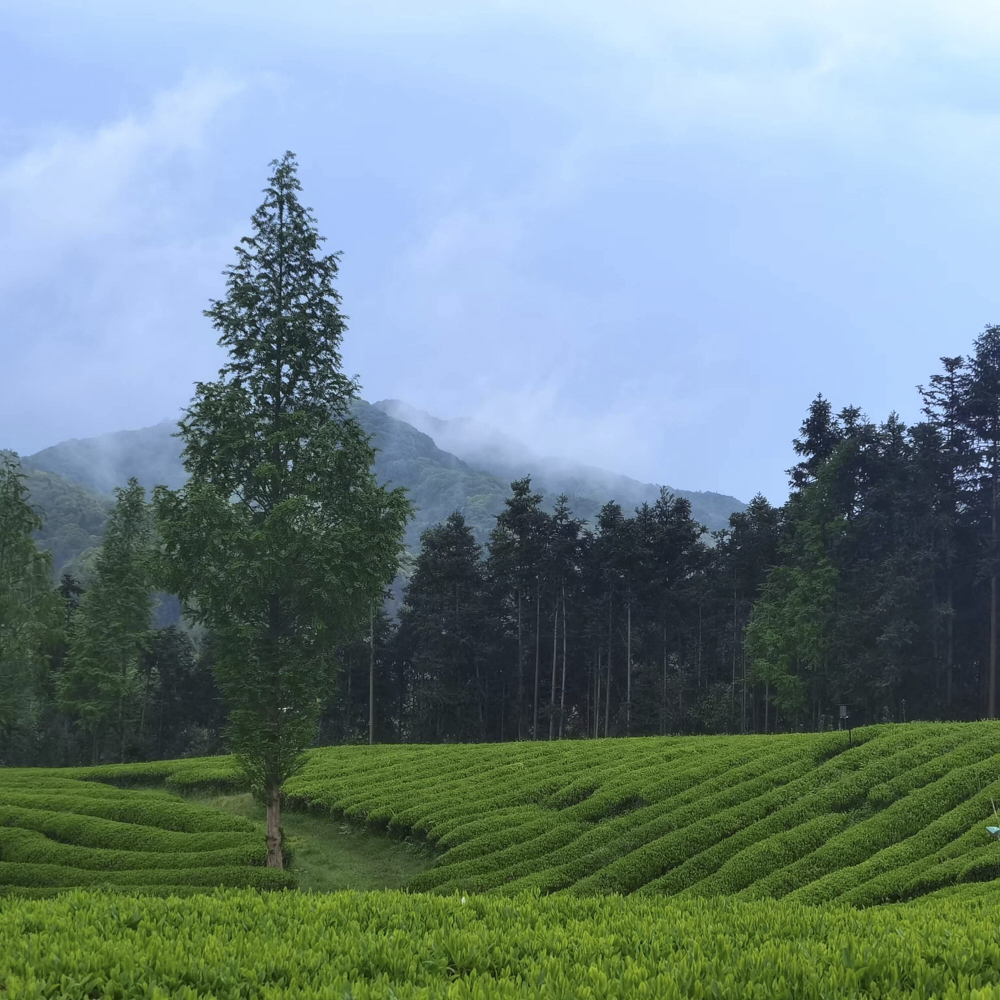
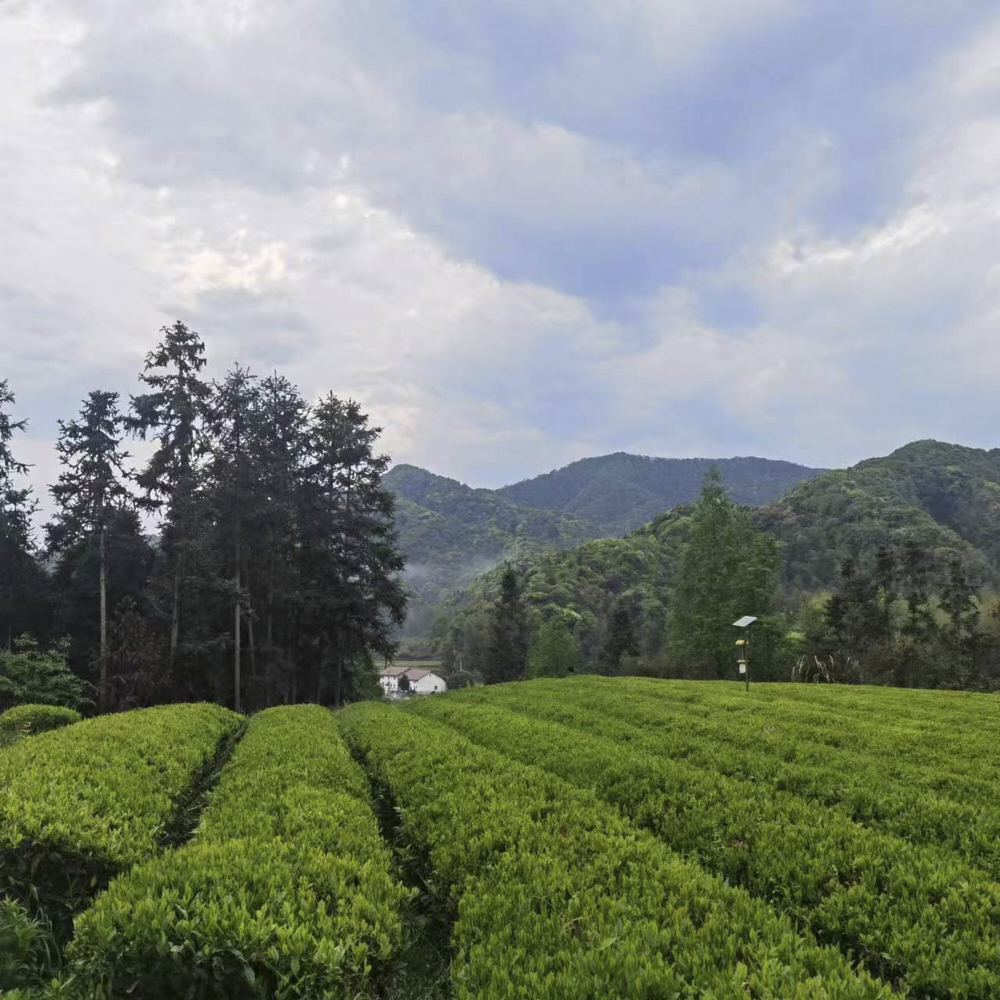
We source this tea from a leading, remote tea farm near the town of Fuliang in north-eastern Jiangxi Province, not far from the famous black tea-growing region of Qi Men (Keemun). The area is exceptionally rich in woodland, with trees covering an impressive 83% of the immediate surroundings. Due to its abundant natural springs, the entire region enjoys the highest level of government protection as a designated water conservation area. The tea gardens are situated on mountain slopes at elevations of 300 to 800 metres. Humus from the surrounding deciduous forests enriches the acidic red clay soils, while the forest canopy filters the sunlight and clouds and mist rising throughout the year create a balanced microclimate. The farm is steeped in a long local tradition of tea cultivation and production. Alongside white and black teas, it produces beautifully crafted Oolongs and keeps alive the delicate art of scenting tea with real flowers.

Osmanthus Black Tea

Character

Tasting Notes

The very first aroma is distinctly fruity, accompanied by gentle roasted notes and a delicate hint of chocolate. As the tea brews, the bouquet becomes even more fruit-forward, with ripe plum taking centre stage, complemented by a touch of clove and the inviting aroma of fresh, moist bread dough.

On the palate, the first infusion reveals a characterful black tea with notes of liquorice and warm leather. Remarkably juicy, it surprises with a savoury, almost salty depth that reminded our tasting team of a rich, hearty broth. A subtle, slightly fermented fruitiness lingers in the background.

The second infusion is where the tea truly comes into its own. The fermented notes fade, the flavours become clearer and more defined, and the osmanthus begins to shine through. Its delicate presence at the back of the palate lends a refreshing lift, elegantly balancing the tea’s fruity, flavoursome character.

Leaf

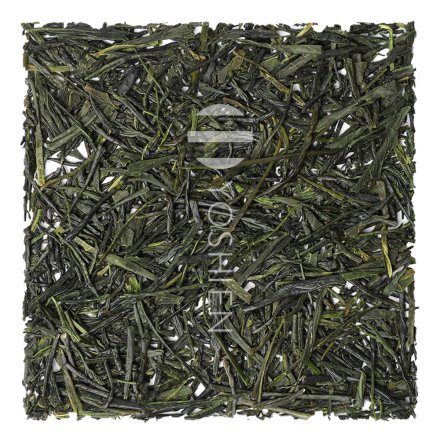
Dark black, delicately formed leaves

Cup

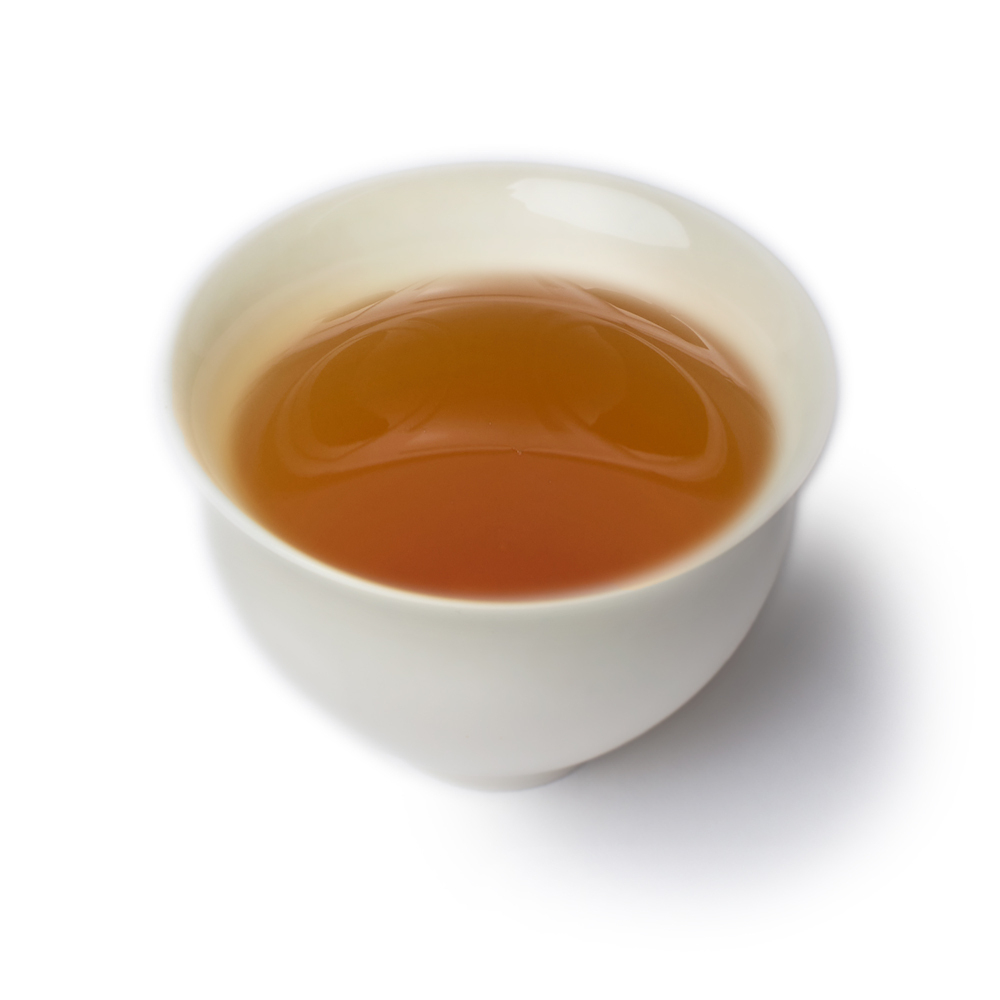
Orange-red

Osmanthus Black Tea

Osmanthus Tea

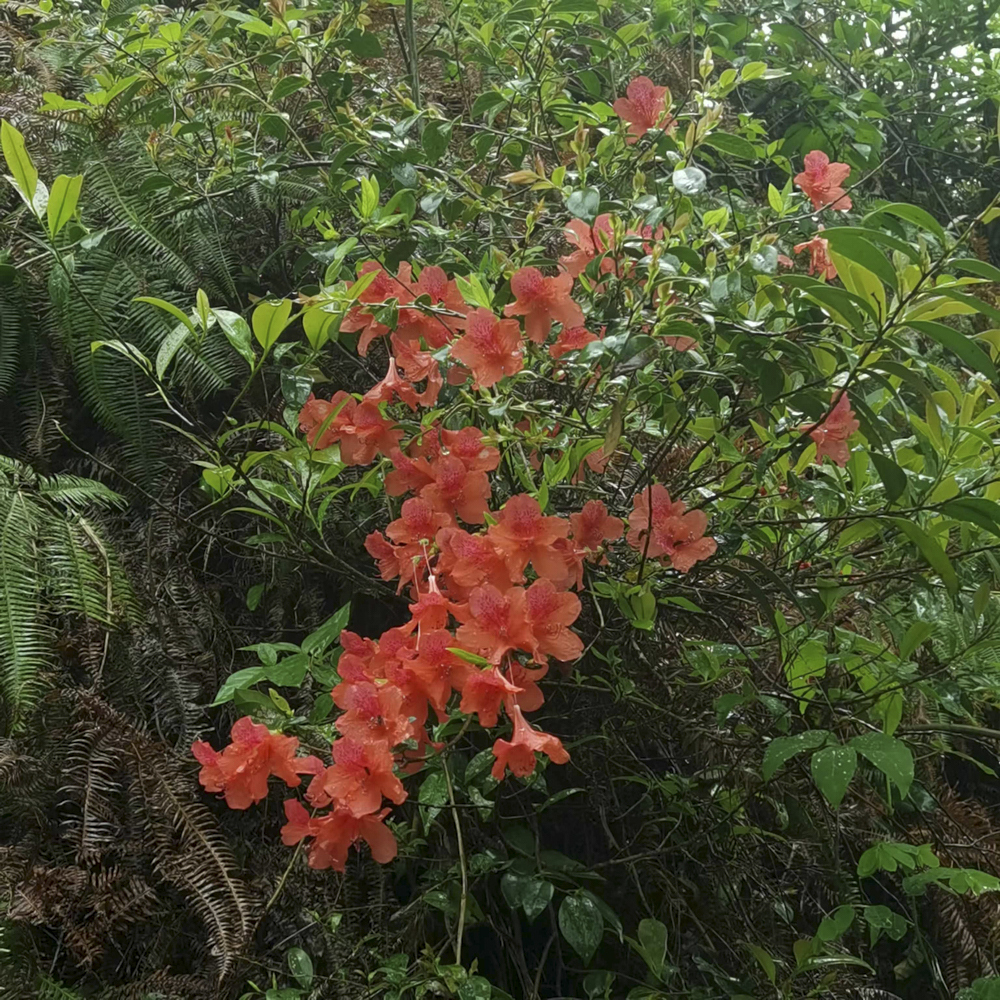
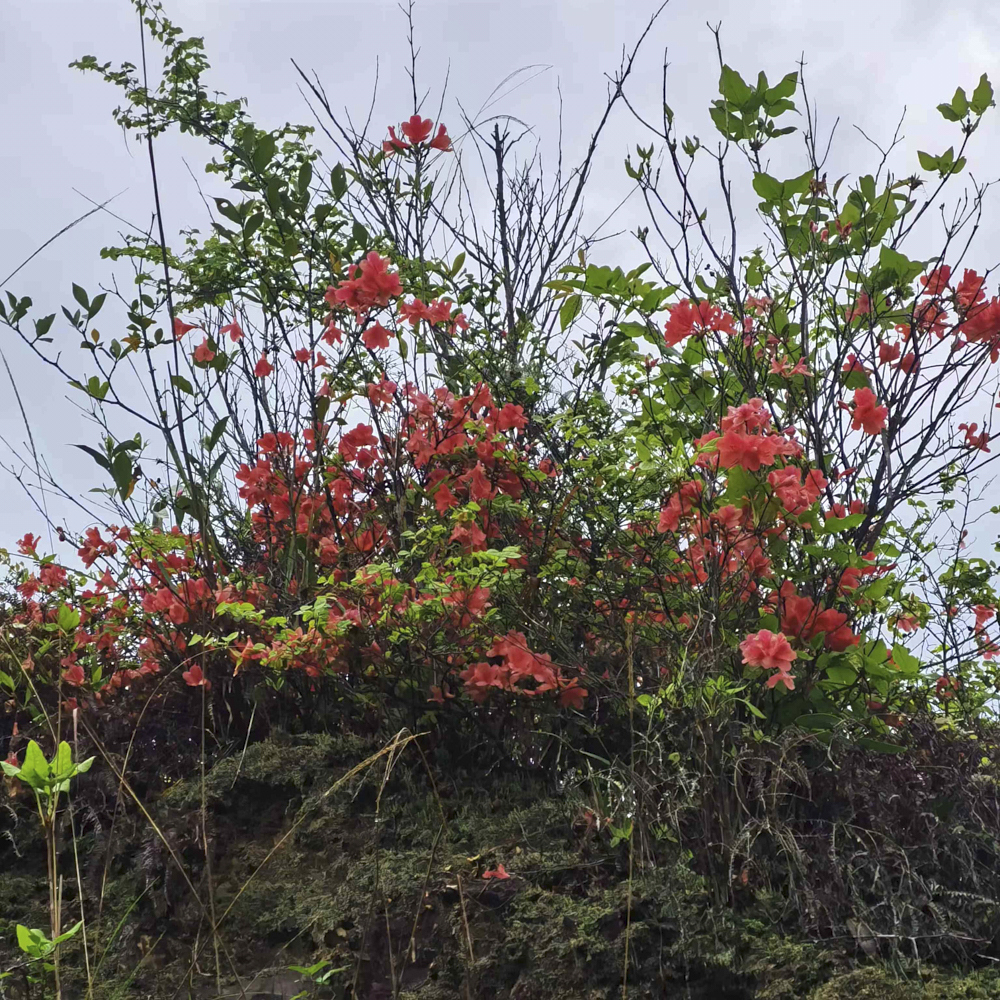
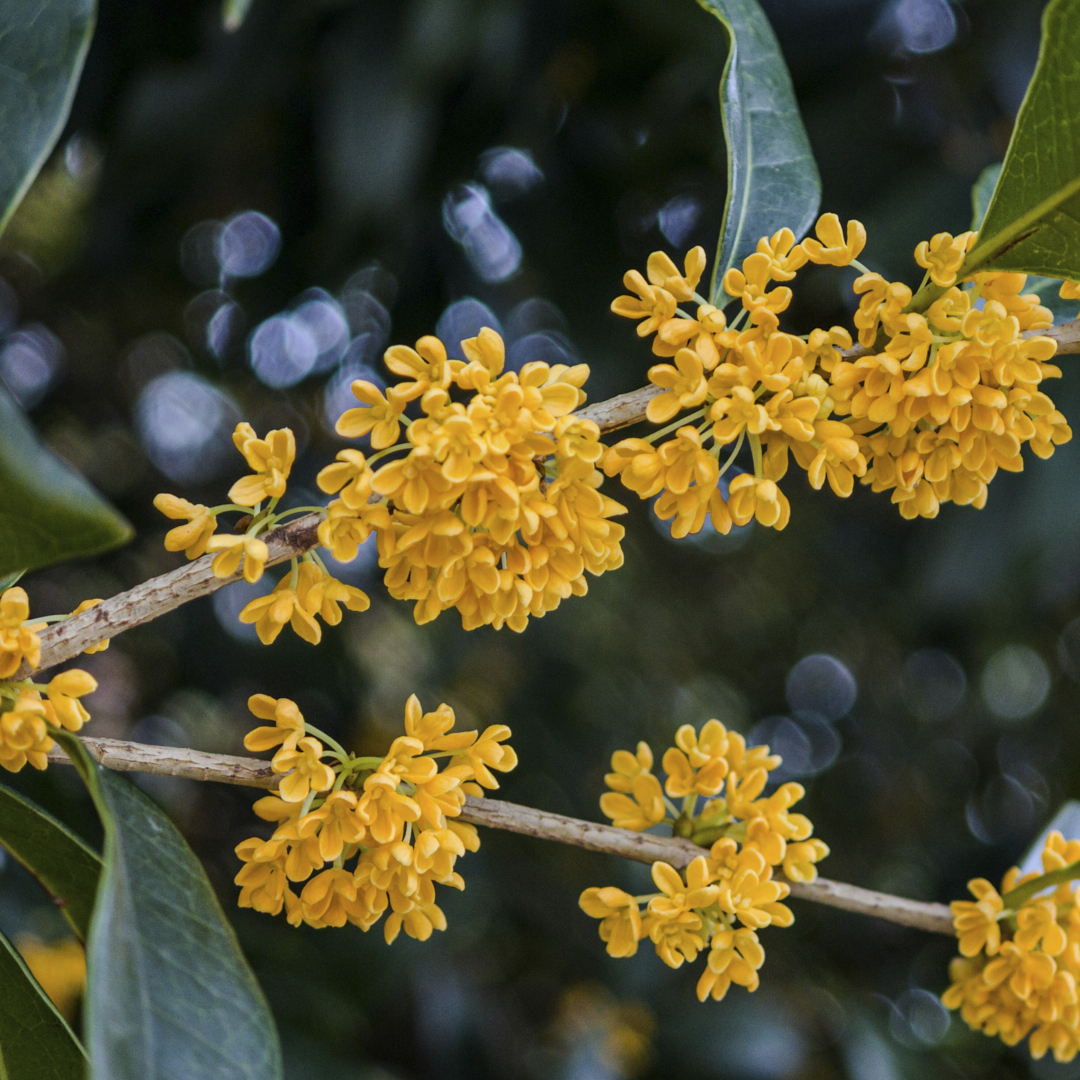
Osmanthus fragrans, known in Chinese as Gui Hua (桂花), is an evergreen shrub native to southern China. Its tiny autumn blossoms release a sweet fragrance reminiscent of ripe apricots. Few flowers are as deeply woven into Chinese culture and tradition as osmanthus. According to legend, an osmanthus tree grows on the moon, and because the imperial civil service examinations took place during its flowering season, its branches became a symbol of success. To this day, osmanthus tea remains part of the Mid-Autumn Festival (also known as the Moon Festival) celebrations.

Tea has been scented with osmanthus since the Song Dynasty, traditionally by mixing fresh blossoms with the finished tea and removing them once their fragrance has been absorbed. There is a biochemical reason why the two complement each other so beautifully: key aromatic compounds found in osmanthus flowers, such as linalool and β-ionone, are also naturally present in tea leaves. Rather than simply adding another layer of fragrance, osmanthus enhances aromatic nuances already inherent in the tea, making it a particularly harmonious match for fragrant Oolongs and black teas.

Yoshien Labortests

Laboratory Tests

We go to great lengths to identify the finest organic tea farms across the world’s most celebrated terroirs. All our teas are sourced directly from the farmer and, with a few exceptions, are certified organic or come from pesticide-free farms. Each batch of tea for every harvest is tested for pesticides and other pollutants in an independent German lab to ensure they meet our strict quality standards as well as HACCP food safety requirements.

Yoshien

Yoshi En

Premium Organic Teas

Our comprehensive portfolio focuses on organic, single-origin teas sourced directly from renowned farms. We believe in creating partnerships with farmers who share our values and are committed to sustainable, responsible tea cultivation. Thanks to these strong relationships our exciting range is constantly growing and evolving. As an international team of dedicated and passionate tea experts, we are committed to preserving centuries-old tea culture while ensuring it remains relevant and continues to bring joy in the present. About Yoshi En.

Cultivation & Processing

Special features in location, cultivation and processing

The tea farm is tucked away near the town of Fuliang in north-eastern Jiangxi Province, not far from the renowned black tea-growing region of Qi Men (Keemun). For the base tea, one bud and two leaves of the Zhuyeqi cultivar are hand-picked in May, withered indoors, rolled and oxidised to 80–90% before being roasted and dried. When the osmanthus comes into bloom, the tea undergoes traditional scenting, allowing the finished black tea to naturally absorb the fragrance of real osmanthus blossoms. The fruity depth of the base tea and the blossoms’ sweet, fresh aroma come together to create an exceptionally complex and layered flavour profile.

Single Origin

This tea comes 100% from the above-mentioned tea fields in Jiangxi, China, directly sourced.
Preparation

Brewing Guide

2 well-heaped tsp (5g) per 200-300ml water, 85-90°C, steep for 1-2 minutes. Suitable for multiple infusions.

Packaging

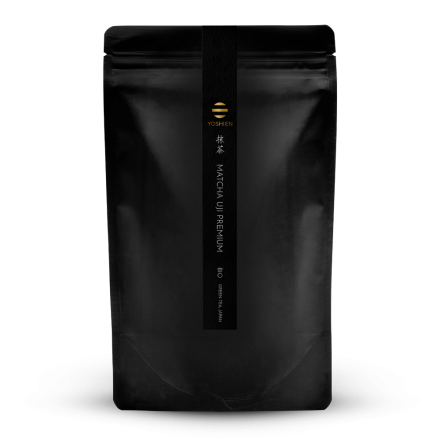
Packaged in a high-quality, airtight, resealable pouch with a zip closure and stand-up base. Its nine-layer construction provides exceptional protection against oxidation and external contaminants, helping to preserve the tea’s freshness and delicate aromas.

Recommended Tea Pot

For brewing, we recommend porcelain teaware, which beautifully brings out the tea’s delicate osmanthus fragrance. The tea is especially well suited to a Gaiwan, although porcelain teapots also produce a wonderfully fragrant cup. Alternatively, a glass teapot allows you to watch the tea leaves unfold as they steep.

Recommended Storage

Ideal is a high-quality tea caddy made from cherry tree bark (solid wood, Kabazaiku Chazutsu). Alternatively, a more affordable, internally-coated airtight tea caddy is another great choice.

Our recommendations

Loading...
The image could not be loaded.