

NEW "Yin & Yang" teaware collection – find inner balance with every sip

Chawan Kato Shino

Kato Kozo

SKU
0267
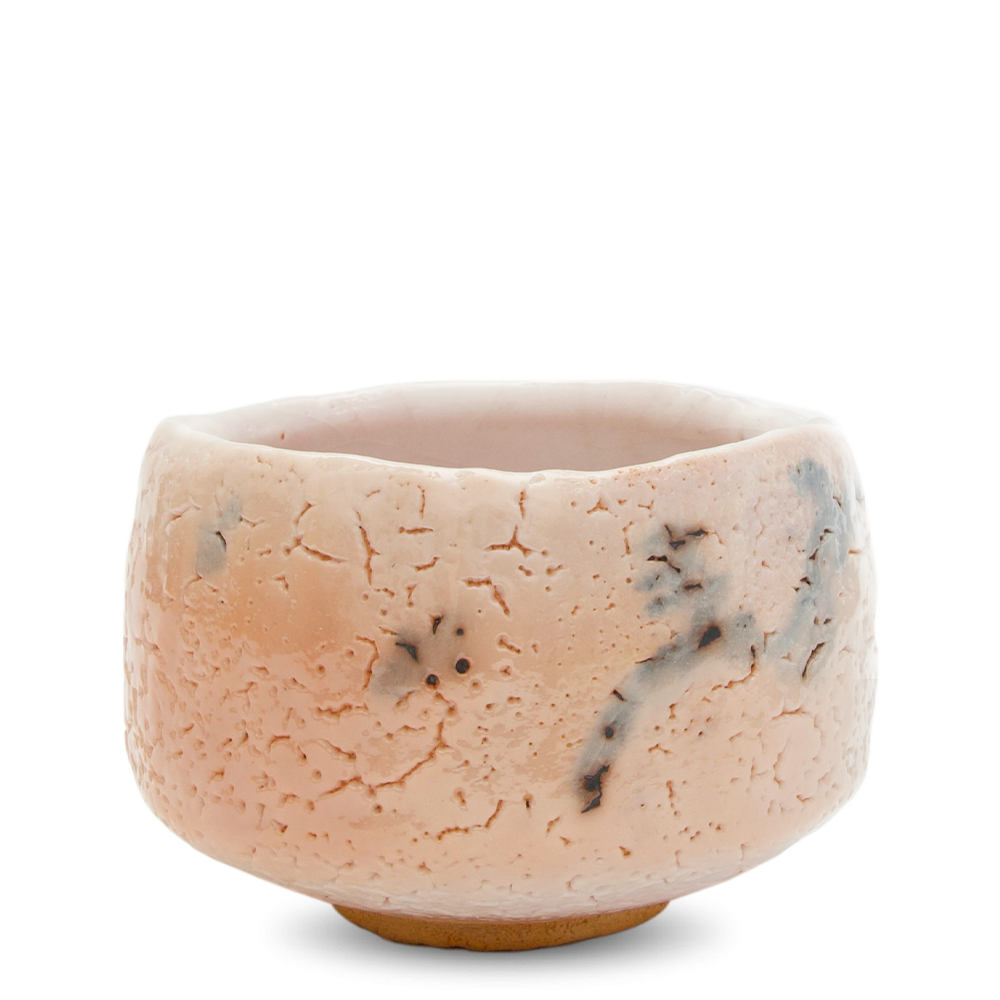
A Mino-yaki Chawan with a Shino glaze by the Japanese potter and Living National Treasure, Katō Kōzō (1935–2023). This bowl has a tall, irregular, cylindrical form, covered in a crackled white glaze scorched to a soft pink, and decorated with a landscape of trees and mountains in painterly black lines.
Artist Katō Kōzō
Object Chawan tea bowl
Period Late 20th to early 21st century
Origin Mino, Gifu, Japan
Style Mino-yaki
Material Ceramic, Shino glaze
Dimensions Ø14.2 x 8.8cm
Weight 617g
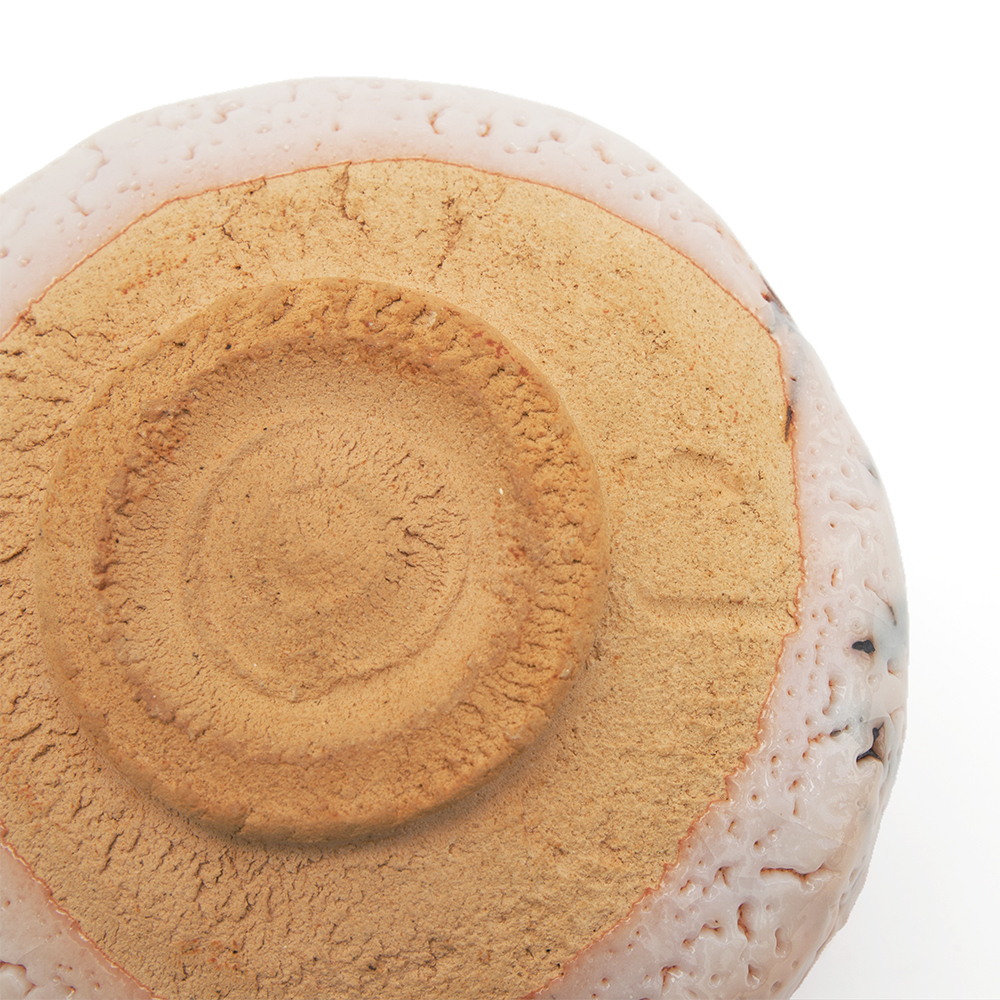
Artist's Mark Inscribed to side of foot ring
Packaging Signed Tomobako, lacquered outer box


This masterpiece is part of the Yoshi en Private Collection, shown here for display only and is not for sale.

In stock
Kato Kozo Chawan Shino

Katō Kōzō 加藤 孝造

Born in Tajimi, Gifu Prefecture, Katō Kōzō (1935–2023) was one of the foremost masters of traditional Mino ceramics. Alongside Arakawa Toyozō (1894–1985), he played a pivotal role in reviving centuries-old Mino firing traditions that had long been lost. His practice remained fiercely devoted to authentic Momoyama Period (1573–1603) techniques, utilising manually operated potter’s wheels and historic semi-underground wood kilns (kamado-gama). Katō’s mastery focused primarily on Shino and Black Seto (Seto-guro) wares. In 2010, he received Japan's highest honour when he was designated a Living National Treasure for his exceptional mastery of the Seto-guro technique. His works have been featured in major solo exhibitions and are preserved in distinguished permanent collections worldwide, including the National Museum of Modern Art, Tokyo, the Mizunami Ceramic Museum, and the Victoria and Albert Museum in London.

Kato Kozo Chawan Shino

Chawan 茶碗

The tea bowl, known as a Chawan (茶碗: "tea bowl") or Matchawan (抹茶椀: "matcha tea bowl") in Japanese, originated in China and began to be imported to Japan in the 13th century. To this day, Chawan are used in the Japanese tea ceremony to prepare and serve Koicha (濃茶): a thick, dark tea made with the finest matcha, as well as Usucha (薄茶): a thinner, frothier version – or how matcha is typically prepared for everyday drinking. Chawan come in a variety of shapes and regional styles, sometimes with the addition of seasonal motifs, making them popular items to collect.

Mino-Yaki 美濃焼

Produced in the historic Mino province, present-day Gifu prefecture, Mino-yaki has a long ceramic history dating back to the 11th century. Mino ceramic production developed in correlation with that of Seto, in neighbouring Aichi prefecture, where one of the legendary Six Ancient Kilns of Japan was located. A variety of styles and glazing techniques were produced in Mino following the Japanese tea ceremony, or Chanoyu, boom in the Momoyama period (1573–1603), including yellow Kiseto, black Setoguro and Tenmoku glazes, as well as Shino and Oribe wares.

Shino-yaki 志野焼

Admired for their organic, natural beauty, Shino wares, or Shino-yaki, are characterised by thick white glazes, often textured with crackles or small holes, and red scorch marks. Shino glazes are primarily composed of feldspar and traditionally undergo a long firing and cooling process in a reduction atmosphere.
Awards

  • 1962 Young Artist Award
  • 1986 Japan Ceramic Society Award
  • 1995 Gifu Prefecture Intangible Cultural Property for Shino and Seto-guro
  • 2010 Living National Treasure (Ningen Kokuhō 人間国宝) for Seto-guro

Our recommendations

Loading...
The image could not be loaded.