

NEW "Yin & Yang" teaware collection – find inner balance with every sip

Kyusu Kaiyu #2

Konishi Yusen

SKU
2982
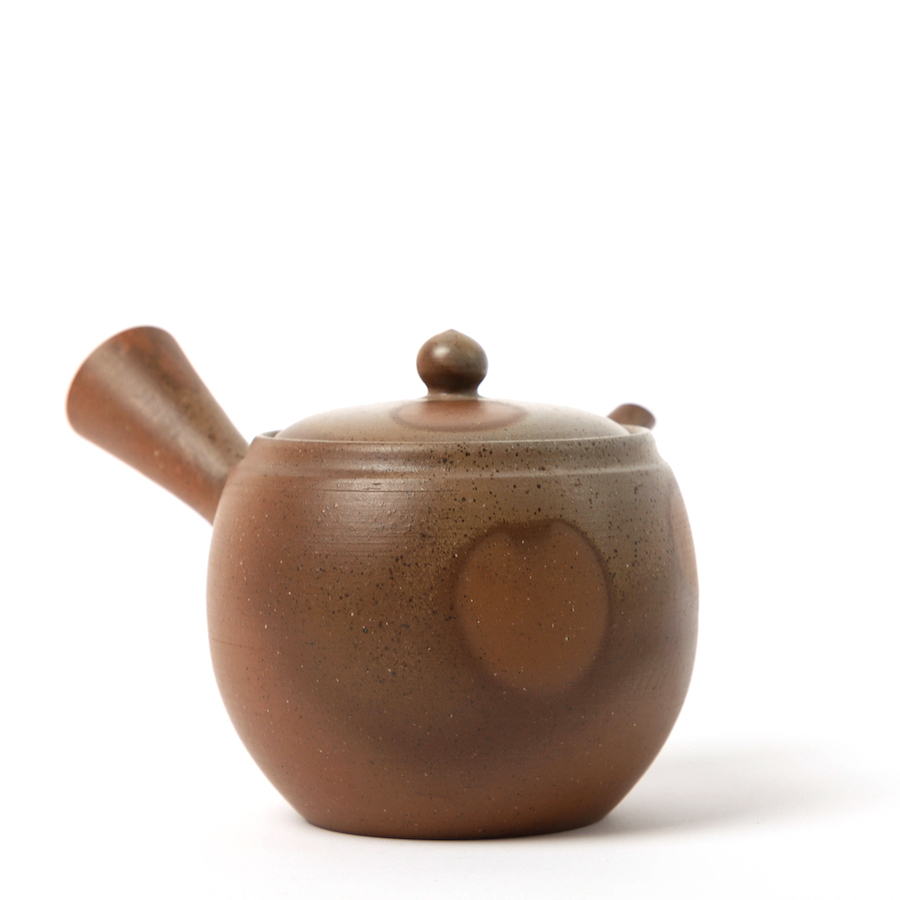
Original Japanese Tokoname-yaki teapot by Konishi Yusen, one of Tokoname's most renowned and innovative ceramic artists. This round, hand-thrown kyusu features exceptionally thin walls, an integrated ceramic strainer, and an organic ash glaze with subtle greenish-shimmering hues and soft pale kiln marks.
Artist Konishi Yusen
Style Tokoname-yaki
Origin Tokoname, Aichi, Japan
Object Side handle teapot (Yokode Kyūsu 横手急須)
Material Red clay (Shudei 朱泥), ash glaze
Volume 390ml
Dimensions Ø9.9 x W15.1 x H9.3cm
Weight 222g
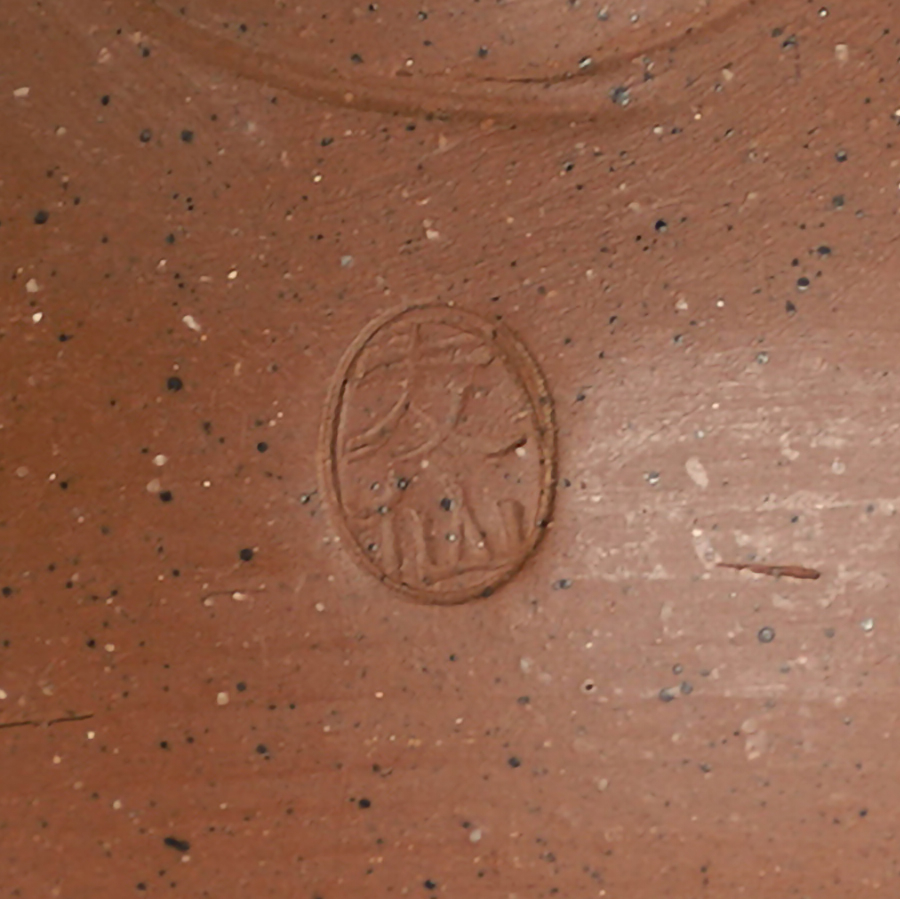
Artist's mark Seal to base
Packaging Signed Tomobako


This masterpiece is part of the Yoshi en Private Collection, shown here for display only and is not for sale.

In stock
Kyusu Yusen Kaiyu #2

Konishi Yusen 小西友仙

Born in Tokoname, Aichi Prefecture in 1913, Konishi Yusen is widely recognised as one of Japan's most visionary and influential kyusu artists. Blending master craftsmanship with flawless functionality, he revolutionised Tokoname teaware by perfecting the integrated ceramic strainer and pioneering the nerikomi clay-marbling technique. His exceptionally thin-walled teapots set an enduring benchmark for ceramic art, and his creative legacy lives on through his sons Konishi Yohei and Konishi Yusen II, who preserve their father's craft in their own distinct styles.

Kyusu Yusen Kaiyu #2

Kyūsu 急須

The traditional Japanese teapot, Kyusu are typically made of ceramics with a side handle placed at a 90° angle to the spout for ease of pouring – however the handle can also be found over the top or in the back. Kyusu are perfect for preparing green teas and tend to be on the small side to prevent overbrewing. Depending on the size, shape and type of clay a Kyusu is made from will determine what type of tea is best prepared in it. There are many different regional styles as well as Kyusu made by certified Traditional Craftsmen, which are prized amongst collectors.

Kyusu Yusen Kaiyu #2

Tokoname-Yaki 常滑焼

Pottery has been produced in the city of Tokoname, Aichi prefecture, as far back as the 12th century, and since 1976 has been protected as a Traditional Craft of Japan. Tokoname was the site of the largest and oldest of the legendary Rokkoyō (六古窯): the “Six Ancient Kilns” of Japan, and is celebrated for its iron-rich Shudei clay that turns a bright red after firing. When fired a second time in a reduction oven, the red Shudei turns black – another characteristic colour of Tokoname-yaki. High-fired at temperatures of around 1100°C and left unglazed (Yakishime, 焼き締め), this allows tannins in the tea to interact with the iron in the clay body, which is said to reduce astringency and highlight the sweetness of green teas.

Production

Rokuro 轆轤

Shaped by hand on a potter's wheel, making each piece unique.

Kaiyu 灰釉

Ash glaze, also known as hai-yu or hai-gusuri, is made by mixing plant or wood ash with water and crushed mineral rocks, such as feldspar.

Suriawase すり合わせ

After firing, the lid is ground into the body so that it fits perfectly.
Our recommendations

Loading...
The image could not be loaded.