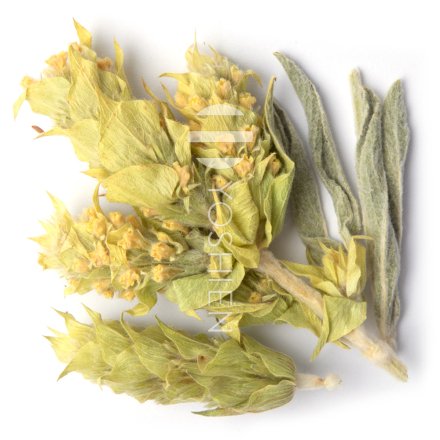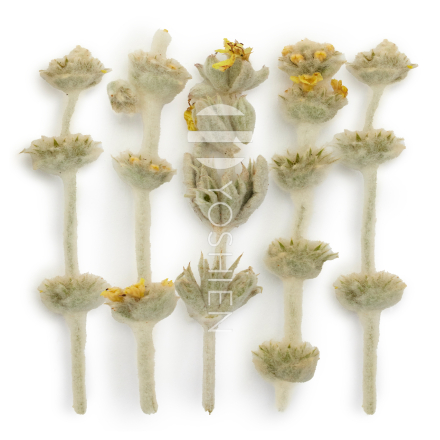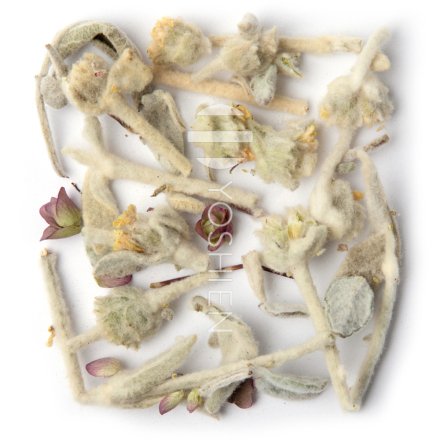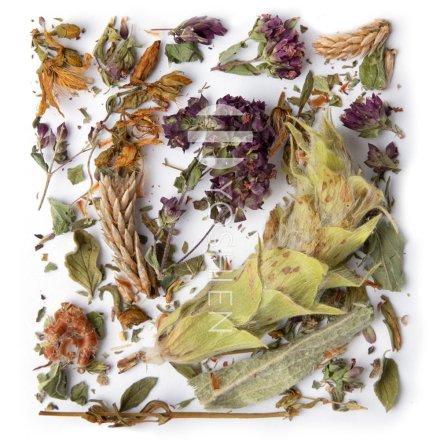



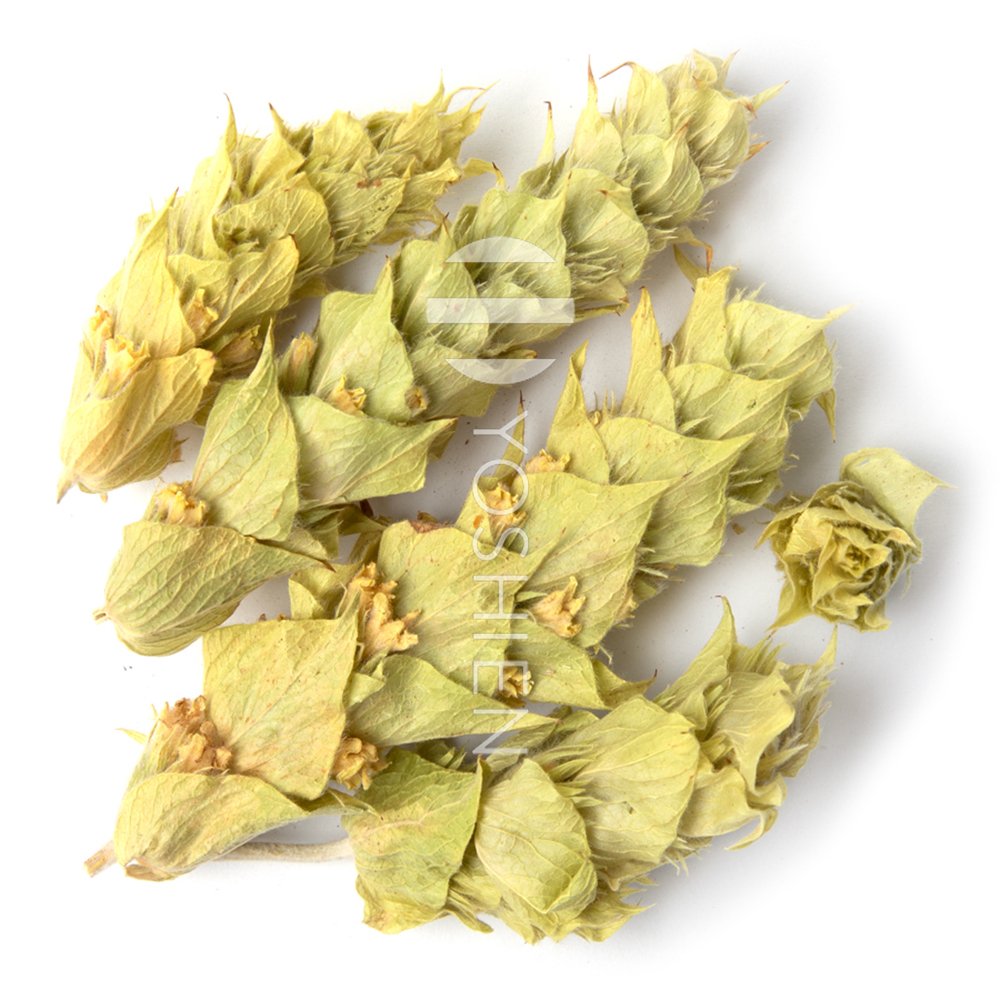

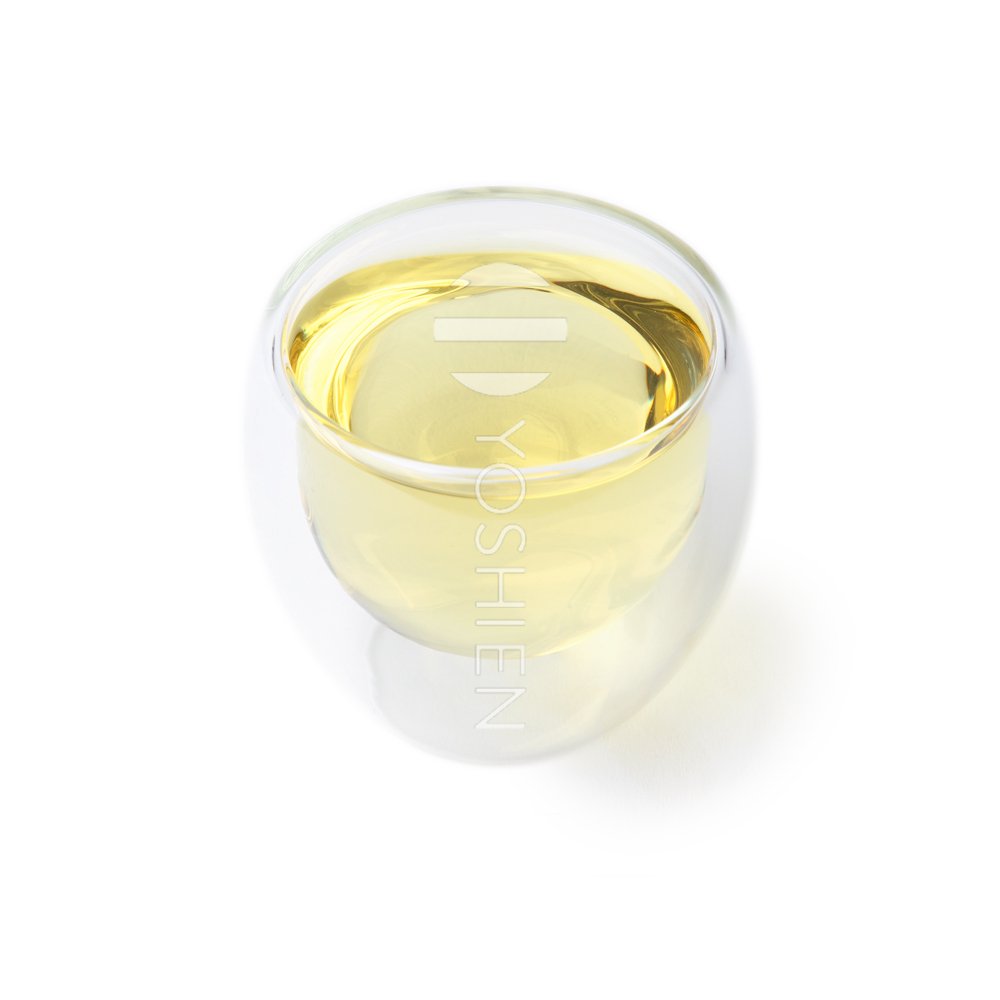
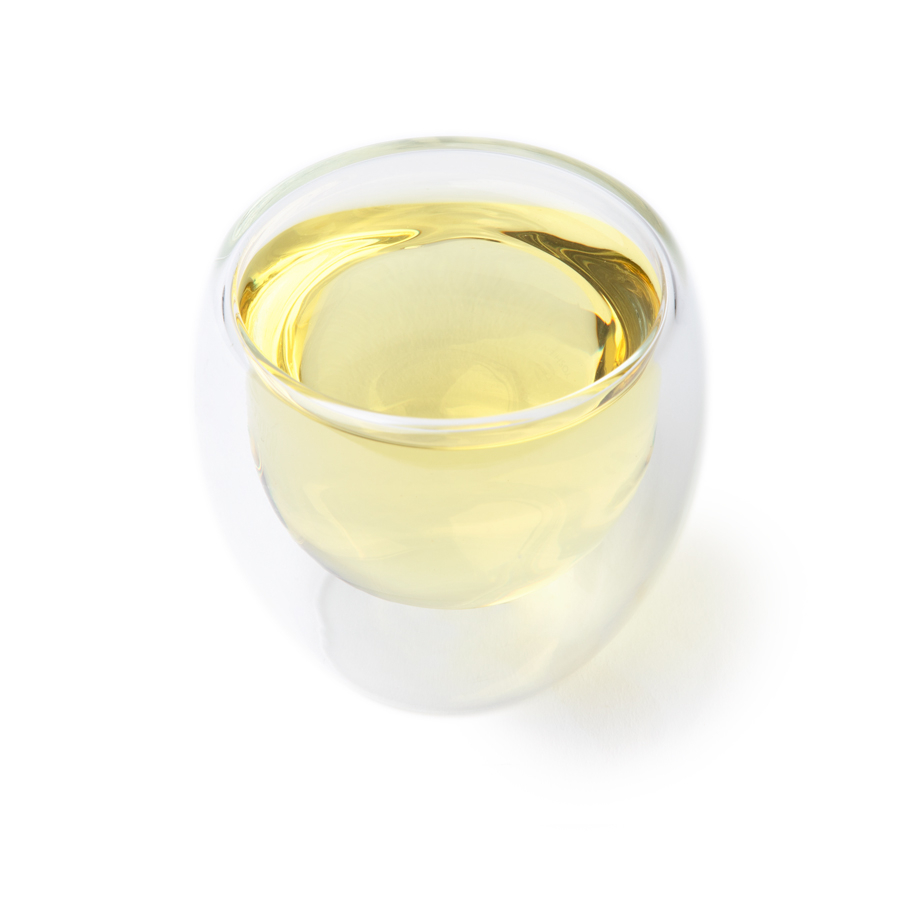
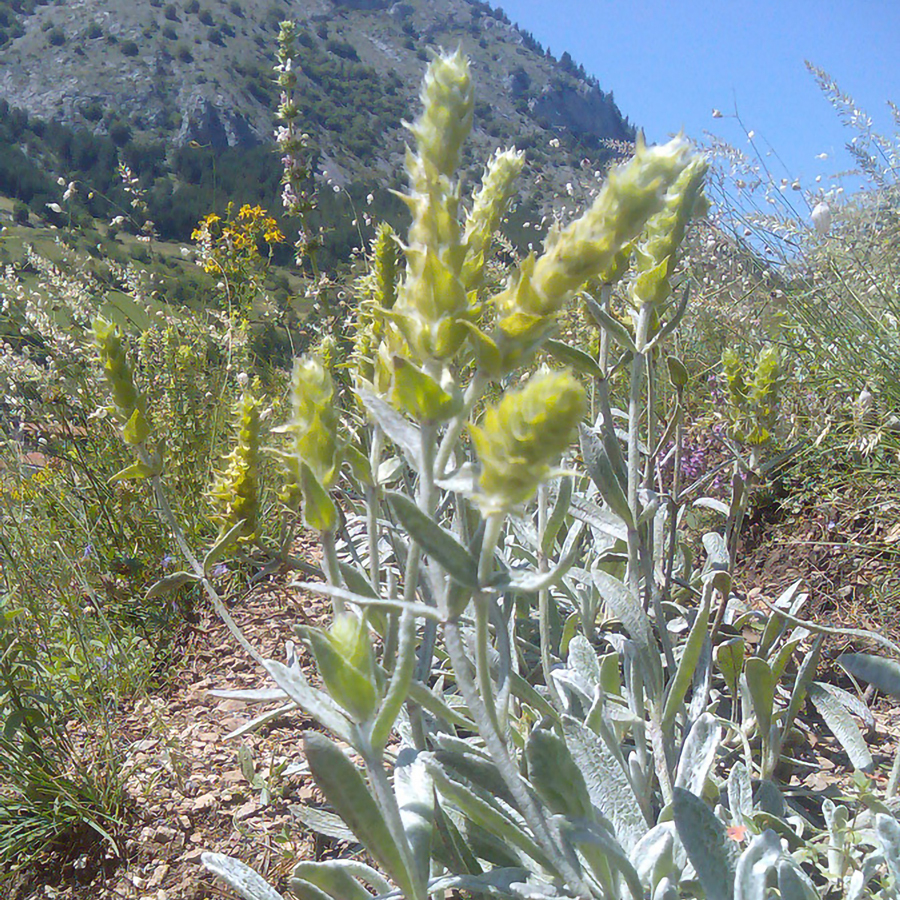
Sideritis scardica mountain tea is endemic to the mountain regions of the Balkan Peninsula, including Bulgaria, Greece and Albania. Depending on the terroir, the individual mountain and the altitude at which it grows, the plant develops distinct active compounds and flavour profiles. It is so deeply rooted in Greek culture that it is commonly referred to simply as "Greek mountain tea". For centuries, shepherds have drunk this tea while travelling with their flocks, and today it is also valued in Greek cuisine as a healthy source of natural flavour.
Alongside Mount Olympus, one of Greece’s most renowned terroirs for Sideritis mountain tea is found on the slopes of Mount Othrys in the Titan mountain range. Mount Othrys is steeped in mythology: it is said to be the battleground where the Greek gods fought the Titans, who, following their defeat, settled under Zeus on Mount Olympus.
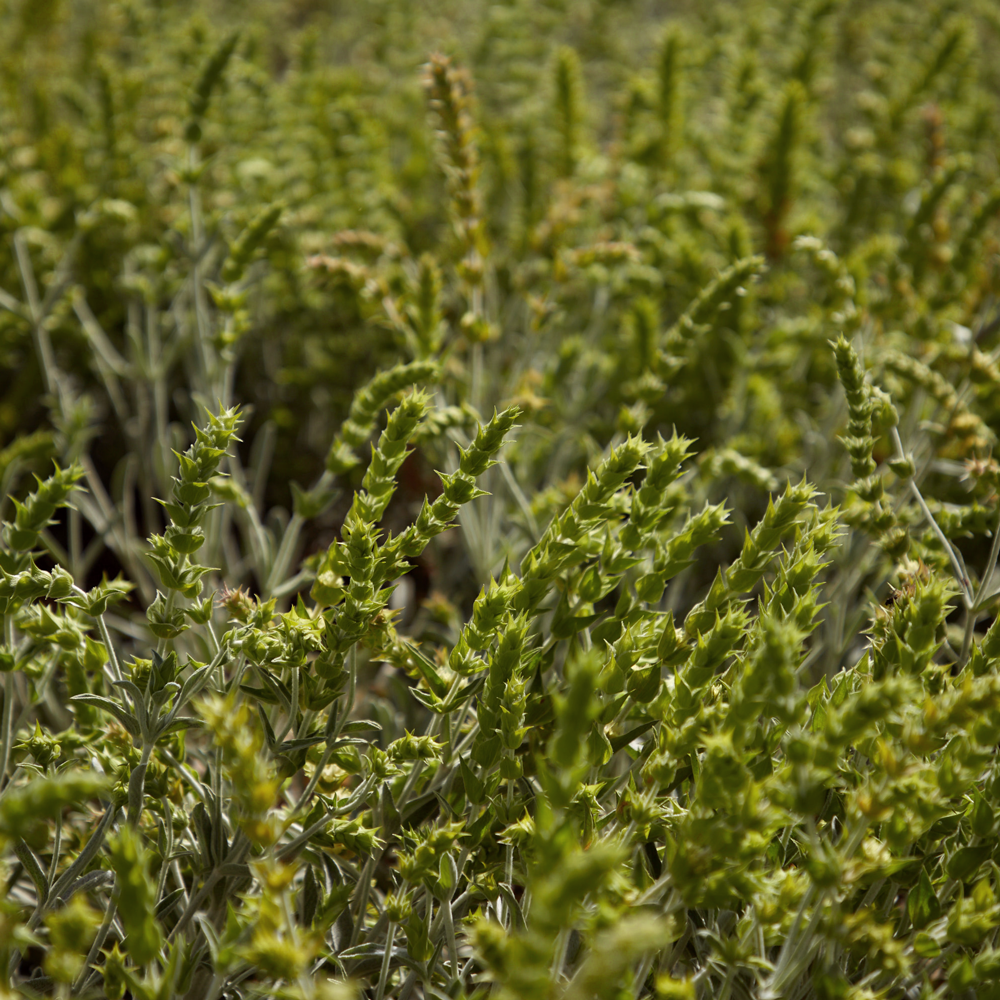
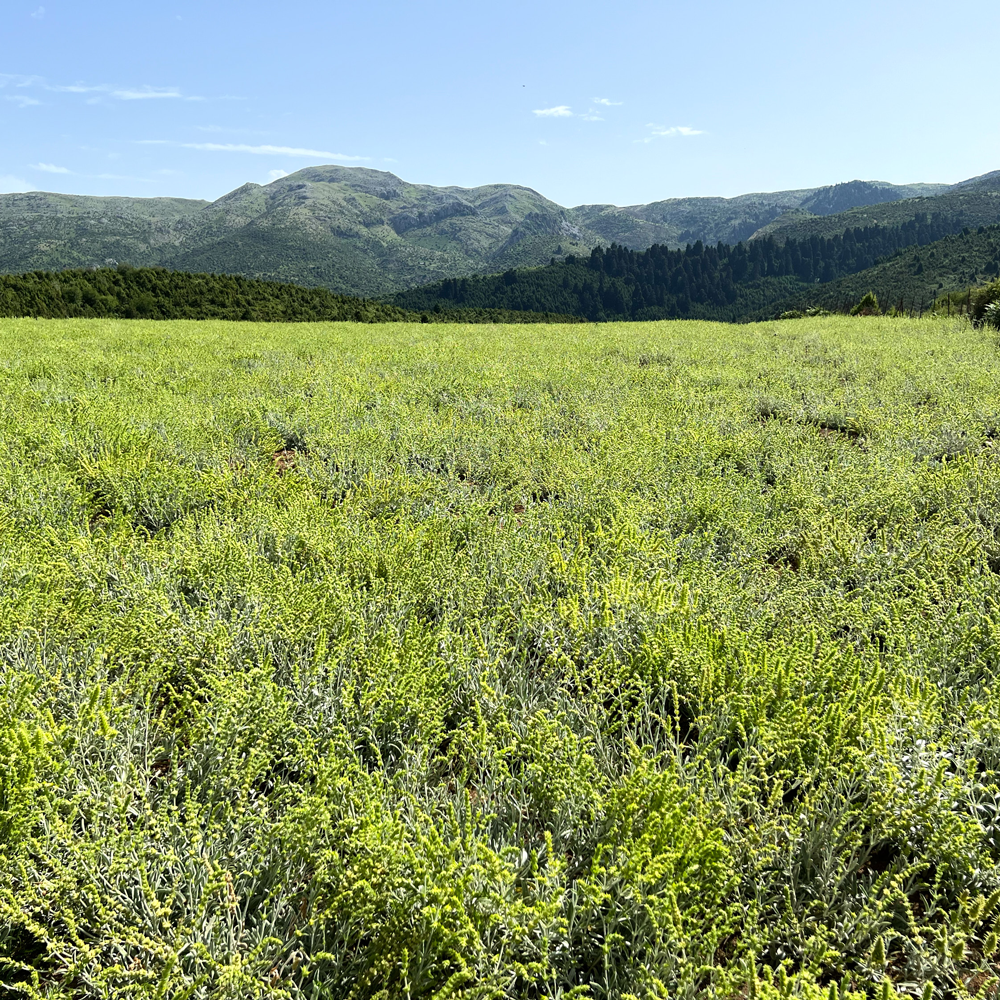
Cultivation begins with raising Sideritis plants in the farm’s own greenhouse. From August to November, the young plants are carefully nurtured before being planted outdoors in November, during the Greek autumn, once they are around three months old. The farm cultivates Sideritis across several fields, with the premium plots (from which our tea is sourced) located at elevations of around 1,200 metres on nearby Mount Othrys (Titan mountain). These are the highest fields of our partner farm. At such altitudes, plant-damaging insects are no longer present, making it possible to completely avoid pesticides.
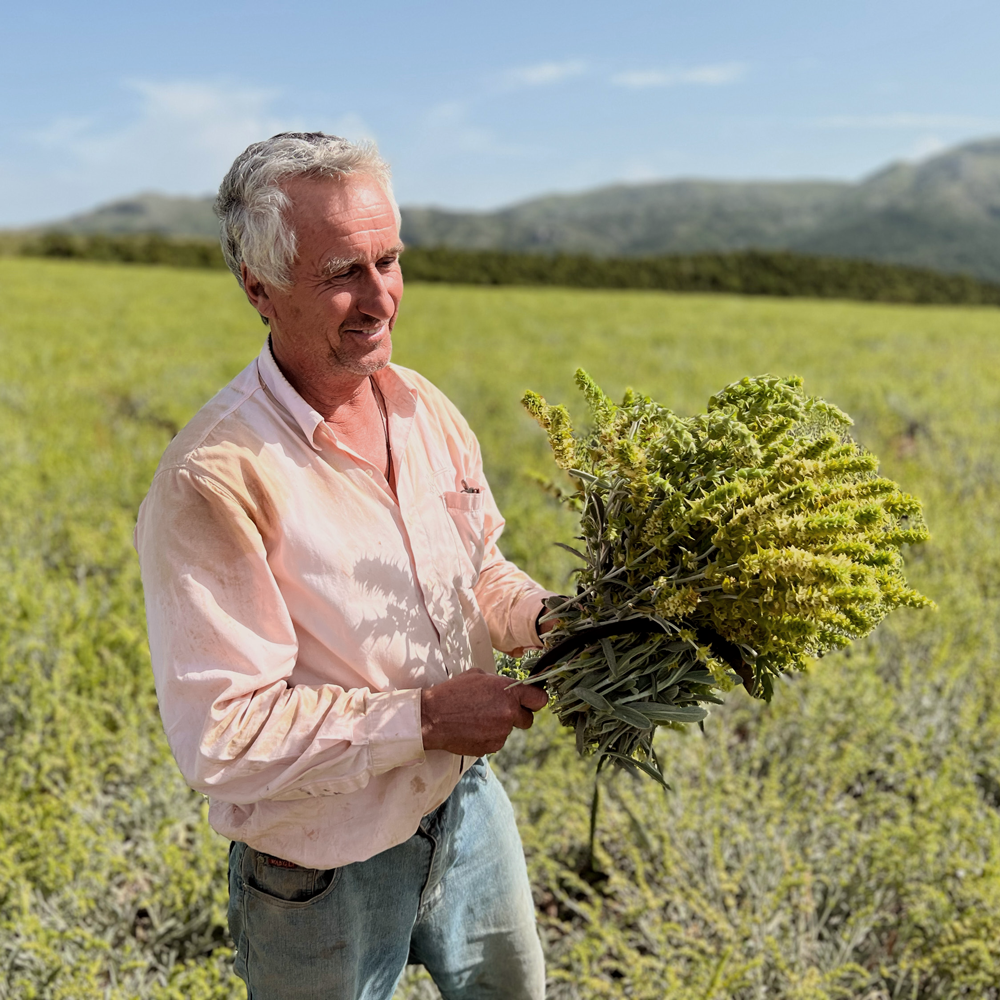
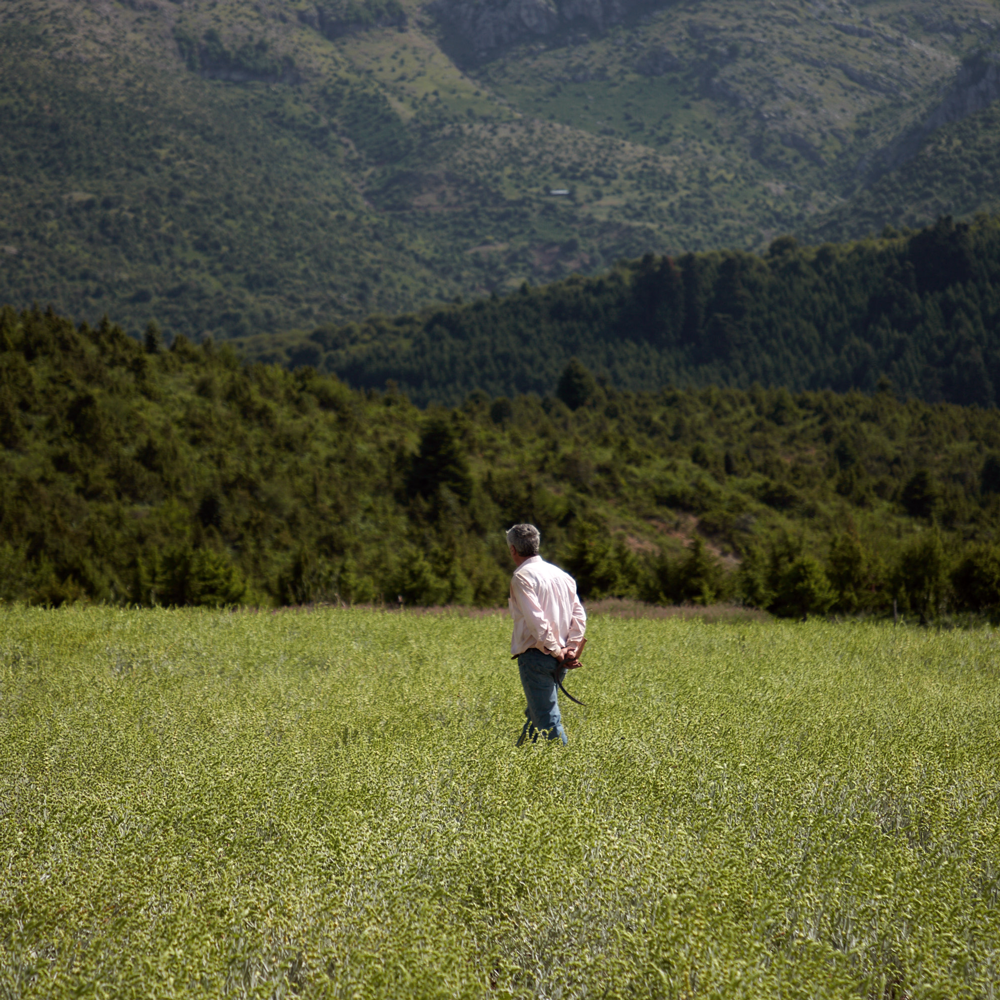
The farm employs six people on a permanent basis, including Christos, his father and his grandfather, as well as three full-time staff members. During harvest season, an additional ten workers are employed to support the labour-intensive process.
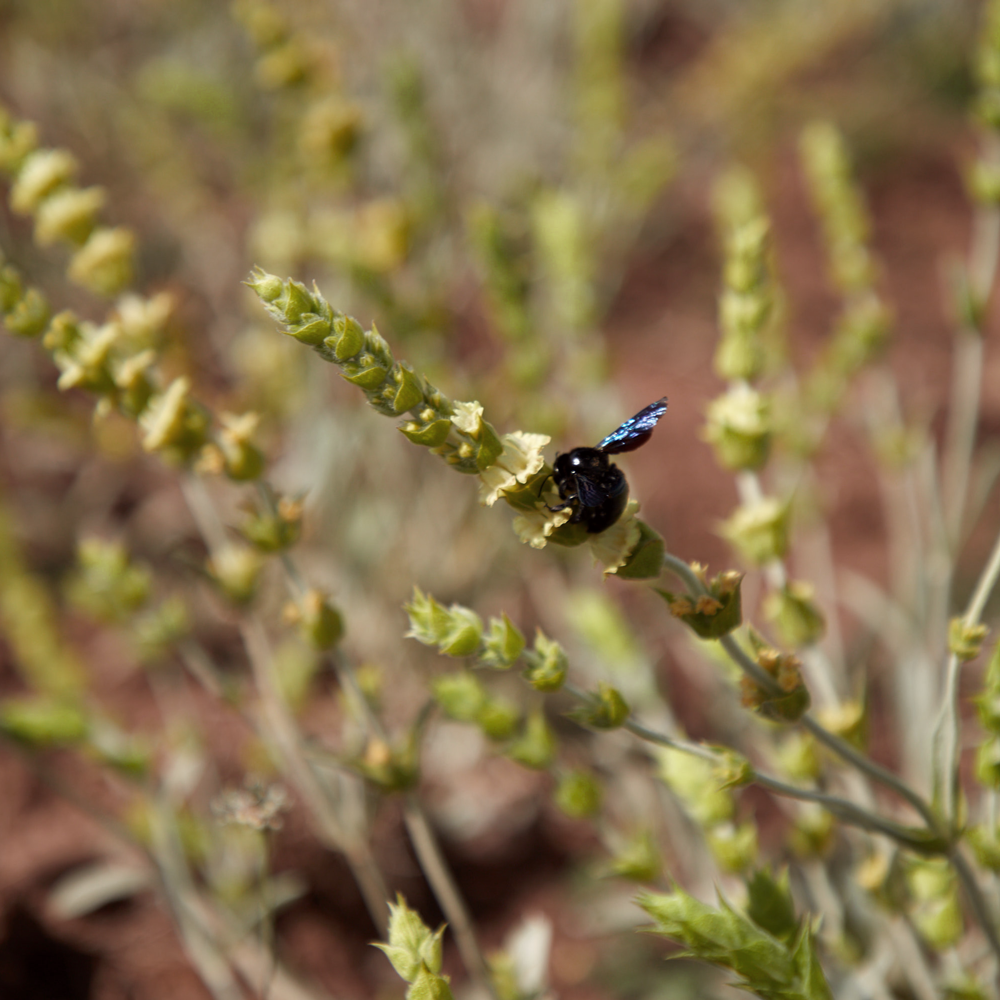
Harvesting takes place 18 months later, in May and June, when the plants contain their highest levels of polyphenols. All harvesting is carried out entirely by hand using sickles, allowing for precise cuts and the careful avoidance of weeds. Only the upper, succulent stems and the full flowering tops with bracts are individually selected during harvesting. A single hectare of land is harvested by ten people working demanding 10- to 12-hour shifts over a period of 10 to 12 days. After harvesting, the remaining parts of the Sideritis plants are left in the soil, where they regenerate naturally. Healthy plants can undergo this cycle 10 to 15 times, meaning they can be harvested again approximately every two years.
After harvesting, the Sideritis plants are dried in a dark storage room on the farm. Drying times vary depending on quantity and weather conditions. As a guideline, around 100 kilograms of plant material requires approximately one day at 35°C, while larger quantities take around two days. In very hot weather, the drying process is faster. Once fully dried, the plants are gathered and packaged.
The farmer, Christos, regularly tests his plants for pyrrolizidine alkaloids (PAs) and, to date, none have been detected in his Sideritis tea. This is attributed to the meticulous hand-harvesting process, which prevents the inclusion of unwanted companion plants, as well as to the natural characteristics of the Sideritis plant itself, which does not inherently produce PAs.
Single Origin
This tea is exclusively sourced from the above mentioned mountain fields on Mount Othrys. Sourced directly from the farmer.
Organic Certification

PL-EKO-01
EU-Landwirtschaft