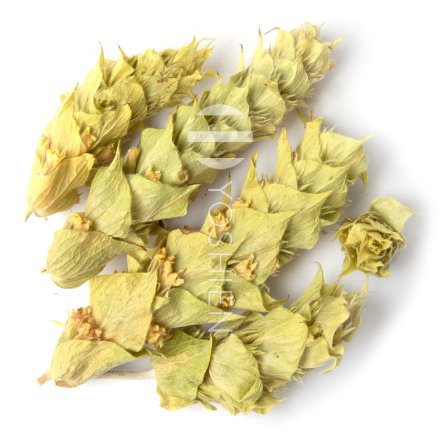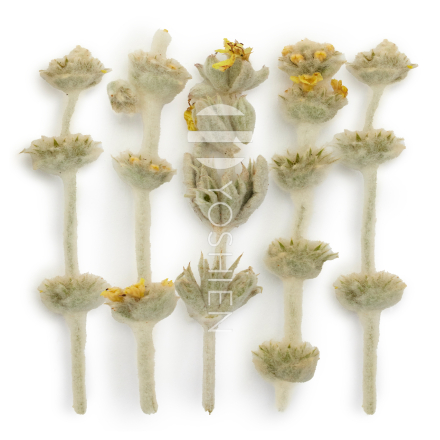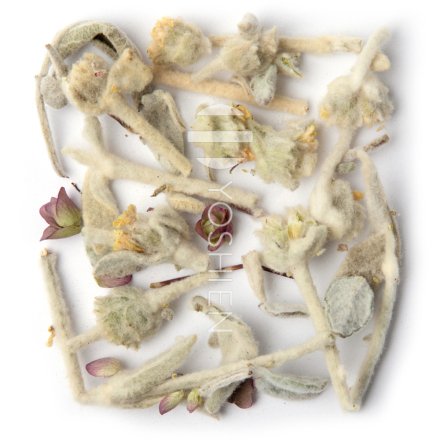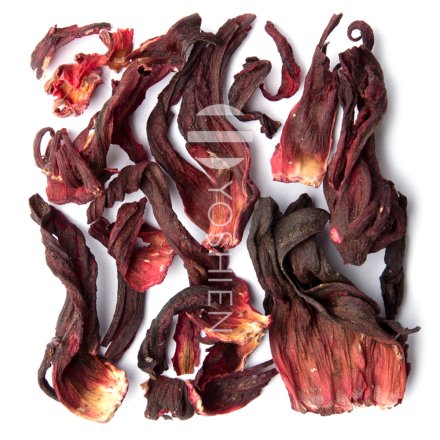



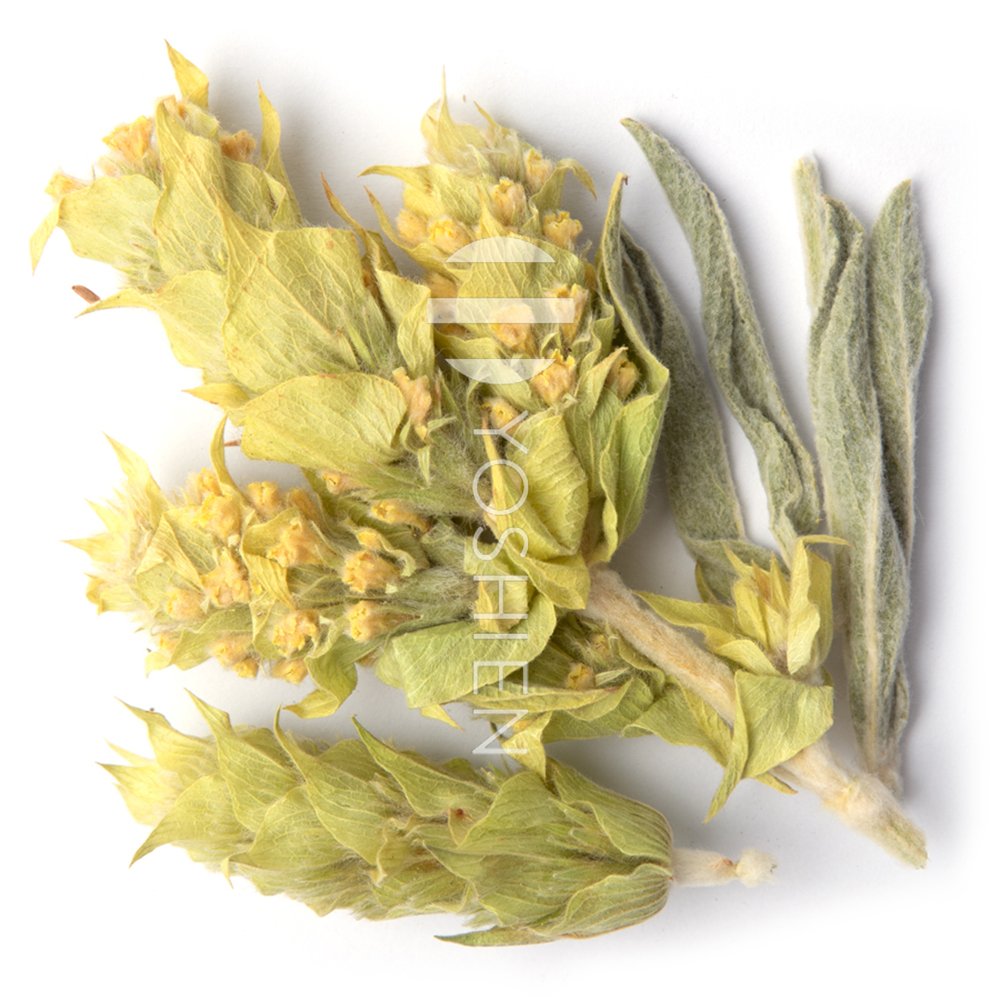
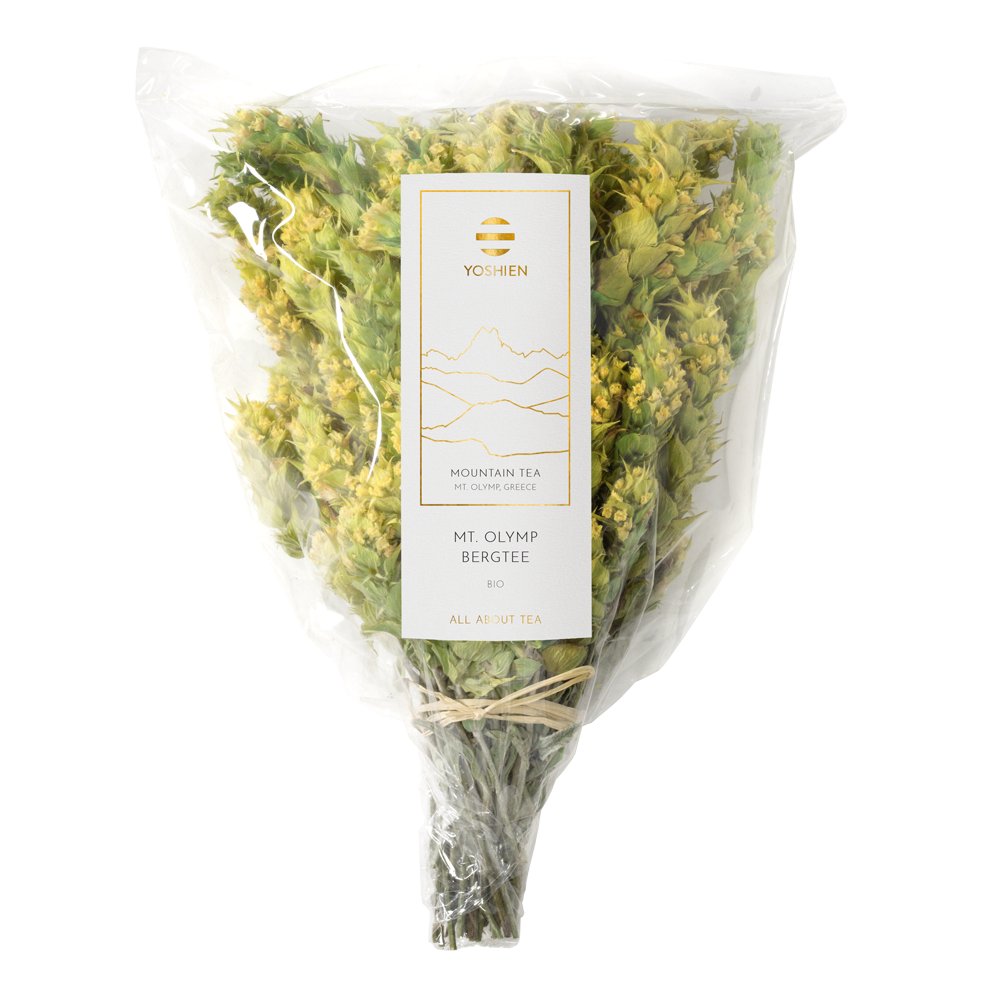
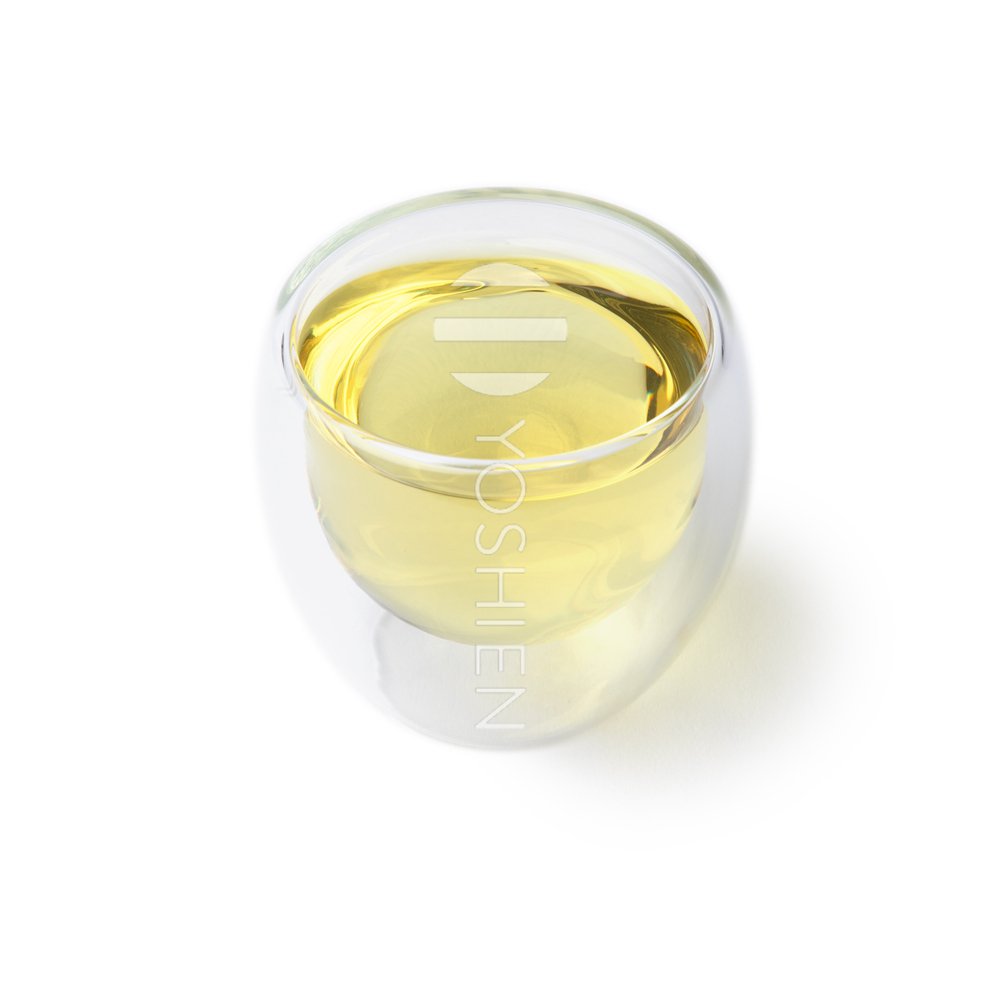
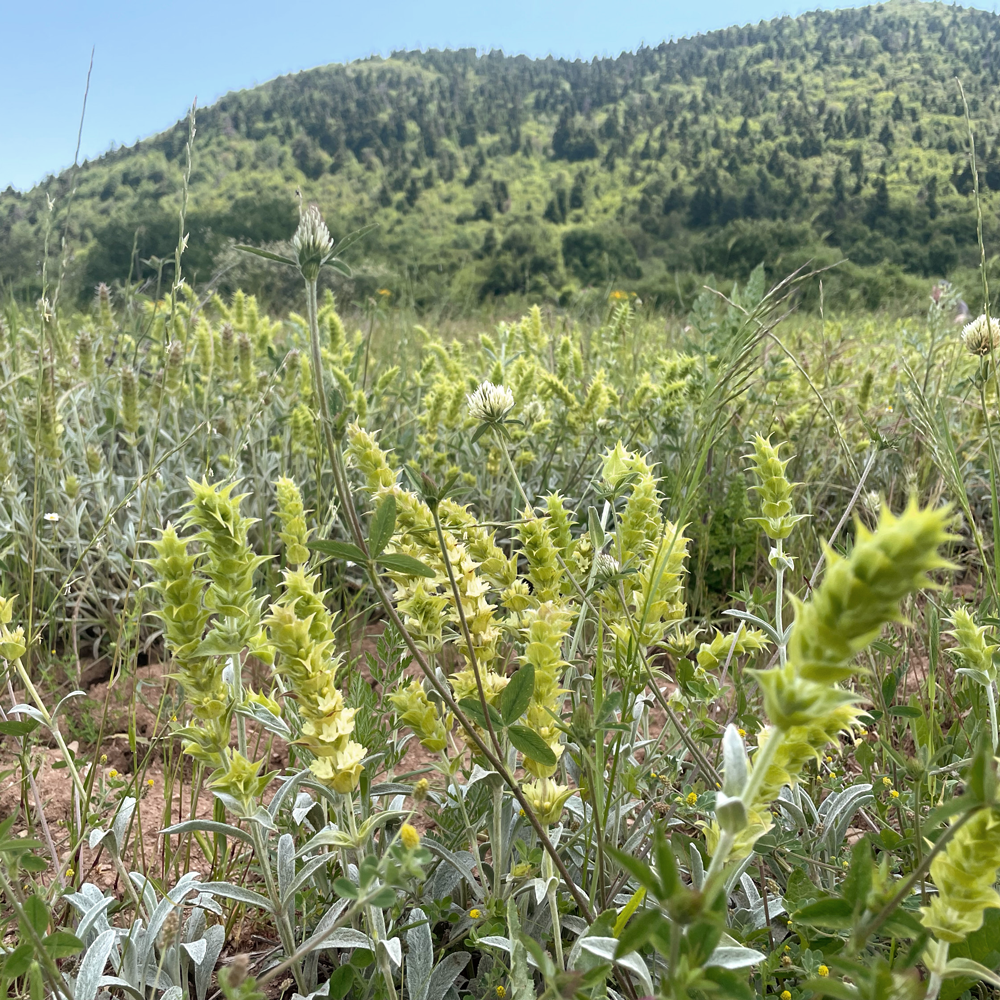
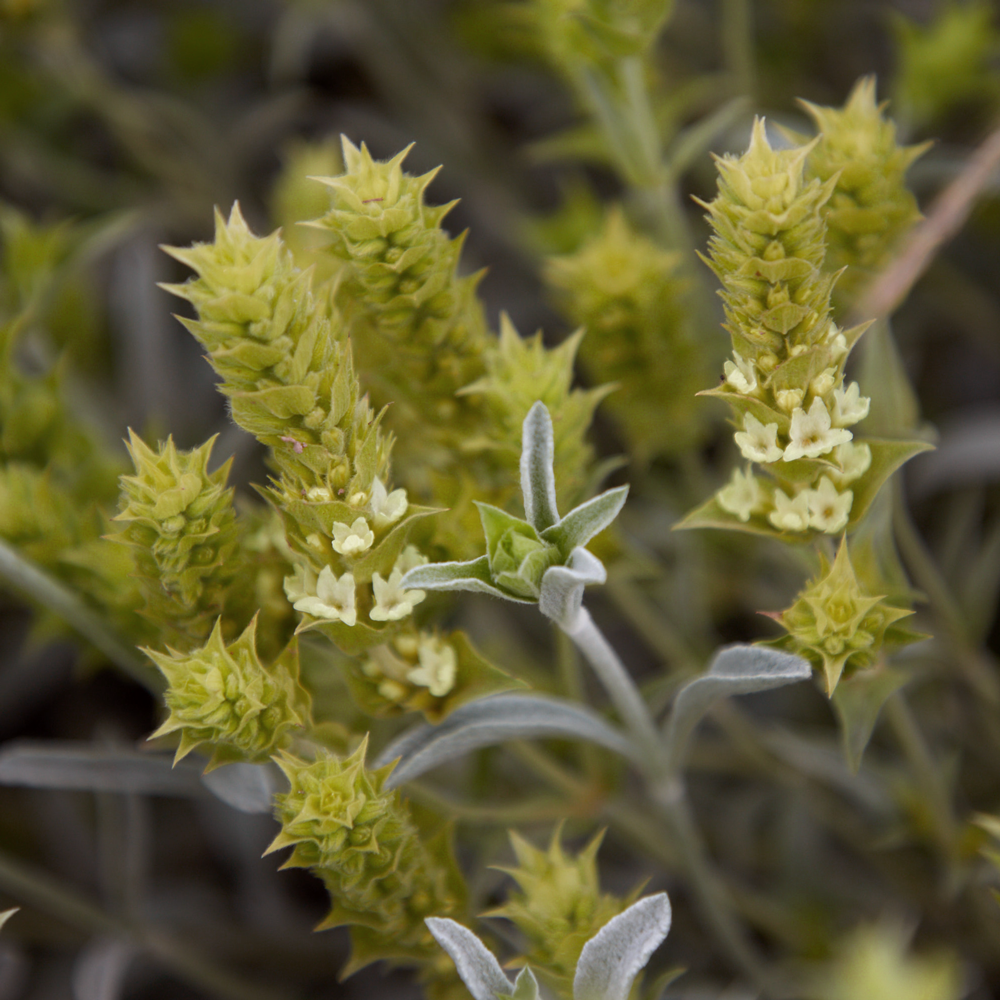
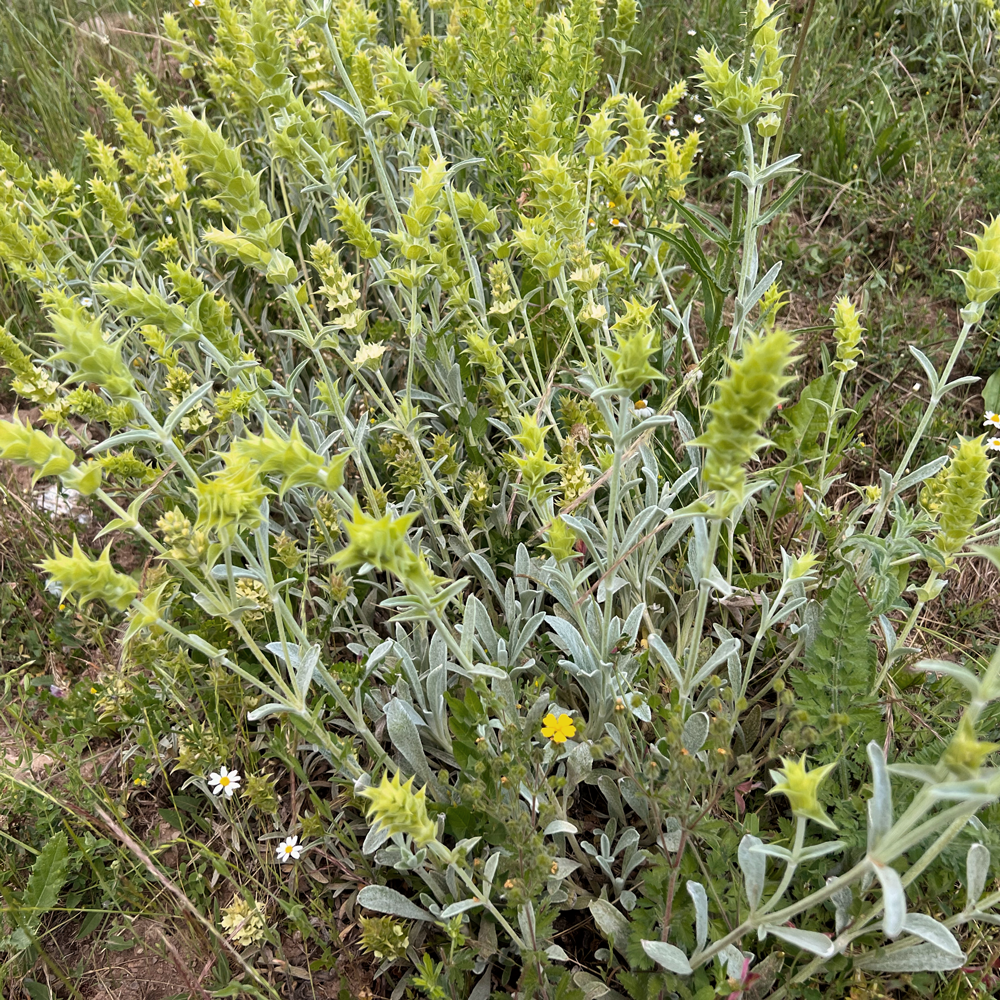
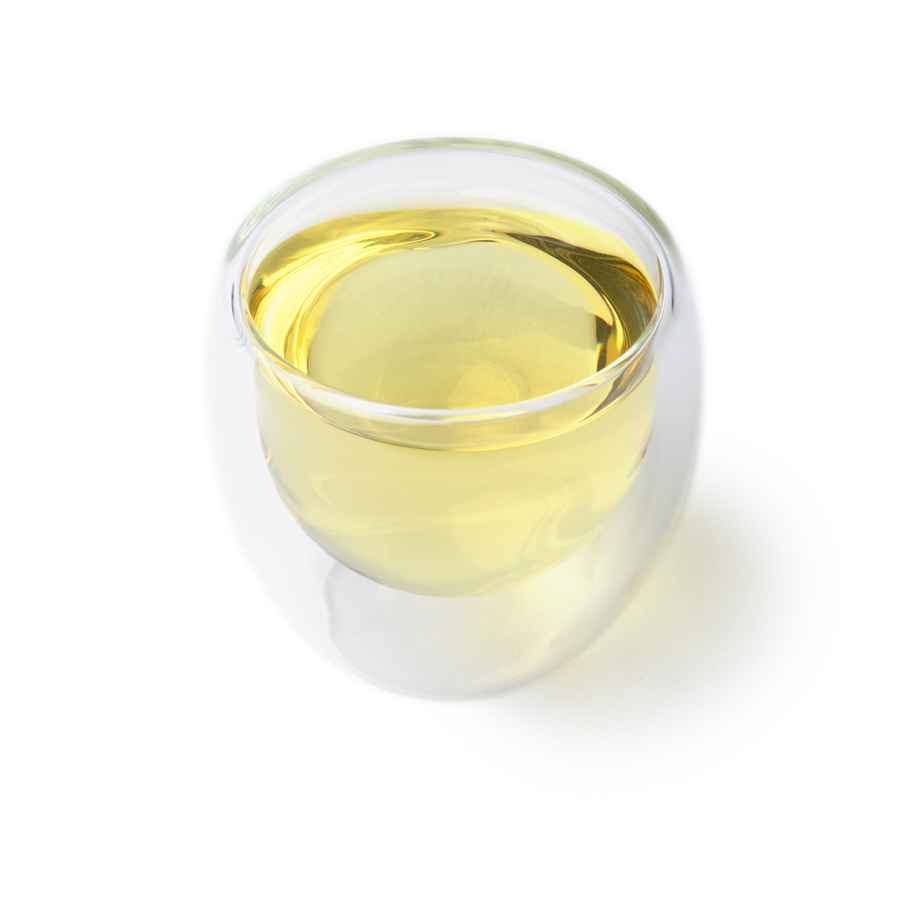
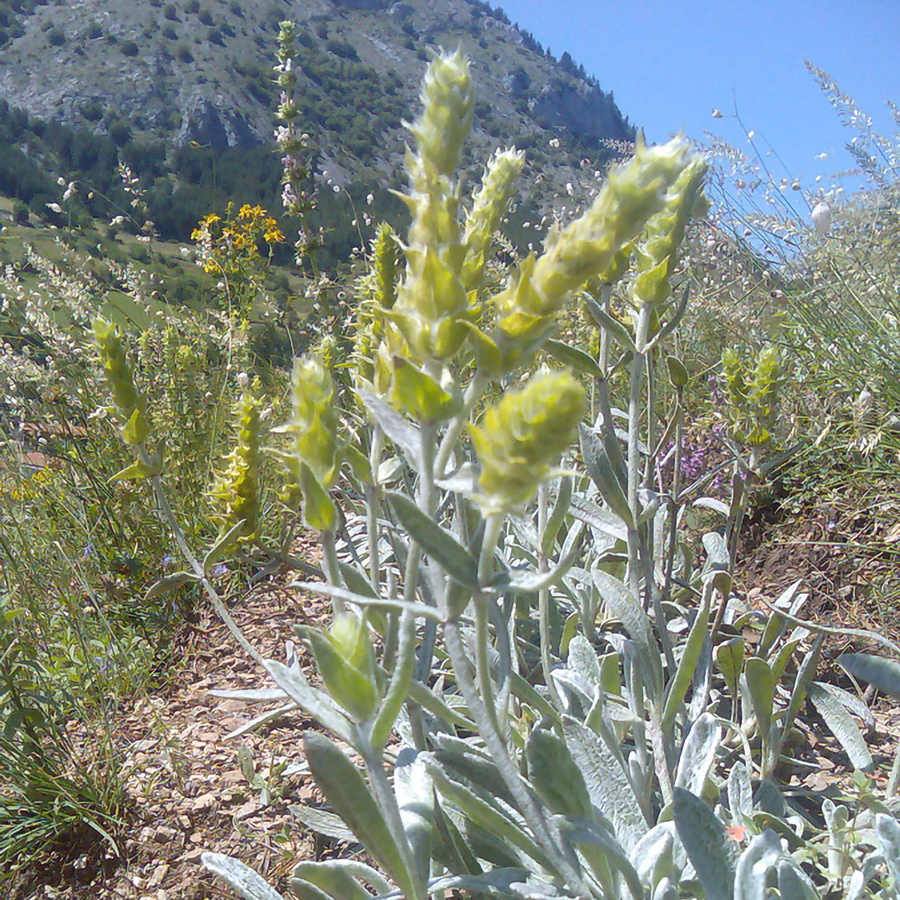
Sideritis scardica mountain tea is endemic to the mountainous regions of the Balkan Peninsula, including Bulgaria, Greece and Albania. Depending on the terroir, the specific mountain and the altitude at which it grows, the plant develops varying compositions of active compounds and aromatic profiles. It is so deeply embedded in Greek culture that it is commonly referred to simply as Greek mountain tea. For centuries, shepherds have drunk this tea while travelling with their flocks, and today it is also appreciated in Greek cuisine as a healthy source of natural flavour.
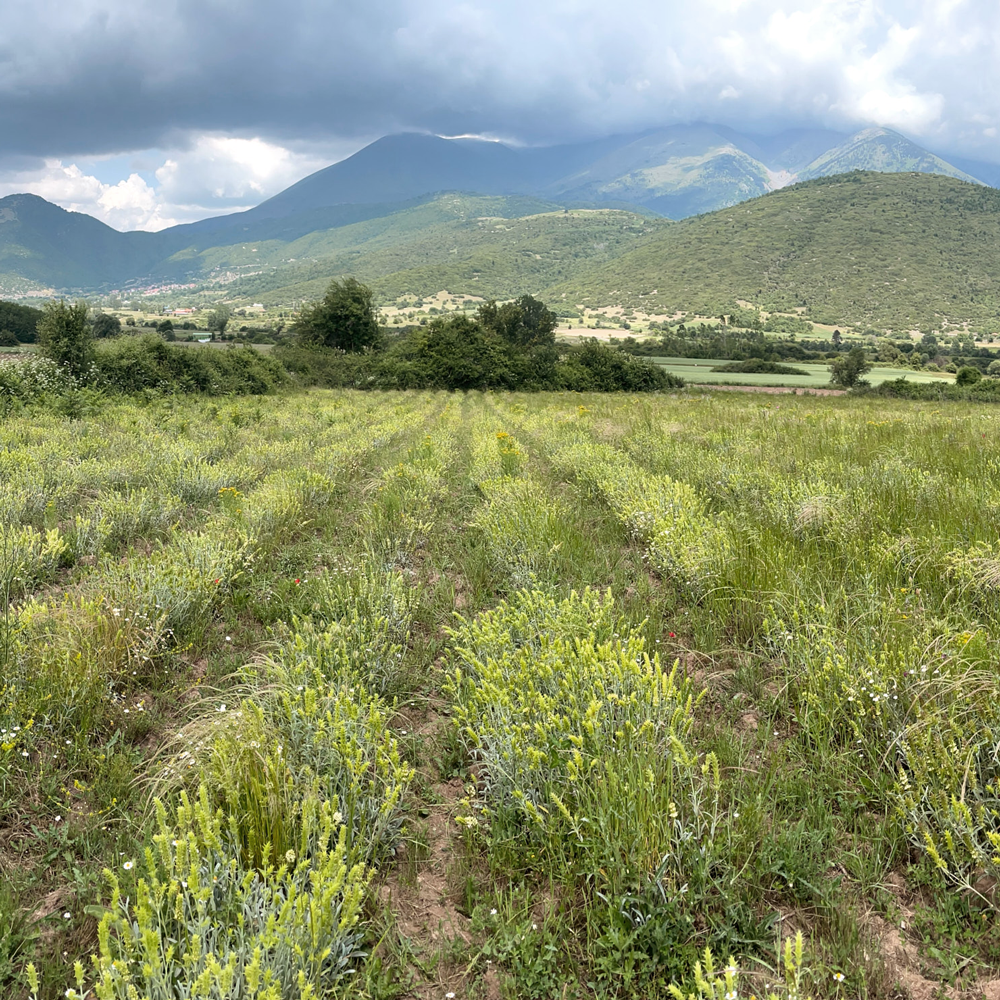
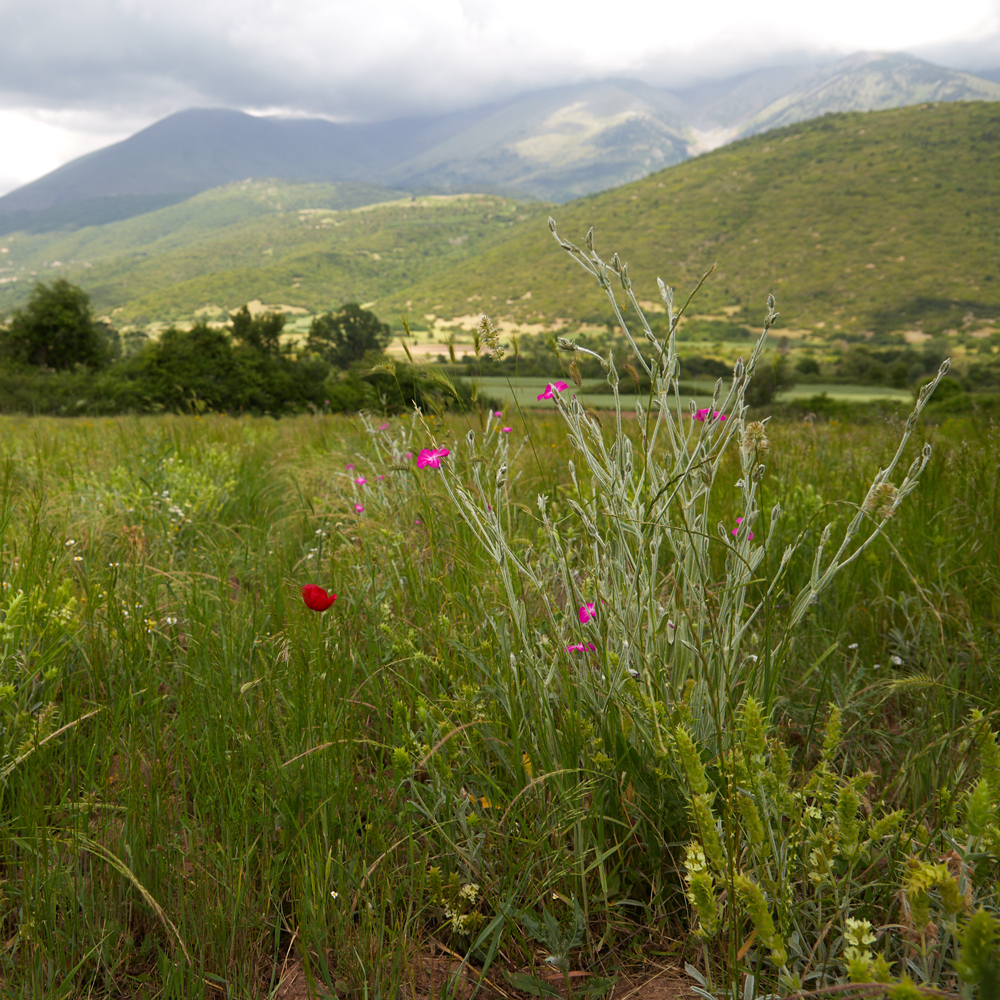
One of Greece’s most renowned terroirs for this tea lies on the slopes of Mount Olympus in the mountain range of the same name. Rising to 2,917 metres, it is Greece’s highest mountain and forms the border between Thessaly and Macedonia. Mount Olympus is a protected national park with remarkable biodiversity and, in Greek mythology, is revered as the home of the twelve Olympian gods.
Harvesting takes place around June, when the plants reach their highest levels of polyphenols. All harvesting is carried out entirely by hand using sickles, ensuring precise cuts and the careful exclusion of weeds. Only the upper, succulent stems and the fully developed flowering tops with bracts are individually selected. After harvesting, the remaining parts of the Sideritis plants are left in the soil, where they regenerate naturally. Healthy plants can undergo this cycle 10 to 15 times, meaning they can be harvested again approximately every two years.
Following harvest, the Sideritis plants are dried in a dark storage room. Drying times vary depending on quantity and weather conditions. As a guideline, around 100 kilograms of plant material requires approximately one day at 35°C, while larger quantities require around two days. In very hot weather, the drying process is faster. Once fully dried, the plants are gathered and packaged.
Single Origin
This tea is exclusively sourced from the above mentioned mountain fields on Mt. Olympus. Sourced directly from the farmer.
Organic Certification

PL-EKO-01
EU-Landwirtschaft