



Special features in location, cultivation and processing
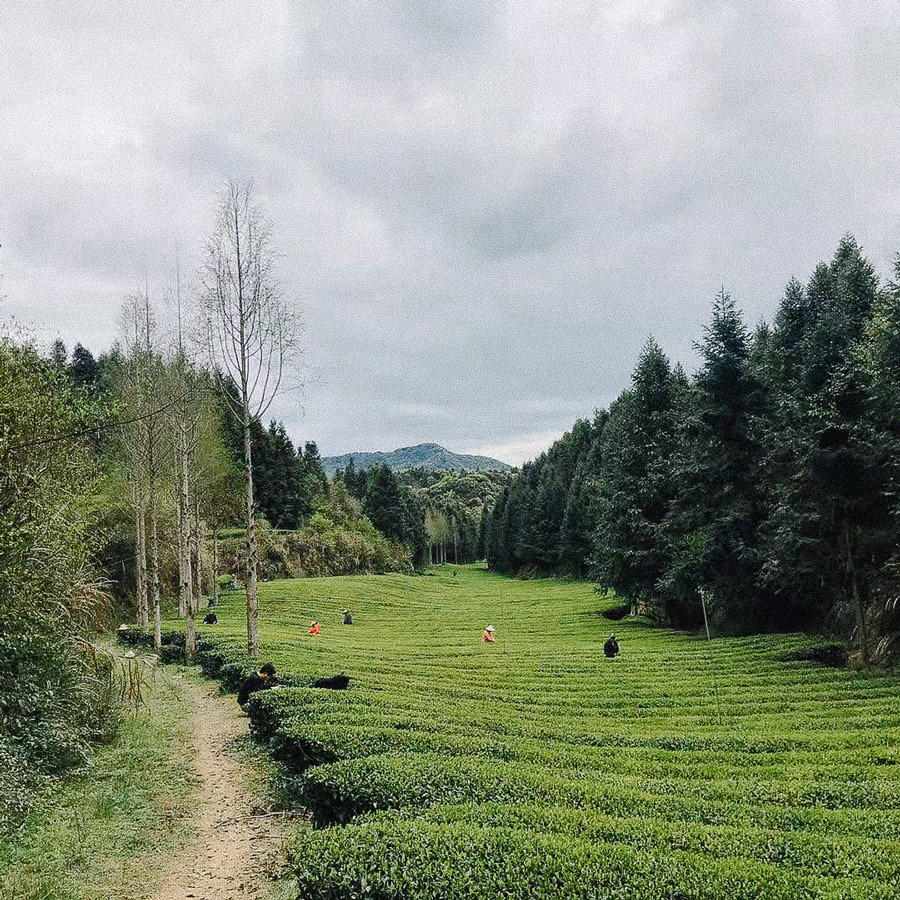
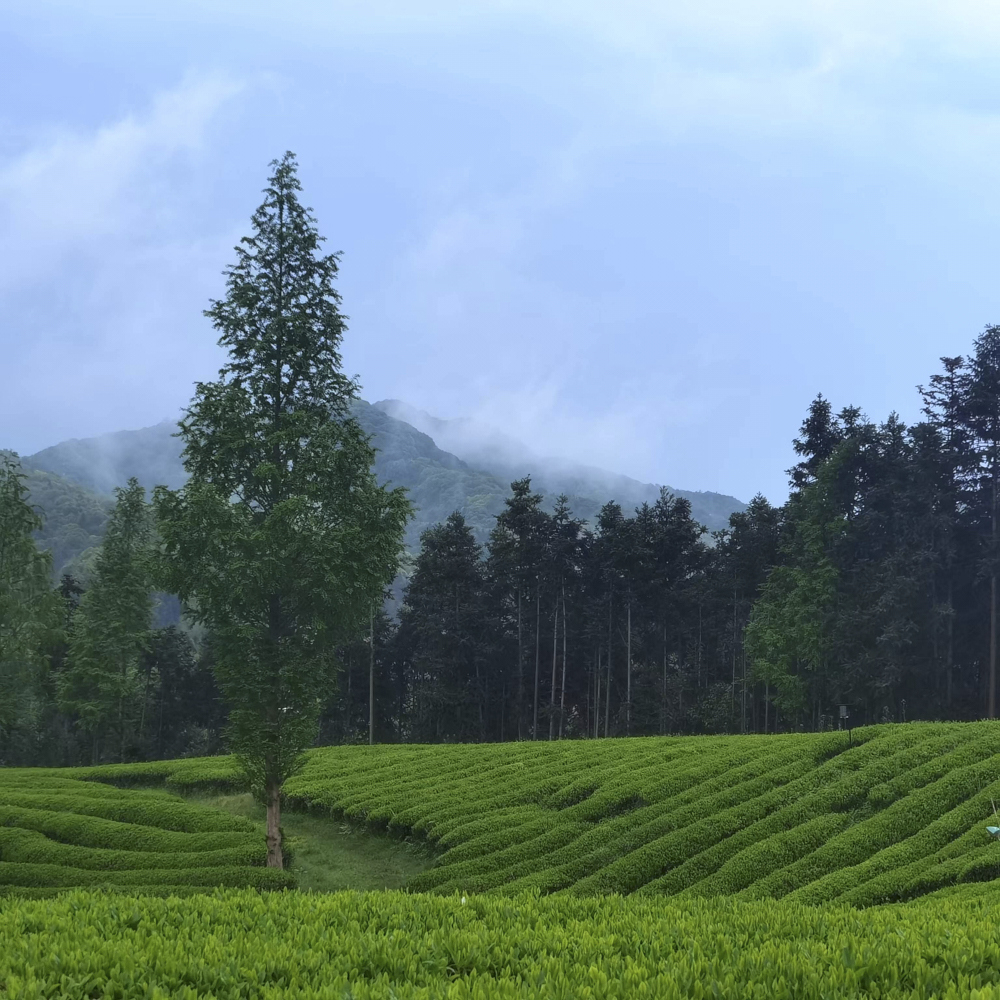
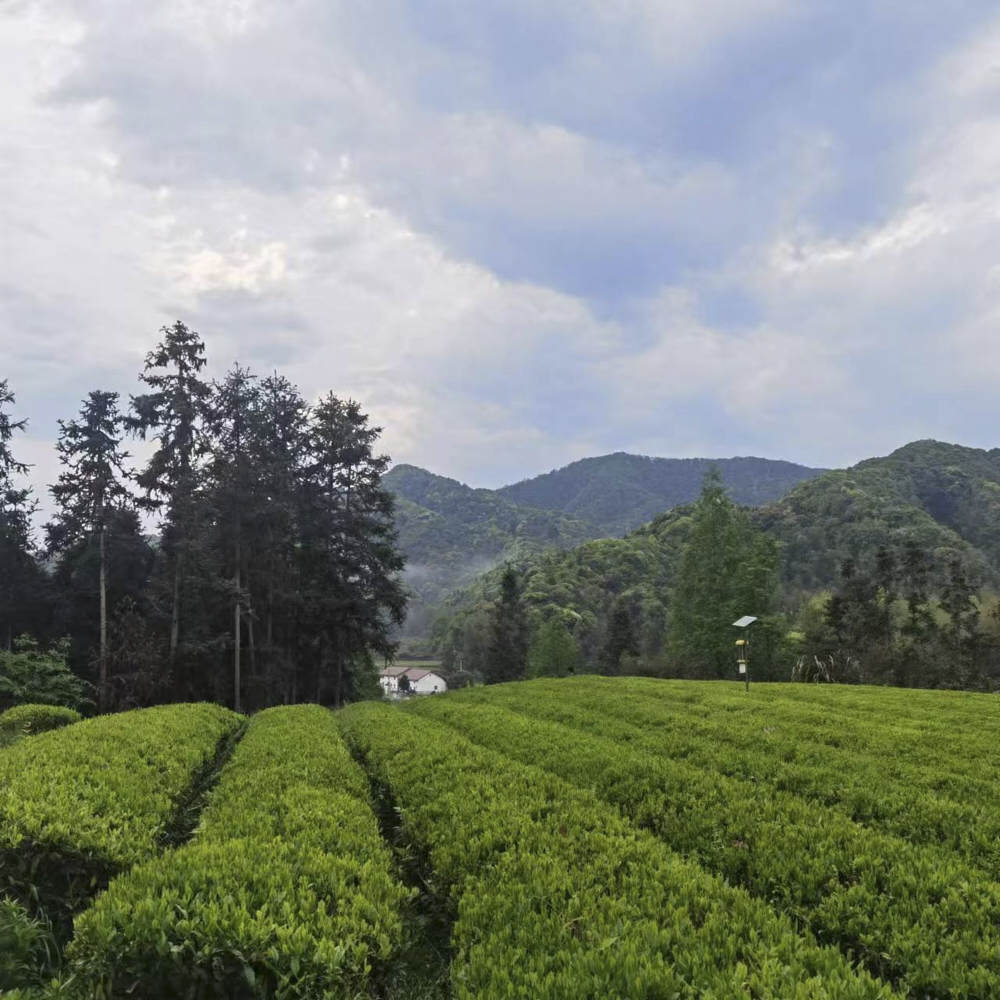
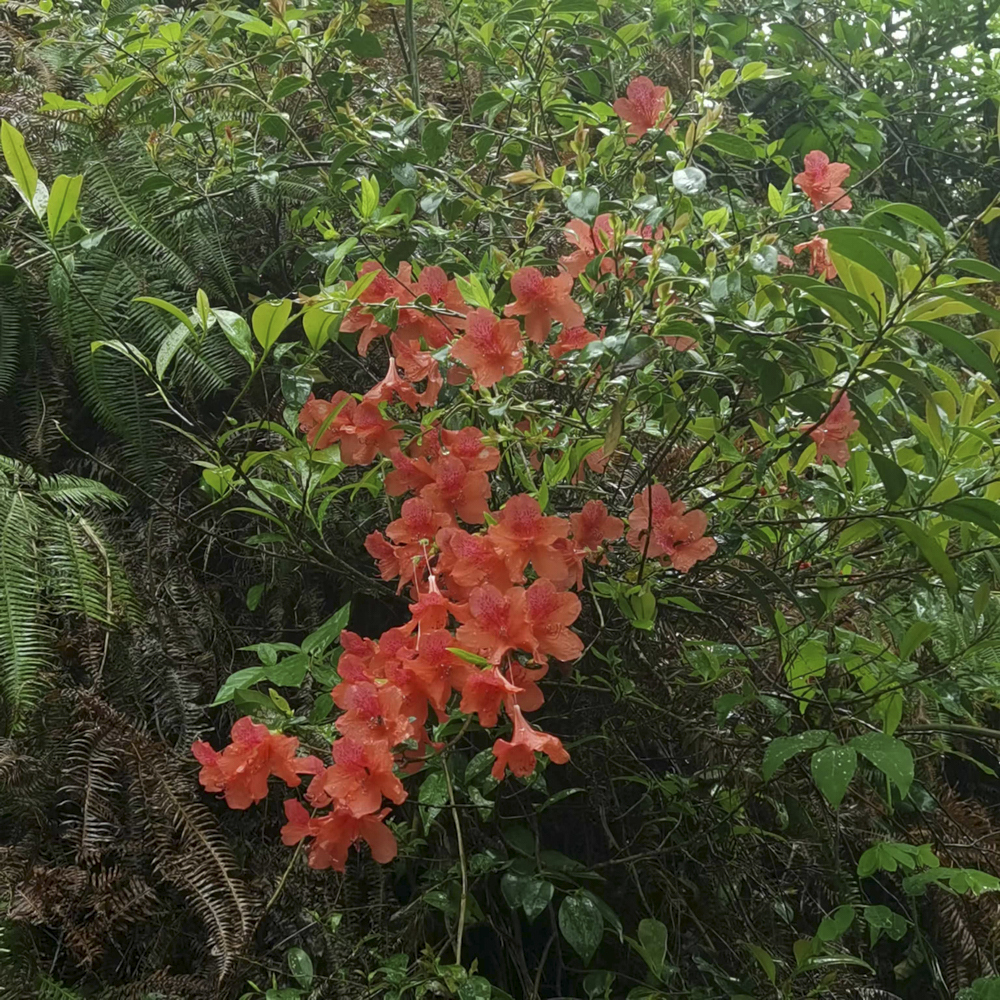
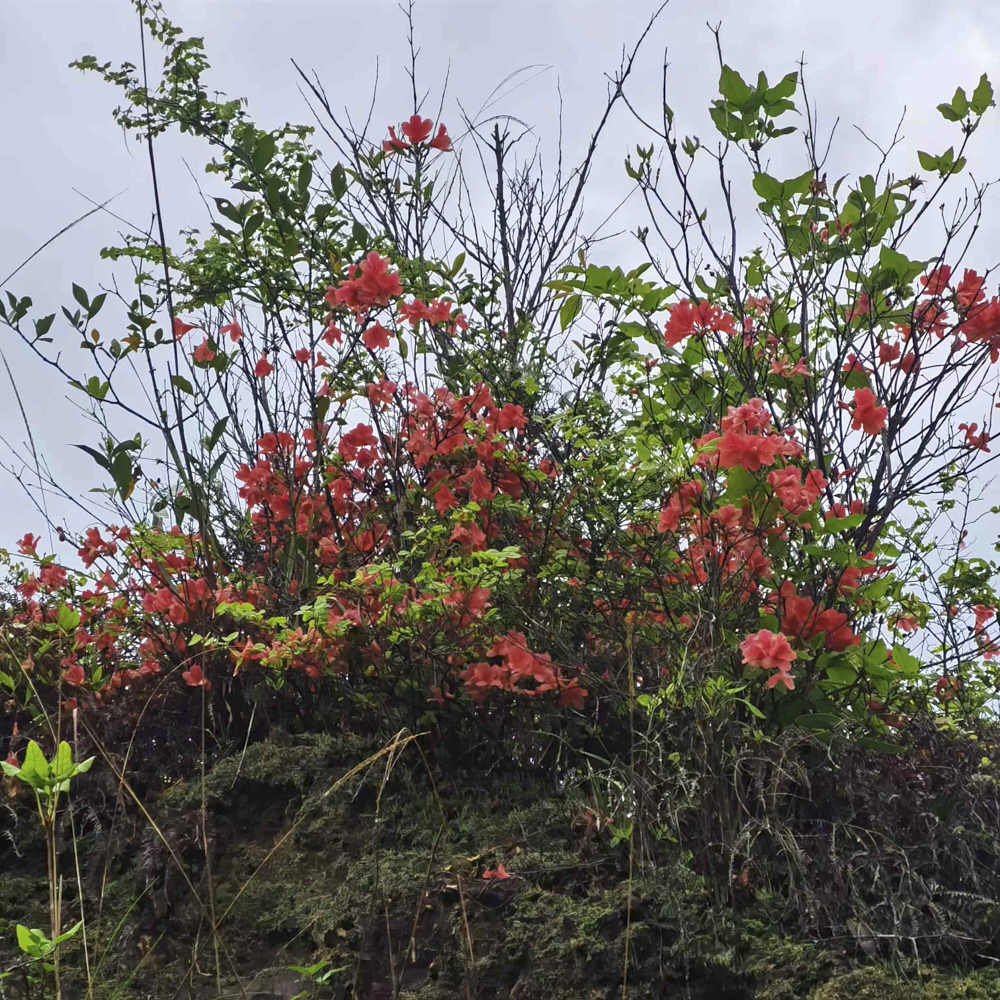
The tea farm is tucked away near the town of Fuliang in north-eastern Jiangxi Province, not far from the renowned black tea-growing region of Qi Men (Keemun). The tea plants used for this Oolong are between 15 and 30 years old and grow on mountain slopes at elevations of 300 to 800 metres, where dense forests, abundant sunlight and year-round mist create a balanced microclimate.
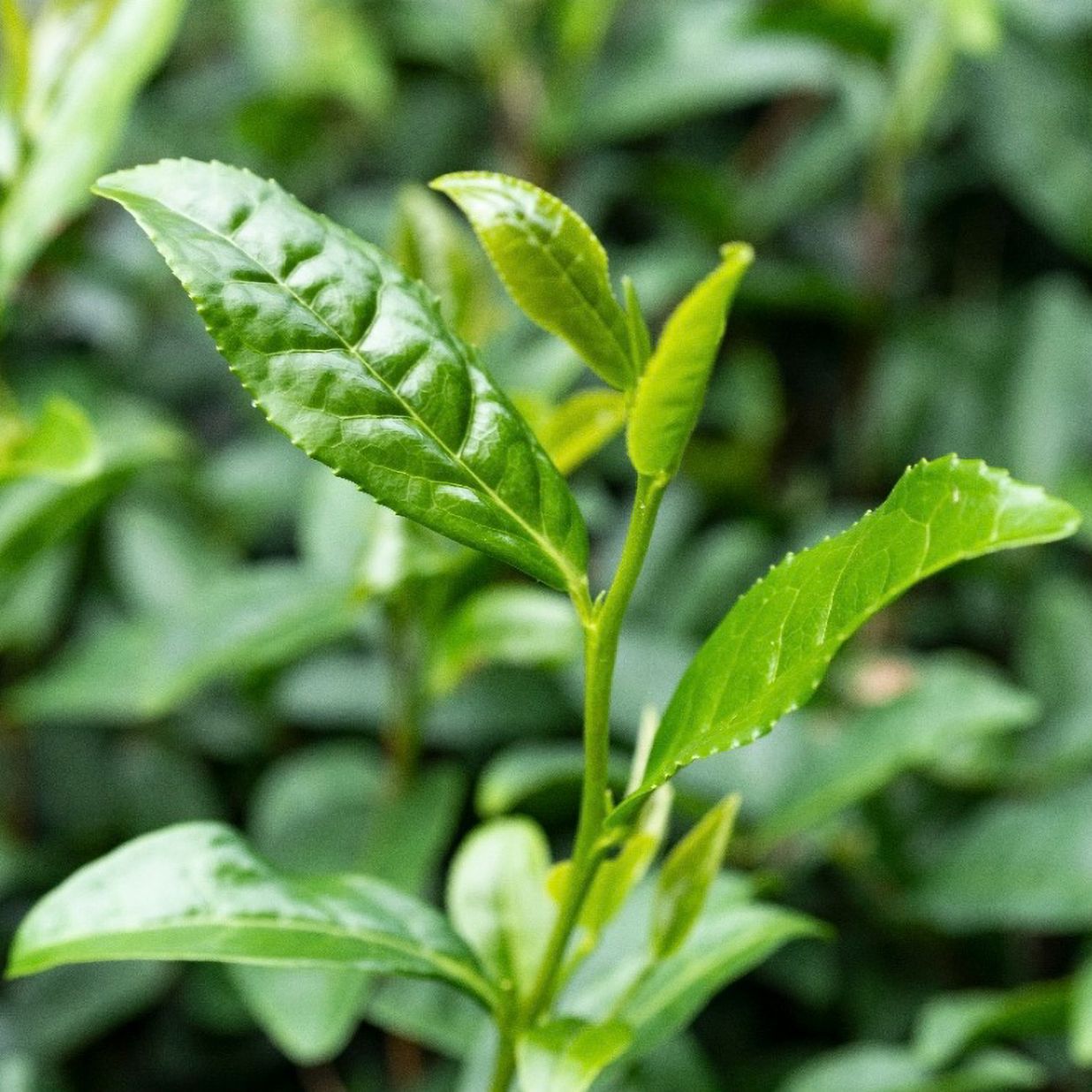
The choice of cultivar is particularly noteworthy. Tie Guan Yin, one of China's most celebrated oolong cultivars, is almost exclusively associated with its birthplace, Anxi, in Fujian Province. Grown in Jiangxi and only lightly oxidised, it develops a remarkably bright, intensely floral profile, more reminiscent of Taiwan's Bao Zhong Oolong than traditionally roasted Tie Guan Yin.
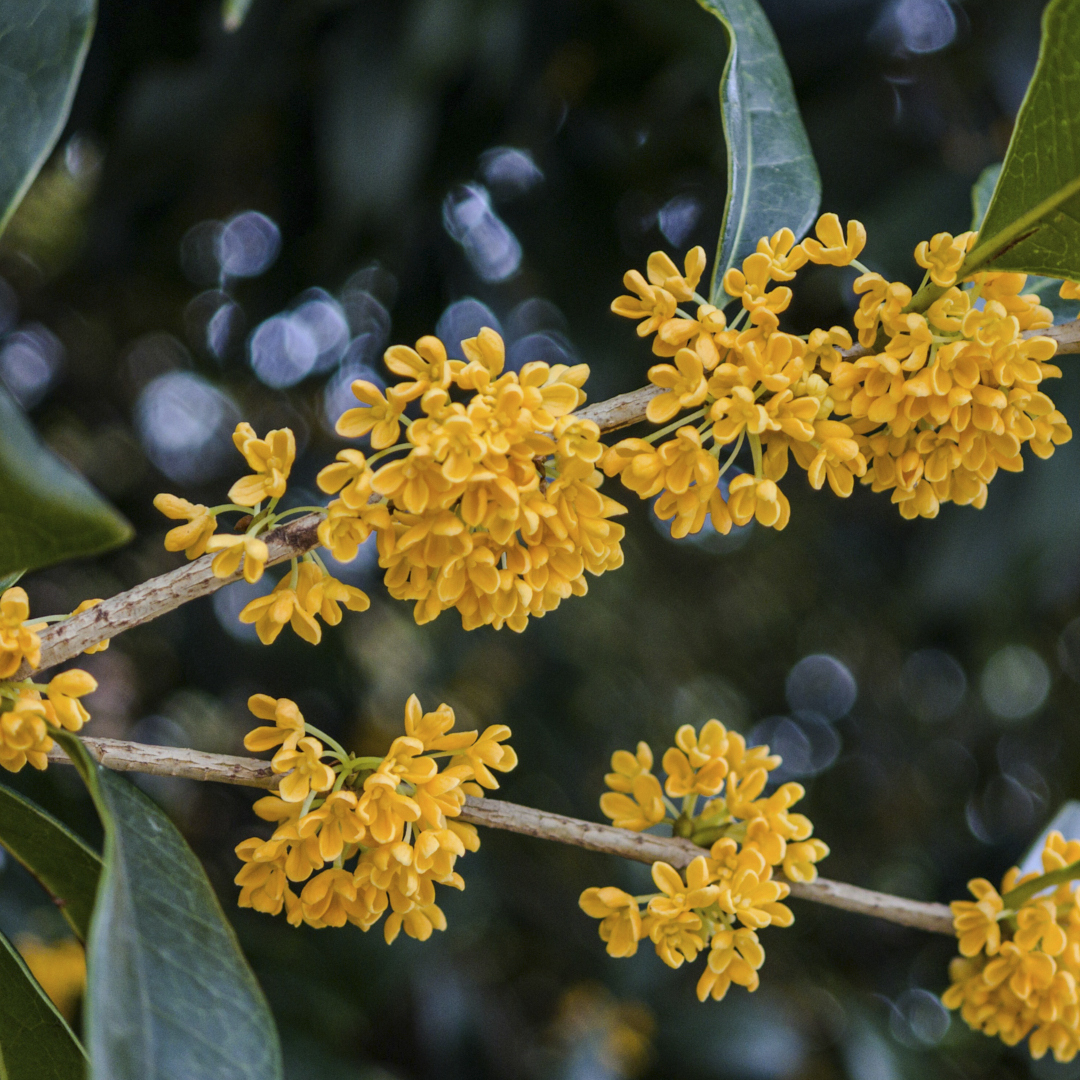
For the base tea, one bud and three leaves are hand-picked in May and June, withered indoors and oxidised to 20–30%. The oxidation is then halted by pan-firing, after which the leaves are rolled, roasted and dried. In September, when the osmanthus comes into bloom, the tea undergoes traditional scenting: the finished Oolong is layered with real osmanthus blossoms and left to naturally absorb their delicate fragrance.
Single Origin
This tea comes 100% from the above-mentioned tea fields in Jiangxi, China, directly sourced.