

10% off our best organic matcha:  Ceremony & Contest grade. CODE:

Sun Dried Hojicha Tamba Organic

Super Premium 96 P.

SKU
0536-bio
An exceptionally refined Bancha speciality from a small family-run farm in Tamba, Japan. The leaves are hand-picked and sun-dried before being slowly and gently roasted in an iron kettle. The result is a Hojicha of rare finesse, with a bready, malty aroma, a surprising sweetness in the cup and virtually no caffeine. 50g
Character Toasted bread, malt, vanilla, distinctly sweet, virtually caffeine-free
Tea Farm Third-generation family farm in Tamba, farming without pesticides or artificial fertilisers since 1988
Terroir Kasugachō Nakayama, Tamba (Hyōgo), Japan
Harvest 1st to 3rd harvest of 2025
Cultivar Yabukita und Tamba-Zairai (samenvermehrte Landsorte)
Elevation 200–300m above sea level; steep mountainous terrain
Processing Sun-drying (Tenpi-boshi), resting period, slow roasting in an iron kettle
Cultivation Certified organic since 2019; pesticide- and artificial fertiliser-free since 1988
Laboratory Tests Radioactivity and pesticides
Grade 96/100 P. (Hojicha category); Super Premium
€14.90
50g

Delivery : up to 5 business days

Incl. VAT, excl. shipping

SKU
0536-bio
€14.90 / 50g
In stock
Organic Sun Dried Hojicha Tamba

Tea Farm

Our tea farm in Tamba was founded in 1945 and, from the very beginning, combined tea production with charcoal making. This close connection continues to shape the family’s identity and approach to their craft today. A defining moment came in 1988, when the third-generation head of the farm decided that he wanted to produce tea he could give to his own young child without hesitation. He therefore converted the entire farm to cultivation without synthetic pesticides or artificial fertilisers. What began as a personal matter of conscience has since become the foundation of the farm, which gained official organic certification in 2019.

What makes the farm particularly unique is the close relationship between forestry and tea cultivation. In winter, the family heads into the mountains to harvest kunugi oak, which they turn into charcoal for use in their own tea ceremonies. As the smoke cools during charcoal production, wood vinegar is collected – a natural liquid containing more than two hundred organic compounds. Diluted and applied to the tea fields, it helps inhibit harmful microorganisms and repel insects while also conditioning the soil. Charcoal dust is used as a soil conditioner, while the only fertilisers applied are rapeseed oil cake, rice bran and fermented organic matter.

Since 2023, the fourth generation has been working alongside the family in both the fields and the tea factory. The son left his previous profession to take over the family business. The farm is best known for its sun-dried Bancha, a tea widely appreciated throughout Japan – from elementary schools to some of the country’s finest restaurants.

Organic Sun Dried Hojicha Tamba

Character

Tasting Notes

As soon as the tea leaves are placed in the pre-warmed pot, they release an unusually vivid roasted aroma, bready and malty like the crust of rye bread, yet rounder and without the sharper notes often found in more heavily roasted teas. The wet leaves strike an entirely different note, revealing a delicate hint of vanilla alongside a subtle leathery quality in the background. The aroma itself suggests that the roasting was carried out slowly and at a moderate heat: despite the darkness of the leaves, there is no trace of over-roasting. In the cup, the infusion is autumn gold, with a remarkable sweetness underpinned by an umami-like depth that stimulates the palate. The tea remains gentle and restrained, yet is anything but simple. It has a light body, which allows its flavours to move effortlessly across the entire palate. The second infusion introduces a delicate astringency, accompanied by a hint of cigar and an alkaline, thirst-quenching quality. Particularly striking – and a mark of its quality – is this Hojicha’s ability to continue revealing unexpected flavours even through the third and fourth infusions.

Leaf

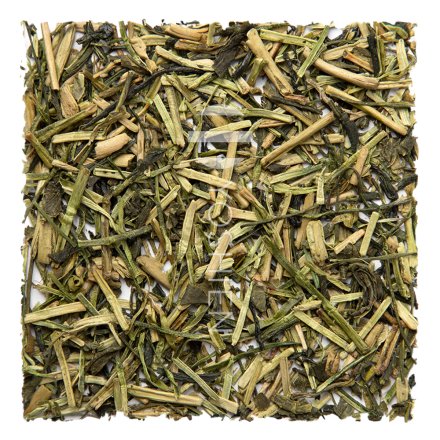
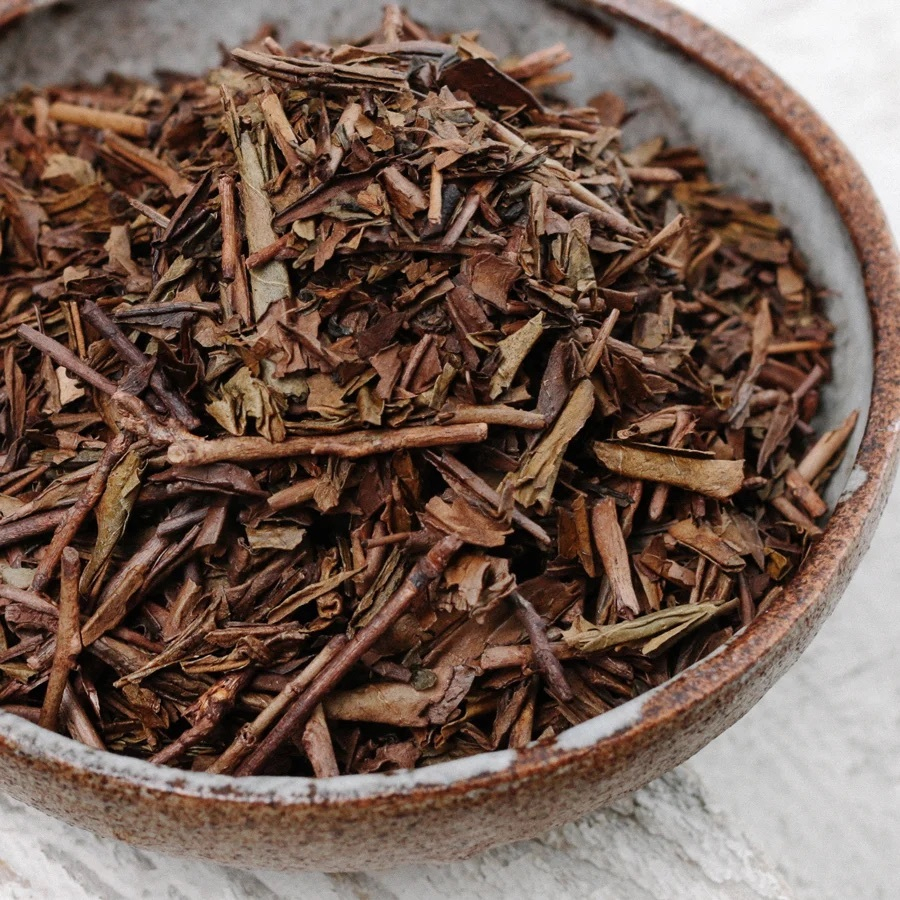
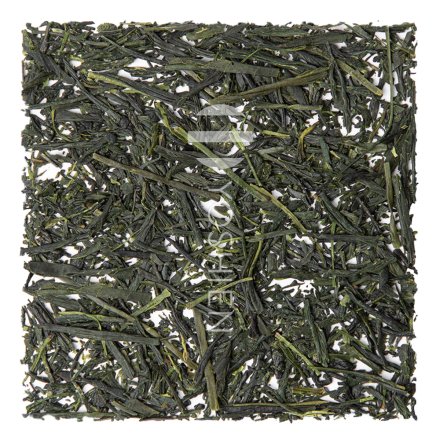
Large, coarse, dark brown leaves with a rich sheen and scattered stems

Cup

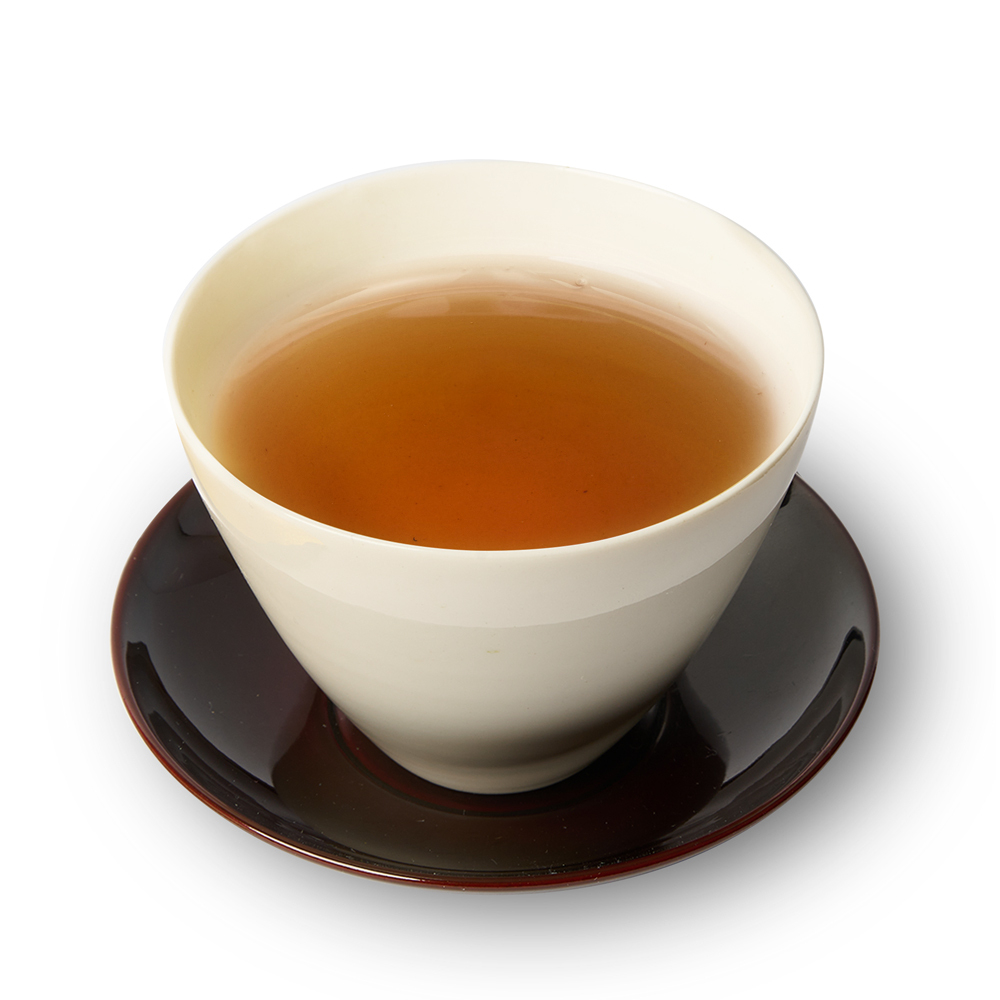
A clear infusion with autumnal golden hues

Organic Sun Dried Hojicha Tamba

Sundried Hojicha

Hojicha's fine needles are gently roasted in special Hojicha roasters after being processed into Sencha or Bancha, whereby they develop malty sweet aromas and even caramel notes. Unlike most other Hojicha teas on the market, we use only absolute top-quality stems primarily from 1st harvests, a difference that enhances both taste and nutritional content. Due to its mild flavour profile, Hojicha is also extremely popular in Japan, particularly during the winter holidays and after sumptuous meals and feasts.

Yoshien Labortests

Laboratory Tests

We go to great lengths to identify the finest organic tea farms across the world’s most celebrated terroirs. All our teas are sourced directly from the farmer and, with a few exceptions, are certified organic or come from pesticide-free farms. Each batch of tea for every harvest is tested for pesticides and other pollutants in an independent German lab to ensure they meet our strict quality standards as well as HACCP food safety requirements. Likewise, all the regions of Japan from which we source our teas are tested for radioactivity for every harvest.

Yoshien

Yoshi En

World's Finest Organic Teas

Our comprehensive portfolio focuses on organic, single-origin teas sourced directly from renowned farms. We believe in creating partnerships with farmers who share our values and are committed to sustainable, responsible tea cultivation. Thanks to these strong relationships our exciting range is constantly growing and evolving. As an international team of dedicated and passionate tea experts, we are committed to preserving centuries-old tea culture while ensuring it remains relevant and continues to bring joy in the present. About Yoshi En.

Cultivation & Processing

Special features in location, cultivation and processing

The Terroir

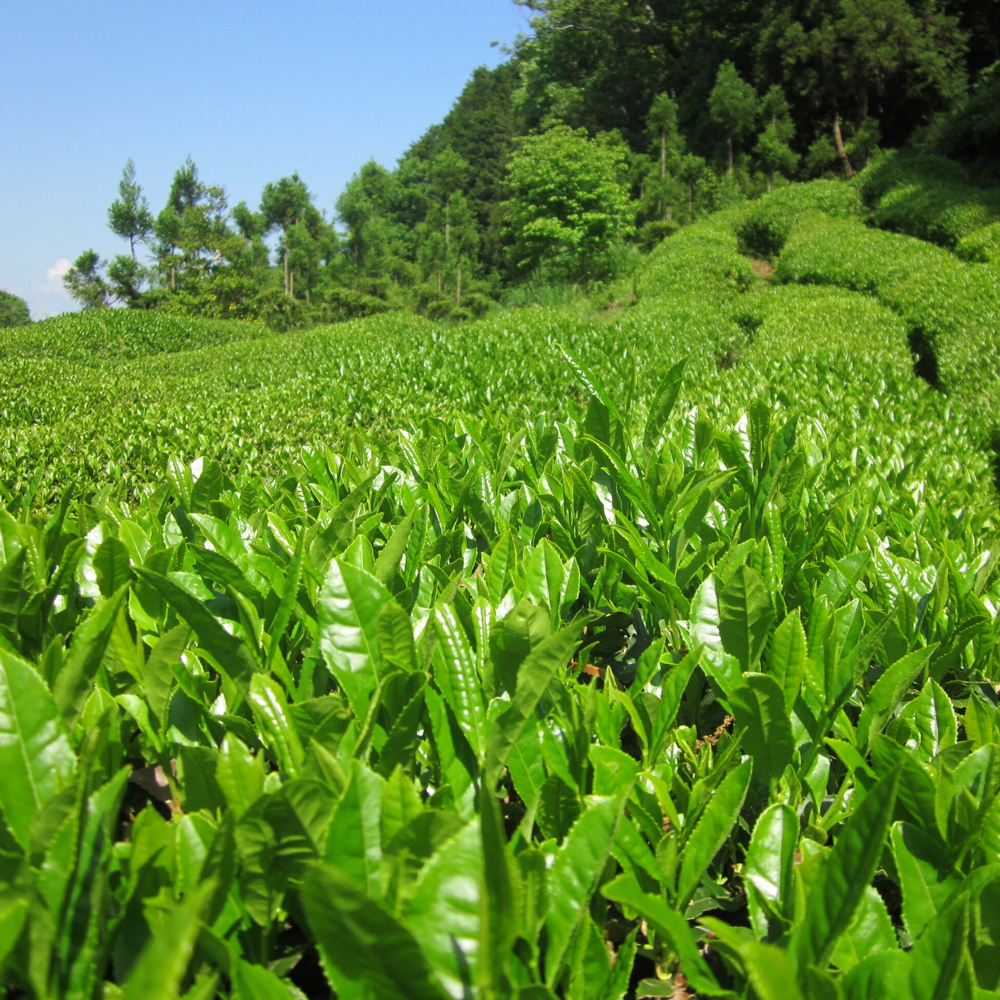
Tamba, in the north of Hyōgo Prefecture, lies in a basin surrounded by mountain ranges, and this geography shapes everything that grows there. The differences between daytime and night-time temperatures are pronounced, giving rise to a dense morning mist known locally by its own name: Tamba-giri, the mist of Tamba. Even during dry periods, it provides the plants with moisture and is considered one of the reasons why the region is home to so many celebrated specialities, from black Tamba soybeans and Dainagon azuki beans to Tamba chestnuts.

Less widely known, but historically no less significant, is Tamba’s role in the history of Japanese tea. The Shoku Nihon Kōki records that in 815 the provinces of Kinai, Ōmi, Tamba and Harima were required to supply tea to the Imperial Court each year. This makes Tamba one of Japan’s oldest tea-growing regions, while at the same time placing it far from today’s major centres of tea production, such as Uji, Shizuoka and Kagoshima.

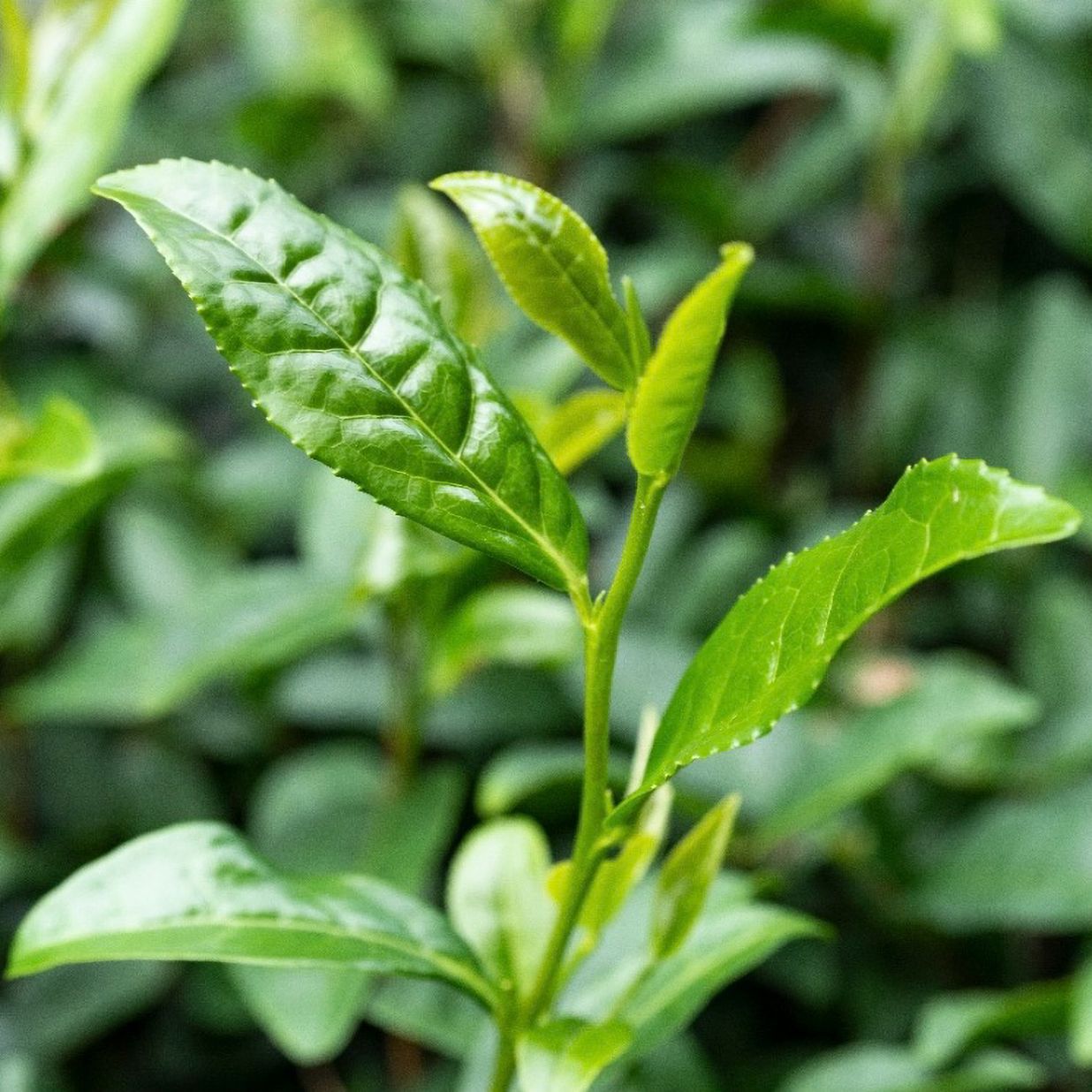
The tea fields lie at elevations of 200 to 300 metres on steep hillsides. Alongside the modern Yabukita cultivar grow Zairai bushes – plants propagated from seed and belonging to the old local Tamba variety. Their yields are considerably lower, but their roots reach deep into the soil, allowing them to absorb more minerals.

Harvest and Production

The leaves come from the first through to the third picking and therefore predominantly from the later harvests of the year, when they are larger, more robust and more substantial. After harvesting, they are not mechanically dried but dried naturally in the sun, a process known in Japanese as Tenpi-boshi. The leaves dry slowly and gently, laying the foundations for the deep natural sweetness that later distinguishes this tea.

The leaves are then allowed to rest before being roasted in an iron kettle. This roasting is the crucial test. Too much heat burns away the sweetness and leaves little but smoke. Here, the leaves are roasted slowly and at a moderate heat, which is why, despite their dark appearance, they never taste over-roasted. Instead, the tea develops an unusual finesse and a delicate note of vanilla. The roasting also reduces much of the caffeine, which is why the tea farmer in Japan expressly recommends this tea for children as well as those who are sensitive to caffeine.

We also offer the same tea in its unroasted form as Sun-Dried Bancha Tamba. Here, the leaves remain unroasted, the liquor stays pale and the character is herbaceous and mineral. The same origin, the same sun – separated only by fire.

This tea comes 100% from the tea farm described above in Tamba and is sourced directly from the tea farmer.
Preparation

Zubereitung

3 well-heaped tsp (6g) per 300ml water, 100°C, steep for 1–2 minutes.

Hojicha handles boiling water with ease, and this tea positively benefits from it, as its full bready, malty depth only truly emerges at this temperature. At least three infusions can easily be enjoyed, with the second developing a delicate astringency and an alkaline, thirst-quenching character.

Allowed to cool and poured over ice, this Hojicha makes an excellent summer drink, with its sweetness becoming even more pronounced.

Preparation

Packed in a particularly high-quality, airtight flavour-protecting pouch with zip closure and stand-up base. A nine-layer barrier provides exceptional protection against external contaminants. When sealing the pouch, press out as much air as possible to best preserve the tea's quality.

Empfohlene Teekanne

Because of the large, intact leaves, we recommend using a teapot with a generously sized interior, such as a classic Tokoname Kyusu. This tea also comes into its own beautifully in a cast-iron Tetsubin, which retains heat and accentuates its bready character.

Empfohlene Teedose

Ideal is a high quality tea caddy made of cherry bark (Kabazaiku Chazutsu). Alternatively, a more affordable airtight, internally coated tea caddy is also an excellent option.

Our recommendations

Loading...
The image could not be loaded.