


Special features in location, cultivation & processing
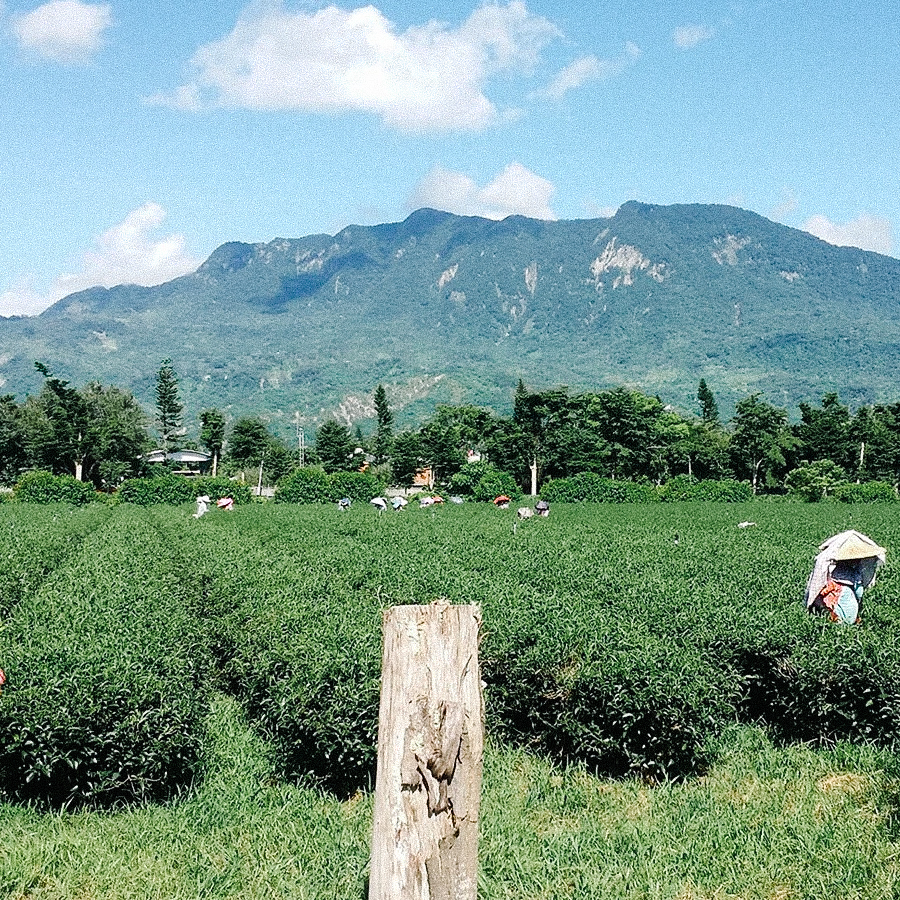
The tea-growing region around Luye in Taitung is the largest in eastern Taiwan. It enjoys a particularly favourable location at the southern end of the East Rift Valley, nestled between Taiwan’s Central Mountain Range (中央山脈) and the mountains that follow the Pacific coast (海岸山脈). Our tea farm lies at an altitude of around 350 metres in a beautiful, lush setting. Rainfall is plentiful, while the sloping terrain provides excellent natural drainage. Thanks to these conditions, teas from Luye can be harvested around a month earlier in spring and a month later in winter than Taiwan’s High Mountain Oolongs. This gives them a distinctive character that is highly prized in Taiwan.
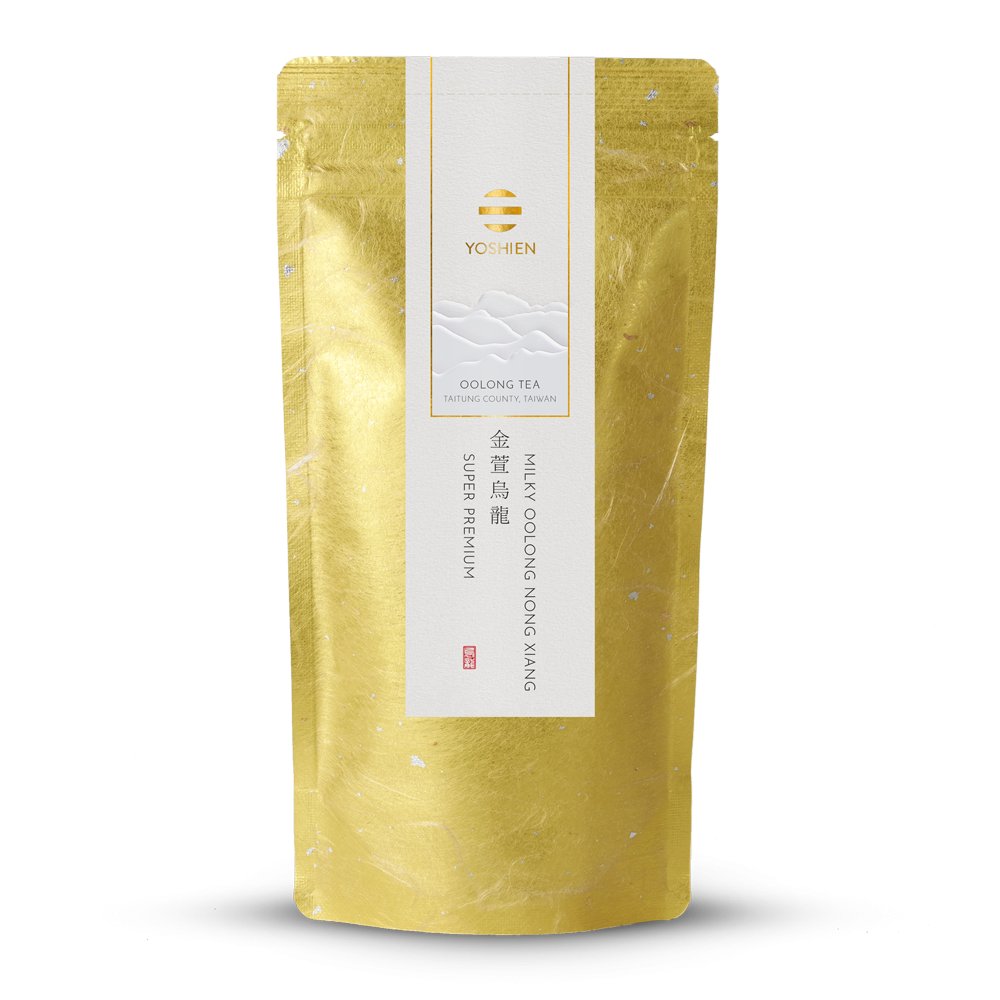
Our Milk Oolong is made from the renowned Jin Xuan cultivar (Taiwan Tea No. 12, also known as Golden Daylily). Developed in Taiwan in 1980, Jin Xuan was bred for its flavour, high yield and resilience, and has since become widely cultivated in both Taiwan and Thailand. Interestingly, its characteristic floral, naturally sweet and milky notes tend to develop particularly well at moderate elevations rather than high in the mountains.
The popularity of Milk Oolong has also led to some teas being treated with added flavourings to intensify their creamy character or mask inferior leaf quality. Ours is entirely natural and made without any added flavourings.
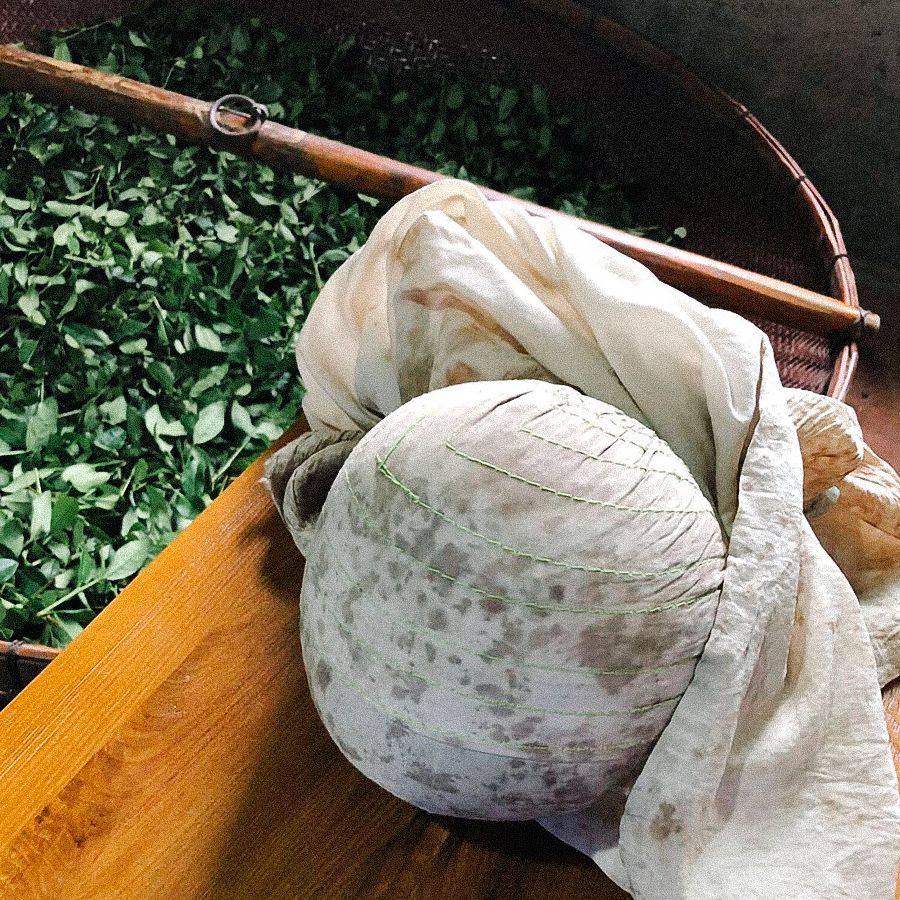
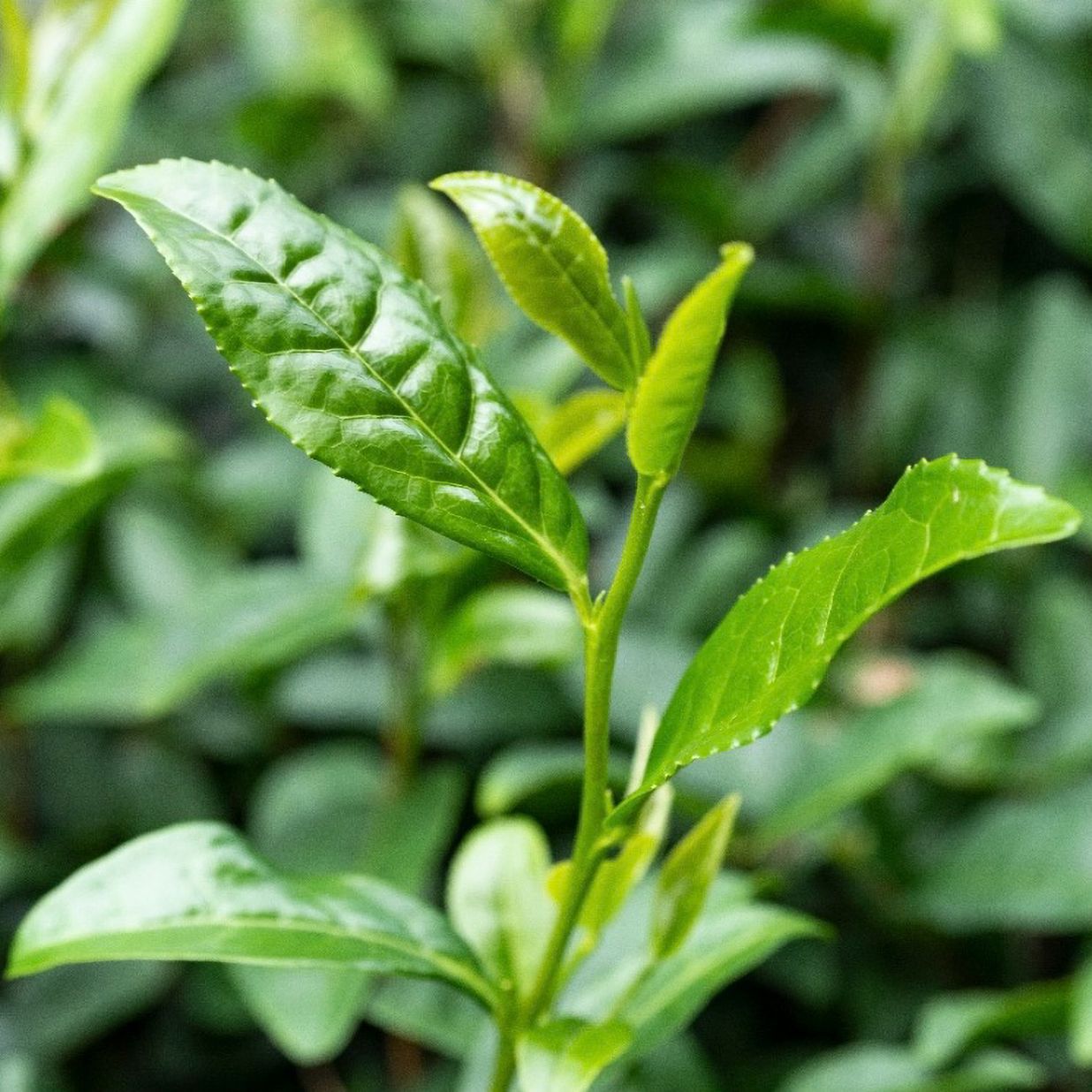
The leaves for this tea are picked by hand, following the classic Oolong plucking standard of one bud and the first three leaves. For Oolong production, the leaves are generally allowed to grow somewhat larger than those destined for green tea. After harvesting, they are withered in the sun, reducing their moisture content and allowing oxidation to begin. They are then brought indoors to continue withering and are gently tossed at intervals. This lightly bruises the leaves, particularly around the edges, releasing cell sap and encouraging further oxidation on contact with the air.
The leaves are then left to oxidise further in a controlled environment, resting on bamboo trays or large mesh screens depending on the quantity. As oxidation progresses, the bruised edges gradually take on their characteristic reddish-brown colour.
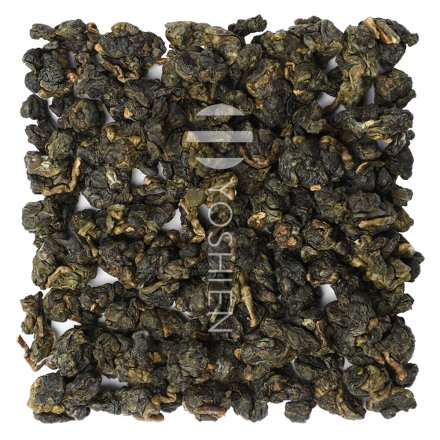
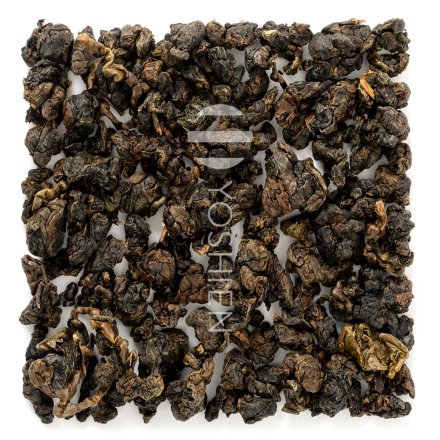
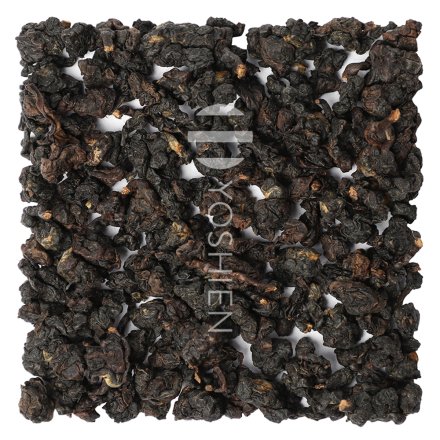
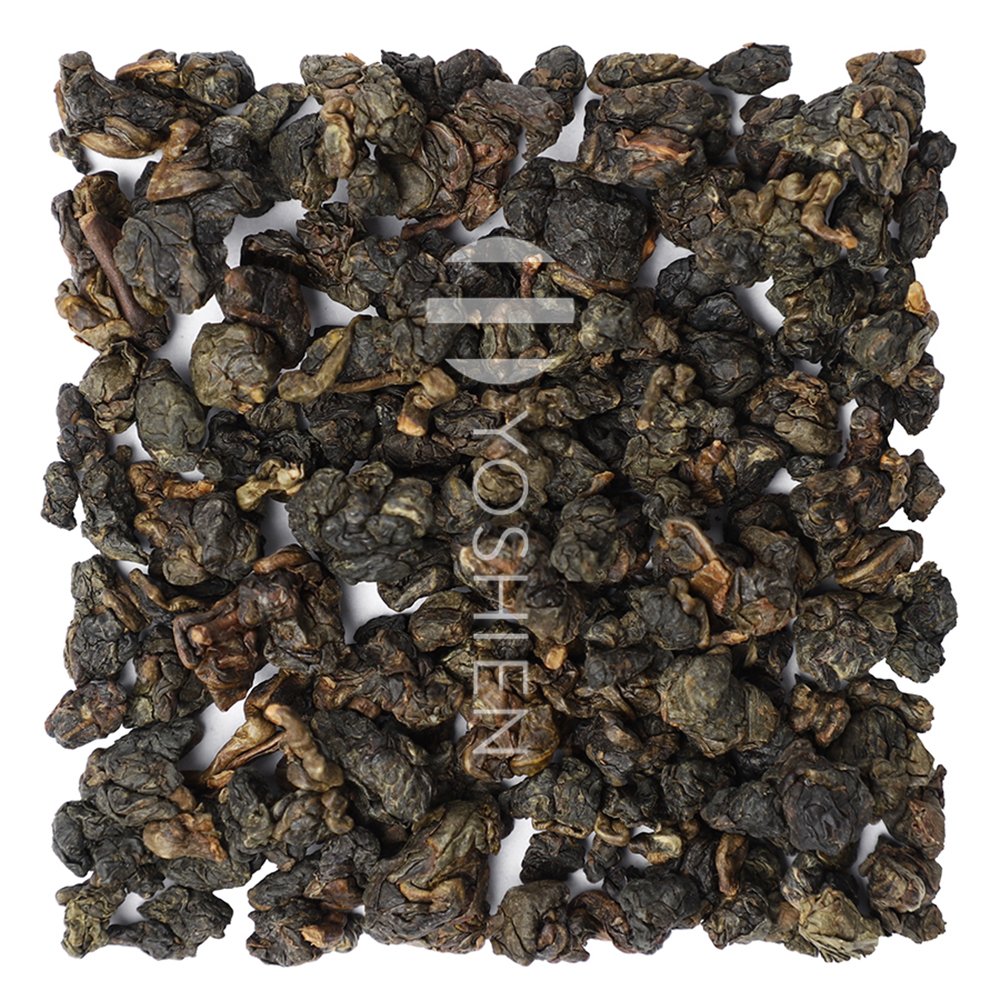
Once the desired level of oxidation has been reached, the process is halted by heating the leaves in an oven – the stage known as “kill-green”. The leaves are then worked in a rolling machine, breaking down their structure and distributing their aromatic sap across the surface. Further rolling gives the tea its characteristic tightly curled, ball-like shape before it is finally dried in the oven.