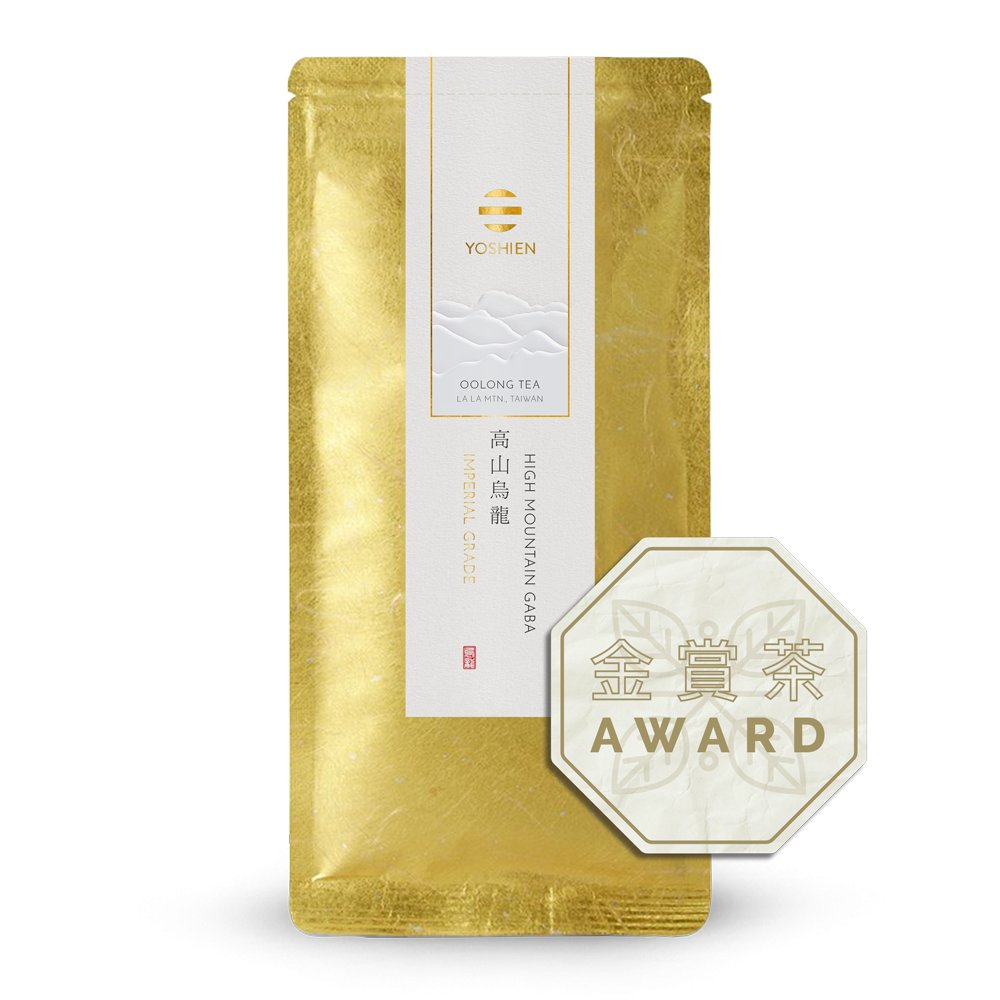
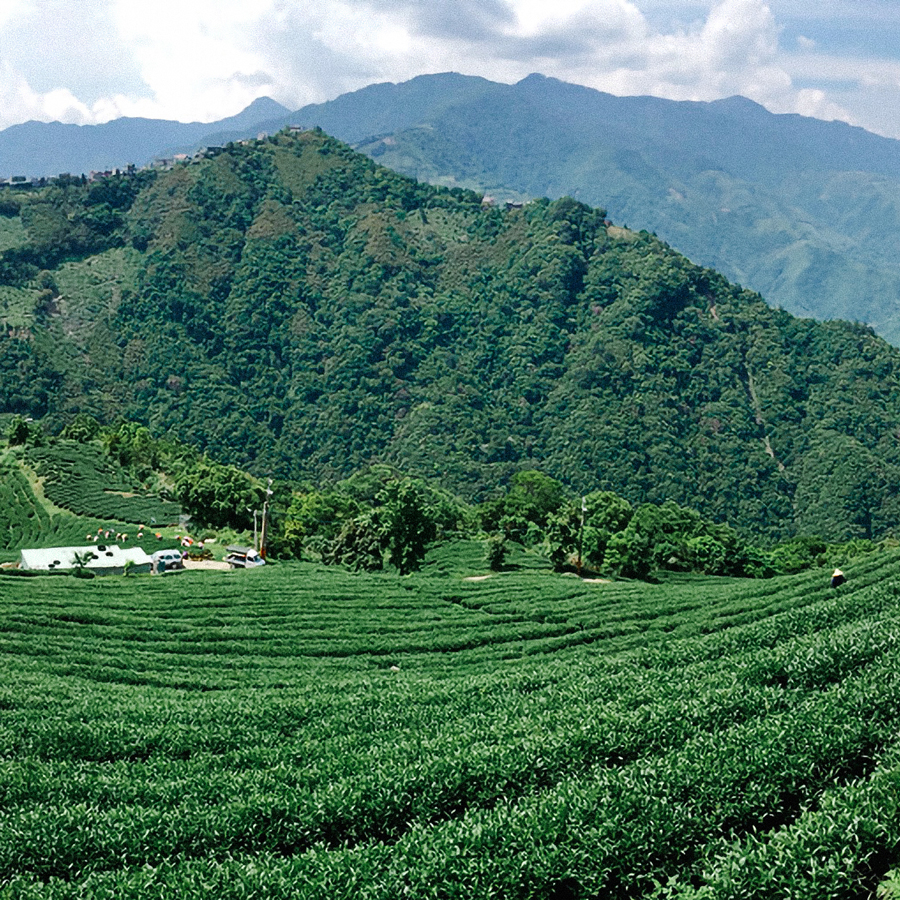
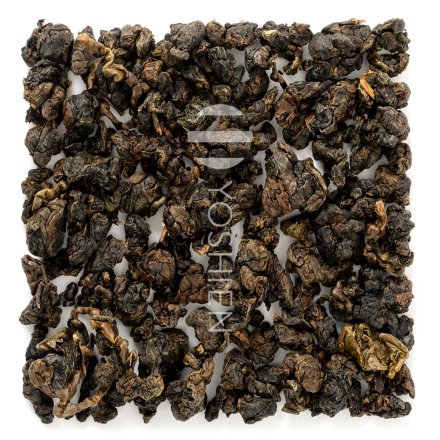
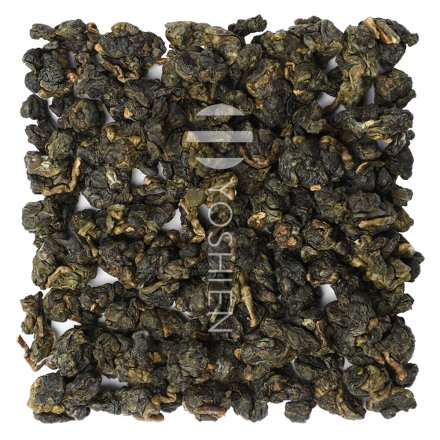
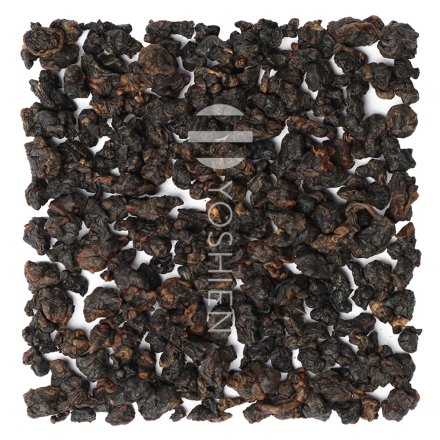
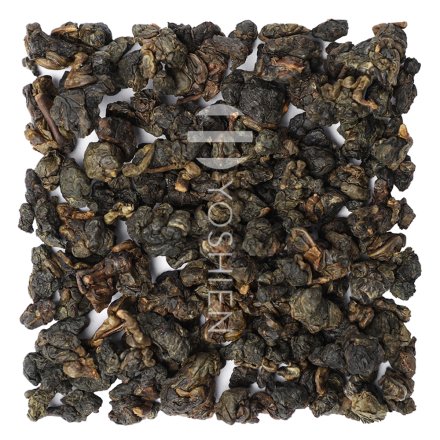
This outstanding High Mountain Oolong is cultivated in pristine natural surroundings at an altitude of 1,400 metres on the steep mountain slopes of Taiwan’s La La Mountain. La La Mountain is renowned as one of the finest terroirs for High Mountain Oolong teas in Taiwan – and indeed worldwide. It lies on the border between Fuxing District in Taoyuan and Wulai District in Taipei.
The landscape surrounding the tea fields is defined by idyllic forests famed for their giant ancient trees, some between 500 and 3,000 years old. Owing to this remarkable natural heritage, large parts of La La Mountain have been protected as a nature reserve since 1986. The growing region is strongly influenced by the monsoon climate, characterised by high annual rainfall combined with intense sunshine. The average annual temperature is around 20°C.
Despite the subtropical climate, the pronounced temperature differences between day and night create ideal conditions for tea cultivation. Thanks to the remote location, low population density, and minimal agricultural activity in the surrounding area, the tea gardens benefit from exceptionally pure air and fertile soils. The tea farmer cultivates his High Mountain Oolong teas exclusively according to the highest ecological and sustainable standards and has received official certification from Taiwan in recognition of these practices. The tea is grown entirely free from chemical pesticides, in nutrient-rich humus soils. These unique natural conditions, combined with the precise craftsmanship involved in processing the leaves, give the Oolong its exceptional flavour and aroma.
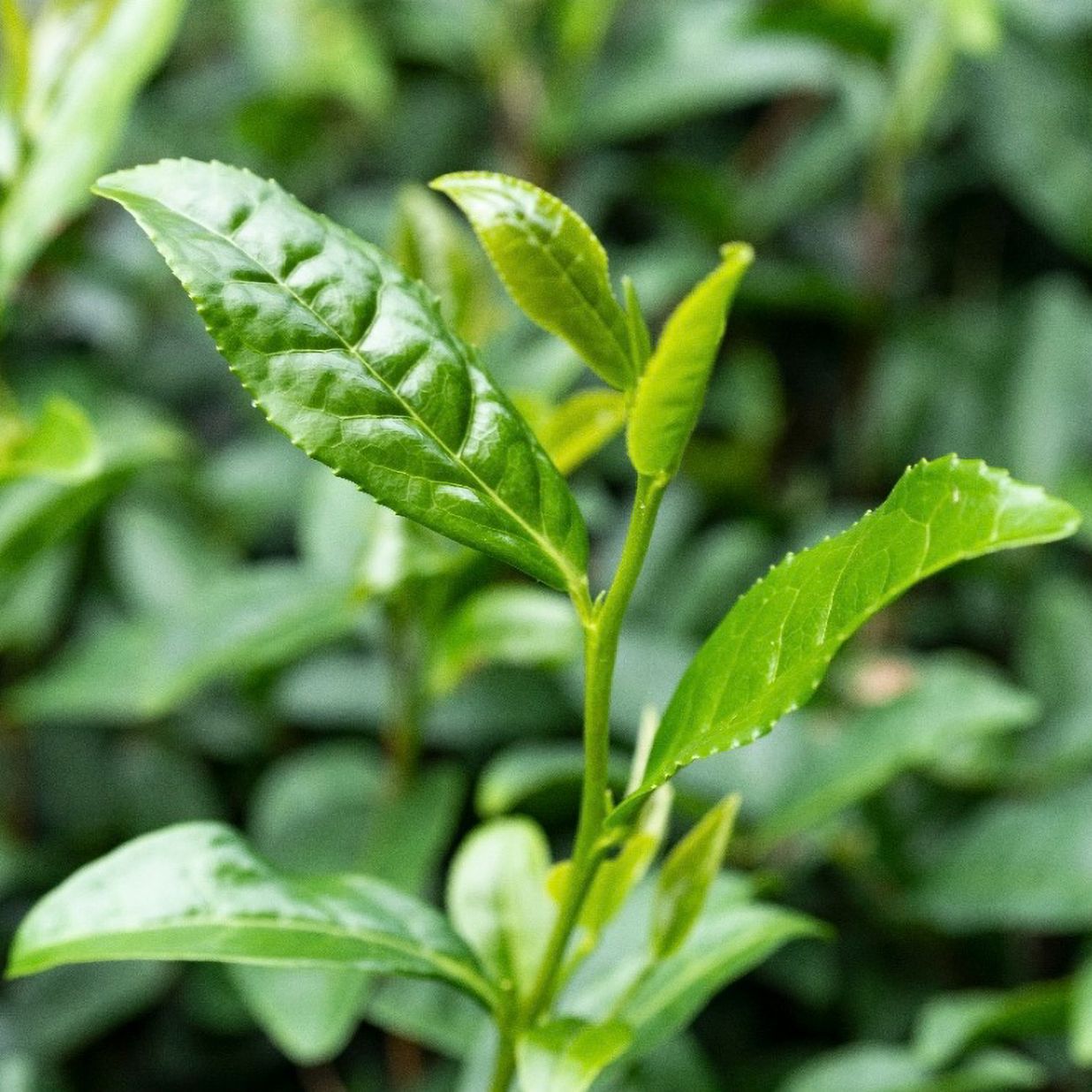
The tea leaves are carefully hand-picked in mid-May and meticulously selected for further processing. The production of the raw tea then proceeds through the following stages:
| 1 |
Approximately 1.5 hours of withering with sunlight under glass for the reduction of moisture in the first, light oxidation phase. The leaves are turned over 1-3 times to slow the oxidation process. |
| 2 |
Approx. 7–9 hours of indoor withering: After initial sun withering, the leaves are moved indoors for further withering. At first, they are spread out evenly before later being gathered into thicker layers. To encourage evaporation and fermentation, the leaves are gently tossed twice and more vigorously agitated twice. Small tears at the edges of the leaves allow small amounts of cell sap to escape. Enzymes previously separated within the intact cells (such as polyphenol oxidases) come into contact with other compounds including polyphenols and react with oxygen. As a result, oxidation gradually progresses and the fermentation process begins. |
| 3 |
Approx. 8–15 minutes of "big waves stirring”: during this stage, the plant cells are deliberately broken down more intensively through vigorous agitation, carried out partly by machine and partly by hand. This process accelerates oxidation. |
| 4 |
Approx. 3–4 hours of fermentation: the tea leaves are piled into layers approximately 5cm thick in order to retain warmth and deliberately encourage the fermentation process. |
| 5 |
Approximately 10-12 hours for the second fermentation (vacuum fermentation) and the development of GABA: the leaves are placed in a stainless steel drum and stored with nitrogen. |
| 6 |
Approximately 8 minutes in the oven at 78°C to halt fermentation and oxidation ("kill green"). |
| 7 |
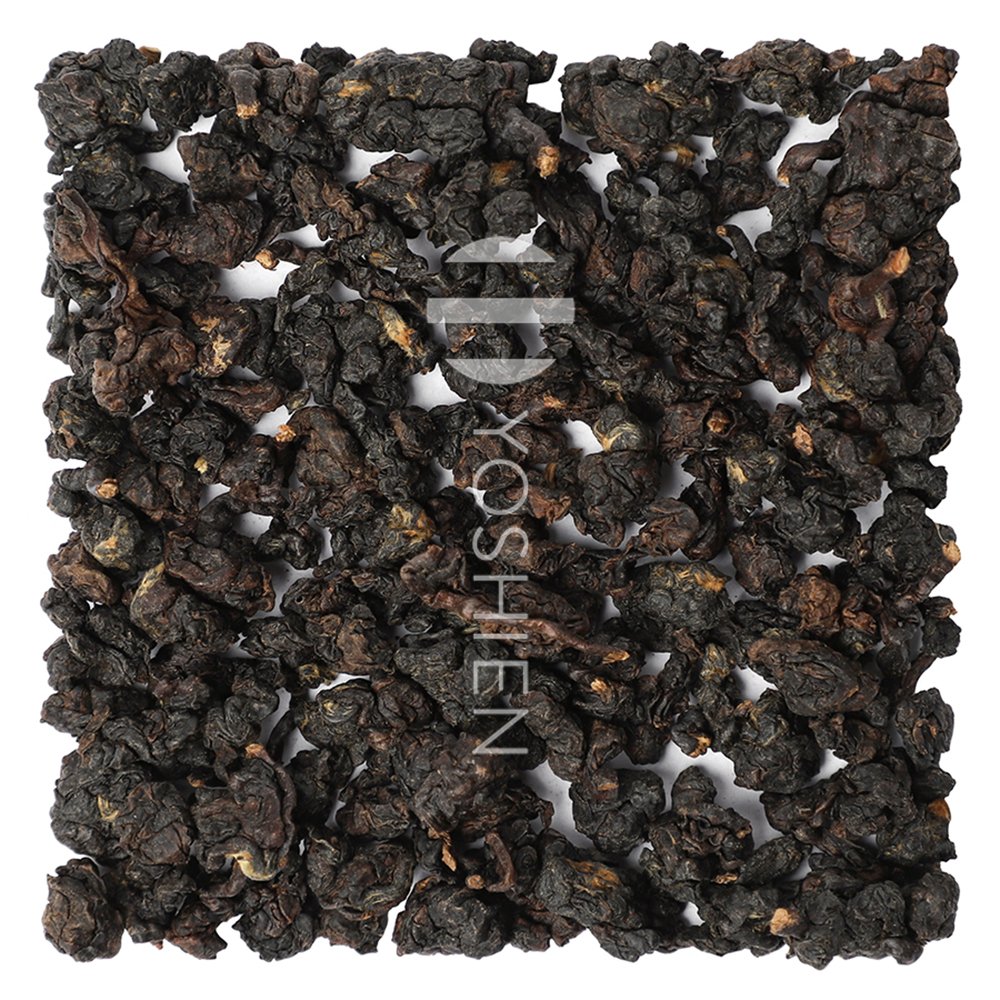
For approximately 2 minutes, the leaves are rolled in a ball machine that further breaks open the leaves. This causes cell sap to emerge and spread across the leaf surface, contributing to the tea’s distinctive aroma. |
| 8 |
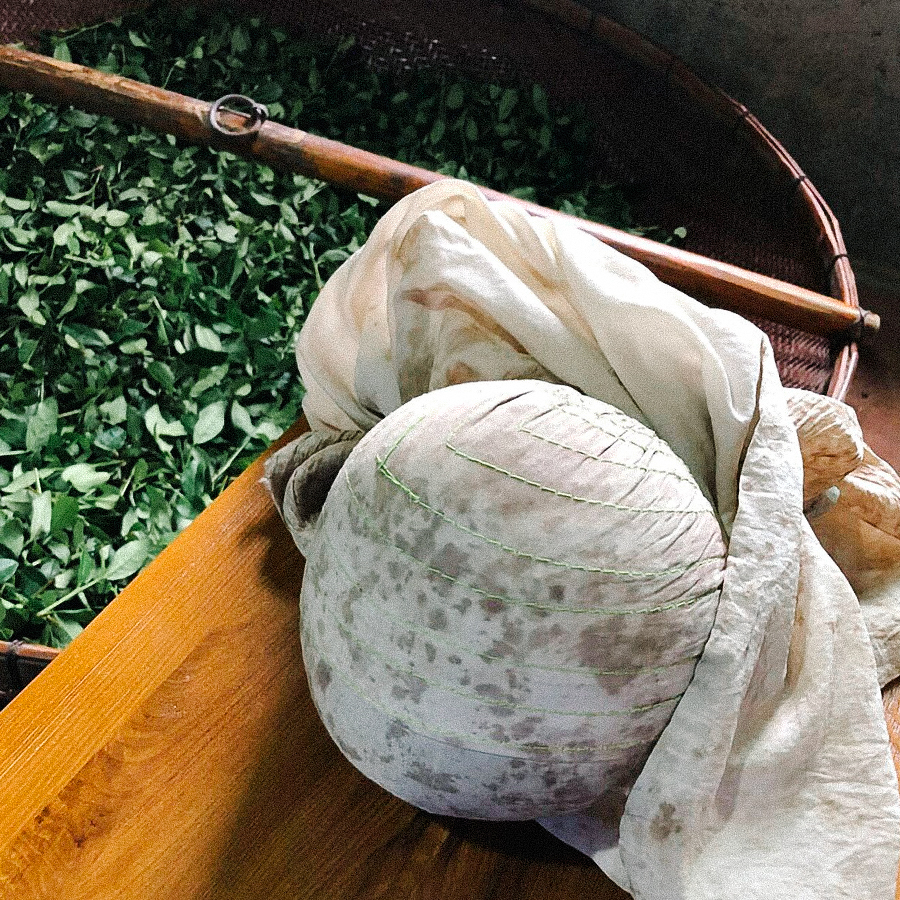
Ball cloth rolling: the leaves are pressed, rolled, formed into pearls, and dried in a cloth sack that is clamped down with a rotating lower plate. |
| 9 |
Drying: the leaves are dried in an oven at 80°C to a moisture level of 3%. The drying and ball cloth rolling stages are repeated over a 10 hour period. |
| 10 |
The leaves are not separately roasted at this stage, but in the last phase of drying the oven temperature is raised to 90°C for a light roasted note. |
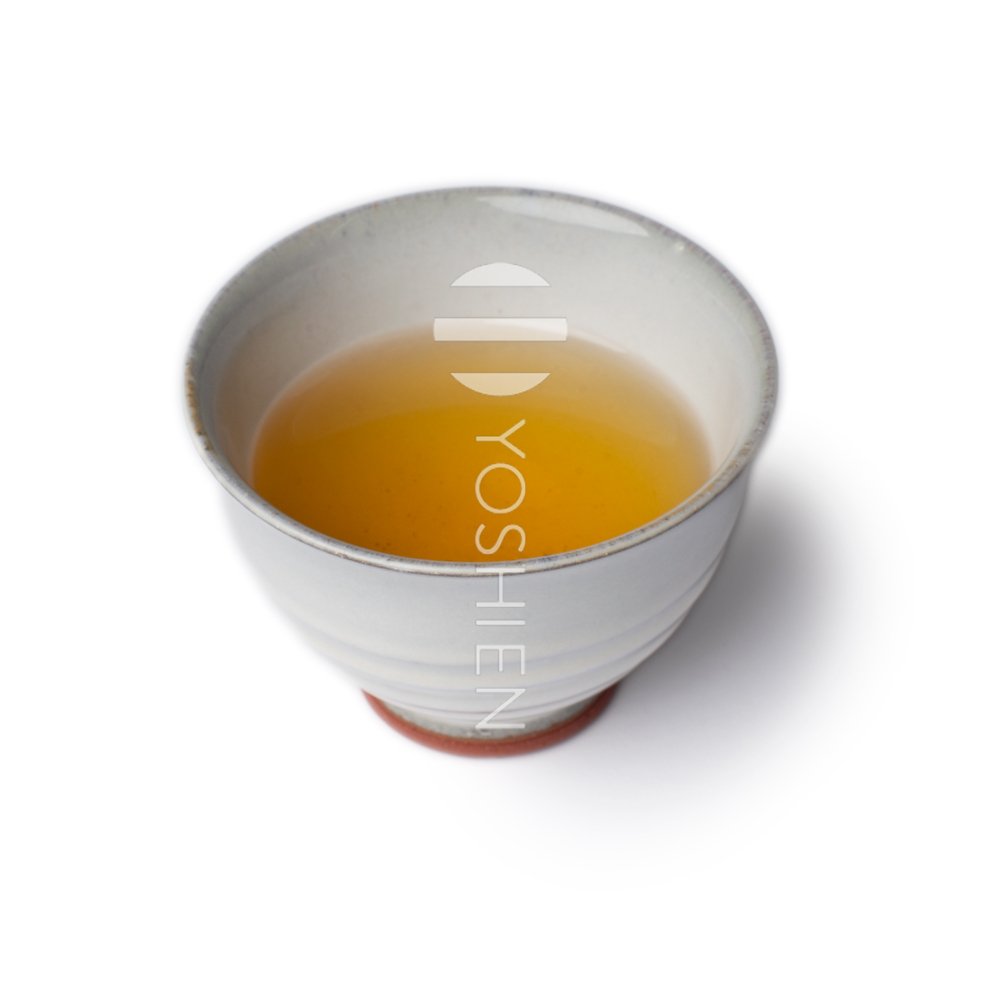
Via anaerobic storage in nitrogen, the amino acids glutamine and asparagine in the leaves are converted into GABA. As a result, this Oolong has approximately 50 times as much GABA as generic green teas. The tea is thereafter finished according to special production, fermentation and drying standards. Unlike other GABA teas, this GABA Oolong is only treated with nitrogen once in order to retain a pleasant but not overpowering buttery taste.
Single Origin
This tea comes exclusively from the above-mentioned tea fields on La La Mountain, sourced directly from the farmer.