


Special features in location, cultivation and processing
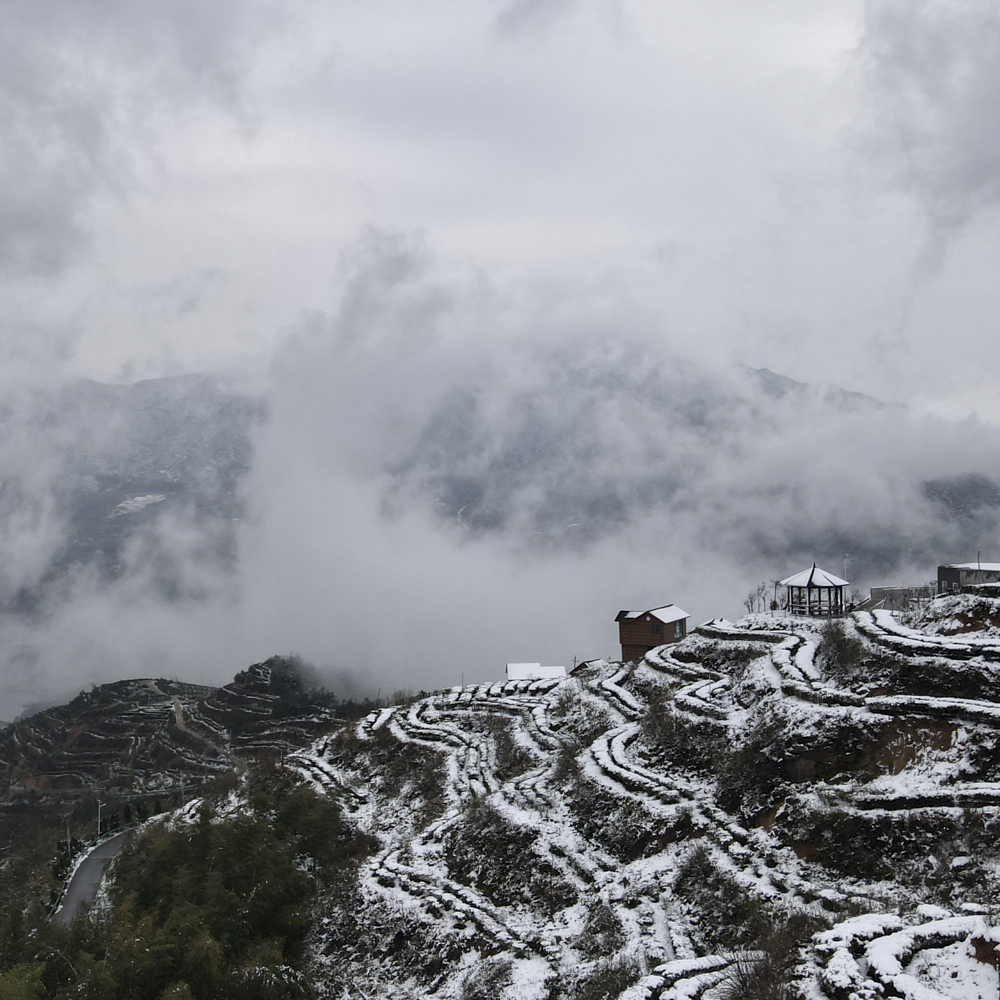
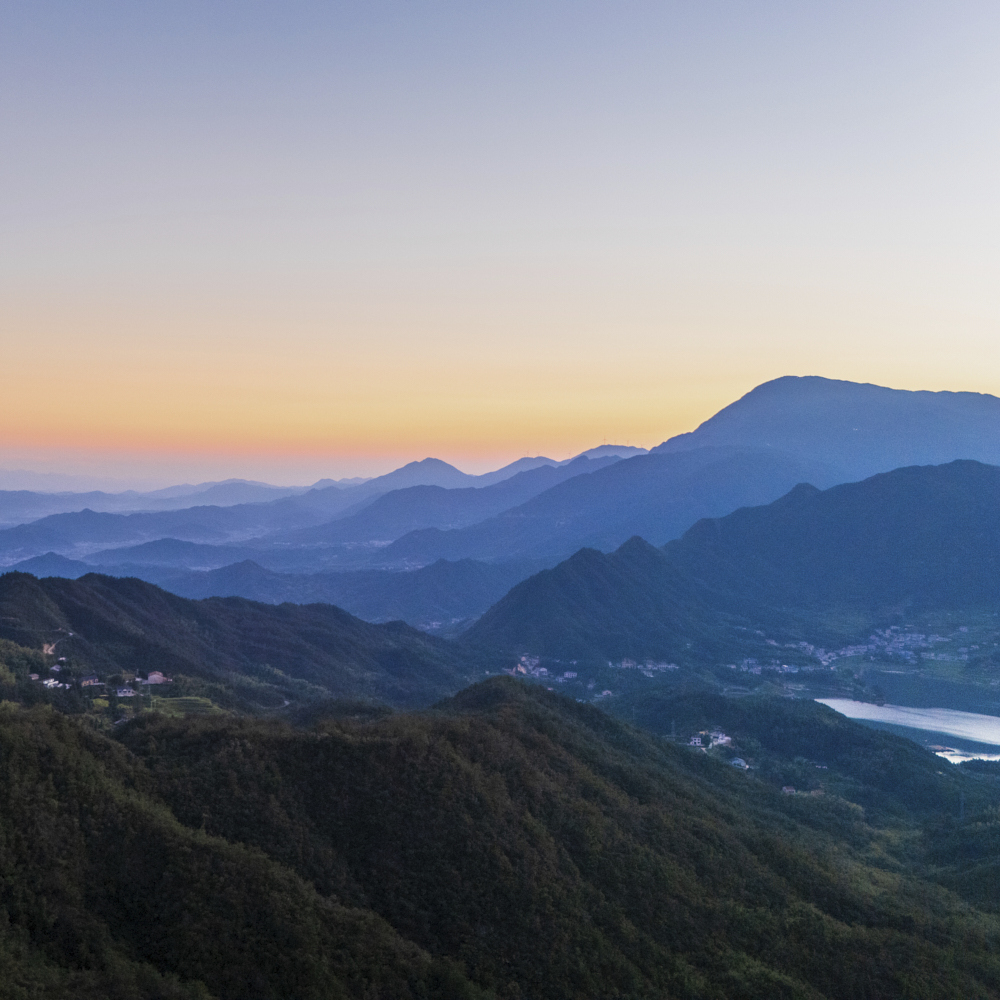
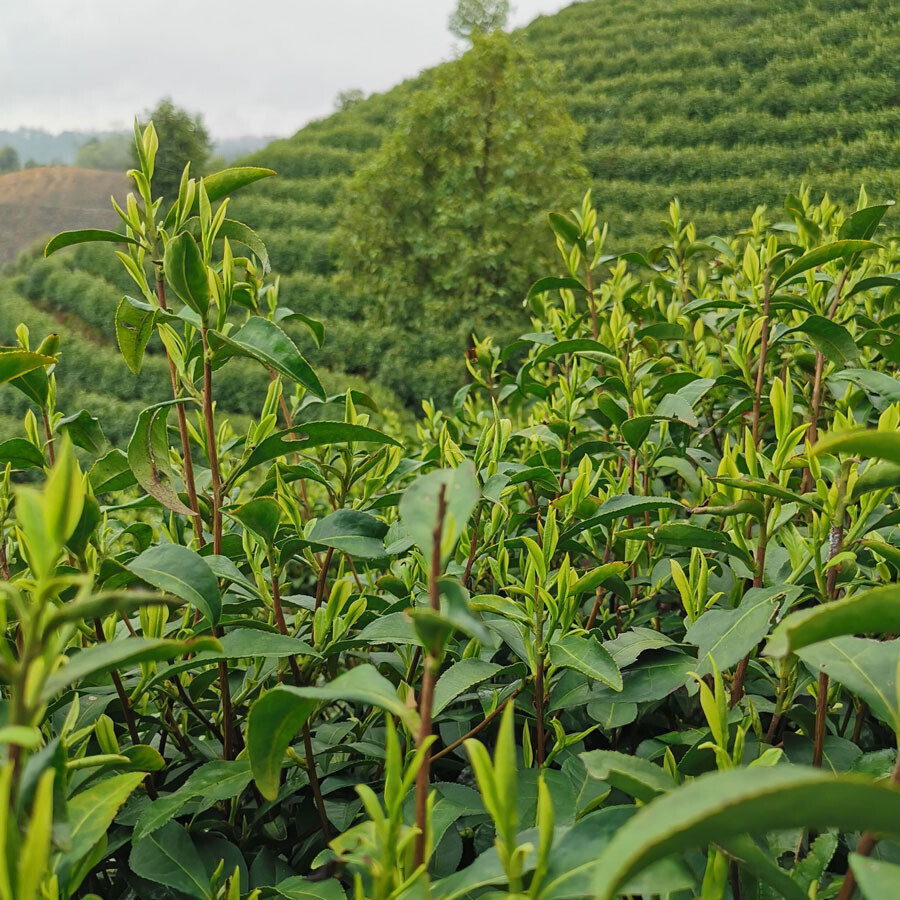
The tea farm is located in the Yueyang region in the north-east of China’s Hunan Province. Situated in south-central China, Hunan is one of the country’s historic tea-growing regions. It is particularly renowned for Anhua Hei Cha, a post-fermented tea that, much like Pu Erh, develops greater depth and complexity as it ages. This makes the discovery of this farm all the more exciting: rather than focusing on the region’s best-known style, it specialises in exceptionally high-quality green and black teas, as well as very rare yellow teas.
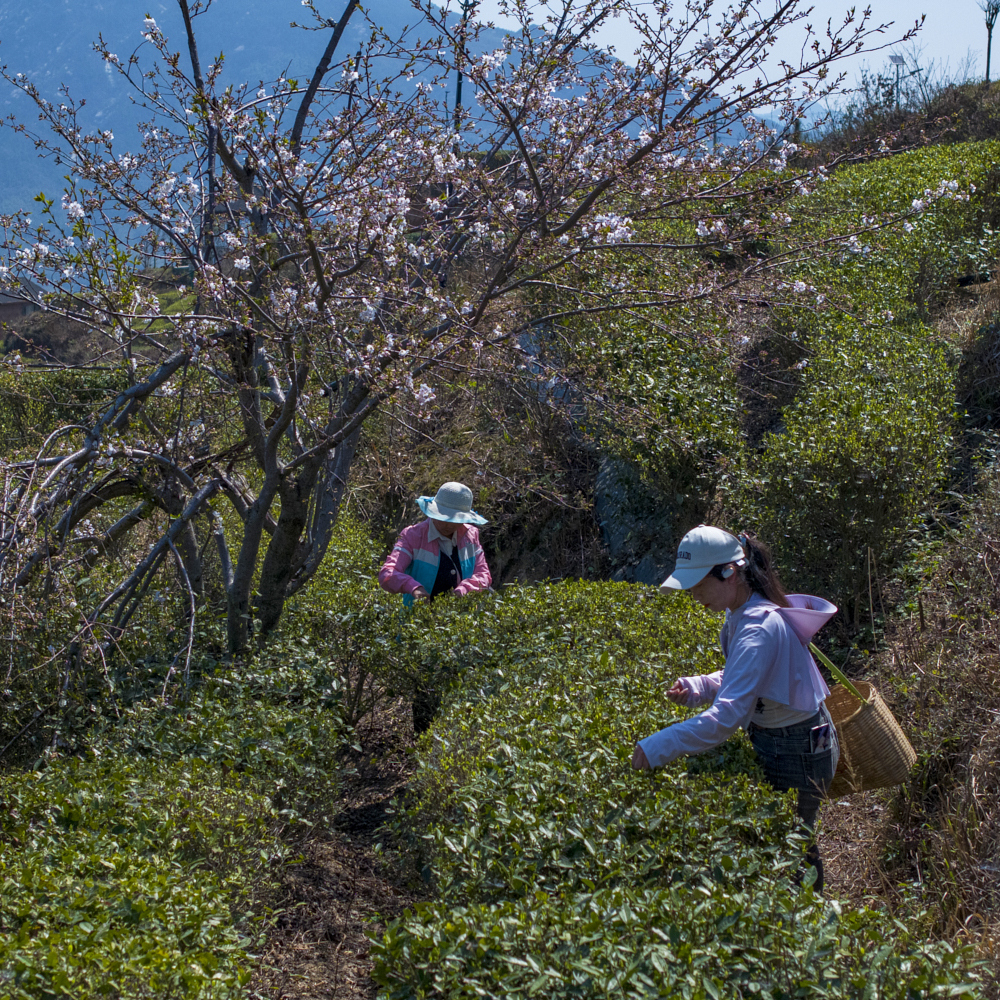
The production process does not differ fundamentally from that of other Chinese green teas. After harvesting, the leaves are briefly withered before being heated, traditionally in a large wok. This stage is known as “kill green” (殺青, Sha Qing). The heat stops the enzymatic oxidation of the leaves and is the crucial step that ultimately defines the tea as a green tea. The leaves then undergo several drying cycles in a specially designed oven.
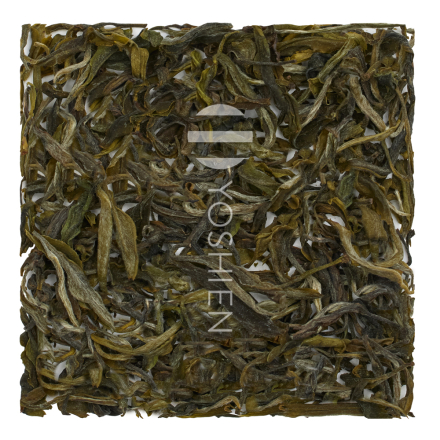
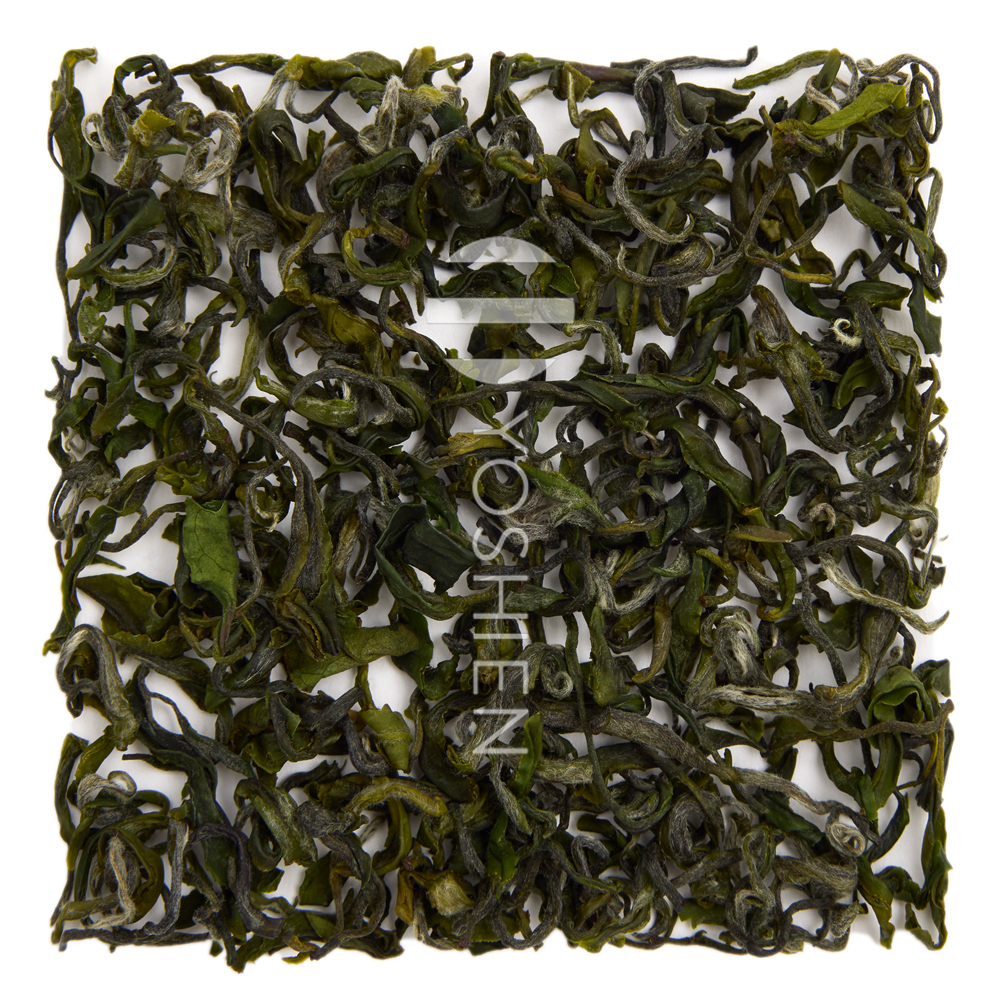
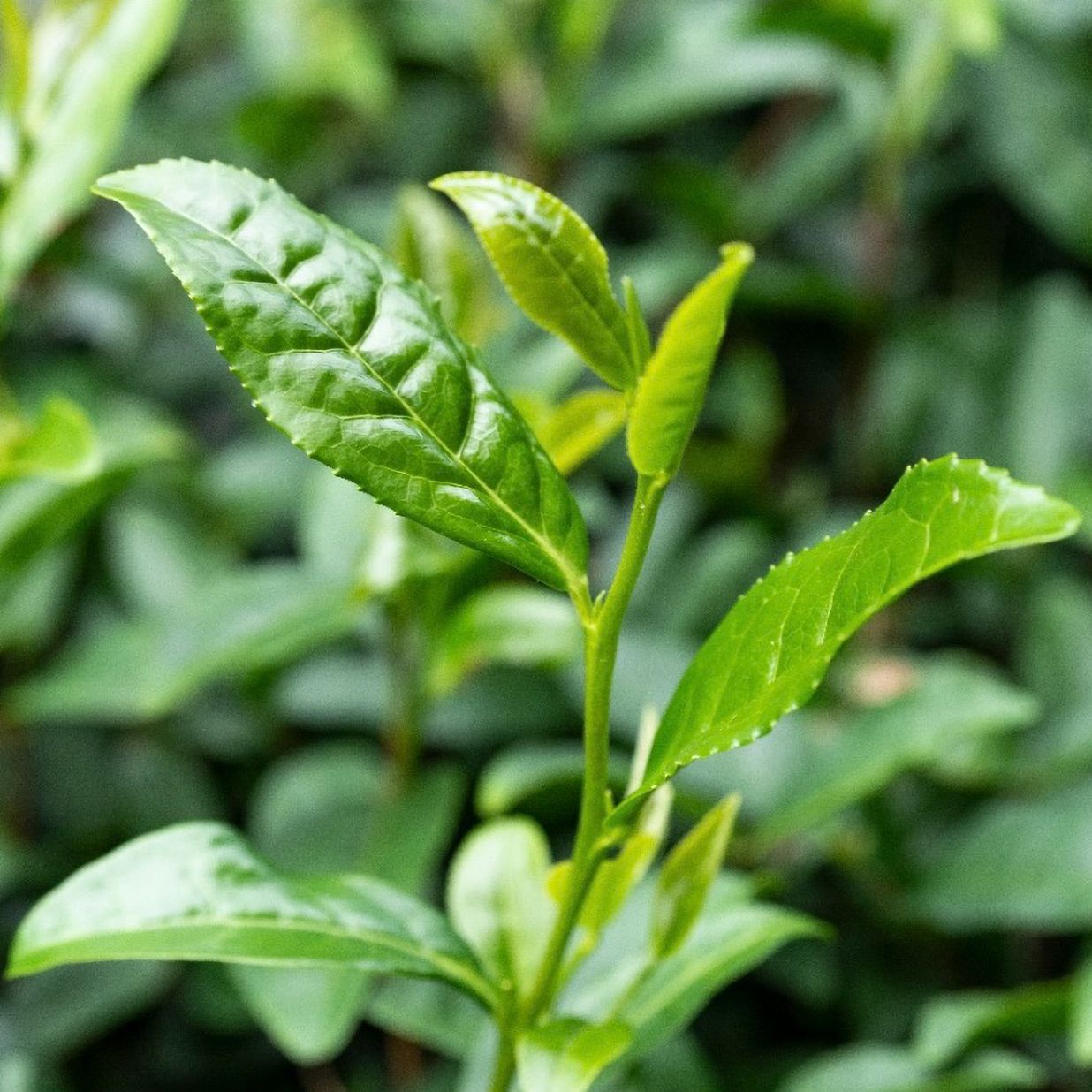
What truly sets this tea apart is the combination of an exceptional terroir, outstanding growing conditions and meticulous craftsmanship from the farm’s tea masters. The cultivar used is Longjing 43, a variety also used to produce the world-famous Long Jing, or Dragon Well tea. From this cultivar, the farm has created a tea with a character entirely its own. Alongside the distinctive nuttiness associated with Long Jing, it offers an extraordinary depth and complexity of aroma.
The farm’s expertise is reflected in its numerous awards. Its teas received a Gold Medal for Hunan teas in 2018. The farm has also been recognised at the National Yellow Tea Competition, receiving Gold Awards in 2018, 2020 and 2022.