


Special features in location, cultivation and processing
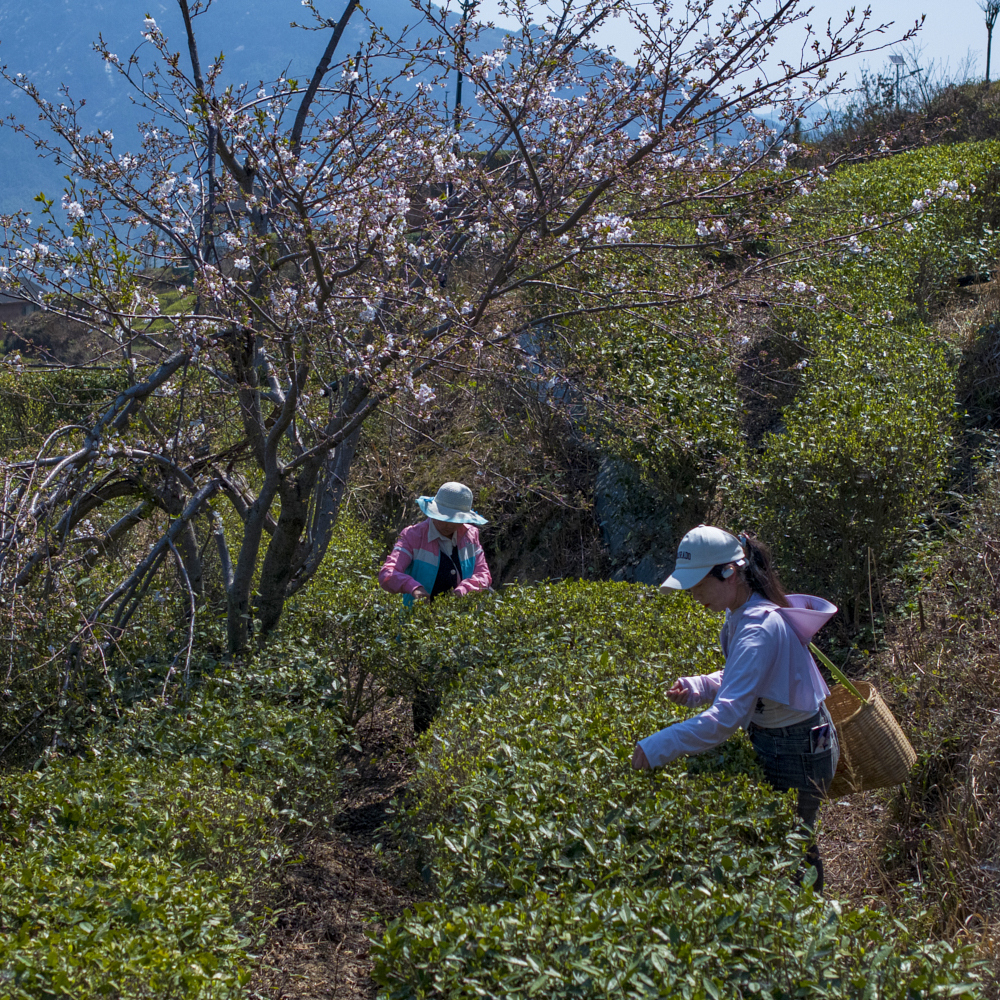
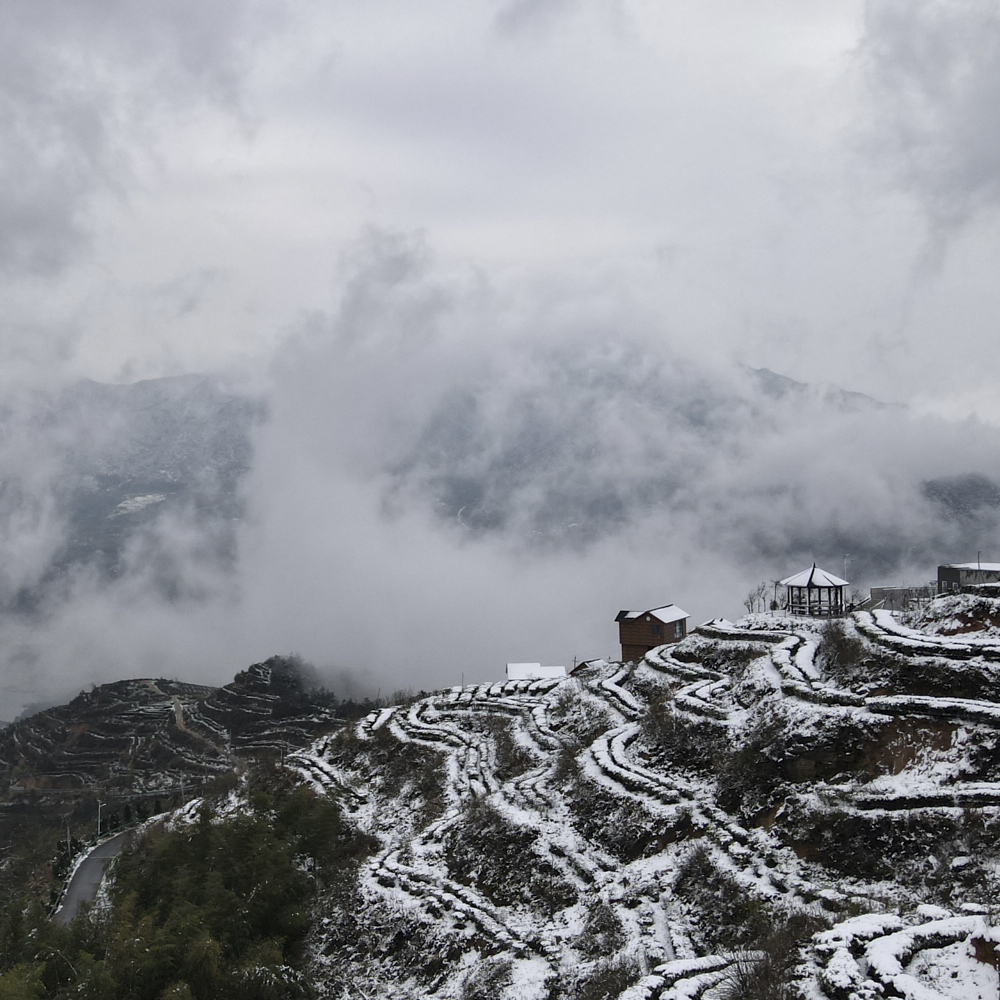
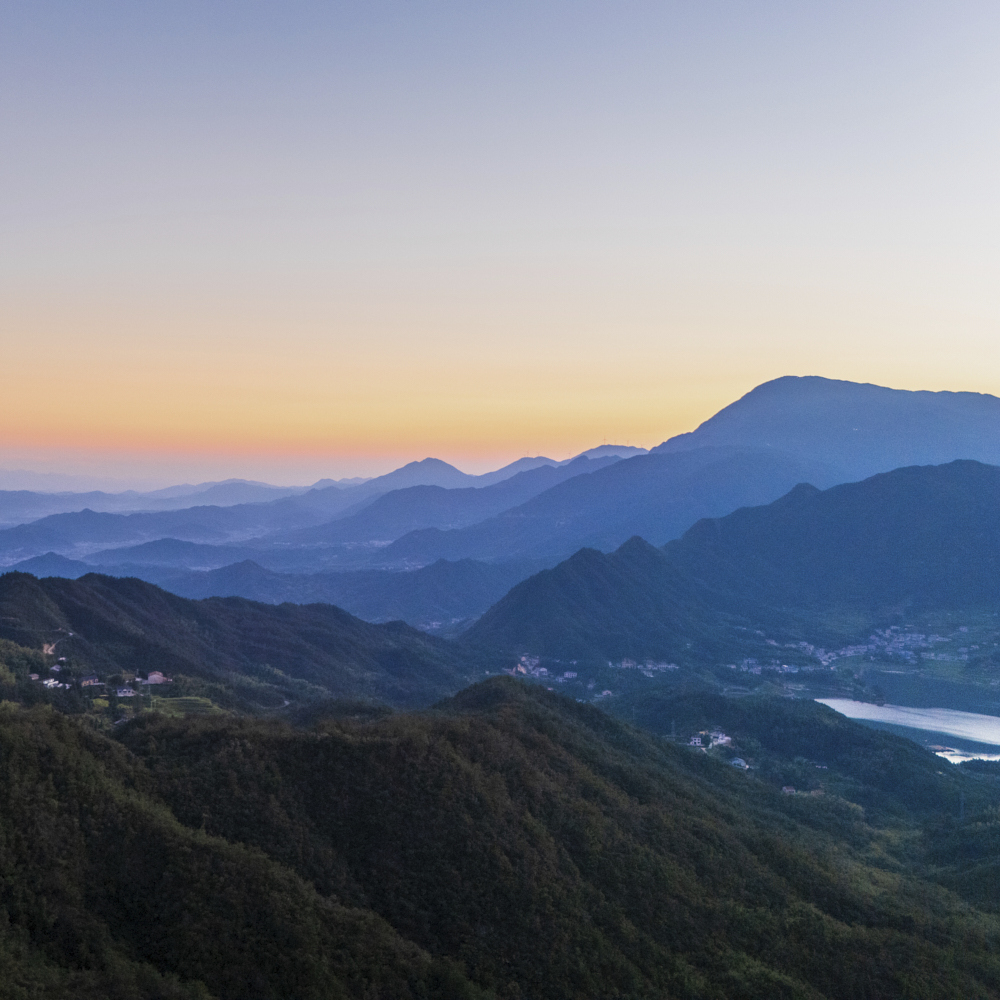
The tea farm is located in the Yueyang region in the north-eastern part of China’s Hunan province. Situated in south-central China, Hunan is one of the country’s most storied tea-producing regions. The region is particularly renowned for Anhua Hei Cha, a post-fermented tea that, much like Pu Erh, matures over time, gaining depth and complexity. All the more remarkable, then, is this farm specialising in fine black teas and rare yellow teas.
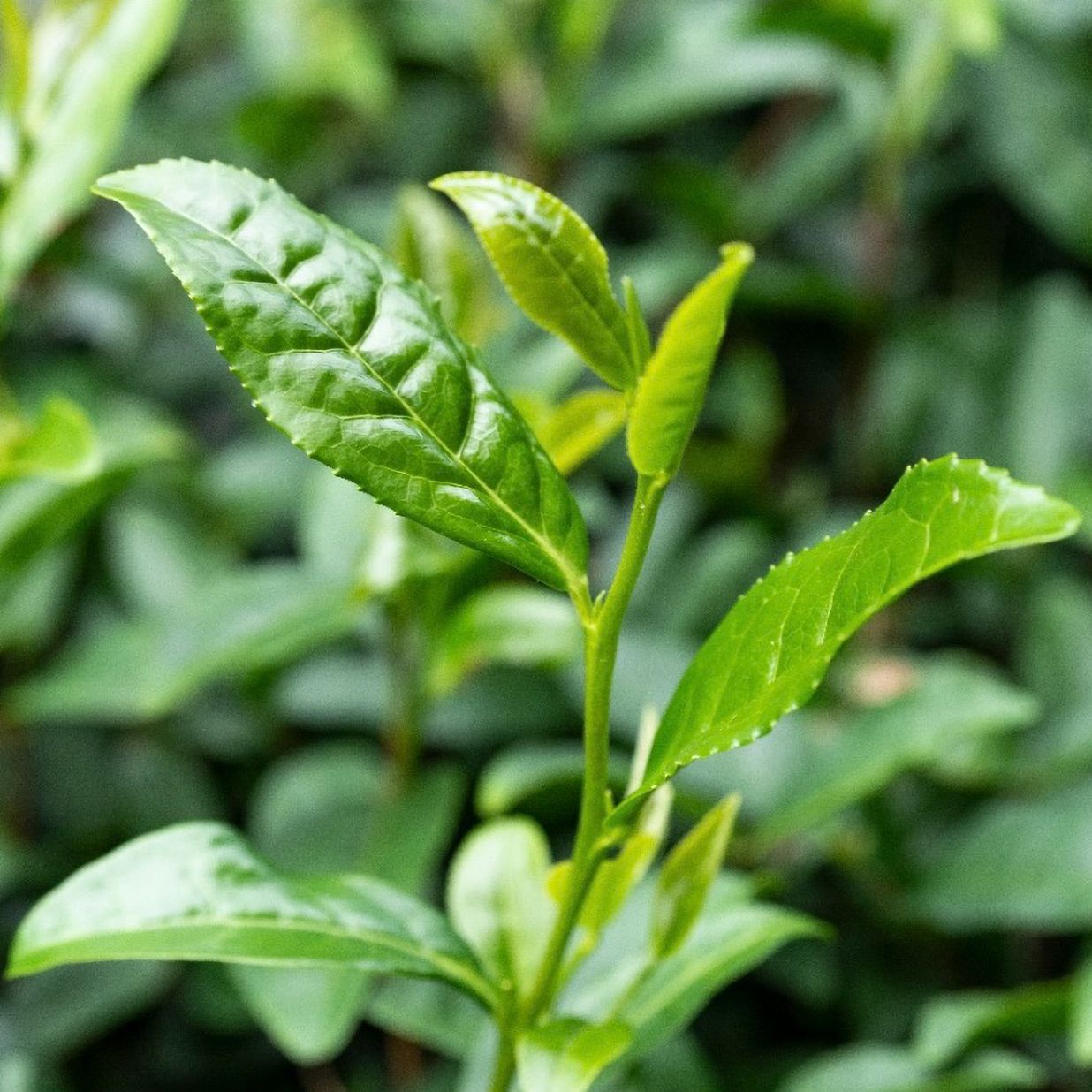
An unusual cultivar is used for this black tea: one originally developed for the famous Longjing green tea. This variety is notably more delicate and less robust than typical black tea cultivars, yet offers a natural sweetness and lower astringency. At the same time, it demands considerable expertise in both cultivation and processing, as the leaves are more sensitive and yields are lower.
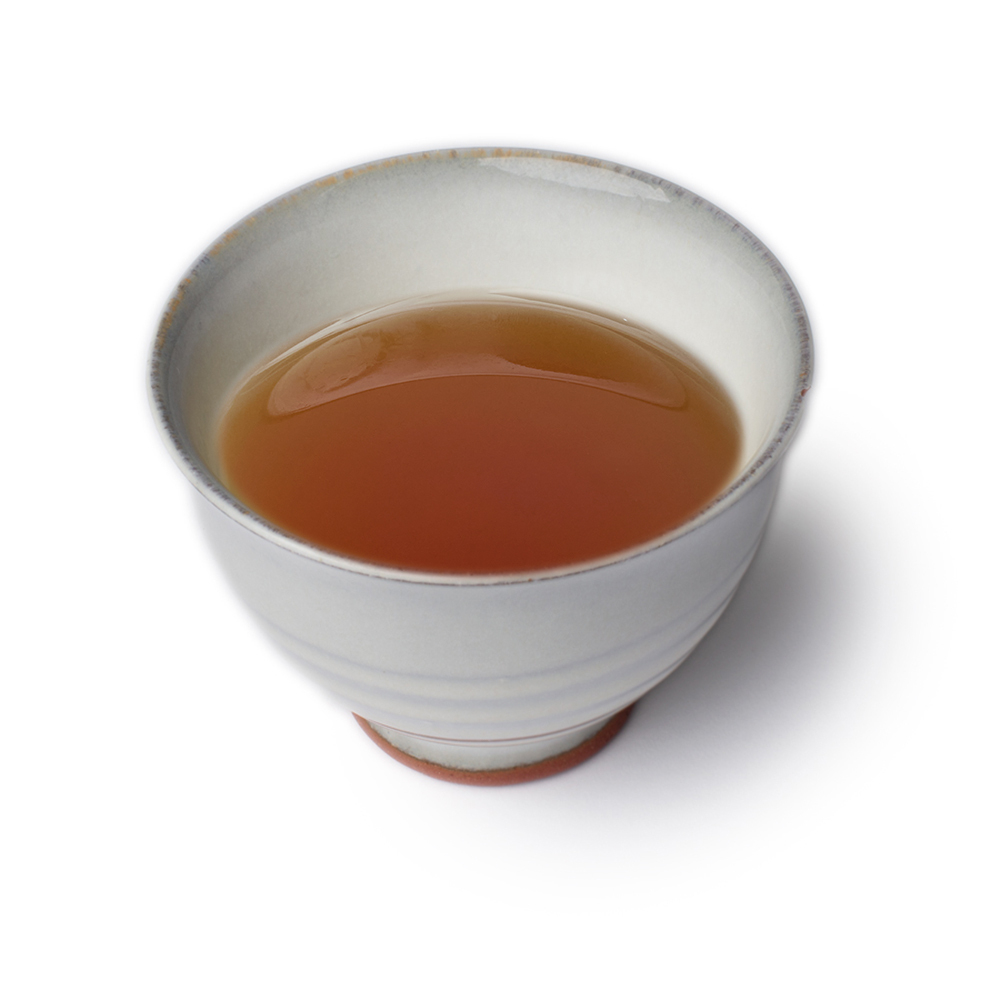
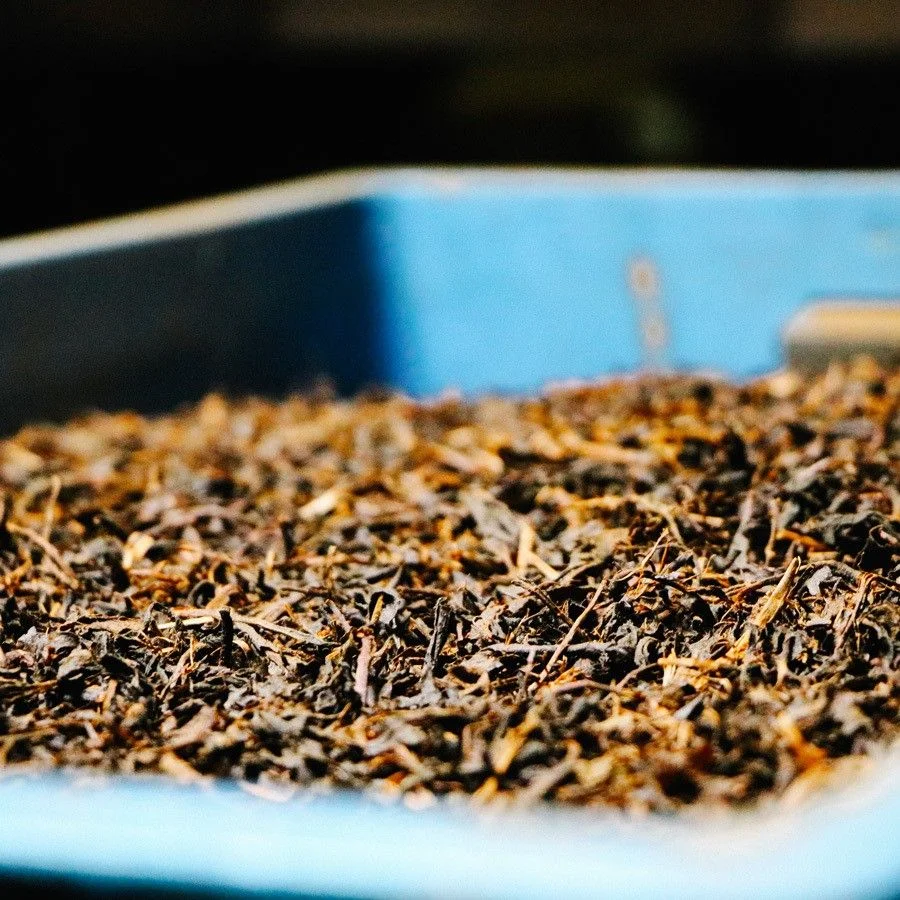
The production broadly follows the classic method for black tea, though it requires a particularly gentle approach. After careful plucking, the leaves are first traditionally withered outdoors in direct sunlight when weather conditions permit. They are then rolled and softly kneaded, breaking down the cell structure and initiating enzymatic oxidation. During this process, which lasts several hours, the leaves gradually turn a copper-red hue and develop their characteristic aroma, all under the precise guidance of the tea master. Finally, gentle drying stabilises the aromas, preserving them within the leaf.