


Sweeten your tea ritual with our new  Matcha White Choc

Jinxiu Huang Cha
Yellow Tea P.Free

Imperial Grade 98 P.

SKU
8485
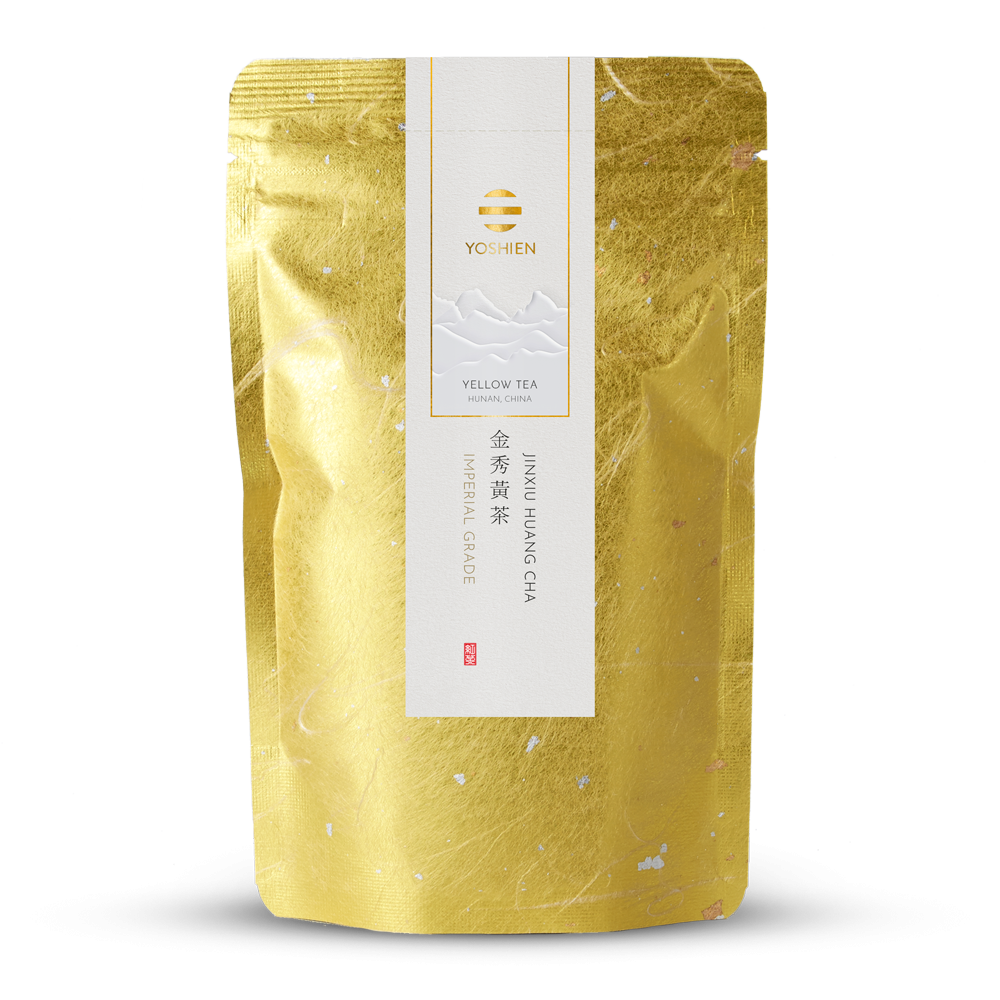
An exceptional, artfully fermented yellow tea from Hunan, sourced directly from an award-winning farm near Dongting Lake. Delicate notes of vanilla and pastry intertwine with subtle herbal nuances, creating a layered yet effortlessly approachable profile. 50g
Character Highly refreshing, notes of sweet pastries, vanilla bean, sage
Tea Farm A secluded, award-winning tea farm in the mountains of northern Hunan
Terroir Yueyang, Hunan Province, China
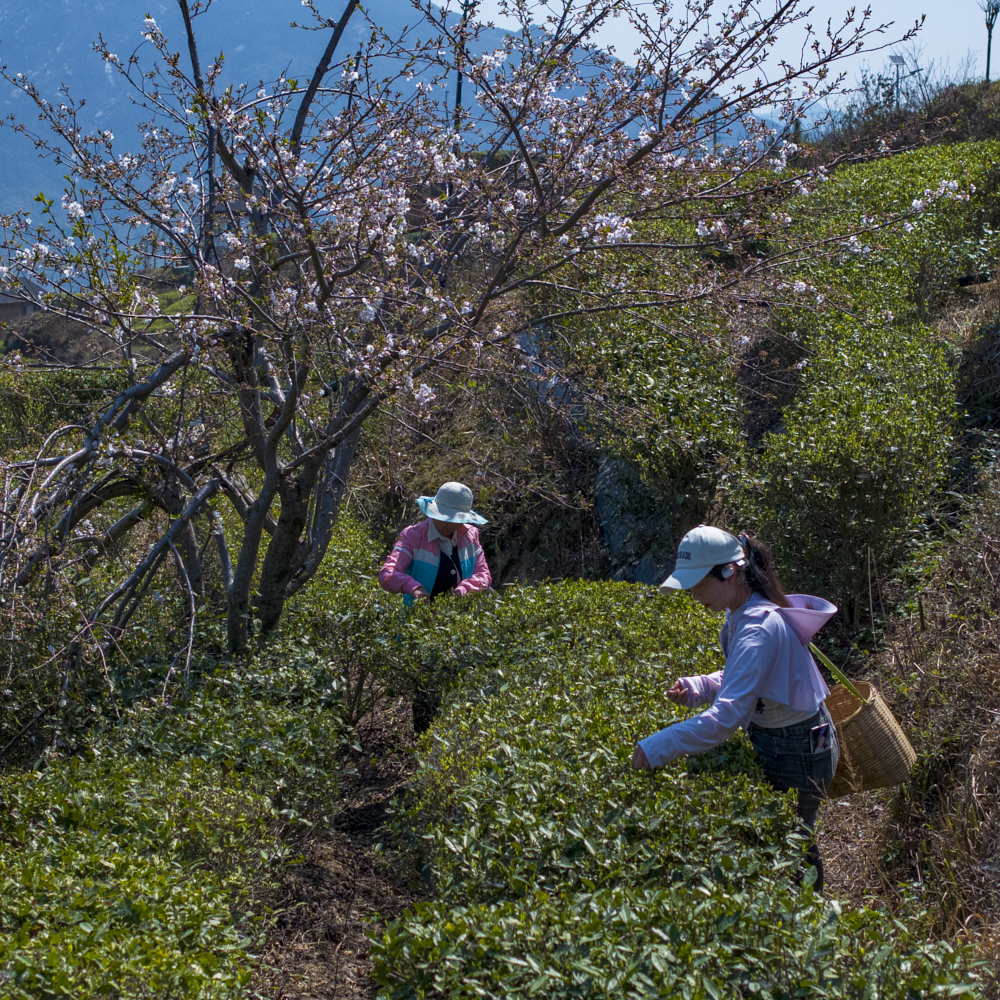
Harvest 2nd harvest of the year, April 2025, hand-picked
Cultivar Longjing 43 / Chu Ye Qi
Elevation 600m–1,500m above sea level
Processing Hand-harvesting, withering, roasting, rolling, multi-stage fermentation process lasting 72 hours, drying
Cultivation 100% organically grown without the use of chemical pesticides
Laboratory Tests Pesticides
Grade 98/100 P. (Yellow Tea category); Imperial Grade
Awards Gold medal at the National Yellow Tea Competition in 2018, 2020 and 2022
€14.90
50g

Delivery : up to 5 business days

Incl. VAT, excl. shipping

SKU
8485
€298.00 / 1kg
In stock
Jinxiu Huang Cha Jinxiu Huang Cha Jinxiu Huang Cha

Tea Farm

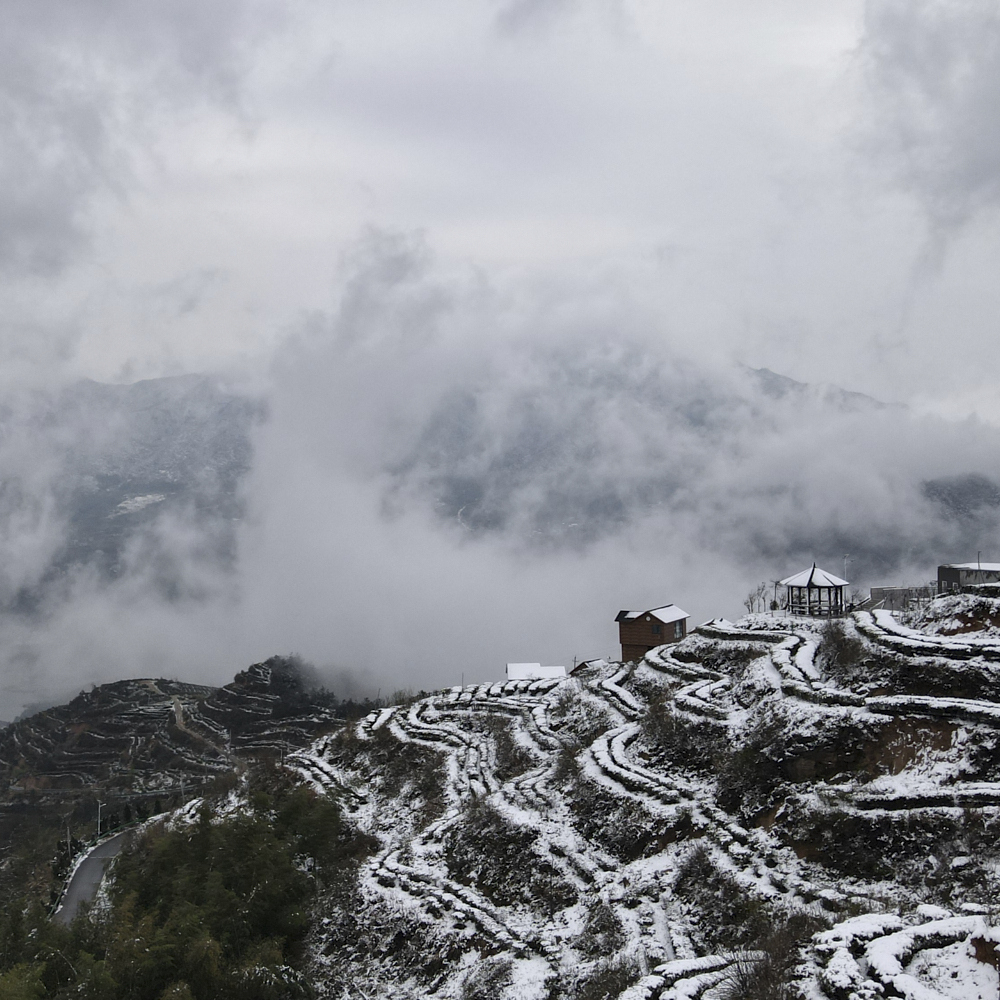
The northern part of Hunan is shaped by a dramatic mountainous landscape and an abundance of natural freshwater lakes, providing an ideal environment for tea cultivation. The gardens of our partner farm extend from 600 to 1,500 metres in elevation, set among the foothills of the Mufu, Huanglong and Fenghuang mountains. Tea is cultivated around the expansive Fenghuang Lake, whose presence plays a key role in the region’s unique climate.

The white, sandy loam soils are rich in trace elements, promoting deep root systems and strong, resilient plants. A high-altitude lake situated halfway up the mountainside ensures a cool, stable microclimate, driven by pronounced temperature differences between day and night. These conditions slow leaf development, allowing the teas to gain depth and aromatic complexity. The gravel- and sand-rich soil structure also ensures excellent drainage, further supporting plant health.

Since 2023, the farm has been nationally certified for its organic cultivation practices.

Jinxiu Huang Cha

Character

Tasting Notes

Hunan is a true insider’s region for lovers of Chinese teas. The province may not rank among the most famous growing areas, yet connoisseurs know that Hunan is particularly renowned for its Hei Cha, especially from Anhua. Its characteristic softness and smoothness are also reflected in this rare, top-grade yellow tea from Hunan.

As with the black tea from the same farmer, the aroma alone is almost poetic. Initial impressions evoke a patisserie: delicate pastry notes, vanilla, and a subtle herbal nuance with a faintly aromatic edge. Overall, the fragrance is exceptionally inviting and creates a real anticipation for the first sip.

On the palate, the tea is beautifully balanced and refined. It meets the tongue effortlessly, appearing refreshing, lightly sweet, and underpinned by a fine note of vanilla. The mouthfeel is creamy, with a hint of mild, silky richness, subtle and harmoniously integrated. As the temperature gently falls, more herbal notes begin to emerge, faintly reminiscent of sage. These remain purely aromatic and do not dominate the flavour itself; a fine example of this tea’s layered complexity.

Overall, the tea calls to mind high-quality Chinese green teas, with their jade-like smoothness. Yet the yellow tea fermentation introduces an additional, elusive dimension that gives it a distinct character of its own. An outstanding yellow tea.

We recommend a gentle preparation at 80–85 °C, ideally using soft, low-mineral water, filtered if necessary.

Leaf

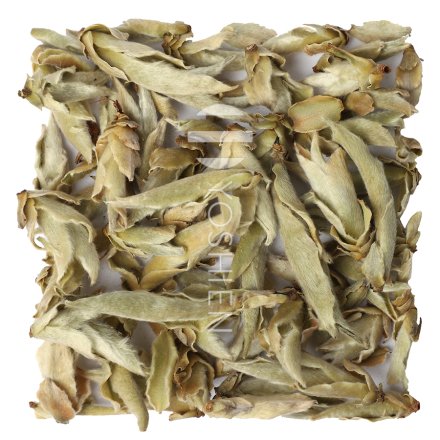
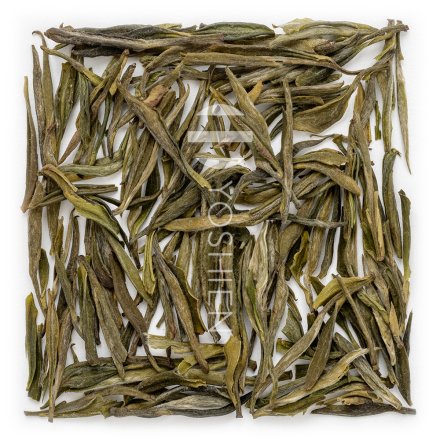
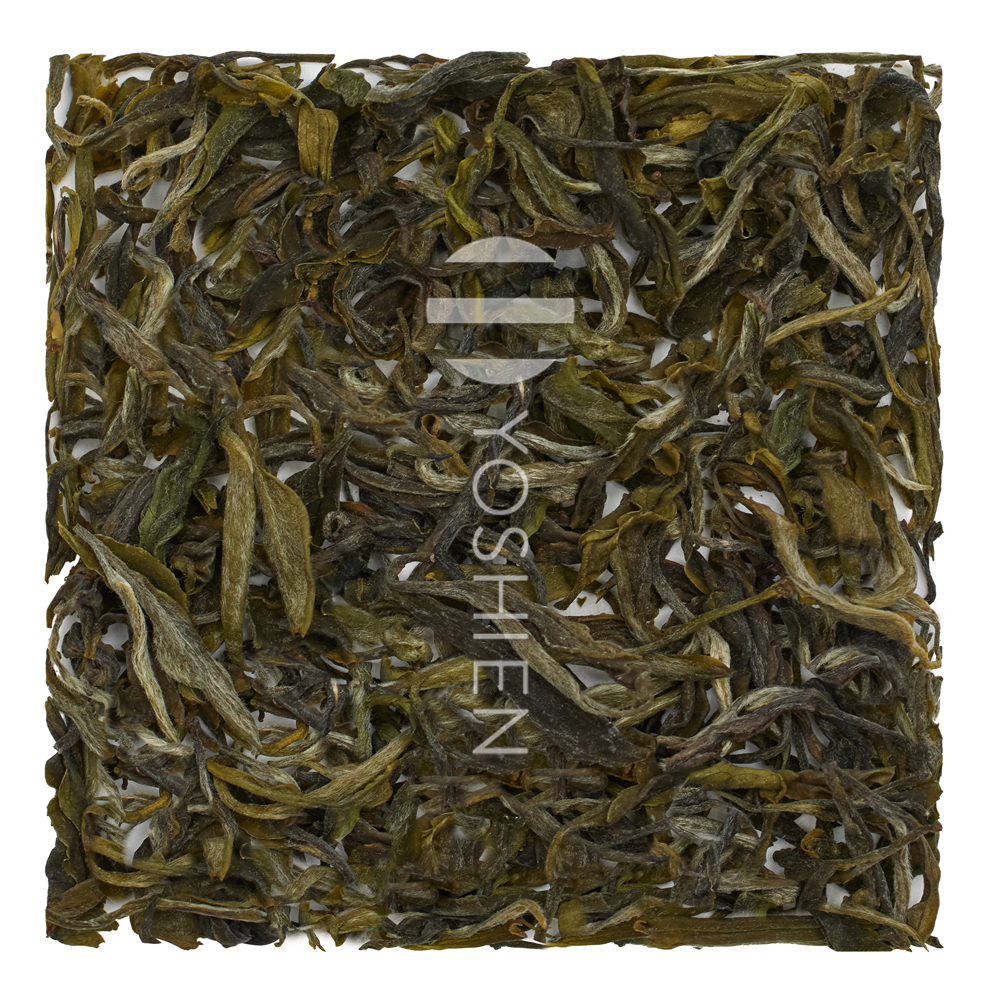
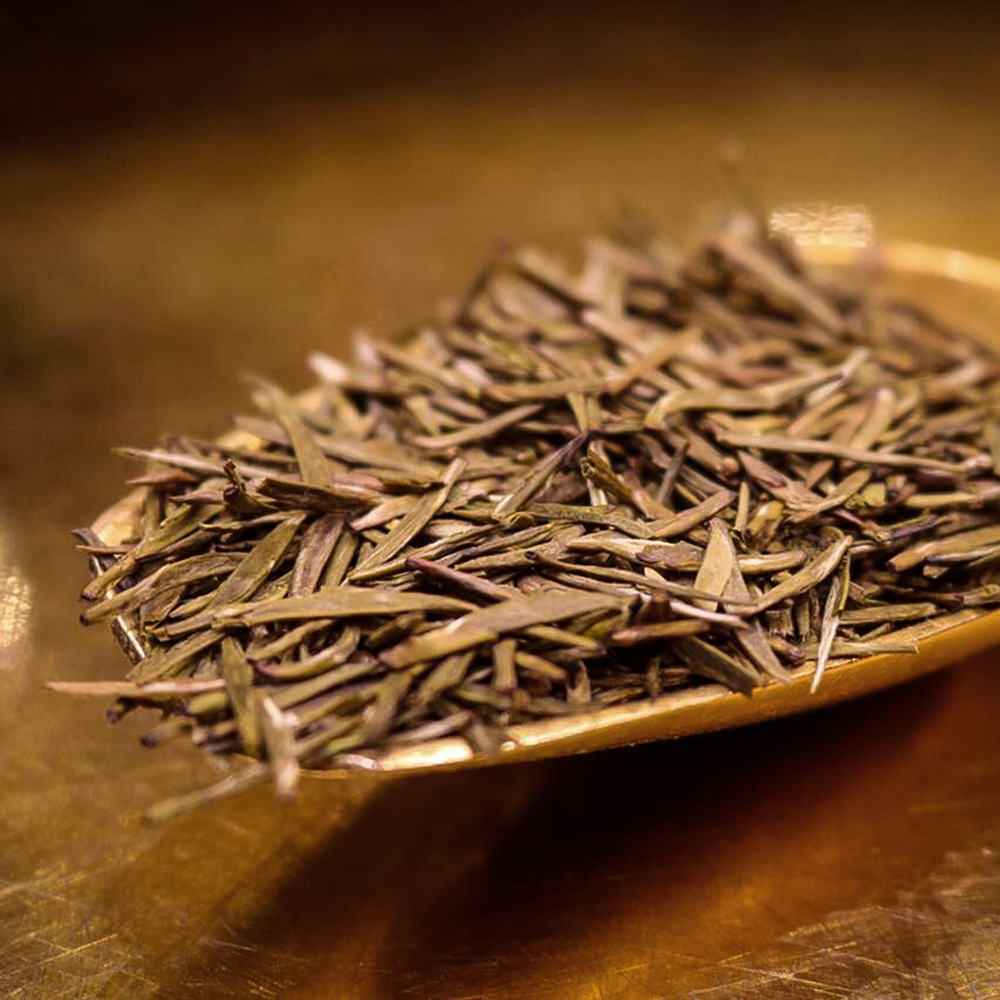
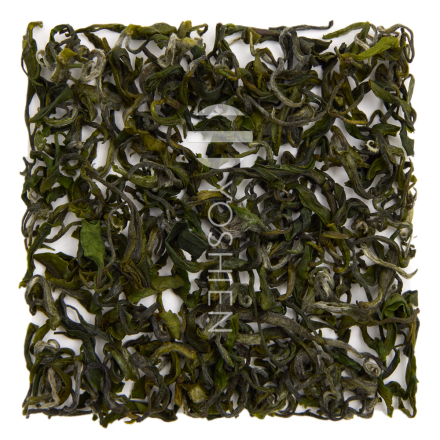
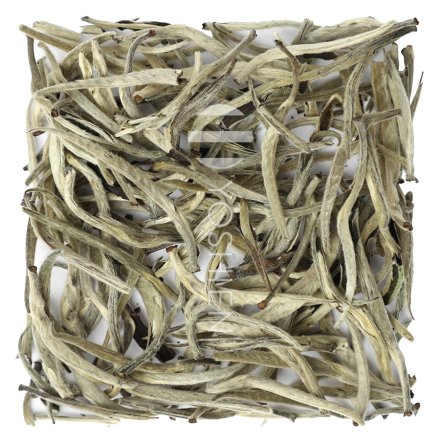
The leaves and buds are remarkably beautiful: delicate, gently curved and curled, well-formed and processed with exceptional care. The interplay of colours is complex, with white buds, pale green leaves, and true to the style, yellowish-olive hues.

Cup

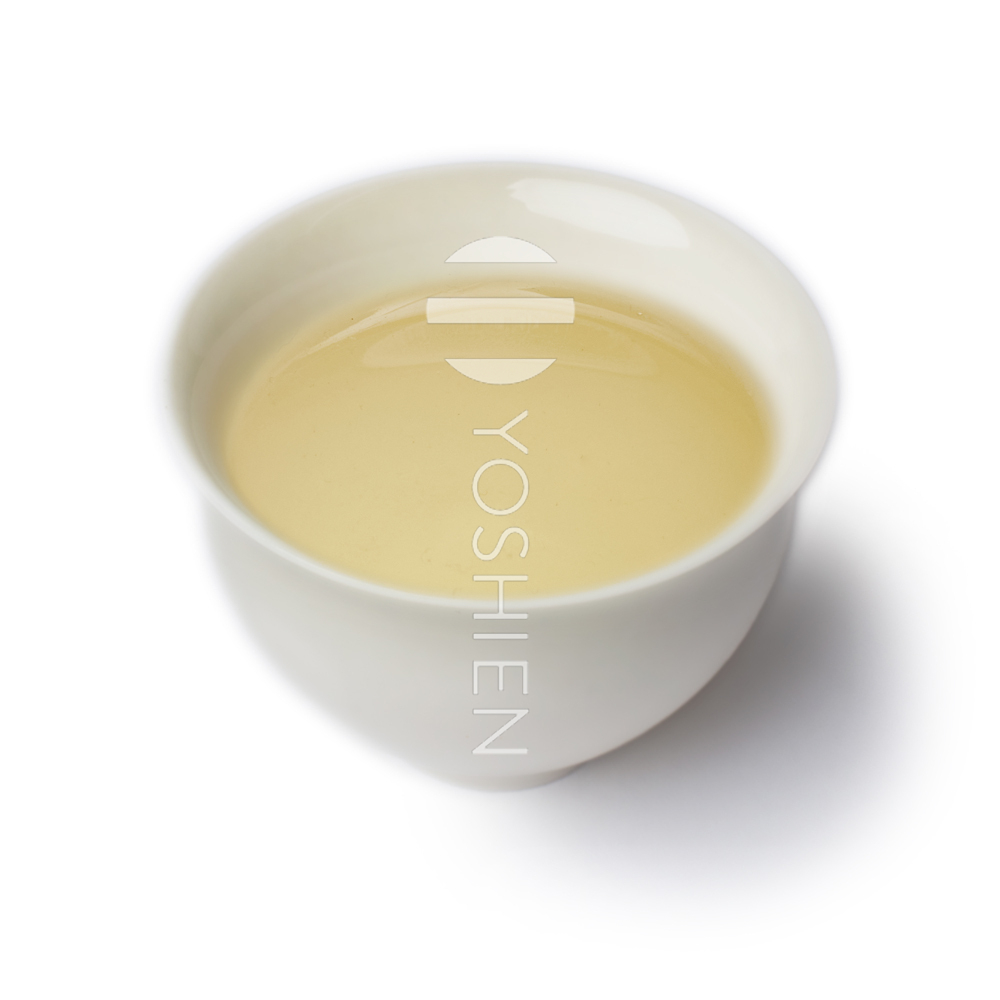
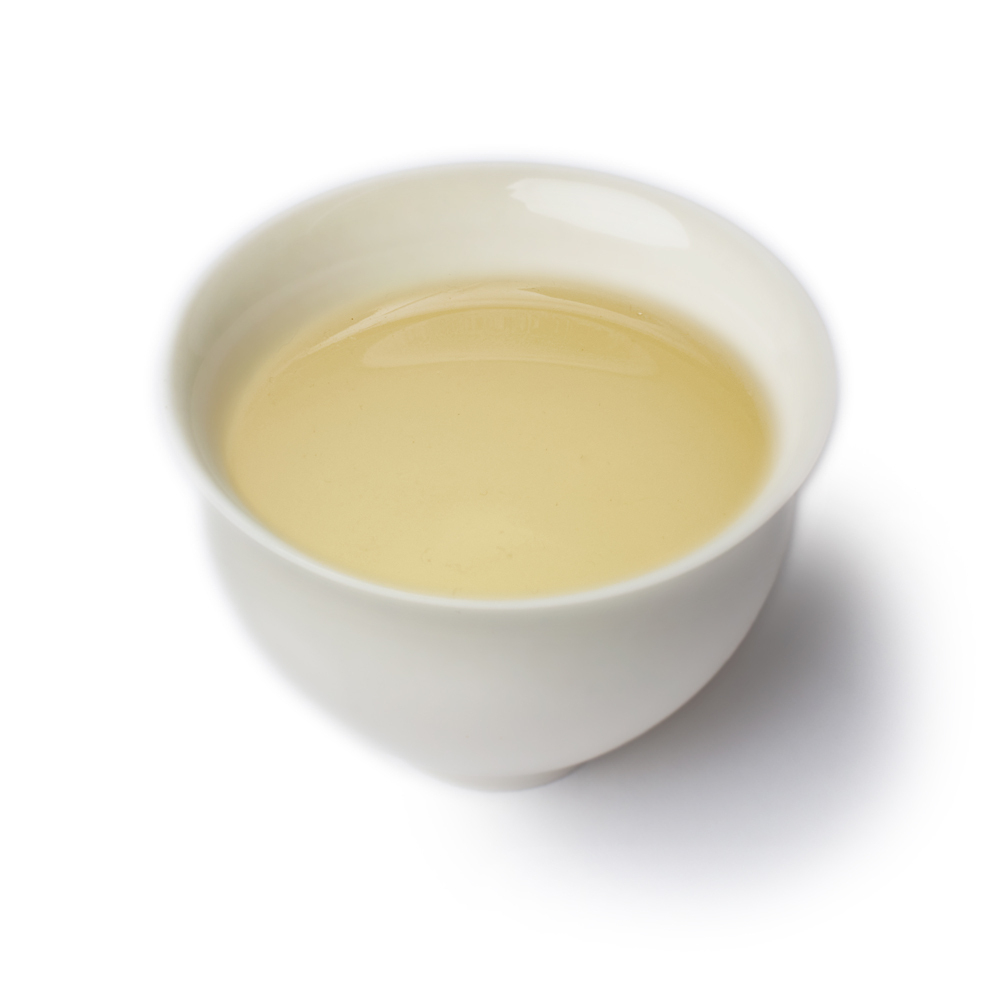
A very clear infusion, spring green with a yellow tinge

Jinxiu Huang Cha

Chinese Yellow Tea

Chinese yellow tea is a very rare and exclusive variety of tea, known for its distinctive production method and delicate flavours. The name “yellow tea” (Chinese: 黄茶 huáng chá) comes from the slightly yellow colour of the infused leaves. Its production requires careful and precise processing, during which the leaves are gently rolled after drying and then wrapped in cloths for a short time, allowing them to begin fermenting. This process gives the tea its characteristic colour and a slightly deeper, richer flavour compared to the closely related green tea.

Yoshien Labortests

Laboratory Tests

We go to great lengths to identify the finest organic tea farms across the world’s most celebrated terroirs. All our teas are sourced directly from the farmer and, with a few exceptions, are certified organic or come from pesticide-free farms. Each batch of tea for every harvest is tested for pesticides and other pollutants in an independent German lab to ensure they meet our strict quality standards as well as HACCP food safety requirements.

Yoshien

Yoshi En

World's Finest Organic Teas

Our comprehensive portfolio focuses on organic, single-origin teas sourced directly from renowned farms. We believe in creating partnerships with farmers who share our values and are committed to sustainable, responsible tea cultivation. Thanks to these strong relationships our exciting range is constantly growing and evolving. As an international team of dedicated and passionate tea experts, we are committed to preserving centuries-old tea culture while ensuring it remains relevant and continues to bring joy in the present. About Yoshi En.

Cultivation & Processing

Special features in location, cultivation and processing

The tea farm is located in the Yueyang region in the north-eastern part of China’s Hunan province. Situated in south-central China, Hunan is one of the country’s most storied tea-producing regions. The region is particularly renowned for Anhua Hei Cha, a post-fermented tea that, much like Pu Erh, matures over time, gaining depth and complexity. All the more remarkable, then, is this farm specialising in fine black teas and rare yellow teas.

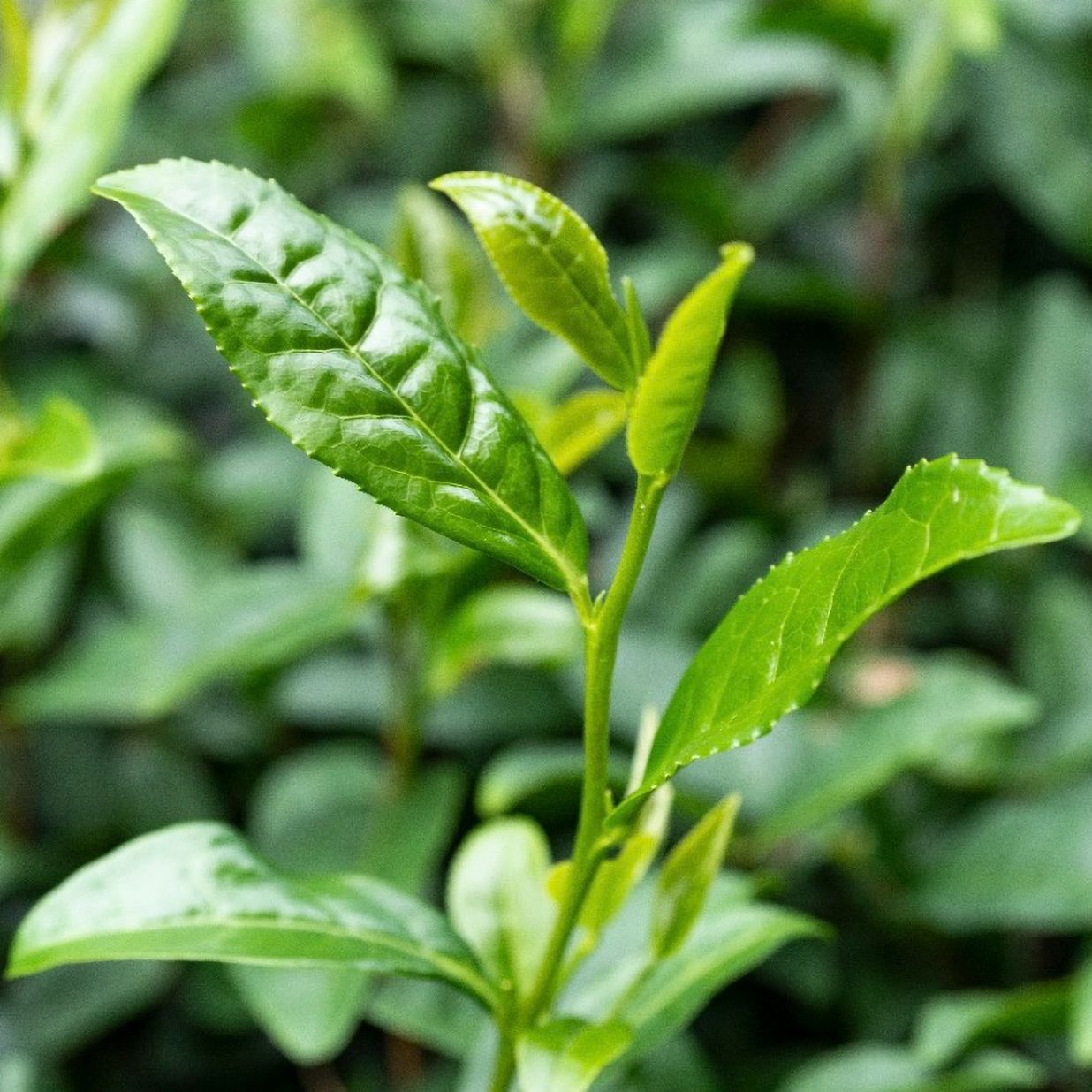
For this exceptional yellow tea, a blend of the cultivars Chu Ye Qi and Longjing 43 is used. The latter is best known for the famous green tea of the same name from Hangzhou. Accordingly, the finished leaves recall the shape and appearance of classic Chinese green teas, though their character is distinctly their own.

The tea is crafted entirely by hand, following the meticulous, traditional method of yellow tea production. After plucking, the leaves are first withered and then heat-fixed to halt enzymatic oxidation. This is followed by rolling and gentle kneading, before the defining stage known as “yellowing” (Men Huang) begins. Over a period of around 72 hours, the leaves undergo a carefully calibrated sequence of moist and dry resting phases and are partially wrapped. The heat naturally generated by the leaves creates a warm, gently humid microclimate in which the complex, non-enzymatic fermentation can occur. This process requires considerable experience and precision, as even minor variations can significantly affect the outcome. Finally, gentle drying stabilises the aromas, preserving them within the leaf.

The exceptional quality of this tea is reflected in its accolades: it has been recognised multiple times at the National Yellow Tea Competition, receiving the Gold Award in 2018, 2020 and 2022.
Preparation

Brewing Guide

Standard preparation:
We generally recommend 2 teaspoons (approx. 5g) of tea for a teapot volume of 250ml, a water temperature of 85–90°C, and an infusion time of around 2 minutes.

Traditional preparation with a small teapot or Gaiwan:
Use 3 teaspoons (approx. 7g) for a volume of 100–200ml, with a water temperature of 85°C. Start with an infusion time of 30 seconds, then gradually increase. Suitable for multiple infusions.

Packaging & Storage

Packed in a high-quality, airtight, resealable zipper pouch with nine protective layers to preserve flavour and prevent oxidation. After opening, press out as much air as possible when snapping shut. Alternatively, and especially for longer-term storage, we recommend our stylish and airtight tea caddies.

Recommended Teapot

For preparation in the traditional Gongfu style, we recommend using either a Chinese teapot made from Yixing or Nixing clay, or alternatively a classic Gaiwan. A glass teapot makes for a particularly visually appealing option, allowing you to observe the leaves as they infuse.

Our recommendations

Loading...
The image could not be loaded.