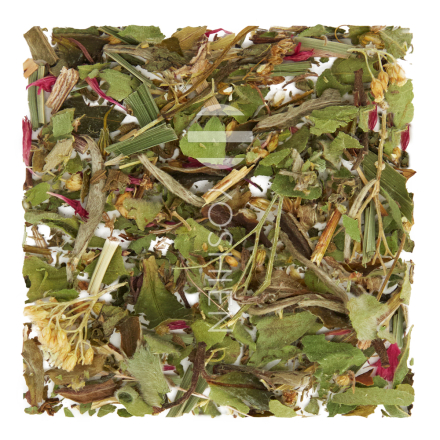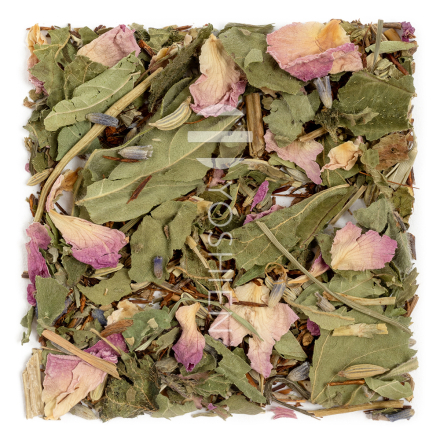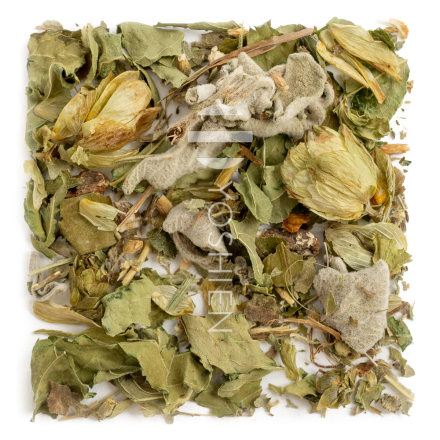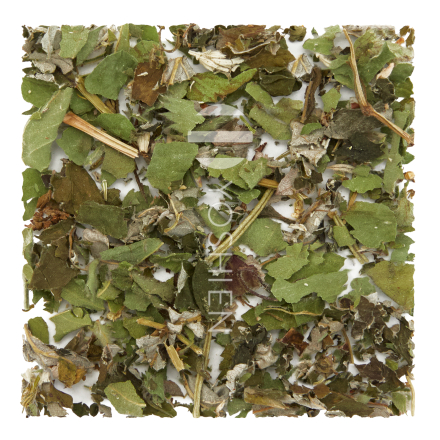






Lady's Mantle
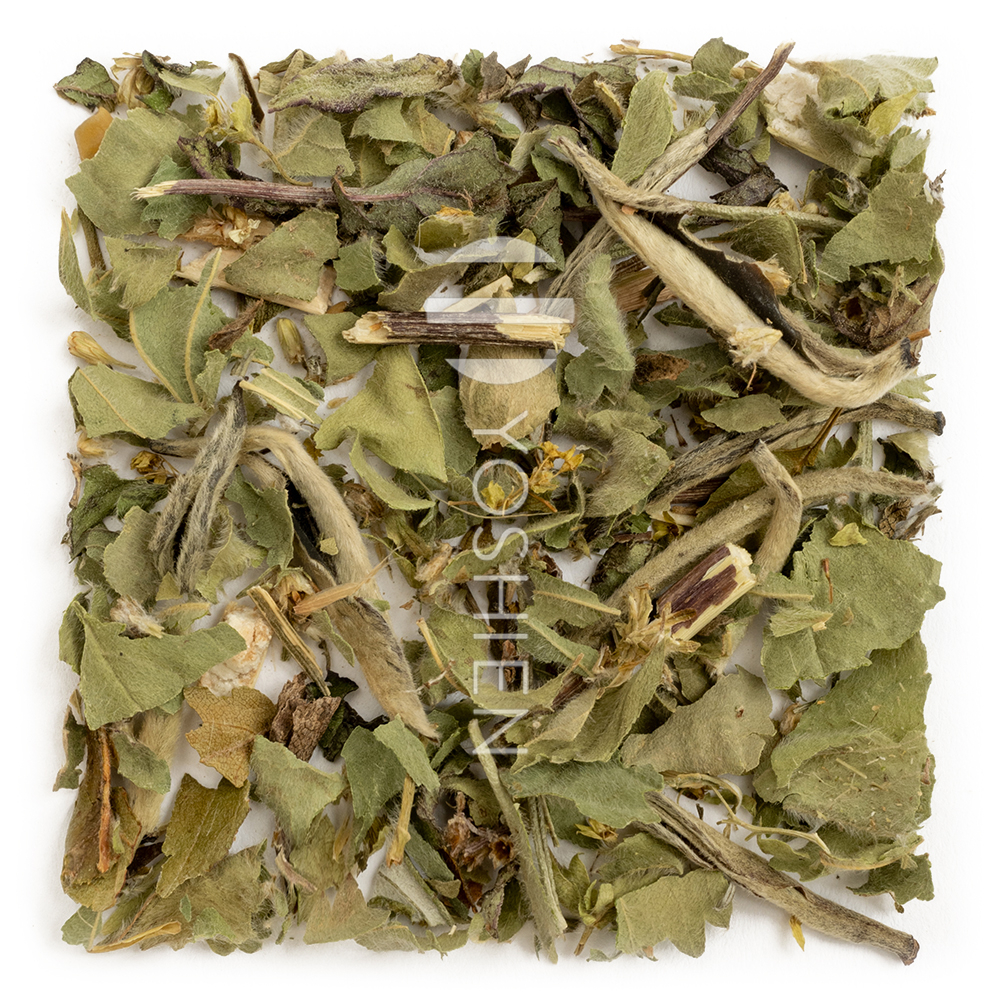
Lady's mantle (Alchemilla) belongs to the rose family (Rosaceae). Its species are widespread across Europe, Asia and Africa, thriving particularly at higher altitudes, with around 300 species in Europe alone. Its botanical name, Alchemilla, hints at the plant’s long association with magic and alchemy. Since ancient times, the droplets of water that gather on its leaves have been regarded as a traditional remedy.
Elderflower
Elder (Sambucus nigra) fills the air with the fragrance of its blossoms between May and July in the Northern Hemisphere. It tends to grow close to human settlements, often nestling against house walls and garden fences. From late summer into autumn, its blossoms mature into berries. From late summer into autumn, the flowers give way to ripening berries.
Cranesbill
Cranesbill (Geranium spp.) is a wild plant from the geranium family and is native to many regions of Europe. Herb Robert (Geranium robertianum) is particularly well known for its aromatic scent and delicate pink flowers. The characteristically deeply lobed leaves and the beak-like fruiting bodies, which give the plant its name, make cranesbill easy to identify. It prefers to grow in semi-shaded to shaded locations such as forest edges, hedges and damp meadows.
Raspberry Leaves
Raspberry (Rubus idaeus L.) has a rich history dating back at least 2000 years to the Greeks and Romans, and archaeological evidence even suggests that both the fruits and leaves were used as far back as the Stone Age. Monks and herbalist priests of the Middle Ages also cultivated raspberries in their monastery gardens. Renowned for its delicious fruits, the plant's leaves are also used in traditional herbalism for tea. The raspberry plant belongs to the rose family and thrives in forest clearings or clear-cuts up to 2000m above the timberline in the boreal zones of the northern hemisphere.
Catnip
Catnip (Nepeta cataria) is a perennial aromatic plant belonging to the mint family (Lamiaceae). It favours sunny, relatively dry locations and has grey-green, slightly hairy leaves and small flowers ranging from white to pale violet. Its distinctive feature is its intense, fresh and herbaceous fragrance. Its essential oils contain nepetalactone, among other compounds, which is responsible for its particular attraction to many cats. During its flowering season, catnip also provides an abundance of nectar, making it a valuable food source for bees, bumblebees and other pollinators.
YARROW
Yarrow grows across Europe and northern Asia, extending as far north as the Arctic Circle. The resilient perennial endures throughout the year, remaining above the earth's surface even during winter. Its rich heritage in herbalism stretches back to Greek mythology, where yarrow is mentioned as a plant used by Achilles. It is from this legend that it derives its Latin name, Achillea millefolium.