

NEW "Yin & Yang" teaware collection – find inner balance with every sip

Ya Bao
White P.Free

Super Premium 97 P.

SKU
5206
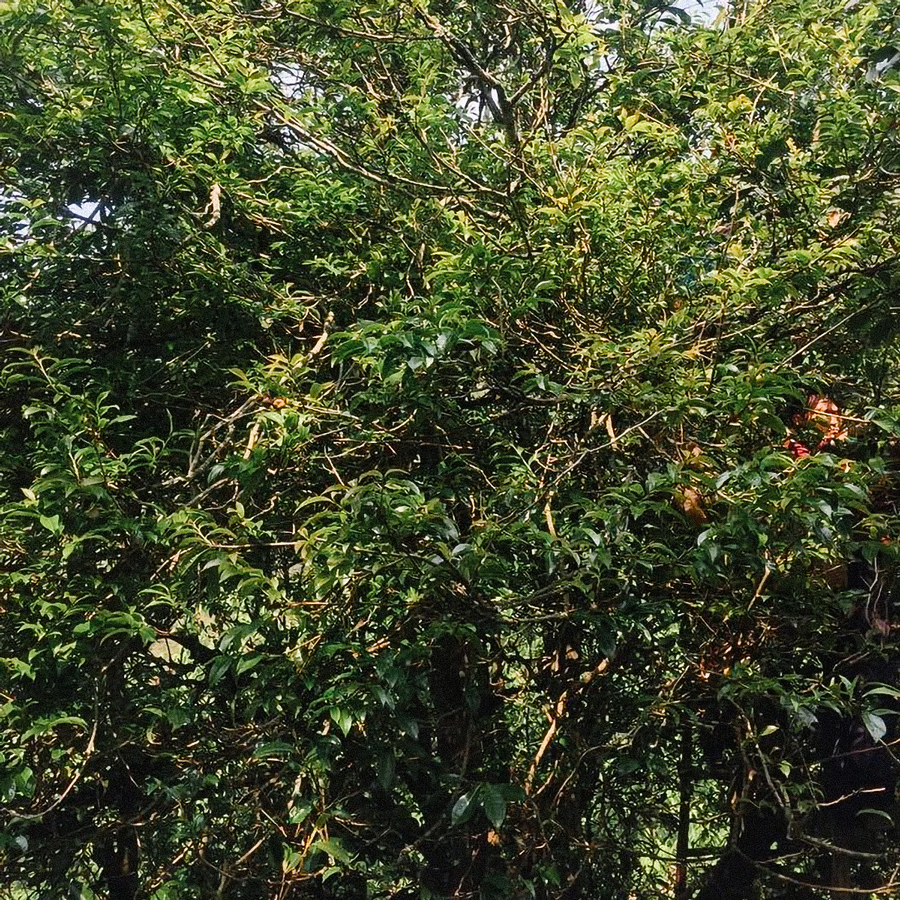
The buds are exclusively sourced from wild-growing trees of which several are over 100 years old. The trees grow at an elevation of more than 1,700m in a mountainous climate that brings out the desirably wild character of the tea. The trees are located in a protected area far away from the town and are left to regenerate on their own outside of the harvesting periods.
  • Hand-selected buds from trees that are otherwise used to produce precious Pu Erh teas
  • From the top terroir for Ya Bao: Da Xue Shan (Great Snow Mountain)
  • In contrast to other Ya Bao teas: large buds from over 100-year-old trees
  • Quality: older trees produce more aromatic leaves
  • Two methods of preparing: hot for a more tart, flavoursome character; cold for more sweetness
  • Unique terroir: wild-growing tea forest at 1,700m heights


Character Refreshing, crystal clear, herbal sweetness, fine astringency
Tea Garden Best terroir for ya bao in Da Xue Shan (Great Snow Mountain). Picked and produced by local tea farmers.
Terroir Bangdong, Lincang, Yunnan Province
Harvest 1st harvest in the spring 2025, mid-March, hand-selected
Cultivar Camellia taliensis
Selection Young buds from old trees
Elevation 1,700m above sea level
Oxidation/Fermentation Indoor withering for 3–4 hours after harvest
Drying Intense air-drying of the buds in the open air for 3-4 days, thereafter selection of the finest buds
Cultivation Cultivation without the use of chemical pesticides
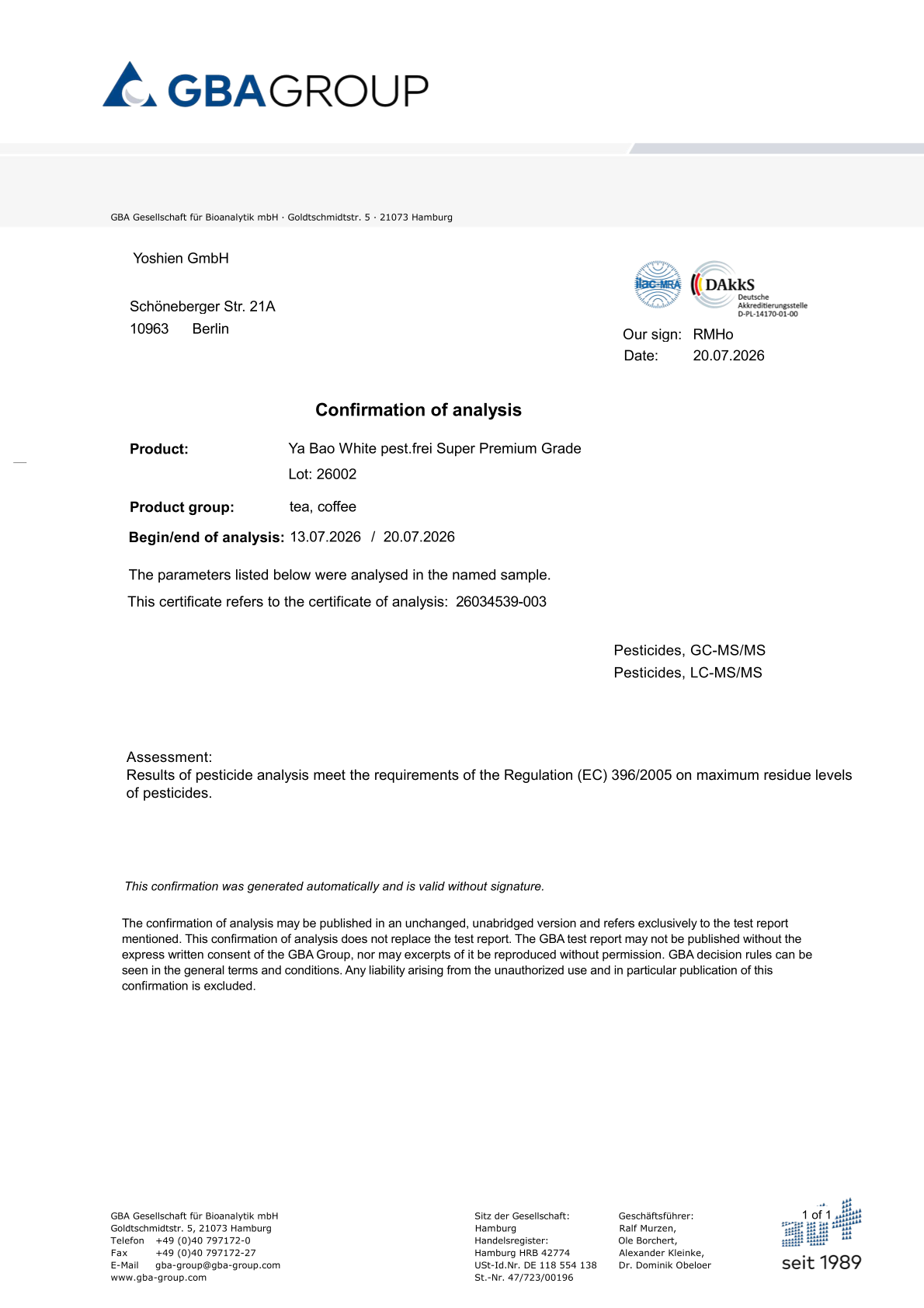
Laboratory Tests Pesticides
Grade 97/100 p. (white tea category); Super Premium


€7.90
50g

Delivery : up to 5 business days

Incl. VAT, excl. shipping

SKU
5206
€158.00 / 1kg
In stock
Ya Bao White Super Premium Grade White Tea, Yunnan

Tea Farm

The buds are exclusively sourced from wild-growing trees of which several are over 100 years old. The trees grow at an elevation of more than 1,700m in a mountainous climate that brings out the desirably wild character of the tea. The trees are located in a protected area far away from the town and are left to regenerate on their own outside of the harvesting periods.

Ya Bao White Super Premium Grade White Tea, Yunnan

Character

Tasting Notes

As the buds of this tea come from wild-growing Pu Erh trees rather than conventional small-leaf tea plants, it offers a truly unique flavour profile unlike anything else in the world of white tea. Ya Bao has a distinctly “wilder” character than, for example, Silver Needle, yet loses none of the elegance so characteristic of fine white tea. The infusion delights with a refreshing, crystal-clear taste and aromatic notes of poplar, vanilla pods and sweet grass. Herbal forest notes unfold on the palate, mingling with delicate astringency and an ever-present, delicious sweetness.

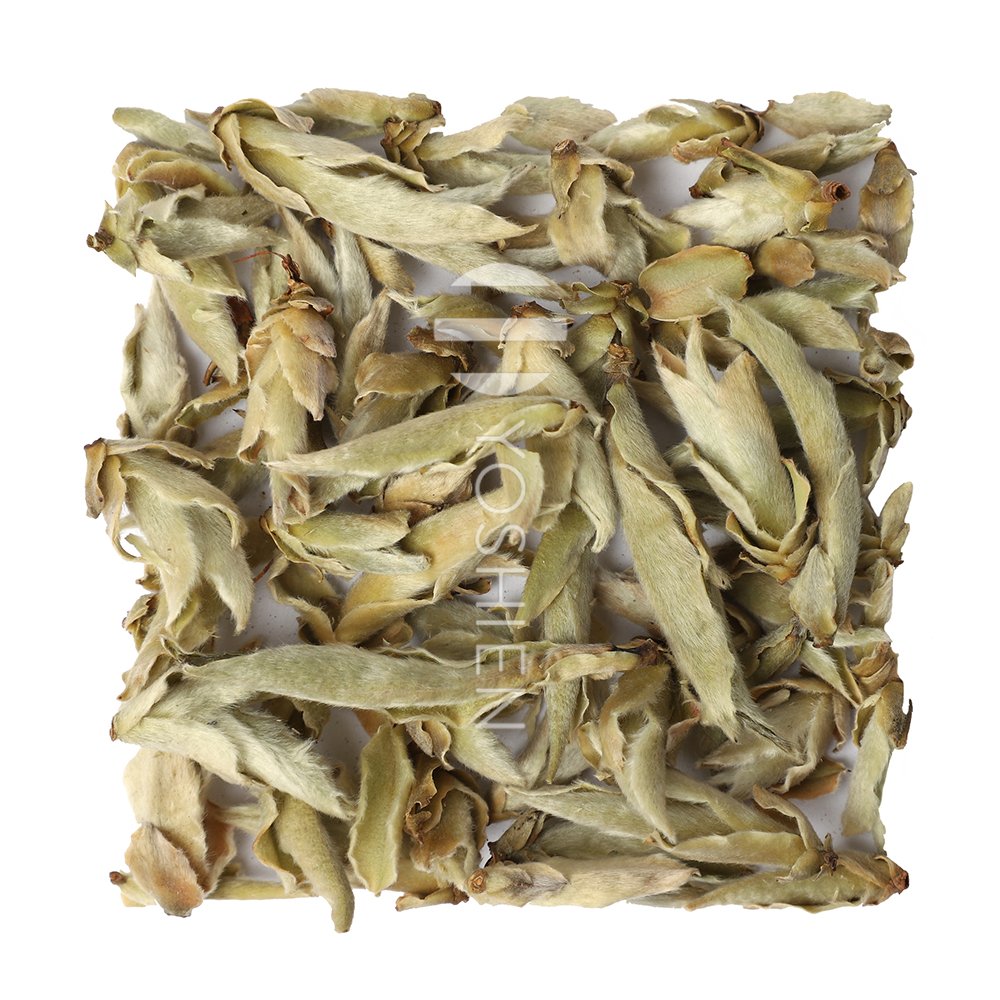
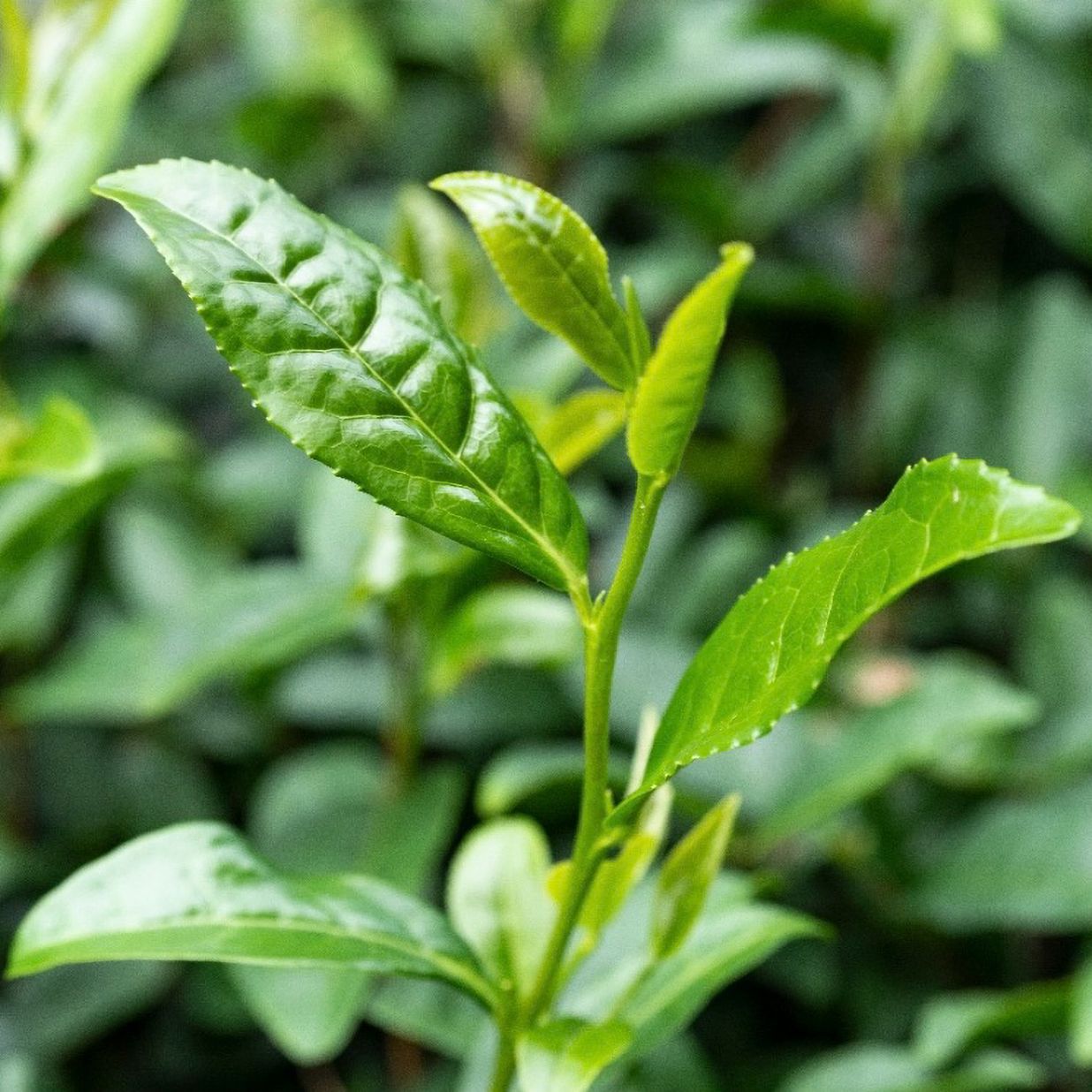
Leaf

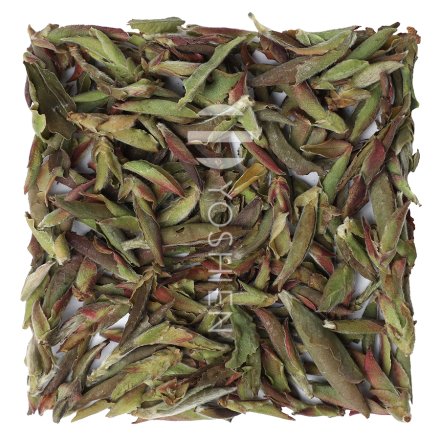
Delicate, voluminous buds

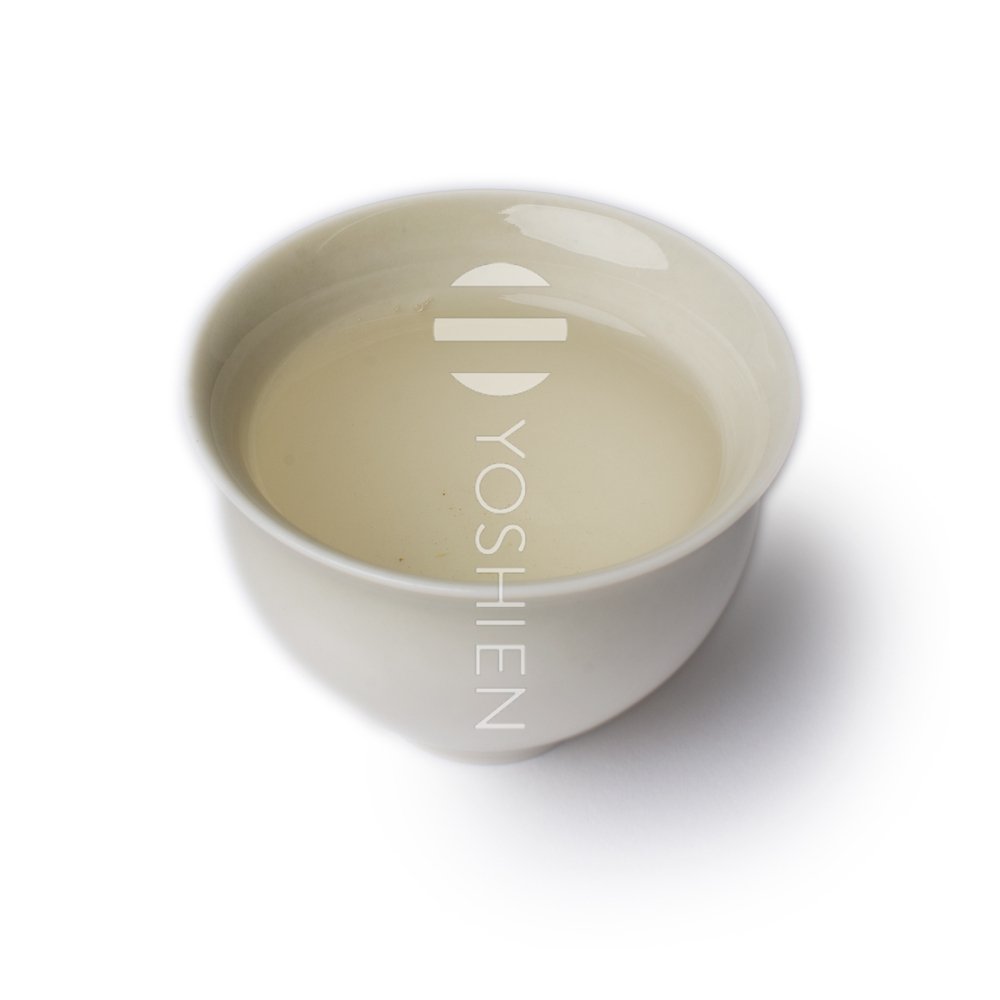
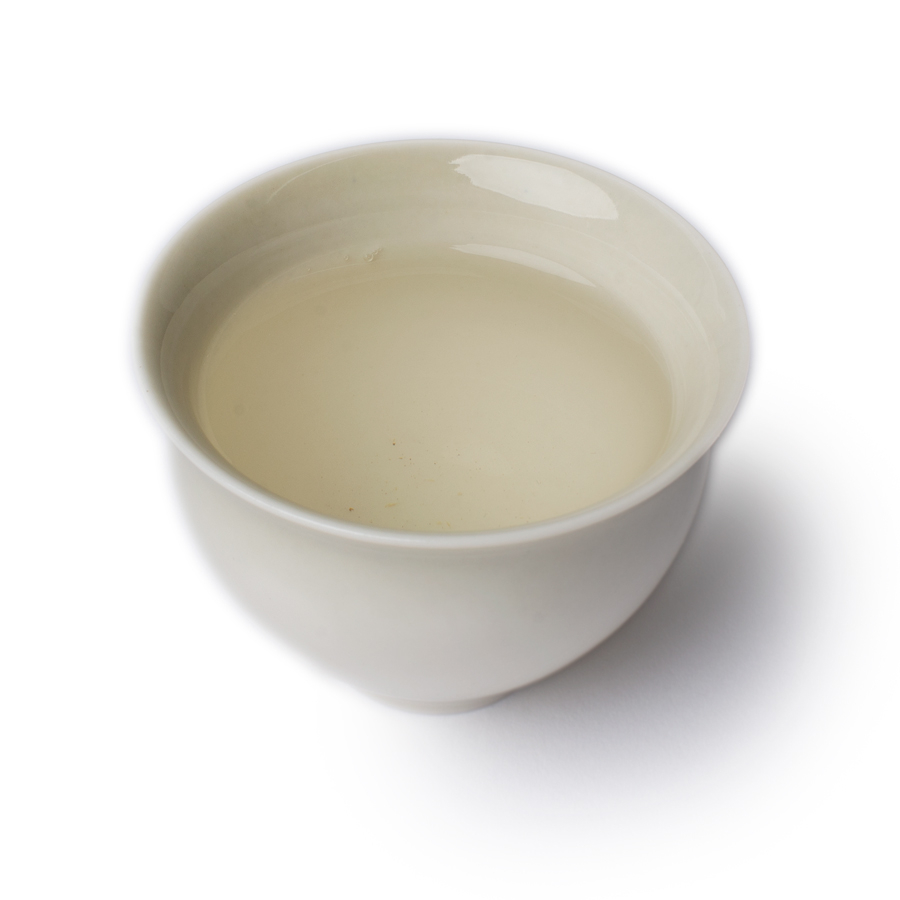
Cup

Crystal clear infusion

Ya Bao White Super Premium Grade White Tea, Yunnan

White Tea

White tea is typically obtained from special cultivars and is the least processed tea (Camellia sinensis), with the lowest degree of oxidation. Due to the minimal yet highly demanding production process of pre-drying and withering in the air, it has a very high content of natural tea compounds. Markers of quality in high-grade white tea include a high proportion of aromatic leaf buds and a bright cup. White teas can impress with their elegant flavours that are typically delicately sweet with nuances of vanilla and a smooth texture.

Yoshien Labortests

Laboratory Tests

We go to great lengths to identify the finest organic tea farms across the world’s most celebrated terroirs. All our teas are sourced directly from the farmer and, with a few exceptions, are certified organic or come from pesticide-free farms. Each batch of tea for every harvest is tested for pesticides and other pollutants in an independent German lab to ensure they meet our strict quality standards as well as HACCP food safety requirements.
Yoshien

Yoshi En

Premium Organic Teas

Our comprehensive portfolio focuses on organic, single-origin teas sourced directly from renowned farms. We believe in creating partnerships with farmers who share our values and are committed to sustainable, responsible tea cultivation. Thanks to these strong relationships our exciting range is constantly growing and evolving. As an international team of dedicated and passionate tea experts, we are committed to preserving centuries-old tea culture while ensuring it remains relevant and continues to bring joy in the present. About Yoshi En.

Cultivation & Processing

The tea cultivar used for this tea, Camellia taliensis, is particularly special, as it is also associated with world-renowned and highly sought-after Pu Erh teas. Unlike the conventional tea plants most commonly cultivated around the world, this cultivar grows not as a shrub but as a tree, with some of these trees living for up to several thousand years. Camellia taliensis is native to the region spanning China, Vietnam, Laos and Myanmar, with its Chinese habitat located in Yunnan Province. Yunnan is closely associated with the earliest history of tea cultivation, which is why it is often referred to as the “cradle of tea”.

In Yunnan’s ancient tea forests, no two trees are alike. Each has its own individual growth and is home to different communities of mosses and fungi, giving every tree its own distinctive character. As the trees age, their roots penetrate ever deeper into the soil and underlying rock strata, where they can access a rich variety of minerals and trace elements. The buds and leaves of old, wild-growing tea trees are therefore particularly prized and highly sought after.

Every bud used for our Ya Bao is picked entirely by hand. Reaching the higher branches and crowns of these trees sometimes requires ladders to be placed against their trunks. The picking is traditionally carried out by members of Yunnan’s local ethnic communities, many of whom have worked with tea for generations.

The buds come from the precious first harvest of the year in March. Tea farmers decide from day to day when the first picking should begin, relying on the intuition gained through many years of experience. The faster temperatures rise, the earlier the first buds emerge. This tea was picked in mid-March and consists exclusively of buds from the year’s first harvest.

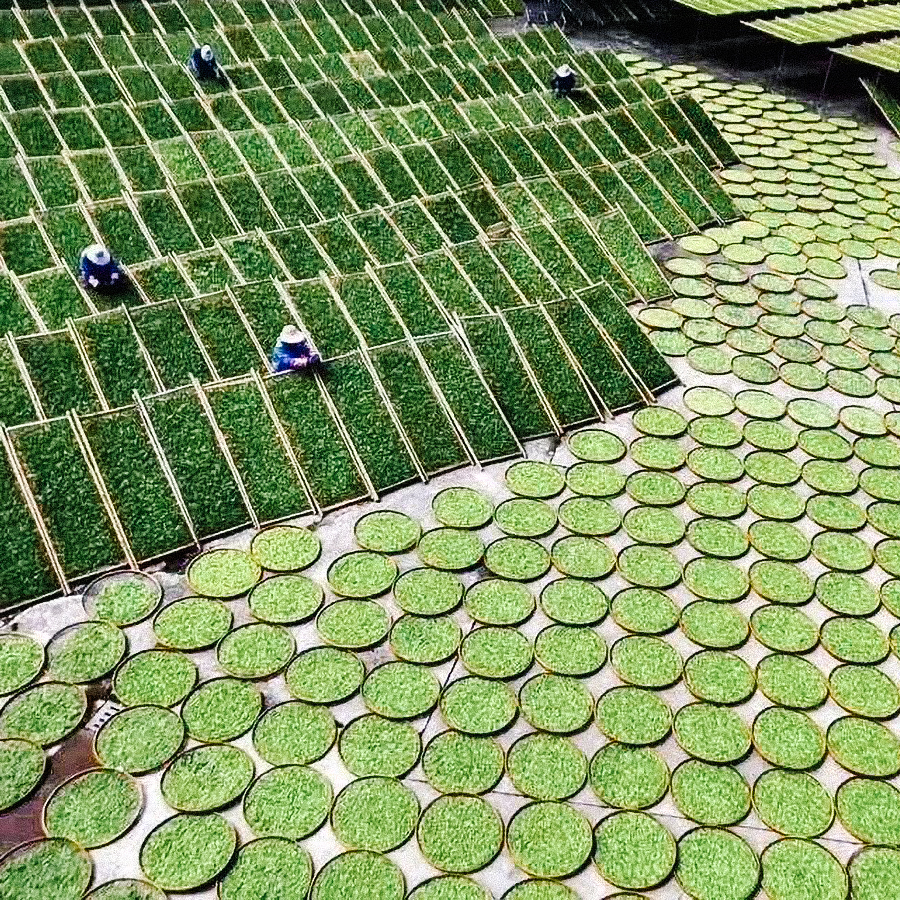
After picking, the buds are loosely spread out and carefully withered indoors in the shade for around three to four hours. They are then gently dried in the open air, avoiding direct sunlight. This slow drying process can take up to four days. Finally, any remaining leaves, grasses or other irregularities are meticulously removed by hand.

100% pure

Preparation

Brewing Guide

3 heaped tsp in 100-300ml water (85°C). Steep for 2 minutes. Suitable for several infusions.

Packaging

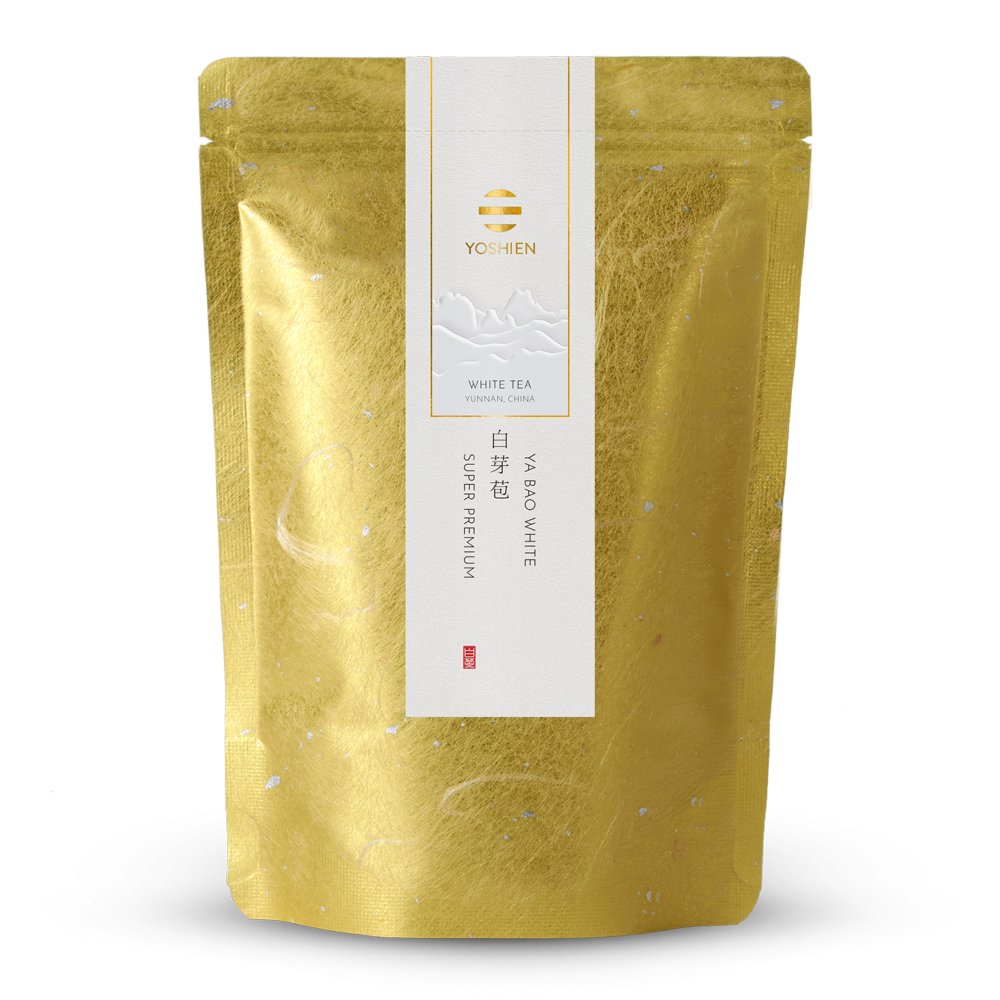
High quality, airtight, resealable standing zipper pouch with 9 protective layers to preserve flavour and protect against oxidation and contamination.

Recommended Teapot

For an especially aromatic infusion, we recommend a yixing teapot made from clay or a black tokoname kyusu with a fine ceramic strainer. Alternatively, a tall glass teapot with an integrated strainer can be used for a more neutral taste.

Test results

We find it very important that our teas are pure and produced in a way that respects the environment. For this reason, each one of our teas is tested for pesticide residues by an independent laboratory, the results of which can be found here. Some of our teas are also tested for specific nutritional compounds, in which case the test results are also published here.
Test results

Our recommendations

Loading...
The image could not be loaded.