

Wakocha Yamazoe
Minamisayaka P.Free

Super Premium 97 P.

SKU
0255
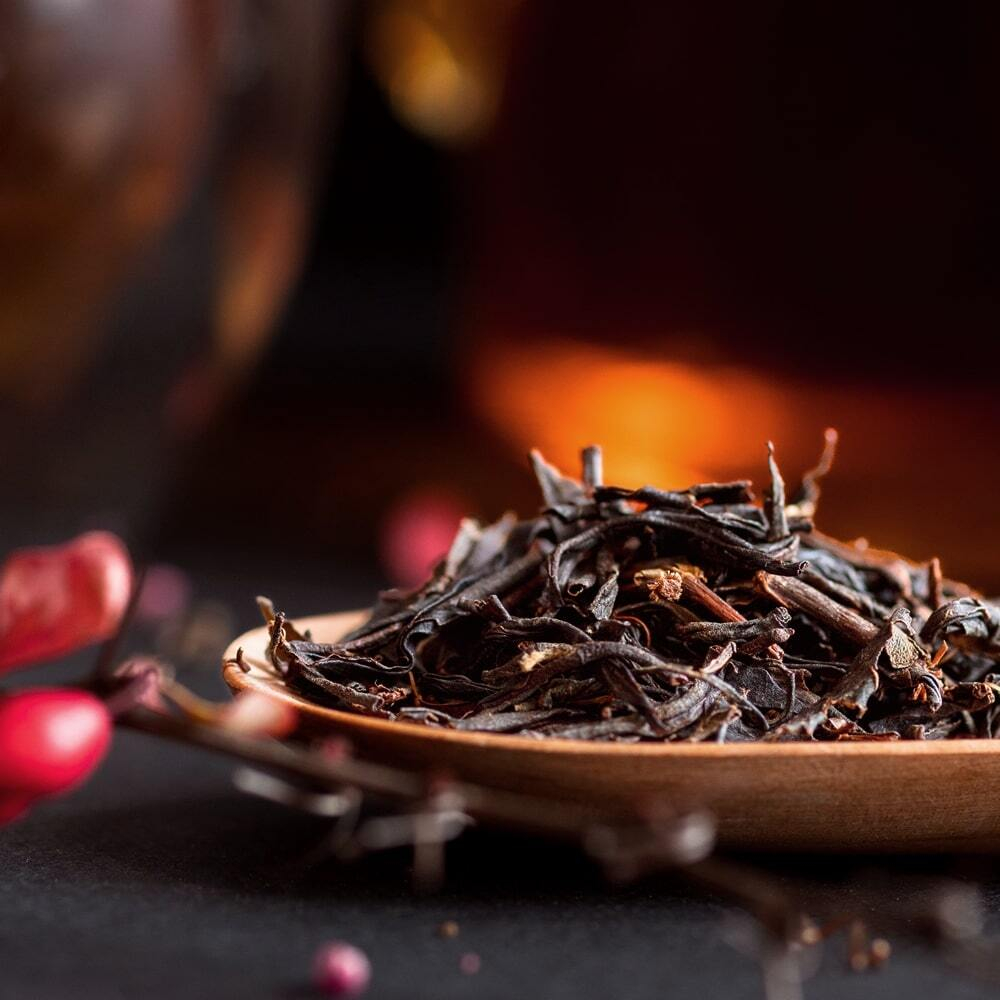
An exceptional, masterfully crafted Wakocha black tea: complex, elegant, and perfectly balanced. Juicy plum sweetness meets a floral note that lingers beautifully on the palate. The hand-selected leaves are pan-roasted after oxidation, following Taiwanese methods, and then carefully sun-dried. Directly sourced from a multi-award-winning farm in Nara. 50g
Character Sweet plum jam, cloves, anise, floral notes, perfectly balanced
Tea Farm Nature-focused tea farm in Nara specialising in distinctive and rustic artisanal teas
Terroir Yamazoe, Nara Prefecture, Japan
Harvest 1st spring harvest (Ichibancha), May 2024
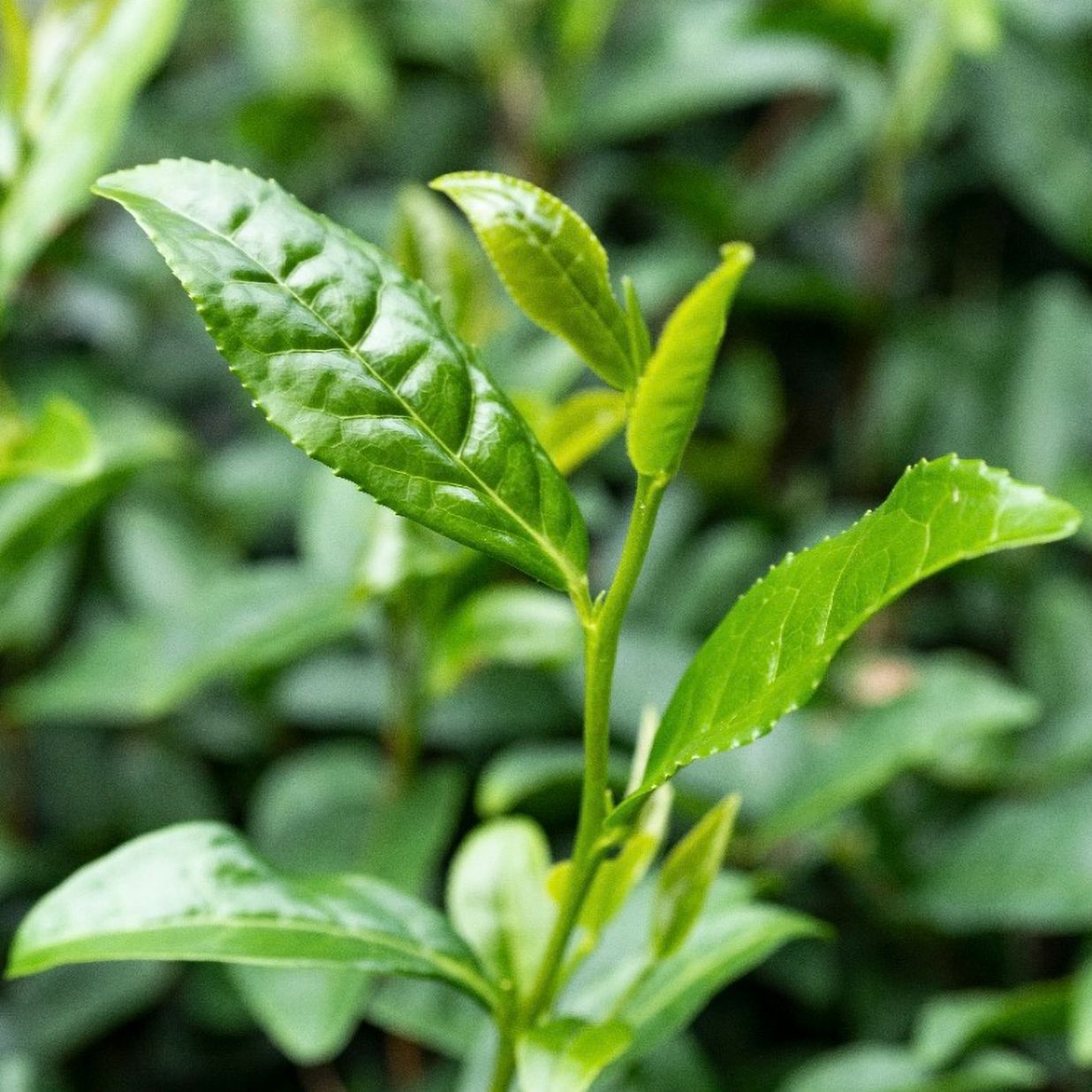
Cultivar Minamisayaka
Elevation 370-470m above sea level
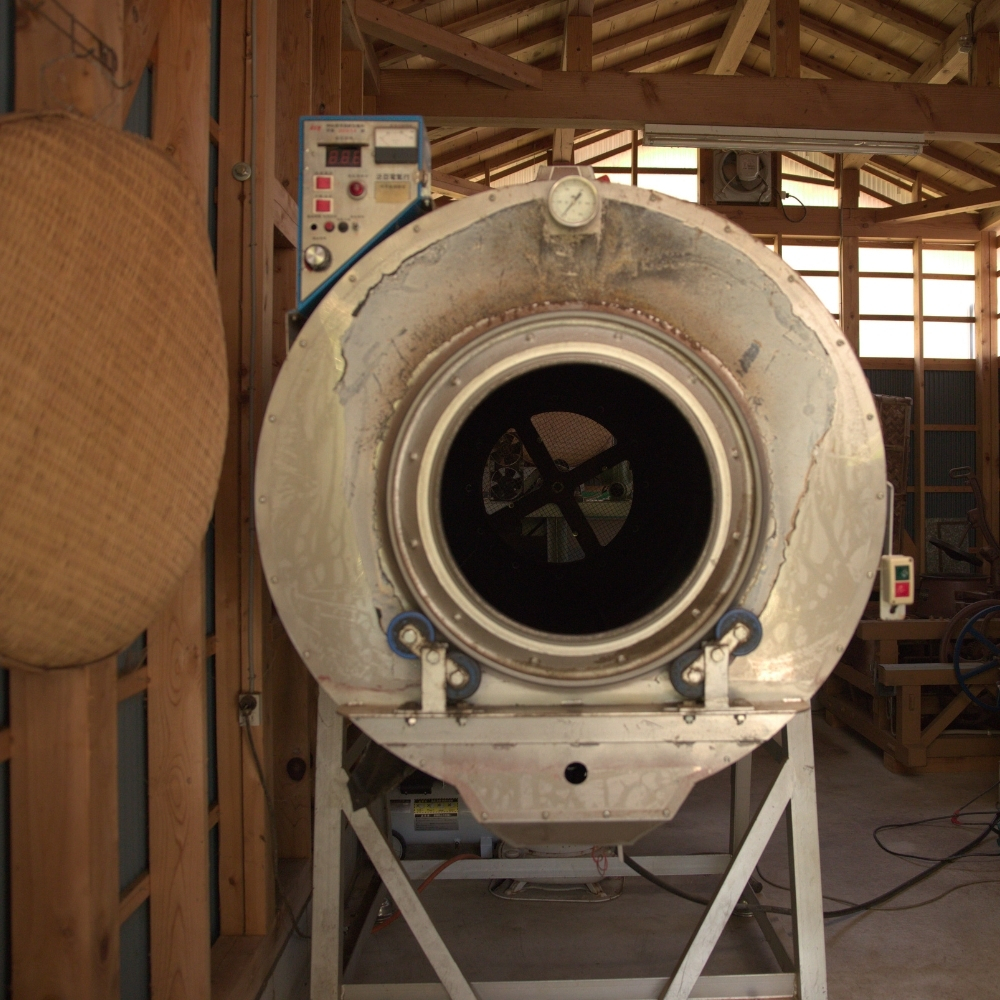
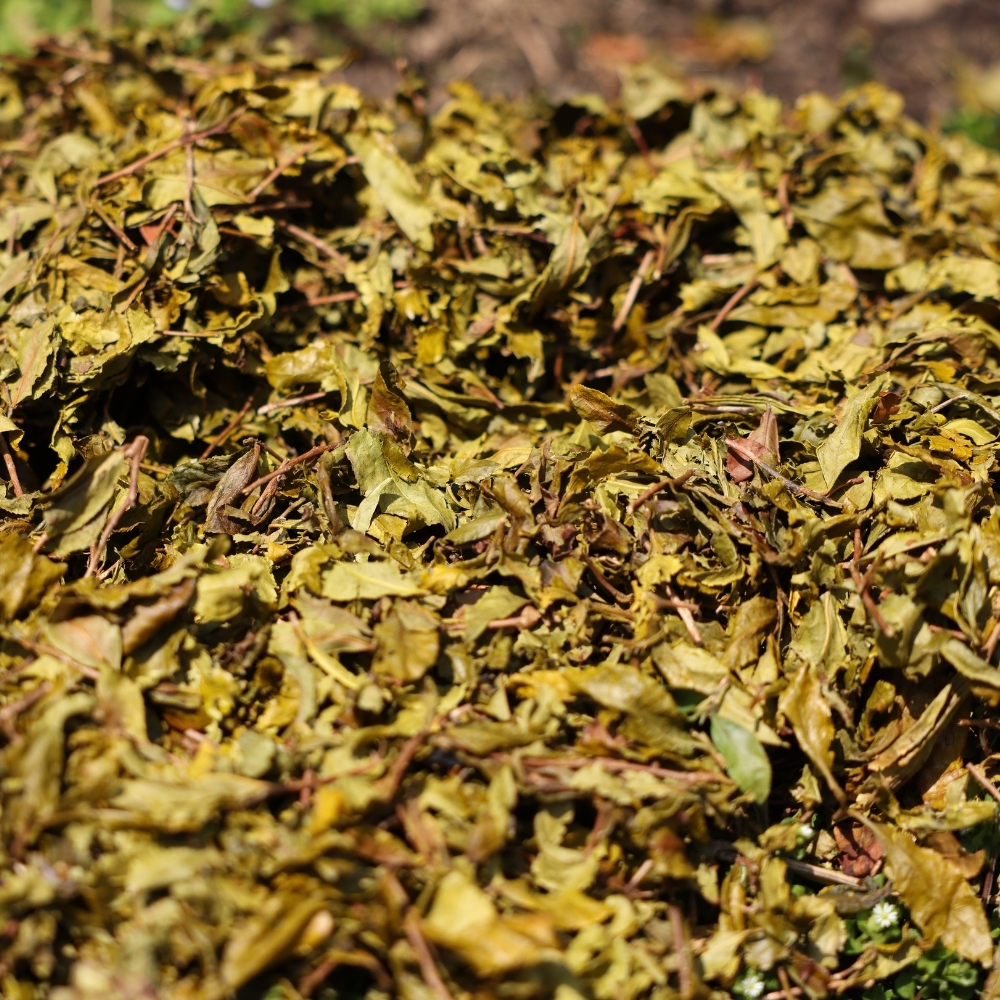
Processing Harvesting, wilting, rolling, oxidation, pan-roasting (Kamairi) with a traditional Taiwanese roasting drum, sun-drying (approx. 2 days) in greenhouse, final roasting
Cultivation Grown entirely without pesticides or artificial fertilisers since the farm’s founding in 2013
Awards Japan Black Tea Grand Prix (国産紅茶グランプリ) 2018: Silver Medal
Japan Black Tea Grand Prix (国産紅茶グランプリ) 2020: Semi Grand Prix
Japan Black Tea Grand Prix (国産紅茶グランプリ) 2021: Silver Medal
Laboratory Tests Radioactivity (annual testing of the region) and pesticides
Grade 97/100 P. (Wakocha category); Super Premium Grade
€17.90
50g

Delivery : up to 5 business days

Incl. VAT, excl. shipping

SKU
0255
€358.00 / 1kg
Notify me when this product is available:

Incl. VAT, excl. shipping

SKU
0255
€358.00 / 1kg
Reminder set
Wakocha Yamazoe Minamisayaka Wakocha Yamazoe Minamisayaka Wakocha Yamazoe Minamisayaka Wakocha Yamazoe Minamisayaka Wakocha Yamazoe Minamisayaka

Tea Farm

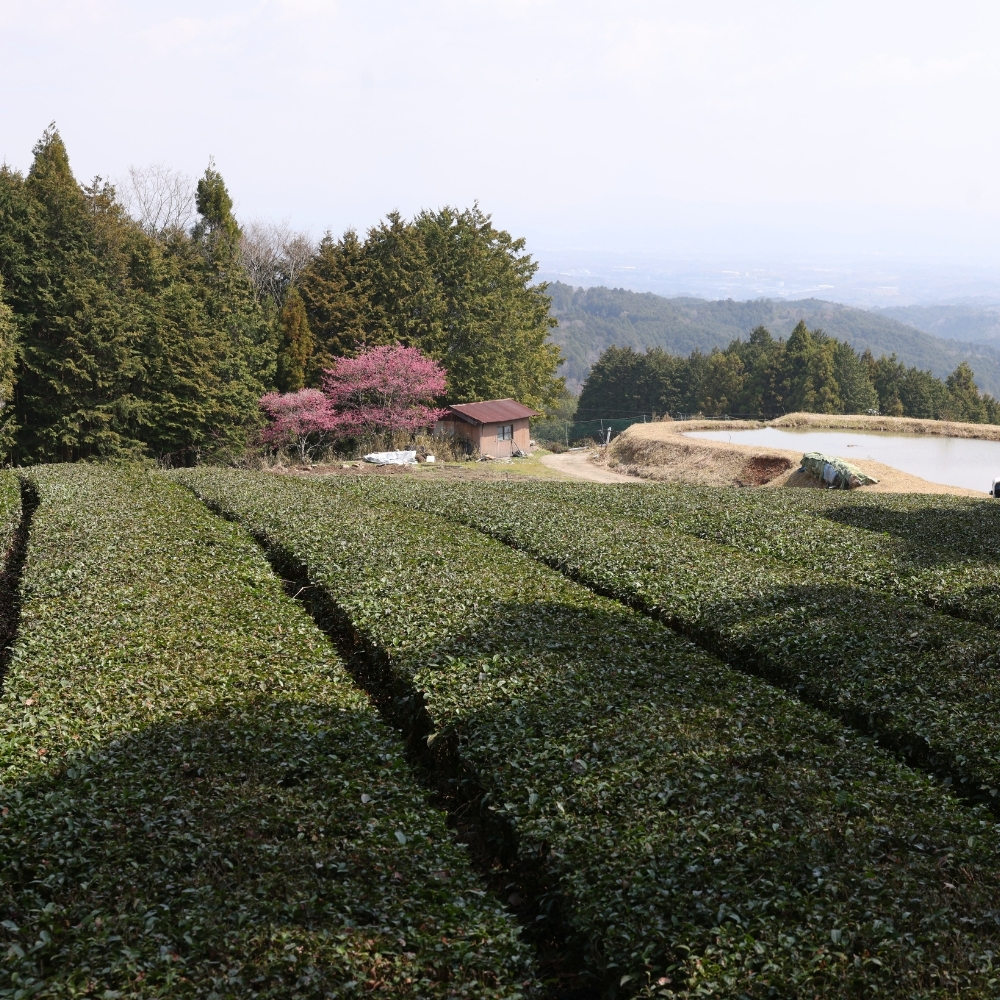
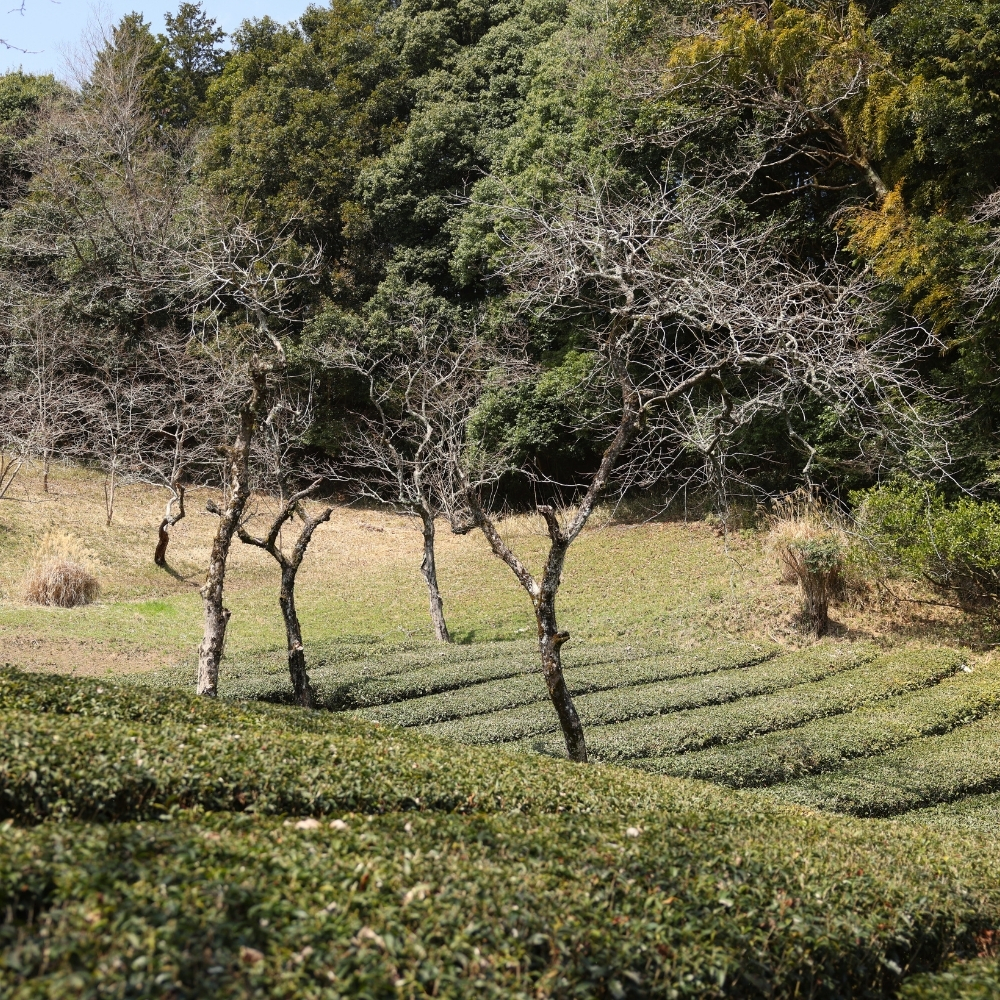
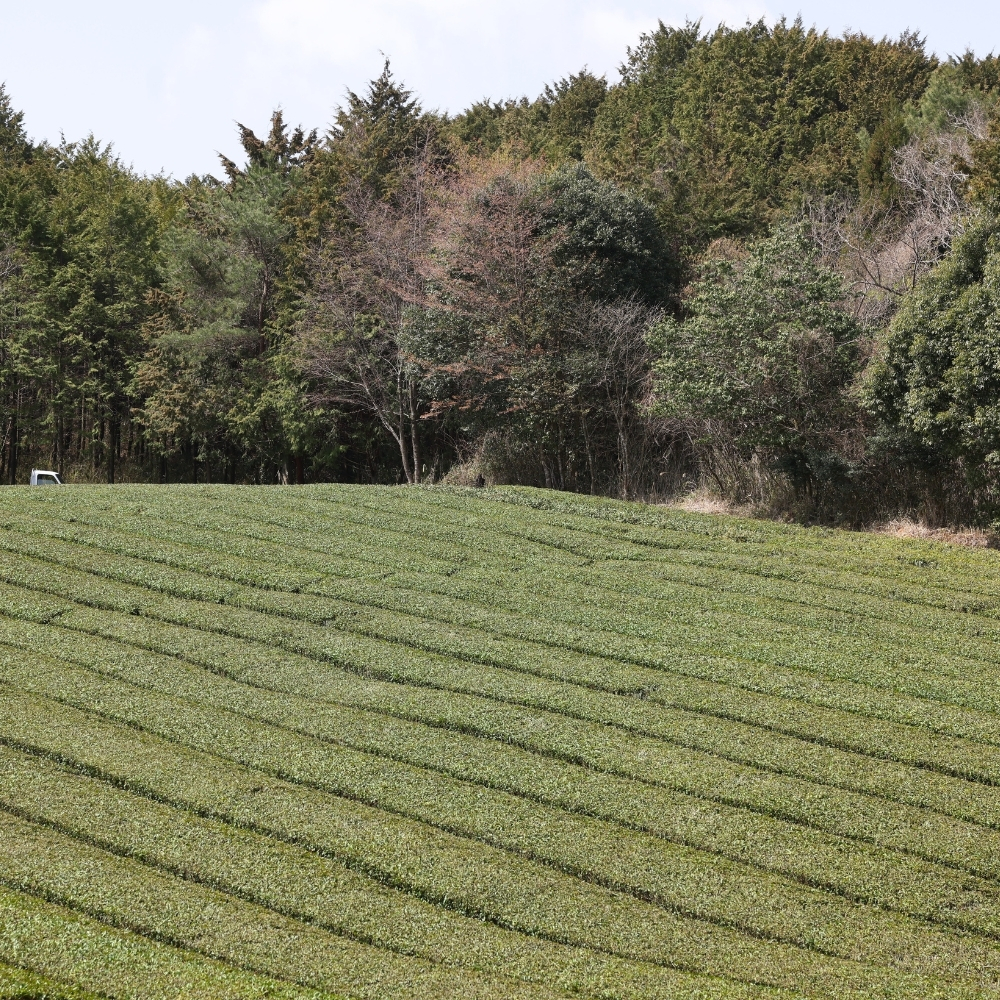
Our tea farm in Yamazoe is truly one-of-a-kind – every bit as remarkable as the husband-and-wife team behind it. Nestled in the mystical highlands near the ancient imperial capital of Nara, the farm is focused on reviving rare teas such as Kancha and traditionally sun-dried, pan-roasted Kamairicha made in the ancient Kumano style. Here, Japanese heritage lives on, enriched by the unique blend of Chinese-Taiwanese tea craftsmanship and the local Japanese terroir. 

None of this was handed to our farmer. In 2012, he left his life as a businessman in Osaka to take over a remote, abandoned tea and vegetable farm with his wife. With nothing but determination and a deep passion for pan-roasted and Chinese teas, he built everything from the ground up. Years of study under a legendary tea master in the Shinto pilgrimage town of Kumano, high in the mountains of Wakayama, led him to master the nearly forgotten Kumano method of Kamairi pan-roasting, in which the tea is dried under the sun.

Today, the farm is cultivated entirely without pesticides, and the only fertiliser used comes from the trimmed leaves and branches of the tea bushes themselves, creating a perfectly self-sustaining cycle. The farm’s signature teas are its Chinese-inspired Oolong and Wakocha black teas, along with its sun-dried Kamairicha, roasted in an original Taiwanese roasting drum.

Wakocha Yamazoe Minamisayaka

Character

Tasting Notes

With many of the finest teas, you can sense their quality from the aroma alone. This tea is no exception: even at first whiff, you can feel the depth it holds, as its immensely complex yet natural aroma immediately warms the body. Gentle notes of stewed plums and cherries combine with subtle hints of clove and anise, evoking associations with Christmas sweets. Despite this aromatic richness, the tea always remains pleasantly restrained. On the palate, it is a true revelation: juicy, full-bodied and wonderfully harmonious. Gradually, more floral-sweet nuances emerge, staying true to its Japanese black tea origins while also recalling the highly floral Oolongs of China’s Phoenix Mountain. With each subsequent infusion, the mineral tones grow stronger, while the subtle plum sweetness lingers. This Wakocha is among the finest we have ever tasted – perfectly balanced, multi-layered, complex and elegant. A pinnacle expression of Japanese black tea, made for true connoisseurs.

Leaf

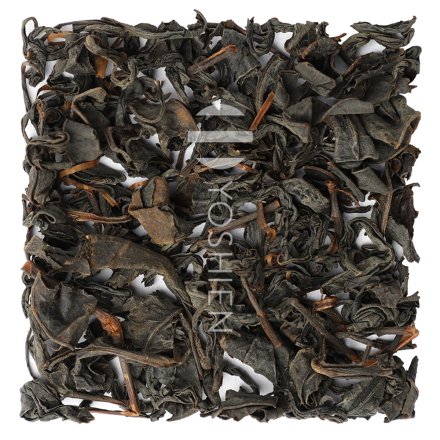
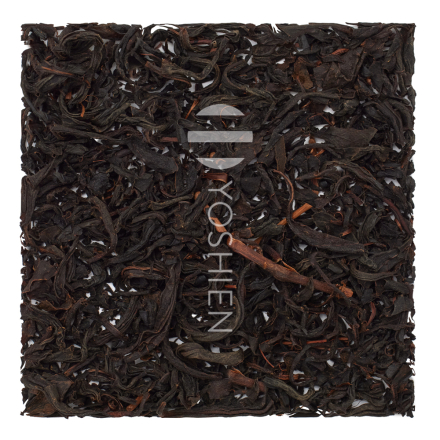
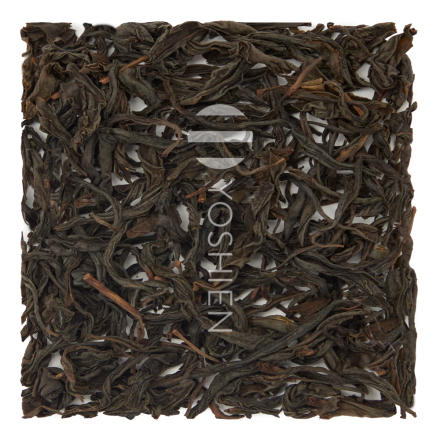
Relatively large, robust and succulent leaves, curled in the typical Oolong style (strip style), brownish-black colouring.

Cup

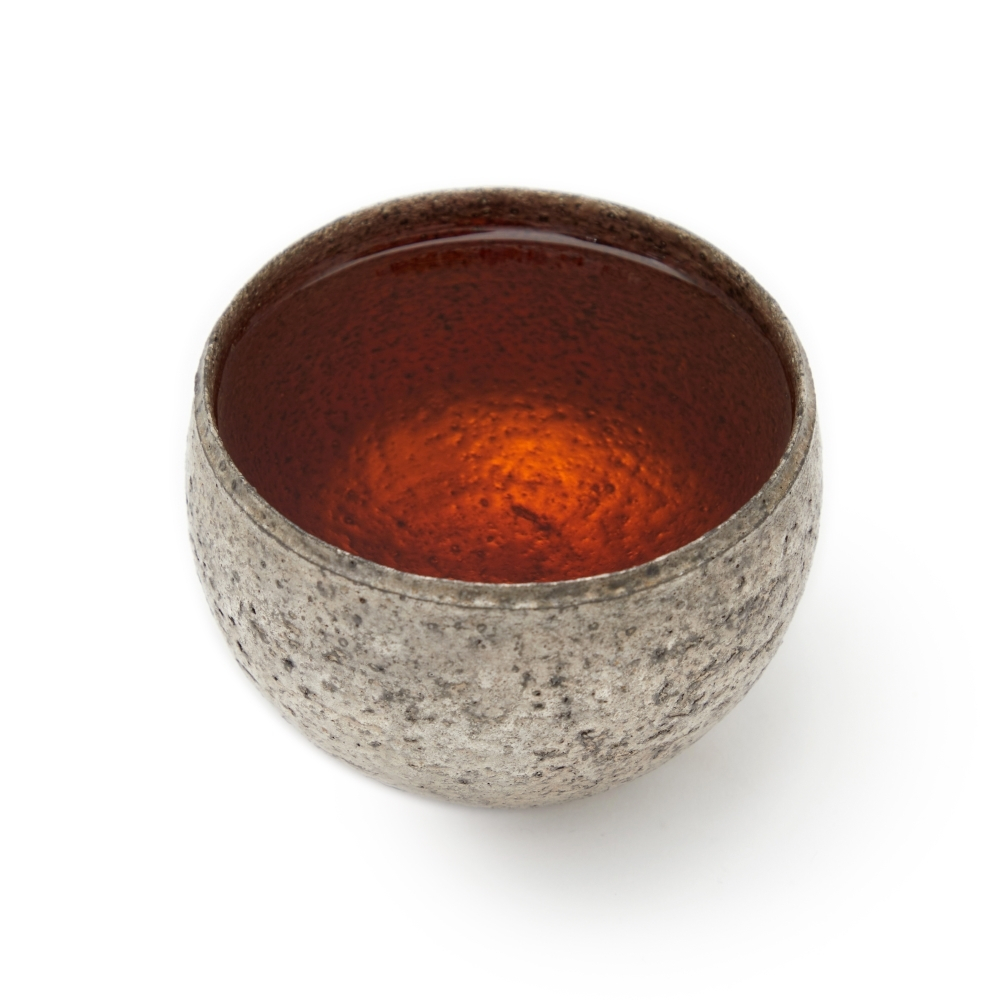
Amber

Wakocha Yamazoe Minamisayaka

Wakocha

Wakocha (和紅茶) is the name given to black teas from Japan. Although once an important trade commodity until the latter half of the 20th century, growing competition from India and China pushed Japanese black tea into relative obscurity. Only in the past two decades has there been a revival and renewed appreciation of this heritage. Wakocha, while distinct in character, are generally milder in flavour than many other black teas, often marked by fruity-floral notes and, above all, a pleasant honeyed sweetness. For this reason, they are typically enjoyed without milk or sugar. Alongside the tea capital of Shizuoka, the southern main island of Kyushu is especially renowned for producing high-quality Wakocha.

Yoshien Labortests

Laboratory Tests

We go to great lengths to identify the finest organic tea farms across the world’s most celebrated terroirs. All our teas are sourced directly from the farmer and, with a few exceptions, are certified organic or come from pesticide-free farms. Each batch of tea for every harvest is tested for pesticides and other pollutants in an independent German lab to ensure they meet our strict quality standards as well as HACCP food safety requirements. Likewise, the regions of Japan from which we source our teas are tested for radioactivity for every harvest.

Yoshien

Yoshi En

World's Finest Organic Teas

Our comprehensive portfolio focuses on organic, single-origin teas sourced directly from renowned farms. We believe in creating partnerships with farmers who share our values and are committed to sustainable, responsible tea cultivation. Thanks to these strong relationships our exciting range is constantly growing and evolving. As an international team of dedicated and passionate tea experts, we are committed to preserving centuries-old tea culture while ensuring it remains relevant and continues to bring joy in the present. About Yoshi En.

Cultivation & Processing

Special features in location, cultivation & processing

For those drawn to Japan’s rich history and spiritual traditions, Nara Prefecture is a place of deep intrigue. Its sheltered inland location near the Seto Inland Sea led it to play a significant role in early Japanese political and religious life. Reaching its golden age in the 7th and 8th centuries, it served as the imperial capital of Japan’s first nation state, whose government was influenced by the newly introduced Buddhist and Confucian philosophies from China.

Beyond its countless temples (some over 1,000 years old), palace ruins and ancient burial sites, the entire prefecture seems to radiate a quiet, timeless atmosphere. Gentle mountains, dense forests, and old pilgrimage routes wind through the landscape, inspiring monks, poets, and travelers for centuries. Nara has also played an important role in Japan's tea culture: in the remote valleys and mountain villages of the prefecture, an independent, rural tea tradition developed, far from major centres of production such as Uji or Shizuoka. Here, where the climate is harsher and harvests are smaller, teas of a strong character emerged – less focused on elegance and more on authenticity and everyday enjoyment. Collectively, these teas became known as "Yamato-cha" (大和茶; Yamato being an ancient name for Nara and Japan).

The red clay soils and sharp day-night temperature shifts give the teas a deep, intense aromatic profile. Many families have preserved their own cultivation and roasting methods over generations, allowing a wide range of rustic tea specialities to develop. From simply steamed Sencha to the robust roasted teas once enjoyed daily by villagers, these are authentic, unpretentious teas which are grown in harmony with nature and which exude a quiet depth in their simplicity. While many of these traditional teas are at risk of fading into obscurity due to the decline in tea cultivation, it is passionate and innovative farmers like our husband-and-wife duo who keep these unique regional treasures alive. 

Single Origin

This tea comes 100% from the above-mentioned tea field in Yamazoe, sourced directly from the tea farmer.
Preparation

Brewing Guide

3 tsp (7g) per 200ml water, 70-90 °C, steep for 1-2 minutes.

We recommend preparing up to 5 infusions. For subsequent infusions, reduce the steeping time to 15-20 seconds for each brew.

Packaging

Packaged in an especially high-quality, airtight, flavour-protecting pouch with zipper and stand-up base. Its special 9-layer coating ensures maximum protection against environmental contaminants. When closing the pouch, press out as much air as possible before snapping shut. Alternatively, and especially for longer-term storage, we recommend our stylish and airtight tea caddies. The tea is well-suited for further ageing.

Recommended Teapot

For this tea, we recommend a classic black Tokoname Kyusu. A teapot made of glass is also an excellent choice, allowing you to watch the leaves unfurl as the tea brews.

Because of the intact structure of the leaves, this tea is also well-suited for brewing in the Chinese gongfu style, ideally with a Gaiwan made from flavour-neutral porcelain.

Our recommendations

Loading...
The image could not be loaded.