


In the early 17th century, Lord Maeda Toshinaga founded the town of Takaoka in the Toyama prefecture, and invited a variety of craftspeople, including seven master metal casters, to kickstart local industries. Casting is the process of shaping metal by pouring it into a mould while molten, and would become the craft that Takaoka is known for from the mid-Edo period (1603-1868) onwards. Copperware or dōki produced here became so popular that to this day Takaoka continues to account for over 90% of its domestic production, whether in the form of Buddhist statues, utensils for tea ceremonies, flower arranging and incense appreciation, or everyday kitchen- and tableware. Since 1975, Takaoka Dōki or Imono (“cast metalware”) has been designated by the government as a protected Traditional Craft of Japan, and also applies to items cast with other metals including tin, iron, gold and silver.
Japanese Tin Paper
Suzugami Kazahana S
Syouryu
SKU
5562
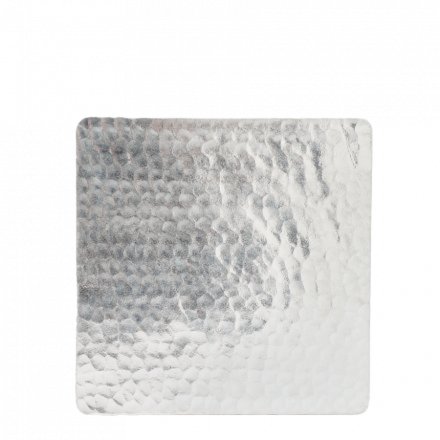
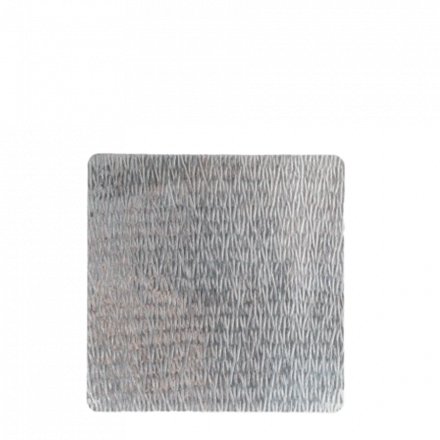
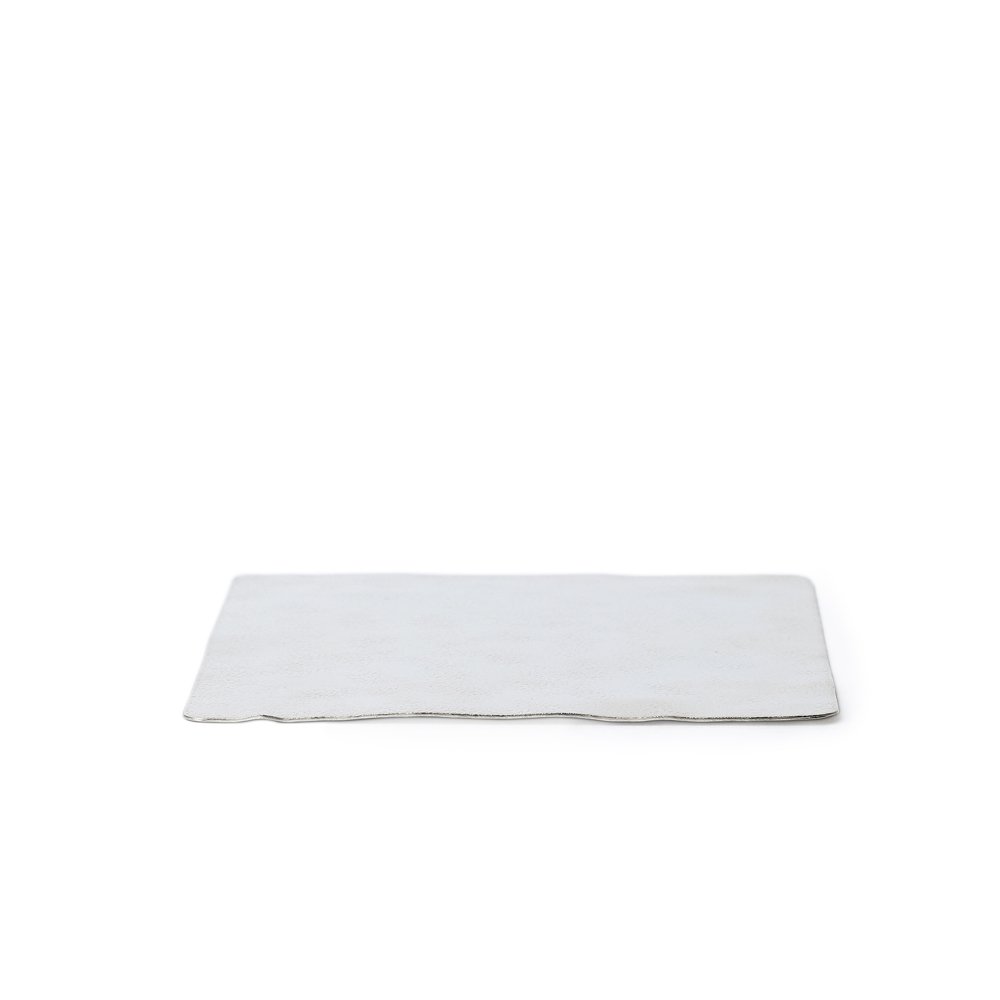
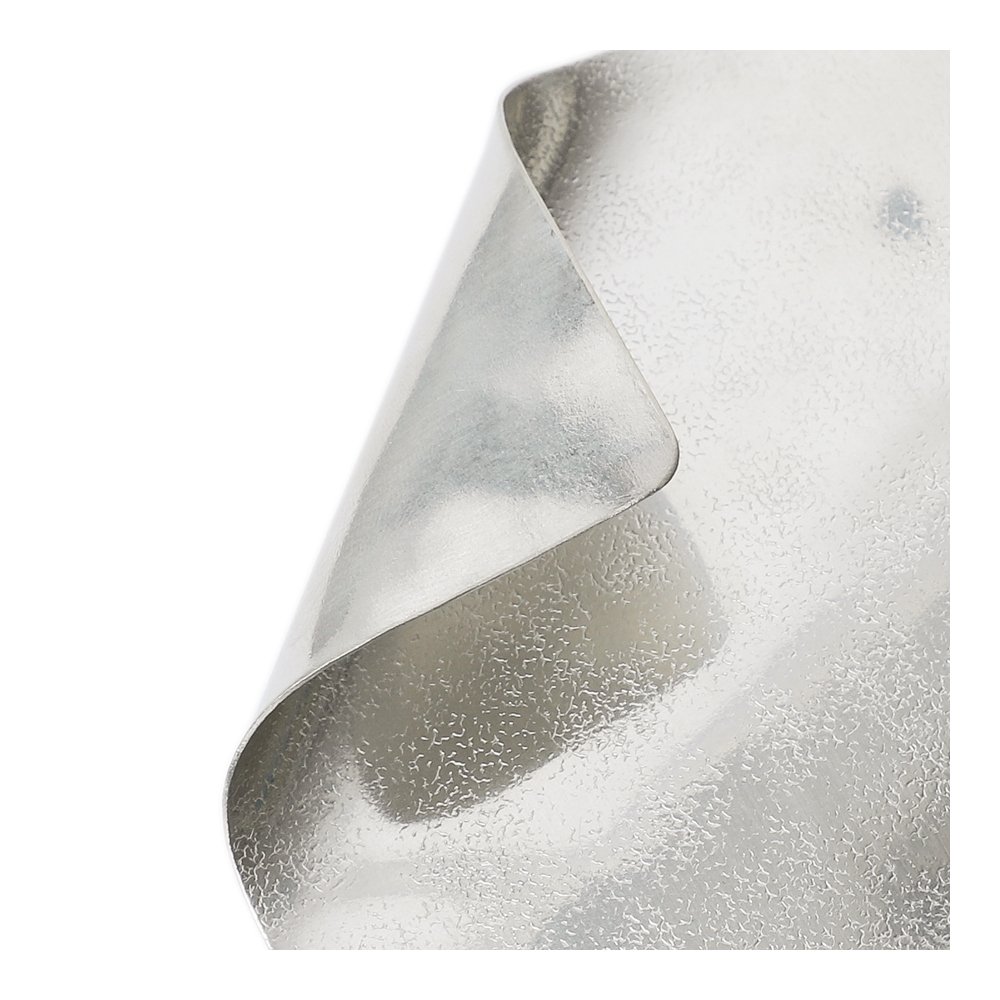
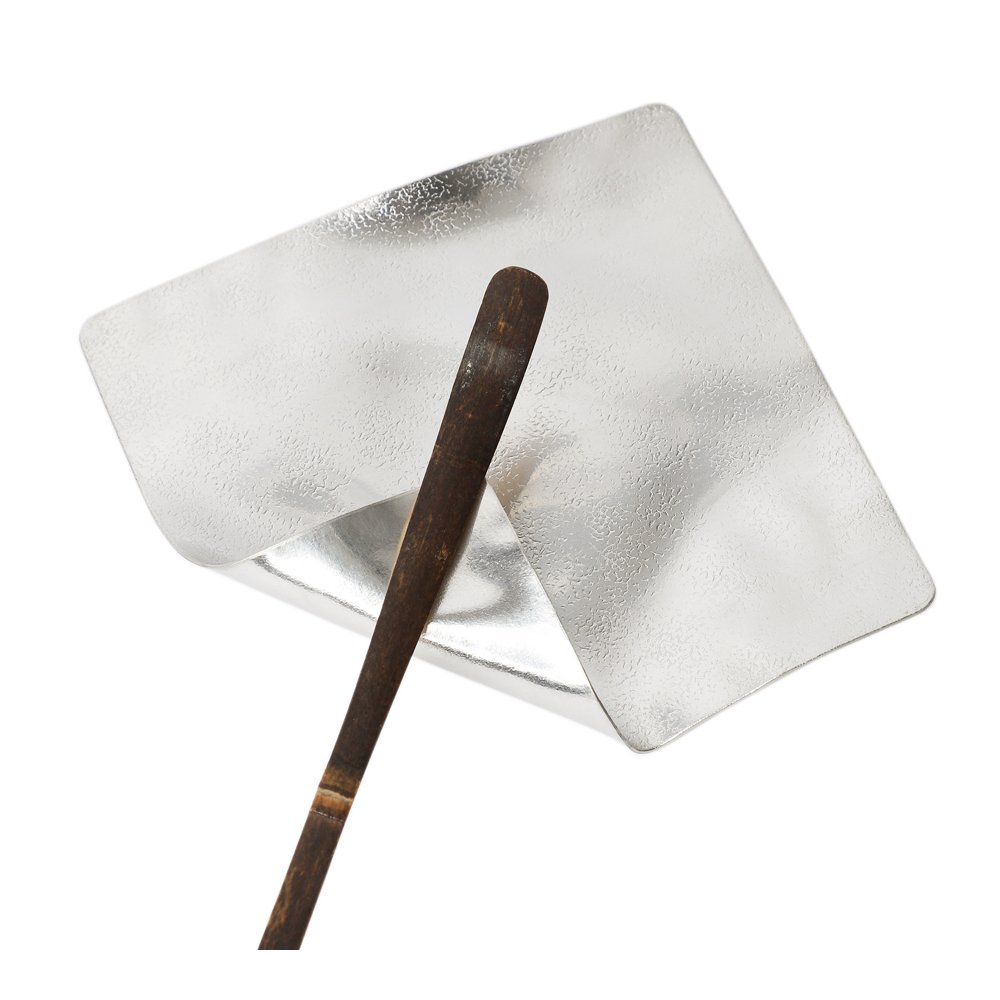
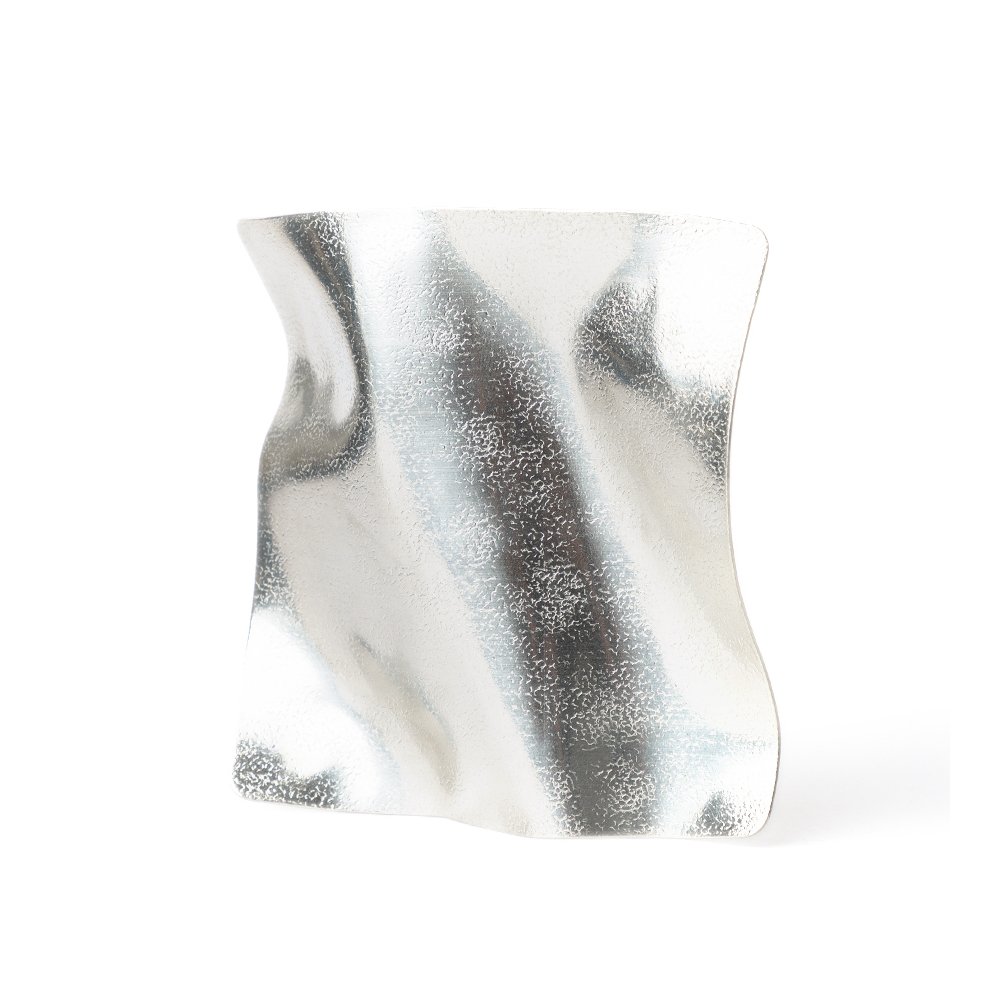
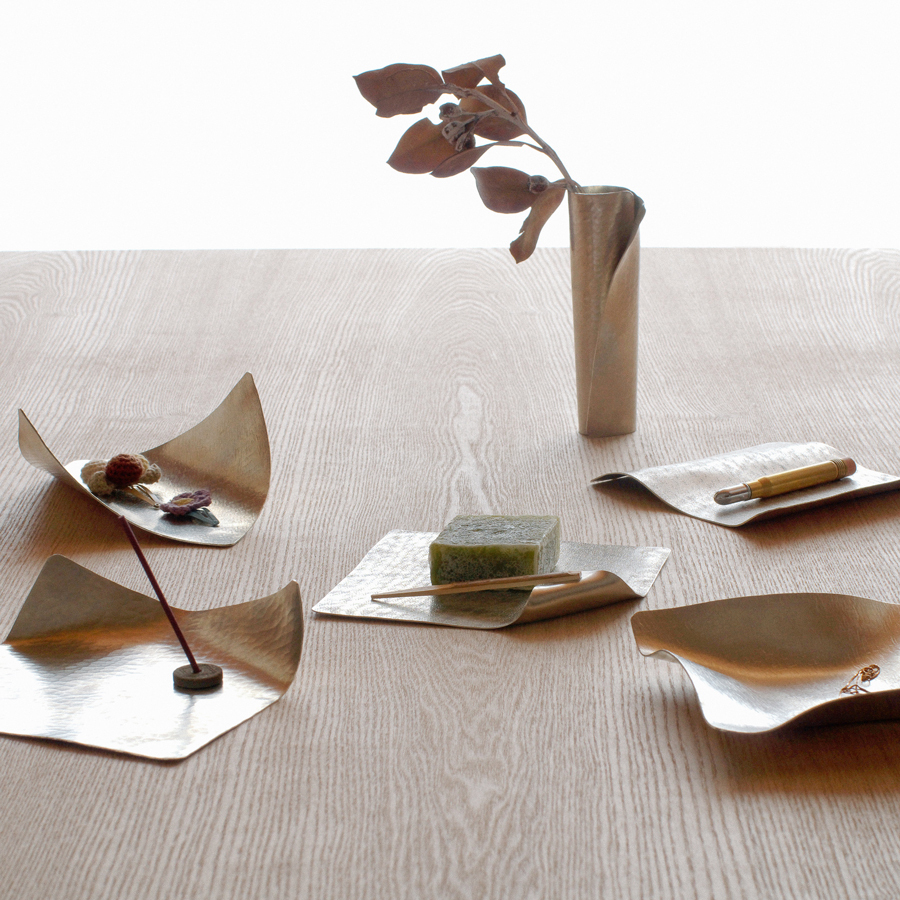
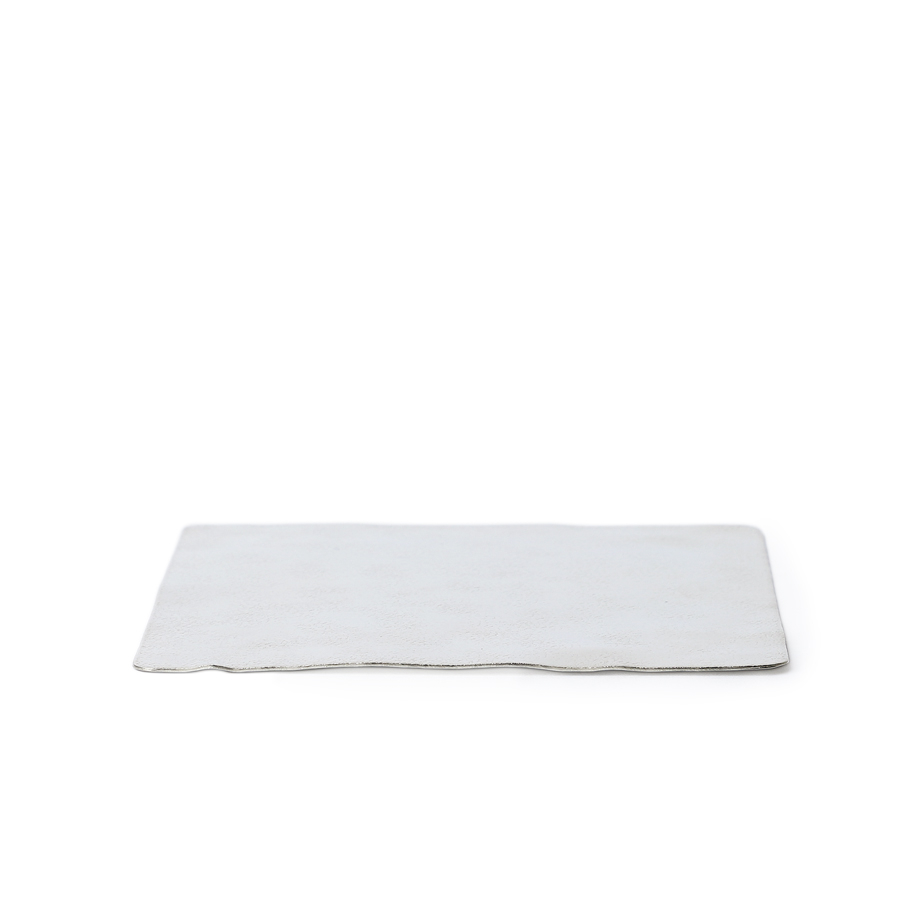
Like origami, Suzugami “tin paper” can be folded to create unique pieces of tableware – which can then be rolled flat and moulded again! This design in the smallest size is hammered with the Kazahana “snow flurry” pattern and is perfect for presenting Japanese sweets or amuse-bouche.
| Product | Suzugami "Tin Paper" |
|---|---|
| Maker | Syouryu |
| Origin | Takaoka, Toyama, Japan |
| Dimensions | 11 x 11 cm |
| Material | Tin (rolled) |
| Packaging | Card |
In stock

Producer
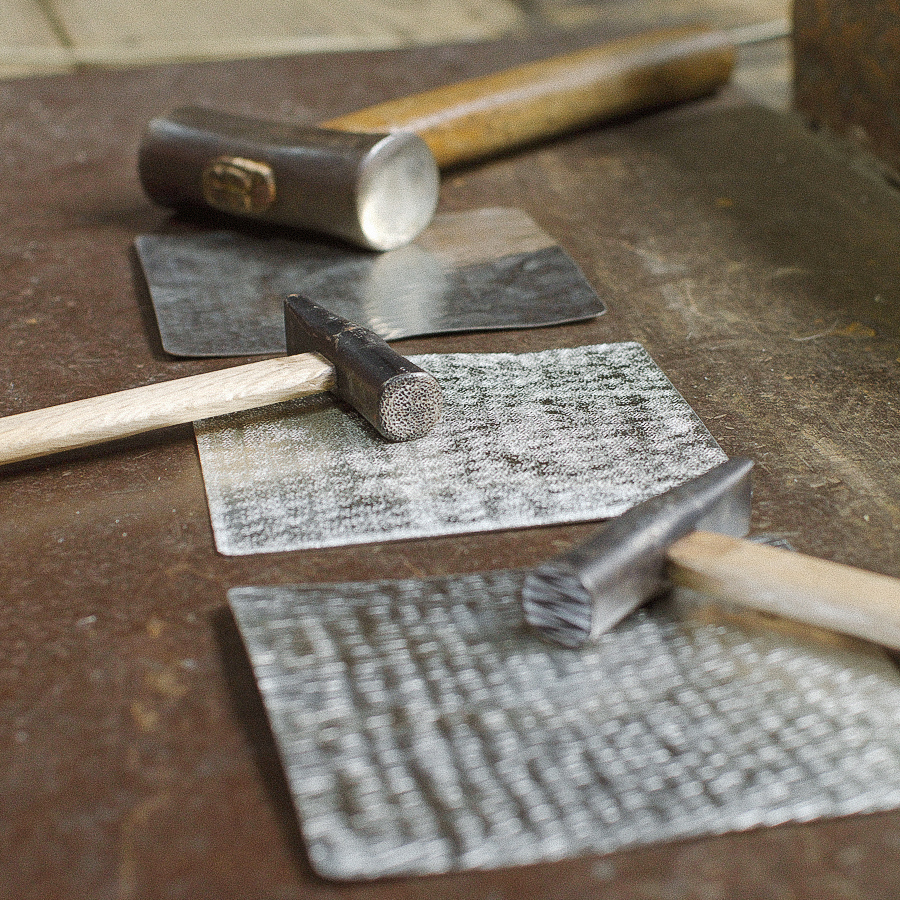
The Shimatani Syoryu workshop has been manufacturing orin bowl gongs for Buddhist temples since its foundation in 1909, and today employs three out of the ten orin artisans in the whole of Japan. This highly specialised craft involves hammering metal into rounded gongs that sound a clear note when struck. In 2013 the syouryu brand was launched by the 4th generation Syoryu utilising this metal hammering technique to make new products, notably their signature Suzugami "tin paper."
Suzugami すずがみ
The flexible and versatile Suzugami "tin paper" is an original creation of the Syoryu workshop in Takaoka – a city long famed for its metalwork. Blending history and novelty, Suzugami was conjured up by skilled artisans in response to designing a contemporary, everyday product that is representative of Takaoka. Through repeated hammering Suzugami becomes thin like paper with a strength and resilience that allow it to be folded and unfolded over and over again. To use: simply mould or bend the corners and edges by hand to create receptacles for food, or fold in half to create a stand for cutlery – let your imagination run free! To start again, just take a rolling pin and roll the Suzugami flat. What's more, since tin is antibacterial it is perfect for tableware.
Our recommendations

-
-
-
Super Premium 95 P.
Shibushi | Saemidori
€24.9040g
€622.50 / 1kg