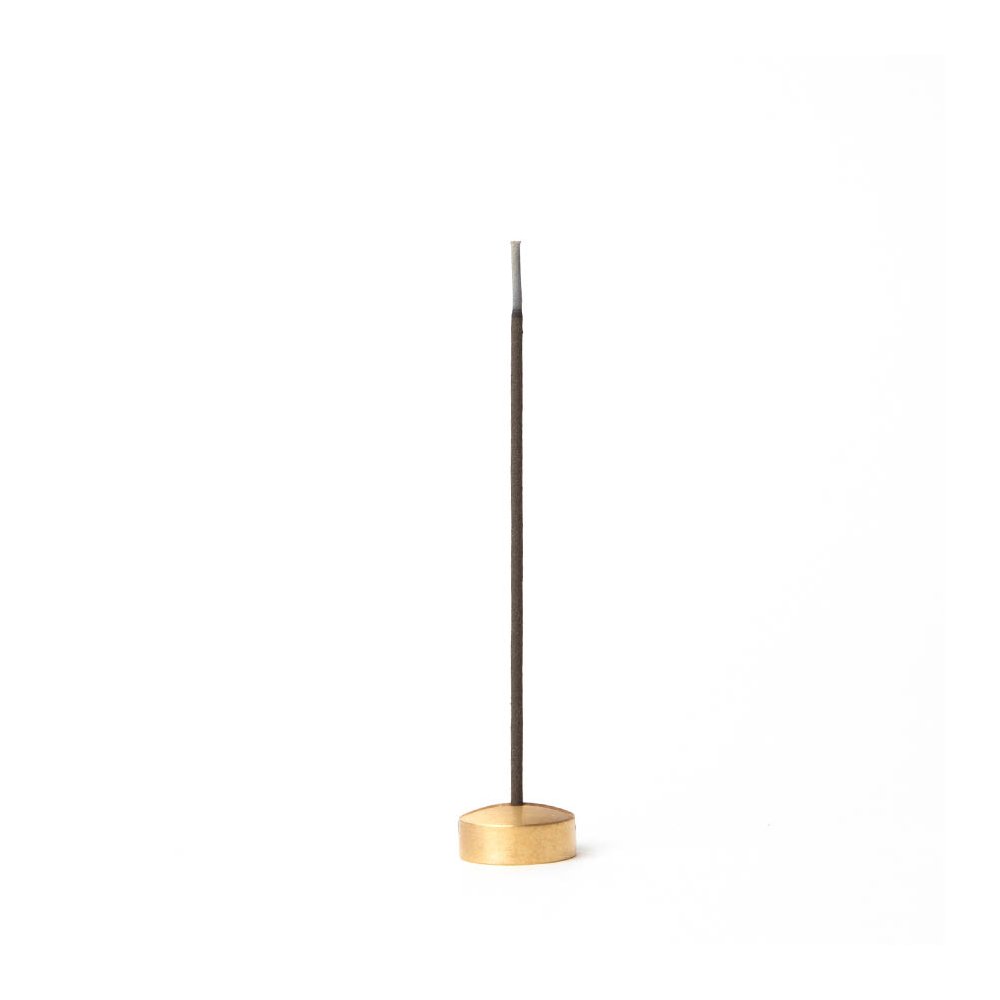
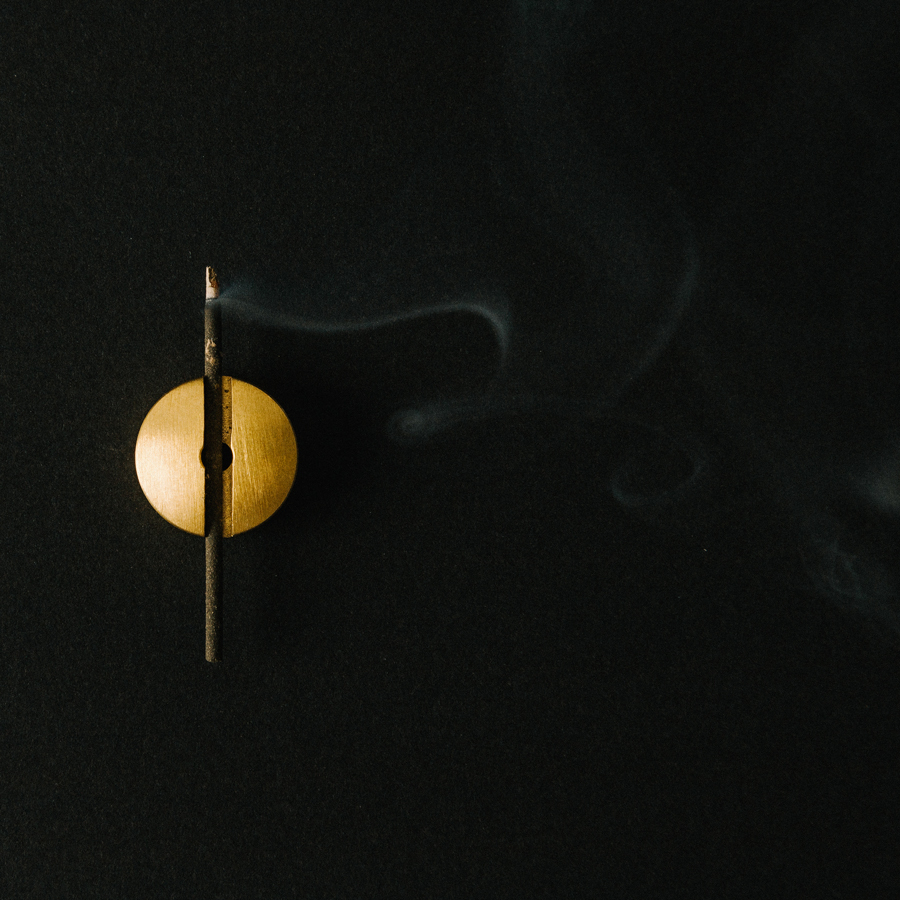
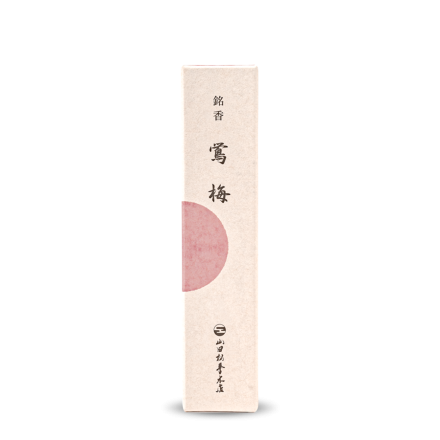
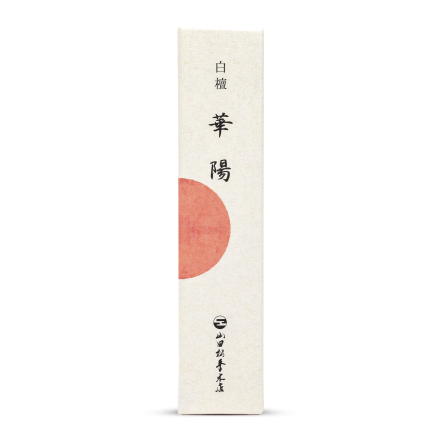
While incense burning has been practiced in Japan since the 6th century with the arrival of Buddhism from China, it wasn’t until the 16th century that incense sticks or senkō became more widespread, and today are the most typical style of incense in Japan. Across Asia, stick incense was often used to measure time, particularly during meditation, and continues to feature in religious rituals besides clearing the air before tea ceremonies. Senkō sticks are made of dried, powdered incense wood and other fragrant extracts mixed with a binding agent called makkō: a clay-like paste made from tree bark. Since Japanese incense sticks do not have a bamboo core they burn more gently and release a delicate scent with very little smoke, making them ideal for perfuming the home.