

Shiboridashi Tokoname
Shudei

Fugetsu

SKU
0512
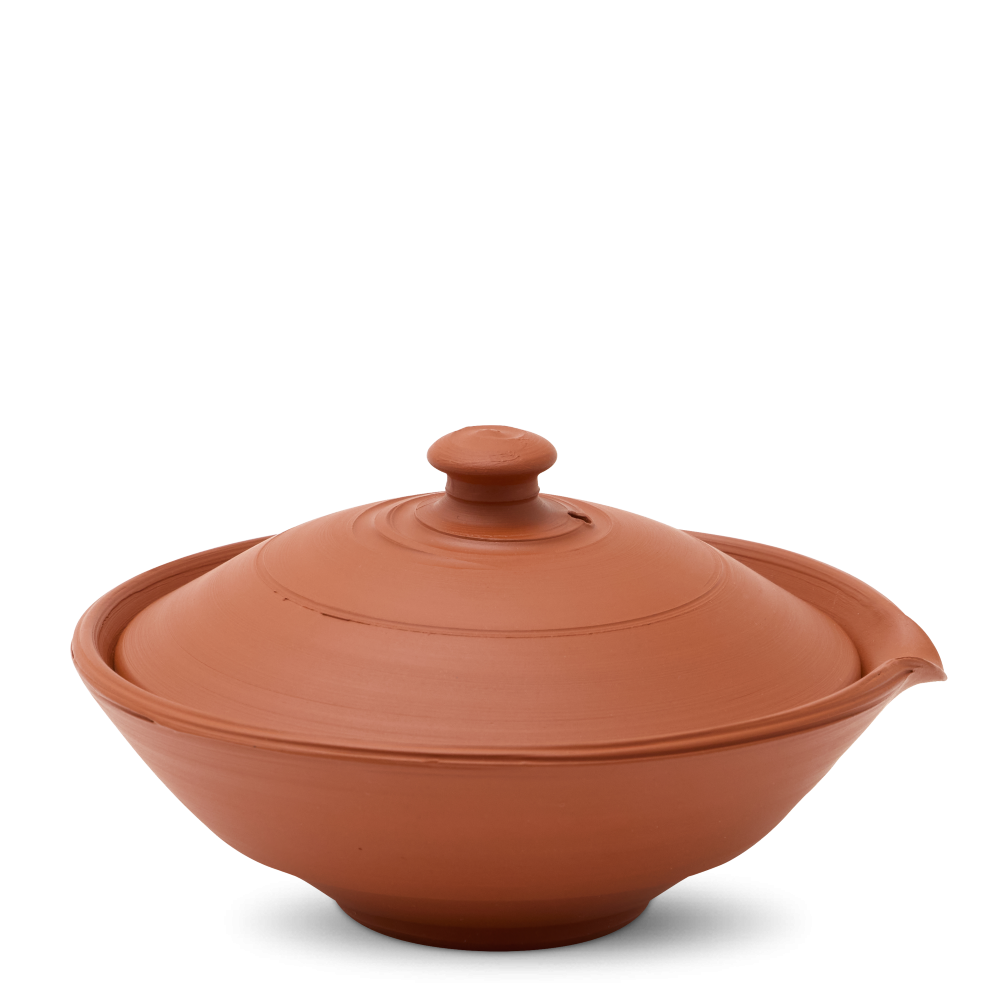
Handcrafted by award-winning third generation Tokoname-yaki potter, Fugetsu, this red Shiboridashi has fine sujihiki grooves to highlight the natural beauty of the clay and hand-turning process. This flat, handleless teapot is designed for brewing the finest Japanese green teas, namely Gyokuro, but also Kabusecha and Sencha.
Item Shiboridashi teapot
Colour Red
Origin Tokoname, Aichi, Japan
Artist Murakoshi Fugetsu
Volume 110ml
Dimensions Ø10.5 x 5cm
Material Unglazed clay
Strainer None
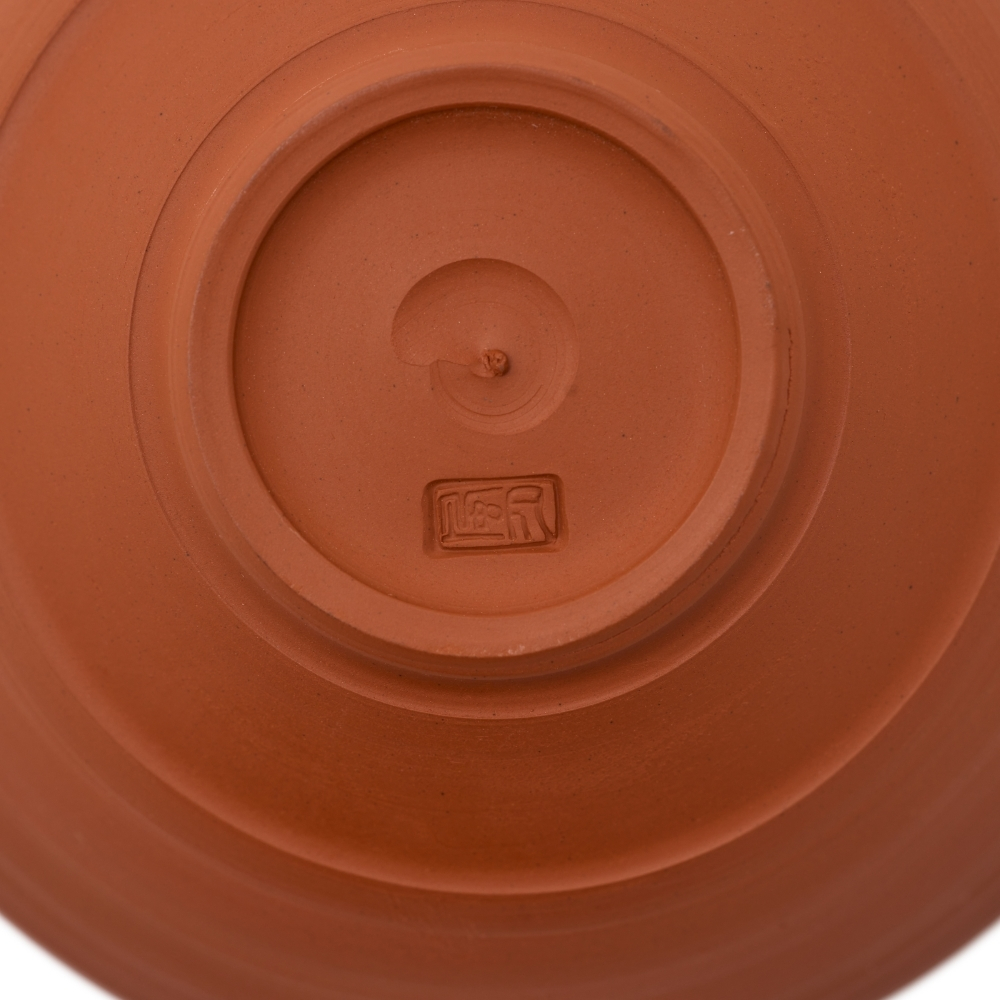
Artist's mark Seal to base
Packaging Cardboard box

 
Each piece is handmade and unique, therefore colour, volume and dimensions may vary slightly 

€199.90

Delivery : up to 5 business days

Incl. VAT, excl. shipping

SKU
0512
In stock
Shiboridashi Tokoname Fugetsu Shudei

Fugetsu 風月

Born in Tokoname in 1950, award-winning ceramic artist Murakoshi Fugetsu (村越風月) is a third generation Tokoname-yaki potter, famed for his exquisite Kyusu with a natural, organic touch. A student of the Living National Treasure Jōzan Yamada III, and teacher to Gafu Itō, Fugetsu has been a member of the Japan Kōgei Association (日本工芸会) since 1997.

Shiboridashi Tokoname Fugetsu Shudei

Shiboridashi 絞り出し

One for tea specialists, the Shiboridashi is a small, palm-sized brewing vessel without a handle or strainer at the spout. It is used for teas such as Gyokuro, Kabusecha and high grade Sencha that brew at lower temperatures – which means the handle-free instrument should be cool enough to hold. The name Shiboridashi translates to “squeeze out”, a reference to how the tea is pushed through the small gap, in order to extract the very last drop from top quality leaves.

Shiboridashi Tokoname Fugetsu Shudei

Tokoname-Yaki 常滑焼

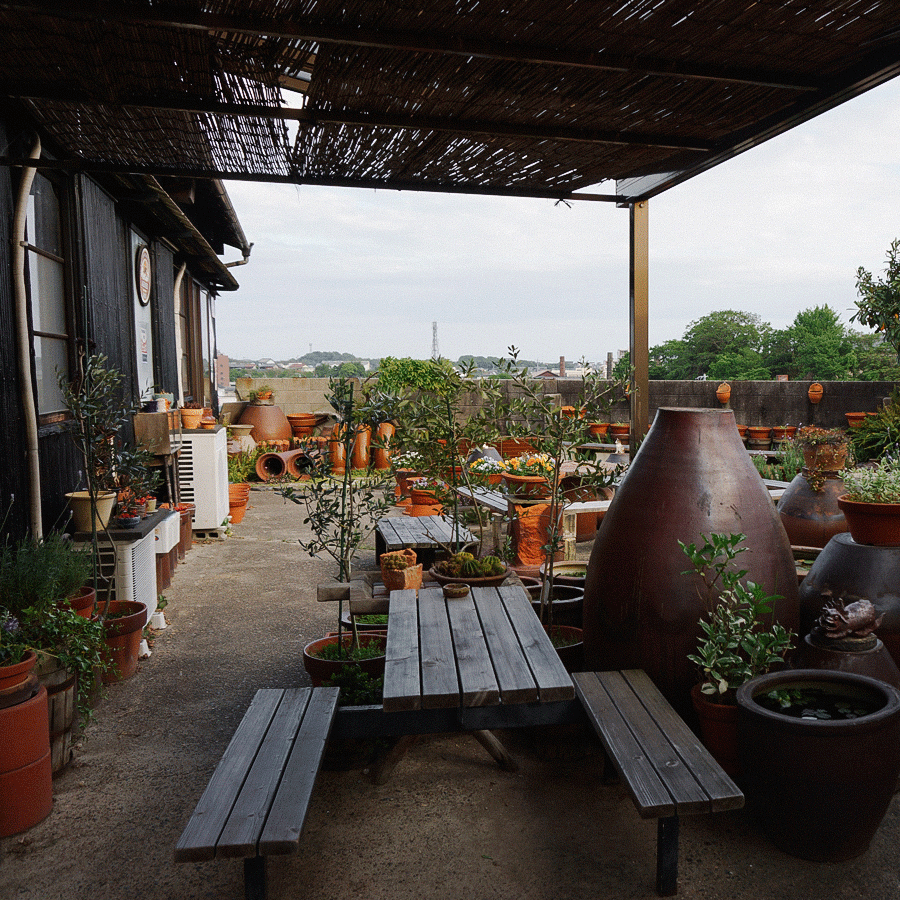
Pottery has been produced in the city of Tokoname, Aichi prefecture, as far back as the 12th century, and since 1976 has been protected as a Traditional Craft of Japan. Tokoname was the site of the largest and oldest of the legendary Rokkoyō (六古窯): the “Six Ancient Kilns” of Japan, and is celebrated for its iron-rich Shudei clay that turns a bright red after firing. When fired a second time in a reduction oven, the red Shudei turns black – another characteristic colour of Tokoname-yaki. High-fired at temperatures of around 1100°C and left unglazed (Yakishime, 焼き締め), this allows tannins in the tea to interact with the iron in the clay body, which is said to reduce astringency and highlight the sweetness of green teas. Another key feature of these Kyusu are the perfectly fitting lids, which are ground into the clay body after firing in a technique known as Suriawase.

Production

Rokuro 轆轤

Shaped by hand on a potter's wheel, making each piece unique.

Sujihiki 筋引

Fine lines on the surface of the clay, naturally created by the potter's fingers while turning on the wheel.

Yakishime 焼き締め

Baked unglazed so that the tannins in green tea are able to interact with the iron in the clay body, which helps to soften any bitterness and highlight the sweetness of the tea.

Sanka Shosei 酸化焼成

Oxidation fired: there is enough oxygen in the kiln for complete combustion, allowing iron (Fe) in the clay to oxidise and turn red (Fe₂O₃).
Awards

  • Japan Traditional Crafts Exhibition
  • Japan Ceramic Art Exhibition
  • Japan Sencha Craft Arts Exhibition
  • Choza Award Ceramic Art Exhibition
  • Pottery Promotional Exhibition Jozan Prize
  • Ceramic Art Biennale '89
  • Shigaraki Ceramic Art Exhibition
  • Mashiko Ceramic Art Exhibition
  • Tokai Traditional Crafts Exhibition

Care

Wash with warm water only. Do not use washing-up liquid or put in the dishwasher. After washing, allow to naturally dry in the air with the lid off.

Our recommendations

Loading...
The image could not be loaded.