

NEW "Yin & Yang" teaware collection – find inner balance with every sip

Sencha Yame Shinsui P.Free

Contest Grade 98 P.

SKU
0466
A rich, savoury and full-bodied Fukamushi Sencha from Yame, Fukuoka, crafted from the Saemidori and Yabukita cultivars. Distinguished by its creamy umami, elegant roasted notes and remarkable depth of flavour. 80g
Character Hearty and flavoursome, full-bodied, with a smooth and creamy umami, warm and rich green aromas, elegant roasted notes, delicate milk chocolate, and deep matcha flavours
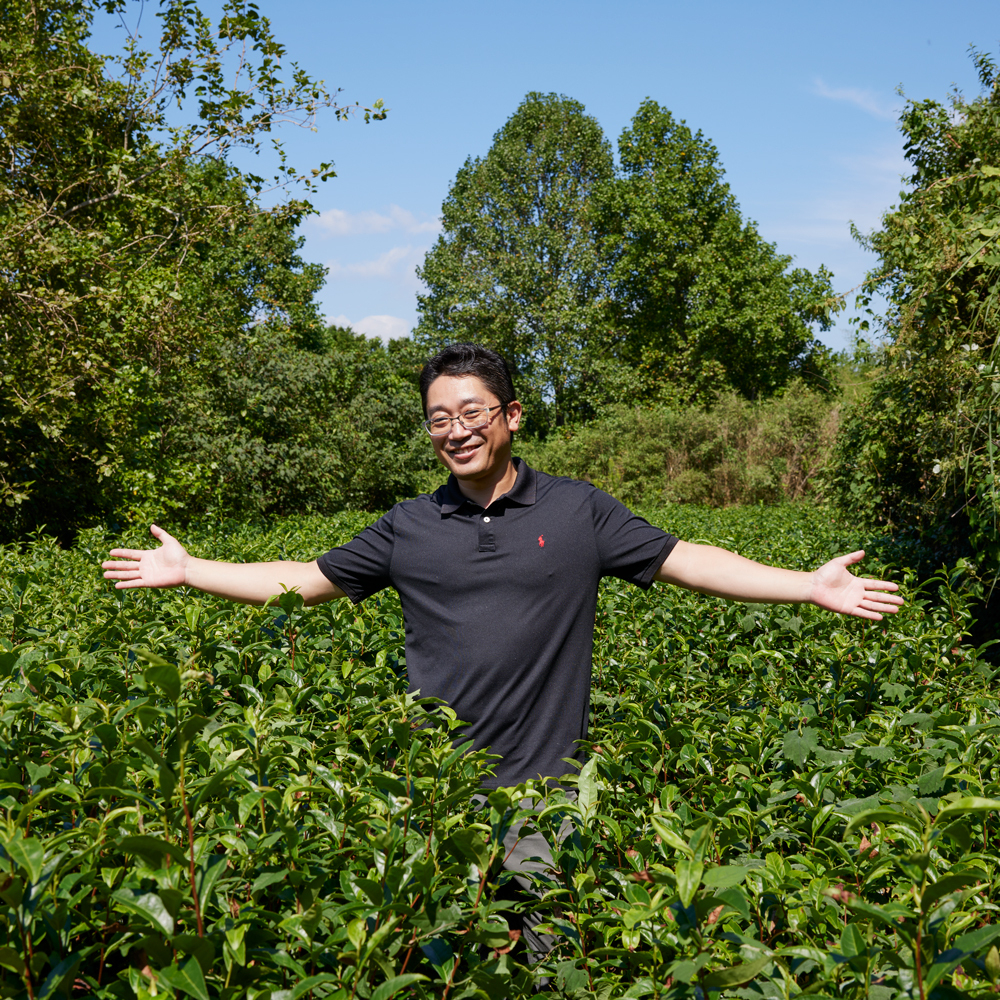
Tea Farm Irie Seicha, the first JAS-certified farm in Fukuoka Prefecture, which has been pesticide-free for over 30 years
Terroir Kurogi, Yame, Fukuoka
Harvest 1st harvest (Ichibancha), May 2025
Cultivar Saemidori, Yabukita
Elevation 350m above sea level
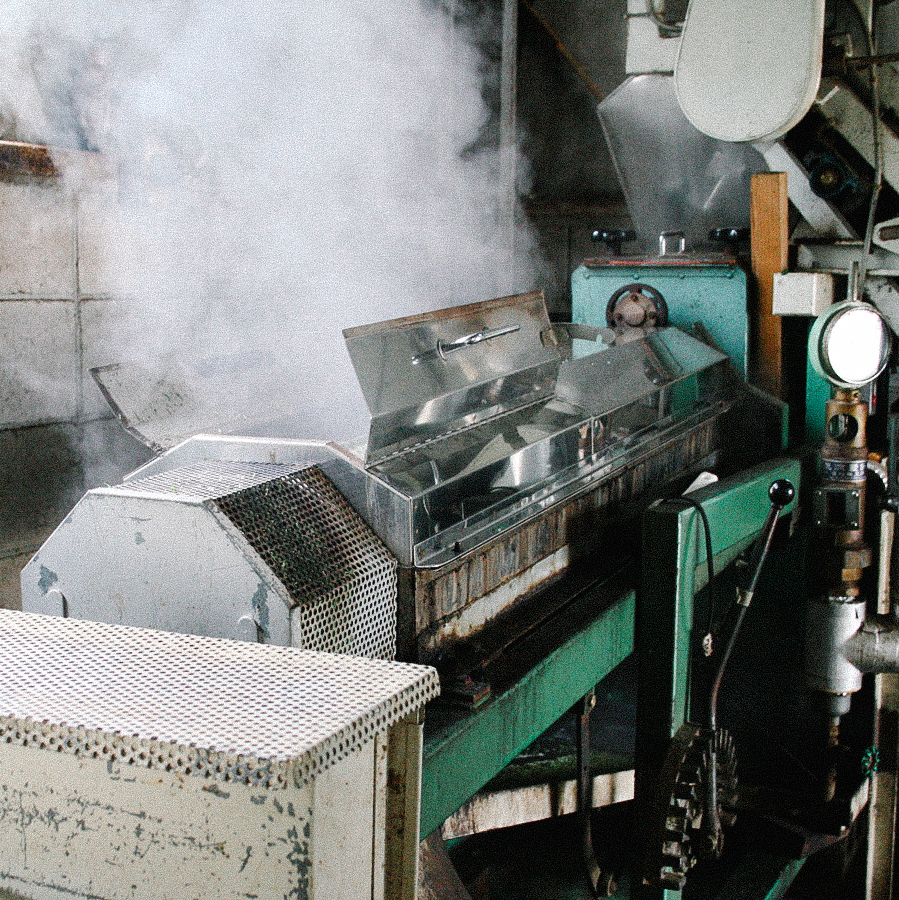
Steaming Deep (Fukamushi, 60-90 seconds)
Shading 5 days before the harvest, Jikagise technique
Cultivation Grown without chemical pesticides for more than 30 years
Awards World Green Tea Contest Silver Medal
Laboratory Tests Radioactivity (annual regional testing), pesticides, heavy metals and aluminium
Grade 98/100 P. (Sencha category); Contest Grade
€26.90
80g

Delivery : up to 5 business days

Incl. VAT, excl. shipping

SKU
0466
€336.25 / 1kg
In stock
Sencha Yame Shinsui P.Free Sencha Yame Shinsui P.Free Sencha Yame Shinsui P.Free Sencha Yame Shinsui P.Free

Teefarm

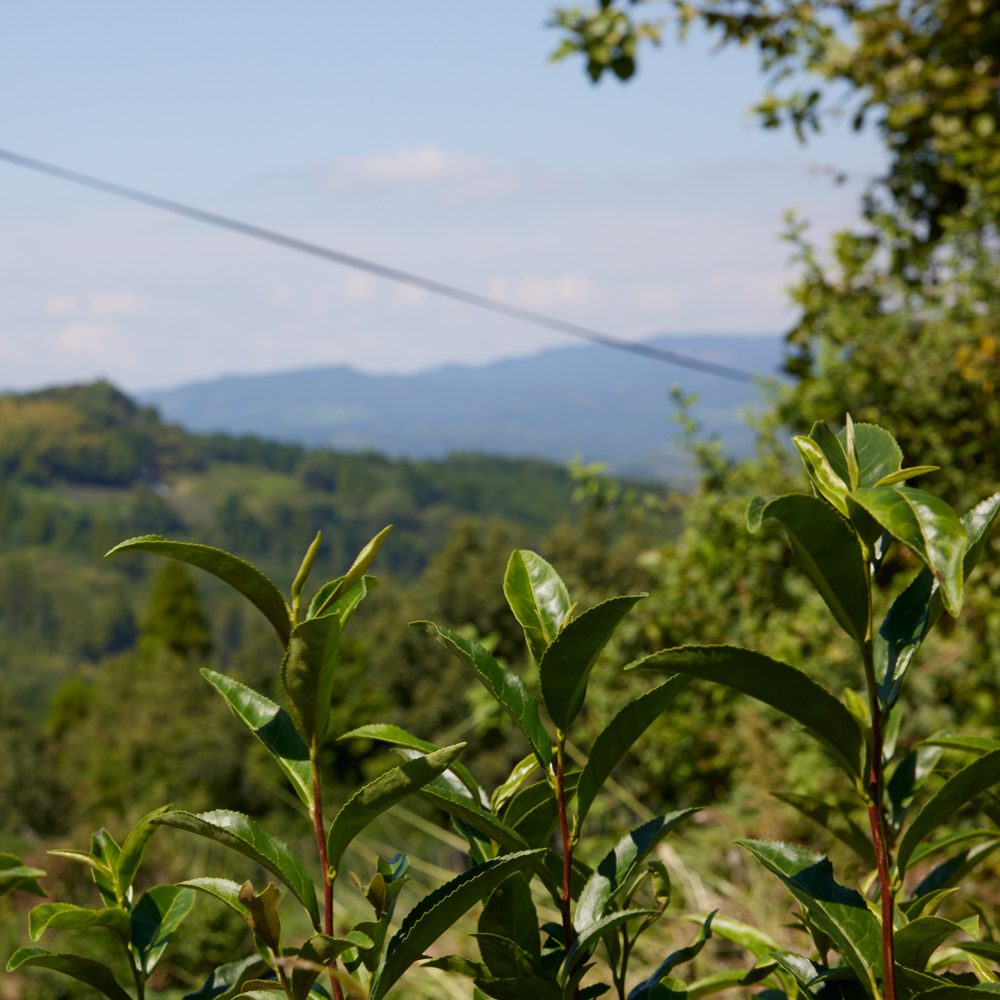
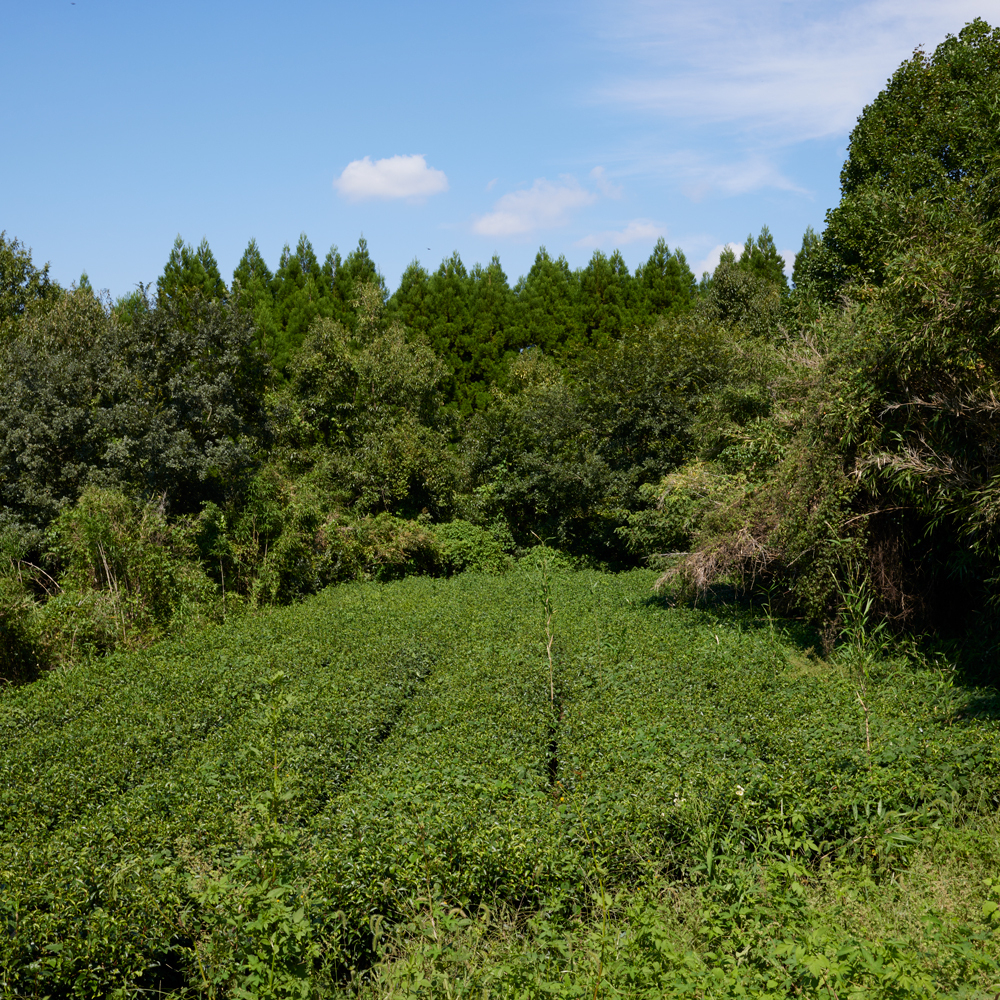
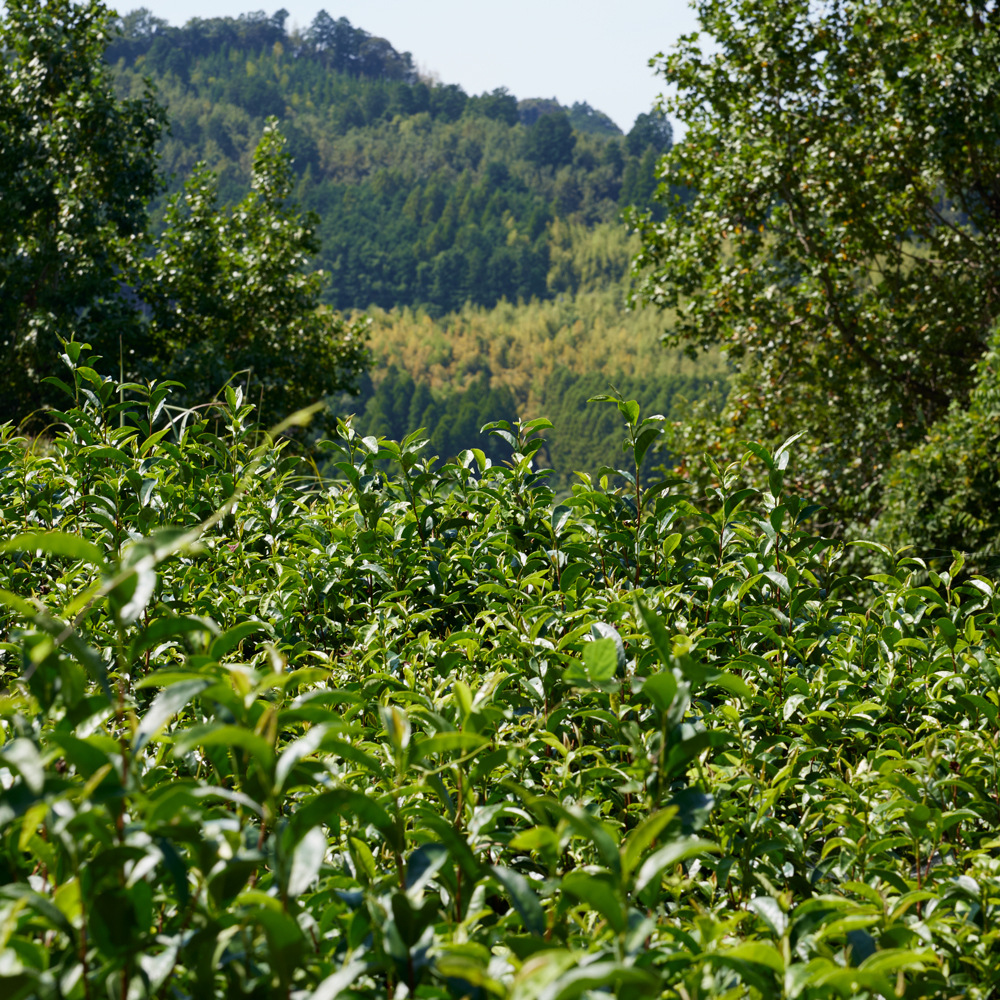
The tea gardens of Irie Seicha are idyllically situated at the summit of Mount Kugiyama, naturally sheltered at an elevation of 450 metres. The farm received JAS certification shortly after the turn of the millennium, making it one of the first officially certified tea farms in Japan.

Following an extended stay in hospital, Mr Irie Senior decided at just 18 years of age to take an active approach to improving both his own health and that of others. He began growing tea without pesticides or chemical additives, with the aim of producing tea of the purest possible quality. Determined to pursue this vision, he cleared his family’s orange groves and painstakingly established the first tea fields – which, to this day, have never once come into contact with pesticides.

Now run by his son as the second generation, Irie Seicha produces authentic Yame green teas of exceptional quality. The farm specialises in carefully developed cultivar blends whose distinctive mountain character expresses the Yame terroir in its purest form. The father and son have built their expertise in cultivation and production over many years, through hard work, numerous setbacks and countless analyses of the soil and its nutrient content. The fertile soils are particularly important, providing the foundation for healthy, resilient tea plants with a natural resistance to the demanding mountain climate.

Sencha Yame Shinsui P.Free

Character

Tasting Notes

An authentic mountain-grown Sencha from Yame, created by our top tea farmer, Mr Irie, in close collaboration with Yoshi en. This special partnership brings together our shared passion for rich, flavoursome and powerful Yame mountain Senchas, resulting in a beautifully balanced tea.

The blend of Yabukita and Saemidori unites the strengths of both cultivars in perfect harmony. Deep steaming and carefully judged roasting allow their individual characteristics to meld into a wonderfully expressive whole. Its full body is underpinned by an exceptionally smooth, almost creamy umami, initially sitting beneath the warm, deep-green flavours before revealing its impressive depth in the lingering finish.

The velvety mouthfeel and elegant roasted notes are at times reminiscent of fine milk chocolate. Despite only minimal shading, the Saemidori cultivar in particular lends the tea a fascinating depth that recalls some of the refined flavours found in high-quality Matcha.

This Sencha beautifully demonstrates why Yame is considered one of Japan’s most prestigious tea-growing regions. A tea of real character, combining power, elegance and depth in a way that will delight any lover of fine Japanese green tea.

Leaf

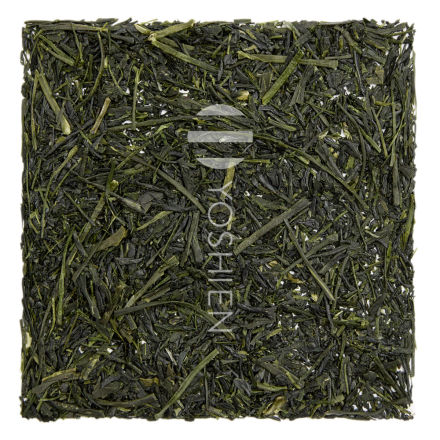
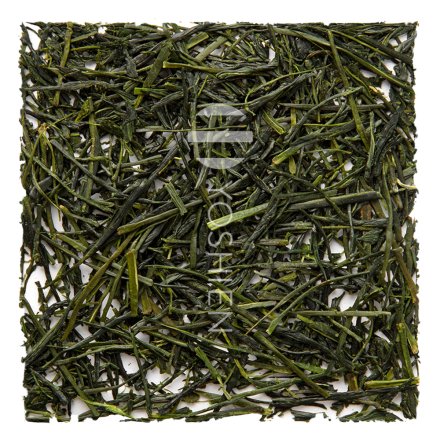
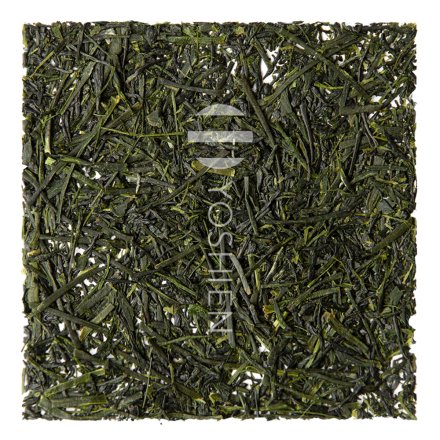
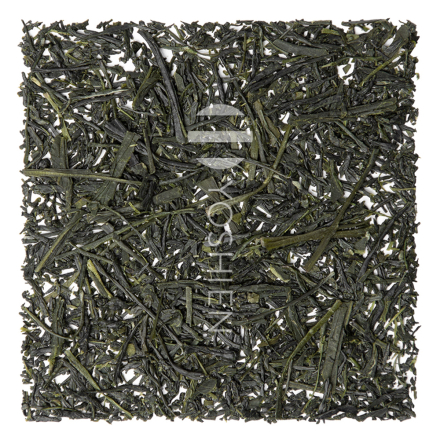
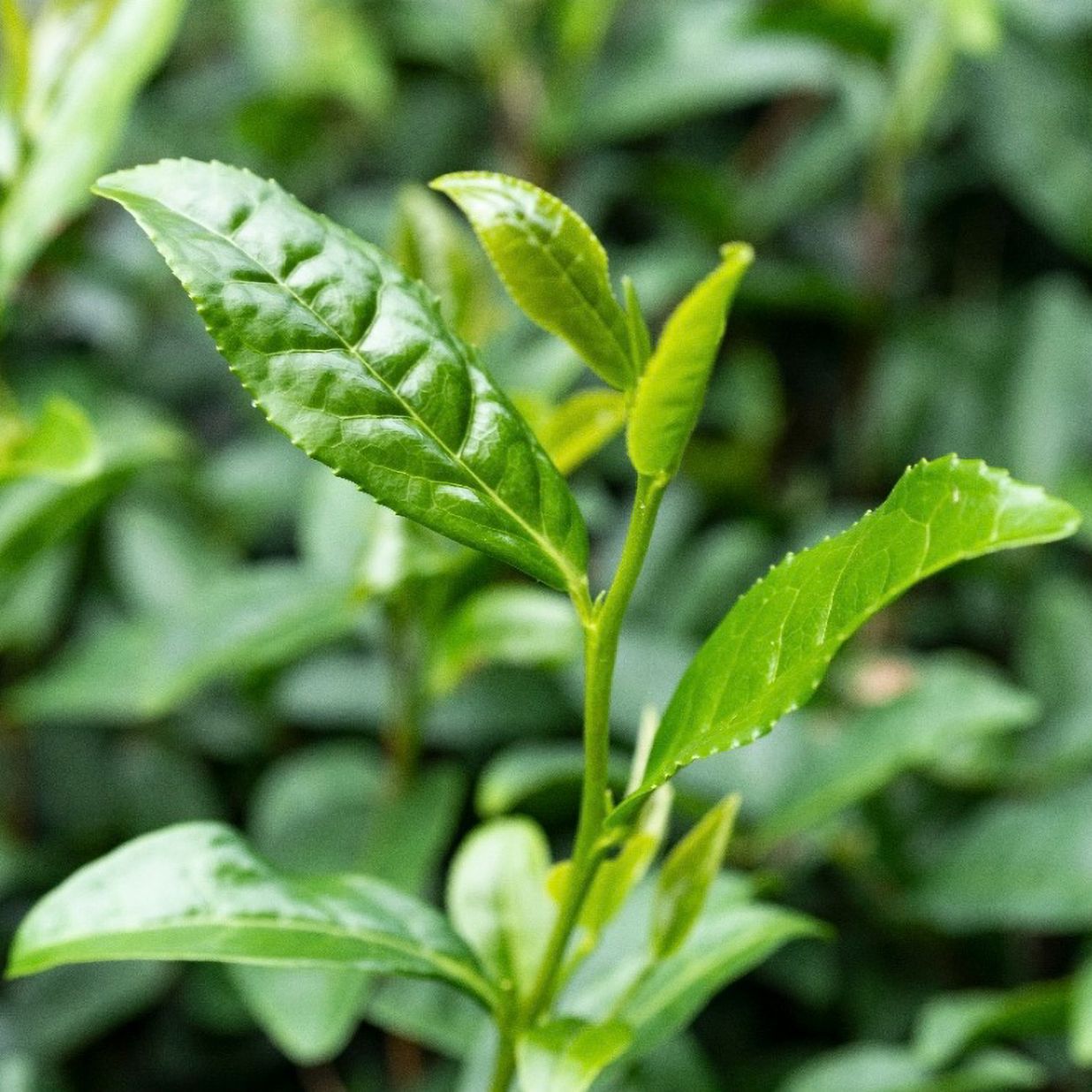
Fine, short, dark green tea leaves with a high proportion of broken leaf typical of Fukamushi Sencha

Cup

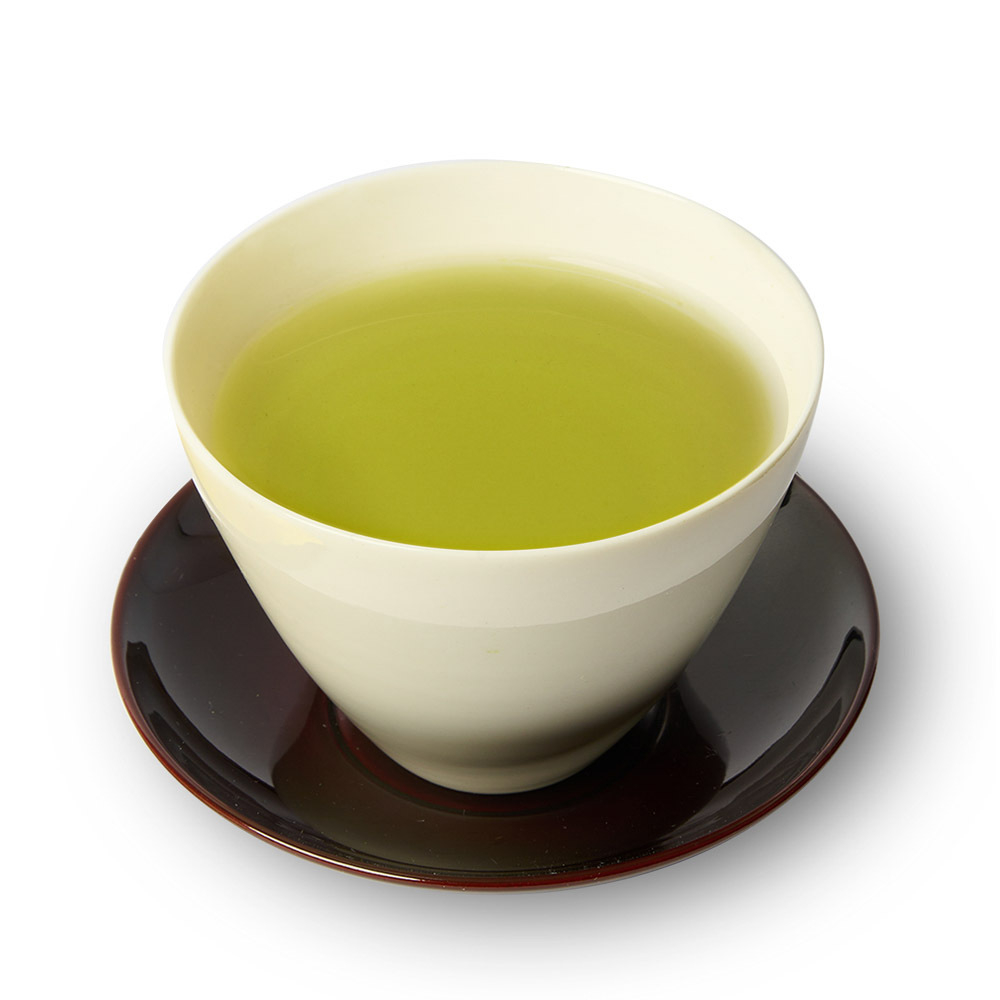
Strong, dark green infusion, like Matcha

Sencha Yame Shinsui P.Free

SENCHA

Sencha is by far the most commonly cultivated and consumed green tea in Japan and constitutes the backbone of Japanese tea traditions. The leaves are typically steamed for 10–60 seconds, dried with hot air, agitated, and via a multi-staged process rolled into flat needles. The flavour profile of Sencha is very diverse and varies between sweet, fresh and grassy to robustly bitter. The region of cultivation as well as quality of the tea play a significant role in determining flavour.

Yoshien Labortests

Labortests

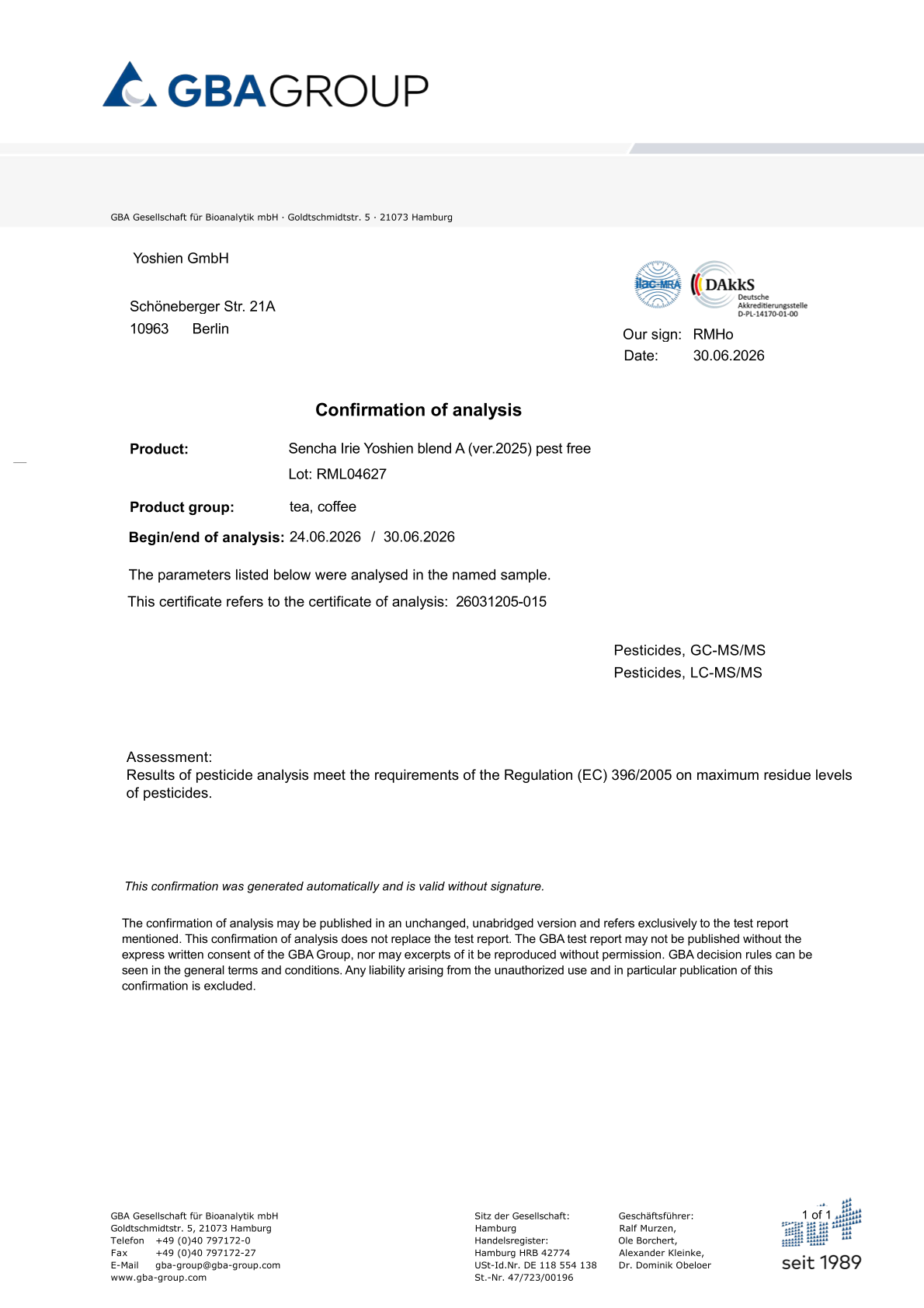
We go to great lengths to identify the finest organic tea farms across the world’s most celebrated terroirs. All our teas are sourced directly from the farmer and, with a few exceptions, are certified organic or come from pesticide-free farms. Each batch of tea for every harvest is tested for pesticides and other pollutants in an independent German lab to ensure they meet our strict quality standards as well as HACCP food safety requirements. Likewise, the regions of Japan from which we source our teas are tested for radioactivity for every harvest.

Yoshien

Yoshi En

World's Finest Organic Teas

Our comprehensive portfolio focuses on organic, single-origin teas sourced directly from renowned farms. We believe in creating partnerships with farmers who share our values and are committed to sustainable, responsible tea cultivation. Thanks to these strong relationships our exciting range is constantly growing and evolving. As an international team of dedicated and passionate tea experts, we are committed to preserving centuries-old tea culture while ensuring it remains relevant and continues to bring joy in the present. About Yoshi En.

Cultivation & Processing

Special features in location, cultivation & processing

The Tsukushi Plain, and particularly the valleys of Yame’s two main rivers, the Yabe and Chikugo, are often shrouded in dense morning fog. This provides natural protection from sunlight and encourages the tea plants to produce higher levels of umami-rich amino acids. For this reason, teas from Yame are sometimes described as “natural Gyokuro”, with an especially rich and intense umami character.

Alongside the pure mountain spring water, the rivers bring cool, humid air into the region. The frequent mist is also encouraged by the pronounced differences between warm days and cold nights – in winter, the tea bushes can even be covered in snow. Yame also receives exceptionally high rainfall, with up to 2,400mm a year. Together with the loose, sediment-rich soils, this provides the tea gardens, many of which lie on mountain slopes, with a constant supply of water. These climatic conditions and fertile soils help the plants grow strong and resilient while contributing to the unmistakably rich flavour of Yamecha.

The history of Yamecha dates back to 1423 and the Zen master Shuzui, who returned from China with knowledge of Ming-style tea cultivation and processing, including pan-firing the leaves. It was not until the Edo period, around the middle of the 19th century, that the Uji method of tea production (including steaming and shading) gradually became established. The first Sencha teas were produced at this time, although only in small quantities and largely as luxury goods.

Tea production was subsequently modernised step by step, and a tea industry gradually developed across the different growing areas of Fukuoka. In 1925, these teas were officially brought together under the name Yamecha, highlighting the distinctive quality of the region’s pan-fired and steamed green teas.

Today, alongside Uji, Yame is regarded as one of Japan’s leading tea regions and regularly receives top honours at the country’s most prestigious tea competitions. From 2001 to 2012, Yamecha won the prestigious MAFF Award from Japan’s Ministry of Agriculture, Forestry and Fisheries for Gyokuro every year, and received the same distinction in the Sencha category from 2014 to 2019.

Teas from Kurogi-cho, Kamiyo-cho and, not least, Hoshino-mura are particularly highly prized and frequently awarded. The latter is a famous mountain village whose name will be familiar to virtually every lover of fine Gyokuro.

Single Origin

This tea comes 100% from the above-mentioned tea field in Yame, sourced directly from the tea farmer.

Preparation

Preparation

3 heaped teaspoons (approx. 7g) per 100–300ml, 60°C, steep for 2 minutes.

This method yields a particularly gentle infusion that preserves valuable amino acids and vitamin C while keeping bitterness to a minimum. Suitable for up to four further infusions, steeping for 10–30 seconds each time. For subsequent infusions, we recommend increasing the water temperature to 70–80°C.

Alternatively, try the following brewing methods:

70°C, 1.5 minutes: A balance of fresh and deeper notes; intense with a slight bitterness. Higher levels of catechins and caffeine offer a balance of relaxation and revitalisation.

80°C, 1 minute: Umami and sweetness take a back seat to deep, grassy notes. A pleasantly hot drinking temperature with moderate bitterness and greater emphasis on catechins and caffeine for a more invigorating cup.

Packaging & Storage

Packaged in a high-quality, airtight, resealable zipper pouch with nine protective layers to preserve flavour and prevent oxidation. When re-sealing the bag, press out as much air as possible to keep the tea well preserved.

Recommended Tea Pot

Ideally, use a Banko Kyusu crafted from the distinctive purple Banko clay. This renowned iron-rich clay, reduction-fired during production, beautifully brings out the key flavour components of Japanese green tea – its amino acids, chlorophyll and other compounds. Due to the deeper steaming and fine leaf particles, we particularly recommend our Banko Kyusu with an integrated fine-mesh stainless steel filter at the spout.

Alternatively, a high-quality Shiboridashi – a handleless brewing vessel especially popular among Gyokuro enthusiasts – is an excellent choice for rich, umami-forward infusions.


Recommended Tea Caddy

For optimal storage, we recommend a high-quality cherry bark tea caddy (solid wood, Kabazaiku Chazutsu) or an elegant, handcrafted Kaikado metal tea caddy to keep the tea fresh for as long as possible. For a more affordable option, an internally-coated, airtight tea caddy is also an excellent choice.

Test results

We find it very important that our teas are pure and produced in a way that respects the environment. For this reason, each one of our teas is tested for pesticide residues by an independent laboratory, the results of which can be found here. Some of our teas are also tested for specific nutritional compounds, in which case the test results are also published here.
Test results

Our recommendations

Loading...
The image could not be loaded.