





SHOU PU ERH
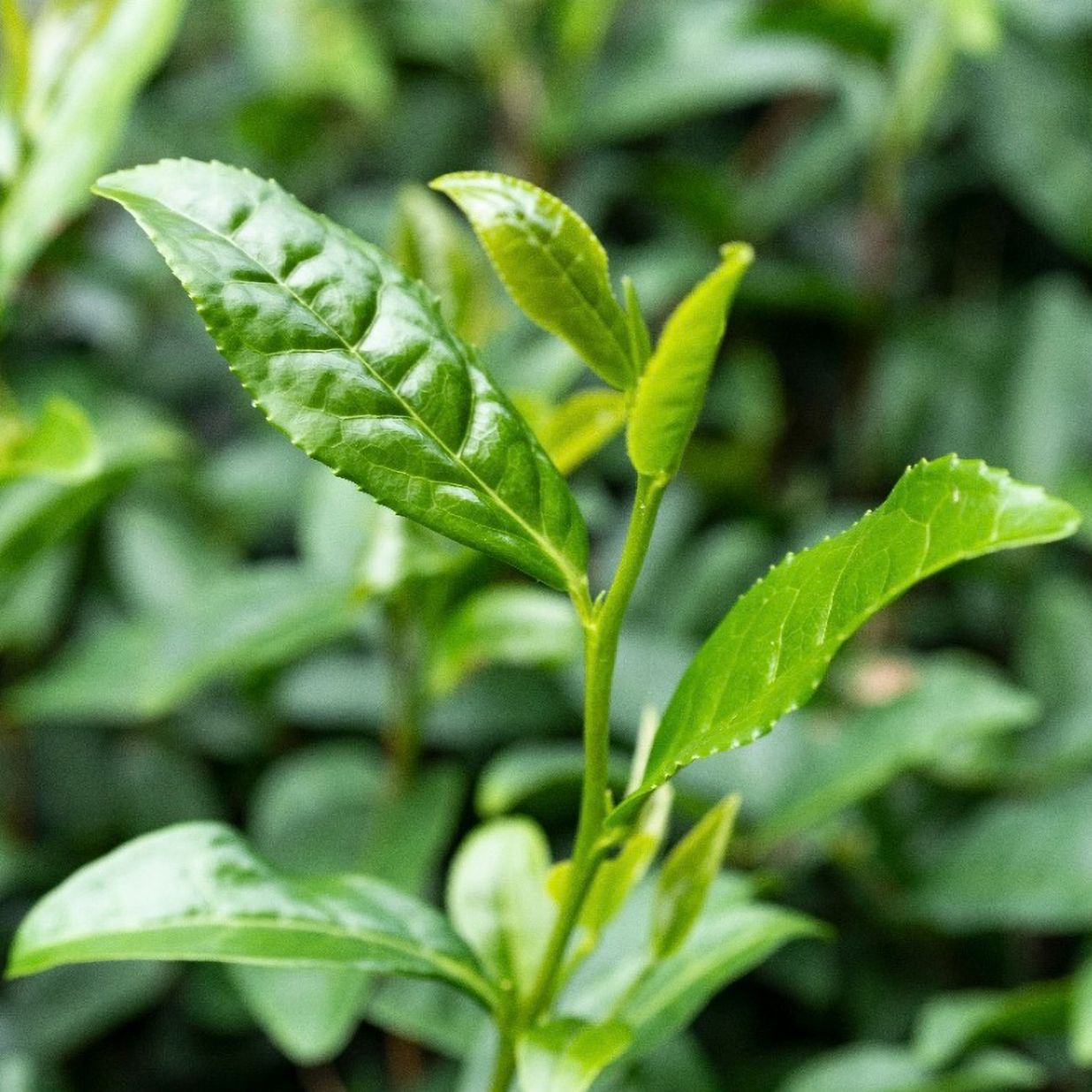
Pu Erh tea is a unique variety from Yunnan Province, China, distinguished by its special post-fermentation and ageing process. Named after the city of Pu’er, a historic tea trading hub, Pu Erh tea is classified into two main types: Sheng Pu Erh (raw Pu Erh) and Shou Pu Erh (ripe or cooked Pu Erh). Shou Pu Erh undergoes an accelerated fermentation process, developed in the 1970s to replicate the long natural ageing of Sheng Pu Erh. After harvesting, the tea leaves are withered, rolled, and fermented in large, humid piles. This process gives Shou Pu Erh its characteristic dark colour and rich, earthy aromas. Compared to Sheng Pu Erh, Shou Pu Erh has a smoother, rounder taste.
ASHWAGANDHA
Ashwagandha (Withania somnifera), also known as winter cherry or Indian ginseng, is an evergreen shrub belonging to the nightshade family (Solanaceae). Native to Asia, Africa and Southern Europe, the plant grows to a height of between 30 and 150 cm. Ashwagandha has been used in traditional Ayurvedic medicine for more than 3,000 years. The name “Ashwagandha” comes from Sanskrit and means “smell of the horse”, referring to the distinctive scent of the fresh root.
GINKGO
The ginkgo tree (Ginkgo biloba) is one of the oldest tree species in the world and is often referred to as a “living fossil”. Native to China, it can now be found across the globe. It is characterised by its distinctive fan-shaped leaves and its ability to bear both fruit and flowers at the same time. Ginkgo has been used in traditional Chinese medicine for more than 2,000 years. Its leaves contain flavonoids and terpenoids. In Asia, ginkgo has long been regarded as a symbol of hope, longevity, fertility and vitality.
CINNAMON
The cinnamon tree (Cinnamomum zeylanicum), a member of the laurel family, is renowned for its versatility far beyond its native Southeast Asia. As early as 2000 BC, the ancient Egyptians used cinnamon for embalming, and it has been valued in China and India for centuries for its various health benefits. The cinnamon tree must grow for several years before its trunk is cut, from which new shoots emerge and are harvested after two years. The bark is then peeled, naturally curling into the familiar cinnamon sticks we know today.
TURMERIC
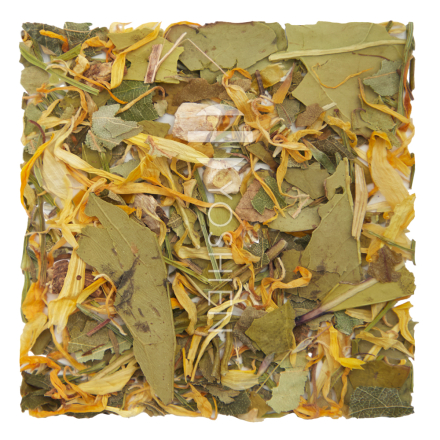
Turmeric (Curcuma longa) is a tropical plant from the ginger family. Originally native to South Asia, it is now cultivated in many tropical regions worldwide. The vibrant yellow root is dried and ground for use as a spice and natural dye. In traditional medicine, particularly Ayurveda, turmeric has been used for thousands of years. The root contains curcumin, the compound responsible for its distinctive colour. Turmeric is a key ingredient in curry powder, giving many dishes their characteristic yellow hue.
MOUNTAIN TEA
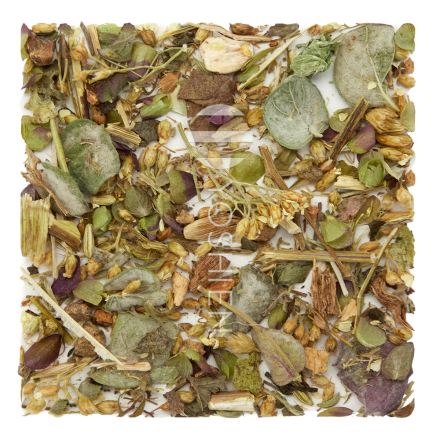
Mountain tea (Sideritis scardica) is native to the mountains of the Balkan Peninsula, including Bulgaria, Greece, and Albania. For centuries, shepherds have enjoyed this tea while tending their flocks. Depending on the terroir, mountain, and altitude, the plant develops different compounds and flavours. The highest quality mountain tea comes from plants growing at altitudes above 1200 metres. For premium mountain tea, only the upper, most succulent stems and the full, thorny umbels are hand-harvested and then gently air-dried to preserve their natural properties.