

Sencha Kirishima Fumoto Organic

Contest Grade 99 P.

SKU
0525-bio
An intense organic Sencha from Kirishima with a vibrant, juicy character, deep green grassy notes and fruity aromas of ripe stone fruits. Rich umami, a delicate bitterness and a long, lingering fruity finish give this tea remarkable depth. 80g
Character Intense, juicy and full-bodied, with lush grassy notes, hints of stone fruit, rich umami, subtle bitterness, gentle astringency, natural sweetness and a lingering finish
Tea Farm Third-generation family-run tea farm in Kirishima. The tea gardens are situated on a volcanic high plateau. Since 2013, the farm has been steadily expanding its organic cultivation practices.
Terroir Kirishima, Kagoshima Prefecture, Japan
Harvest 1st harvest (Ichibancha) 2026
Cultivar Saemidori, Asanoka, Yabukita
Elevation Approx. 250m above sea level
Shading Approx. 10 days, Jikagise direct shading (2-layer)
Steaming Deep (Fukamushi, 85 sec.)
Cultivation Certified organic cultivation since 2015
Laboratory Tests Radioactivity (annual regional test), plant protection products, heavy metals and aluminium
Grade 99/100 P. (Sencha category); Contest Grade
€36.90
80g

Delivery : up to 5 business days

Incl. VAT, excl. shipping

SKU
0525-bio
€461.25 / 1kg
In stock
Organic Sencha Kirishima Fumoto Organic Sencha Kirishima Fumoto Organic Sencha Kirishima Fumoto Organic Sencha Kirishima Fumoto

Tea Farm

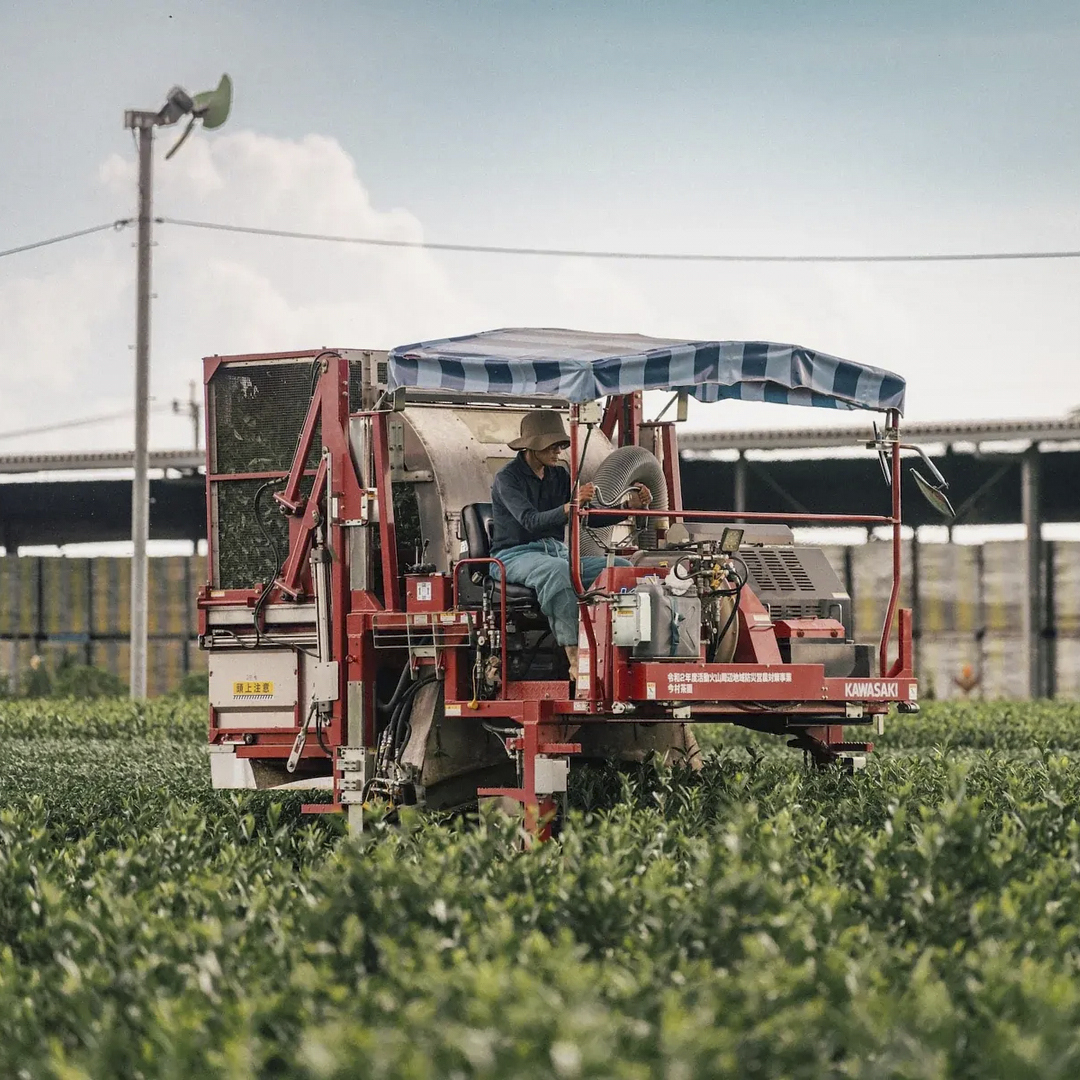
At the heart of this tea farm is the harmonious balance of nature, craftsmanship and thoughtful innovation. Every stage of cultivation is guided by meticulous care, from nurturing the volcanic soil with mature compost and natural ferments, to protecting the tea plants with homemade extracts of neem berries and koji. Elaborate shading techniques before harvest give the leaves their deep sweetness and unmistakable umami.

Immediately after harvesting, the leaves are carefully processed without delay to preserve their precious aromas. Through precise steaming, traditional rolling and meticulous sorting, the leaves gradually take on their distinctive needle-like shape. A gentle final roasting completes the process, giving the tea its deep, lingering finish. The result is a pure, natural product that captures the essence of the soil and the dedication of its makers in every cup.

Organic Sencha Kirishima Fumoto

Character

Tasting Notes

This Sencha from Kirishima impresses with its remarkable depth and the rich, full-bodied character of a deeply steamed Fukumushi Sencha. From the very first sip, it is intense and juicy. A pronounced yet beautifully balanced bitterness adds a lively edge, intertwining with the deep green aroma of freshly cut grass. Unexpectedly fresh, delicate fruity notes bring a welcome lightness to its bold character.

With each sip, the tea reveals greater depth and complexity. Rich umami meets a gently astringent structure and remarkable juiciness. Gradually, fruity aromas emerge, reminiscent of a refined compote of fully ripened stone fruits: lush, clear and carried by a natural sweetness. The long, lingering finish retains this fruitiness, harmoniously blending with the bold, grassy notes so characteristic of Kagoshima.

Leaf

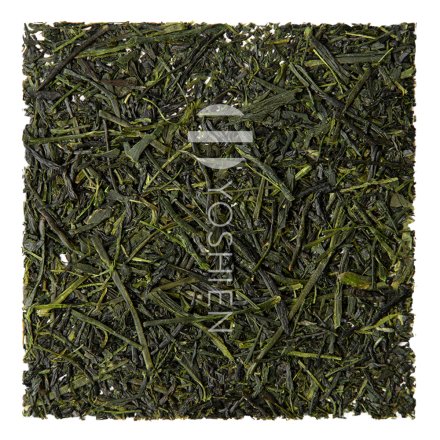
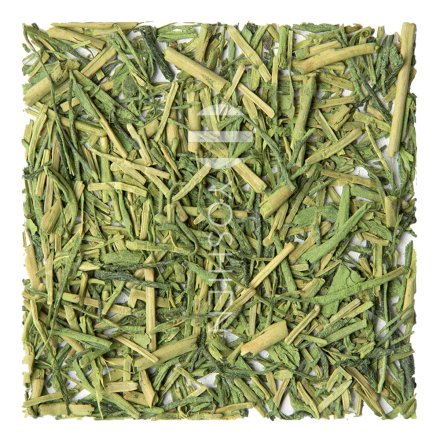
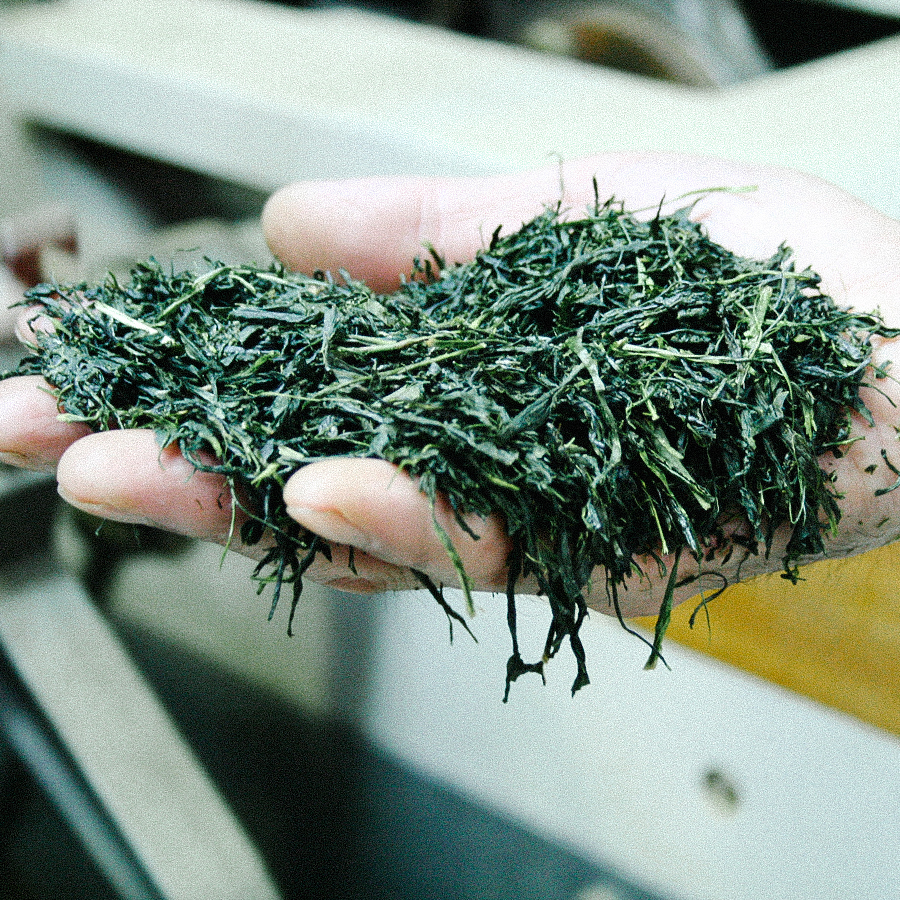
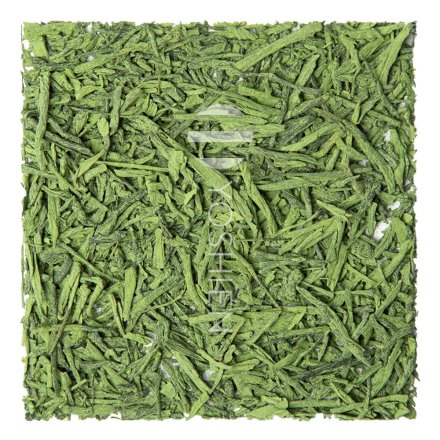
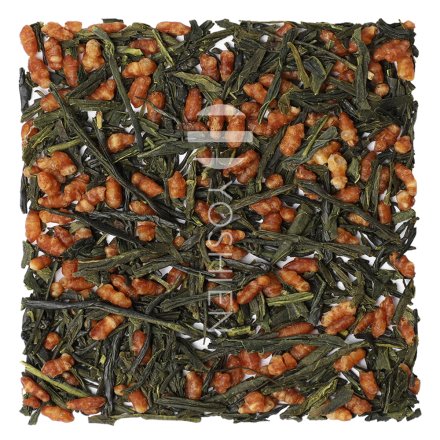
Fine, vibrant green, needle-shaped leaves with a high proportion of broken leaf fragments (due to the deep steaming process)

Cup

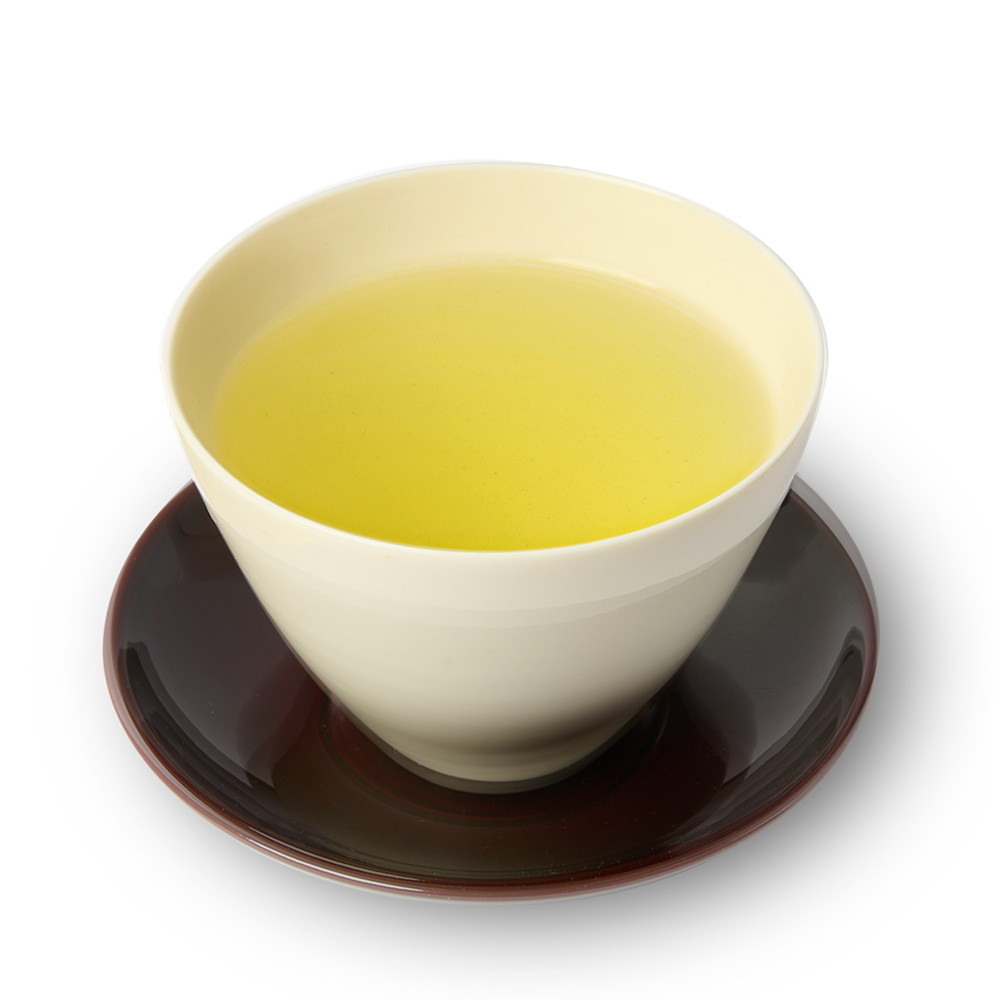
Rich yellow-green colour with a cloudy infusion

Organic Sencha Kirishima Fumoto Organic Sencha Kirishima Fumoto

Sencha

Sencha is by far the most widely grown and consumed green tea in Japan, forming the very backbone of Japanese tea culture. Traditionally, the leaves are steamed for 10–60 seconds immediately after harvesting, then dried with hot air, shaken and rolled in several stages into small, flat needles. Sencha offers a remarkably diverse flavour profile, ranging from sweet, fresh and grassy notes to bold, pleasantly bitter nuances. The growing region and quality of the tea play a significant role in shaping its individual character.

Yoshien Labortests

Laboratory Tests

We go to great lengths to identify the finest organic tea farms across the world’s most celebrated terroirs. All our teas are sourced directly from the farmer and, with a few exceptions, are certified organic or come from pesticide-free farms. Each batch of tea for every harvest is tested for pesticides and other pollutants in an independent German lab to ensure they meet our strict quality standards as well as HACCP food safety requirements. Likewise, all the regions of Japan from which we source our teas are tested for radioactivity for every harvest.

Yoshien

Yoshi En

World's Finest Organic Teas

Our comprehensive portfolio focuses on organic, single-origin teas sourced directly from renowned farms. We believe in creating partnerships with farmers who share our values and are committed to sustainable, responsible tea cultivation. Thanks to these strong relationships our exciting range is constantly growing and evolving. As an international team of dedicated and passionate tea experts, we are committed to preserving centuries-old tea culture while ensuring it remains relevant and continues to bring joy in the present. About Yoshi En.

Cultivation & Processing

Cultivation

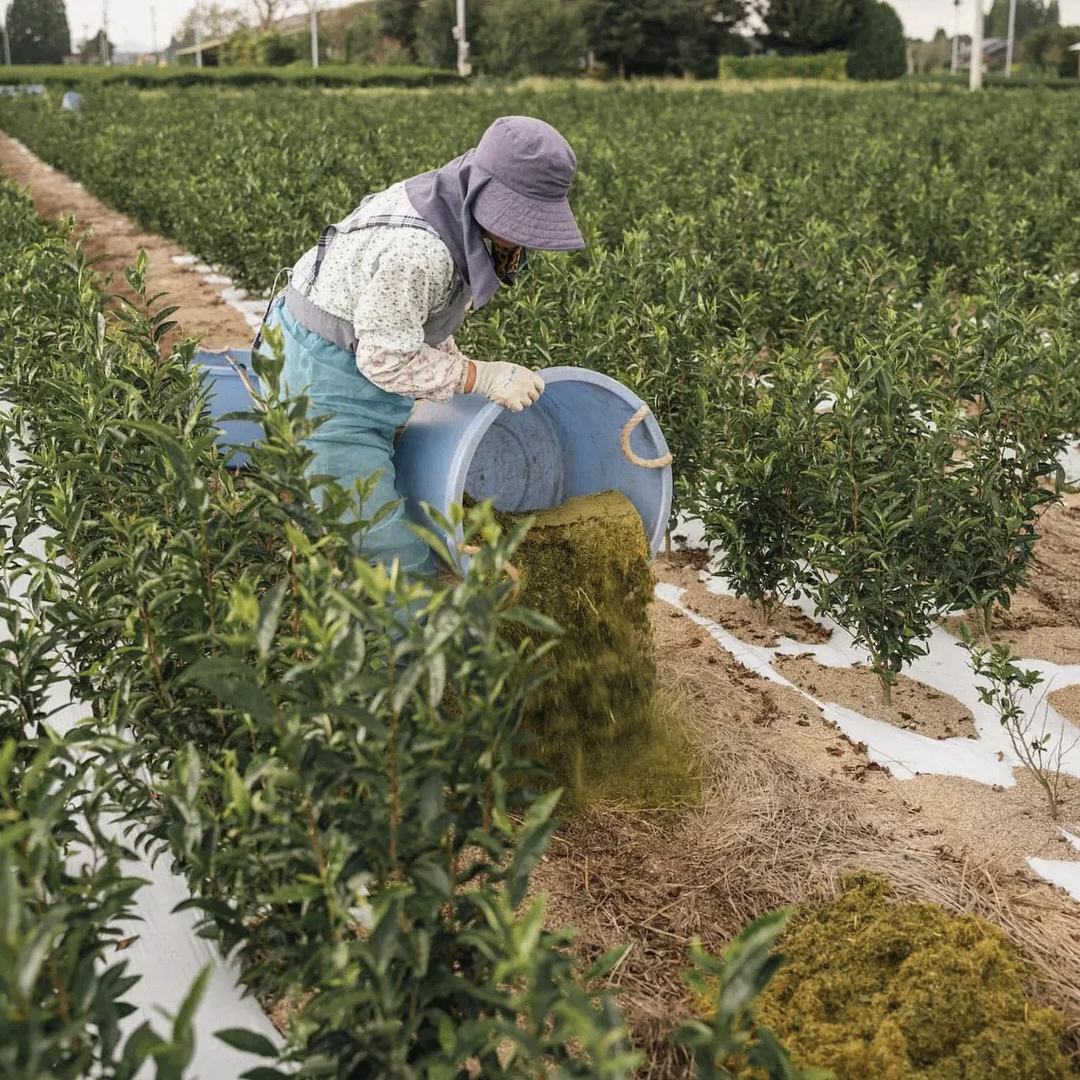
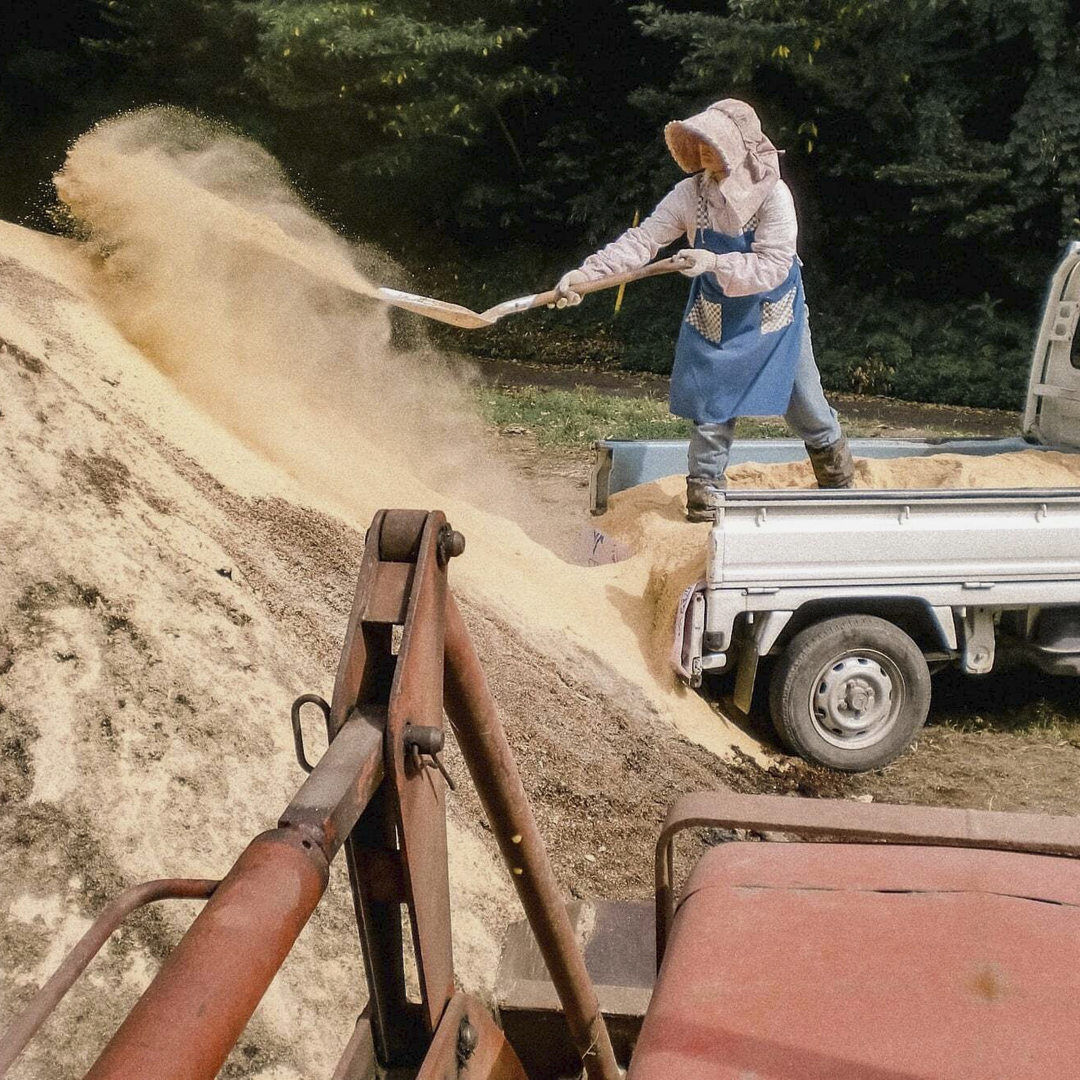
Long before the first shoots emerge, the work begins with careful soil preparation. Organic compost made from rice straw, fallen leaves and rice husks, matured over decades, forms the foundation of nutrient-rich soil. Through microbial fermentation and temperatures exceeding 60°C, pests and weed seeds are naturally reduced.

Once planted, the young tea plants take around five years to establish themselves and develop a strong root system. A layer of rice husk mulch protects the soil and supports healthy growth. Plant protection also follows ecological principles: homemade fermented preparations based on neem, rice koji and yeast help keep pests at bay naturally and gently.

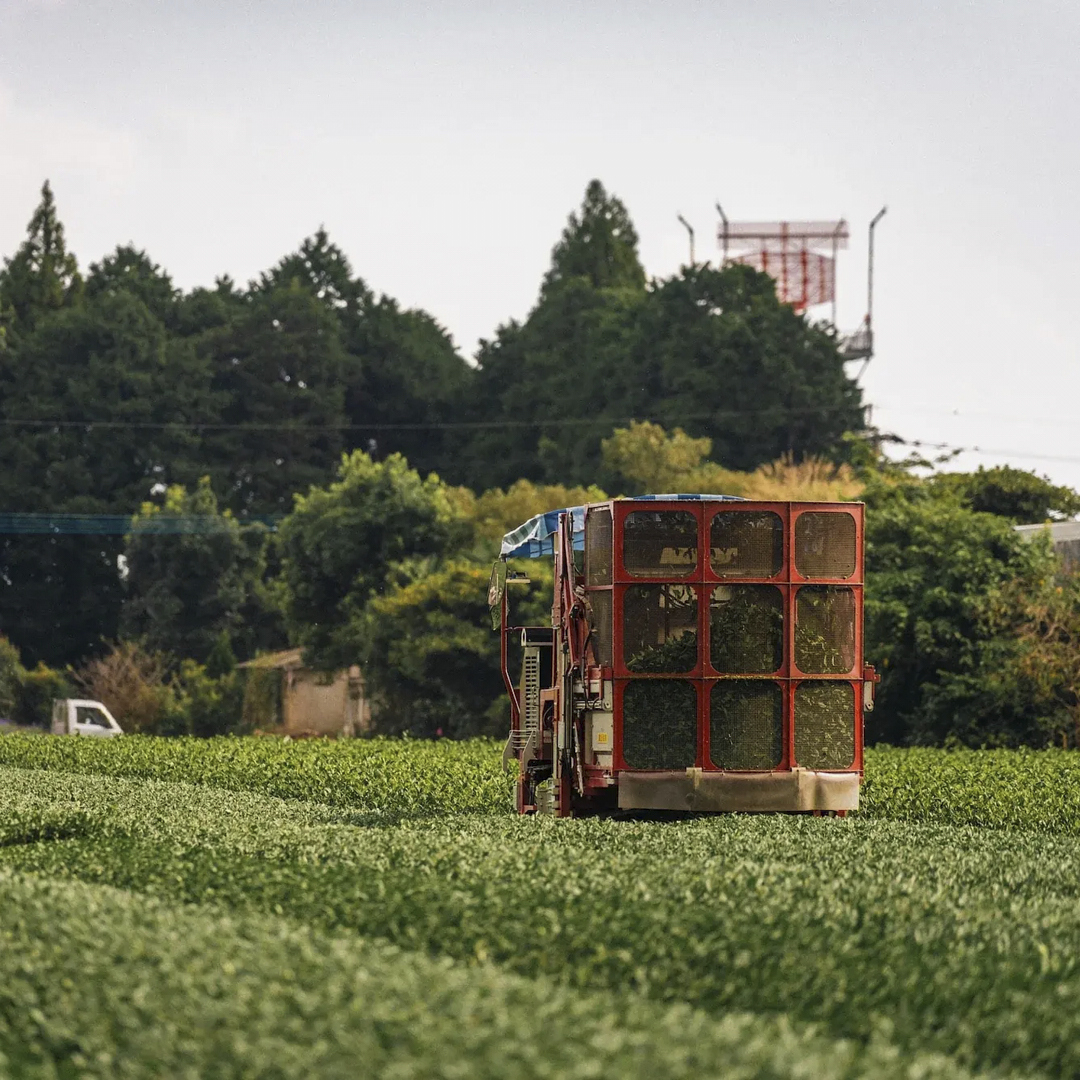
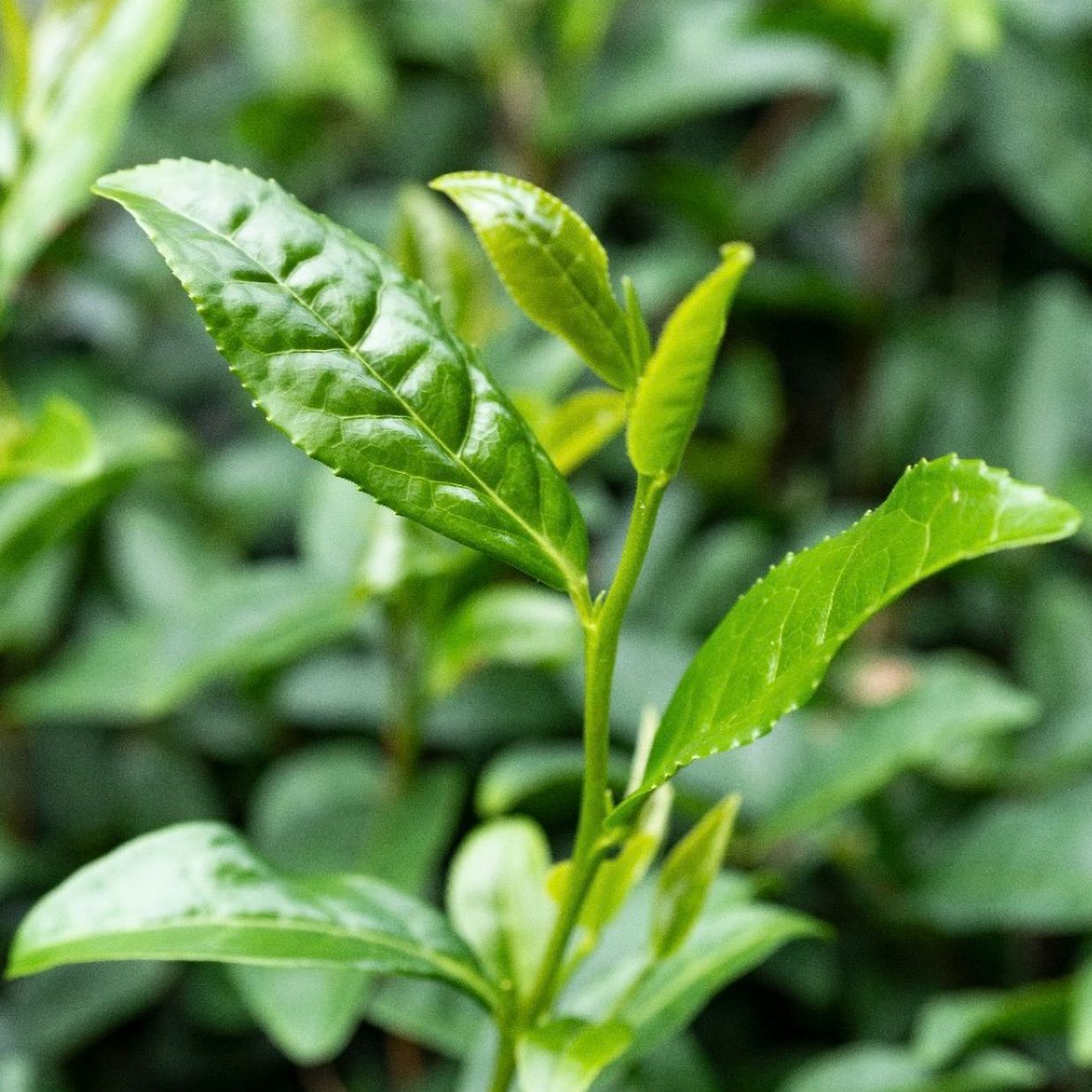
During the cold winter months, specialised sprinkler systems and frost protection fans shield the delicate buds from frost damage. Ahead of the spring harvest, the tea fields are carefully shaded to reduce astringency while enhancing umami and natural sweetness. Harvesting is selective, guided by the maturity and height of the young shoots to ensure only high-quality leaves are picked.

Processing & Refinement

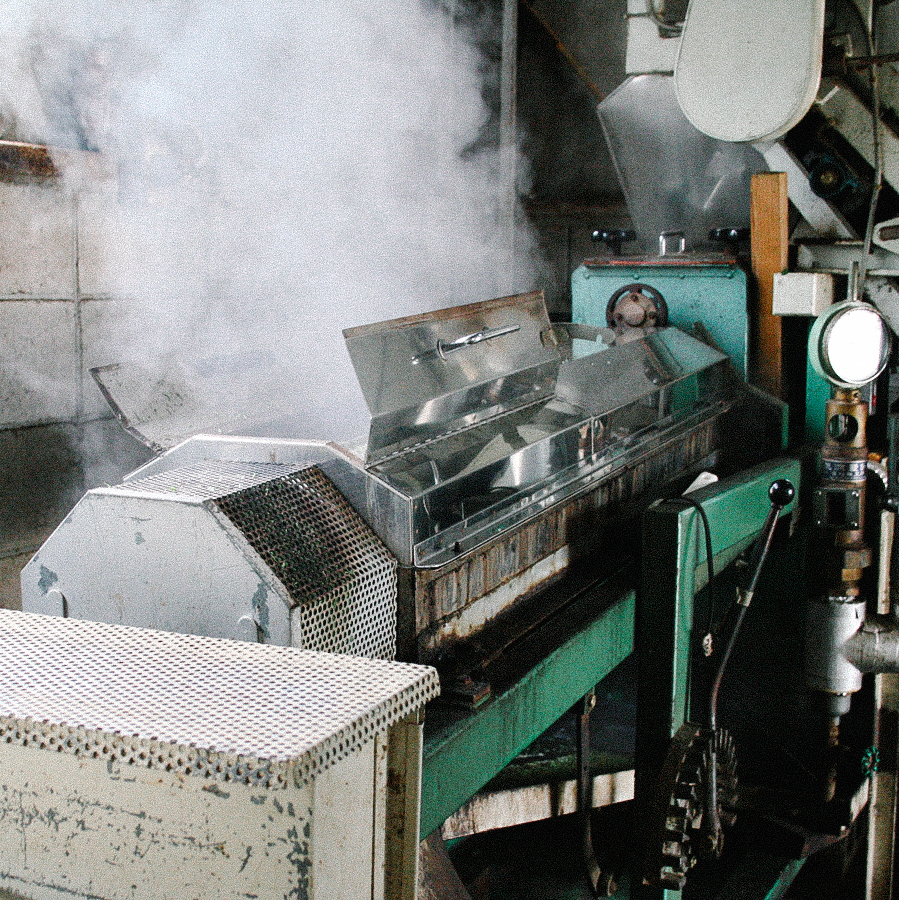
Immediately after harvesting, the initial processing begins, halting oxidation and preserving the leaves’ characteristic green colour and fresh aroma. The leaves are promptly steamed, followed by a series of mechanical processing steps, including the rotorvane method, which helps create a more uniform leaf structure.

Through several carefully coordinated stages of rolling and drying, the leaves are gradually shaped and their moisture content reduced. Pressure and temperature are precisely controlled until the leaves develop the fine, needle-like shape characteristic of Japanese green tea. A final drying stage brings the moisture content of the unrefined tea down to approximately 5%.

During the subsequent refining process, the leaves are sorted by size through a series of increasingly fine sieves, while optical colour sorters remove even the smallest stems and foreign particles. In a process known as Gokumi, different batches of tea are blended to create a harmonious, complex flavour profile with remarkable depth. This is followed by a final roasting stage, known as firing, which reduces the remaining moisture content to approximately 2%. At the same time, delicate sweet aromas develop, along with a long, lingering finish known in Japanese as Yoin.
Preparation

Brewing Guide

3 heaped teaspoons (approx. 7g) per 100–300ml water, 60 °C, steep for 2 minutes.

This method yields a particularly gentle infusion that preserves valuable amino acids and vitamin C, while remaining mild in bitterness. Suitable for up to four further infusions, each with a steeping time of 10–30 seconds (we recommend increasing the temperature to 70–80 °C for subsequent infusions).

• 70°C, 1.5 minutes: A balance of fresh and deep flavours, intense and slightly bitter, with greater extraction of catechins and caffeine (a balance of relaxing and revitalising).
• 80°C, 1 minute: Umami and sweetness take a back seat to deep, grassy notes. A pleasantly warm drinking temperature, moderate bitterness and an emphasis on catechins and caffeine (invigorating).

Packaging

Packed in a high-quality, airtight flavour-preserving bag with a zipper and stand-up base. A special nine-layer coating ensures maximum protection against oxidation and contaminants.

Recommended Teapot

A Tokoname Kyusu is an ideal choice, as it brings out the key flavour components of green tea – its amino acids, chlorophyll and other valuable compounds – in perfect balance.

Recommended Storage

We recommend a high-quality tea caddy made from cherry bark (solid wood, Kabazaiku Chazutsu) or an elegant, handcrafted Kaikado metal tea caddy, especially to keep the tea fresh for a longer amount of time. As a more affordable alternative, an airtight tea caddy with an inner coating is also an excellent option.

Our recommendations

Loading...
The image could not be loaded.