

Tea Tuesday at Yoshi en: Get 10% off everything! CODE:
Kyusu Banko
Nasubi

Shimizu Jun

SKU
0590
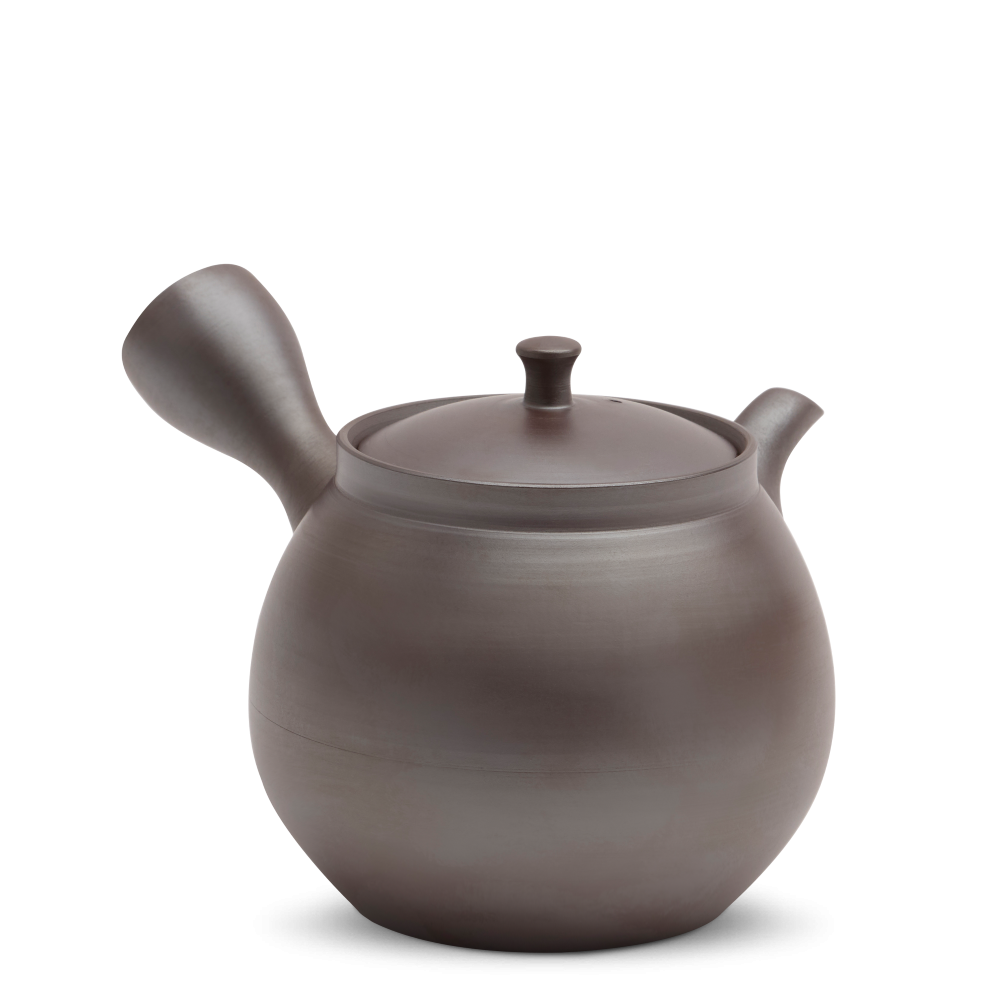
Handcrafted by Shimizu Jun of the acclaimed Suigetsu Banko-yaki lineage, this exceptionally smooth, aubergine-shaped side-handled Kyusu teapot showcases the natural, lustrous sheen of unglazed purple-brown Banko clay. Its generous size makes it ideal for brewing and sharing larger servings of premium Japanese green tea.
Item Side-handle teapot
Maker Shimizu Jun
Style Banko-yaki
Origin Yokkaichi, Mie, Japan
Volume 370ml (approx.)
Dimensions Ø9.5 x 8.3cm (approx.)
Material Unglazed clay
Strainer Ceramic ball filter
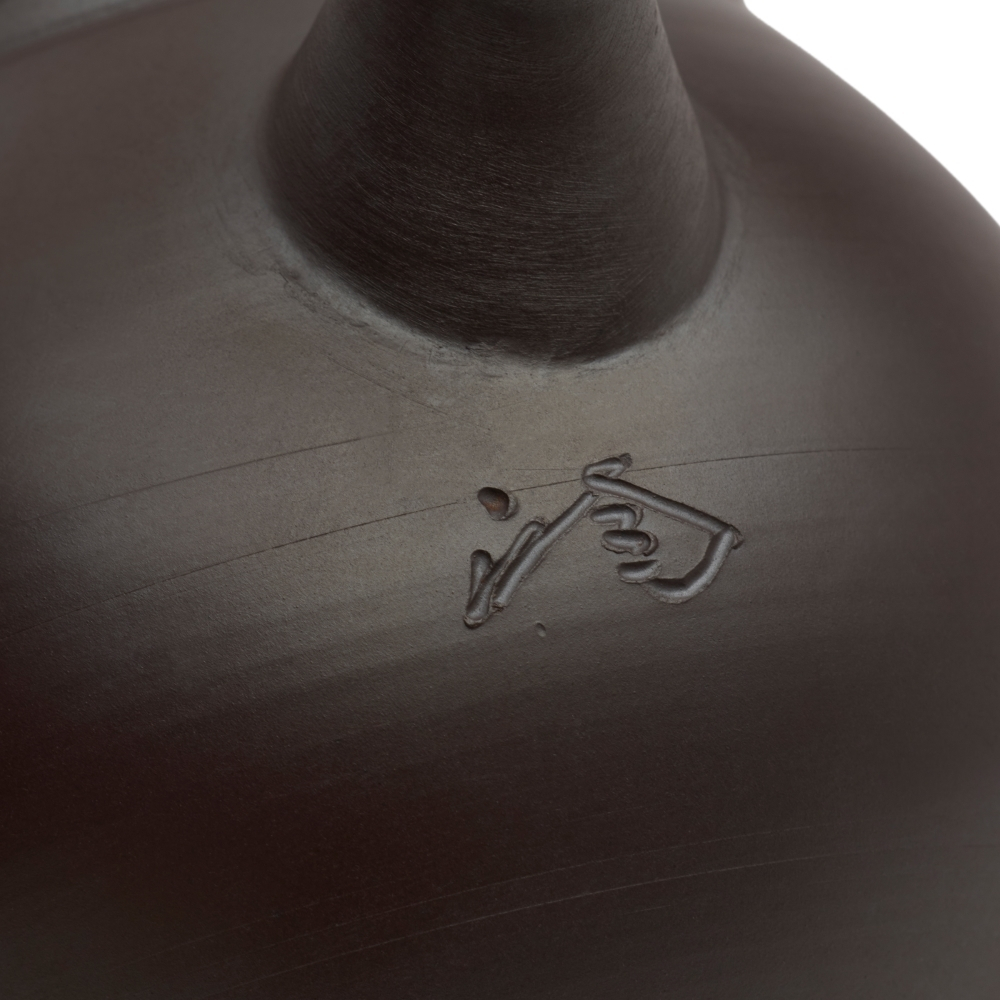
Artist's mark Signature below handle
Packaging Signed wooden box (Tomobako)


Each item is handmade and unique therefore measurements vary. Please find further notes on volume at the end of the page.

€269.90

Delivery : up to 5 business days

Incl. VAT, excl. shipping

SKU
0590
In stock
Kyusu Banko Shimizu Jun Nasubi

Shimizu Jun 清水 潤

Born in Yokkaichi, Mie Prefecture, in 1973, Jun Shimizu is a contemporary ceramic artist and the eldest son of Suigetsu Shimizu III (b. 1944), head of the historic Banko-yaki studio Suigetsu Tōen (醉月陶苑), founded in 1900. After graduating with a degree in ceramics from Tamagawa University’s Department of Art in 1995, Shimizu trained under his father and was certified as a Traditional Craftsman (Dentō Kōgeishi) in 2018. Today, he works at the family kiln alongside his parents and younger brother, bringing a clean, modern aesthetic to the centuries-old Banko tradition while also gaining acclaim for his fine porcelain works.

Kyusu Banko Shimizu Jun Nasubi

Kyusu 急須

The traditional Japanese teapot, Kyusu are typically made of ceramics with a side handle placed at a 90° angle to the spout for ease of pouring – however the handle can also be found over the top or in the back. Kyusu are perfect for preparing green teas and tend to be on the small side to prevent overbrewing. Depending on the size, shape and type of clay a Kyusu is made from will determine what type of tea is best prepared in it. There are many different regional styles as well as Kyusu made by certified master craftsmen, which are prized amongst collectors.

Kyusu Banko Shimizu Jun Nasubi

Banko Yaki 萬古焼

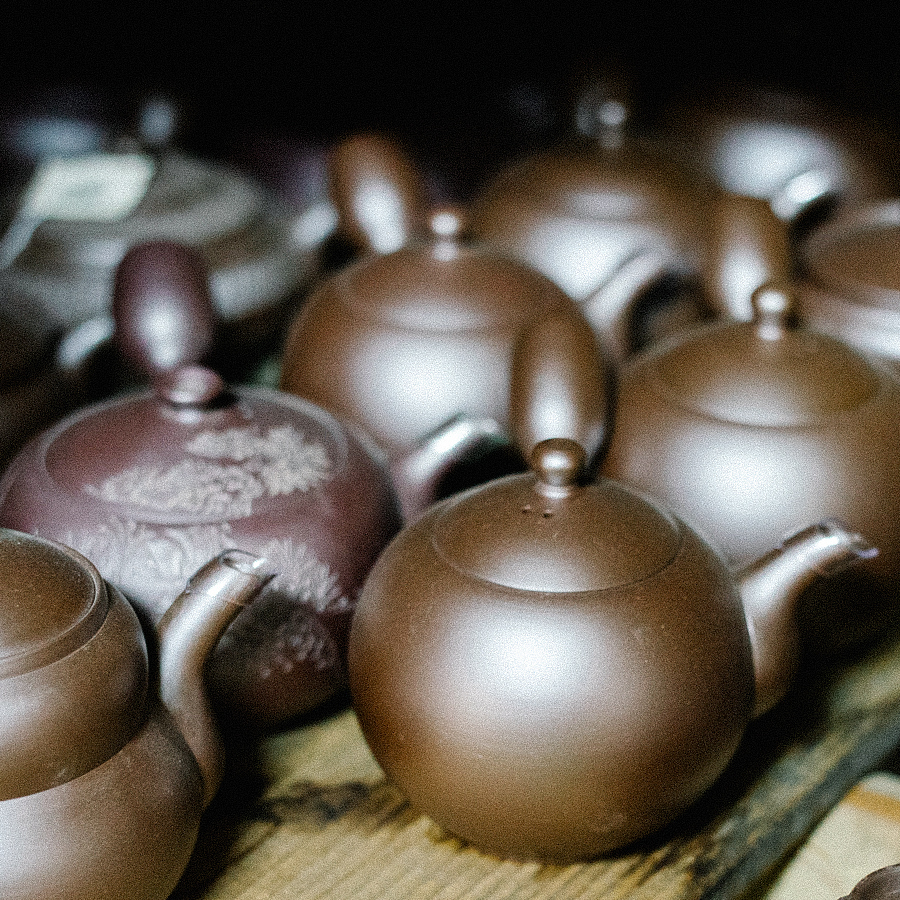
Merchant and passionate Chajin (“tea person”) Nunami Rozan is credited as the founding father of Banko-yaki. Back in the 18th century he opened a kiln in what is now Asahi-machi, Mie prefecture, stamping his wares with 萬古不易 – banko-fueki : “eternally unchanging” – in the hope that his ceramics would be passed down across generations forever. Today Banko-yaki is still produced in the Mie prefecture, primarily in the city of Yokkaichi, and is a protected traditional craft of Japan. Synonymous with Banko is the local, iron-rich Shidei "purple clay", which when baked in a high-temperature reduction furnace becomes very heat resistant and turns the characteristic deep violet-brown of Banko-yaki, with an almost metallic sheen. It is said that the tannins in green tea react with the iron in unglazed shidei teaware to soften the astringency of the tea, highlighting its sweetness; therefore umami-rich teas such as Sencha, Kabusecha and Gyokuro come highly recommended when using Banko.

Care

Banko ceramics quickly develop a patina and become more glossy with use. Fingerprints may be noticeable during the first few months of use, but these will fade as the surface deepens in character. When cleaning, hand-wash with warm water only and a soft cloth, then leave to air dry naturally. Do not use detergents or put in the dishwasher. Hard water may cause limescale deposits to develop, in which case rinse with soft bottled water, then wipe with a soft cloth.

Product Details

product-details

Due to the nature of Banko clay and the firing process, each piece is unique and natural variations occur; we therefore make every effort to provide a volume with a margin of error no greater than ±50ml. The volume reflects the full capacity of the teapot when filled to the brim with water and no tea leaves. Please note that for Japanese Kyusu, the recommended functional brewing capacity is 50–75% of the full volume.

Our recommendations

Loading...
The image could not be loaded.