

Tea Tuesday at Yoshi en: Get 10% off everything! CODE:
Kyusu Banko
Hiramaru

Chihiro Hirose

SKU
0589
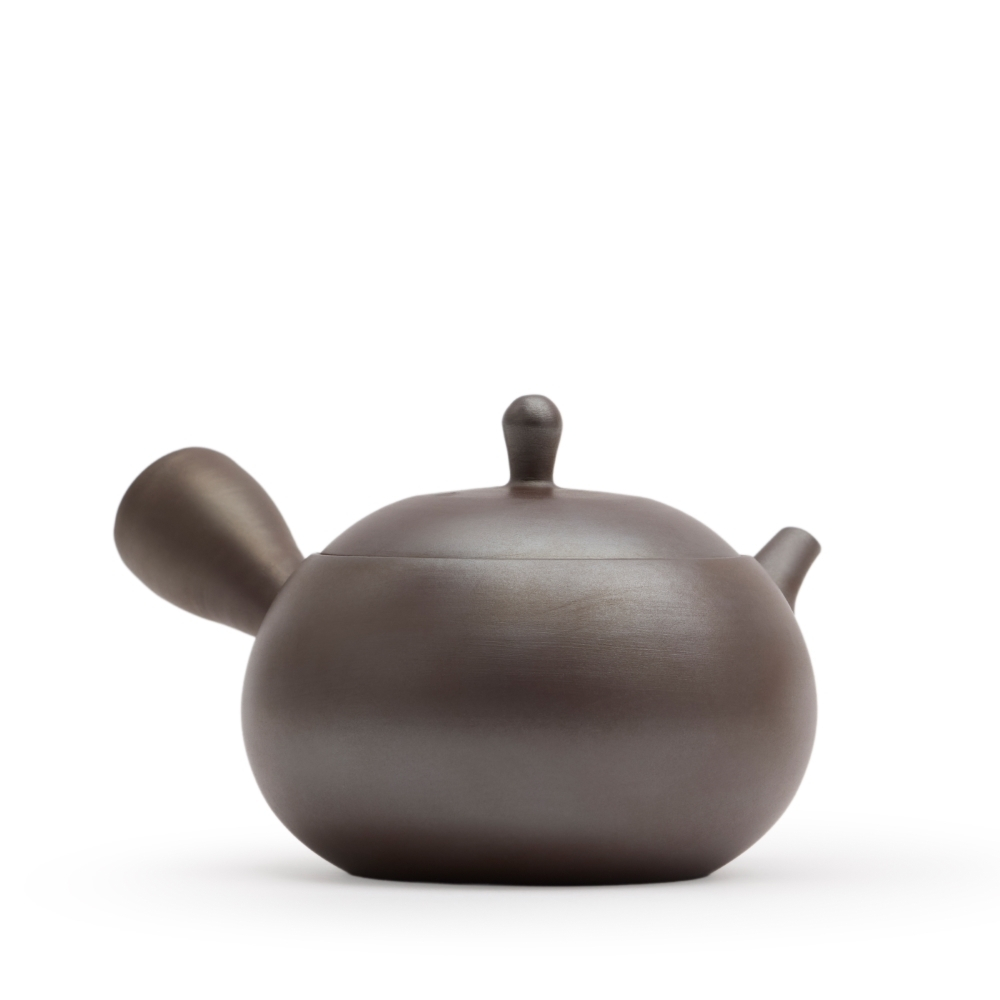
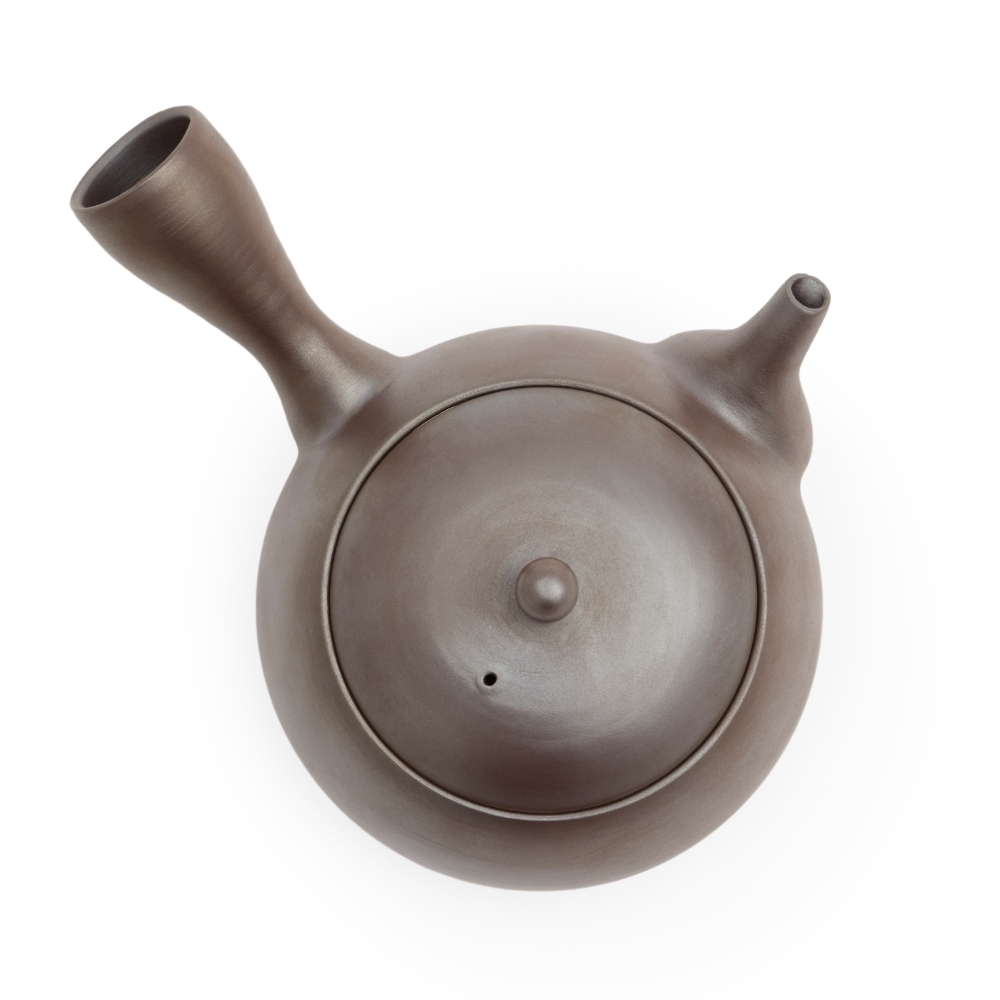
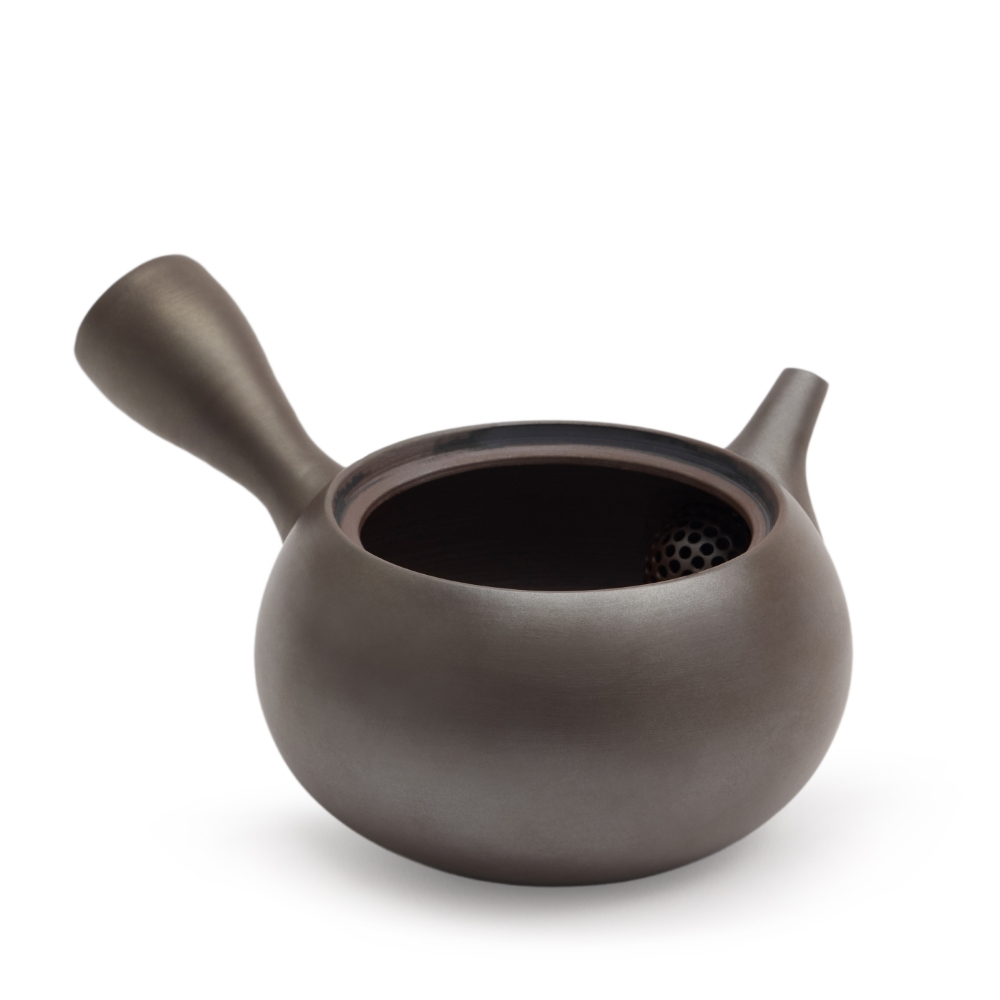
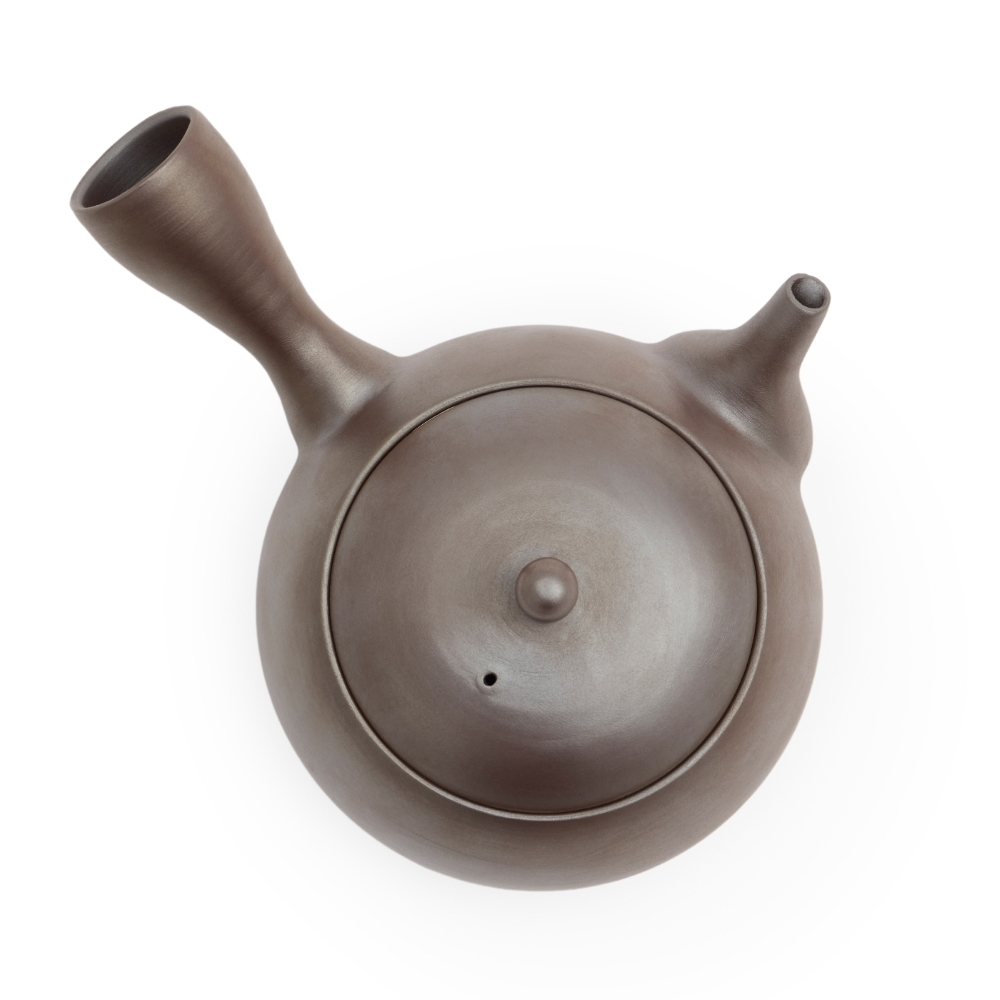
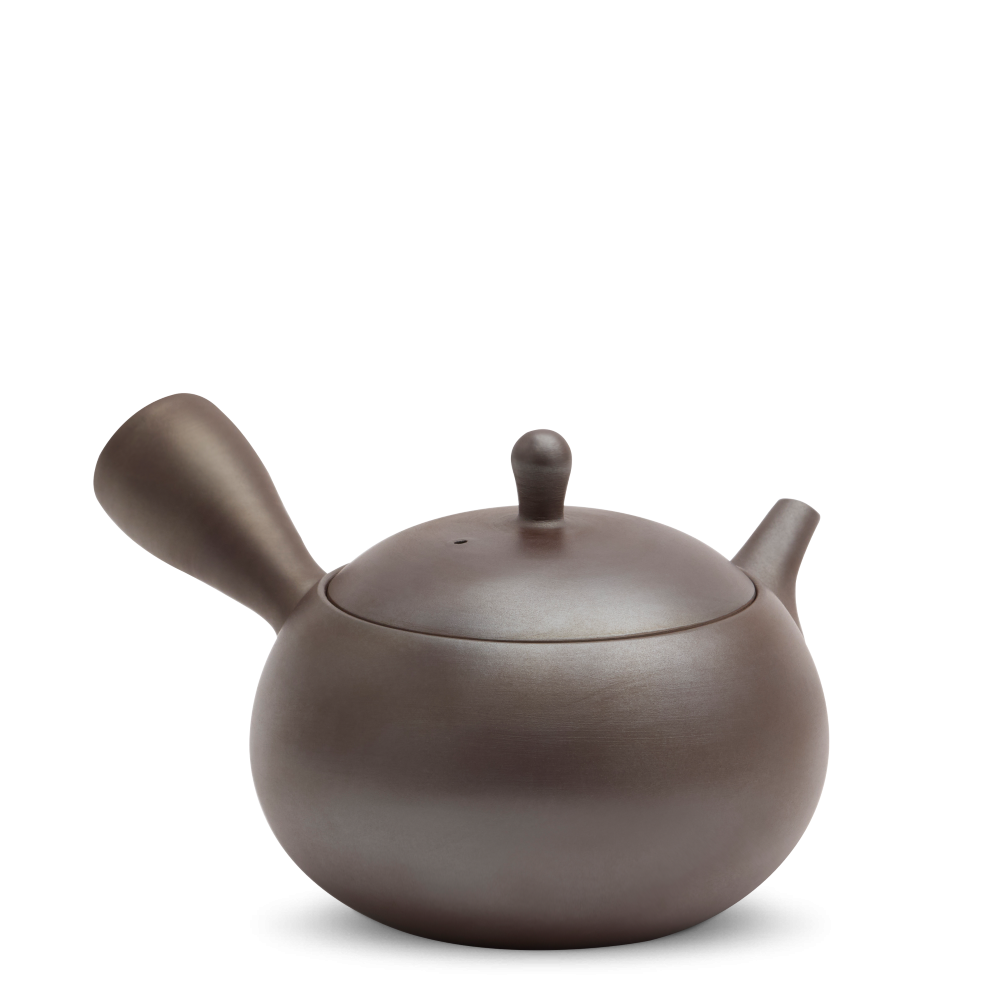
Handcrafted from unglazed Banko clay by up-and-coming potter Chihiro Hirose, this sturdy side-handled Kyusu teapot features an inbuilt ceramic strainer and a charming chestnut-like silhouette. Its generous size and balanced weight make it ideal for the daily enjoyment of all kinds of Japanese green tea.
Item Side-handle teapot
Maker Chihiro Hirose
Style Banko-yaki
Origin Yokkaichi, Mie, Japan
Colour Purple-brown
Volume 220–280ml (see note)
Dimensions Ø9 x 6cm (approx.)
Material Unglazed purple clay
Strainer Ceramic ball filter
Packaging Cardboard box


Each item is handmade and unique therefore measurements vary. Please find further notes on volume at the end of the page.

€89.90

Delivery : up to 5 business days

Incl. VAT, excl. shipping

SKU
0589
In stock
Kyusu Banko Chihiro Hirose Hiramaru

Hirose Chihiro 廣瀬千尋

Born in Matsusaka City, Mie Prefecture, in 1983, Chihiro Hirose is a contemporary Banko-yaki potter. Originally graduating in graphic design in 2004, she completed a Banko ware artisan training programme in 2015. Today, she focuses on mastering the intricacies of Kyusu-making, bringing a graphic designer's touch to a centuries-old ceramics tradition.

Kyusu Banko Chihiro Hirose Hiramaru

Kyusu 急須

The traditional Japanese teapot, Kyusu are typically made of ceramics with a side handle placed at a 90° angle to the spout for ease of pouring – however the handle can also be found over the top or in the back. Kyusu are perfect for preparing green teas and tend to be on the small side to prevent overbrewing. Depending on the size, shape and type of clay a Kyusu is made from will determine what type of tea is best prepared in it. There are many different regional styles as well as Kyusu made by certified master craftsmen, which are prized amongst collectors.

Kyusu Banko Chihiro Hirose Hiramaru

Banko Yaki 萬古焼

Merchant and passionate Chajin (“tea person”) Nunami Rozan is credited as the founding father of Banko-yaki. Back in the 18th century he opened a kiln in what is now Asahi-machi, Mie prefecture, stamping his wares with 萬古不易 – banko-fueki : “eternally unchanging” – in the hope that his ceramics would be passed down across generations forever. Today Banko-yaki is still produced in the Mie prefecture, primarily in the city of Yokkaichi, and is a protected traditional craft of Japan. Synonymous with Banko is the local, iron-rich Shidei "purple clay", which when baked in a high-temperature reduction furnace becomes very heat resistant and turns the characteristic deep violet-brown of Banko-yaki, with an almost metallic sheen. It is said that the tannins in green tea react with the iron in unglazed shidei teaware to soften the astringency of the tea, highlighting its sweetness; therefore umami-rich teas such as Sencha, Kabusecha and Gyokuro come highly recommended when using Banko.

Care

Banko ceramics quickly develop a patina and become more glossy with use. Fingerprints may be noticeable during the first few months of use, but these will fade as the surface deepens in character. When cleaning, hand-wash with warm water only and a soft cloth, then leave to air dry naturally. Do not use detergents or put in the dishwasher. Hard water may cause limescale deposits to develop, in which case rinse with soft bottled water, then wipe with a soft cloth.

Product Details

Due to the nature of Banko clay and the firing process, each piece is unique and natural variations occur, which is why a range of volumes is listed above. The volume reflects the full capacity of the teapot when filled to the brim with water and no tea leaves. Please note that for Japanese Kyusu, the recommended functional brewing capacity is between 50–75% of the volume.

Our recommendations

Loading...
The image could not be loaded.