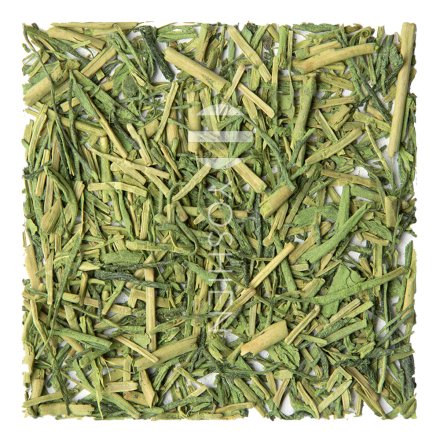
awards
- 1982 Traditional Master Craftsman (伝統工芸士)
- 1993 Intangible Cultural Property of Yokkaichi City




Bigetsu
| Item | Side-handle teapot |
|---|---|
| Maker | Bigetsu |
| Style | Banko-yaki |
| Origin | Yokkaichi, Mie, Japan |
| Volume | 160ml |
| Dimensions | Ø7.2 x 7.7cm |
| Material | Unglazed clay |
| Strainer | Ceramic (Debeso) |
| Artist's mark | Seal below handle |
| Packaging | Signed wooden box (Tomobako) |
Each item is handmade and unique, therefore colour and size may vary slightly.
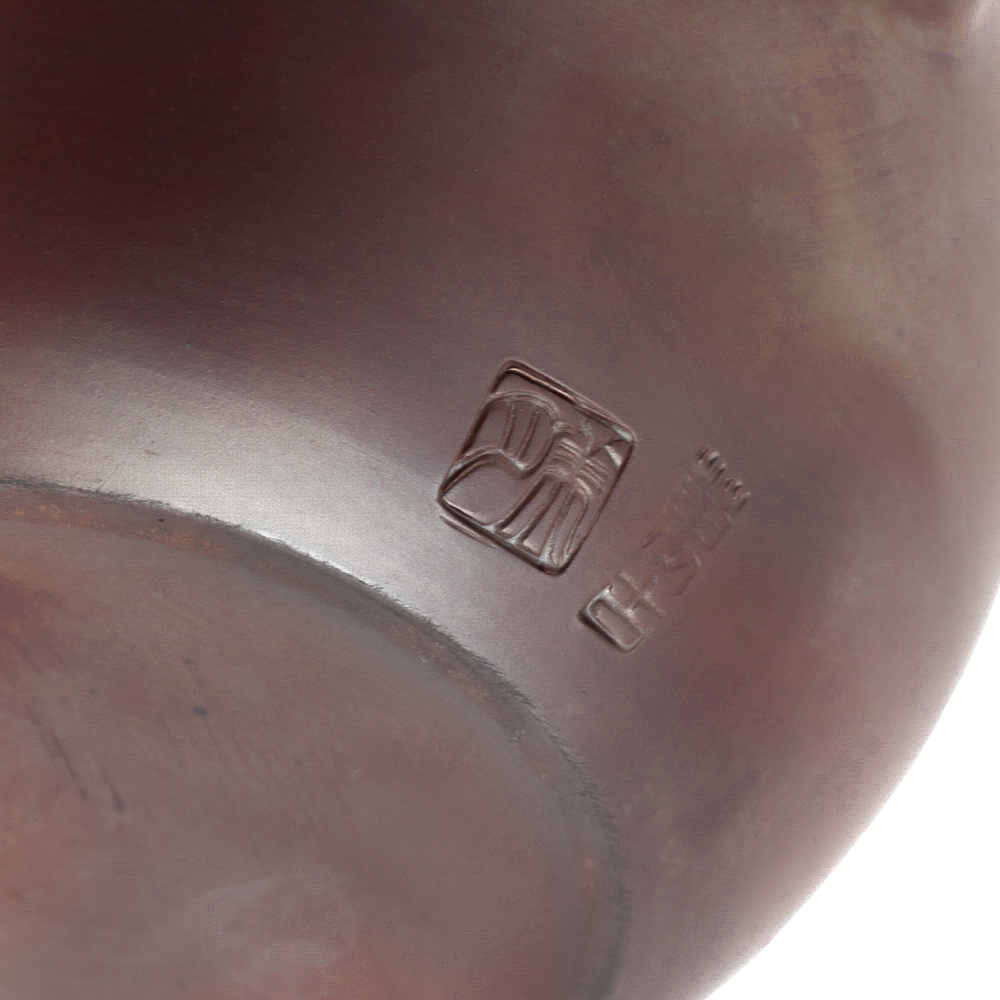
Born in 1944 in Yokkaichi, Mie Prefecture, Ito Bigetsu is a renowned Banko-yaki potter, who has won many awards and accolades over his long career. Immersed in pottery through the family business, he started honing his craft in his late teens, guided by the philosophy that he is an artisan, not an artist. The result: minimalist yet meticulous masterpieces with exceptional functionality. Using clay that he finely sieves and matures over many years, Bigetsu further achieves the enchanting colour and sheen of his works by wiping the hand-thrown pieces before firing them twice in a reduction kiln, finishing with a final painstaking polish. Guided by his belief that beauty is best revealed through daily use, Bigetsu’s functional elegance is so revered that his teapots have been selected for personal use by the Imperial Family of Japan.
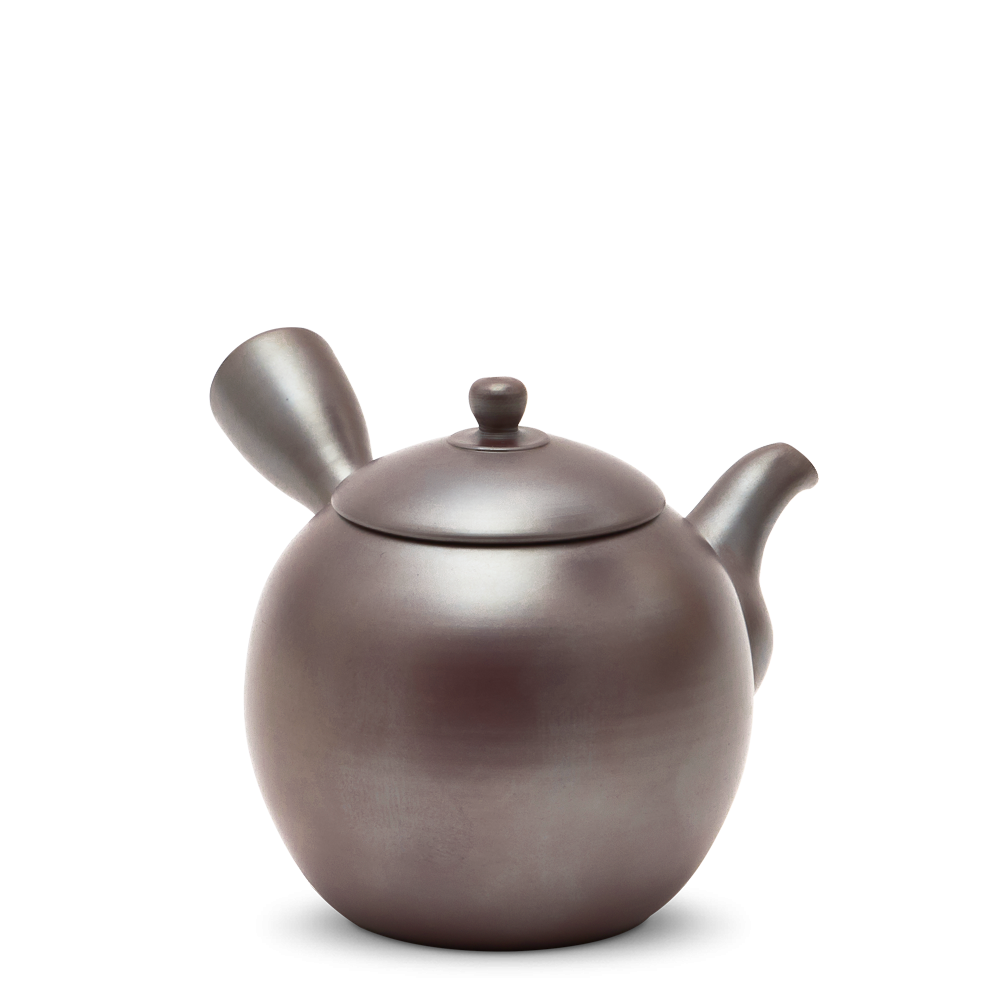
The traditional Japanese teapot, kyusu are typically made of ceramics with a side handle placed at a 90° angle to the spout for ease of pouring – however the handle can also be found over the top or in the back. Kyusu are perfect for preparing green teas and tend to be on the small side to prevent overbrewing. Depending on the size, shape and type of clay a kyusu is made from will determine what type of tea is best prepared in it. There are many different regional styles as well as kyusu made by certified master craftsmen, which are prized amongst collectors.
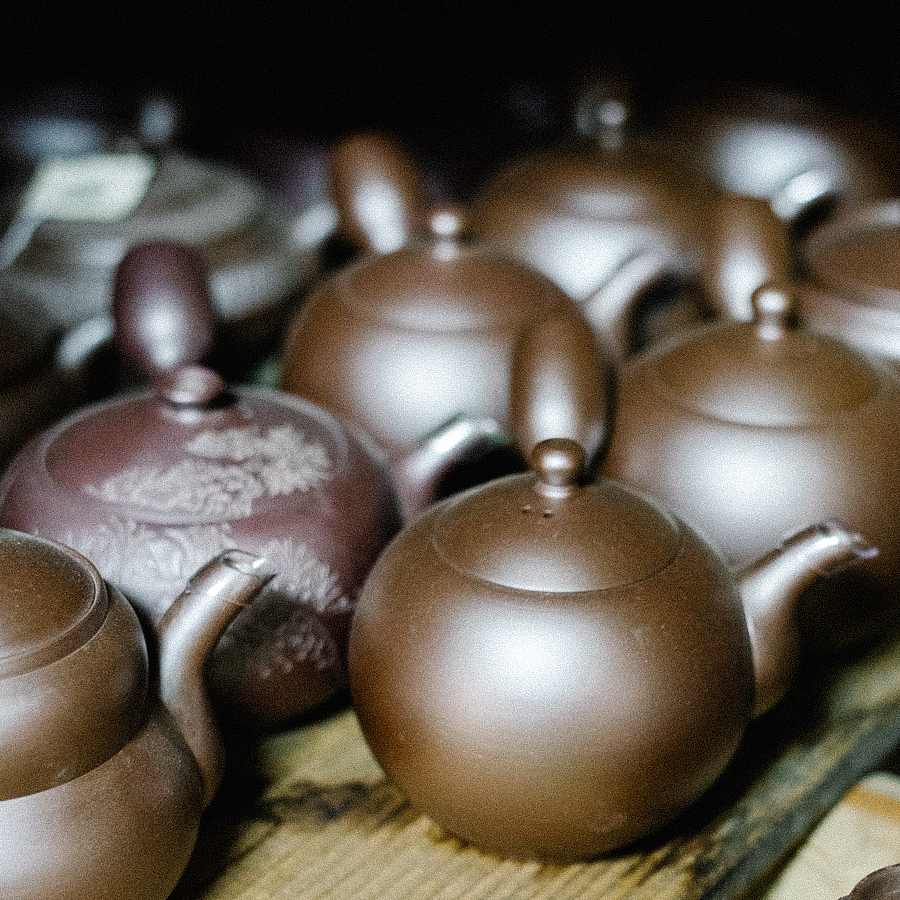
Merchant and passionate Chajin (“tea person”) Nunami Rozan is credited as the founding father of Banko-yaki. Back in the 18th century he opened a kiln in what is now Asahi-machi, Mie prefecture, stamping his wares with 萬古不易 – banko-fueki : “eternally unchanging” – in the hope that his ceramics would be passed down across generations forever. Today Banko-yaki is still produced in the Mie prefecture, primarily in the city of Yokkaichi, and is a protected traditional craft of Japan. Synonymous with Banko is the local, iron-rich Shidei "purple clay", which when baked in a high-temperature reduction furnace becomes very heat resistant and turns the characteristic deep violet-brown of Banko-yaki, with an almost metallic sheen. It is said that the tannins in green tea react with the iron in unglazed shidei teaware to soften the astringency of the tea, highlighting its sweetness; therefore umami-rich teas such as Sencha, Kabusecha and Gyokuro come highly recommended when using Banko.
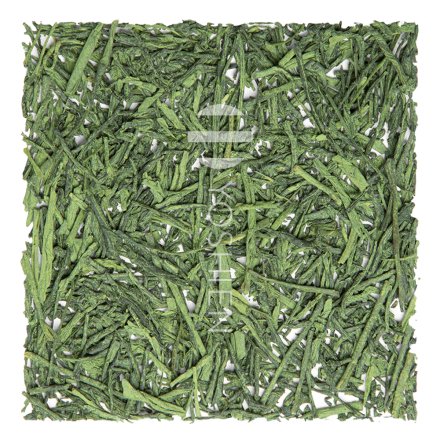
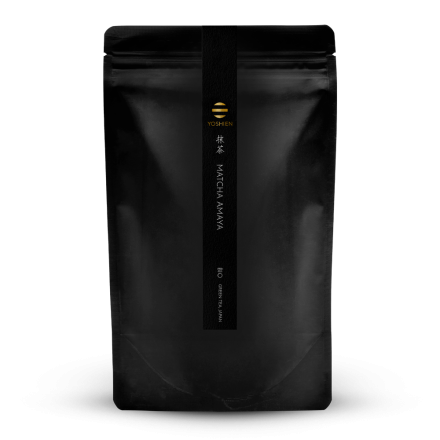
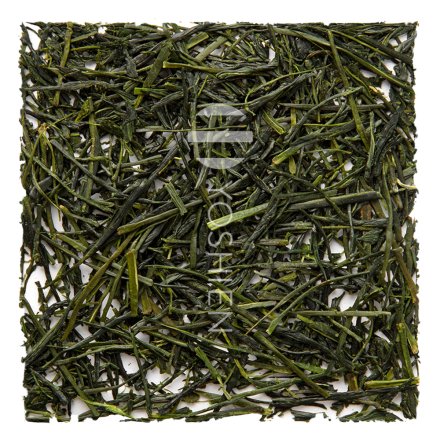
Contest Grade 98 P.
Makizono, Kirishima
100g
€269.00 / 1kg