



Special features in location, cultivation & processing
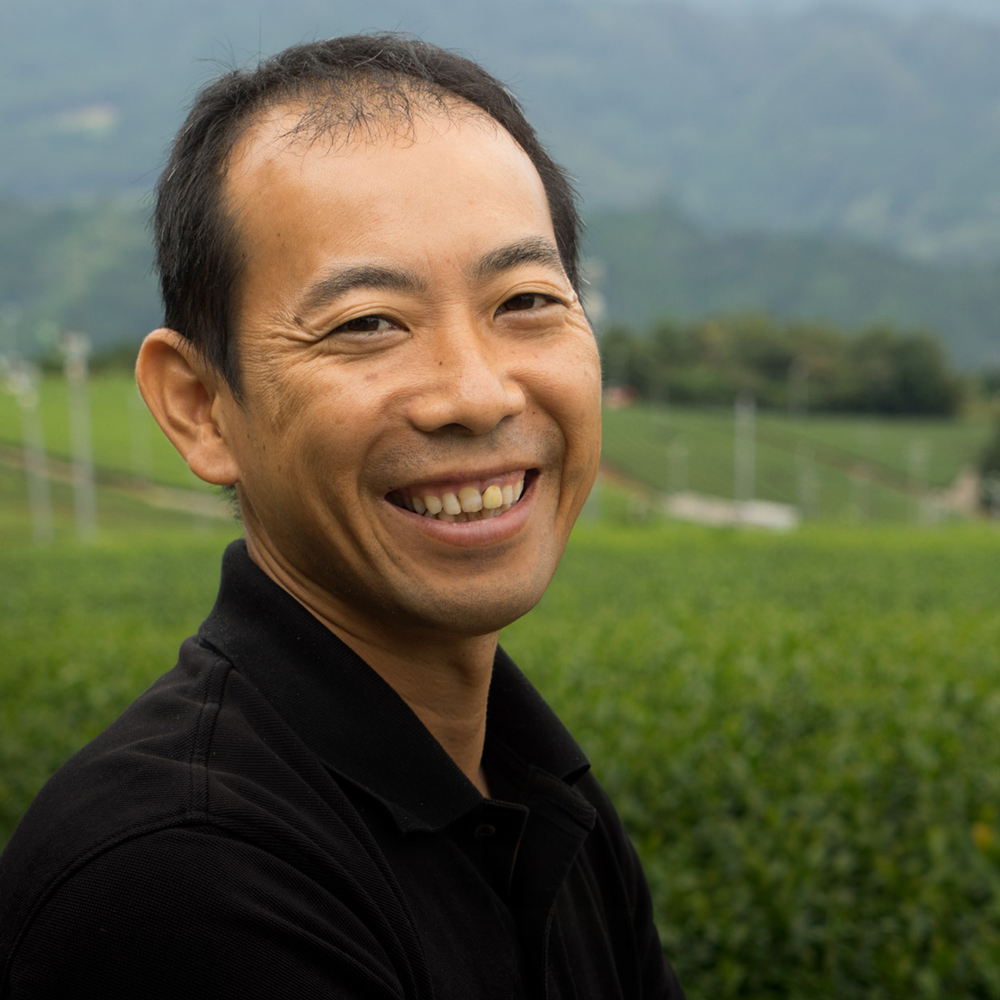
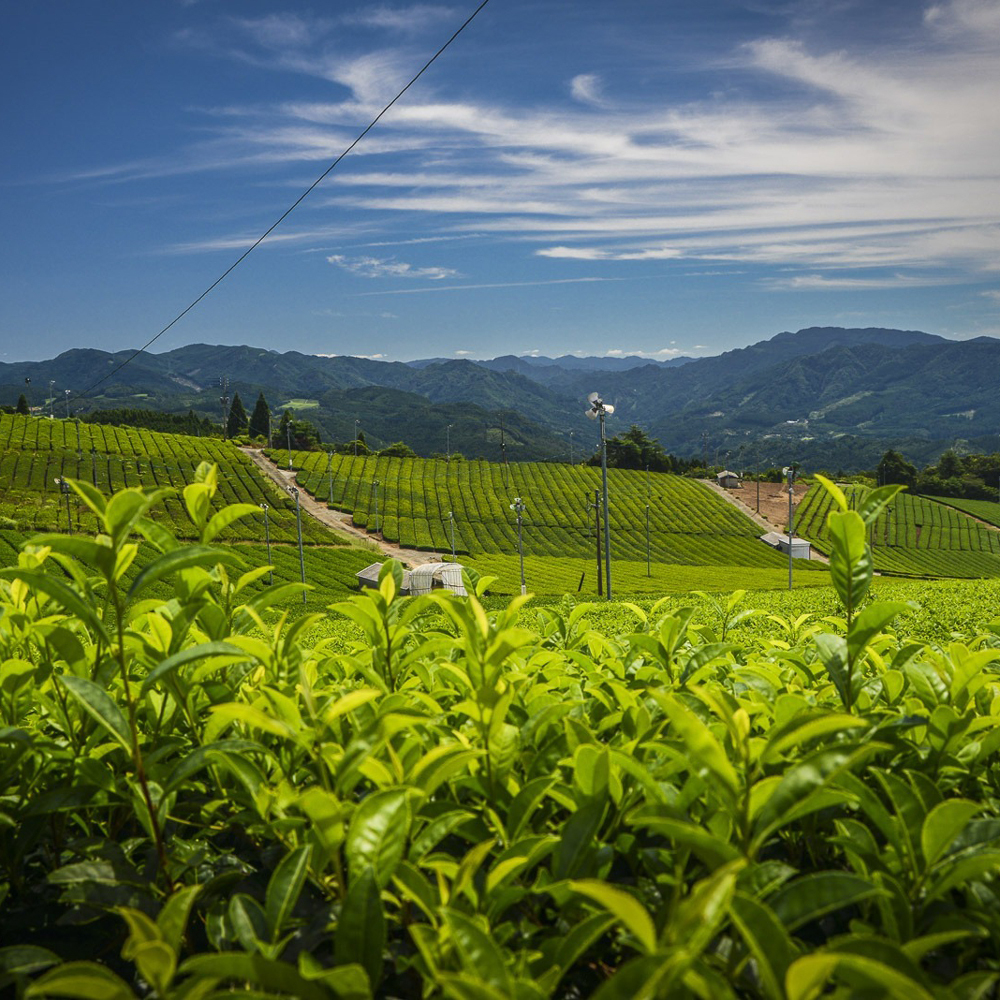
The tea garden occupies a prime location directly beside the river in the Nagao district of Hoshino, Yame, a village renowned worldwide for its Gyokuro. The rolling hills of Hoshino are celebrated for producing particularly deep, full-bodied Gyokuros.
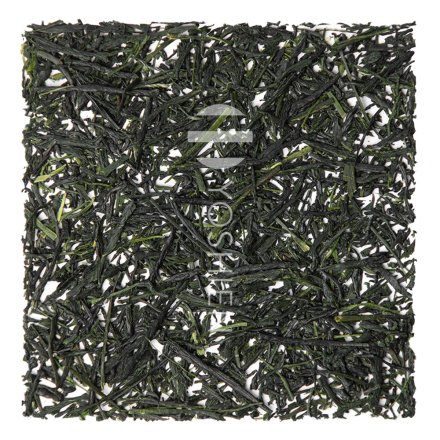
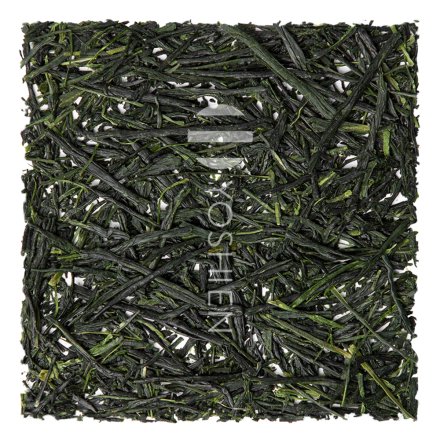
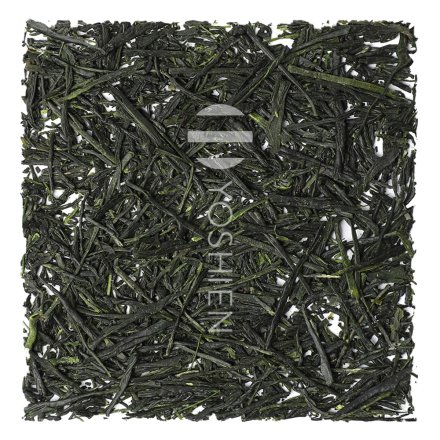
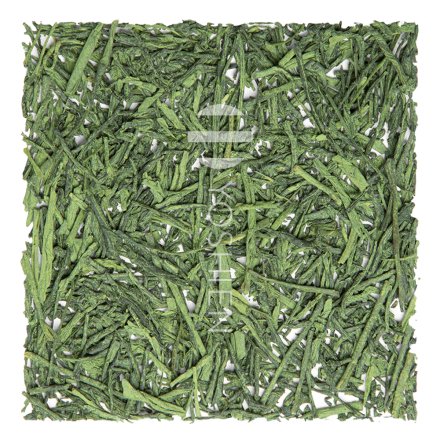
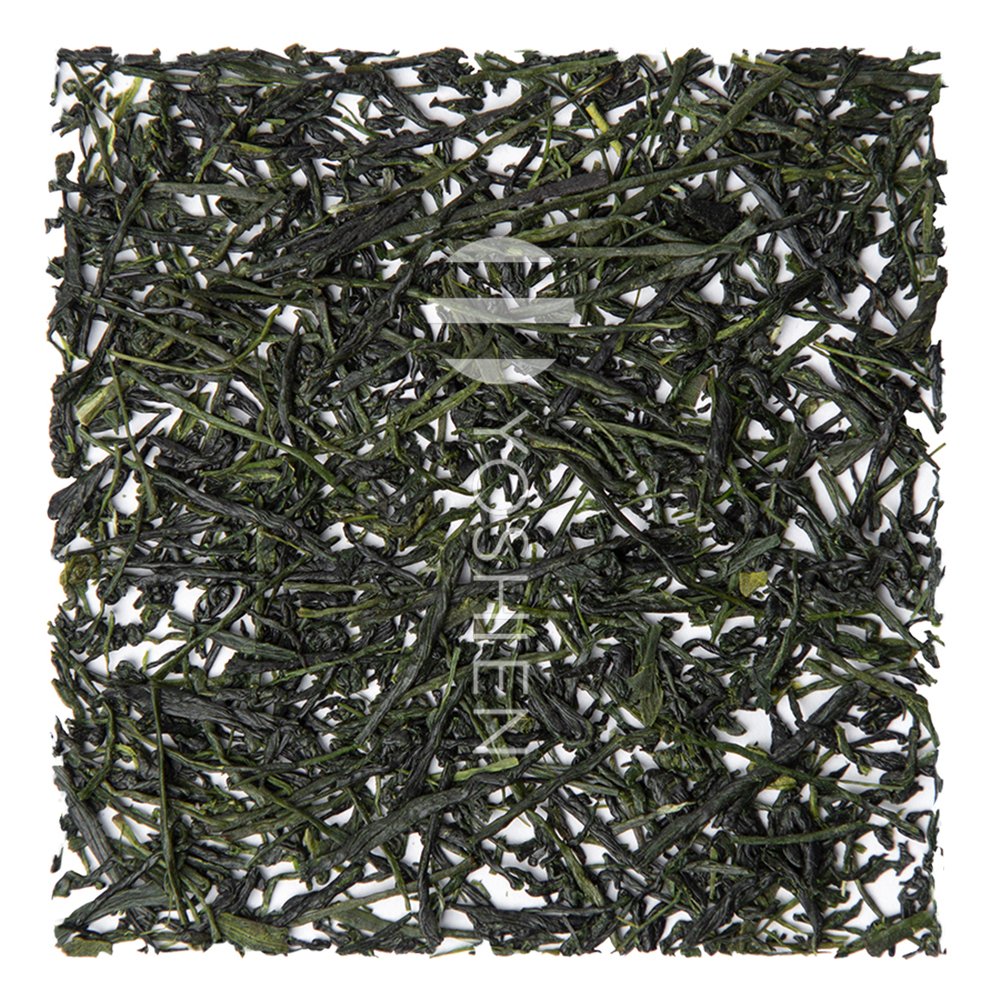
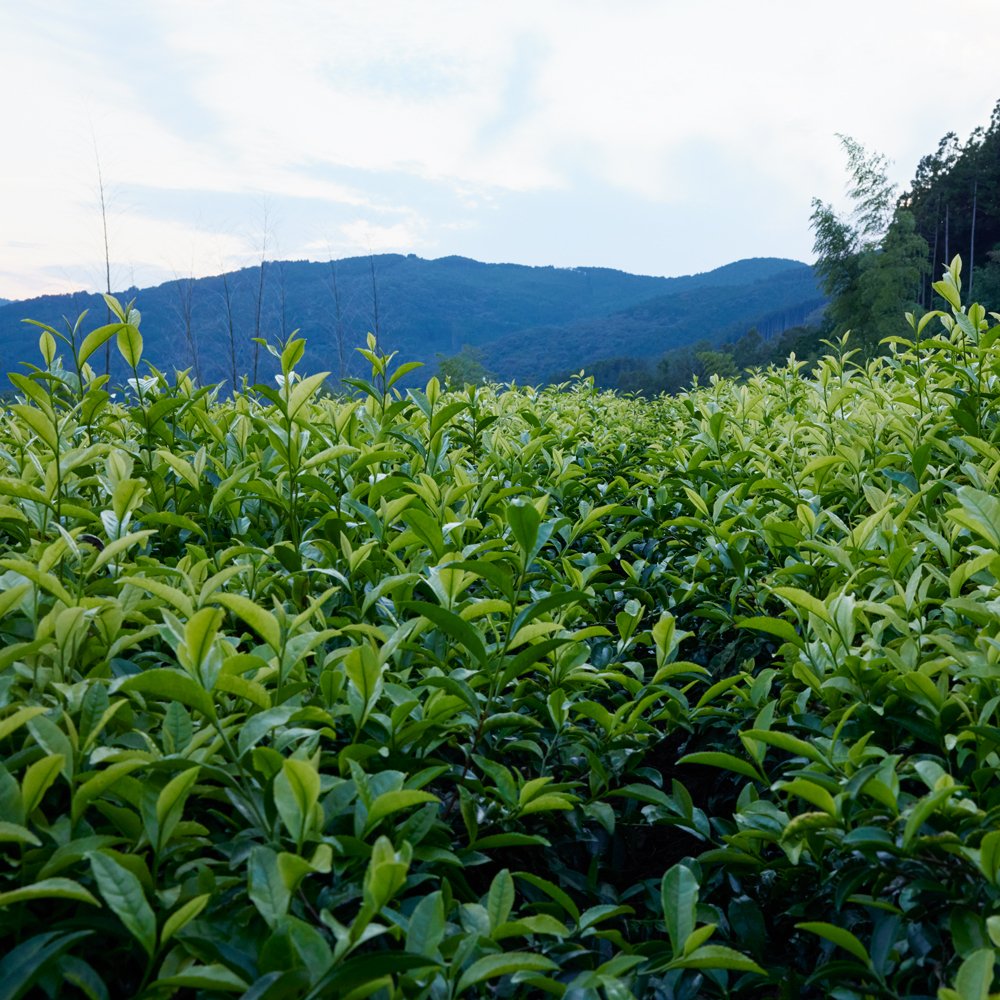
The tea is cultivated and processed with exceptional skill. At every stage, the leaves are handled with the utmost care: from cultivation and tending throughout the growing season to hand-picking and gentle drying after harvest. Only the finest, longest, and perfectly intact needles are selected.
The soil is interspersed with small stones, providing excellent natural drainage and creating particularly favourable conditions for the tea. At the same time, the riverside location provides ideal levels of moisture and mist. Unlike many other farms in Hoshino, the tea master uses only small amounts of purely organic fertiliser.
Hon Gyokuro
Hon Gyokuro refers to rare Gyokuro teas of the highest quality, produced exclusively in Japan’s three traditional growing regions: Uji in Kyoto, Yame in Fukuoka and Asahina in Shizuoka. To this day, only teas from these regions may be produced and designated as true, authentic (“Hon”) Gyokuro.
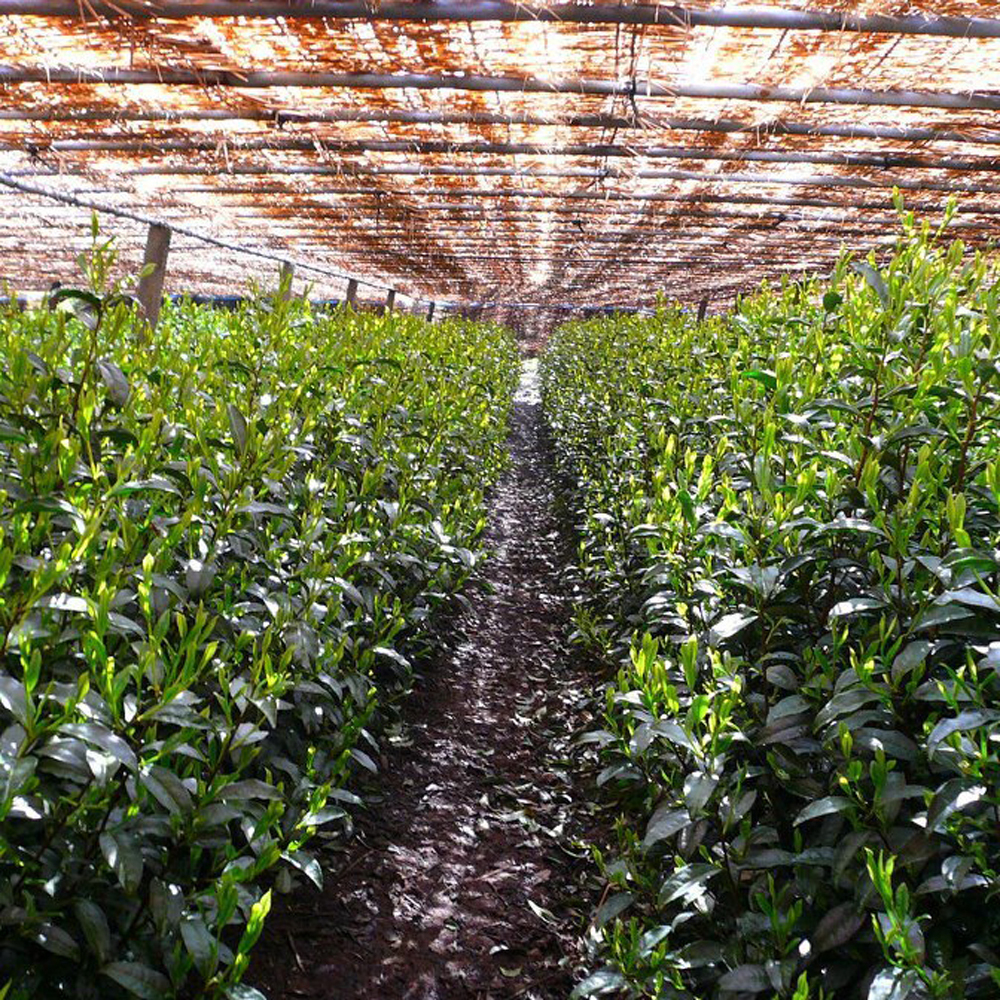
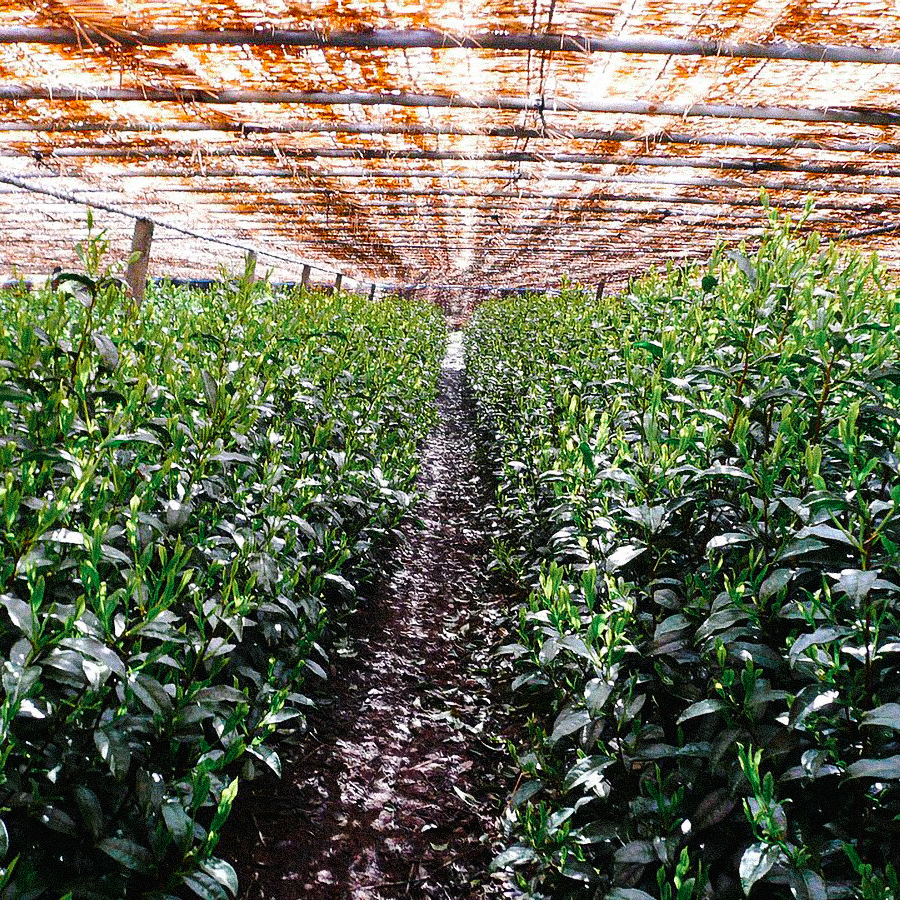
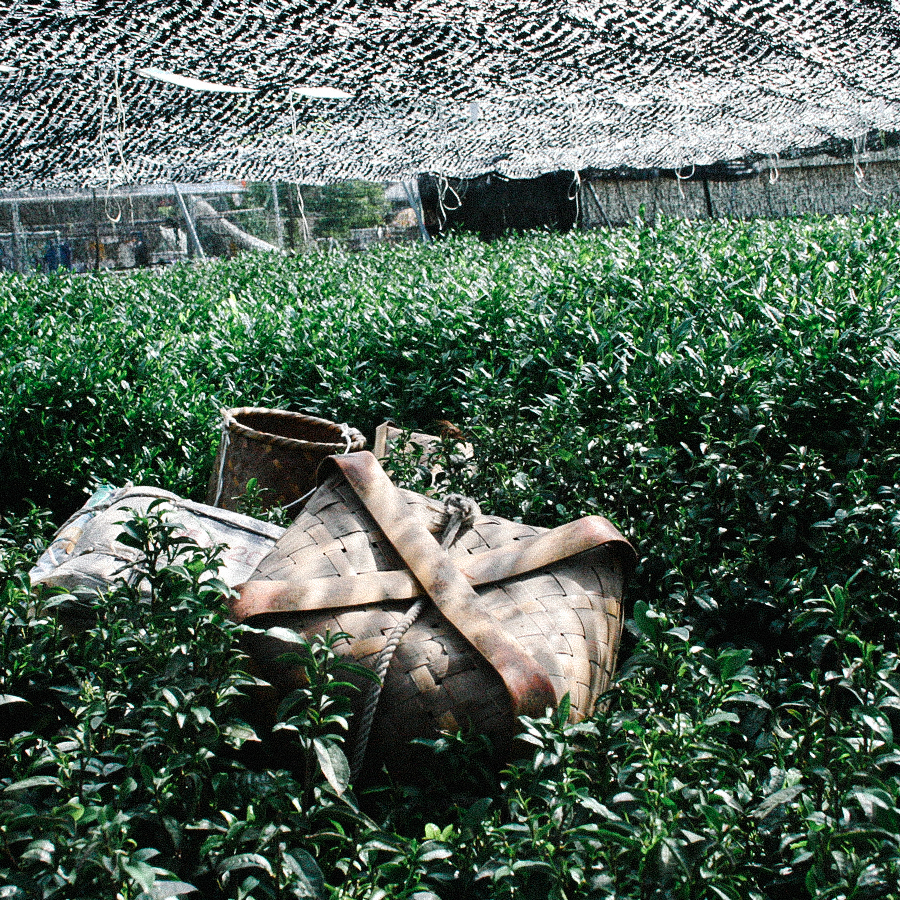
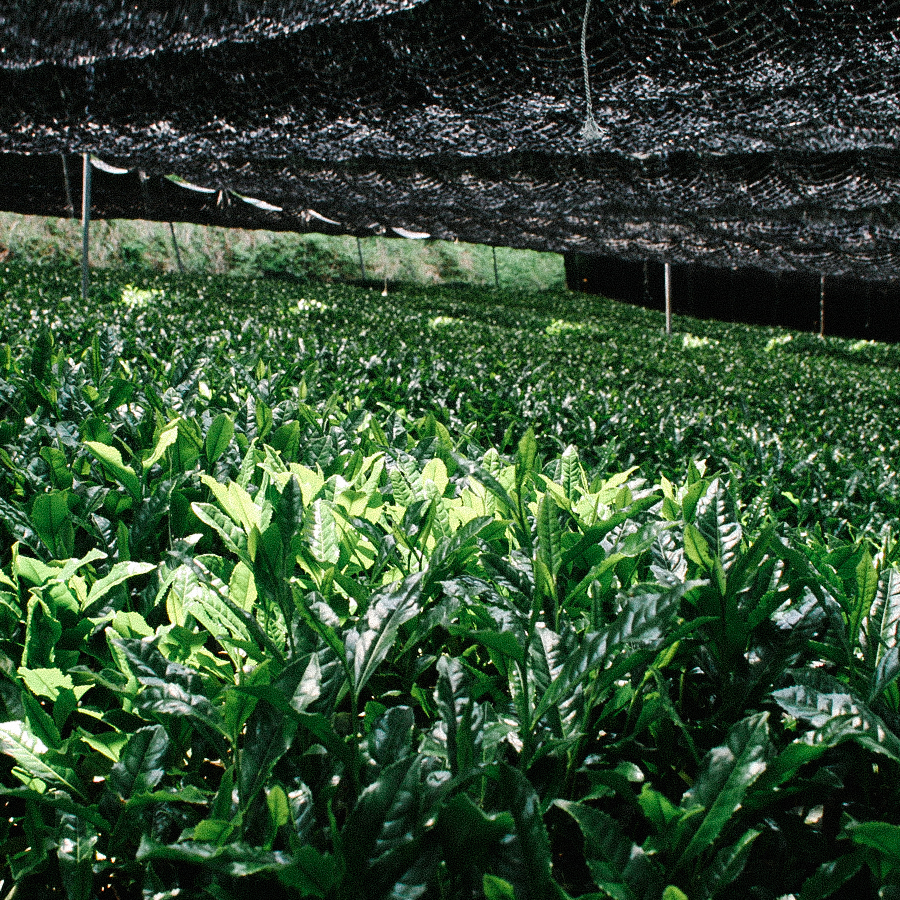
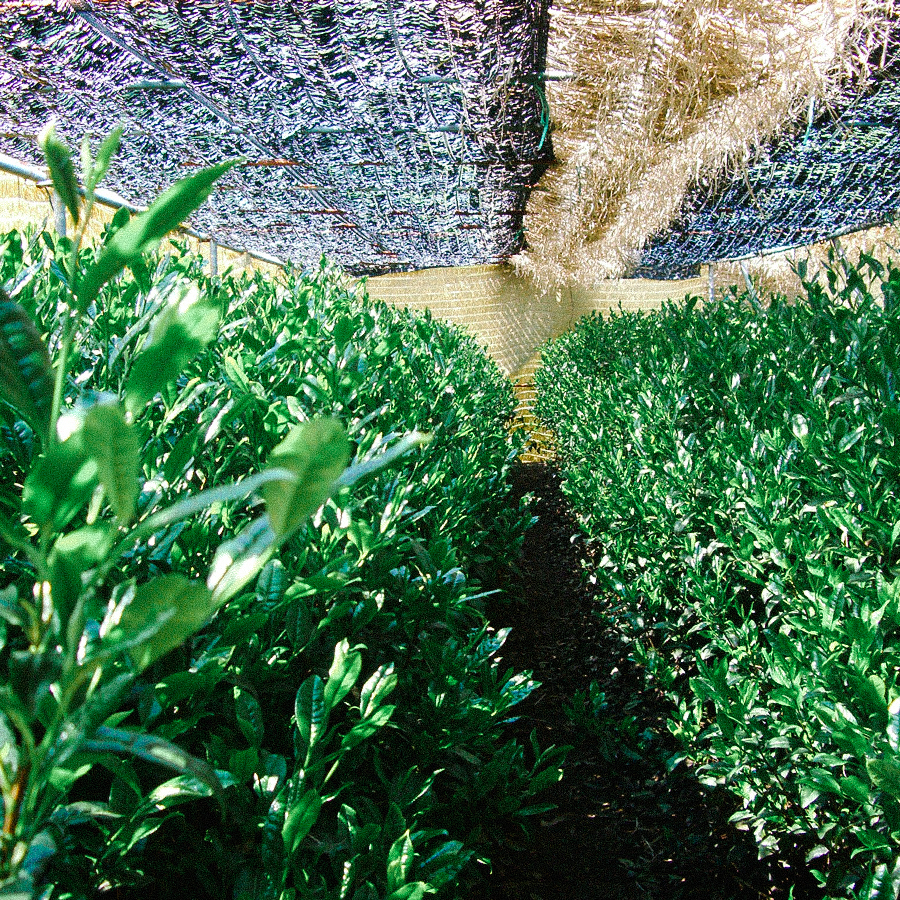
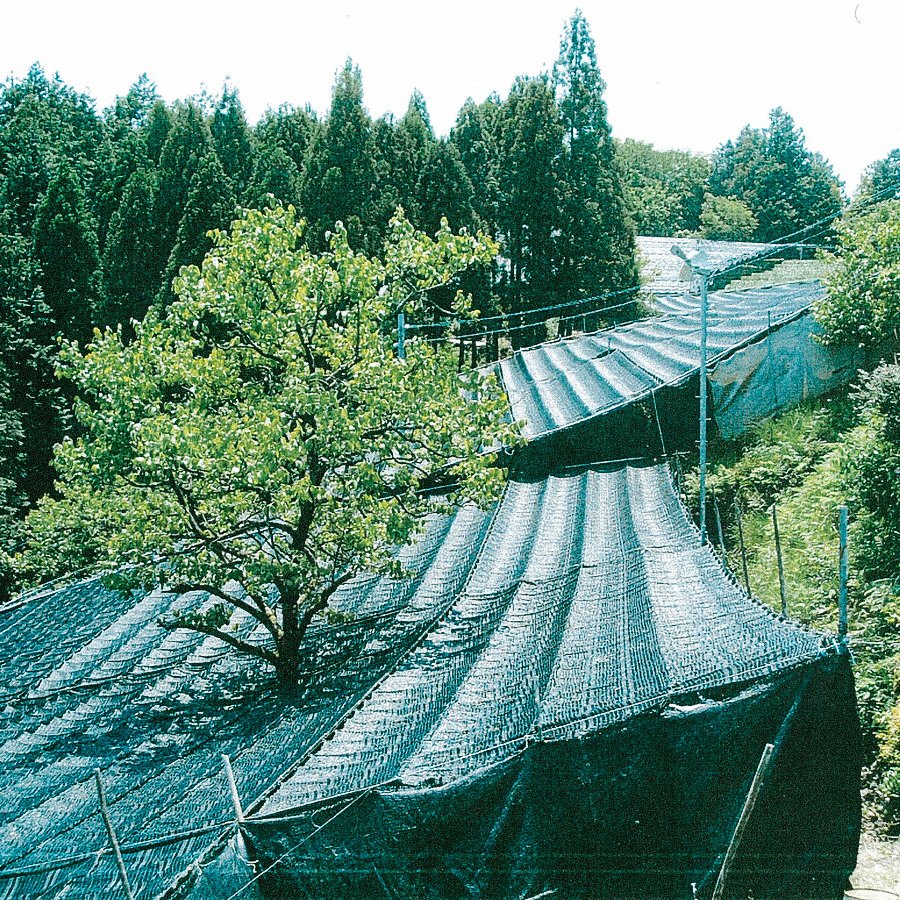
A defining feature is the traditional Tana method of shading. Black nets are suspended on frames above the tea bushes, filtering up to 90% of the sunlight depending on the fineness and number of layers used. This form of shading allows for good air circulation and gives the plants sufficient space to grow, enabling them to remain healthy and vigorous despite the stress caused by the lack of sunlight. By contrast, with the Jikagise method the nets are laid directly over the bushes, which can compromise the quality of the tea.
Tana shading also encourages the development of particularly large leaves with a lower cell density. As a result, the leaves develop higher concentrations of chlorophyll and amino acids, while the accumulation of bitter catechins is reduced.
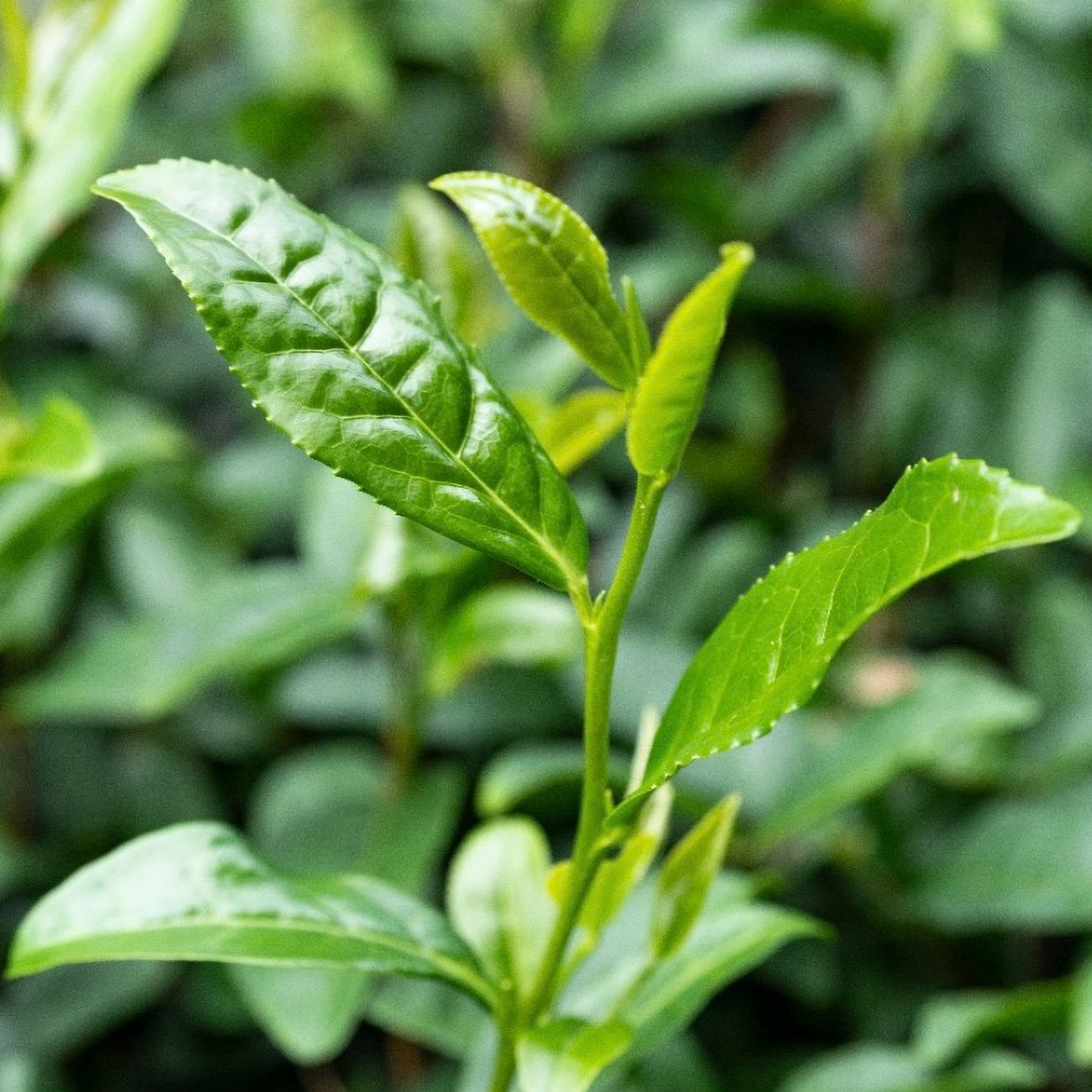
Another essential characteristic of Hon Gyokuro is its meticulous hand-picking. Unlike conventional Sencha or Gyokuro, harvesting is not simply limited to the bud and first two leaves; instead, the finest and most vigorous leaves are individually selected. This elaborate yet gentle approach to cultivation and harvesting is ultimately reflected in the exquisite aroma and exceptional depth of flavour of an authentic Hon Gyokuro.
Dentō Hon Gyokuro (traditional, authentic Gyokuro)
Dento Hon Gyokuro (伝統本玉露) represents the most traditional form of Hon Gyokuro. In addition to the standards required for Hon Gyokuro, it must meet further criteria governing traditional cultivation and shading methods. These include shading with rice straw suspended on frames (Tana-Honzu), a shading period of at least 20 days, maintaining the tea bushes in their natural form, and harvesting entirely by hand.
Only when all of these criteria are met may a tea be designated as Dento Hon Gyokuro.
Single Origin
This tea comes exclusively from the above-mentioned tea farm in Hoshino, directly sourced from the farmer.