



Teas from Nara
Unique tea rarities from Nara Prefecture, with a focus on rare, traditional Bancha such as Winter Kancha and sun-dried Kamairicha teas. As Japan’s first imperial capital, Nara carries a rich tea heritage and its atmosphere of deep tranquillity and contemplation is reflected in the soothing character of its teas.
Naturally Cultivated Teas by Ken’ichi Ikawa
Ken’ichi Ikawa’s teas are grown in the remote Yamato Highlands under his devoted care. In harmony with nature, even classic varieties reveal a remarkable purity and refined depth. Each cup reflects the passion and meticulous attention with which he nurtures his plants.
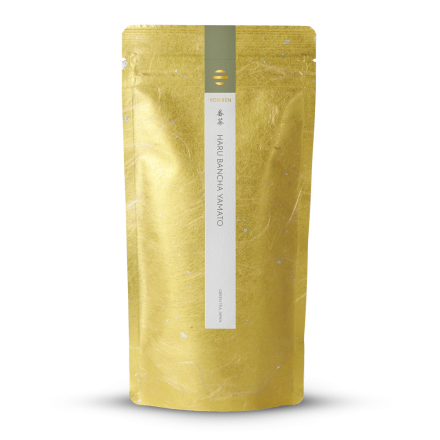
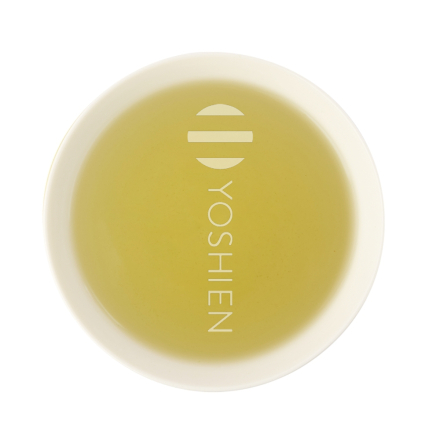
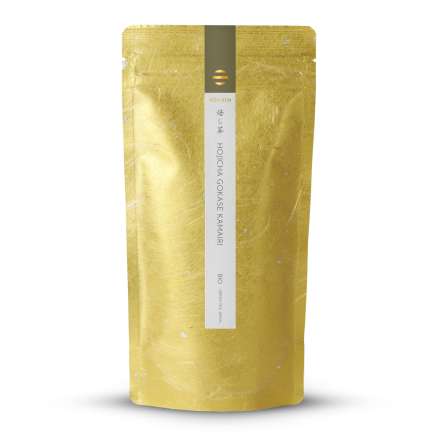
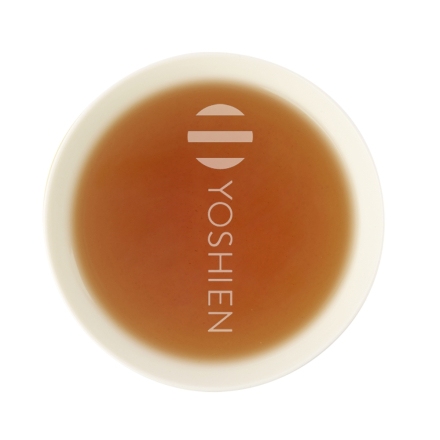
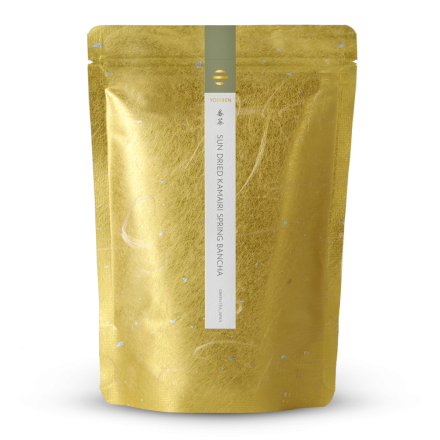
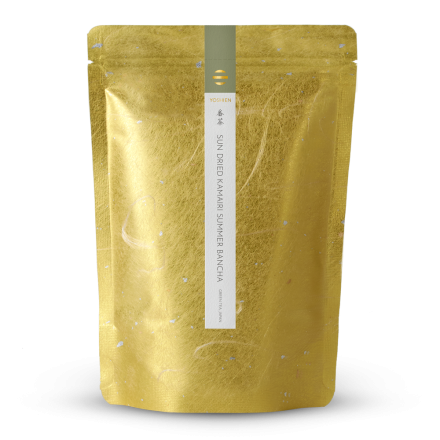
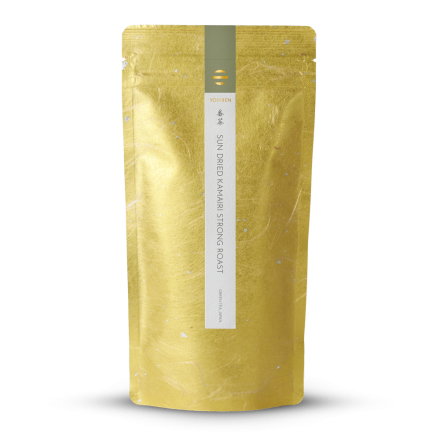
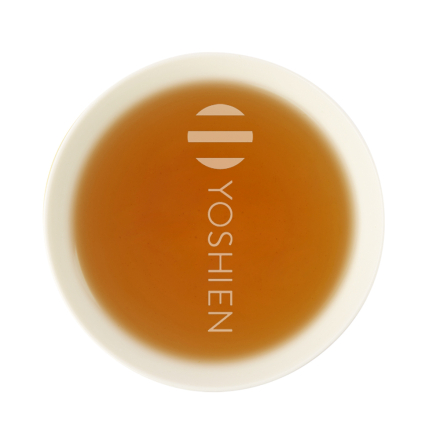
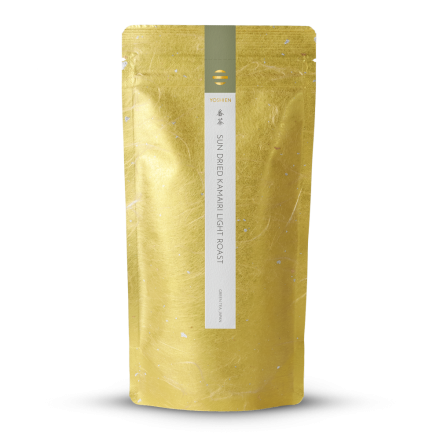
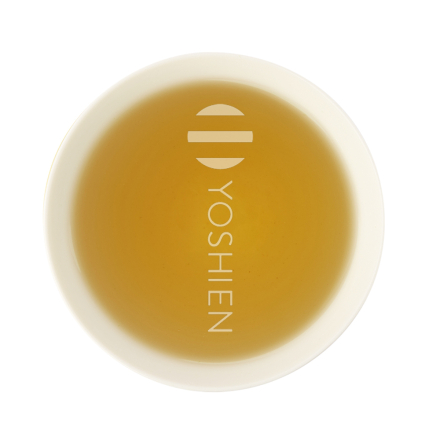
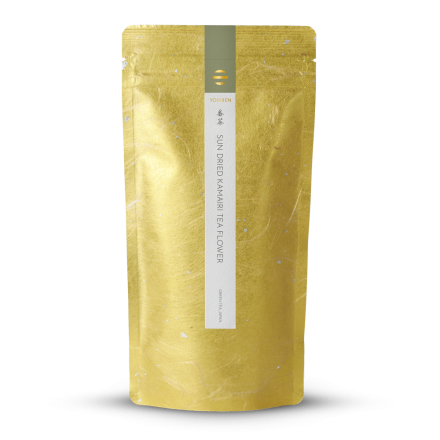
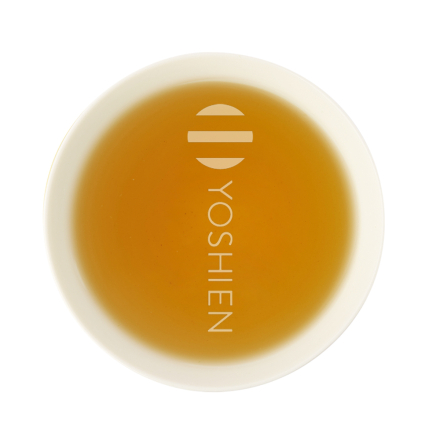
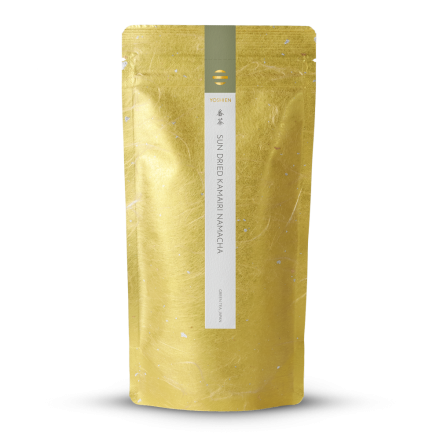
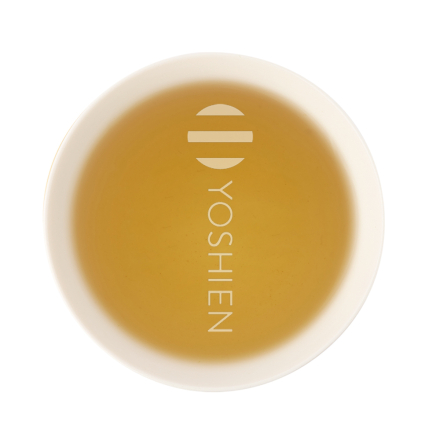
Sun Dried Kamairicha
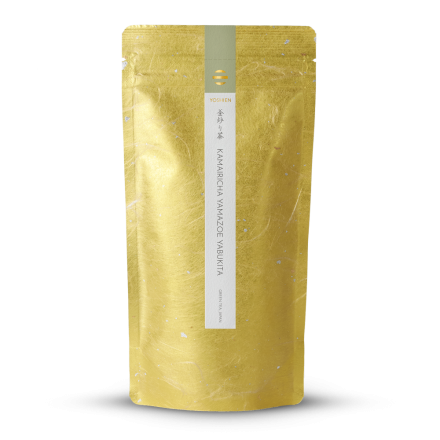
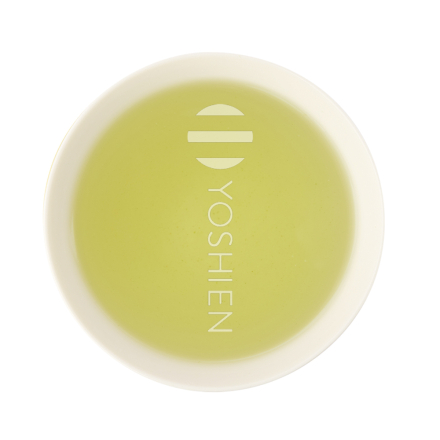
Kamairicha are Japanese green teas that, unlike classic steamed Sencha, are pan-fired to halt oxidation, similar to Chinese green teas. The distinctive feature of the Kumano style practised on our farm lies in the sun-drying (tenpi-boshi 天日干し) that takes place after roasting and rolling, carried out in a greenhouse built specifically for this purpose. This tea is also known as Kumano Bancha (熊野番茶) and was traditionally produced by families living in the Kumano region for their own daily use. The sun-drying imparts a unique, deep sweetness and a wonderfully soft texture to the infusion.
Kancha
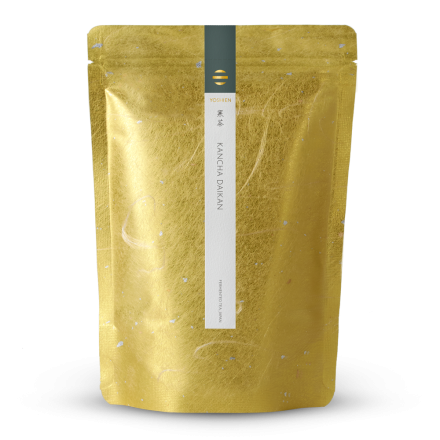
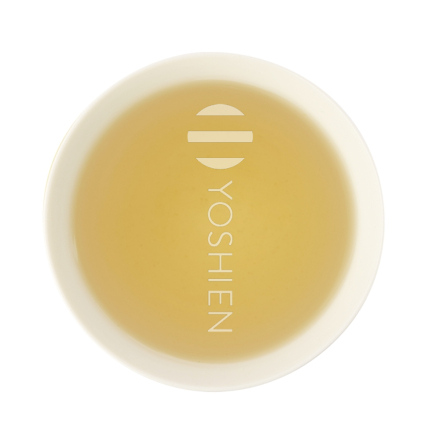
Kancha (寒茶), literally “cold tea” or “winter tea”, is an absolute rarity among Japanese tea varieties. After harvesting the large winter leaves, the whole branches are steamed over a wood fire in a wooden vat and then dried either in the cool winter air or in the sun. Kancha is characterised by a mild sweetness and a subtly medicinal, botanical character.
Kamairicha
Classic green Kamairicha, roasted in an authentic Taiwanese roasting drum. The pan-firing process creates a beautifully complex flavour profile, ranging from crisp green asparagus to hazelnut and freshly harvested radicchio.
Oolong Tea & Wakocha Black Tea
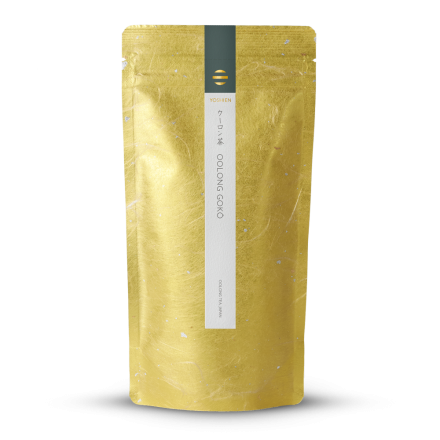
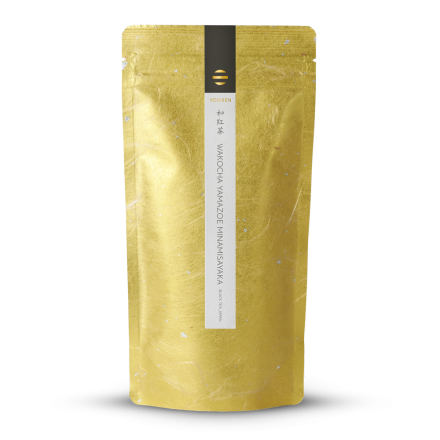
Oolong and black teas inspired by Chinese and Taiwanese gongfu traditions, yet unmistakably shaped by the distinct Japanese character of Nara’s unique terroir (cultivars, climate, soil, etc.). The Oolongs offer a mineral sweetness and forest-like depth, while the Wakocha black teas enchant with sweet, floral notes reminiscent of plum and winter spices.