



Special features in location, cultivation & processing
For those drawn to Japan’s rich history and spiritual traditions, Nara Prefecture is a place of deep intrigue. Its sheltered inland location near the Seto Inland Sea led it to play a significant role in early Japanese political and religious life. Reaching its golden age in the 7th and 8th centuries, it served as the imperial capital of Japan’s first nation state, whose government was influenced by the newly introduced Buddhist and Confucian philosophies from China.
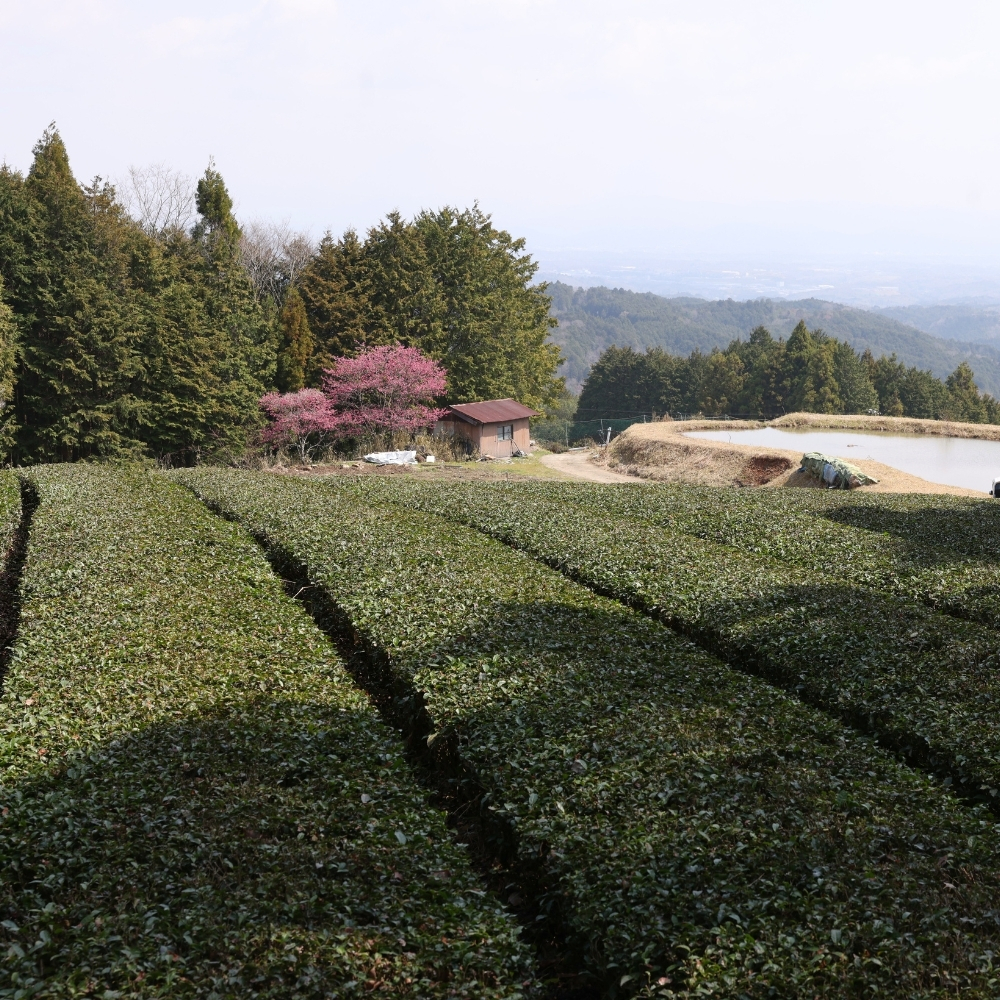
Beyond its countless temples (some over 1,000 years old), palace ruins and ancient burial sites, the entire prefecture seems to radiate a quiet, timeless atmosphere. Gentle mountains, dense forests, and old pilgrimage routes wind through the landscape, inspiring monks, poets, and travelers for centuries. Nara has also played an important role in Japan's tea culture: in the remote valleys and mountain villages of the prefecture, an independent, rural tea tradition developed, far from major centres of production such as Uji or Shizuoka. Here, where the climate is harsher and harvests are smaller, teas of a strong character emerged – less focused on elegance and more on authenticity and everyday enjoyment. Collectively, these teas became known as "Yamato-cha" (大和茶; Yamato being an ancient name for Nara and Japan).
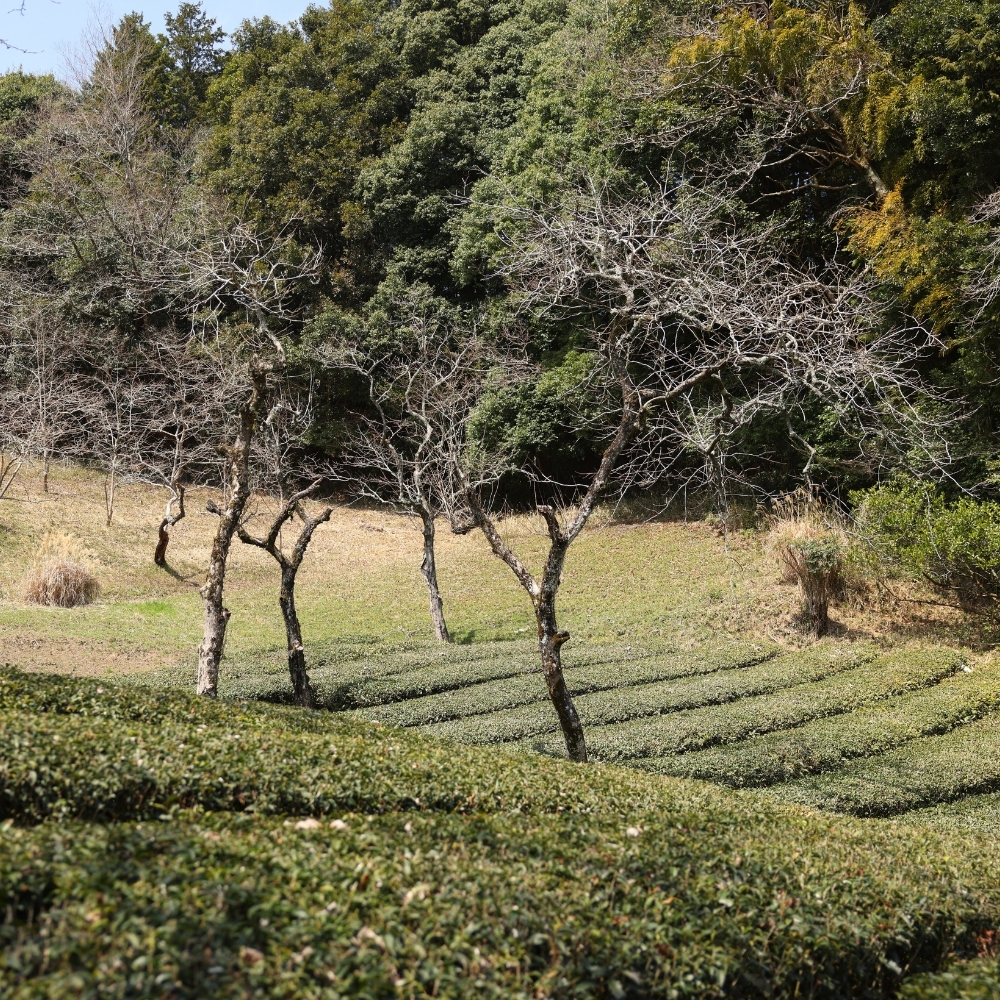
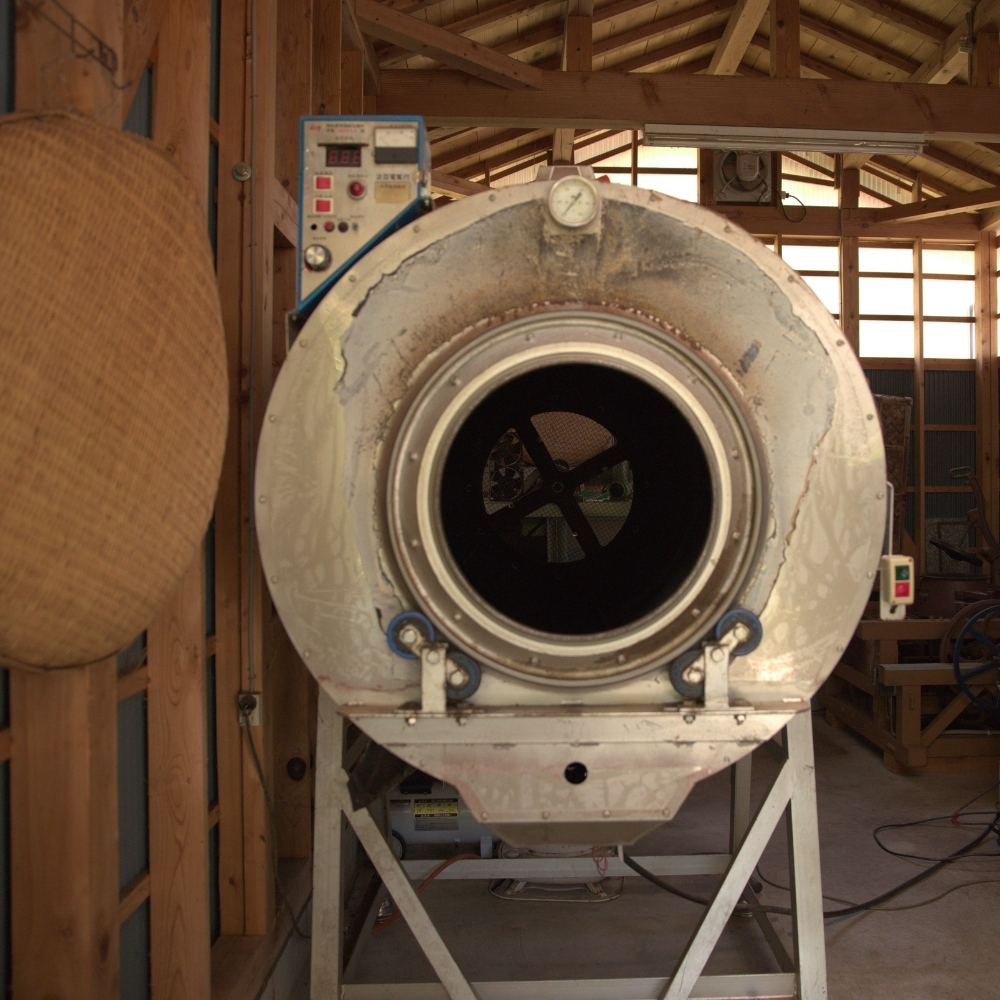
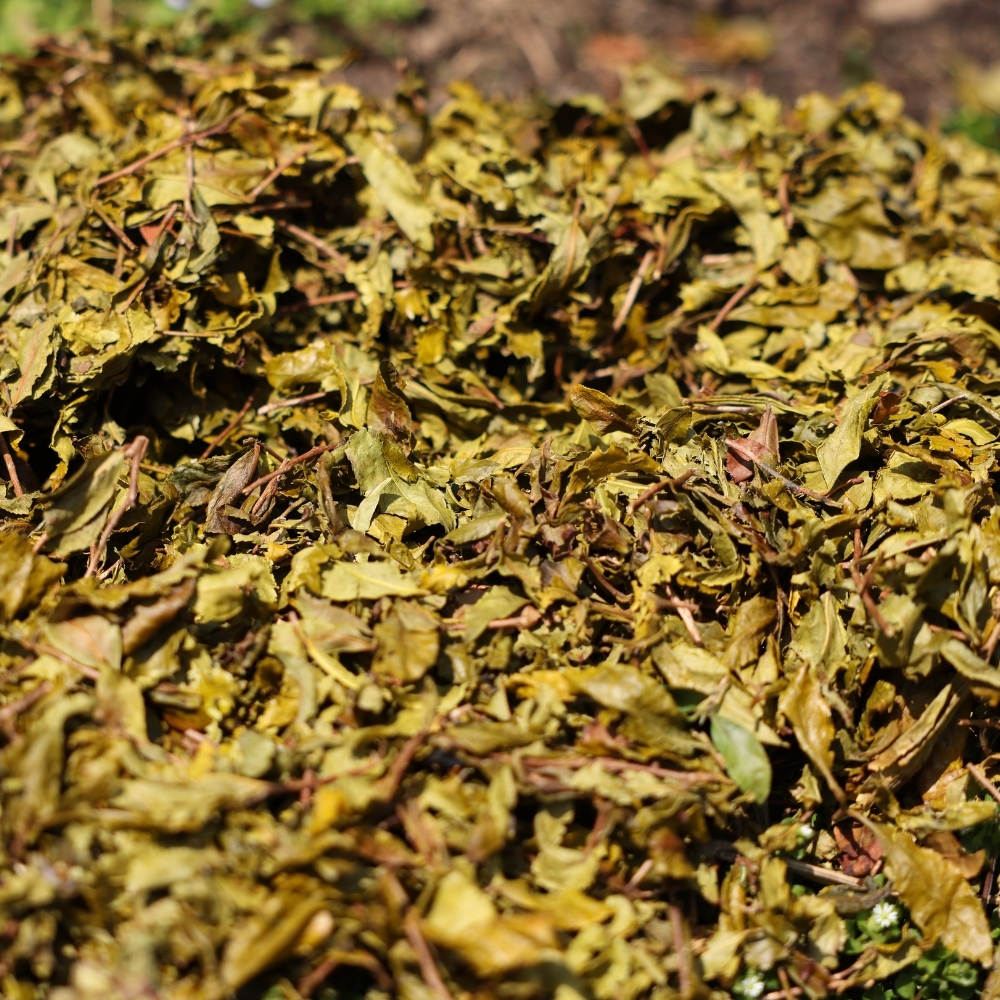
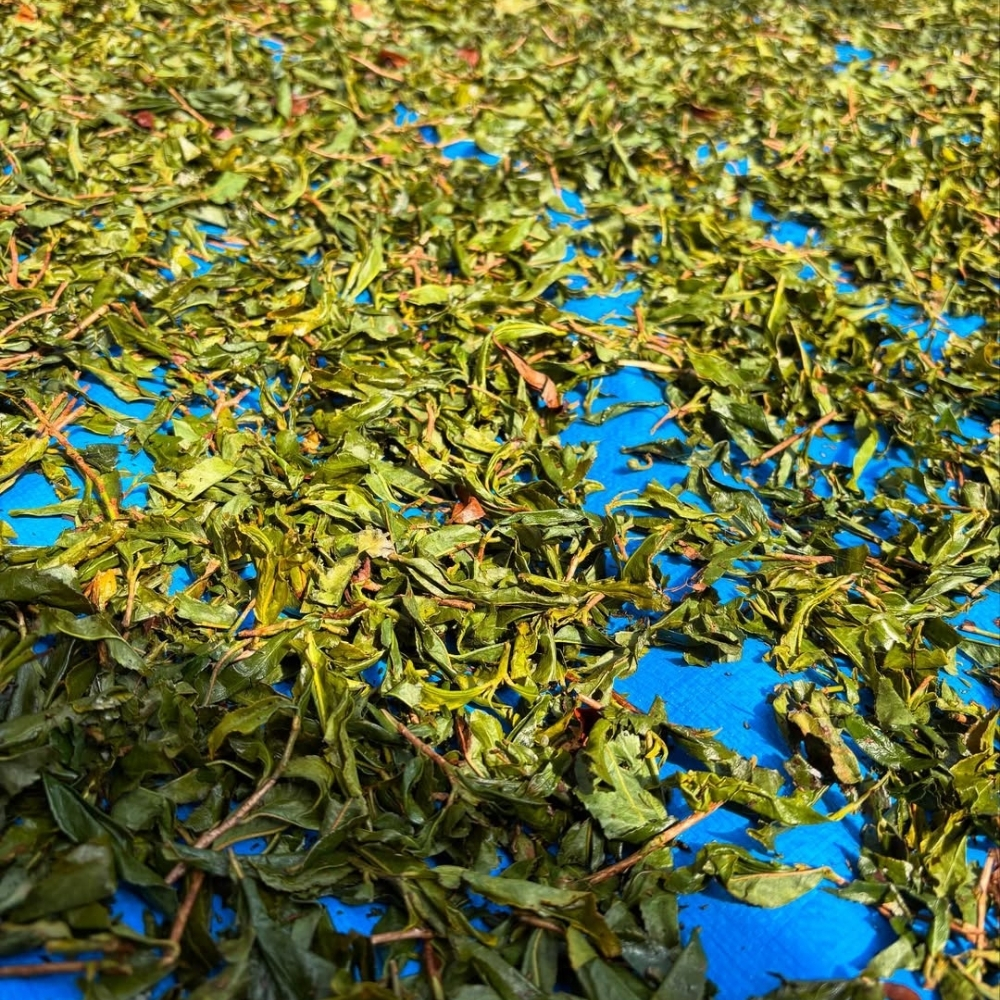
The red clay soils and sharp day-night temperature shifts give the teas a deep, intense aromatic profile. Many families have preserved their own cultivation and roasting methods over generations, allowing a wide range of rustic tea specialities to develop. From simply steamed Sencha to the robust roasted teas once enjoyed daily by villagers, these are authentic, unpretentious teas which are grown in harmony with nature and which exude a quiet depth in their simplicity. While many of these traditional teas are at risk of fading into obscurity due to the decline in tea cultivation, it is passionate and innovative farmers like our husband-and-wife duo who keep these unique regional treasures alive.
Single Origin
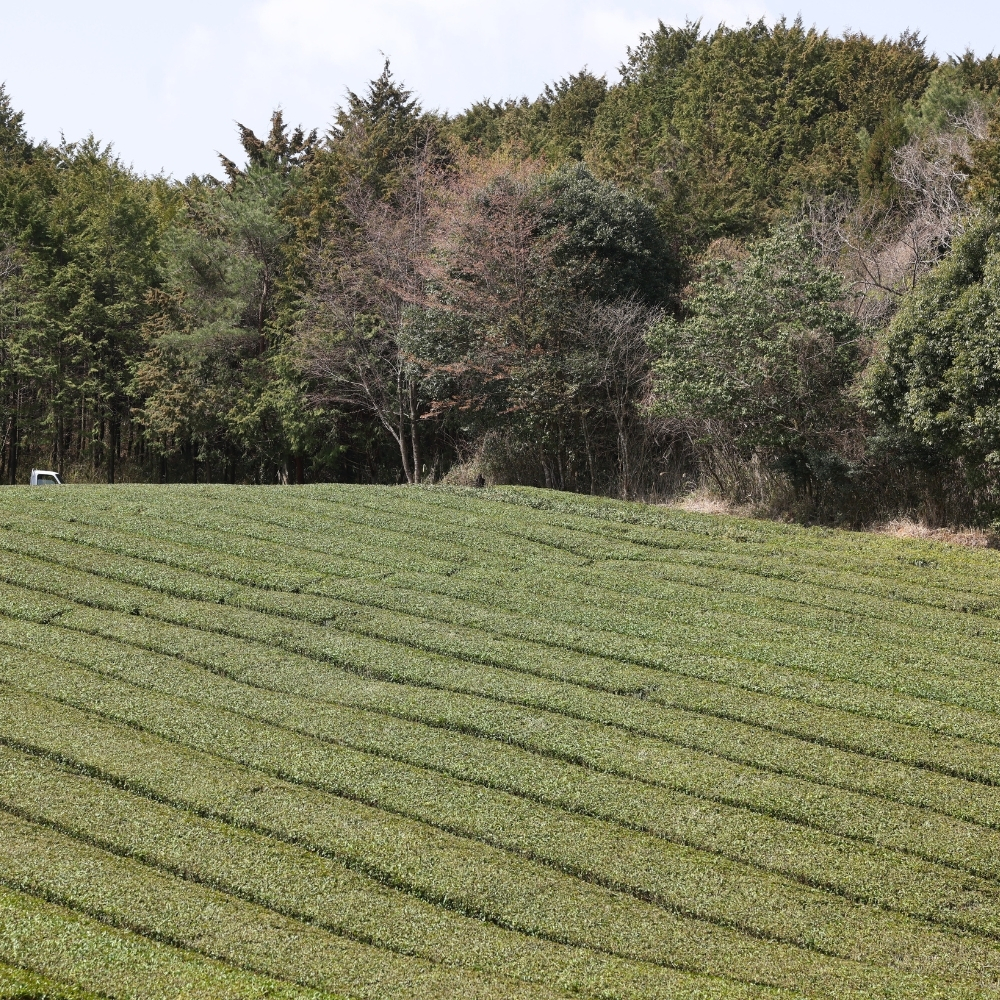
This tea comes 100% from the above-mentioned tea field in Yamazoe, sourced directly from the tea farmer.