

Wuyi Oolong
Da Hong Pao
Rock Tea P. Free

Imperial Grade 98 P.

SKU
3883
Premium-grade Da Hong Pao Oolong tea (“Big Red Robe”), sourced directly from its original terroir in Wuyi, Fujian. Grown without chemical pesticides and hand-harvested. 50g.
  • China’s most famous Oolong tea and the most popular rock tea from Wuyi
  • Birthplace of strongly oxidised Oolong and black teas
  • Distinctive flavour shaped by mineral-rich soils
  • The finest grades are traditionally gifted to state guests
  • Excellent ageing potential: stores well and continues to develop in flavour over time
Character Slightly smoky, toasted, juicy, fruity notes, with mild sweetness and a light bitterness
Tea Farm A privately owned tea farm renowned beyond the region
Terroir Wuji, Fujian Province, China
Harvest 1st harvest, end of April to beginning of May 2025, hand-harvested
Cultivar Shui Xian (水仙), Rou Gui (肉桂), Qi Zhong (奇种), Qi Lan (奇兰), Qi Dan (奇丹), Que She (雀舌)
Elevation 300-500m above sea level
Withering / Oxidation Strongly oxidised
Roasting Strongly roasted (50%); first roasting at 150°C for 15 minutes, then several roasts at approx. 120°C over hardwood charcoal for 8-12 hours.
Cultivation Cultivation without the use of chemical pesticides
Laboratory Tests Pesticides
Grade 98/100 p. (Oolong category); Imperial Grade
€22.90
50g

Delivery : up to 5 business days

Incl. VAT, excl. shipping

SKU
3883
€458.00 / 1kg
In stock
Wuyi Da Hong Pao Imperial Grade P.Free

Tea Farm

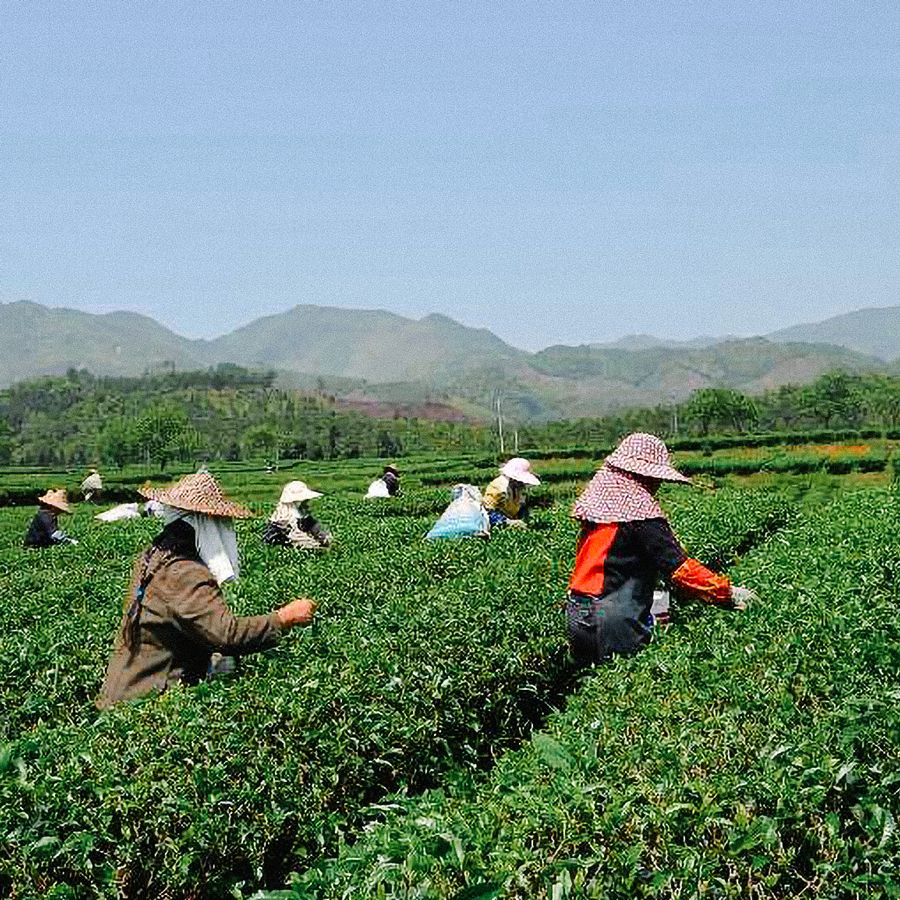
This renowned, privately-run tea farm is nestled among the hills and rocky landscapes of Wuyi. The tea is cultivated in small plots of 300-500 m² on the region’s famous nutrient-rich red soil. The farm holds Chinese organic certification and is regarded locally as a pioneer in organic tea cultivation.

Wuyi Da Hong Pao Imperial Grade P.Free

Character

Flavour

Da Hong Pao is China’s most famous Oolong tea and is counted among the top 10 teas in China. It is among the best-known “rock teas” (Yan Cha) from the Wuyi Mountains, as well as the one surrounded by the greatest number of myths and legends. Da Hong Pao was initially harvested from six original ancient bushes, which have long been revered and are now protected. No tea has been picked from them since 2005. Prior to this, the small quantities harvested from these bushes reached extraordinary prices, with up to US$28,000 paid for just 20 grams – more than thirty times its weight in gold.

Today, the finest Da Hong Pao is crafted by local tea masters as a carefully balanced cuvée of different cultivars, all descended from the original bushes and grown only in a specific area surrounding their historic site. Our tea is made from six cultivars, with Shui Xian (水仙), Rou Gui (肉桂) and, above all, Qi Dan (奇丹) being the most well-known. Single-cultivar teas are also produced from these varieties, though they are not labelled Da Hong Pao.

The experience of our Imperial Grade Da Hong Pao begins on the nose, with the aroma of freshly peeled orange zest. This citrus note also appears on the palate, complemented by an exquisite interplay of delicate smokiness, gentle roasted nuances and intense fruit notes reminiscent of longan, plum and peach. The finish is honey-sweet and lingering, making this tea an excellent companion to desserts.

Leaf

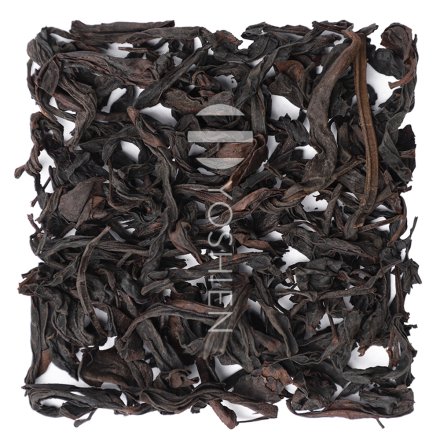
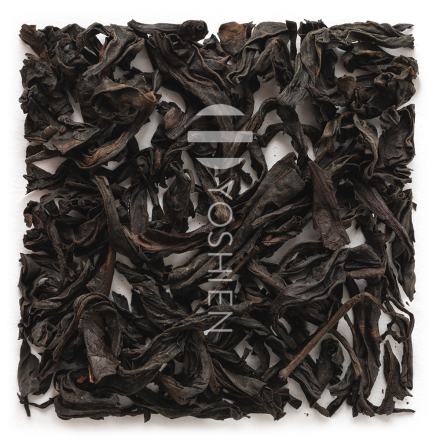
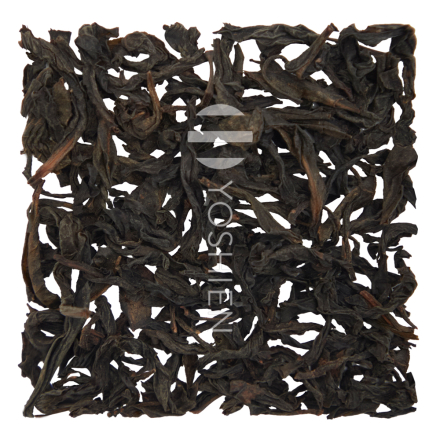
Finely twisted, dark brown needles

Cup

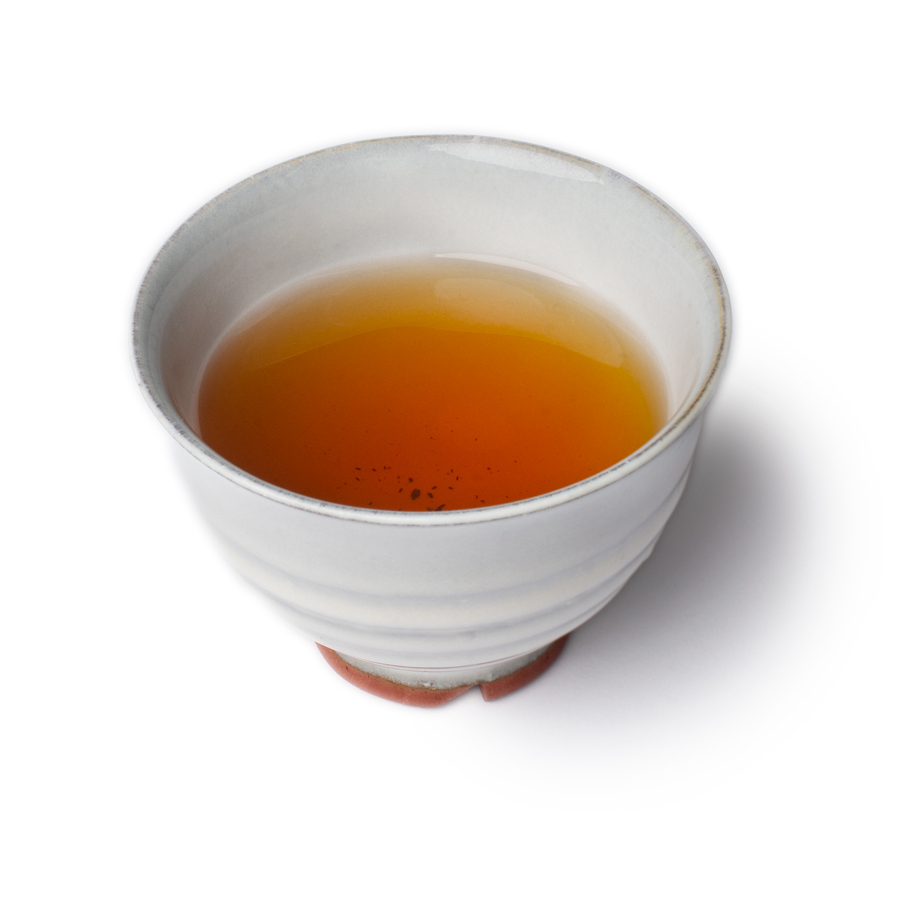
Bright red and amber

Wuyi Da Hong Pao Imperial Grade P.Free

Oolong

Oolong (Chinese for "black dragon") has a degree of oxidation between that of green and black teas, which is why it is often known as a semi-oxidised tea. Oolong can roughly be categorised into lightly (10-29%), medium (30-60%), and heavily (up to 70%) oxidised varieties. Following oxidation, the leaves are gently roasted, adding a distinctive depth and character to the tea. The wide range of production possibilities means that Oolong teas are incredibly diverse in flavour. The best terroirs for Oolong are generally considered to be in Taiwan and southern regions of China in and around the province of Fujian.

Yoshien Labortests

Laboratory Tests

We go to great lengths to identify the finest organic tea farms across the world’s most celebrated terroirs. All our teas are sourced directly from the farmer and, with a few exceptions, are certified organic or come from pesticide-free farms. Each batch of tea for every harvest is tested for pesticides and other pollutants in an independent German lab to ensure they meet our strict quality standards as well as HACCP food safety requirements.

Yoshien

Yoshi En

Premium Organic Teas

Our comprehensive portfolio focuses on organic, single-origin teas sourced directly from renowned farms. We believe in creating partnerships with farmers who share our values and are committed to sustainable, responsible tea cultivation. Thanks to these strong relationships our exciting range is constantly growing and evolving. As an international team of dedicated and passionate tea experts, we are committed to preserving centuries-old tea culture while ensuring it remains relevant and continues to bring joy in the present. About Yoshi En.

Cultivation & Processing

Special features in location, cultivation and processing

The Wu Yi Shan Mountains in the northwest of Fujian Province traditionally rank among the most renowned tea cultivation regions in China. This relatively large region, which is dominated by imposing rock massifs, densely growing forests and twisting rivers, is home to only 20,000 people. For centuries the mountains were a place of hermitage for Taoist and Buddhist monks, who began to settle in the region during the Song Dynasty (960–1279). From this period onward tea was cultivated on the cliffs and hills as well as in the gorges.

The unique natural landscape offers unusual conditions for growing tea, but the results are impressive. The karst topography offers excellent growing conditions for tea, as rainwater collects minerals from the cliffs and limestone gorges as it flows. The natural drainage and low surface water of the land was used by early monks and farmers to their advantage, resulting in very mineral rich soil. The tea plants growing in the valleys and slopes absorb these minerals to produce nutrient-rich tea.

A further special factor in the cultivation of this tea is the history of the cultivars. In the case of Da Hong Pao, there are six 350-year-old tea bushes that are highly revered as the originators of the tea, but which have not been harvested since 2005. Among the hundreds of autochthonous cultivars that grow in the Wu Yi Mountains, a few are derived from cuttings of those original 6 tea bushes and the offspring of those cuttings. These cultivars are thus the basis for contemporary Da Hong Pao teas, which are always prepared as blends and not single-cultivar teas. The best known of these cultivars include Shui Xian (水仙), Rou Gui (肉桂), and Qi Dan (奇丹), which are each included in our Imperial Grade Da Hong Pao. These tea bushes grow relatively small leaves and intricate root networks that absorb many minerals and contribute to the taste of the tea. Since these cultivars do not have high yields, there is a relatively small amount of this tea made every year.

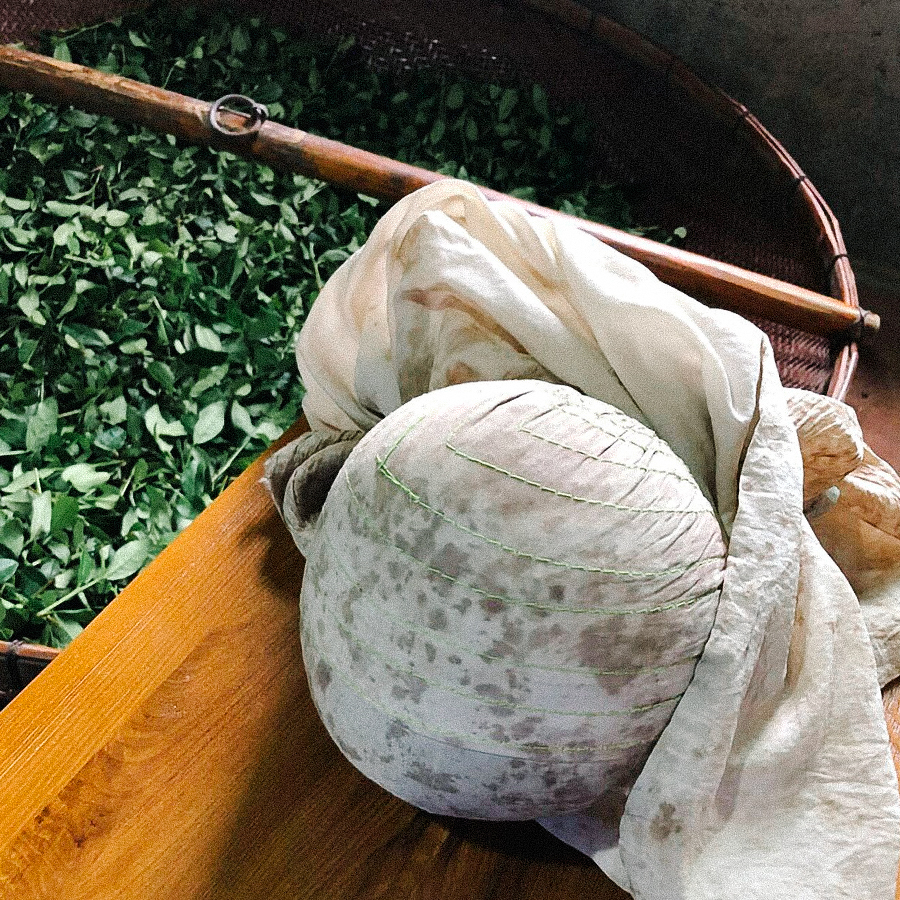
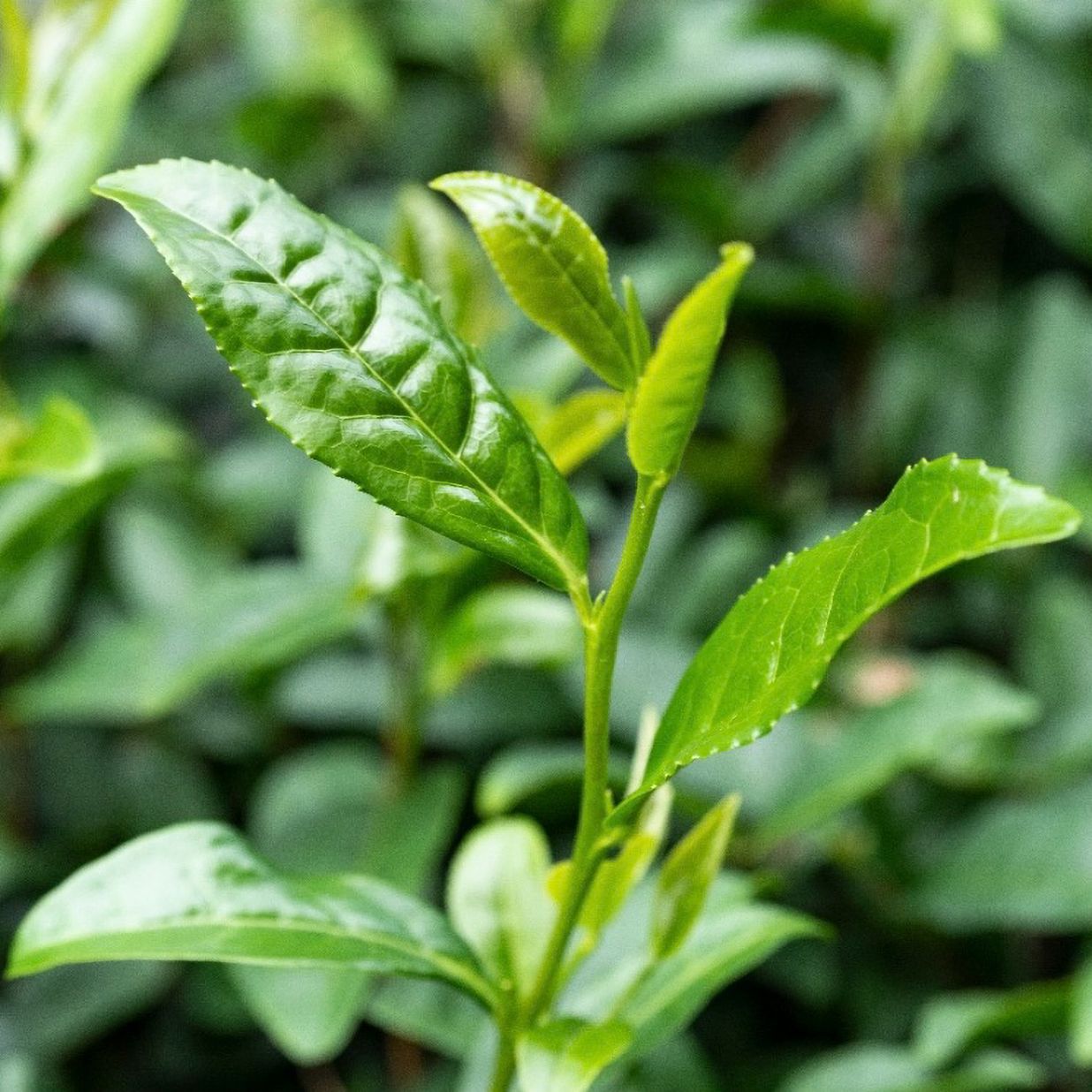
Our tea is harvested by hand, traditionally using the bud and the first three leaves. After picking, the leaves are withered in the sun to reduce moisture, initiating a gentle oxidation (fermentation) process. They are then taken out of the sun and further withered inside the farm buildings, being moved and turned repeatedly. Small tears along the leaf edges release aromatic cell sap, which oxidises on contact with air. This stage can take up to two days.

In the next phase, fermentation intensifies. Depending on the quantity, the leaves rest on bamboo trays in the fermentation chamber, developing a reddish-brown colour at the torn edges. Once the desired level of fermentation has been reached, the process is halted through heat in an oven (“kill green”). The leaves are then rolled and gently broken, allowing the aromatic juices to spread across the leaf surface and set. Rolling also gives the tea its characteristic twisted, needle-like shape. The final step is repeated, careful roasting over hardwood charcoal. Each roasting cycle lasts eight to twelve hours, with days sometimes passing between individual roasts. Finally, once cooled, the leaves are meticulously sorted by quality.

Single Origin

This tea comes 100% from the above-mentioned tea field in Sandu Cun, sourced directly from the tea farmer.

100% pure

Preparation

Brewing Guide

2 heaped tsp per 200ml water (90-95°C), steep for 3 minutes.

The tea farmer's recommendation:

 Suitable for up to 6 infusions.

1. 90-95°C, 15 seconds
2. 90-95°C, 30 seconds
3. 90-95°C, 60 seconds
4. 90-95°C, 1 minute 30 seconds
5. 90-95°C, 2 minutes
6. 90-95°C, 2 minutes 30 seconds

Packaging

High-quality, airtight, resealable standing zipper pouch with nine protective layers to preserve flavour and protect against oxidation and contamination.

Recommended Teapot

Oolong tea is traditionally brewed in a Gaiwan (in small quantities) or a tall glass teapot with an integrated sieve so that the leaves are able to freely drift around inside the pot. For an especially aromatic infusion, we recommend a clay Yixing teapot.

Recommended Tea Caddy

Ideal is a high-quality tea caddy made from cherry tree bark (wooden, Kabazaiku Chazutsu), or alternatively, an interally-coated, airtight tea caddy.

Test results

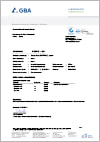
We find it very important that our teas are pure and produced in a way that respects the environment. For this reason, each one of our teas is tested for pesticide residues by an independent laboratory, the results of which can be found here. Some of our teas are also tested for specific nutritional compounds, in which case the test results are also published here.
Test results

Our recommendations

Loading...
The image could not be loaded.