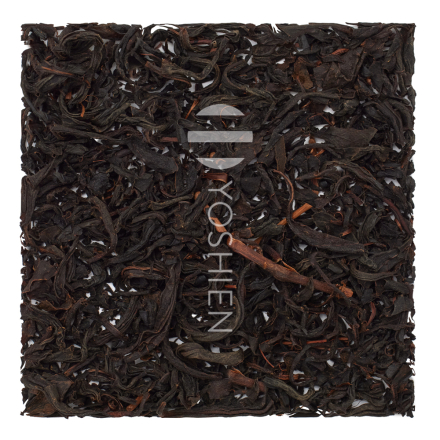
Wakocha Ureshino
Fujikaori P.Free

Super Premium 97 P.

SKU
0191
A highly floral Wakocha black tea from Ōta Shigeki, grown without pesticides in the idyllic onsen (hot spring) region of Ureshino in Saga, Japan. Made from the rare Fujikaori cultivar, it offers an aromatic tapestry of the finest floral and fruity notes.
Character Floral notes of honeysuckle, bergamot, apricot, and green mandarin
Tea Farm Ōta Shigeki Seicha 太田重喜製茶
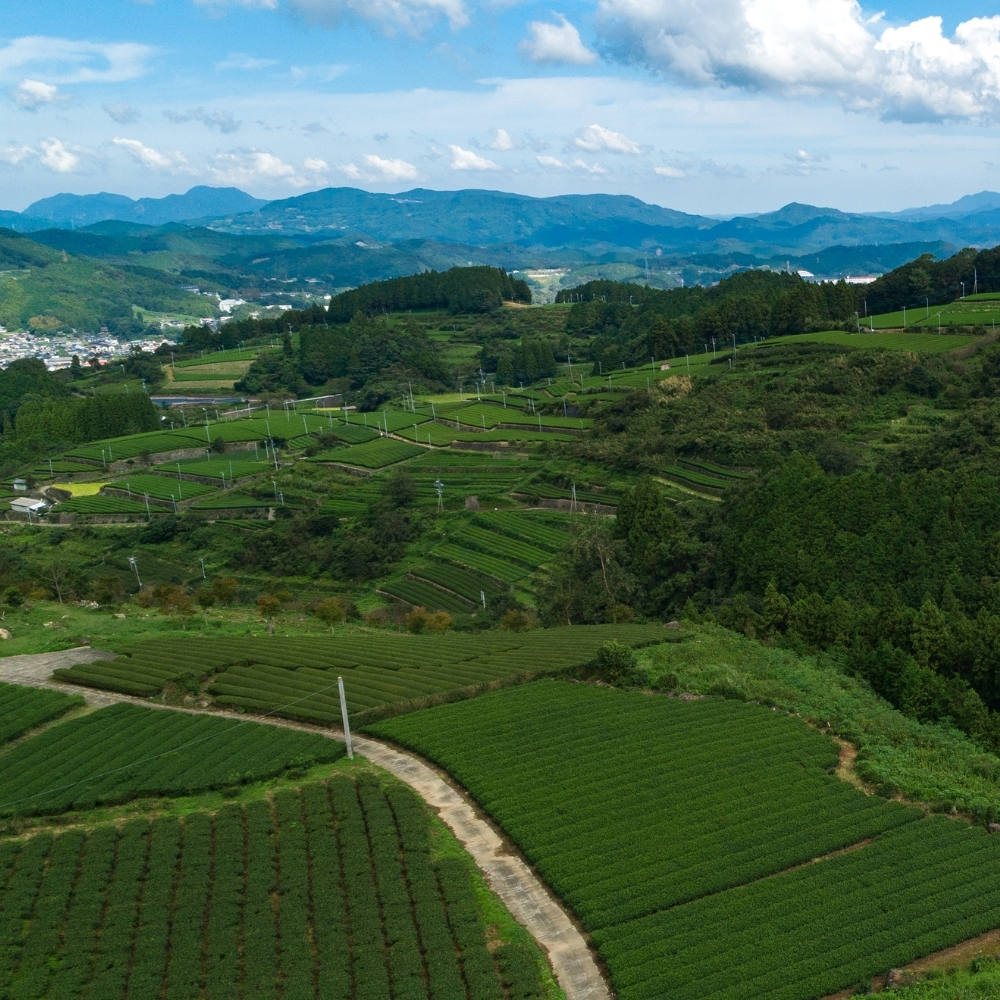
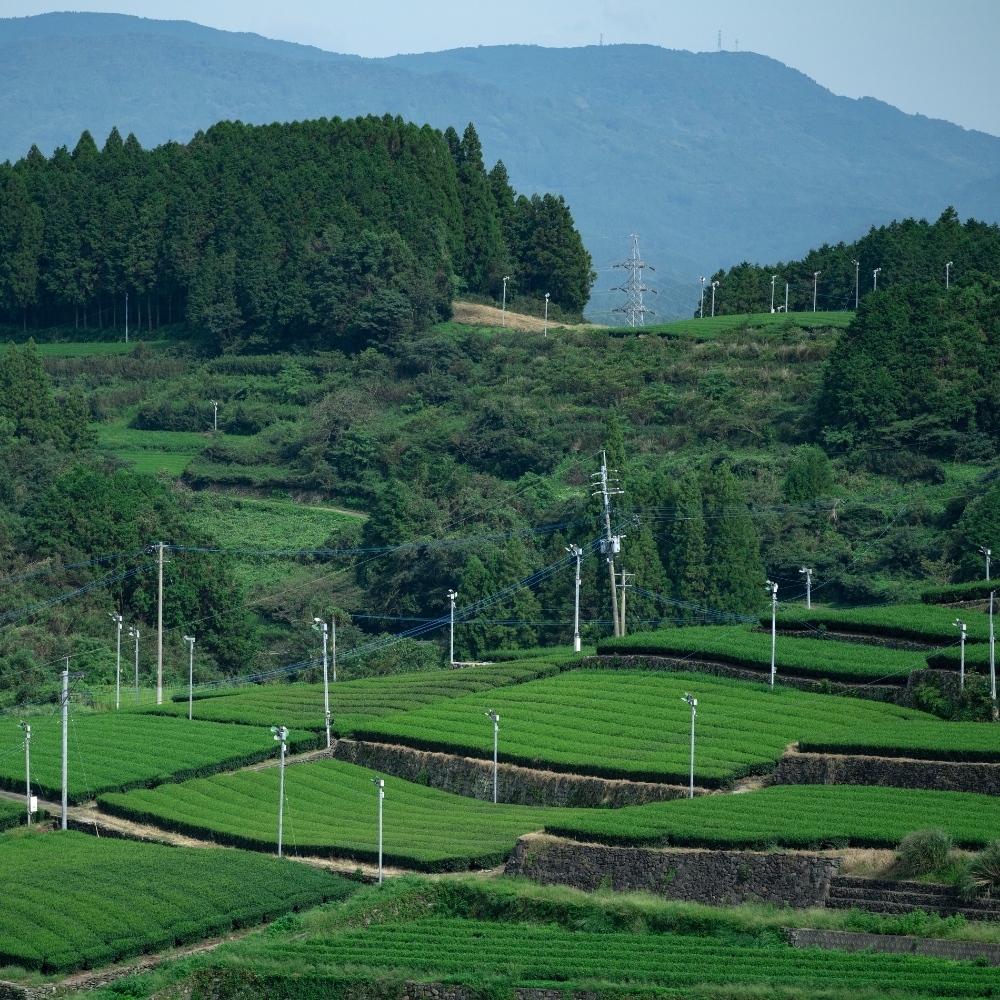
Terroir Zaimokuji, Ureshino, Saga Prefecture, Japan
Harvest 2nd harvest (Nibancha), June 2025
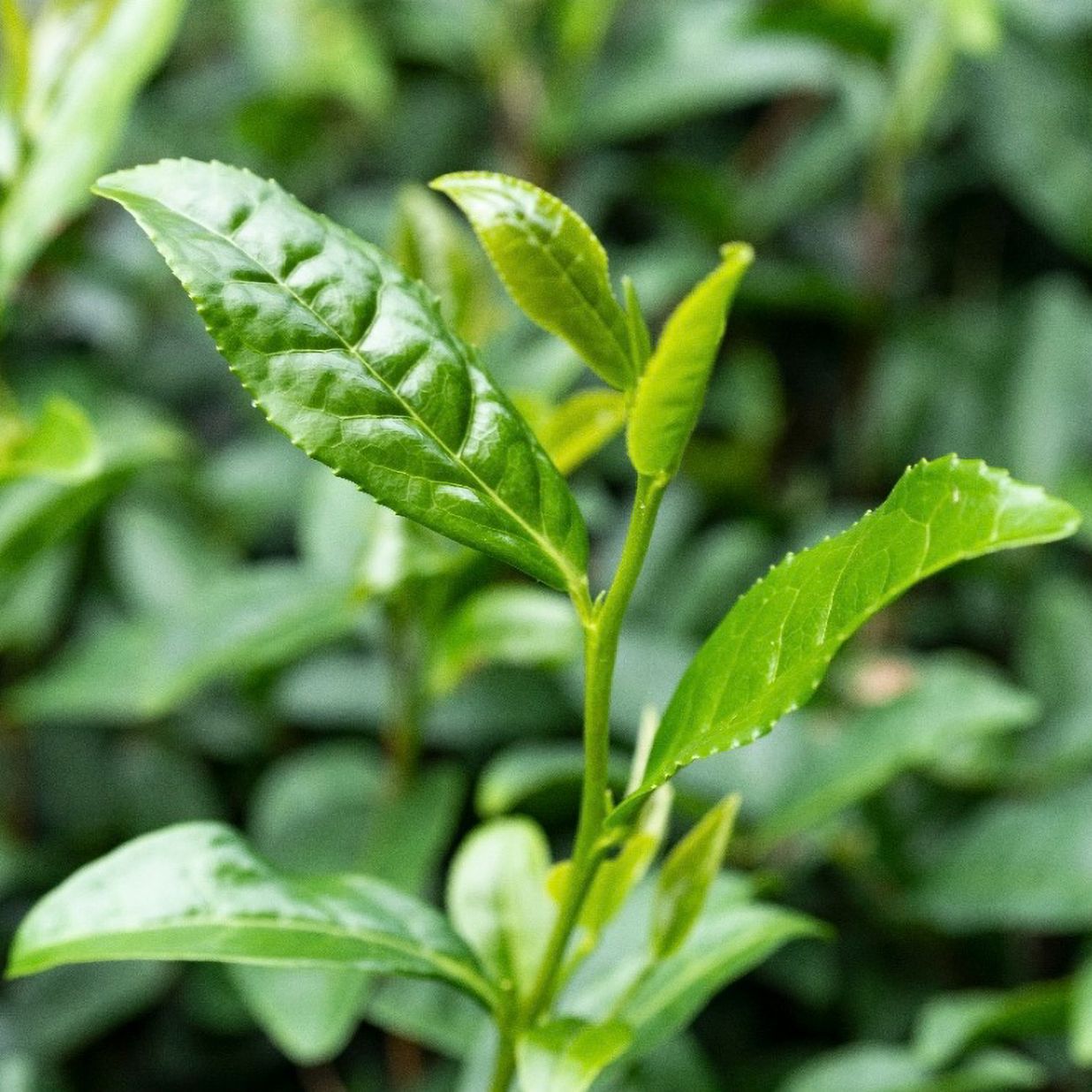
Cultivar Fujikaori
Elevation Approx. 150m above sea level
Processing Withering (24–48 hours), rolling (30–45 minutes), oxidation (2 hours), double oven-drying (first just under 2 hours at 50–60°C, then 35 minutes at 110°C, followed several days later by a final drying for 20 minutes at 95°C), sorting, and packaging
Cultivation No official organic certification, but cultivated according to organic principles without the use of plant protection products on the fields since 2003
Laboratory Tests Radioactivity (annual testing of the region) and pesticides
Grade 97/100 P. (Wakocha category); Super Premium
€16.90
50g

Delivery : up to 5 business days

Incl. VAT, excl. shipping

SKU
0191
€338.00 / 1kg
Notify me when this product is available:

Incl. VAT, excl. shipping

SKU
0191
€338.00 / 1kg
Reminder set
Wakocha Ureshino Fujikaori Wakocha Ureshino Fujikaori Wakocha Ureshino Fujikaori Wakocha Ureshino Fujikaori Wakocha Ureshino Fujikaori

Tea Farm

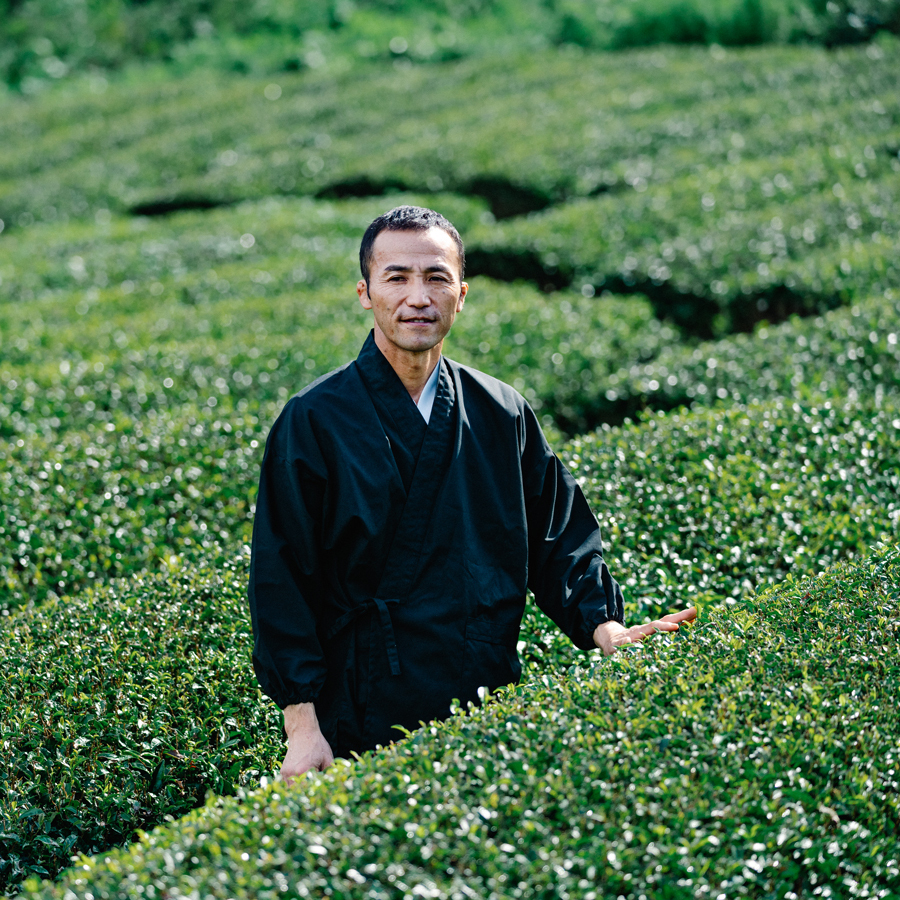
Ōta Shigeki Seicha (太田重喜製茶) is a fifth-generation family-run tea farm in the renowned Ureshino region, specialising in Tamaryokucha, Kamairicha, and Wakocha. The farm has cultivated its teas according to organic standards since 1977. Shigeki Ōta selects rare seed varieties from the different locations of his tea fields to create masterful blends and single-cultivar teas from a wide variety of cultivars, including many that are rare and highly prized.

Wakocha Ureshino Fujikaori

Character

Tasting Notes

This deeply refined Wakocha tea is almost like fresh flower nectar: impressions of honeysuckle blossoms appear in the infusion, along with a hint of bergamot, a touch of apricot and a hint of slightly green mandarins. The name of the cultivar, Fujikaori – meaning "scent of wisteria blossom" – beautifully describes the character of the tea, as it evokes the feeling of wandering through a colourful wisteria grove at the height of its bloom. At the same time, it maintains remarkable clarity, allowing its floral perfume to remain poised and never overwhelming. A fascinating gourmet black tea that, like a long summer evening, one could savour endlessly.

Leaf

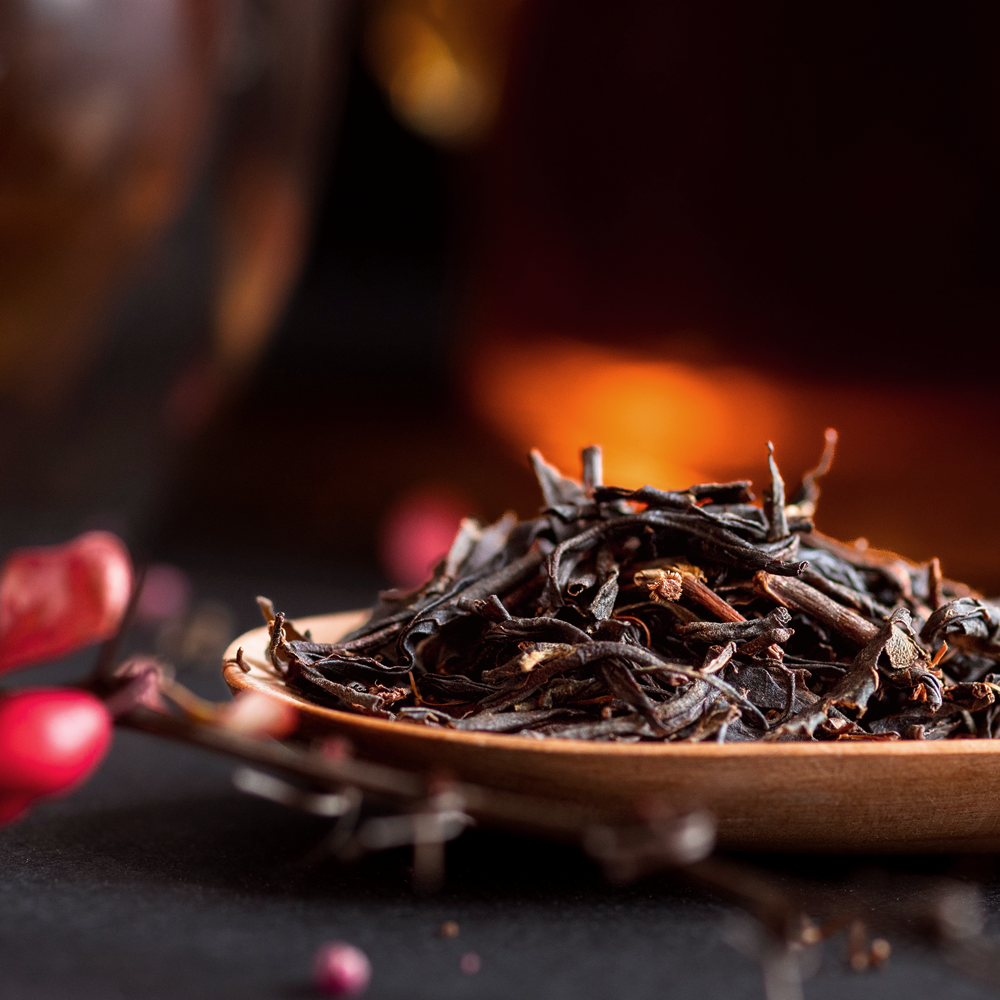
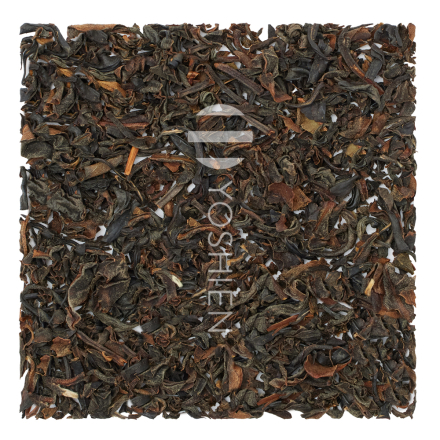
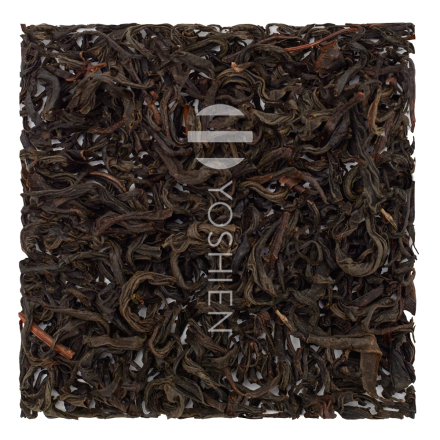
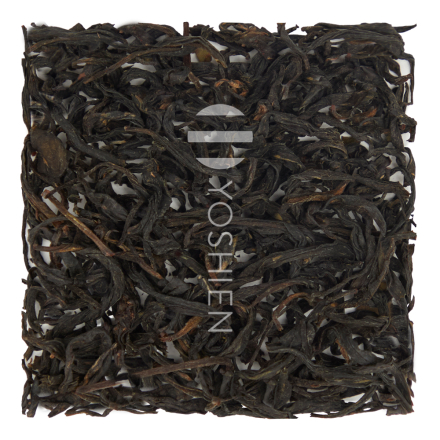
Cacao brown, finely curled tea leaves

Cup

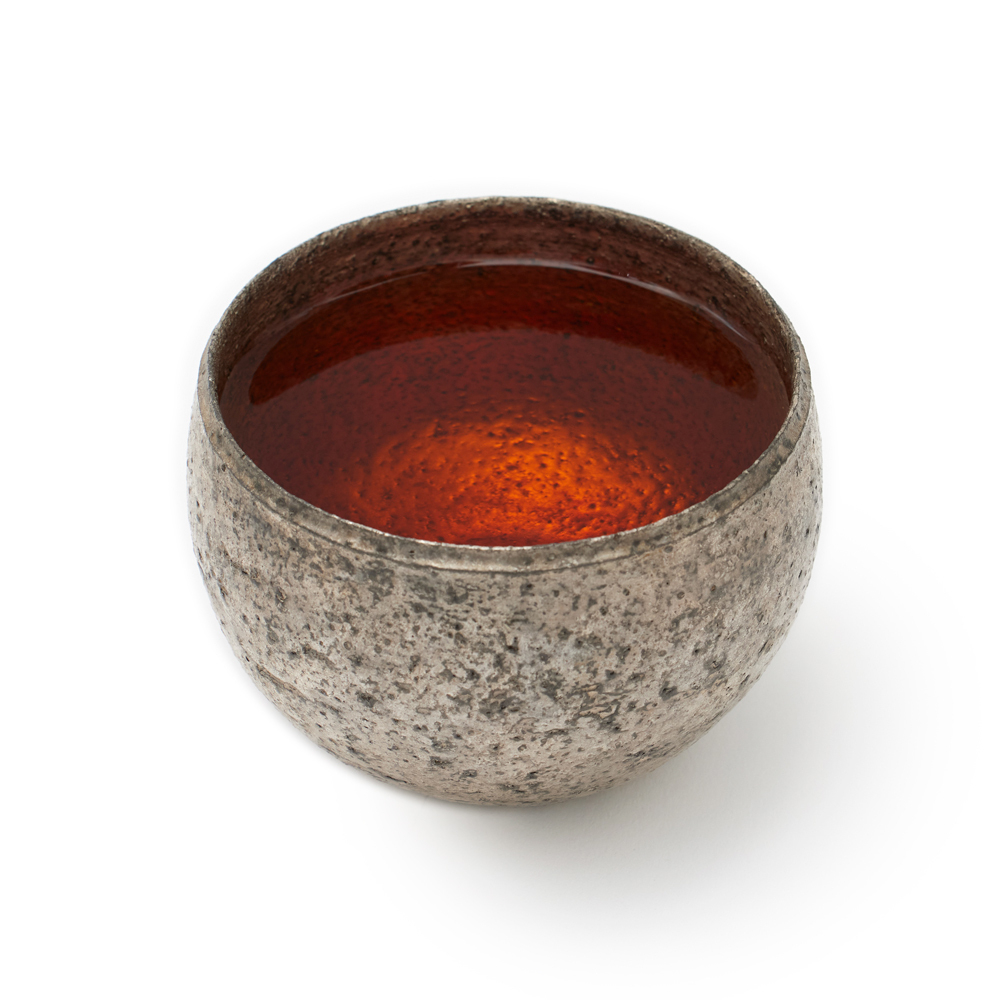
Light kumquat orange

Wakocha Ureshino Fujikaori

Wakocha

Wakocha (和紅茶) refers to black tea produced in Japan. Although they once played an important role as a trade commodity until the mid-20th century, growing competition from India and China caused Japanese black tea to fall into obscurity for many years. Only in the past two decades has there been a renewed appreciation for this heritage. Despite their distinctive character, Wakocha are typically milder in flavour than many other black teas, often featuring fruity-floral notes and a pleasant honeyed sweetness, which is why they are often drunk without milk or sugar. In addition to the tea heartland of Shizuoka, a significant amount of Japan’s finest Wakocha is produced on the southern main island of Kyushu.

Yoshien Labortests

Laboratory Tests

We go to great lengths to identify the finest organic tea farms across the world’s most celebrated terroirs. All our teas are sourced directly from the farmer and, with a few exceptions, are certified organic or come from pesticide-free farms. Each batch of tea for every harvest is tested for pesticides and other pollutants in an independent German lab to ensure they meet our strict quality standards as well as HACCP food safety requirements. Likewise, all the regions of Japan from which we source our teas are tested for radioactivity for every harvest.

Yoshien

Yoshi En

World's Finest Organic Teas

Our comprehensive portfolio focuses on organic, single-origin teas sourced directly from renowned farms. We believe in creating partnerships with farmers who share our values and are committed to sustainable, responsible tea cultivation. Thanks to these strong relationships our exciting range is constantly growing and evolving. As an international team of dedicated and passionate tea experts, we are committed to preserving centuries-old tea culture while ensuring it remains relevant and continues to bring joy in the present. About Yoshi En.

Cultivation & Processing

Ureshino

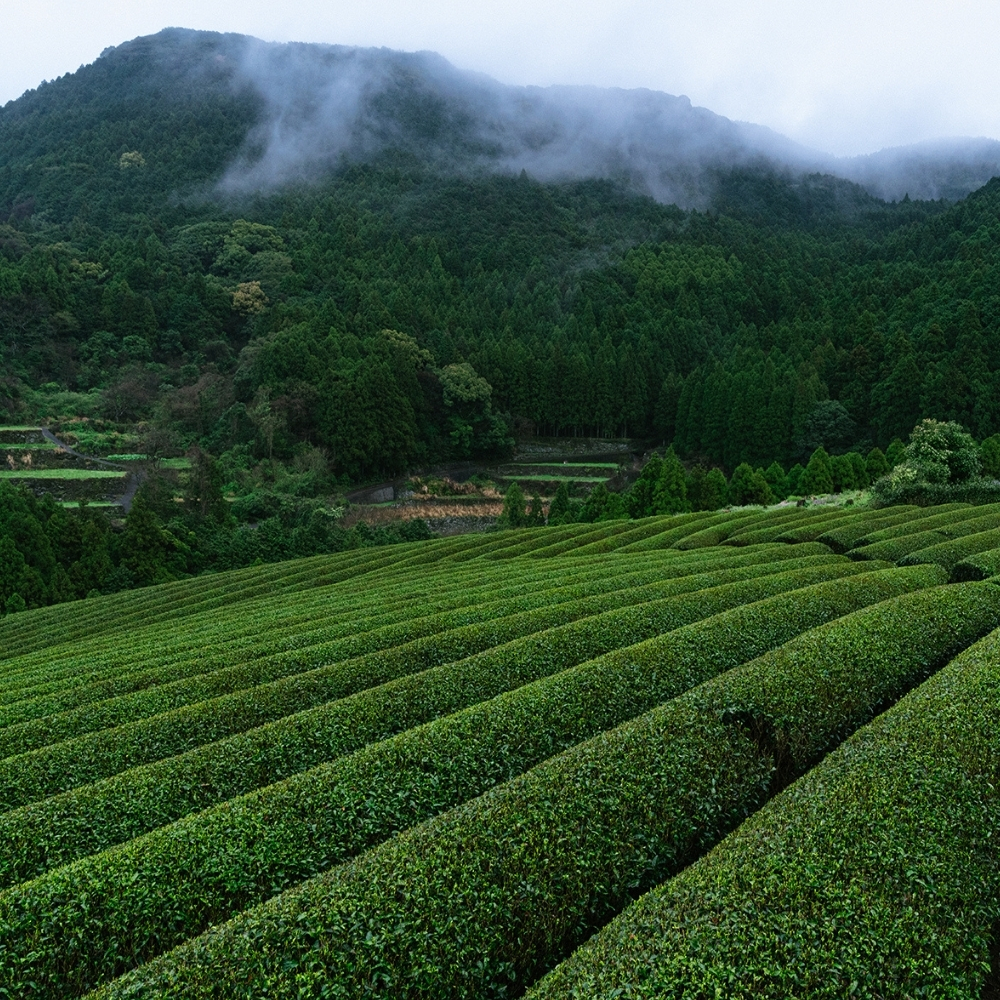
The Ureshino growing region is characterised by exceptionally fertile, volcanic soils. Mr Shigeki Ōta’s tea fields lie in beautiful, untouched natural surroundings, spread across 15 tea gardens at elevations between 150 and 500 metres. No chemical pesticides or herbicides have been used since 1978. The family has developed its own natural protection methods, using materials such as sugar, wood ash and vinegar. Fertilisers are applied only when absolutely necessary.

Preparation

Brewing Guide

3 heaped tsp (7g), 70 °C, 100–300 ml, steep for 2 minutes for a delightfully balanced infusion.

Alternatively, we recommend the classic preparation method for Wakocha at 90–95°C with a shorter steeping time of approx. 30–40 seconds.

For subsequent infusions, the temperature can then remain the same, while the steeping time should be reduced by a few seconds. We recommend up to 5 infusions for this tea.

Packaging & Storage

Packaged directly for us on site in a high quality, airtight, resealable standing zipper pouch with 9 protective layers to preserve flavour and protect against oxidation and contamination. When closing the bag, press out as much air as possible to best preserve the quality of the tea. Alternatively, and especially for longer-term storage, we recommend our stylish and airtight tea caddies.

Recommended Teapot

For an especially aromatic preparation, we recommend brewing this tea in the Chinese gongfu style, despite its Japanese origin. For this, a Chinese teapot made of Yixing or Nixing clay is ideal, as is a classic gaiwan made of flavour-neutral porcelain.

A glass teapot is also a beautiful option, allowing you to watch the tea as it infuses. If you prefer, you can also prepare the tea in a black Tokoname kyusu.


Our recommendations

Loading...
The image could not be loaded.