


Special features in location, cultivation & processing
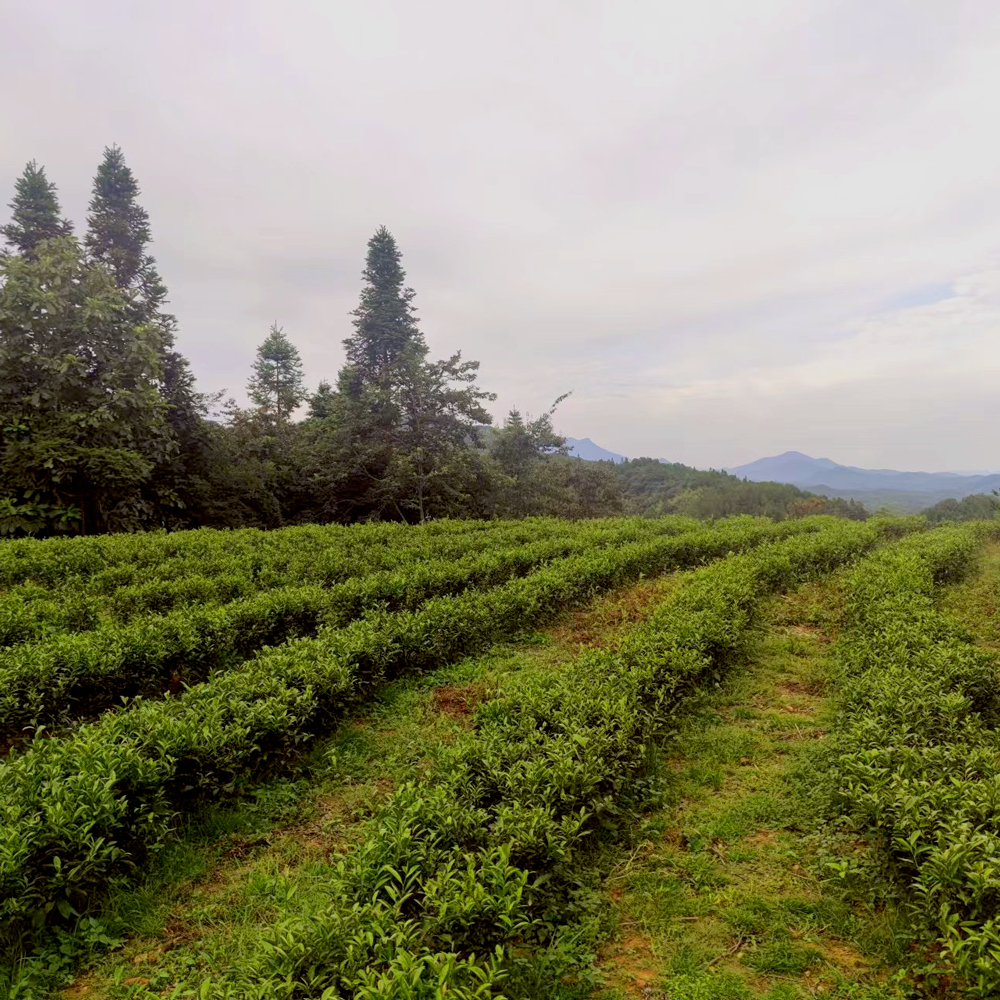
Authentic Tie Guan Yin teas display an extraordinary, multilayered spectrum of floral aromas that evolves with each infusion. This remarkable complexity owes much to the unique terroir and climate of the region’s hills. The higher elevations provide excellent drainage, while Fujian’s proximity to the sea and humid subtropical climate create ideal growing conditions.
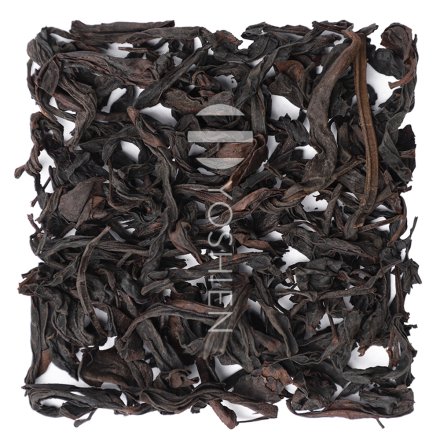
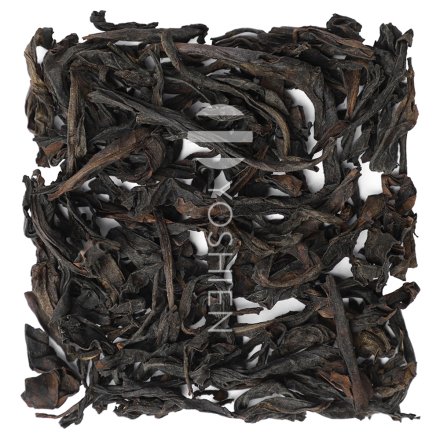
The true success story of Tie Guan Yin began during the Qing dynasty, with the introduction of Oolong production methods from Wuyi. The local tea cultivars proved exceptionally well suited to this style of processing, giving rise to an important new tea provenance. Over time, producers began roasting their teas less heavily than the Oolongs of Wuyi, opening up an entirely new spectrum of flavours. Today, these gently roasted Tie Guan Yin teas, with their sweet, caramel-like notes, are known as Chuantong (傳統), or traditional Tie Guan Yin.
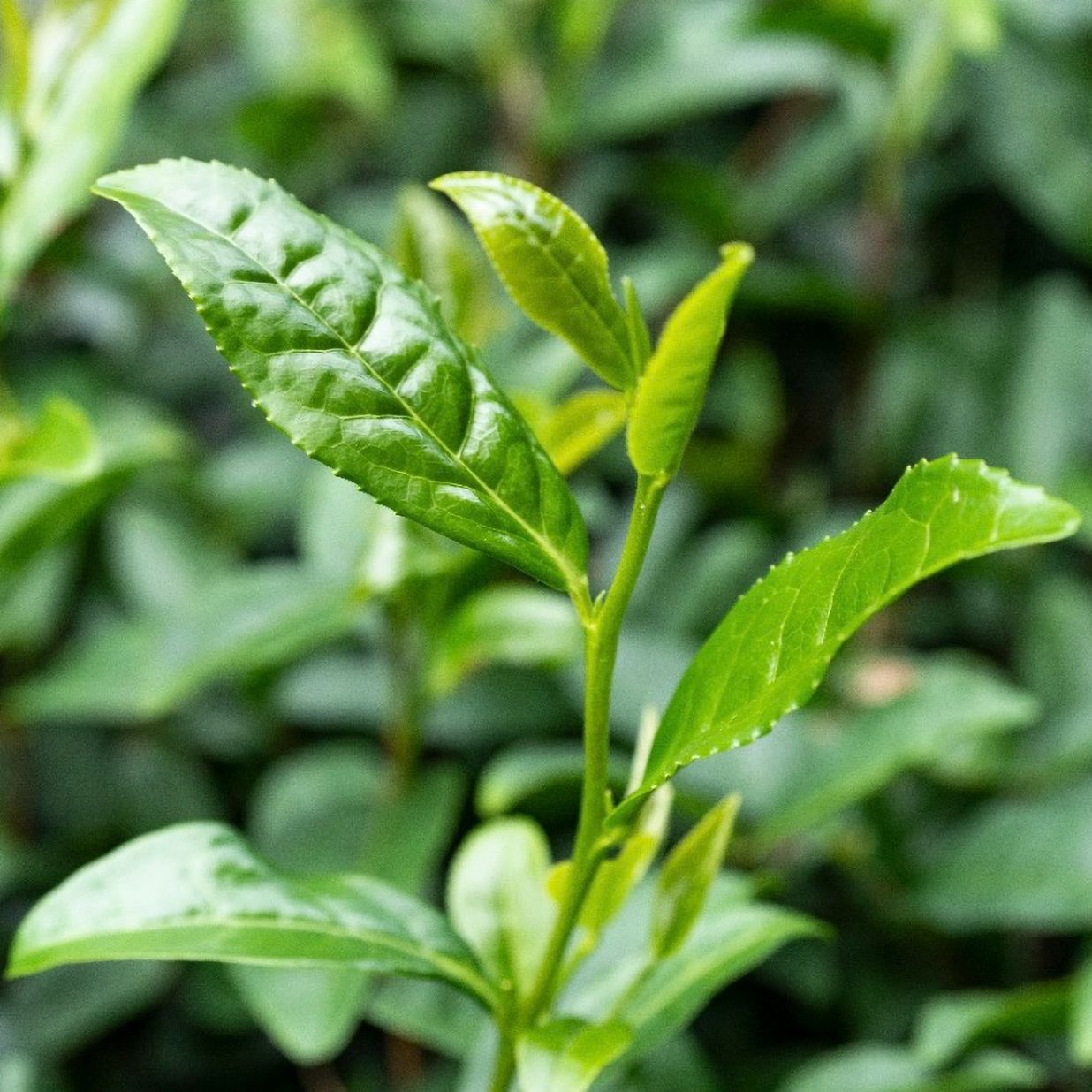
The leaves for this tea are picked by hand. As is traditional for Oolong, the plucking standard consists of the bud and first three leaves. The leaves are allowed to mature further on the plant than those used for green tea.
After harvesting, the leaves are withered in the sun to reduce their moisture content, allowing oxidation to begin gently. They are then brought indoors to continue withering and are repeatedly tossed and turned. This lightly bruises the leaves, particularly around their edges, releasing cell sap that reacts with oxygen in the air.
During the next stage, oxidation intensifies. Depending on the quantity, the leaves are spread across bamboo trays or large mesh racks in an oxidation room. As the process develops, the bruised areas of the leaves gradually take on a reddish-brown colour.
Once the desired level of oxidation has been reached, heat is applied to halt the process, in a stage known as “kill-green”. The leaves are then worked in a rolling machine, breaking down their structure and distributing the aromatic cell sap across their surfaces.
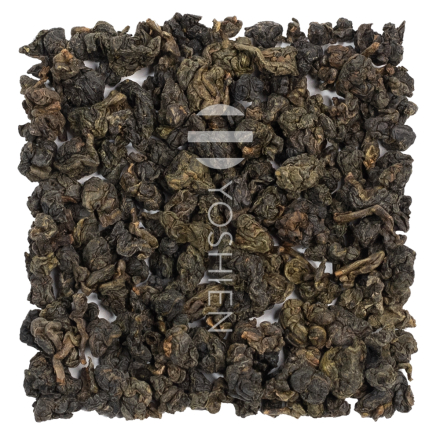
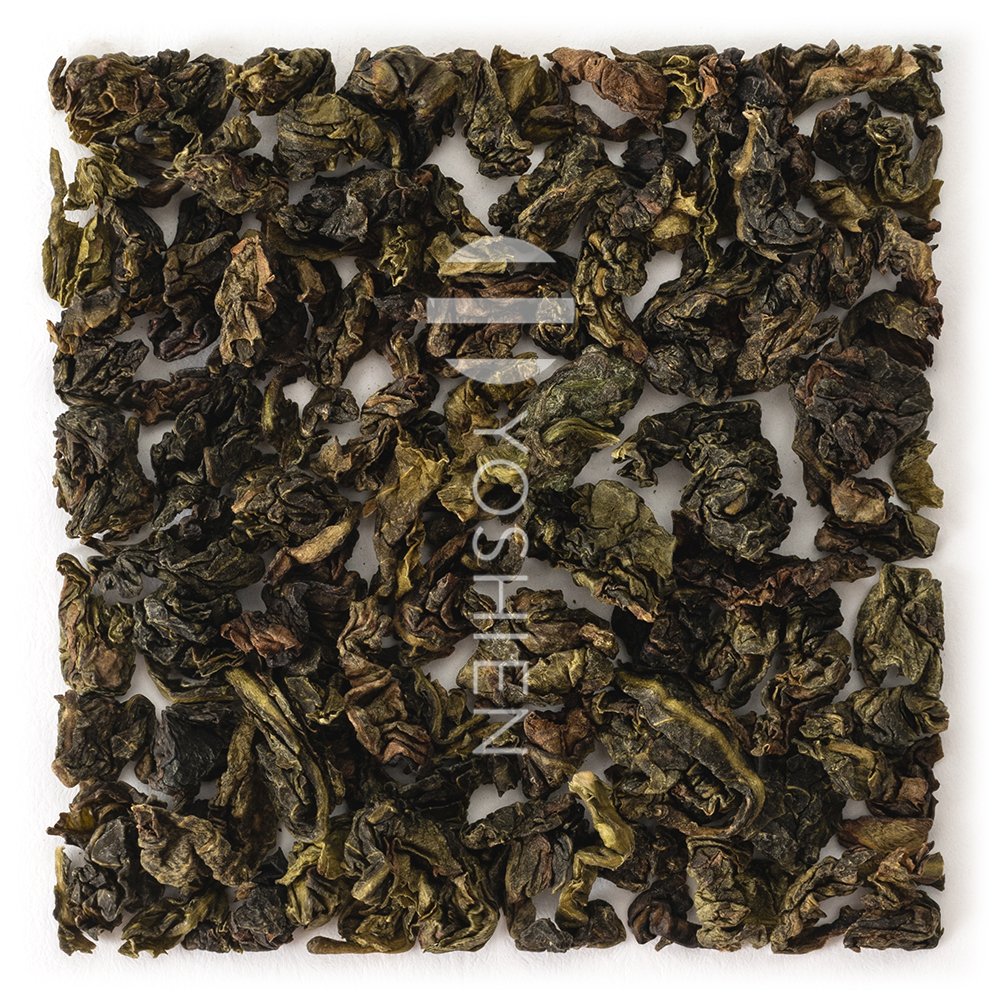
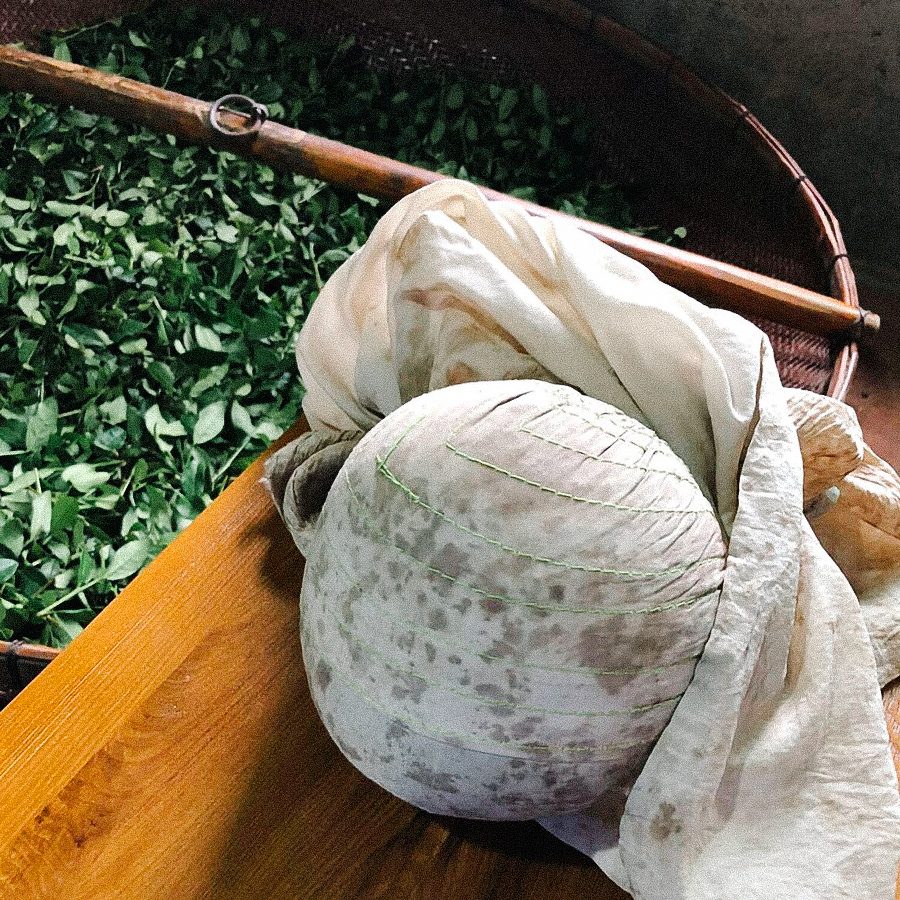
Finally, through a combination of manual and mechanical cloth rolling – known as Baorou (包揉), or ball-cloth rolling – the tea acquires its characteristic tightly rolled, semi-spherical shape. As the final step, the leaves are gently dried in an oven.
Organic Certification

PL-EKO-01
Nicht-EU-Landwirtschaft