



Special features in location, cultivation & processing
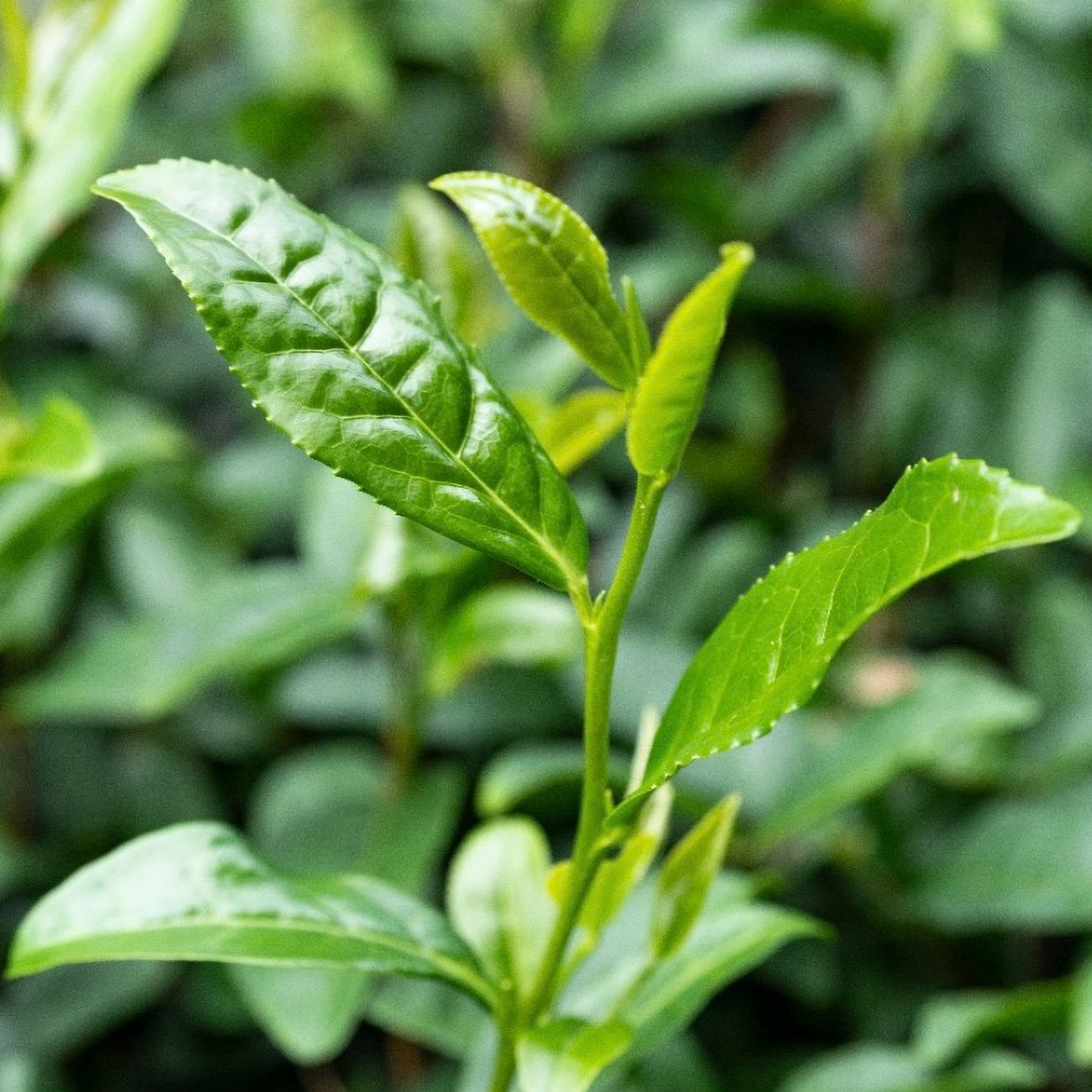
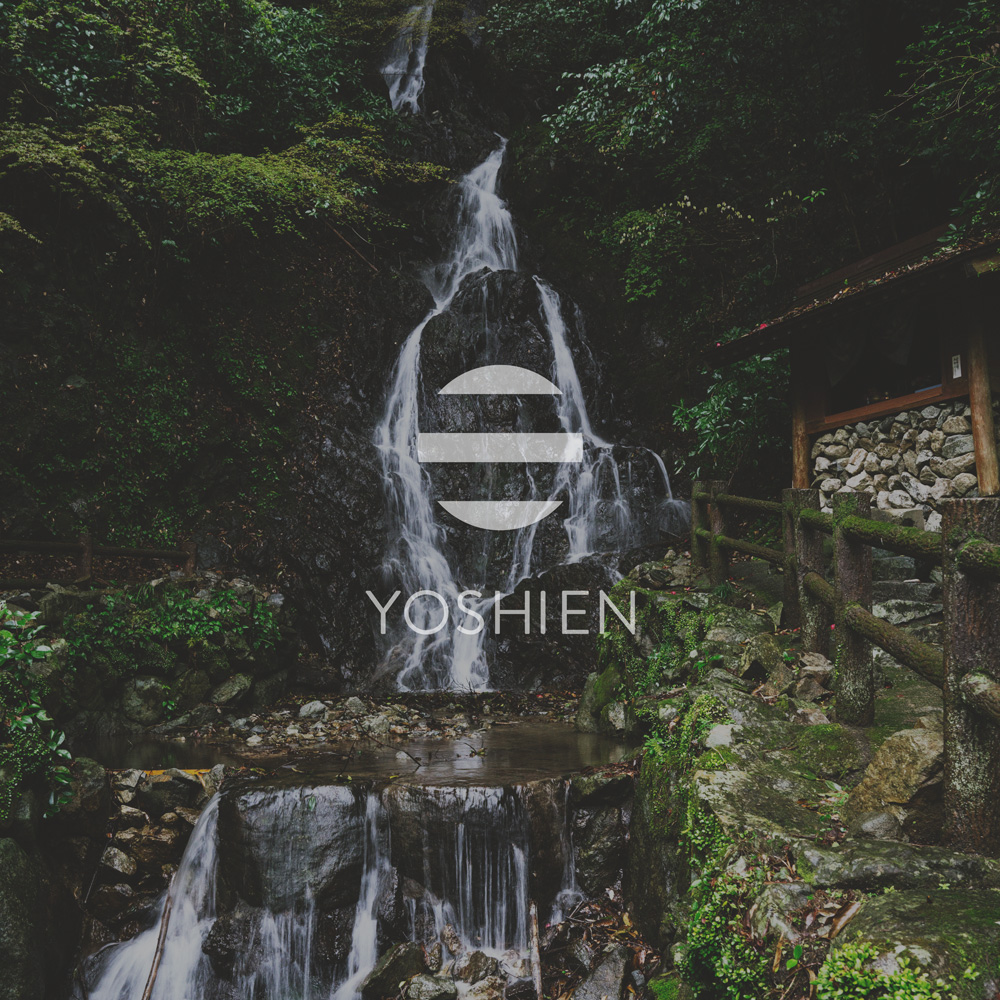
Tea from the town of Watarai in Mie Prefecture, Japan, grows in an exceptionally pristine natural environment, nourished by pure groundwater and the gentle mists rising from the Miyagawa River. This rare tea has been cultivated without pesticides or chemical fertilisers for more than 25 years.
At the heart of the tea farm’s approach is a sustainable cultivation philosophy that promotes soil health and supports a rich and diverse soil ecosystem. Organic materials such as grasses, twigs and plant matter are used to create a natural cycle that nourishes the soil while suppressing weed growth, entirely without the use of herbicides.
Tea from Ise (Ise-cha)
Ise-cha originates from Mie Prefecture and takes its name from the historic city of Ise, home to Japan’s most revered Shintō shrine. The tea plants thrive in a unique terroir shaped by a mild climate, abundant rainfall, fertile soils and maritime influences. Frequent fog combined with the slow growth of the tea bushes yields a particularly nuanced flavour profile, making the terroir itself a key factor in the tea’s quality.
Cultivation follows a traditional, quality-focused approach, with great care devoted to the tea bushes and close attention paid to the natural conditions of the region. The result is a tea that clearly expresses the unique character of its origin.
The history of Ise tea dates back to the Heian period, when it was first cultivated in Buddhist temples and valued as a precious commodity. During the Edo period, it spread far beyond its region of origin through traders and pilgrim guides, and was cultivated as a tax-payable product from an early stage. Later, Ise tea also gained prominence abroad, where it was exported on a large scale and received international attention for both its quality and distinctive flavour profile.
Single Origin
This tea comes 100% from the above-mentioned tea fields and is sourced directly from the tea farmer.