

Sannenbancha
Koba Yamato P.Free

Highest Grade 100 P.

SKU
0292
The finest organic Koba Sannenbancha, matured on the bush for three years before harvest. Crafted by our farmer Mr Ken’ichi Ikawa, who is devoted to cultivating tea in complete harmony with nature. Aromatic like a cask-aged whisky, with remarkable elegance and finesse. 60g
Character Woody notes of warm autumn leaves, subtle hints of whisky and oak, a slight hint of fermentation; creamy texture, mild and pleasantly warm on the finish, free from bitterness
Tea Farm Ken'ichi Shizen Nouen
Terroir Yamato Kogen, Nara Prefecture, Japan
Harvest Winter harvest, February 2024
Cultivar Yabukita & Zairai
Elevation Approx. 500m above sea level
Cultivation Cultivated without chemical pesticides or fertilisers
Laboratory Tests Radioactivity (annual test of the region) and pesticides
Grade 100/100 P. (Sannenbancha category); Highest Grade
€17.90
60g

Delivery : up to 5 business days

Incl. VAT, excl. shipping

SKU
0292
€298.33 / 1kg
In stock
Sannenbancha Koba Yamato P.Free Sannenbancha Koba Yamato P.Free Sannenbancha Koba Yamato P.Free Sannenbancha Koba Yamato P.Free

Tea Farm

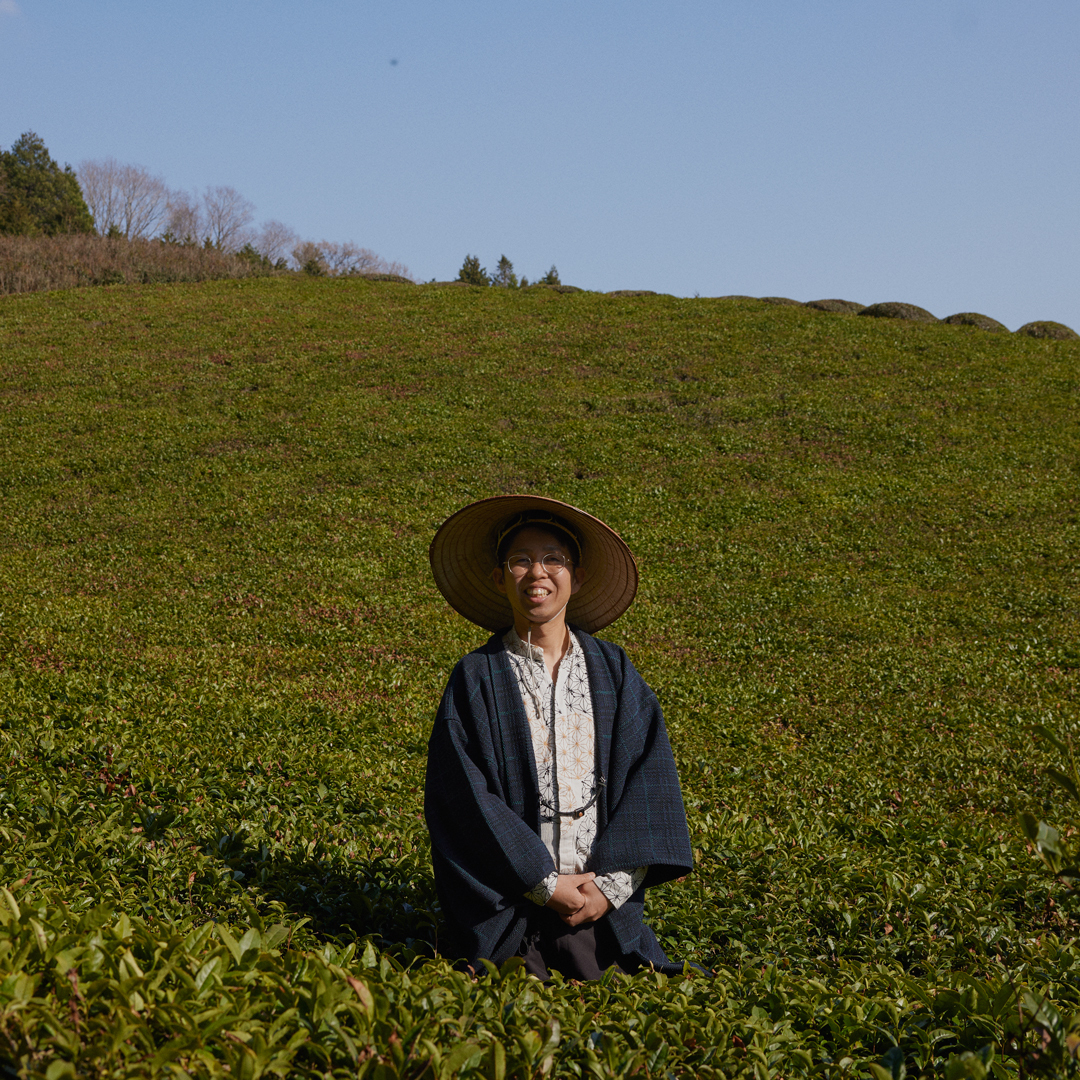
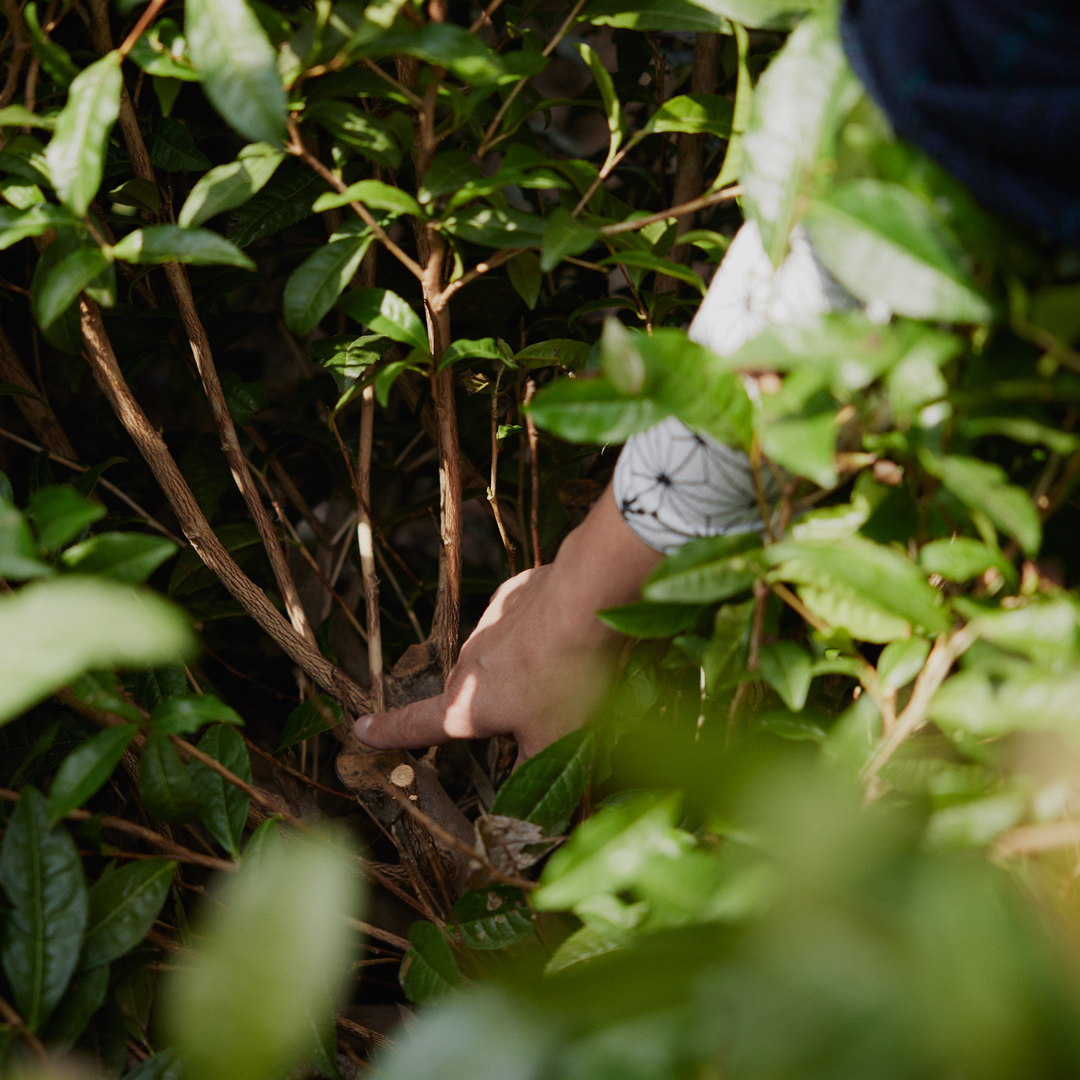
Mr Ken’ichi Ikawa is a tea farmer based in the small, remote tea-growing region of the Yamato Highlands in Nara Prefecture. He has dedicated his life to cultivating tea in close harmony with nature, following the principles of “do-nothing farming”, also known as the Fukuoka method, developed by the Japanese philosopher and farmer Masanobu Fukuoka (1913–2008).

This approach is rooted in working consistently with nature: intervention occurs only where it truly serves the needs of the tea plants. The complete avoidance of chemical pesticides and synthetic fertilisers is taken as a given, alongside flexible harvest timings and a gentle approach to weed management, guided by the plants’ natural rhythms.

Beyond his work in the fields, Mr Ikawa is deeply committed to the Yamato Highlands, a sparsely populated region close to his heart. With great dedication, he supports its revitalisation by involving local helpers during the harvest season, including schoolchildren and volunteers of all ages. The result is not only an exceptional tea, but a product shaped and sustained by a sense of community.

Sannenbancha Koba Yamato P.Free

Character

Tasting Notes

Without doubt, this is an outstanding tea – one that captivates with a finely nuanced tapestry of aromas while offering a sense of comfort unlike almost any other Japanese green tea. From the very first infusion, a warm bouquet gently rises: notes of softly smouldering wood, autumn leaves and subtle hints of whisky unfold on the nose. The characteristic whisky nuances of Sannenbancha linger long on the palate, evocative of the mellow, rounded notes imparted by oak cask ageing. A delicate, lightly fermented character adds further depth, seamlessly integrated through its remarkable balance and refined mouthfeel. Its creamy texture immediately envelops the tongue, carrying it into the tea’s warm, woody layers without a trace of bitterness. The result is a deeply soothing sensory experience, compounded by the comforting warmth on the finish.

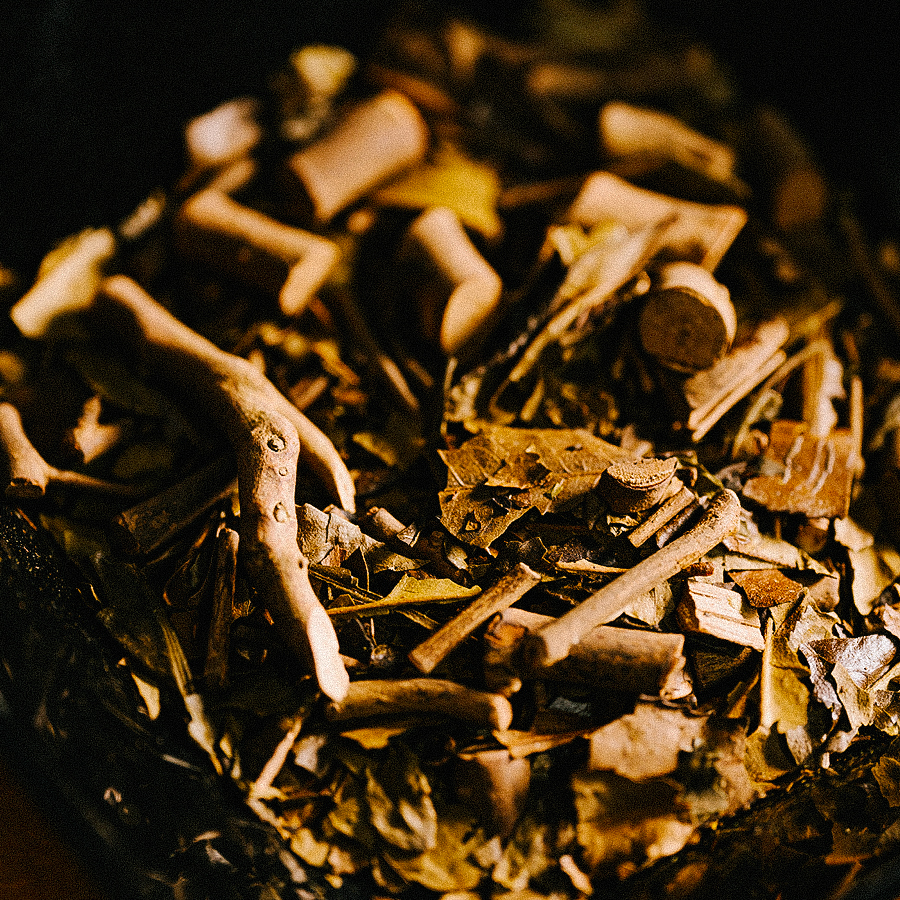
Leaf

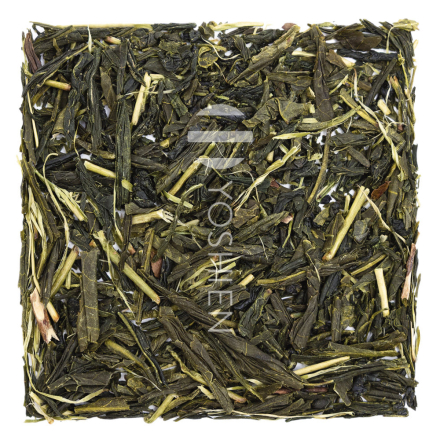
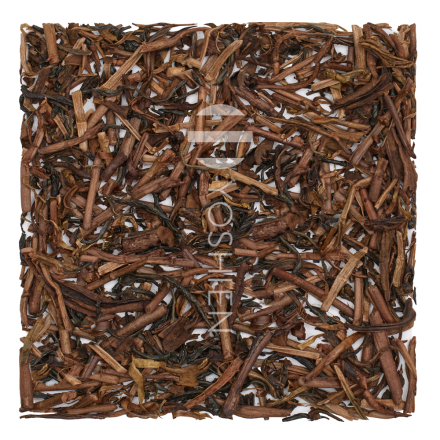
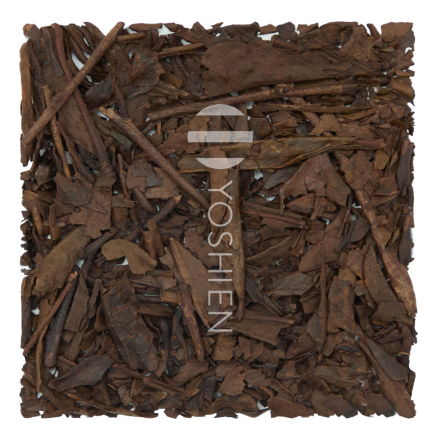
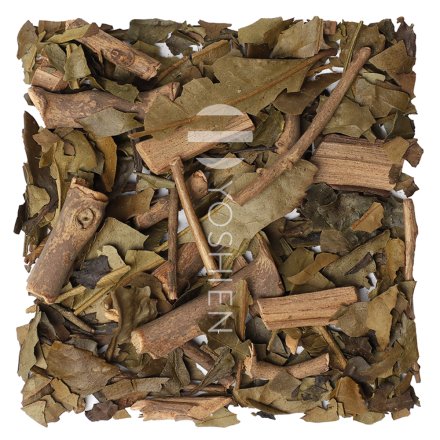
Robustly roasted leaves, thick stems and branches of the tea bush

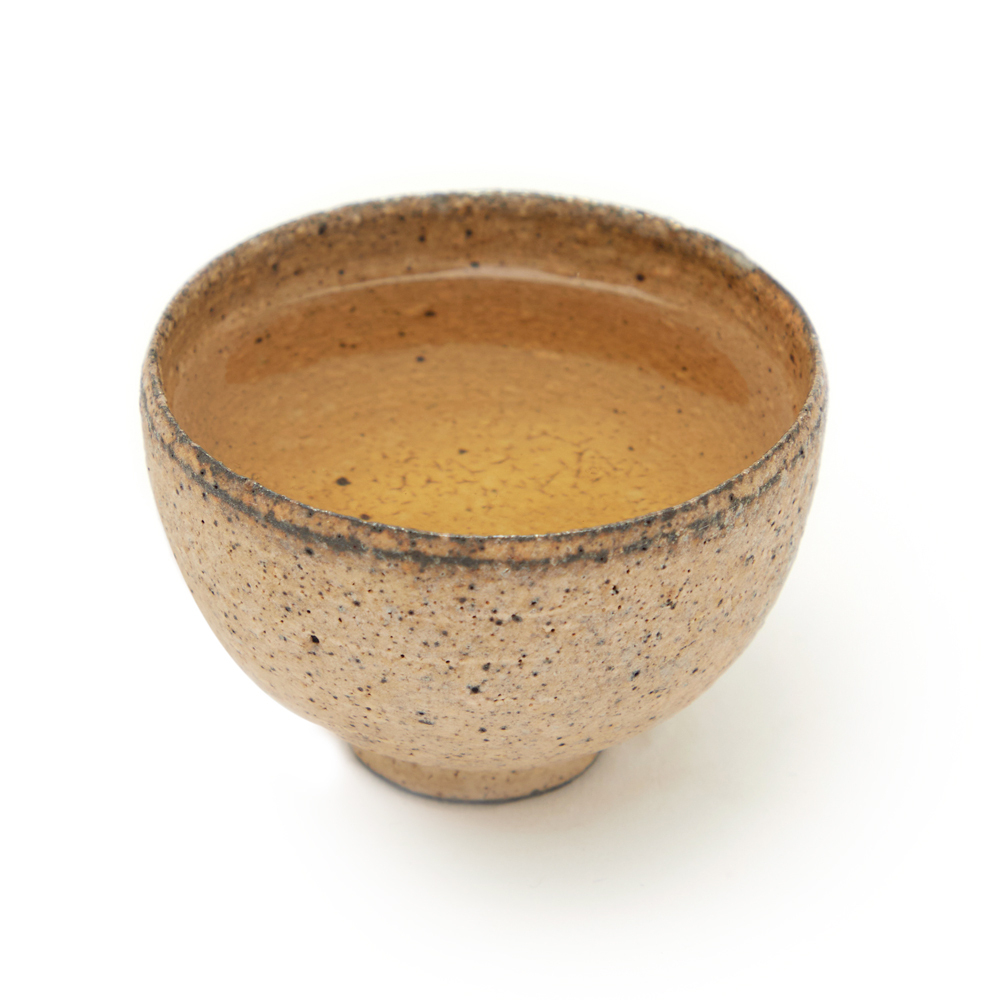
Cup

A clear infusion, brown with an orange sheen, like wild honey

Sannenbancha Koba Yamato P.Free

Sannenbancha

A special form of Bancha, Sannenbancha (jp.: 三年番茶) is a rare and highly specialised Japanese green tea. “San nen” translates to “three years”, referring to the tea’s extended maturation period of around three years. Sannenbancha typically contains a high proportion of stems, although its composition can vary widely, from around 5% stems to entirely stem-based (100%). The tea is also roasted to differing degrees of intensity. As a result, its production process is considerably longer and more elaborate than that of most other Japanese green teas, yielding a deep brown infusion with a rich, earthy and full-bodied character.

Yoshien Labortests

Laboratory Tests

We go to great lengths to identify the finest organic tea farms across the world’s most celebrated terroirs. All our teas are sourced directly from the farmer and, with a few exceptions, are certified organic or come from pesticide-free farms. Each batch of tea for every harvest is tested for pesticides and other pollutants in an independent German lab to ensure they meet our strict quality standards as well as HACCP food safety requirements. Likewise, all the regions of Japan from which we source our teas are tested for radioactivity for every harvest.

Yoshien

Yoshi En

Premium Organic Teas

Our comprehensive portfolio focuses on organic, single-origin teas sourced directly from renowned farms. We believe in creating partnerships with farmers who share our values and are committed to sustainable, responsible tea cultivation. Thanks to these strong relationships our exciting range is constantly growing and evolving. As an international team of dedicated and passionate tea experts, we are committed to preserving centuries-old tea culture while ensuring it remains relevant and continues to bring joy in the present. About Yoshi En.

Cultivation & Processing

Special features in location, cultivation & processing

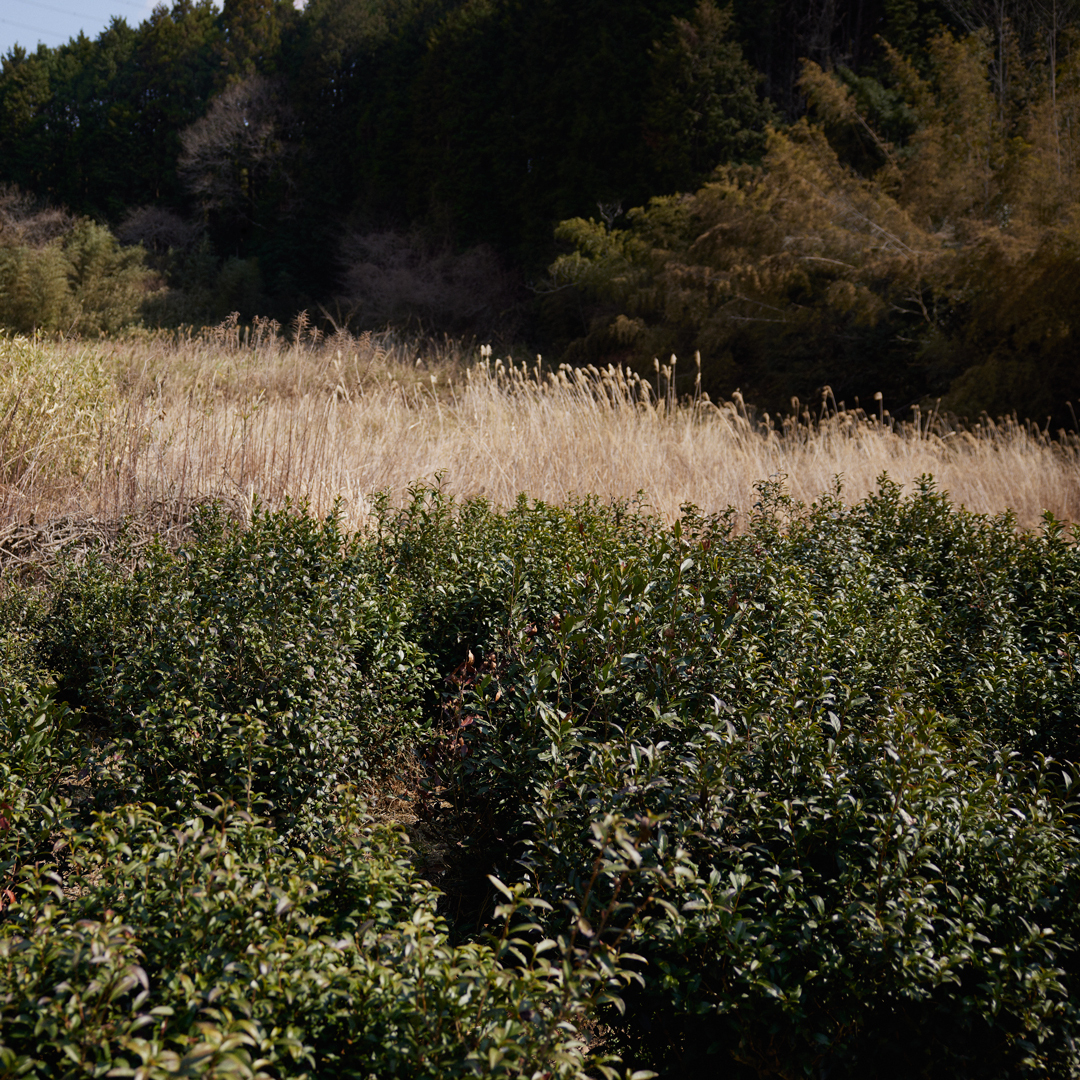
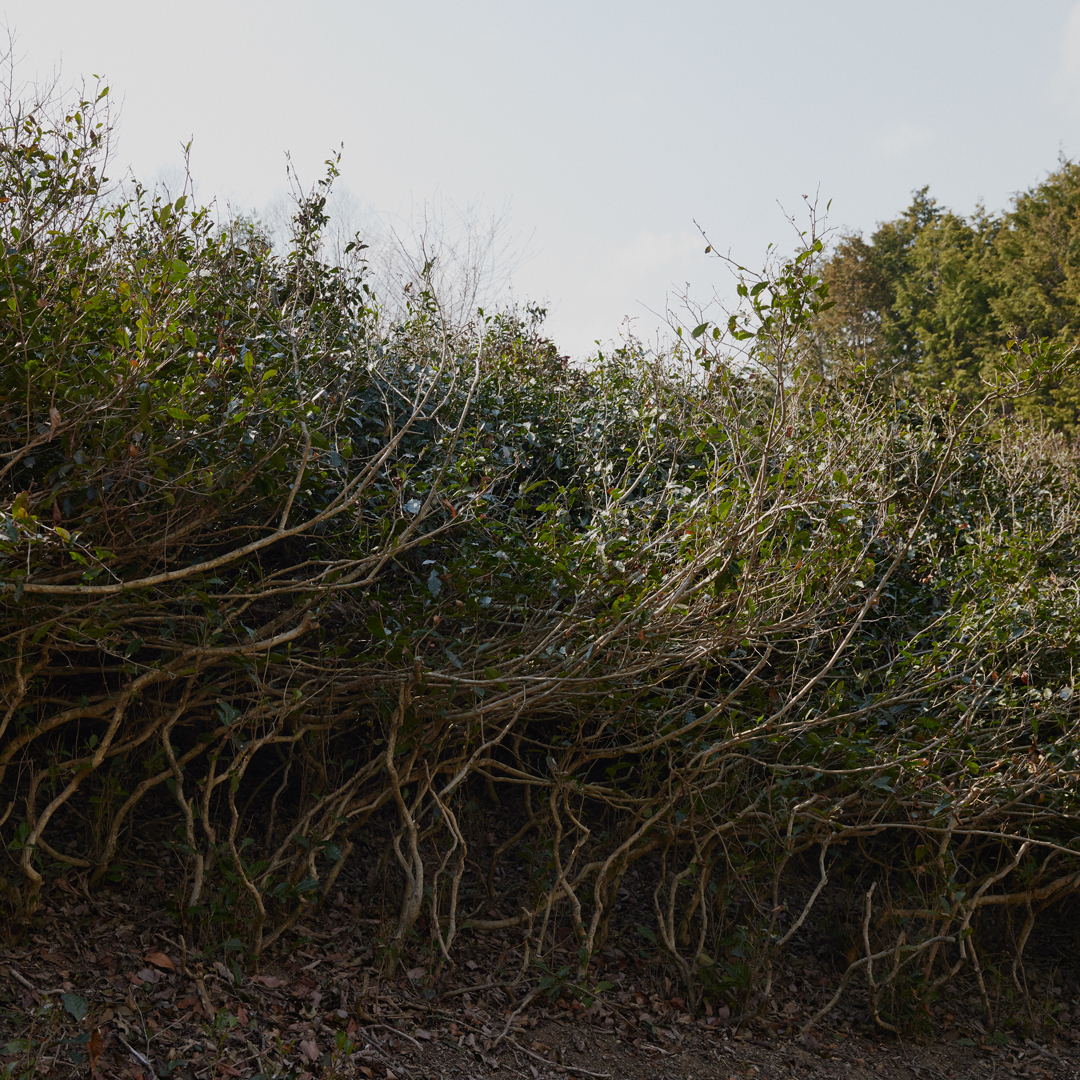
The Yamato Highlands in Nara Prefecture form a remote landscape of small villages scattered across the Nara basin. Surrounded by gentle mountains, the region provides ideal conditions for cultivating healthy tea plants. This pristine environment aligns perfectly with Mr Ken’ichi Ikawa’s minimalist and exceptionally pure approach to tea cultivation, practiced in complete harmony with nature.

Across 11 hectares, 30 tea fields are spread throughout the highlands, most of which are now under Mr Ikawa’s care. Many of these plots had lain fallow for decades after their original farmers retired, allowing the land to fully regenerate. Today, Mr Ikawa cultivates tea in a way that preserves the plants’ natural vitality, enabling them to flourish with minimal human intervention.

"Old Leaf" (Koba 古葉) Sannenbancha

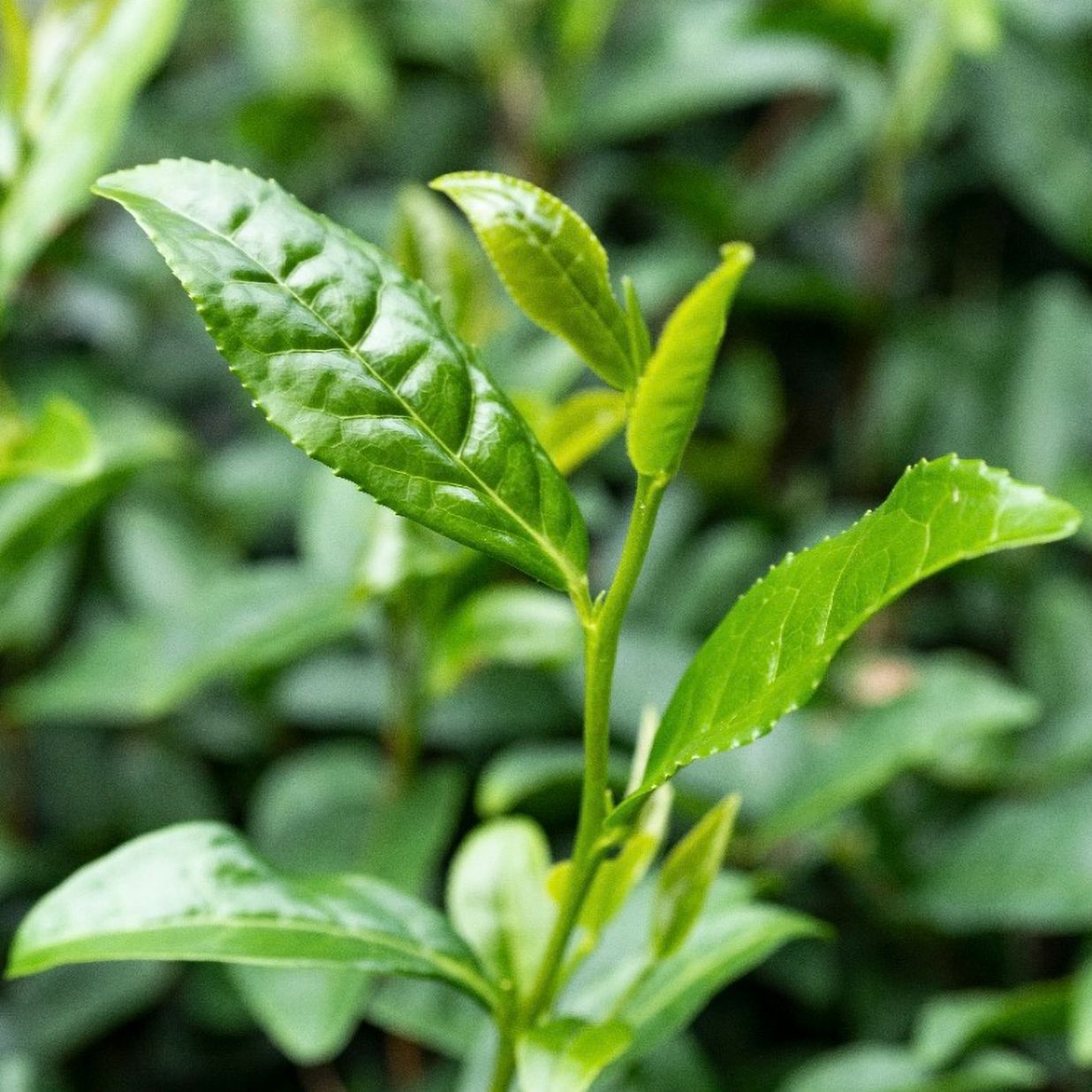
For Koba Sannenbancha, thick, coarse stems and leaves (matured on the bush for over three years) are carefully selected and harvested. Late autumn and winter harvesting ensures a particularly high content of valuable polysaccharides. This rare green tea speciality is produced only in very limited quantities in Japan and is highly sought-after.
Preparation

Brewing Guide

2 rounded teaspoons (approx. 4g) per 300ml of water, 80–100°C, steep for 2 minutes. This tea is suitable for many infusions and has virtually no bitterness. The intensity can be adjusted to taste by varying the amount of tea and the steeping time.

Packaging

Packed in a high-quality, airtight flavour-preserving bag with a zipper and stand-up base. A special nine-layer coating ensures maximum protection against oxidation and contaminants.

Recommended Teapot

For optimal preparation, we recommend a brown clay dobin. Alternatively, a black Tokoname Kyusu (a versatile all-rounder for all types of green tea), or a glass teapot with a large strainer are excellent choices. For cold brew preparation (mizudashi), we recommend a glass mizudashi tea bottle.

Recommended Tea Caddy

We recommend a high-quality tea caddy made from cherry bark (solid wood, Kabazaiku Chazutsu) or an elegant, handcrafted Kaikado metal tea caddy, especially to keep the tea fresh for a longer amount of time. As a more affordable alternative, an airtight tea caddy with an inner coating is also an excellent option.

Our recommendations

Loading...
The image could not be loaded.