

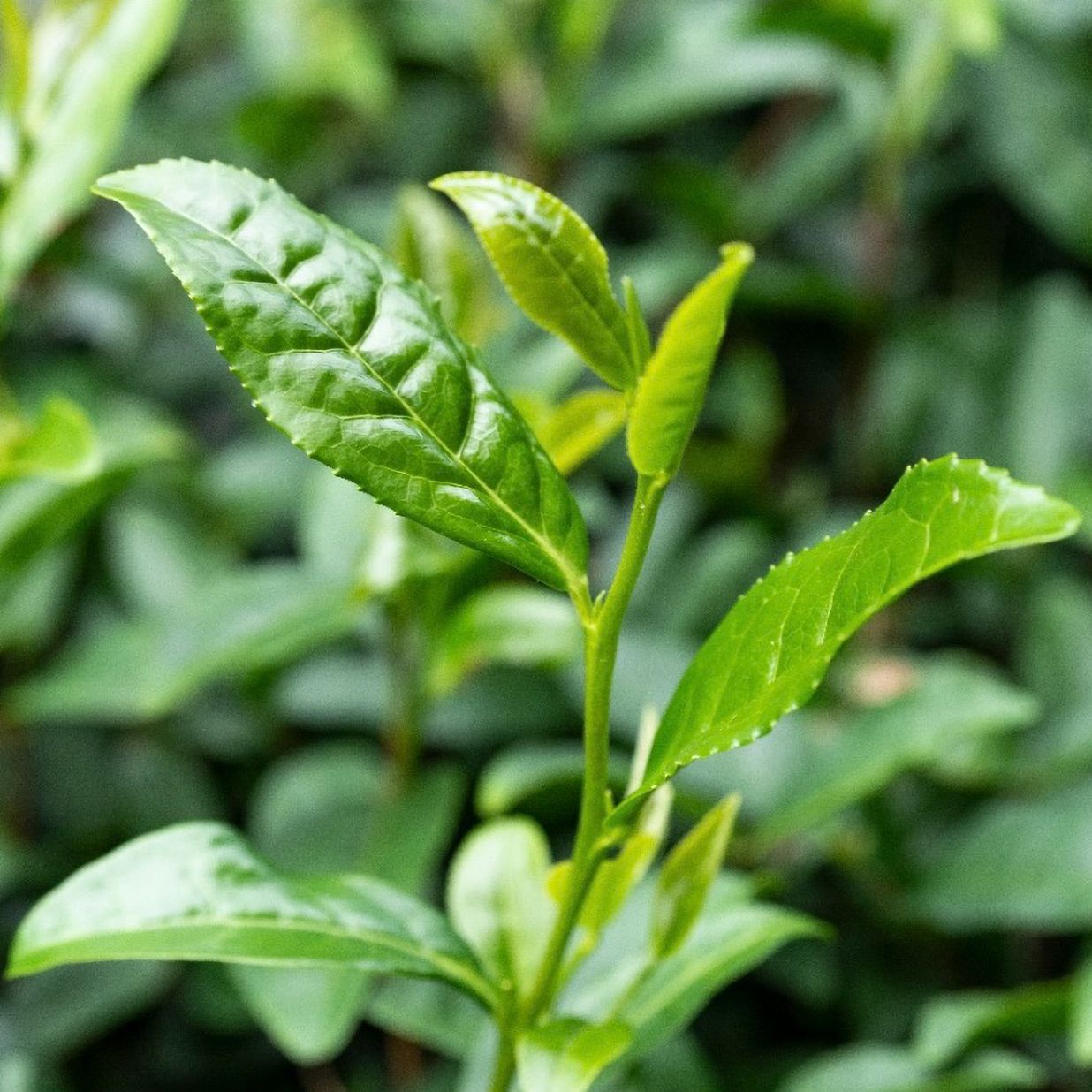
Pure refreshment with  Mizudashi cold brew teas

Sencha Nara Yamato Pest.Free

Super Premium 97 P.

SKU
0488
Natural Sencha from purist tea farmer Ken’ichi Ikawa, featuring an unadulterated character and a pleasantly balanced composition. Mineral notes with a fine aftertaste of white blossoms and the freshness of raw vegetables.
Character Natural Sencha character, fine minerality, lively freshness, freshly harvested raw vegetables, delicate floral resonance, white blossoms, clear and harmonious
Tea Farm Ken'ichi Shizen Nouen
Terroir Yamato Kogen, Nara Prefecture, Japan
Harvest Late 1st flush (Ichibancha), June 2025 due to the natural conditions of the region and plants
Cultivar Yabukita & Zairai
Elevation 250-500m above sea level
Steaming Medium (Chūmushi, 30-45 sec.)
Cultivation Cultivated without chemical pesticides or fertilisers
Laboratory Tests Radioactivity (annual test of the region) and pesticides
Grade 97/100 P. (Sencha category); Highest Grade
€24.90
100g

Delivery :

Incl. VAT, excl. shipping

SKU
0488
€249.00 / 1kg
In stock
Sencha Nara Yamato Pest free Sencha Nara Yamato Pest free Sencha Nara Yamato Pest free Sencha Nara Yamato Pest free

Tea Farm

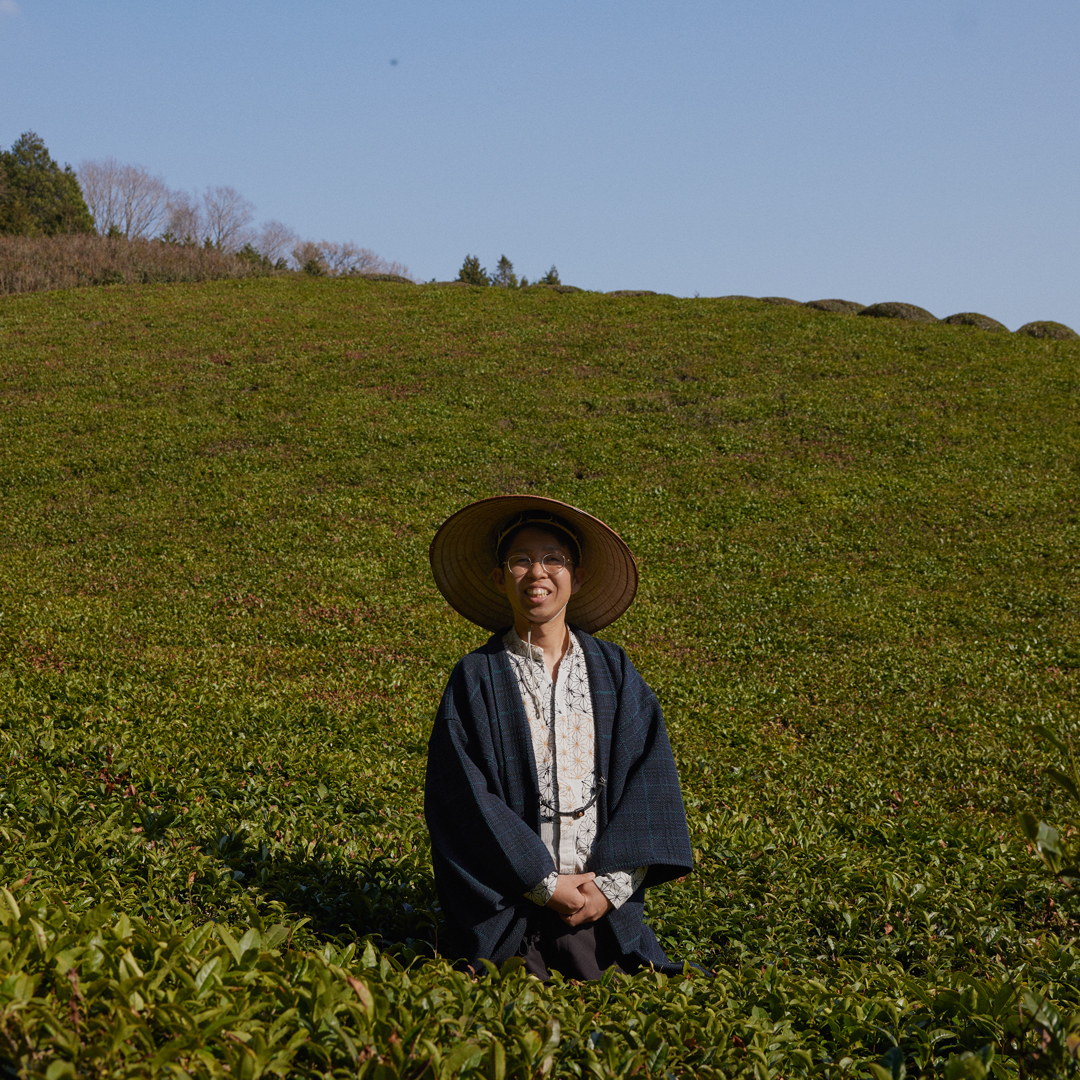
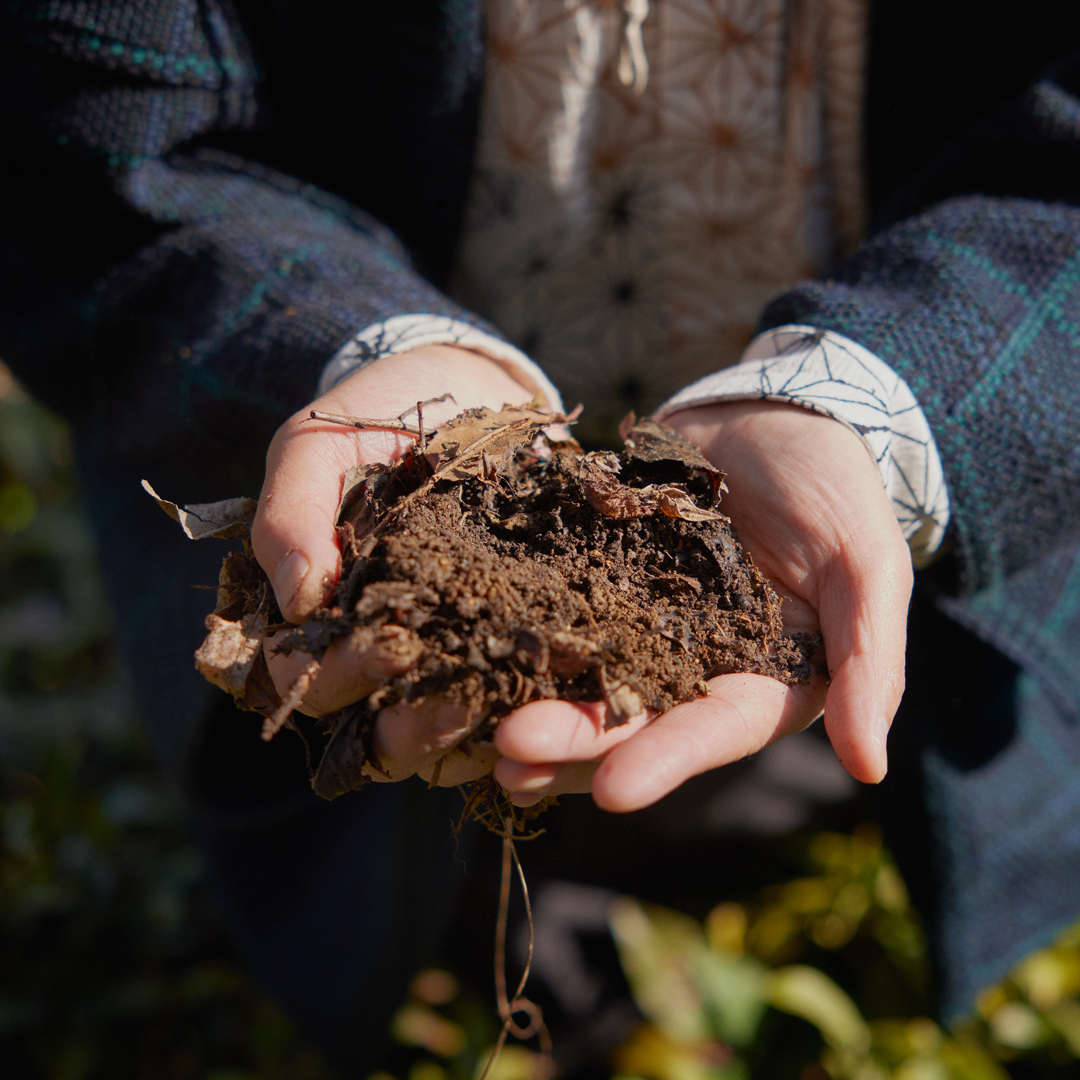
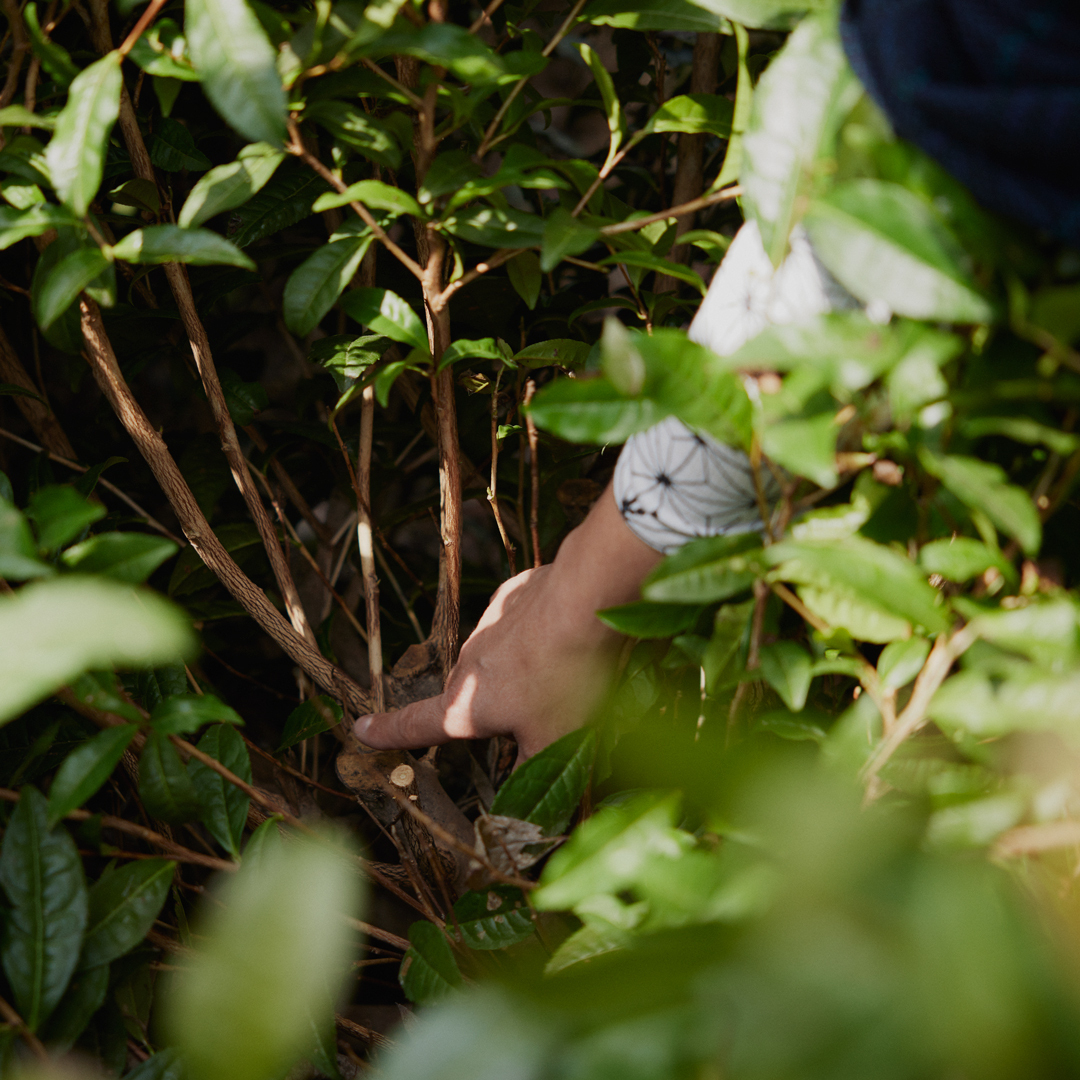
Mr Ken’ichi Ikawa is a tea farmer based in the small, remote tea-growing region of the Yamato Highlands in Nara Prefecture. He has dedicated his life to cultivating tea in close harmony with nature, following the principles of “do-nothing farming”, also known as the Fukuoka method, developed by the Japanese philosopher and farmer Masanobu Fukuoka (1913–2008).

This approach is rooted in working consistently with nature: intervention occurs only where it truly serves the needs of the tea plants. The complete avoidance of chemical pesticides and synthetic fertilisers is taken as a given, alongside flexible harvest timings and a gentle approach to weed management, guided by the plants’ natural rhythms.

Beyond his work in the fields, Mr Ikawa is deeply committed to the Yamato Highlands, a sparsely populated region close to his heart. With great dedication, he supports its revitalisation by involving local helpers during the harvest season, including schoolchildren and volunteers of all ages. The result is not only an exceptional tea, but a product shaped and sustained by a sense of community.

Sencha Nara Yamato Pest free

Character

Tasting Notes

Within the world of Sencha, one rarely encounters a tea with such a distinct, personal signature. In the Yamato Highlands of Nara, Mr. Ken'ichi Ikawa cultivates his tea gardens in an exceptionally close bond with nature – an approach that is rarely found today, even in Japan. From the very first sips, it becomes clear that there was no attempt to create a typical Sencha, but rather to capture the unadulterated character of its origin.

What is particularly impressive is its remarkable balance. Even at higher water temperatures, it maintains its composure and elegance. Instead of a dominant bitterness, a fine minerality and a lively freshness unfold, reminiscent of freshly harvested, raw vegetables, lending it an extraordinary naturalness.

Yet, most fascinating is its quiet way of revealing itself. At first, it seems almost reserved, but it is only after drinking that its full depth begins to unfold. A delicate floral resonance, reminiscent of white blossoms, lingers long on the palate, leaving a sense of clarity, harmony, and connection with the landscape from which this tea originates.

Leaf

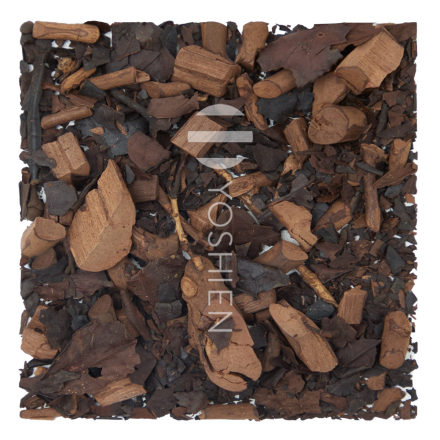
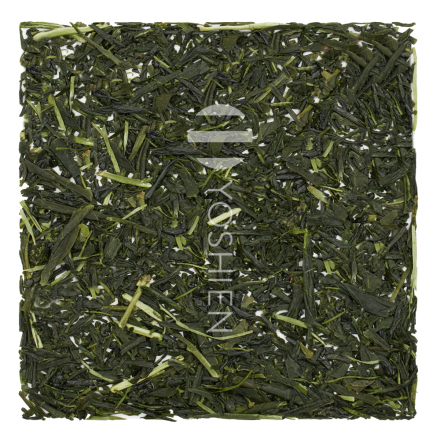
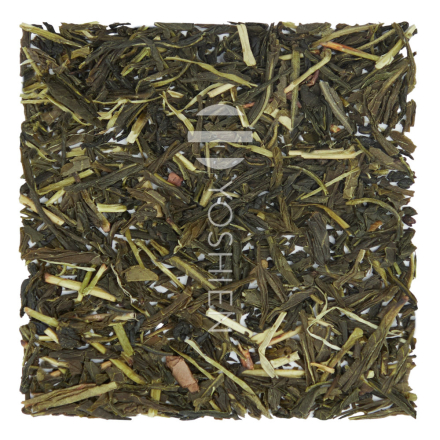
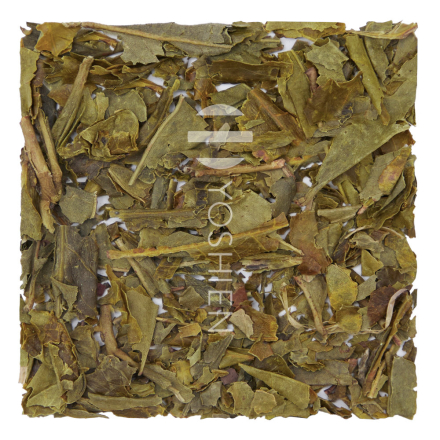
Coarsely rolled leaves with a good proportion of stems

Cup

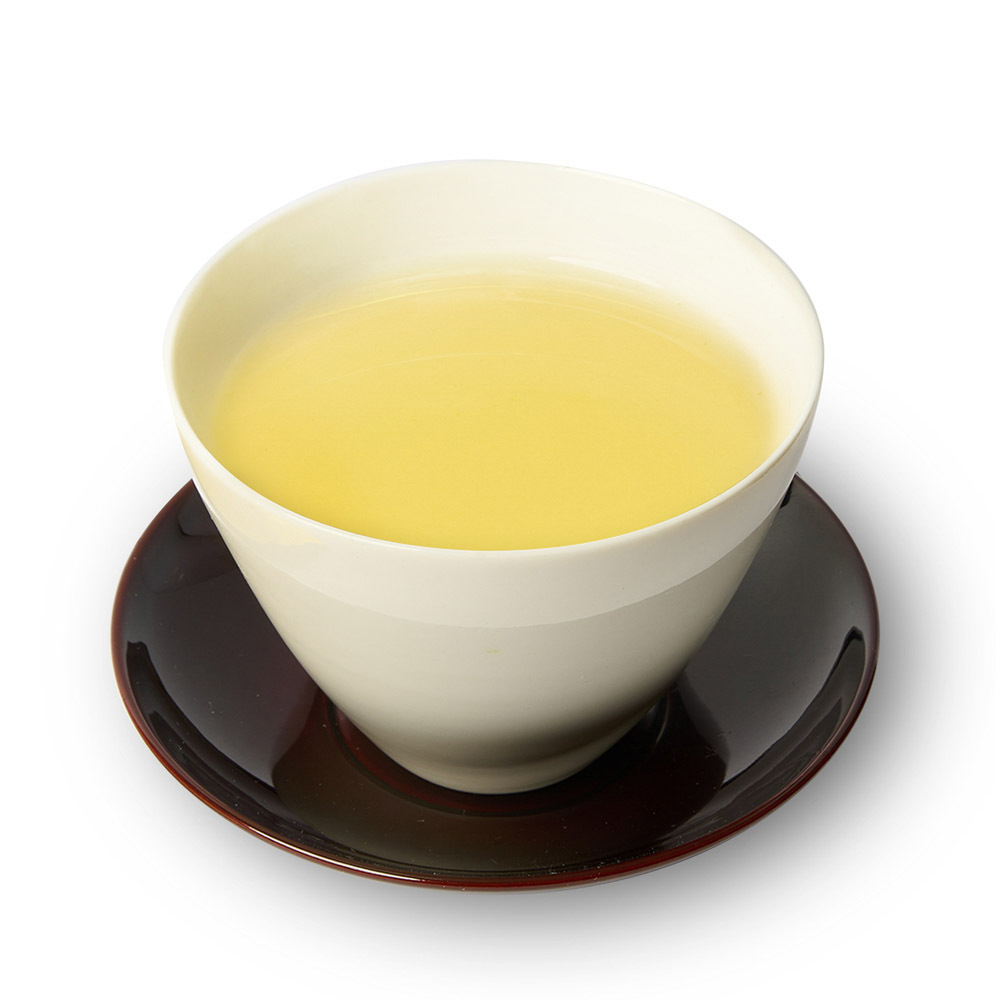
Intense yet clear yellow

Sencha Nara Yamato Pest free

Sencha

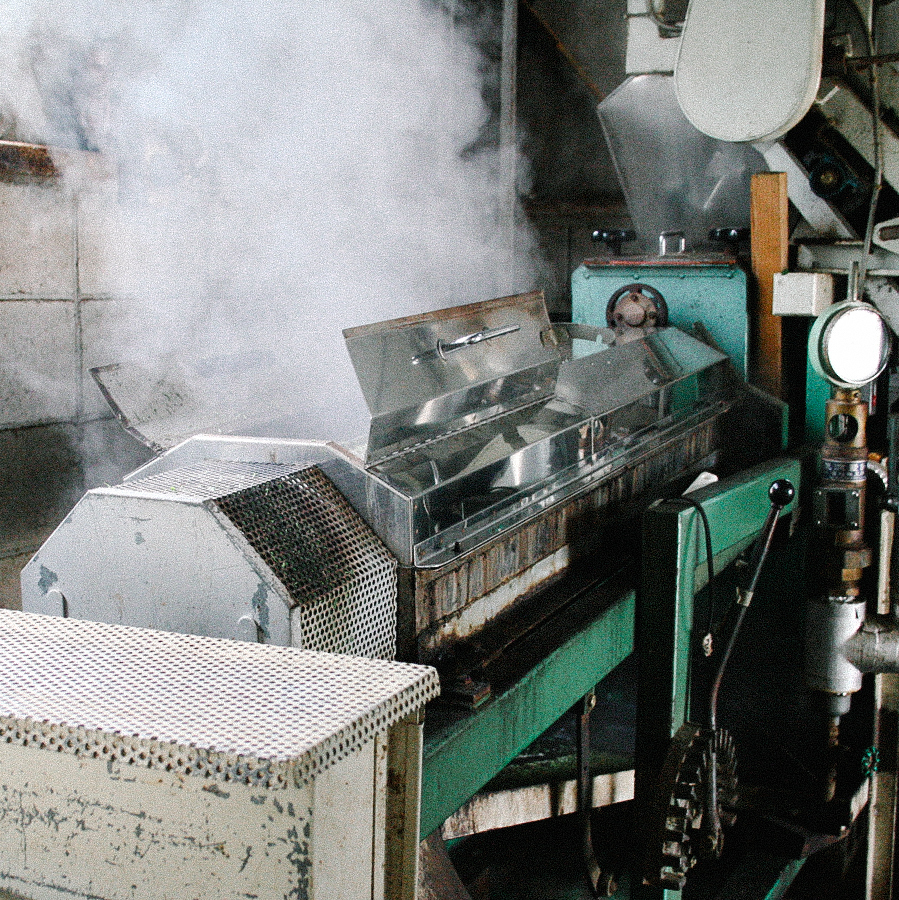
Sencha is by far the most widely grown green tea in Japan and forms the backbone of the Japanese tea tradition. The leaves are traditionally steamed for 10 - 60 seconds after harvesting, dried with hot air, agitated, and then rolled into small flat needles. The flavour profile of Sencha is very diverse and varies between sweet, fresh and grassy to robustly bitter. The cultivation region, as well as quality of the tea, play a significant role in determining flavour.

Yoshien Labortests

Laboratory Tests

We go to great lengths to identify the finest organic tea farms across the world’s most celebrated terroirs. All our teas are sourced directly from the farmer and, with a few exceptions, are certified organic or come from pesticide-free farms. Each batch of tea for every harvest is tested for pesticides and other pollutants in an independent German lab to ensure they meet our strict quality standards as well as HACCP food safety requirements. Likewise, all the regions of Japan from which we source our teas are tested for radioactivity for every harvest.

Yoshien

Yoshi En

World's Finest Organic Teas

Our comprehensive portfolio focuses on organic, single-origin teas sourced directly from renowned farms. We believe in creating partnerships with farmers who share our values and are committed to sustainable, responsible tea cultivation. Thanks to these strong relationships our exciting range is constantly growing and evolving. As an international team of dedicated and passionate tea experts, we are committed to preserving centuries-old tea culture while ensuring it remains relevant and continues to bring joy in the present. About Yoshi En.

Cultivation & Processing

Special features in location, cultivation & processing

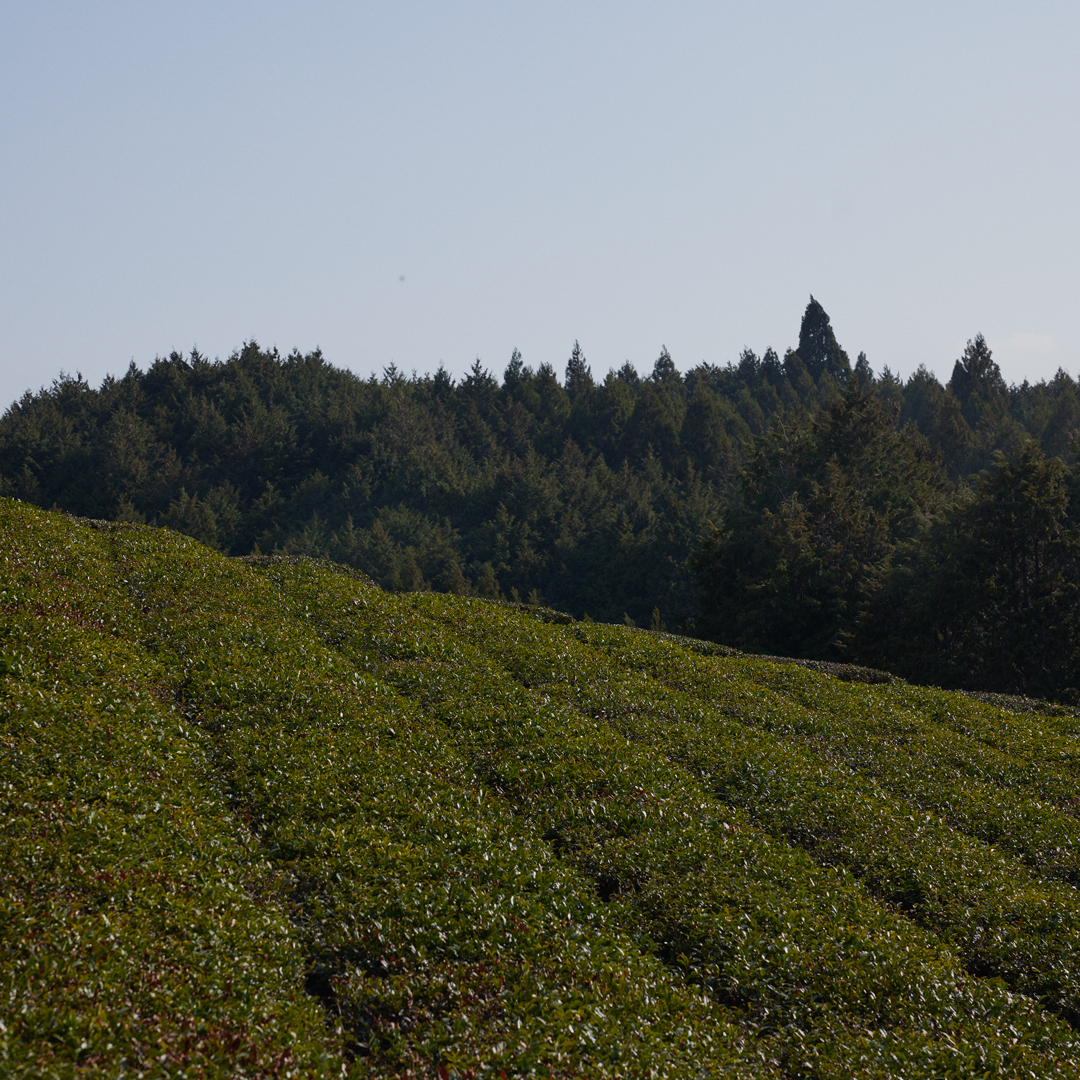
The Yamato Highlands in Nara Prefecture form a remote landscape of small villages scattered across the Nara basin. Surrounded by gentle mountains, the region provides ideal conditions for cultivating healthy tea plants. This pristine environment aligns perfectly with Mr Ken’ichi Ikawa’s minimalist and exceptionally pure approach to tea cultivation, practiced in complete harmony with nature.

Across 11 hectares, 30 tea fields are spread throughout the highlands, most of which are now under Mr Ikawa’s care. Many of these plots had lain fallow for decades after their original farmers retired, allowing the land to fully regenerate. Today, Mr Ikawa cultivates tea in a way that preserves the plants’ natural vitality, enabling them to flourish with minimal human intervention.
Preparation

Brewing Guide

3 heaped teaspoons (approx. 7g) per 100–300ml water, 60 °C, steep for 2 minutes. This method yields a particularly gentle infusion that preserves valuable amino acids and vitamin C, while remaining mild in bitterness. Suitable for up to four further infusions, each with a steeping time of 10–30 seconds (we recommend increasing the temperature to 70–80 °C for subsequent infusions).

Alternatively, the following preparation methods may be used:
• 70 °C, 1.5 min: A balance of fresh and deep notes, intense, slightly bitter, brings out the catechins and caffeine (a balance of relaxing and revitalising)
• 80 °C, 1 min: Umami and sweetness in the background, deep grassy notes, pleasantly hot drinking temperature, moderate bitterness, emphasises the catechins and caffeine (invigorating)

Packaging

Packed in a high-quality, airtight flavour-preserving bag with a zipper and stand-up base. A special nine-layer coating ensures maximum protection against 

Recommended Teapot

A Tokoname Kyusu is an ideal choice, as it brings out the key flavour components of green tea – its amino acids, chlorophyll and other valuable compounds – in perfect balance.

Recommended Tea Caddy

We recommend a high-quality tea caddy made from cherry bark (solid wood, Kabazaiku Chazutsu) or an elegant, handcrafted Kaikado metal tea caddy, especially to keep the tea fresh for a longer amount of time. As a more affordable alternative, an airtight tea caddy with an inner coating is also an excellent option.

Our recommendations

Loading...
The image could not be loaded.