



Special features in location, cultivation & processing
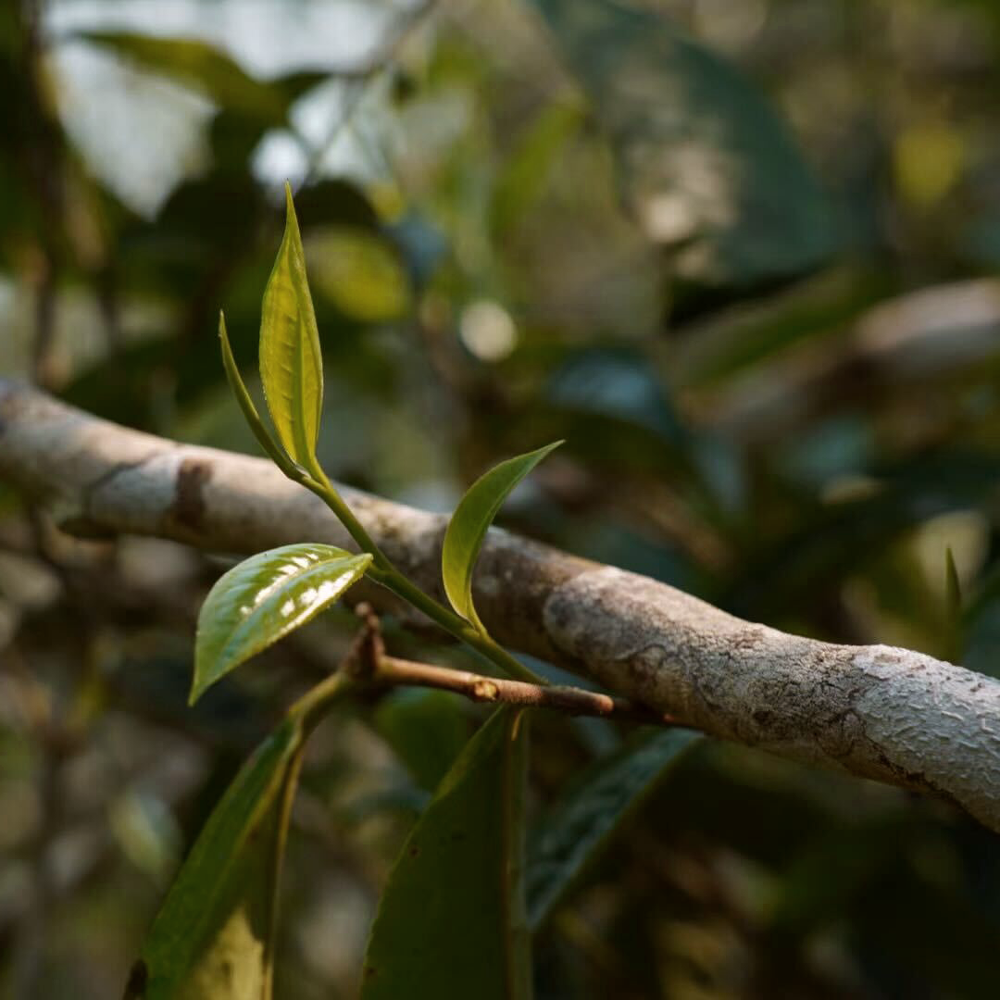
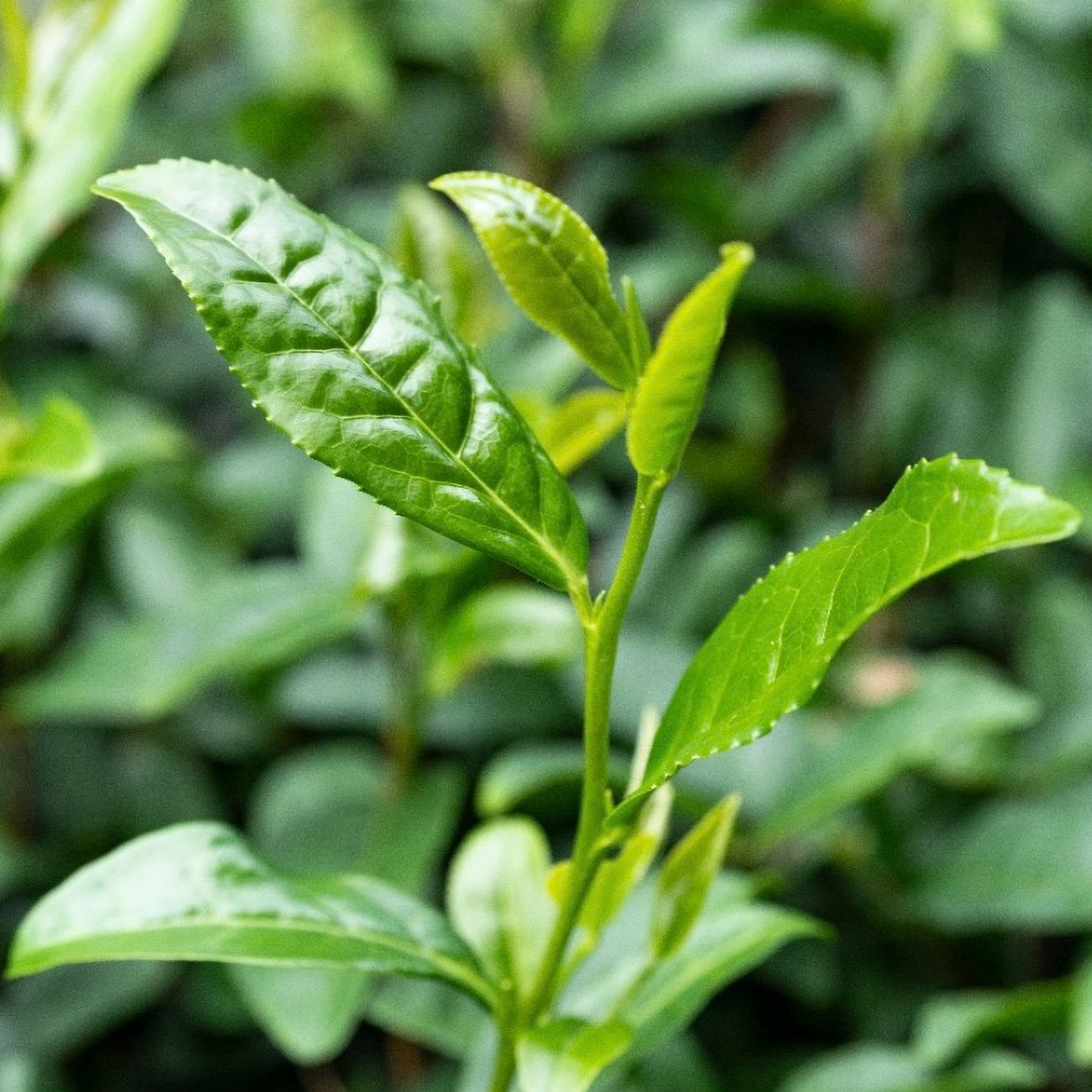
The production of Pu Erh tea follows a very specific series of steps. The harvest season usually begins in late March or early April and is carried out exclusively by hand; in the case of particularly tall tea trees, ladders are set up to reach even the more remote branches. For high-quality teas such as this one, only the bud and the two subsequent leaves are selected. Harvesting always takes place early in the morning and continues until midday.
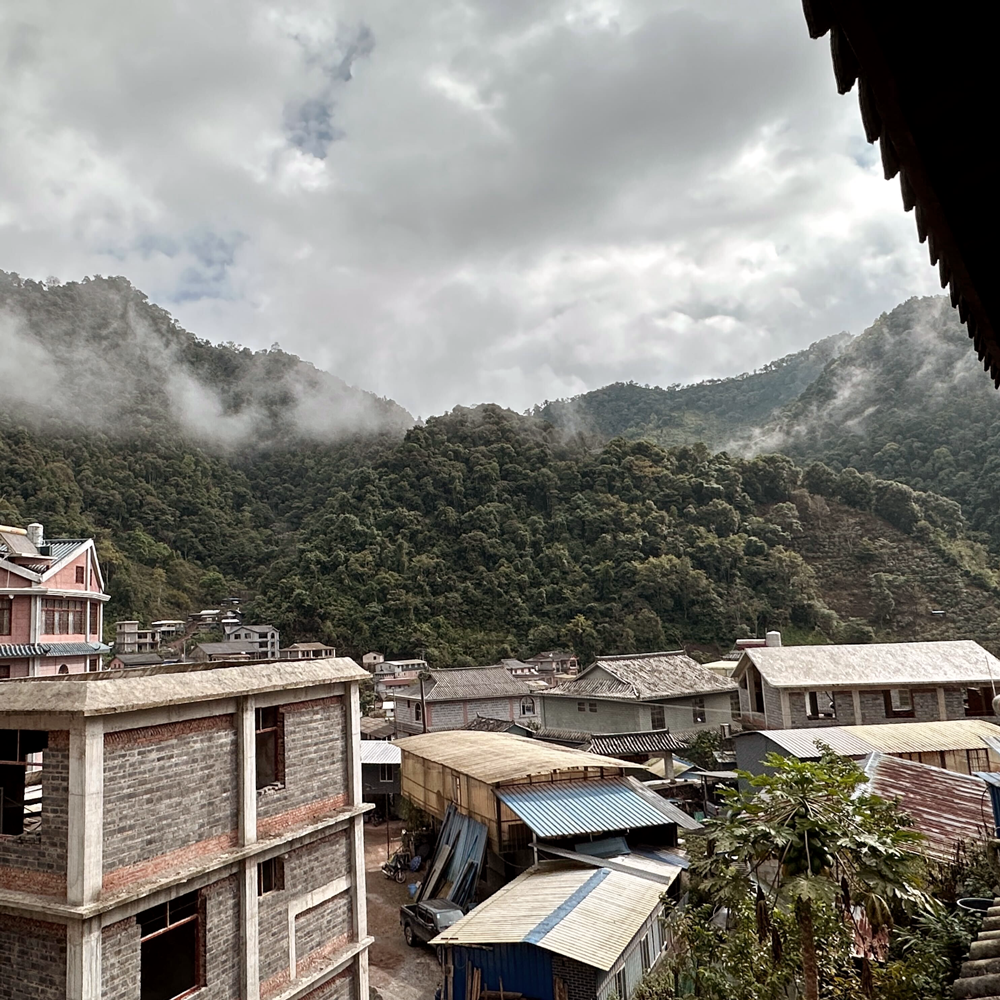
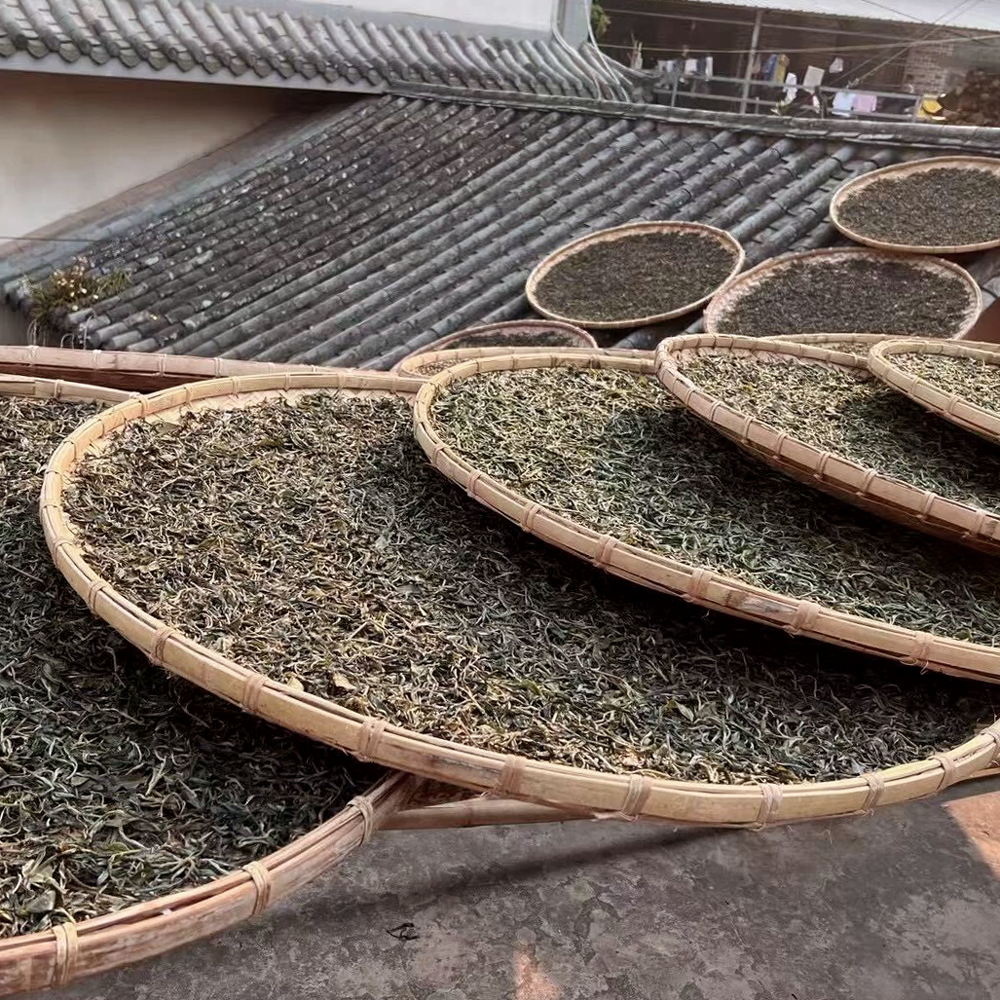
The tea trees grow some distance away from the village centre, so the leaves are collected in large bamboo baskets and then transported back to the tea farmer. There, the leaves are spread out to wither. Depending on weather conditions, this takes place either outdoors or protected indoors. The leaves are laid out on withering racks and dried with the support of fans, or outdoors on cloths under the sun. Withering lasts several hours, during which moisture can slowly escape from the leaves, preparing them for the next stage of heating and shaping.
The halting of oxidation (known as “kill green”) takes place in large woks that are still traditionally wood-fired. Batches of around 1 kg are roasted in the wok for 30–45 minutes, being turned regularly throughout. This stage is comparable to the production of conventional green tea, with the difference that the heat applied is somewhat gentler. Not all of the enzymes responsible for oxidation are removed during heating, allowing the tea (once pressed into cakes) to continue maturing. This ongoing enzymatic activity and gradual transformation of flavour is one of the defining characteristics of Sheng Pu Erh.
After roasting, the leaves are rolled. Today this is done mechanically in a dedicated rolling machine, which replicates the traditional hand-rolling technique. Originally, the leaves were tightly shaped into balls by hand and firmly rolled and pressed over bamboo mats. This process roughens the cell walls of the leaves, allowing the sap to be released. Following rolling, the leaves are still very moist and must be dried once more. This again takes place either outdoors or indoors during rainy weather.
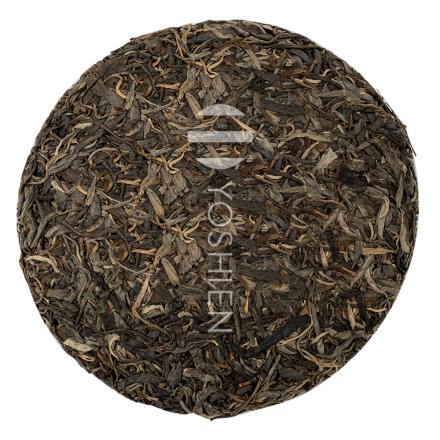
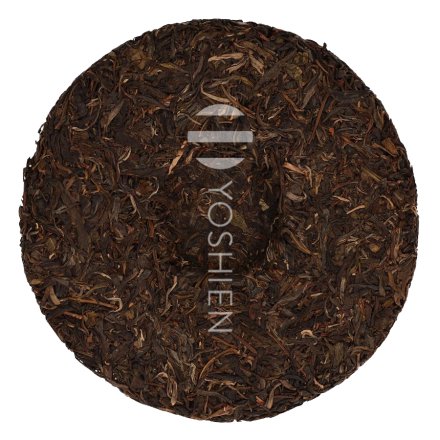
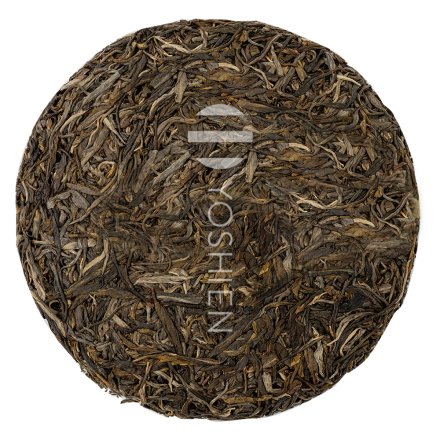
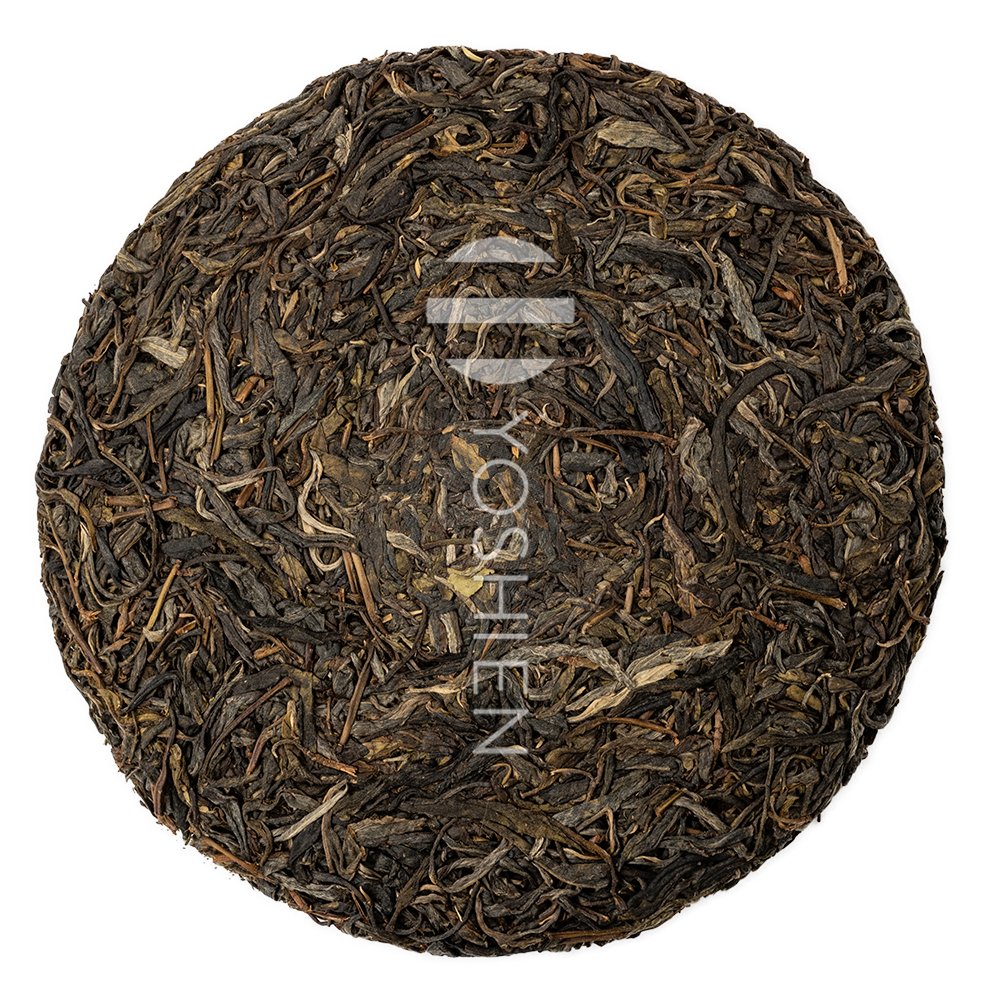
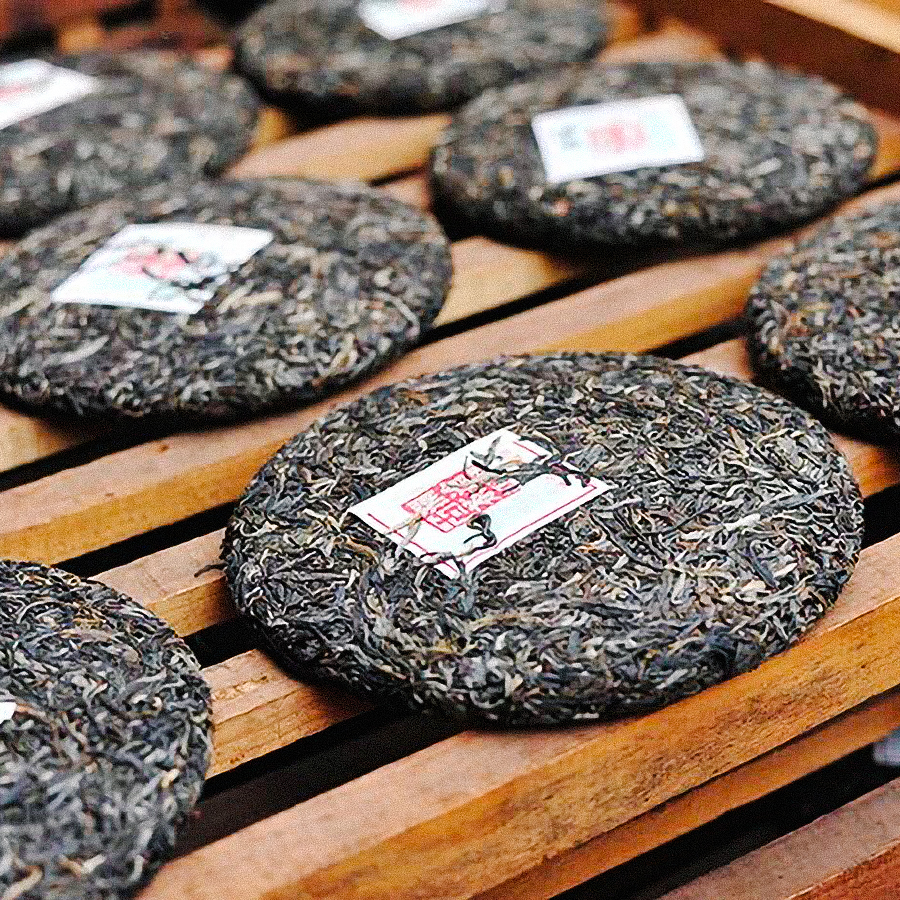
In the final step, the leaves are pressed into cakes. To do so, they are briefly heated with steam to make them pliable, then weighed and portioned, wrapped in cloths and pressed. For our Sheng Pu Erh, the cakes were pressed by hand using heavy stone weights rather than a mechanical press. As a result, the leaves remain exceptionally intact and largely undamaged, having been pressed in a particularly gentle manner.
Centuries-old Pu Erh tea trees
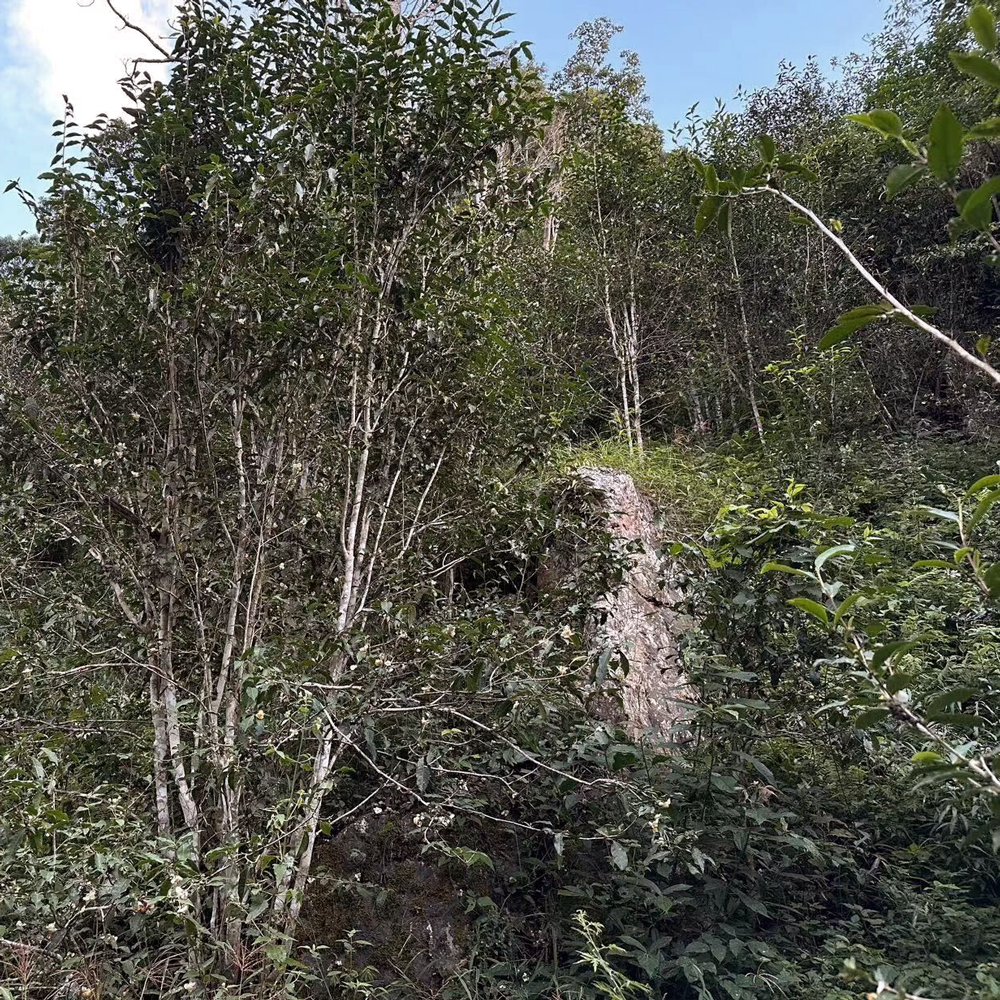
The tea plants used for Pu Erh are autochthonous, large-leaf varieties that are cultivated in a semi-wild manner. Unlike the conventional tea plants most commonly found around the world, the Pu Erh cultivar does not grow as a shrub but as a tree, and can reach an age of several thousand years. Based on scientific research, it is widely assumed that this cultivar represents the origin of all tea, from which all other existing tea plants have descended.
This cultivar is native to the four-country region spanning China, Vietnam, Laos and Myanmar, with the Chinese part located in Yunnan province. As the earliest attempts at tea cultivation are most closely associated with the history of Yunnan, the people of the region often refer to their homeland as the “cradle of all tea”. In Yunnan’s tea forests, no two tea trees are alike: each shows its own individual growth pattern and is covered by different moss and fungal cultures. As a result, every tree produces its own distinctive tea.
As the trees age, their roots continue to extend into the soil, reaching particularly deep-lying rock layers. The trees absorb valuable minerals and trace elements, which ultimately find their way into the buds and leaves. The buds and leaves of wild-growing, old tea trees (Gushu) are therefore considered especially precious and are highly sought after.