


The tea-growing area around Yiwu lies deep in the southeast of Yunnan, not far from the Laotian border. The cultivation area extends across elevations ranging from 800 to 2,000 metres. The climate is predominantly warm throughout the year, with high humidity and mild winters.
Pu Erh tea from Yiwu boasts a long history and was the very first Pu Erh from Yunnan to be presented to the Chinese Emperor as tribute tea. In those days, only the finest teas in the land were selected for this honour. After Pu Erh had remained largely under the radar until the early years of the 21st century, it was, interestingly enough, the Yiwu region that was the first to be rediscovered by Pu Erh merchants.
Ever since, Pu Erh originating from the six famous mountains within the Yiwu region (Youle, Mangzhi, Mangzhuan, Yibang, Gedeng and Mansa) has enjoyed an excellent reputation among Pu Erh connoisseurs.
Storage
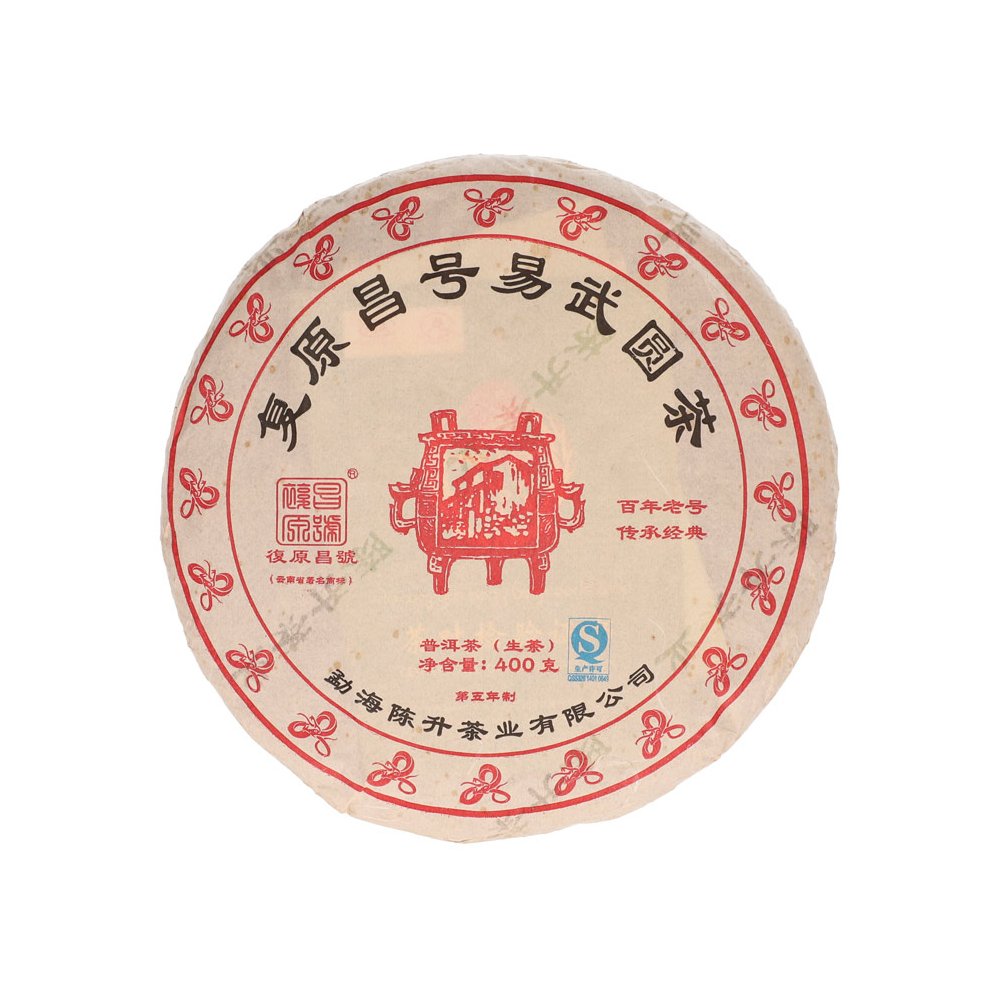
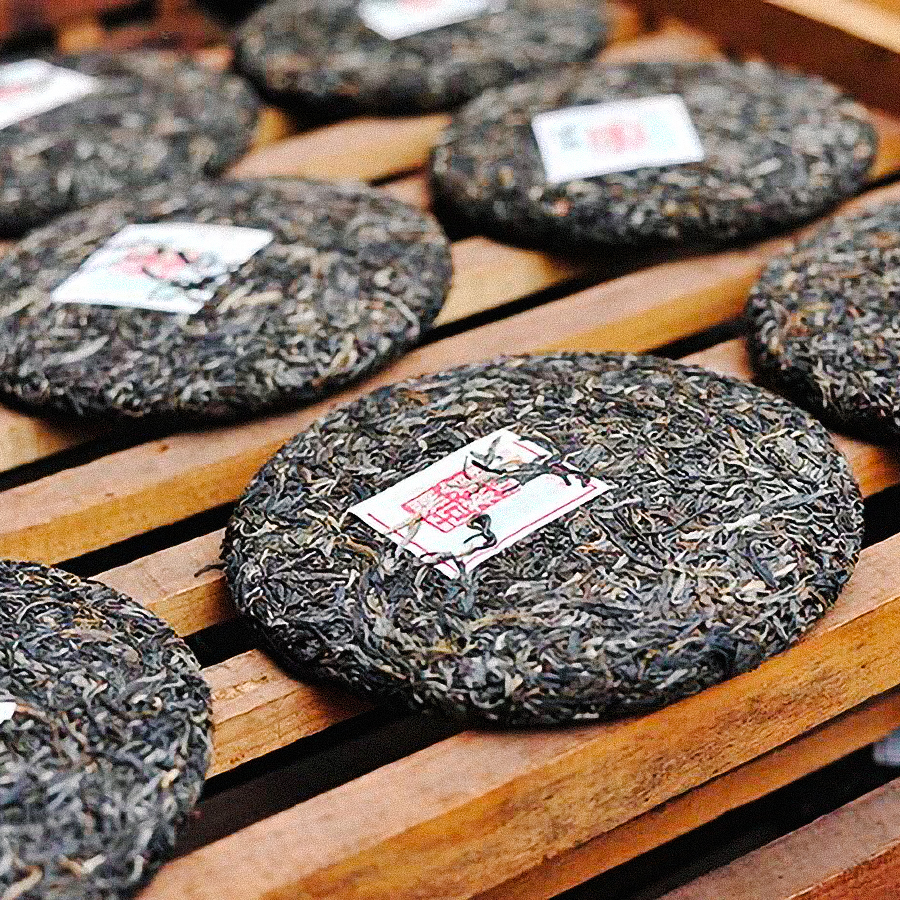
This tea was produced in 2014 and stored for maturation in Guang Zhou, China until 2018. Since 2018 the tea has continued to age under controlled conditions in the Yoshi en Pu Erh storage facility.
Centuries-Old Pu Erh Trees
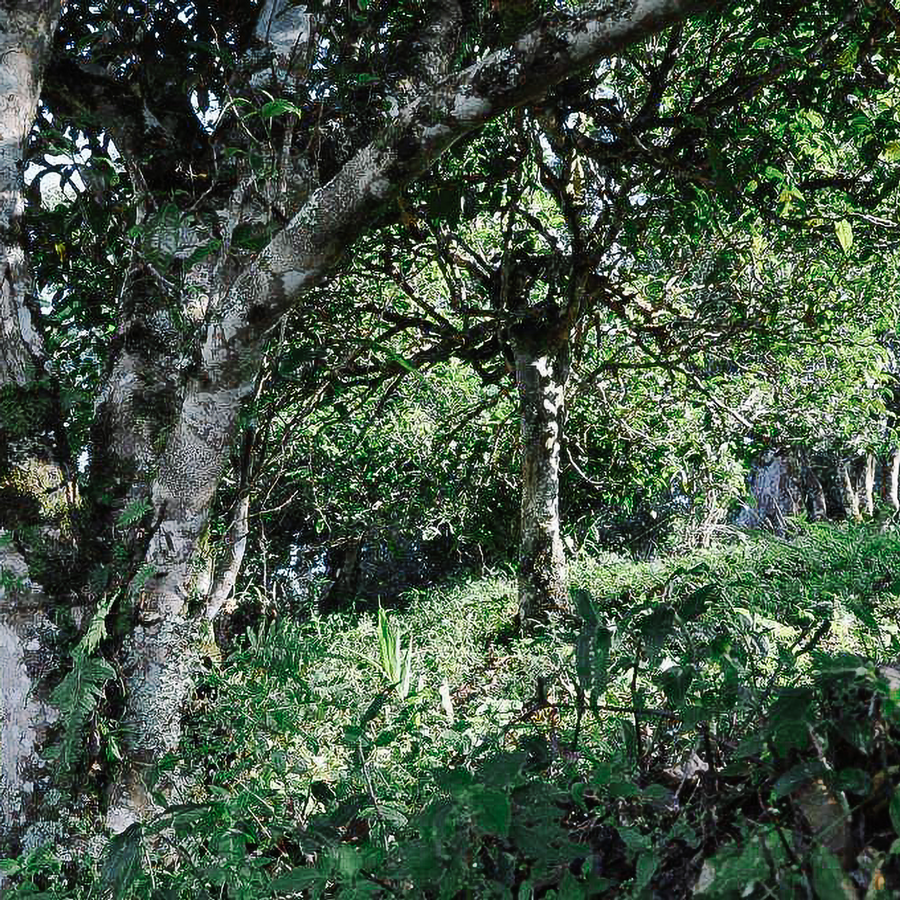
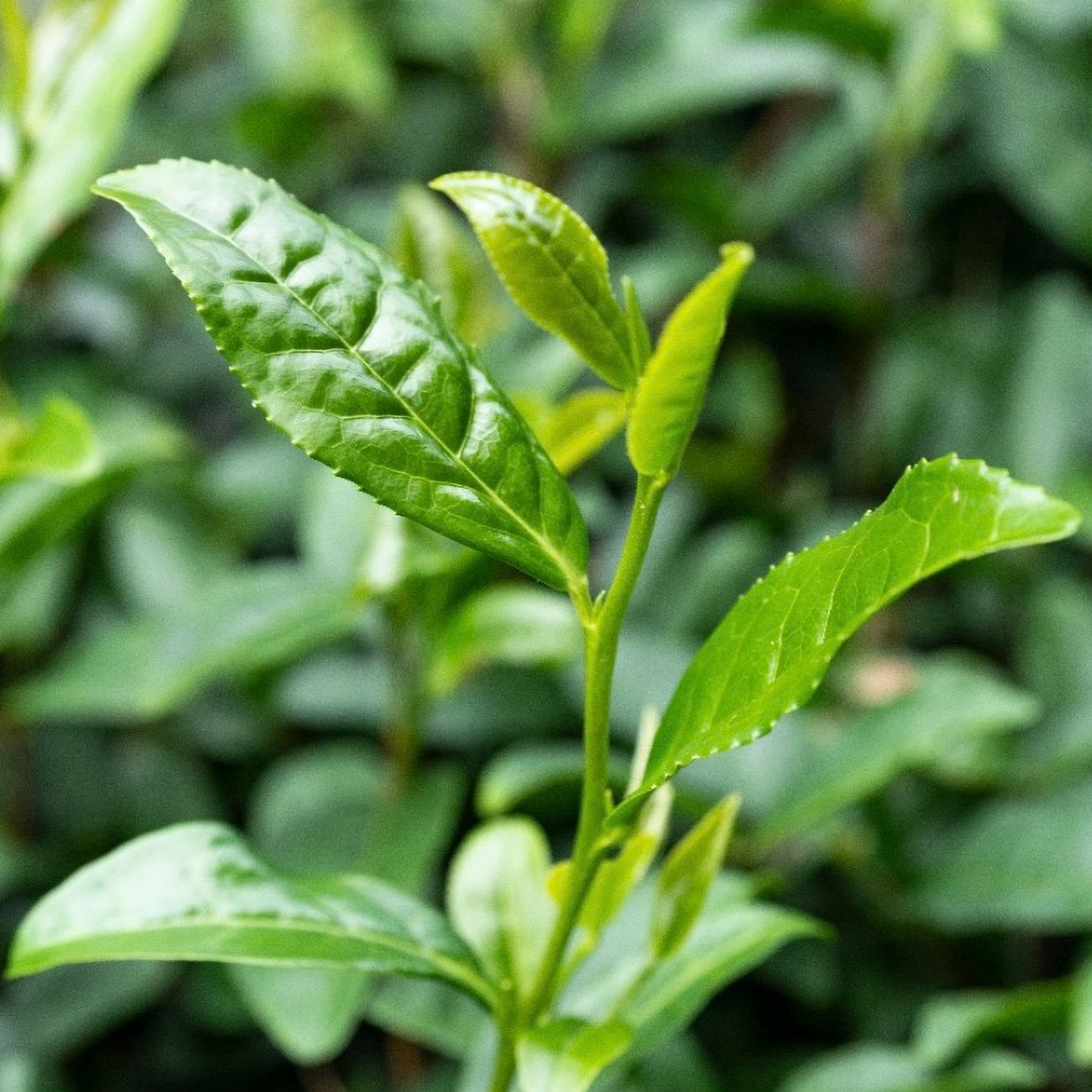
The tea plants used for Pu Erh are indigenous, large-leaf varieties that are traditionally cultivated in a semi-wild manner. Unlike the conventional tea plants most widely grown around the world, the Pu Erh cultivar does not develop as a low shrub but grows into a tree, capable of living for several thousand years. Scientific study suggests that this cultivar is the common ancestor of all other types of tea. It is native to the four-border region of China, Vietnam, Laos and Myanmar, with the Chinese part located in Yunnan province. As the earliest attempts at cultivating tea are most closely associated with Yunnan’s history, the people of Yunnan fondly refer to their homeland as the “cradle of all tea”. In Yunnan’s tea forests, no two tea trees are alike. Each develops its own individual growth pattern and is covered with distinct mosses and fungal cultures, meaning that every tree produces its "own" unique tea. The older the tree, the deeper its roots extend into the earth and into deep layers of rock and stone, allowing it to absorb minerals and trace elements that are then passed on to the leaves and buds. For this reason, teas from these wild-growing ancient tea trees are considered especially precious and are highly sought after.