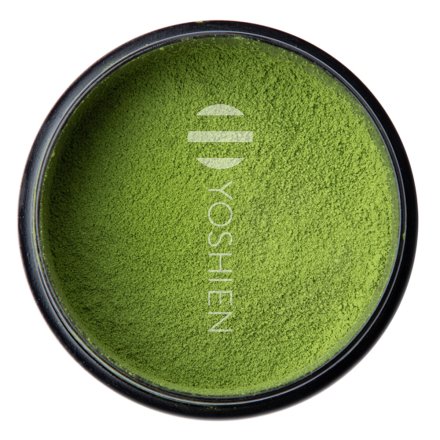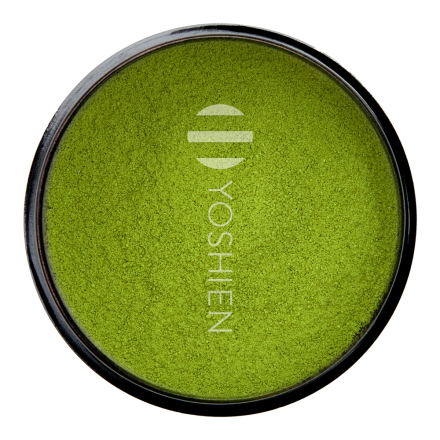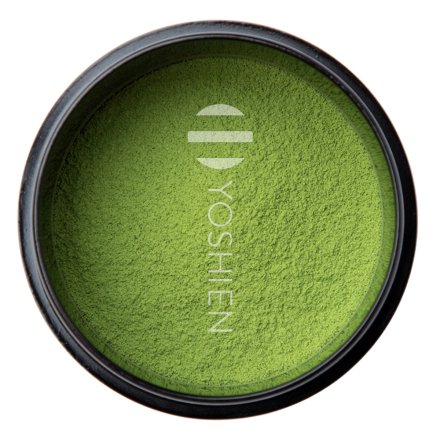


Matcha Tea Kaze Organic

Premium 96 P.

SKU
4809-bio
Premium organic matcha from Japan, crafted by Ishikawa Seicha, one of the country’s finest matcha tea farms and winner of the MAFF Award in 2012 and 2017. Grown in the renowned terroir of Aichi and sourced directly from the farm. Perfect for Usucha. 40g
  • One of Japan’s finest matcha farms (two-time MAFF Award winner)
  • Among the first organic matcha farms in Japan, certified since 1995, pesticide-free since its inception
  • Third-generation family-run business
  • Remote high-altitude location with significant temperature variations
  • Certified organic since 1995
  • Proprietary shading system designed to enhance air circulation
  • 100% in-house fertiliser made from natural raw materials
  • Tea plants cultivated in the heart of a protective woodland area
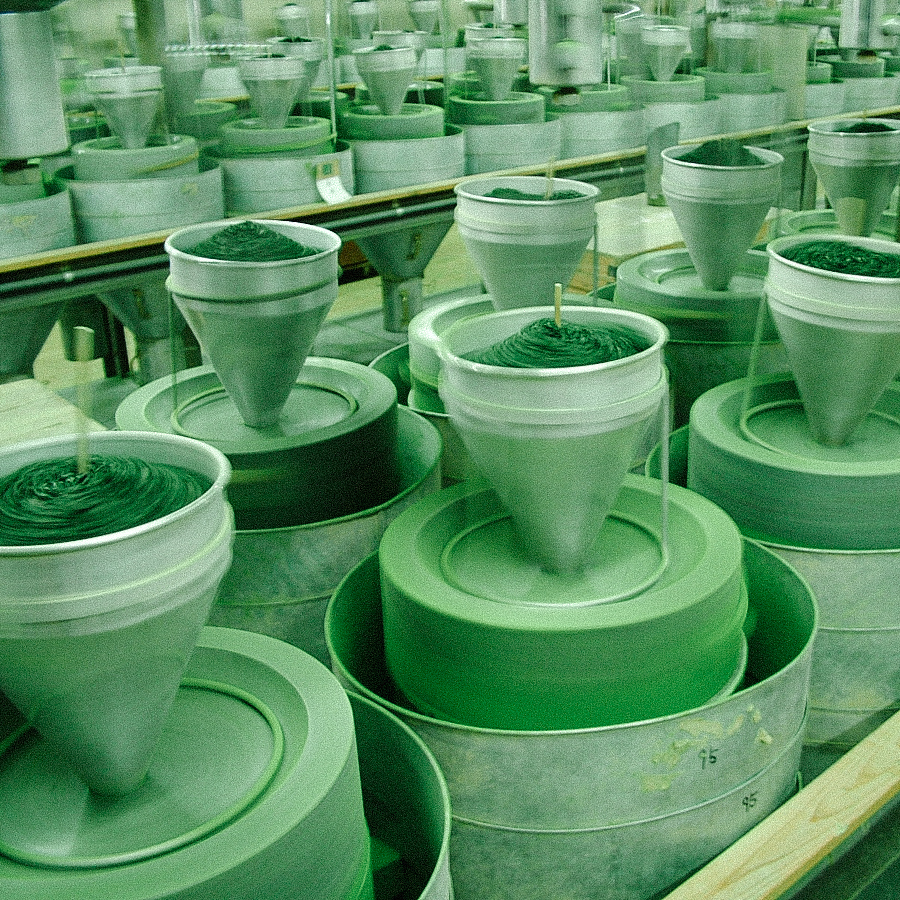
  • Ground using traditional granite mills
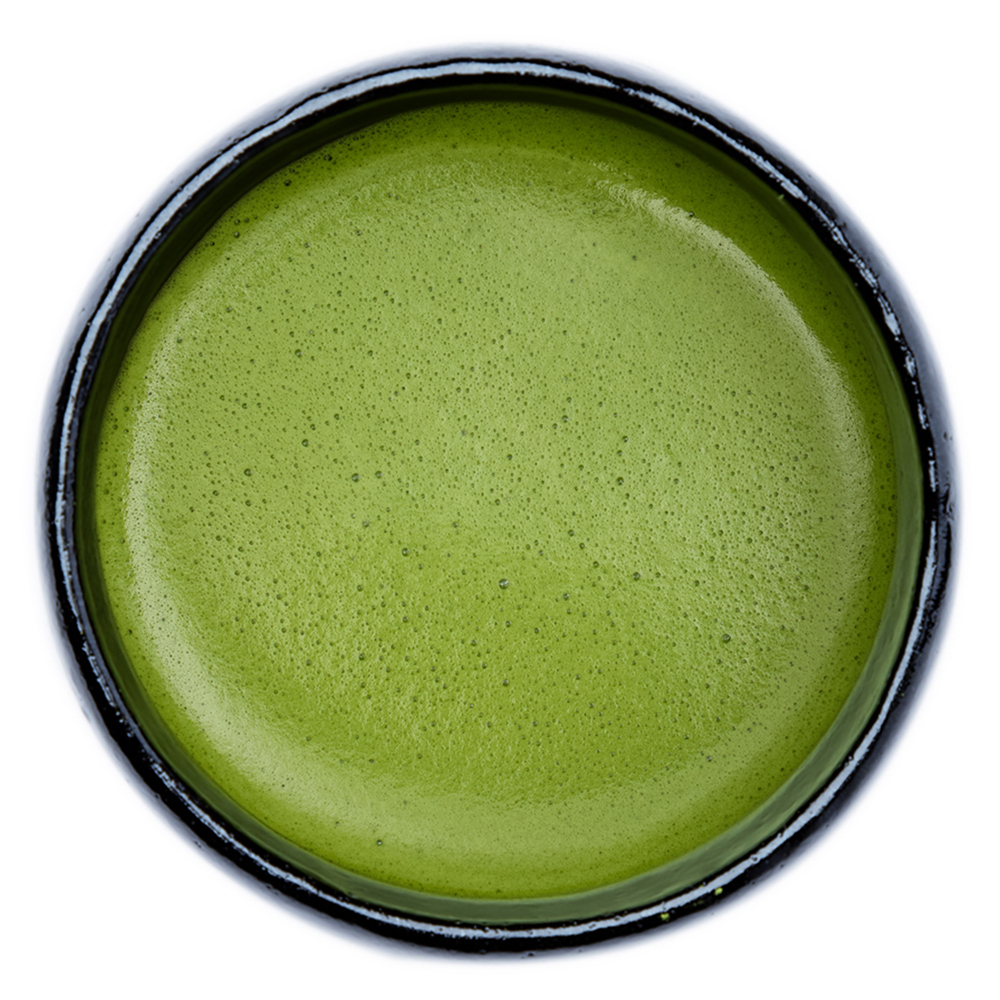
Character Sugar snap peas and edamame, natural, fresh, delicately bitter, light and airy foam, a subtle hint of chocolate on the finish
Tea Farm Ishikawa Seicha
Terroir Toyota, Aichi Prefecture, Japan
Harvest First harvest (Ichibancha), early June 2025
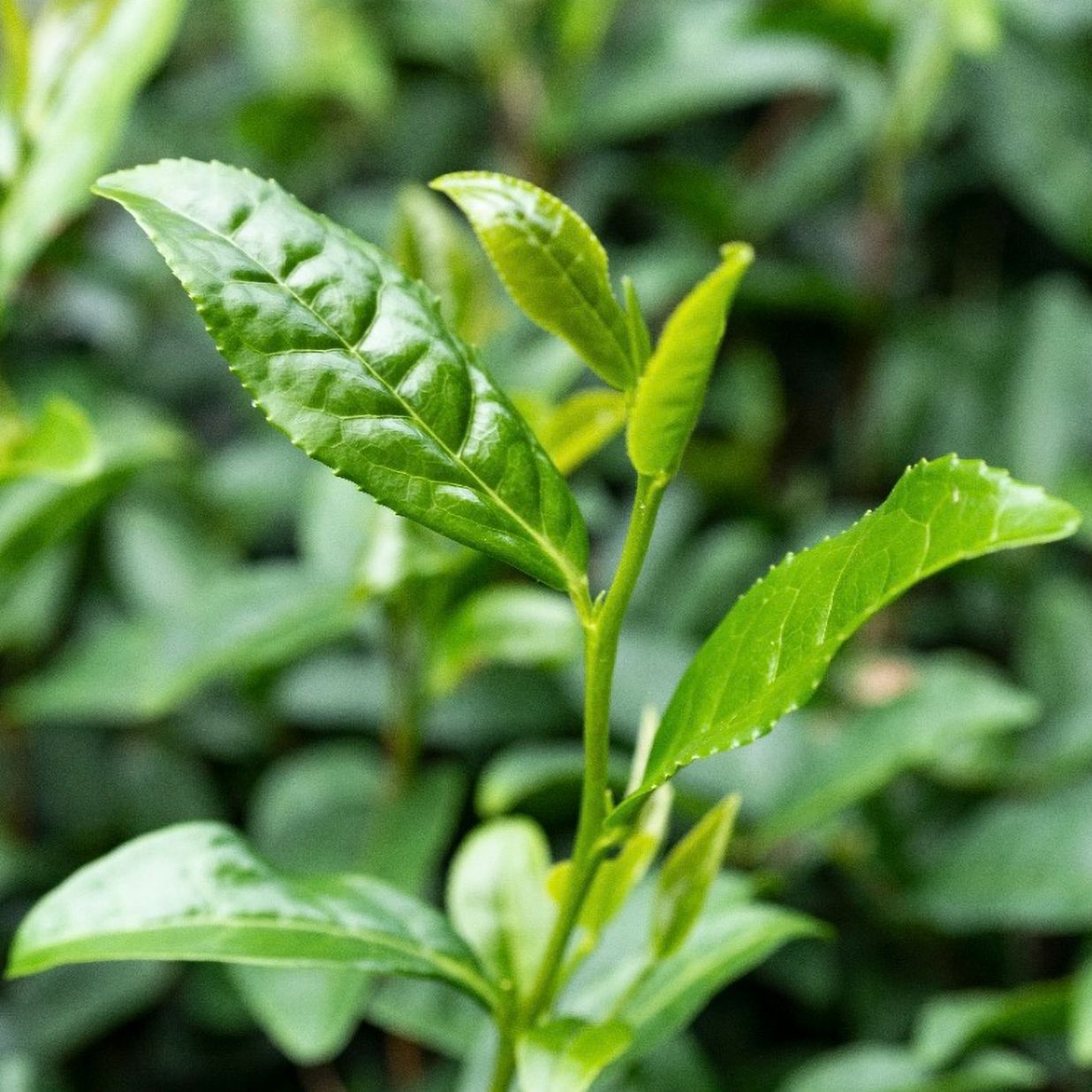
Cultivar Yabukita
Grinding Granite stone-milled, particle size 11 μm
Elevation 650m above sea level
Shading Full shading, up to 30 days before harvest, Jikagise
Cultivation EU- and JAS-certified organic since 1995
Laboratory Tests Radioactivity (Region: last updated 11/2019)
Grade 96/100 P. (Matcha category); Premium 
€32.90
40g

Delivery : up to 5 business days

Incl. VAT, excl. shipping

SKU
4809-bio
€822.50 / 1kg
In stock
Organic Matcha Kaze Ishikawa

Tea Farm

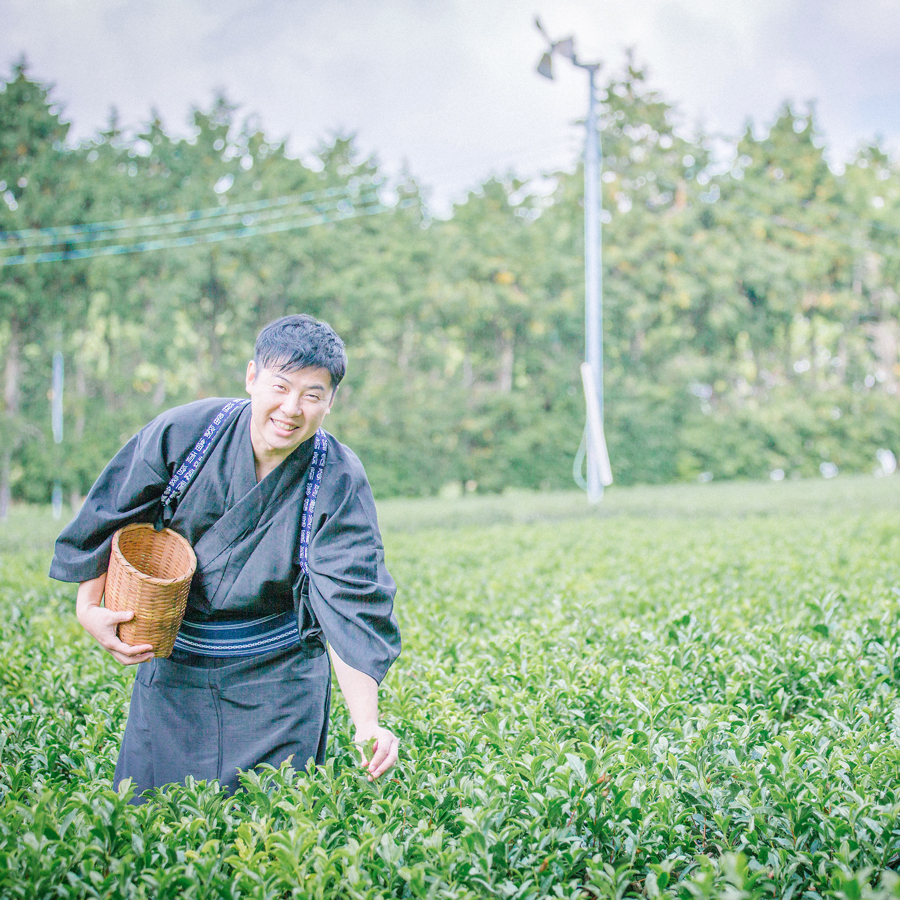
Mr Ishikawa is widely regarded as one of Japan’s finest matcha producers, having twice won the country’s most prestigious tea competition (in 2012 and 2017), in addition to receiving the Gold Medal at the 2021 Toyota City Agriculture, Forestry and Livestock Product Fair Awards. Each year, he submits his most carefully selected matcha to the MAFF competition, reflecting his unwavering commitment to excellence. He operates the small, family-run tea farm alongside his parents, maintaining exceptionally high standards. The farm was among the first in Japan to achieve organic certification, which it received as early as 1995, and it has never used pesticides or synthetic fertilisers. Located in a remote mountainous region of Aichi Prefecture, east of Toyota City, at an elevation of 650 metres, the farm’s unique setting presents distinct challenges for Tencha cultivation. The pronounced temperature variations and demanding terrain require highly specialised growing methods. Through decades of expertise and dedication, the Ishikawa family has established one of Japan’s most respected organic tea farms. Distinguishing features include their use of specially developed organic fertilisers, the implementation of exceptionally high and intricate shading systems, and the distinctive character of their remarkable matcha.

Organic Matcha Kaze Ishikawa

Character

Tasting Notes

True to its name (with "kaze" meaning wind, breeze), this matcha balances its strength with warm, harmonious notes and a surprisingly vibrant freshness – reminiscent of a gentle, invigorating gust. This sensation is heightened by its fine foam, which, even with its dense consistency, lends an exceptionally airy mouthfeel almost akin to a chocolate mousse.

With this matcha, the density of the foam is key to both texture and flavour experience. A rich foam creates an experience that is at once light and full-bodied, revealing an immediate, refined nutty bitterness alongside clear green notes reminiscent of sugar snap peas or edamame. With less foam (or none at all), subtle chocolatey nuances come to the fore, resulting in a rounder, softer profile. In this expression, the green freshness recedes, giving way to a distinctly warmer character on the palate.

Texture

Particularly creamy

Colour

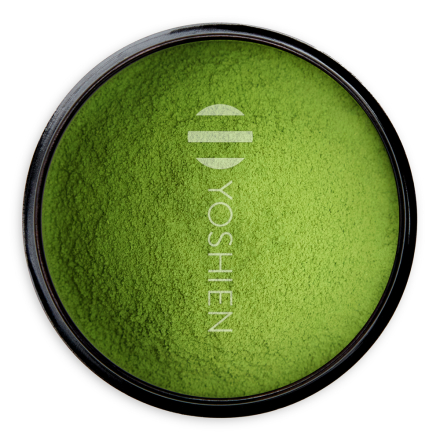
Bright grass green

Organic Matcha Kaze Ishikawa

Matcha Tea

Matcha, alongside gyokuro, is considered one of the finest of Japanese green teas. Unlike other teas, matcha is produced from shaded leaves that have been milled to a fine powder. The resulting tea contains the whole tea leaf and all its nutrients, not just water-soluble compounds. The production of matcha is time-consuming and demanding: the leaves are gently ground in granite stone mills that can only produce a few grams per hour. Quality matcha has an intensely sweet and umami flavour that even in high concentrations (such as koicha preparation) is only minimally or not at all bitter.

Yoshien Labortests

Laboratory Tests

We go to great lengths to identify the finest organic tea farms across the world’s most celebrated terroirs. All our teas are sourced directly from the farmer and, with a few exceptions, are certified organic or come from pesticide-free farms. Each batch of tea for every harvest is tested for pesticides and other pollutants in an independent German lab to ensure they meet our strict quality standards as well as HACCP food safety requirements. Likewise, the regions of Japan from which we source our teas are tested for radioactivity for every harvest.

Yoshien

Yoshi En

Premium Organic Teas

Our comprehensive portfolio focuses on organic, single-origin teas sourced directly from renowned farms. We believe in creating partnerships with farmers who share our values and are committed to sustainable, responsible tea cultivation. Thanks to these strong relationships our exciting range is constantly growing and evolving. As an international team of dedicated and passionate tea experts, we are committed to preserving centuries-old tea culture while ensuring it remains relevant and continues to bring joy in the present. About Yoshi En.

Cultivation & Processing

Special features in location, cultivation & processing

Alongside Uji and Hoshino, the Aichi region is considered one of Japan’s foremost matcha-growing areas. The Ishikawa family primarily produces organic matcha, making full use of their farm’s high elevation of 650 metres – unusual for such a northerly location – where naturally fewer pests occur.

Equally important is the farm’s secluded setting, surrounded by forests, which prevents agricultural chemicals from drifting in on the wind. The Ishikawas produce their own organic fertiliser, made entirely from fermented natural ingredients. Since its founding, the farm has operated without pesticides or synthetic fertilisers and has been certified organic since 1995.

For shading, specially designed Tana structures are used – three metres in height, the tallest in Japan – allowing for particularly gentle and effective climate control of the plants. The tea is stone-ground on site using traditional granite mills.

Single Origin

This matcha comes 100% from above-mentioned tea fields and is packed for us directly on-site. Sourced directly from the producer.

Organic Certification

Organic Certification

PL-EKO-01
Nicht-EU-Landwirtschaft
Preparation

Using a Chashaku, place two scoops (approx. half a teaspoon) in a matcha bowl of your choice. Then pour approximately 80ml of hot water between 60°C and 80°C into the bowl, without pouring directly onto the powder to avoid clumping. For the next step, a matcha whisk is undoubtedly the best choice for achieving the iconic matcha foam.

The key to the perfect matcha is in the motion. Circular movements and a typical whisking motion should be avoided, as little-to-no foam will form. Hold the matcha whisk at an angle of around 90° in the bowl, allowing it to gently scrape the base without pressing against it. Now move it straight up and down from the wrist while moving your arm to the left and right, creating a ‘’W‘’ or ‘’M‘’ movement. The faster you perform this movement, the easier it is to create a wonderfully fluffy foam. Practice makes perfect – enjoy!

Recommended Matcha Bowl

We highly recommend using an authentic Japanese matcha bowl for proper preparation and optimal flavour development.

Recommended Accessories

For the ideal texture, flavour, and preservation of matcha's delicate qualities, we recommend using a special matcha sieve and a high-quality bamboo matcha whisk. For dispensing and dosing, the ideal utensil is an authentic Chashaku made of bamboo.

Packaging & Storage

Our matcha is packaged in a protective bag and stored within a high-quality tin with a screw lid, which is coated on the inside with BPA-free plastic. Before opening, the matcha can be stored in the original packaging in the fridge or at room temperature.

After opening, we recommend keeping the matcha tightly closed and at room temperature to protect it from moisture, odour, light and oxidation. During the summer, opened matcha can be stored in the refrigerator to maintain its freshness, although it should only be taken out briefly to prevent excessive moisture absorption or exposure to unwanted odours. For optimum quality, use the matcha within a few weeks if possible. For longer-term storage, we recommend storing matcha in an opaque, airtight container such as one of our matcha tea caddies, and store at room temperature.

Our recommendations

Loading...
The image could not be loaded.