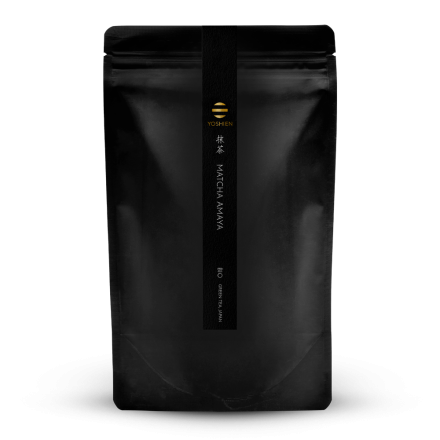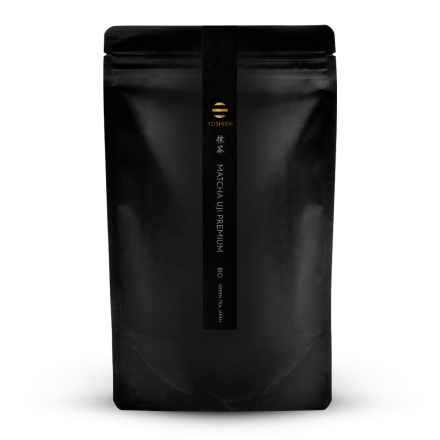


Matcha Tea
Fulong Organic

Premium 90 P.

SKU
8479-bio
Our first premium Matcha from the highlands of Guizhou, cultivated at an altitude of 1,000 metres in strict accordance with EU organic standards and fully shaded for over three weeks before harvesting. Harmoniously blended from the Longjing and Fuding Da Bai cultivars, this Matcha is perfectly suited to classic Usucha preparation, while also providing an excellent base for a Matcha latte. 100g
Character Warm, creamy umami, hints of peanut, vanilla and dark chocolate
Tea Farm Multi-award-winning organic farm in the Guizhou highlands
Terroir Tongren, Guizhou Province, China
Harvest 1st harvest, March 2025
Cultivar Fuding Dabai & Longjing
Grinding Ground via ball mill
Elevation 1000m above sea level
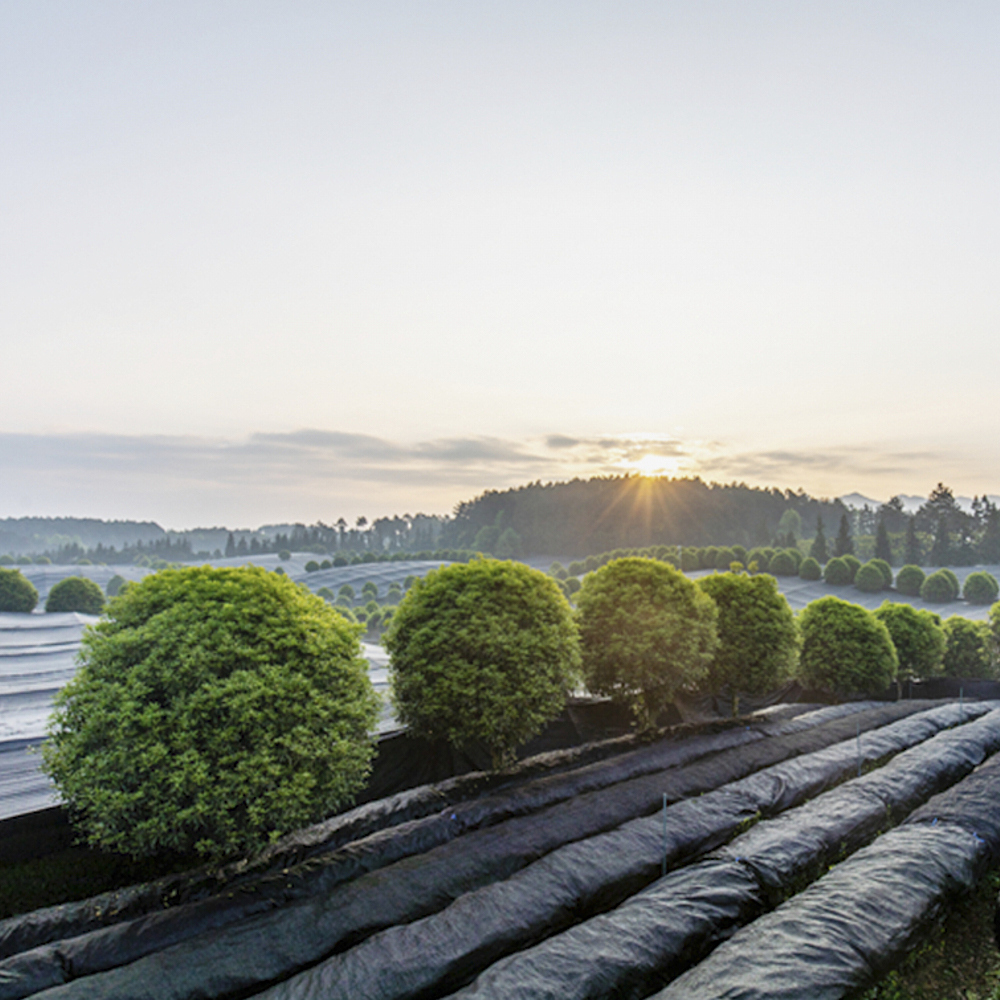
Shading Fully shaded, 3-4 weeks, primarily Tana
Cultivation Organic cultivation since 2021 (China Organic, EU Organic certified)
Awards & Certificates China Tea Expo (CTE) Gold Award 2006 & 2008, DLG Gold Award 2016; HACCP, FSSC22000, Rainforest Alliance zertifiziert
Laboratory Tests Pesticides, heavy metals and aluminium
Grade 90/100 P. (Matcha category); Premium
€24.90
100g

Delivery : up to 5 business days

Incl. VAT, excl. shipping

SKU
8479-bio
€249.00 / 1kg
In stock
Organic Matcha Fulong Organic Matcha Fulong Organic Matcha Fulong Organic Matcha Fulong Organic Matcha Fulong

Tea Farm

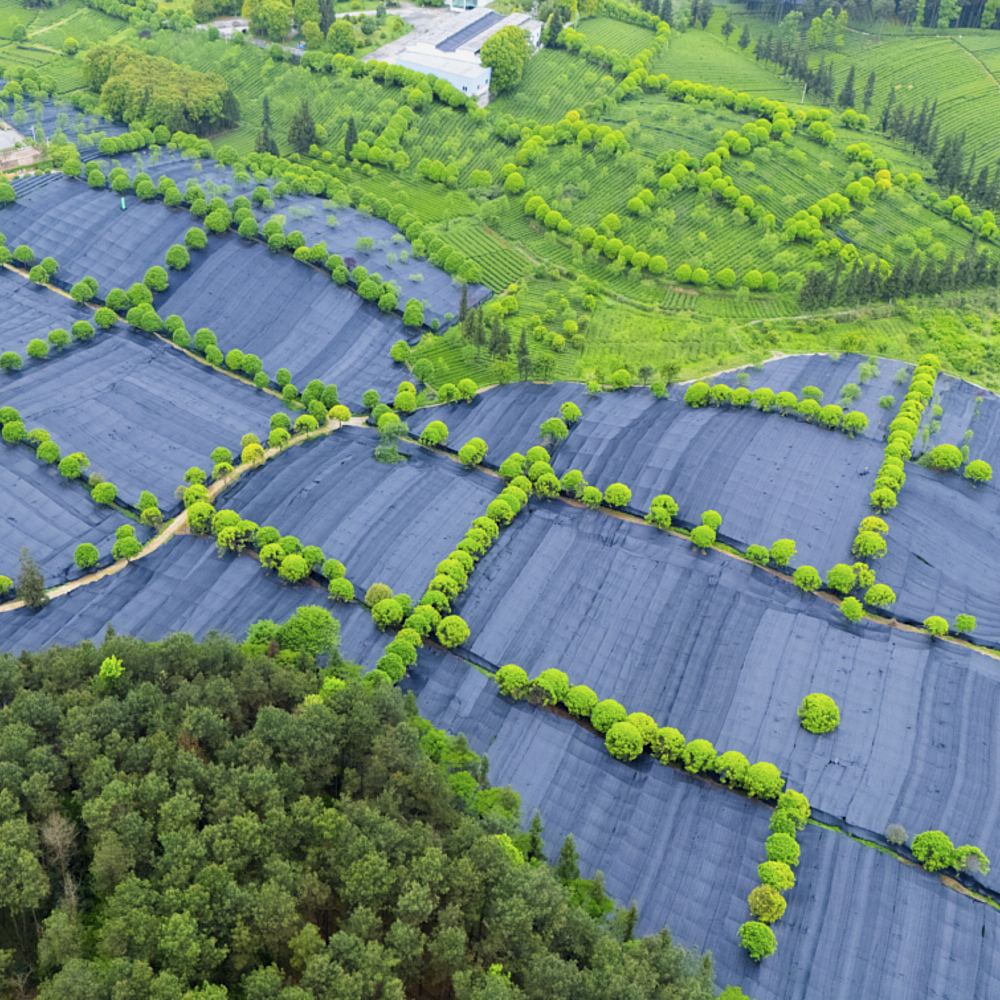
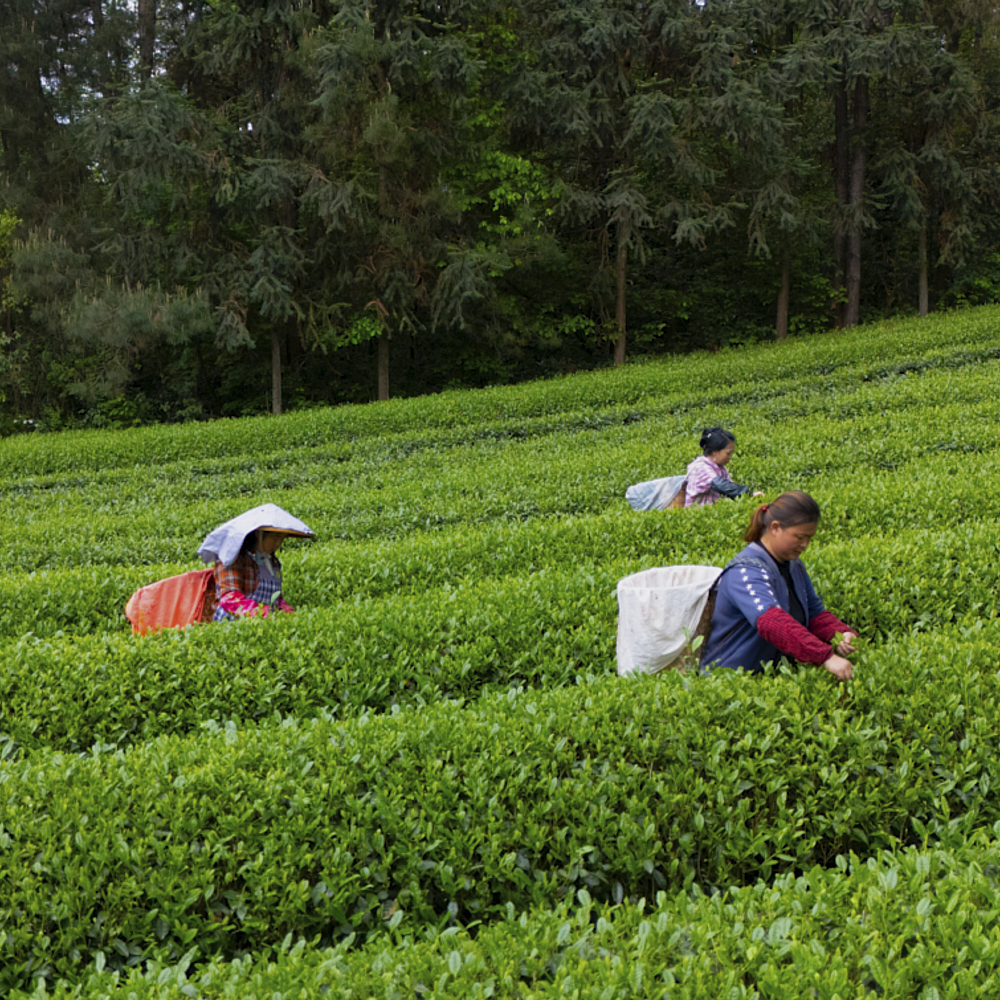
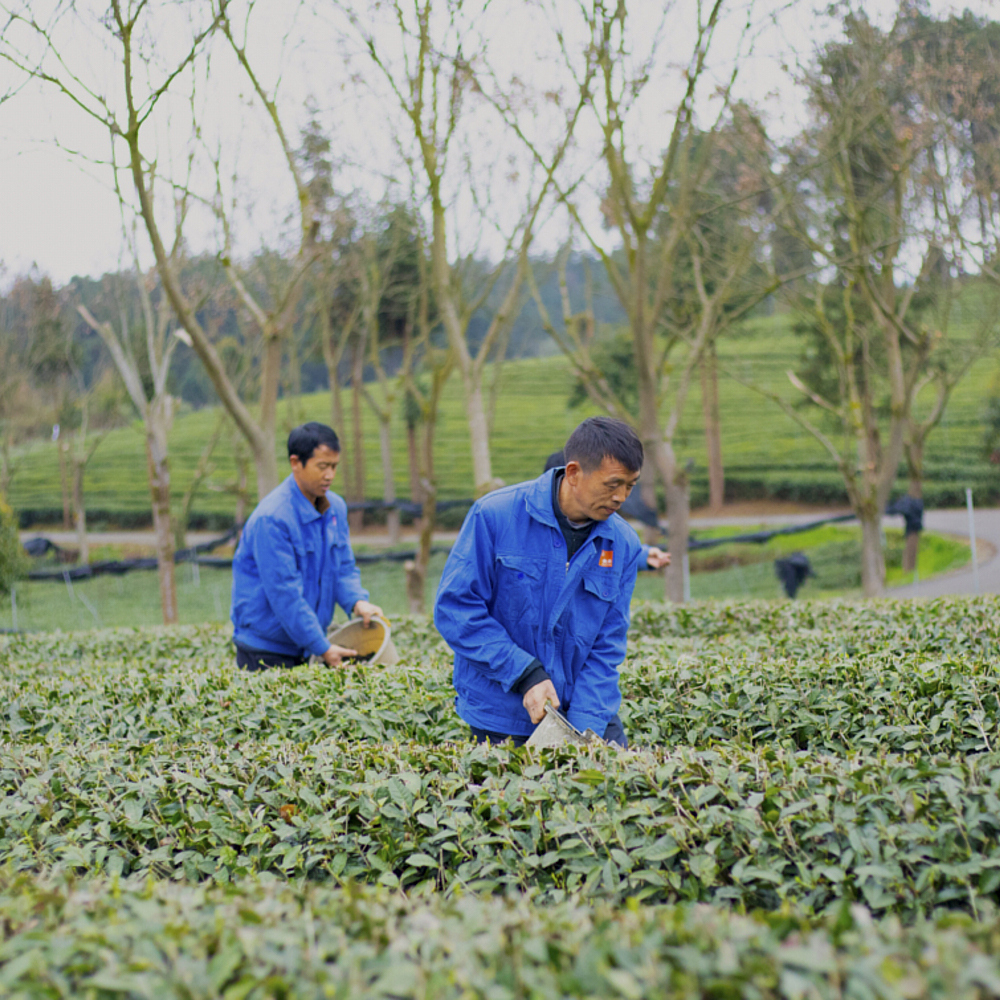
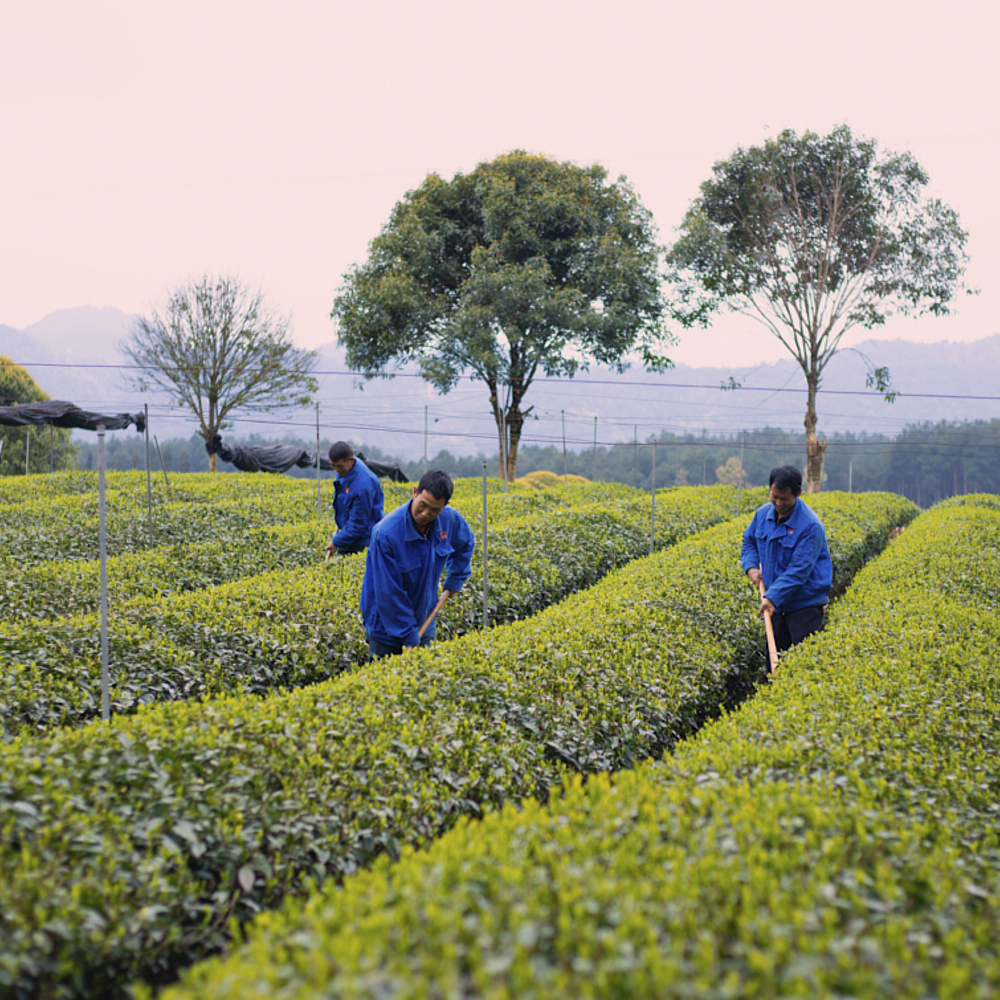
The tea farm is set amidst the picturesque rolling highlands of Guizhou Province in southwest China. Here, centuries-old tea-growing heritage meets a deep understanding of the local terroir and a meticulously managed, fully integrated production process built to the highest modern standards. The result is China’s leading farm for premium organic Matcha, rivaling even the most esteemed organic Matcha farms in Japan. The Tencha is cultivated in strict accordance with EU organic certification standards and, wherever possible, in close collaboration with local partners. Even their organic fertiliser reflects this commitment, as they repurpose natural by-products from the production of Maotai (Guizhou’s famous sorghum spirit), returning valuable nutrients to the soil in a sustainable cycle.

Organic Matcha Fulong

Character

Tasting Notes

A warm, velvety umami meets a tart, fresh bitterness reminiscent of fine dark chocolate. The result is a beautifully harmonious Matcha that rivals Japanese teas of comparable quality in every respect. Despite its elegant bitterness, this tea reveals an impressive depth of chlorophyll richness and natural sweetness – placing it in an entirely different league from the Chinese green tea powders often labelled as “Matcha” found in supermarkets. While closely aligned with the Japanese model in terms of quality and craftsmanship, this Matcha still offers a subtle sense of its unique origin. The distinctive terroir of Guizhou and the carefully selected cultivars shine through in nuanced flavour notes: hints of roasted peanut, from the nutty Longjing cultivar, alongside a delicate hint of vanilla characteristic of Fuding Da Bai, a cultivar best known for white tea. Fresh vegetal notes of green pepper, edamame and leek complete the profile, lending precisely the right measure of umami. All in all, this is a perfect Matcha for regular enjoyment as Usucha or as a premium Matcha latte.

Texture

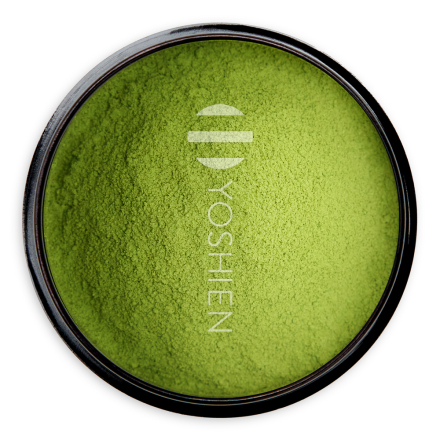
Soft & creamy

Colour

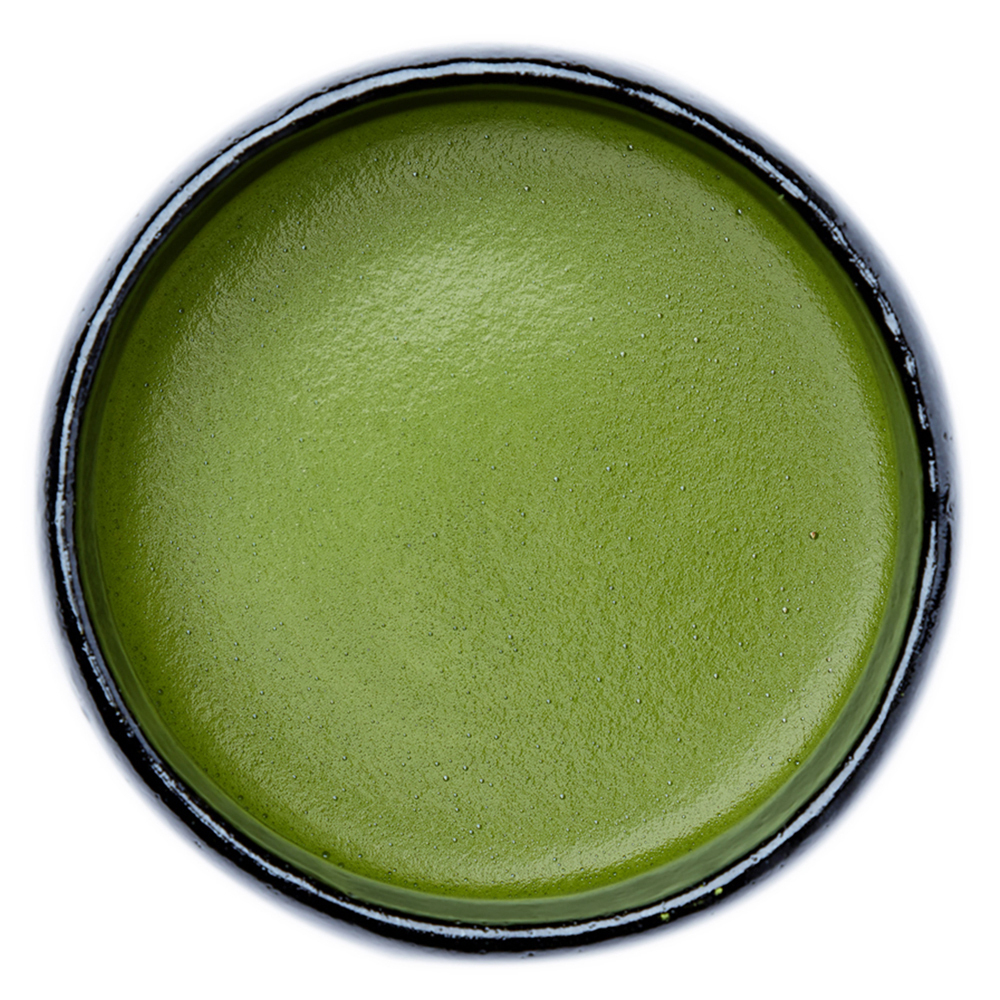
Fresh kiwi green

Organic Matcha Fulong

Matcha Tea

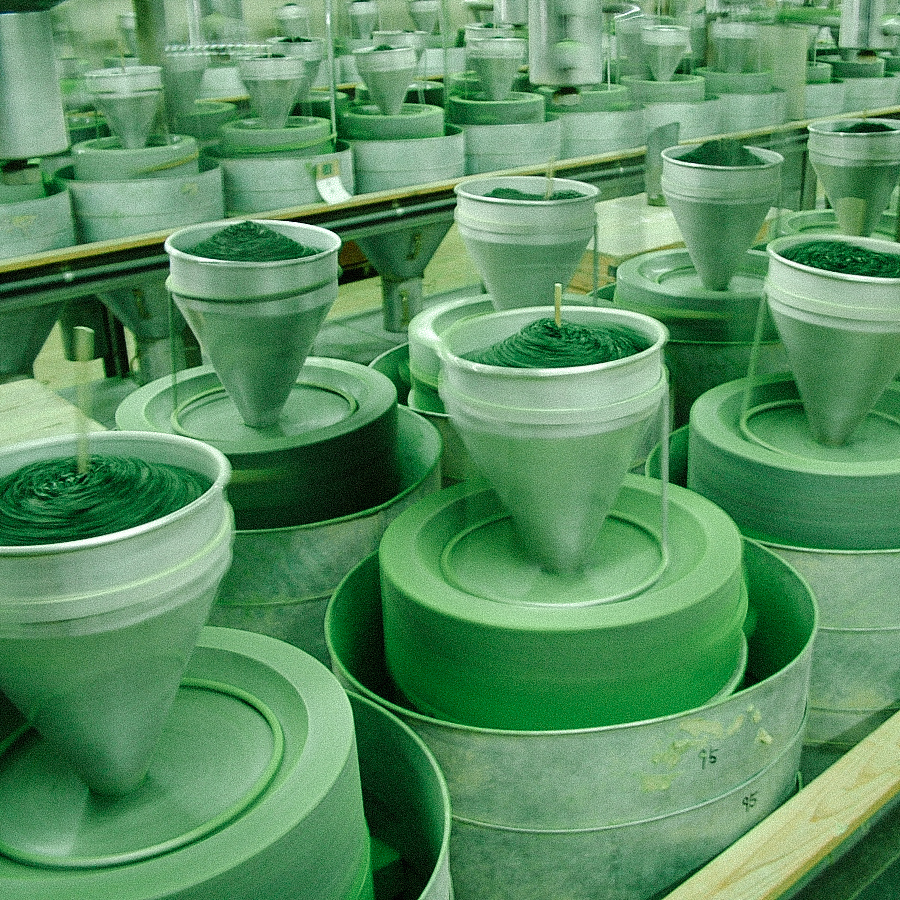
Matcha, alongside Gyokuro, is considered one of the finest of Japanese green teas. Unlike other teas, Matcha is produced from shaded leaves that have been milled to a fine powder. The resulting tea contains the whole tea leaf and all its nutrients, not just water-soluble compounds. The production of Matcha is time-consuming and demanding: the leaves are gently ground in granite stone mills that can only produce a few grammes per hour. Quality Matcha has an intensely sweet and umami flavour that even in high concentrations (such as Koicha preparation) is only minimally or not at all bitter.

Yoshien Labortests

Laboratory Tests

We go to great lengths to identify the finest organic tea farms across the world’s most celebrated terroirs. All our teas are sourced directly from the farmer and, with a few exceptions, are certified organic or come from pesticide-free farms. Each batch of tea for every harvest is tested for pesticides and other pollutants in an independent German lab to ensure they meet our strict quality standards as well as HACCP food safety requirements. Likewise, the regions of Japan from which we source our teas are tested for radioactivity for every harvest.

Yoshien

Yoshi En

Premium Organic Teas

Our comprehensive portfolio focuses on organic, single-origin teas sourced directly from renowned farms. We believe in creating partnerships with farmers who share our values and are committed to sustainable, responsible tea cultivation. Thanks to these strong relationships our exciting range is constantly growing and evolving. As an international team of dedicated and passionate tea experts, we are committed to preserving centuries-old tea culture while ensuring it remains relevant and continues to bring joy in the present. About Yoshi En.

Cultivation & Processing

Special features in location, cultivation & processing

The lush, green landscape of Guizhou’s high plateau is defined by nutrient-rich soils, misty valleys set amongst dramatically sculpted mountains, fresh spring water and vast, fertile forests. It is a thriving, balanced ecosystem long regarded as one of China’s most exceptional regions for tea cultivation.

Bordering the renowned tea provinces of Yunnan (the birthplace of the tea plant and home of Pu Erh) and Sichuan, where tea cultivation was first documented nearly 2,000 years ago, as well as Guangxi, known for its ethnic diversity and rare teas, Guizhou benefits from a rich exchange of diverse tea traditions.

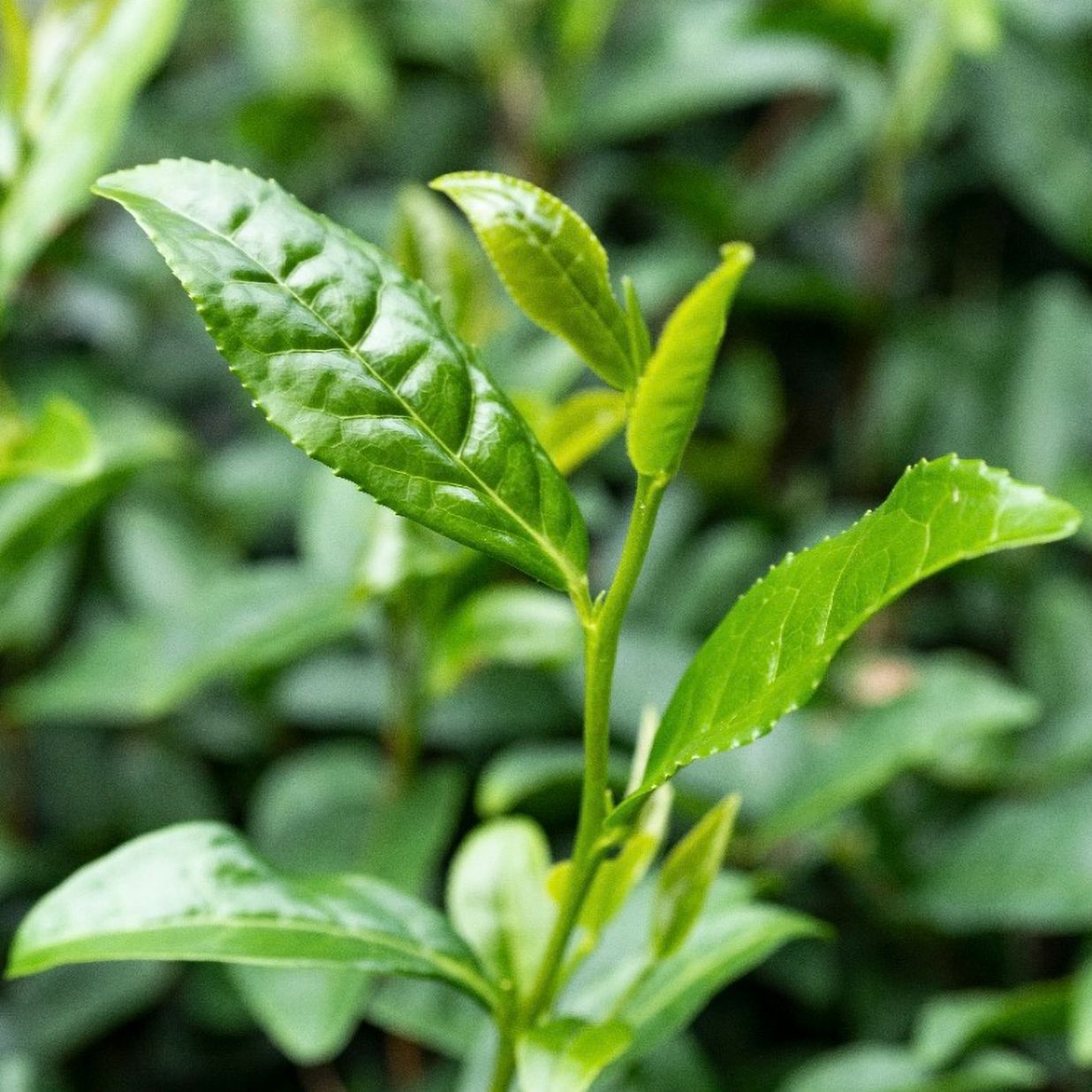
Drawing on a deep understanding of these local conditions and heritage, our tea farm selects only those cultivars best suited to the terroir for the cultivation of Tencha. These are cultiar varieties that, once stone-milled into Matcha, deliver abundant umami and a finely balanced vegetal sweetness. For our Organic Fulong Matcha, our tea masters have chosen the cultivars Fuding Da Bai (a large-leafed, classic white tea variety) and Longjing, famed for its role in China’s most celebrated green tea.

Shading is carried out primarily using the traditional Tana method, in which a framework is constructed over the tea bushes to provide cover. Although comparatively labour-intensive, this technique yields significantly higher quality, as air is able to circulate freely above the plants during shading. Fertilisation is carried out exclusively with EU-approved organic inputs, including an organic by-product from the production of Maotai, the famous sorghum spirit and a local speciality of Guizhou.

The entire production process adheres to the most advanced modern standards and stands on a par with Japan’s leading Matcha producers. Notably, the complete production chain (from cultivation through to milling) remains entirely in the hands of the tea farm, ensuring uncompromising quality control at every stage. The purity of each harvest is independently verified by laboratory testing.

Organic Certification

Organic Certification

PL-EKO-01
Nicht-EU-Landwirtschaft
Preparation

Using a Chashaku, place two scoops (approx. half a teaspoon) in a Matcha bowl of your choice. Then pour approximately 80ml of hot water between 60°C and 80°C into the bowl, without pouring directly onto the powder to avoid clumping. For the next step, a Matcha whisk is undoubtedly the best choice for achieving the iconic Matcha foam.

The key to the perfect Matcha is in the motion. Circular movements and a typical whisking motion should be avoided, as little-to-no foam will form. Hold the Matcha whisk at an angle of around 90° in the bowl, allowing it to gently scrape the base without pressing against it. Now move it straight up and down from the wrist while moving your arm to the left and right, creating a ‘’W‘’ or ‘’M‘’ movement. The faster you perform this movement, the easier it is to create a wonderfully fluffy foam. Practice makes perfect – enjoy!

Recommended Matcha Bowl

We highly recommend using an authentic Japanese Matcha bowl for proper preparation and optimal flavour development.

Recommended Accessories

For the ideal texture, flavour, and preservation of Matcha's delicate qualities, we recommend using a special Matcha sieve and a high-quality bamboo matcha whisk. For dispensing and dosing, the ideal utensil is an authentic Chashaku made of bamboo.

Packaging & Storage

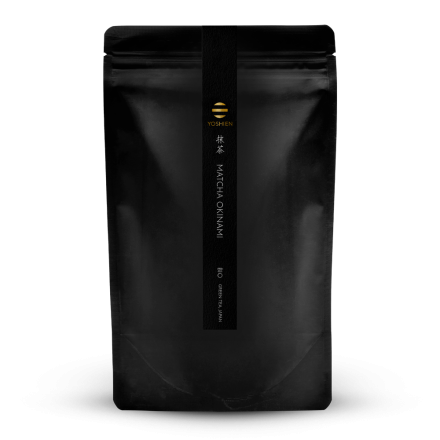
Our Matcha is packaged in a protective bag and stored within a high-quality tin with a screw lid, which is coated on the inside with BPA-free plastic. Before opening, the Matcha can be stored in the original packaging in the fridge or at room temperature.

After opening, we recommend keeping the Matcha tightly closed and at room temperature to protect it from moisture, odour, light and oxidation. During the summer, opened Matcha can be stored in the refrigerator to maintain its freshness, although it should only be taken out briefly to prevent excessive moisture absorption or exposure to unwanted odours. For optimum quality, use the Matcha within a few weeks if possible. For longer-term storage, we recommend storing Matcha in an opaque, airtight container such as one of our Matcha tea caddies, and store at room temperature.

Our recommendations

Loading...
The image could not be loaded.