



If the product becomes dirty, wipe it with a dry cloth. To clean with water, handwash the product in hot water without using a sponge, then press dry with a cloth, but please note that colour may transfer. Avoid cleaning with cold water and prevent contact with salt or oil.
Japanese Cast Iron
Nanbu Tekki
Burgundy Lipped Bowl
Suzuki Morihisa
SKU
5673
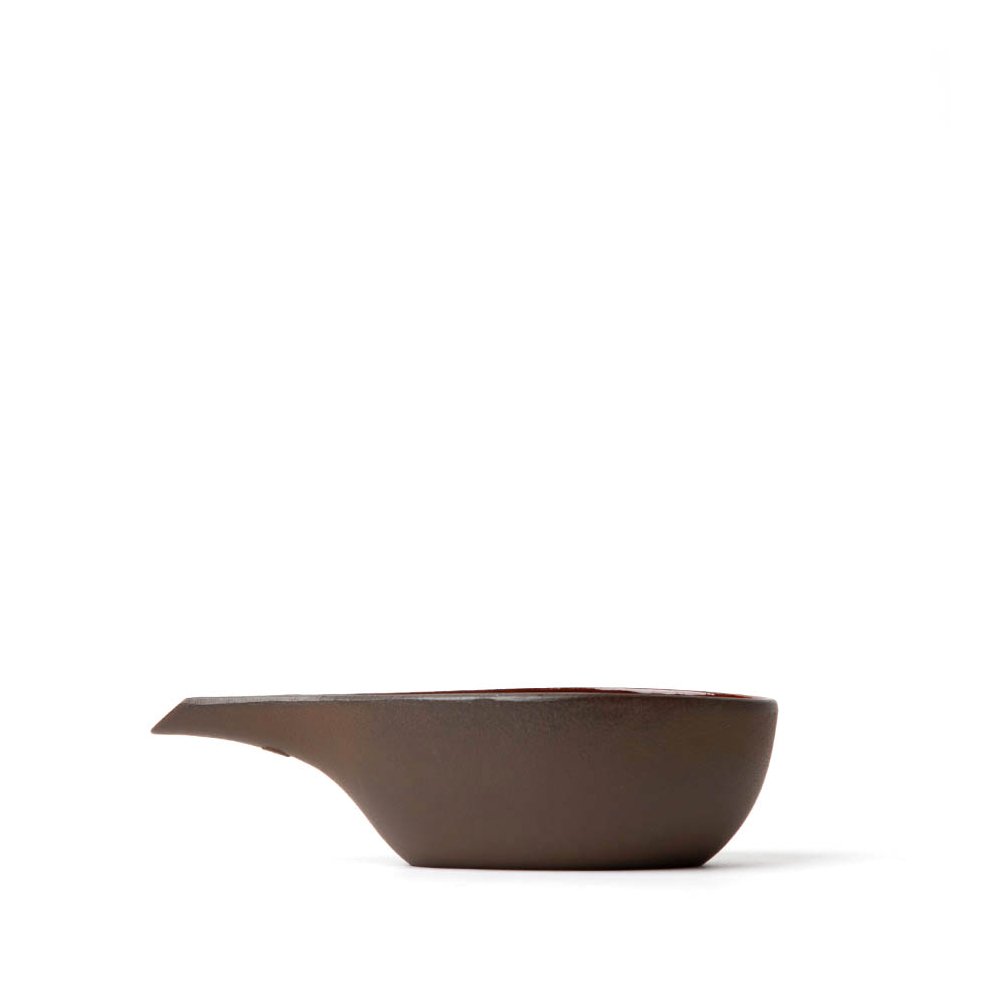
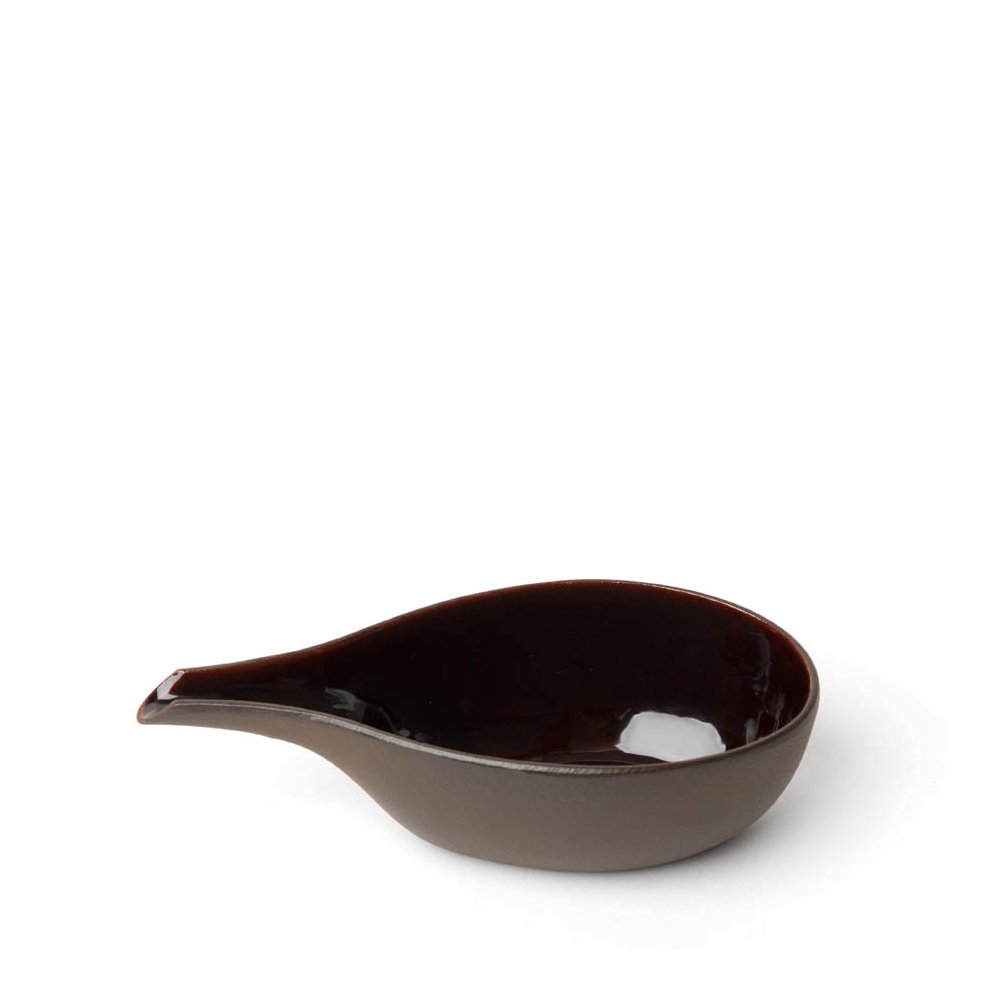
Make saké, sauces and salad dressings taste better with this sleek lipped bowl made of Japanese cast iron and a stylish burgundy urushi lacquer, by legendary Nanbu Tekki foundry, Suzuki Morihisa. This item is made in collaboration with Shinichiro Ogata's award-winning design studio, SIMIPLICITY.
| Product | Nanbu Tekki lipped bowl |
|---|---|
| Origin | Morioka, Iwate, Japan |
| Studio | Suzuki Morihisa x Simplicity |
| Dimensions | 8.5cm (L) x 11.5cm (W) x 5cm (H) |
| Weight | 0.4kg |
| Material | Iron, natural urushi lacquer |
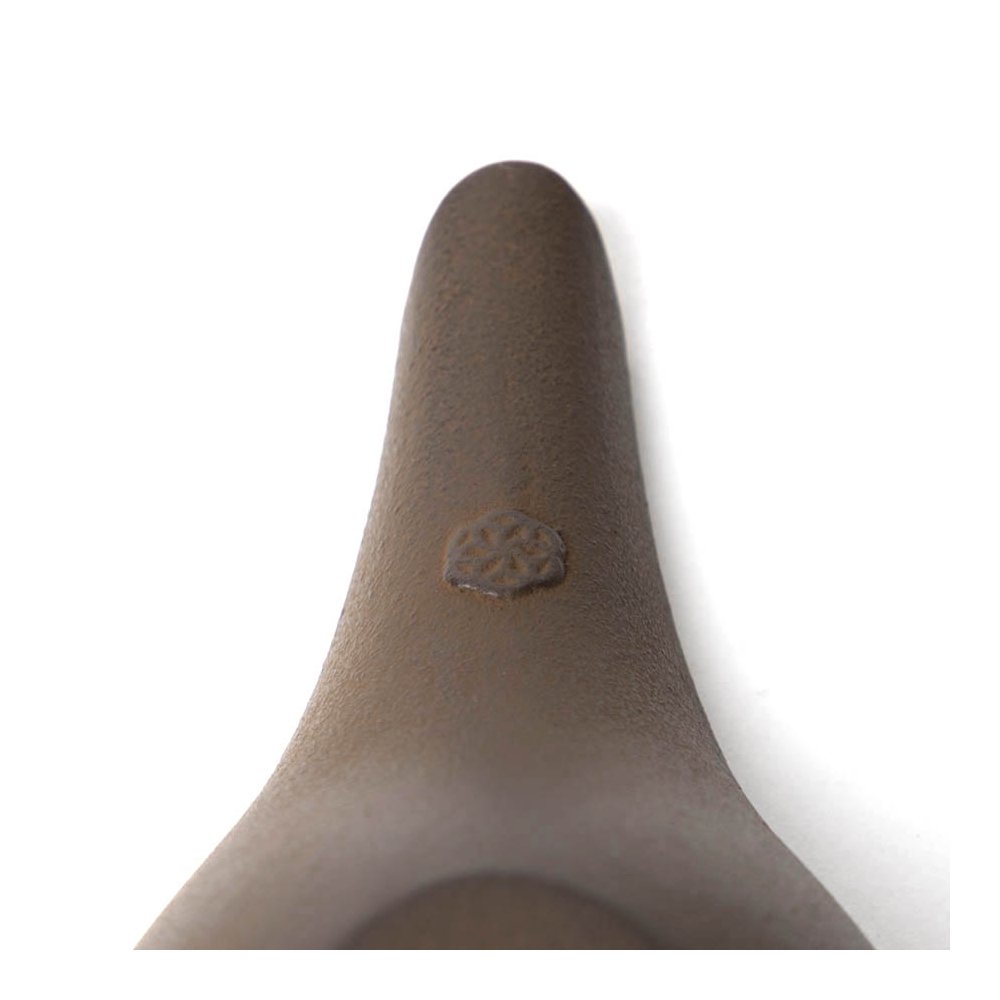
| Artist's Stamp | On base |
| Packaging | Cardboard box |
In stock
Producer
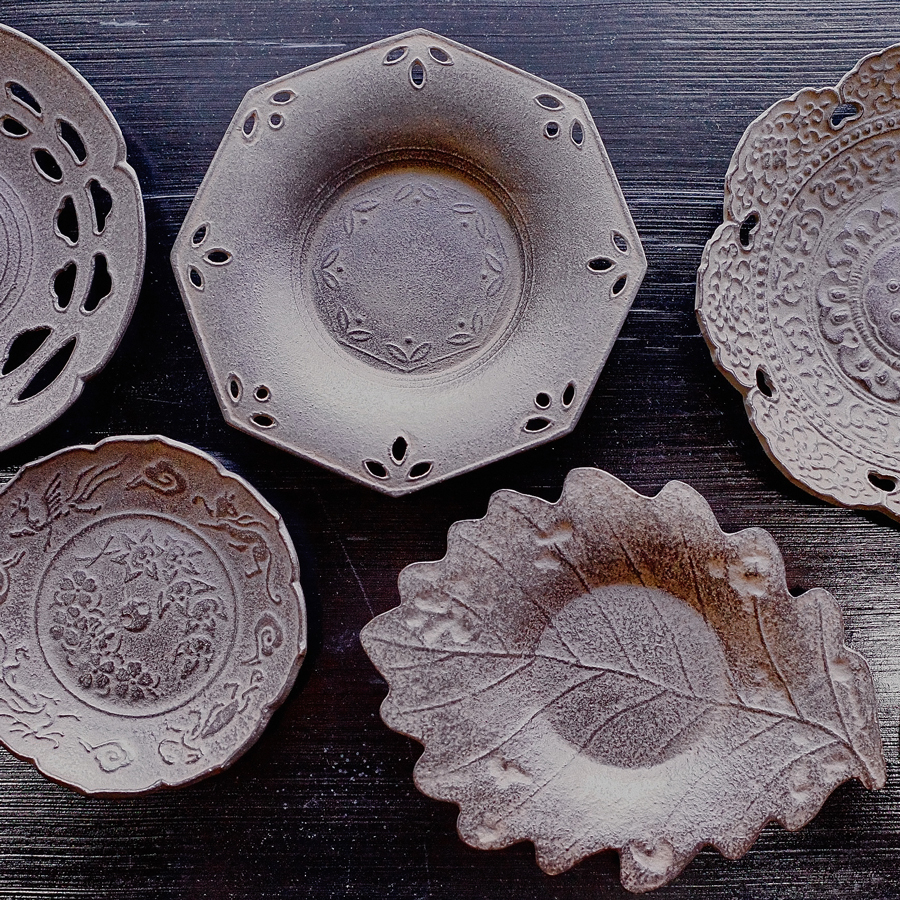
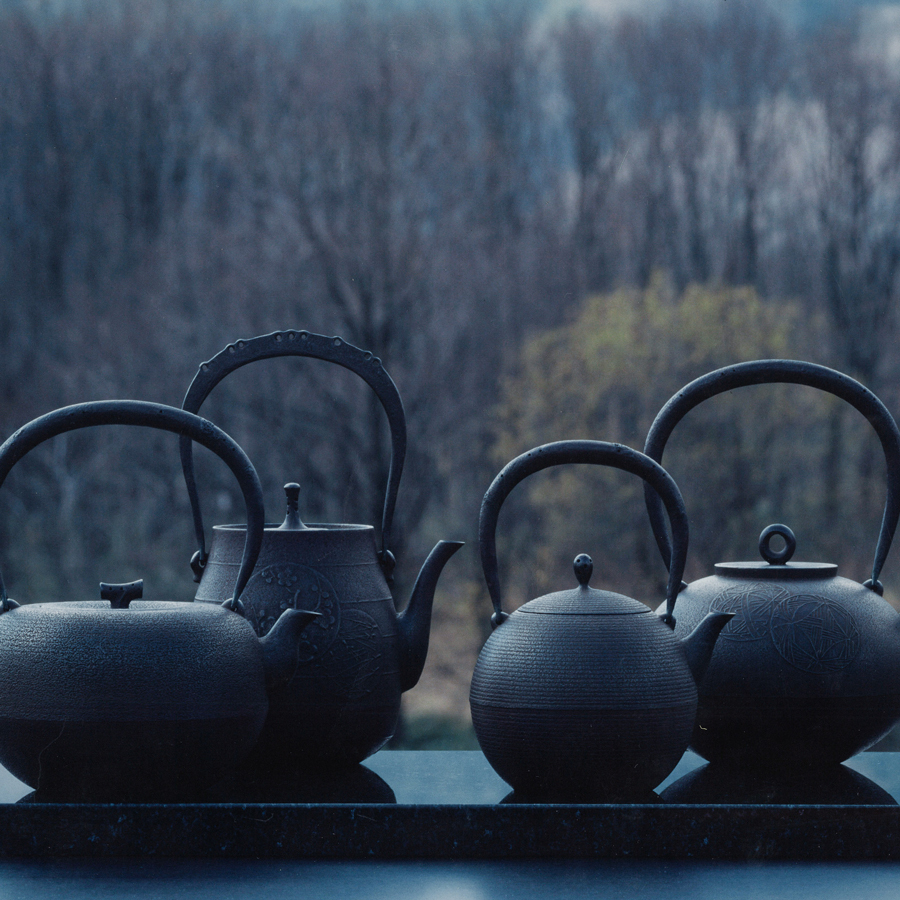
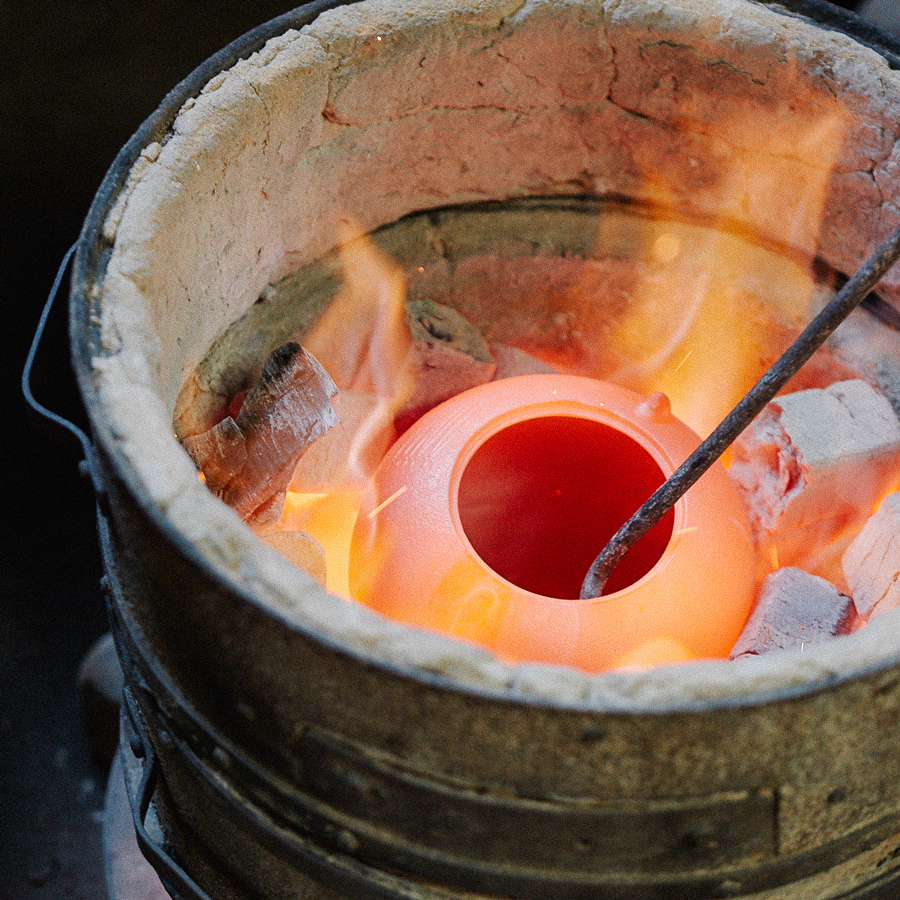
Established in 1625, Suzuki Morihisa is one of the oldest Nanbu Tekki foundries in Iwate. Together with four other master casters, the first generation Suzuki was invited to settle in Morioka by the ruling Nanbu clan and played an important role in the establishment of Japanese ironware. The family business is now in its 16th generation and is the holder of two notable firsts in the history of Nanbu Tekki: a member of the 13th generation was appointed an Intangible Cultural Property of Japan and a member of the 15th generation was the first female caster in Iwate. Suzuki Morihisa continues to preserve traditional techniques through robust ironwork which can be used for many generations to come.
Nanbu Tekki 南部鉄器
The origins of Nanbu Tekki, or “Nanbu ironware”, go back to the mid-17th century, when the Nanbu samurai clan were in need of Buddhist altars, bells and chagama tea pots to furnish their newly built castle in Morioka, Iwate Prefecture, and so invited skilled metal casters from across the country to lend them a hand. Although the name Nanbu is written in kanji as “southern region”, the clan ruled in the north of Japan, where materials needed for ironwork were naturally abundant. Highly durable, Nanbu Tekki wares are often deemed the best metalwork in Japan and make beloved heirlooms – particularly cast iron kettles, or tetsubin, which are also highly sought after by collectors around the world. In 1975, Nanbu Tekki, exclusively referring to cast iron products made in the cities of Morioka and Oshu, was designated the first certified Traditional Craft of Japan.