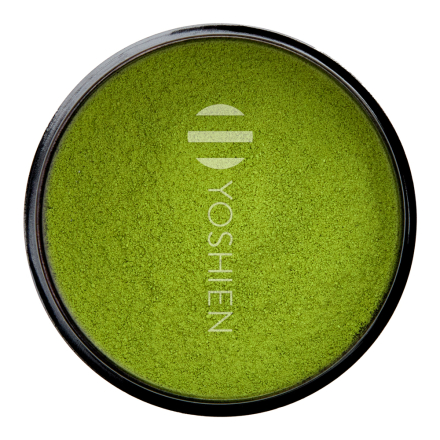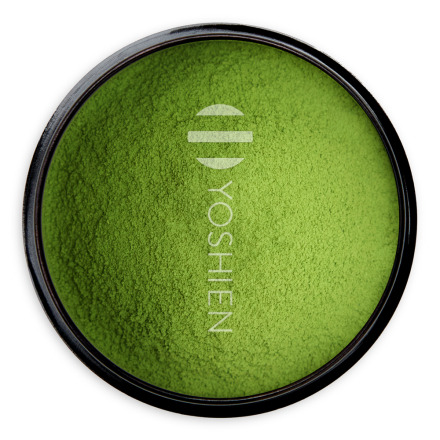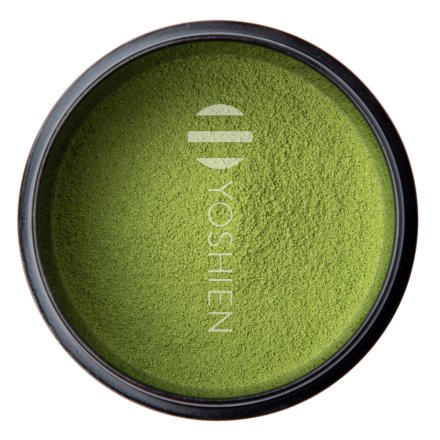


Matcha Gyokuro Tokusen Organic

Super Premium 96 P.

SKU
0511-bio
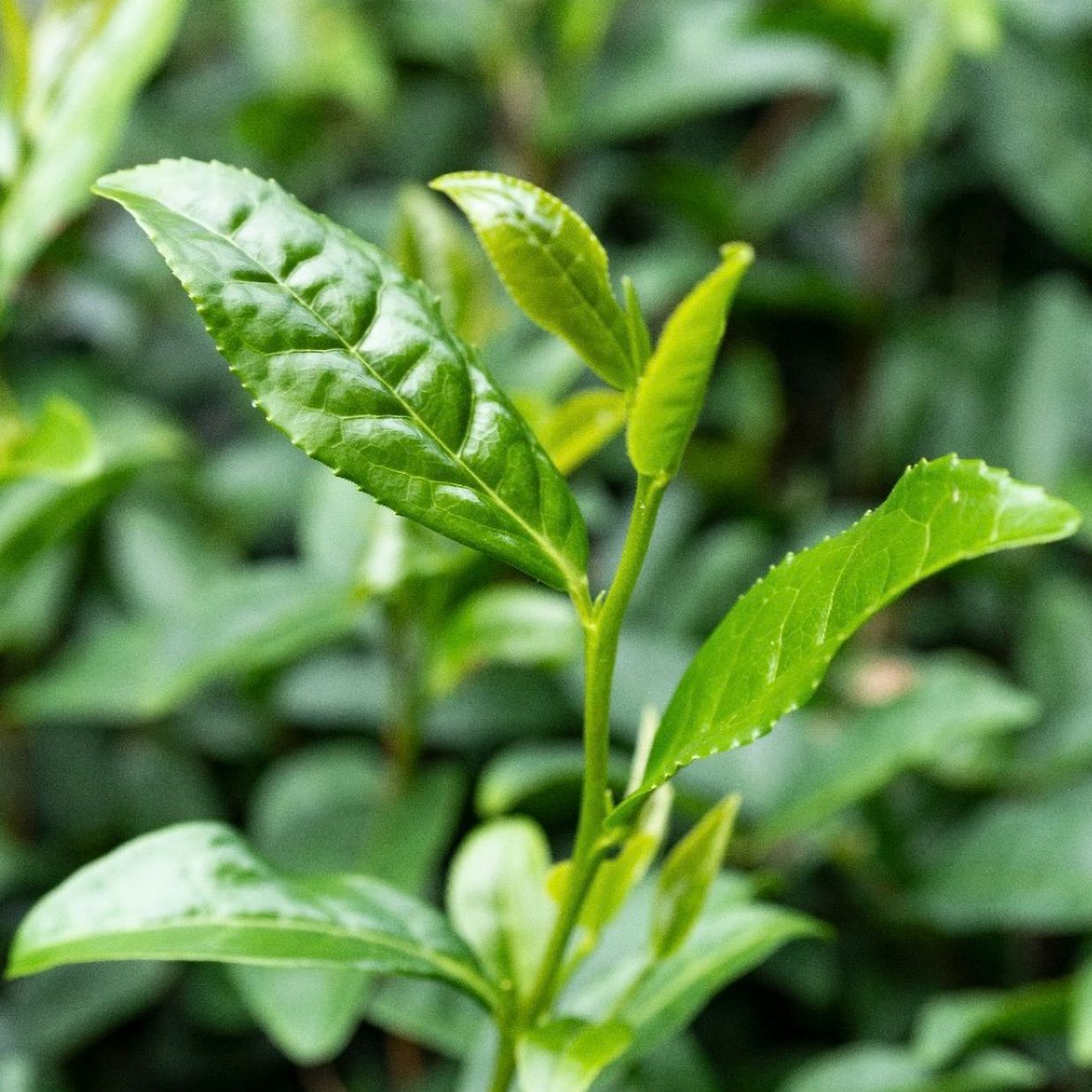
Organic Matcha made from the premium Asanoka, Saemidori, and Okumidori cultivars, grown on Tanegashima (Kagoshima, Japan). Finely ground from organic Gyokuro – with the fresh sweetness of green tea, a delicate Matcha aroma, and a gentle umami flavour.
Character Fresh green notes, a hint of grassy sweetness, subtle umami, refined bitterness, nutty aromas
Tea Farm A fourth-generation tea farm located on the southern island of Tanegashima. The tea farm has been fully certified organic since 2017.
Terroir Tanegashima (Reg.), Kagoshima (Pref.), Japan
Harvest 1st harvest (Ichibancha), April 2026
Cultivars Asanoka, Saemidori, and Okumidori
Grinding Ceramic ball mill, 10 µ
Elevation 200m above sea level
Shading Full shading, >20 days, Jikagise (2 layers)
Cultivation Certified organic cultivation since 2017
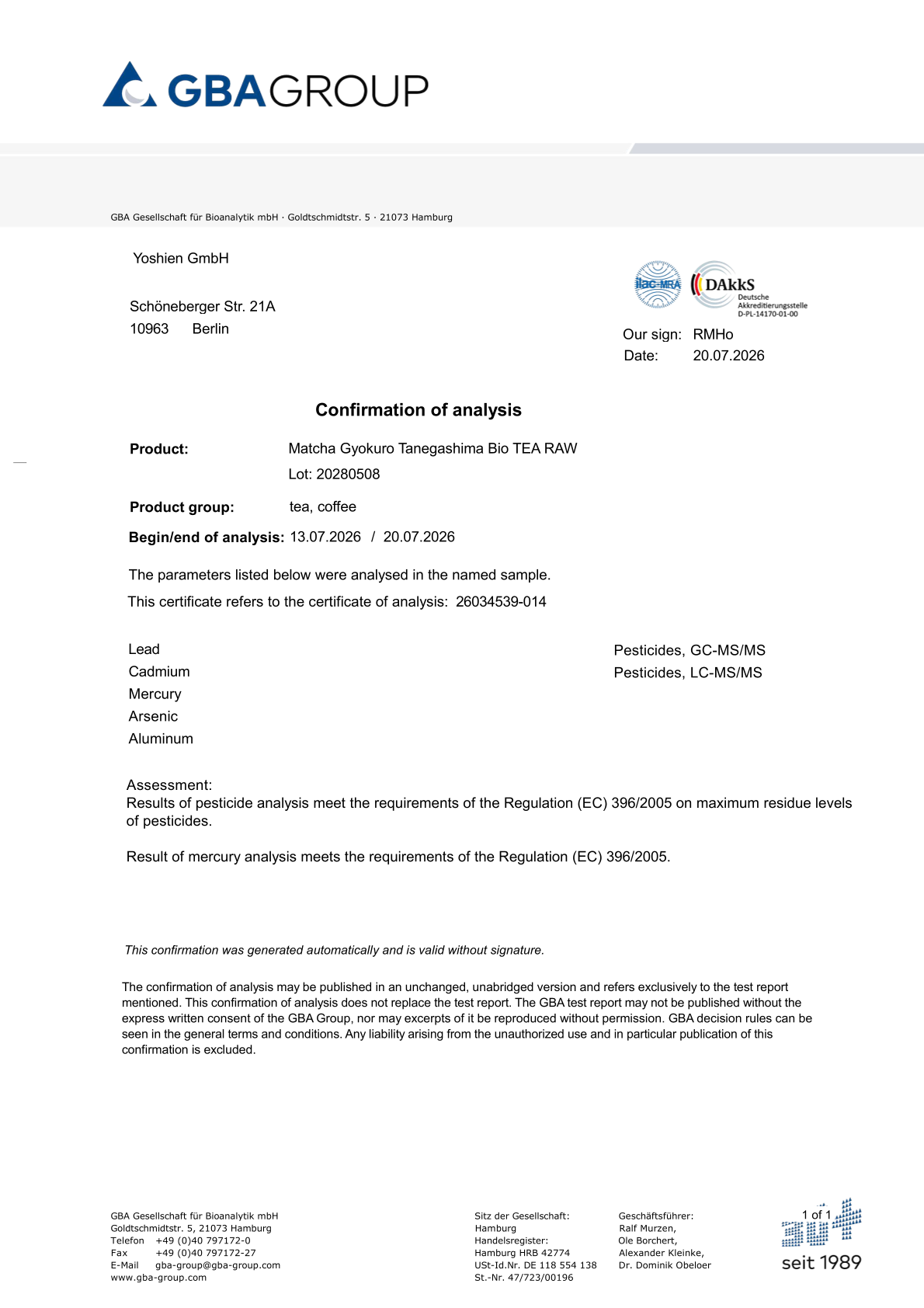
Laboratory Tests Radioactivity (annual regional test), pesticides, heavy metals, and aluminum
Quality 96/100 points (Matcha category); Super Premium
€34.90
30g

Delivery :

Incl. VAT, excl. shipping

SKU
0511-bio
€1,163.33 / 1kg
In stock
Organic Matcha Gyokuro Tokusen

Tea Farm

For four generations, the tea farm on the island of Tanegashima has been cultivating high-quality green tea. What began with traditional tea cultivation developed over many years into a consistently organic farming method. After intensive research and countless trials, the family succeeded in managing their tea gardens completely without chemical fertilisers or synthetic pesticides. True to their motto, "Everything returns to the soil," they rely exclusively on self-made, fermented organic fertilisers, living soils, and careful manual labour. The mild, rainy climate of Tanegashima, characterised by sea air, subtropical sun, and strong winds, produces resilient tea plants and gives their teas an extraordinary depth and purity.

Organic Matcha Gyokuro Tokusen

Character

Tasting Notes

Since this Matcha is made not from Tencha but from high-quality Gyokuro – with a slightly shorter shading period of about three weeks – it has a noticeably fresher and lighter aroma than traditional Matcha. In addition to a subtle nuttiness and a pleasant, refined hint of bitterness, the focus is clearly on vibrant, green nuances reminiscent of freshly picked tea leaves or the sweet scent of summer grass. The foam forms effortlessly, appears particularly airy, and settles elegantly on top of the base, creating a refreshing contrast in mouthfeel that further enhances the flavour. As a latte, this freshness unfolds particularly harmoniously in chilled milk: it lends the base a subtle, grassy sweetness without letting the green tea character become too dominant. As a light Matcha latte, it showcases its strengths particularly impressively and proves to be the perfect companion for warm spring and summer mornings.

Leaf

Light body with very airy foam

Cup

Dark grass green when prepared as koicha, light matt green as usucha

Organic Matcha Gyokuro Tokusen

MATCHA TEA

Matcha, alongside Gyokuro, is considered one of the finest of Japanese green teas. Unlike other teas, Matcha is produced from shaded leaves that have been milled to a fine powder. The resulting tea contains the whole tea leaf and all its nutrients, not just water-soluble compounds. The production of Matcha is time-consuming and demanding: the leaves are gently ground in granite stone mills that can only produce a few grammes per hour. Quality Matcha has an intensely sweet and umami flavour that even in high concentrations (such as koicha preparation) is only minimally or not at all bitter.

Yoshien Labortests

Laboratory Tests

We go to great lengths to identify the finest organic tea farms across the world’s most celebrated terroirs. All our teas are sourced directly from the farmer and, with a few exceptions, are certified organic or come from pesticide-free farms. Each batch of tea for every harvest is tested for pesticides and other pollutants in an independent German lab to ensure they meet our strict quality standards as well as HACCP food safety requirements. Likewise, the regions of Japan from which we source our teas are tested for radioactivity for every harvest.

Yoshien

Yoshi En

World's Finest Organic Teas

Our comprehensive portfolio focuses on organic, single-origin teas sourced directly from renowned farms. We believe in creating partnerships with farmers who share our values and are committed to sustainable, responsible tea cultivation. Thanks to these strong relationships our exciting range is constantly growing and evolving. As an international team of dedicated and passionate tea experts, we are committed to preserving centuries-old tea culture while ensuring it remains relevant and continues to bring joy in the present. About Yoshi En.

Cultivation & Processing

The Subtropical Island of Tanegashima

With its gently rolling hills, the picturesque island of Tanegashima lies in the sea south of mainland Kagoshima Prefecture. The southern part of the island, bordered by the Pacific Ocean to the east and facing Yakushima to the west, enjoys a mild subtropical climate, with an average annual temperature of around 19°C and more than 3,000 millimetres of rainfall each year. Yet Tanegashima is also shaped by intense natural conditions, from powerful summer typhoons to brisk northwesterly winds in winter. These challenging conditions, together with the island’s abundant sunshine, produce strong, resilient tea plants with exceptionally rich and nutritious leaves.

Organic Cultivation

Only fermented organic fertiliser is used in the tea fields, made from natural materials that originate from living organisms and ultimately return to the soil. Without chemical fertilisers or synthetic pesticides, the microorganisms in the organic fertiliser can thrive and support a healthy, fertile growing environment.

Through its own natural processes, the soil gradually becomes loose and nutrient-rich, without the need for mechanical cultivation. The result is fertile, living soil that continually renews itself, while weeds are carefully removed by hand.

Preparation

Using a Chashaku, place two scoops (approx. half a teaspoon) in a Matcha bowl of your choice. Then pour approximately 80ml of hot water between 60°C and 80°C into the bowl, without pouring directly onto the powder to avoid clumping. For the next step, a Matcha whisk is undoubtedly the best choice for achieving the iconic foam.

The key to the perfect Matcha is in the motion. Circular movements and a typical whisking motion should be avoided, as little-to-no foam will form. Hold the Matcha whisk at an angle of around 90° in the bowl, allowing it to gently scrape the base without pressing against it. Now move it straight up and down from the wrist while moving your arm to the left and right, creating a ‘’W‘’ or ‘’M‘’ movement. The faster you perform this movement, the easier it is to create a wonderfully fluffy foam. Practice makes perfect – enjoy!

Recommended Matcha Bowl

We highly recommend using an authentic Japanese Matcha bowl for proper preparation and optimal flavour development.

Recommended Accessories

For the ideal texture, flavour, and preservation of Matcha's delicate qualities, we recommend using a special Matcha sieve and a high-quality bamboo matcha whisk. For dispensing and dosing, the ideal utensil is an authentic Chashaku made of bamboo.

Packaging & Storage

Our Matcha is packaged in a protective bag and stored within a high-quality tin with a screw lid, which is coated on the inside with BPA-free plastic. Before opening, the Matcha can be stored in the original packaging in the fridge or at room temperature.

After opening, we recommend keeping the Matcha tightly closed and at room temperature to protect it from moisture, odour, light and oxidation. During the summer, opened Matcha can be stored in the refrigerator to maintain its freshness, although it should only be taken out briefly to prevent excessive moisture absorption or exposure to unwanted odours. For optimum quality, use the Matcha within a few weeks if possible. For longer-term storage, we recommend storing Matcha in an opaque, airtight container such as one of our tea caddies, and store at room temperature.

Test results

We find it very important that our teas are pure and produced in a way that respects the environment. For this reason, each one of our teas is tested for pesticide residues by an independent laboratory, the results of which can be found here. Some of our teas are also tested for specific nutritional compounds, in which case the test results are also published here.
Test results

Our recommendations

Loading...
The image could not be loaded.