






Special features in location, cultivation and processing
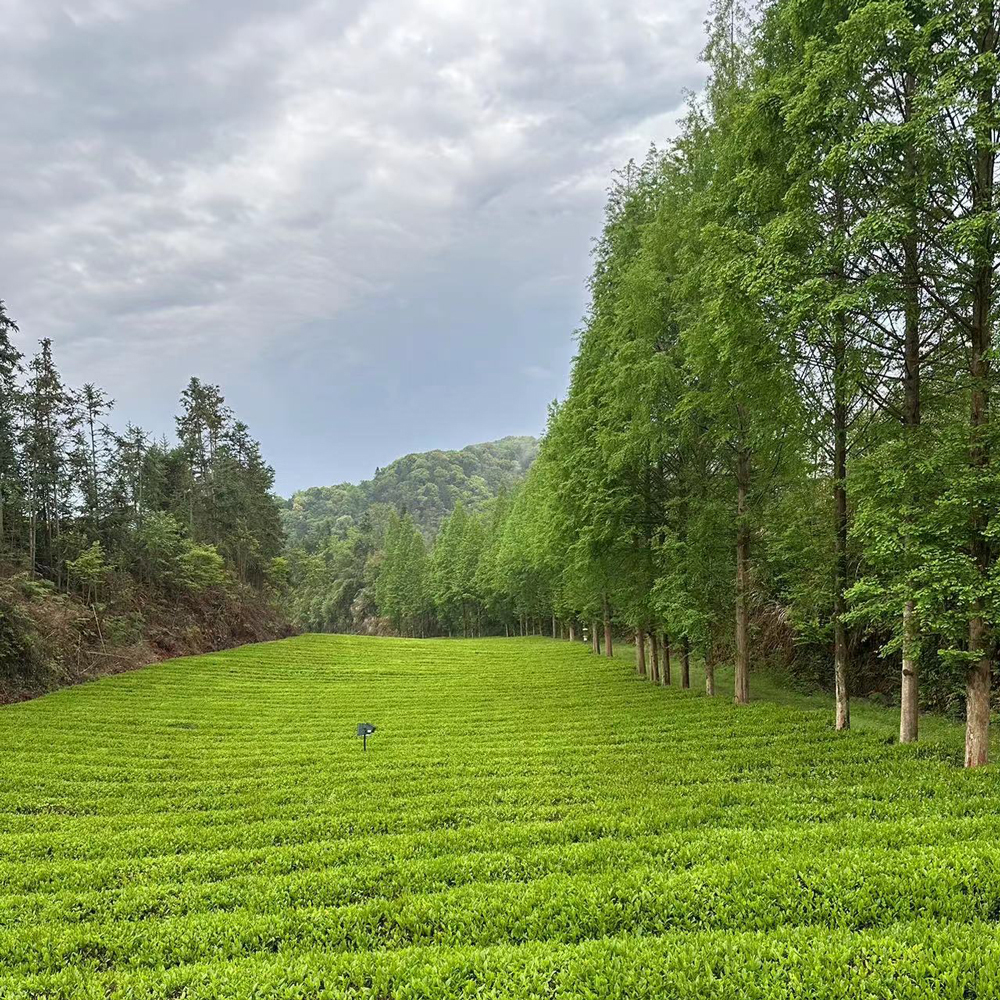
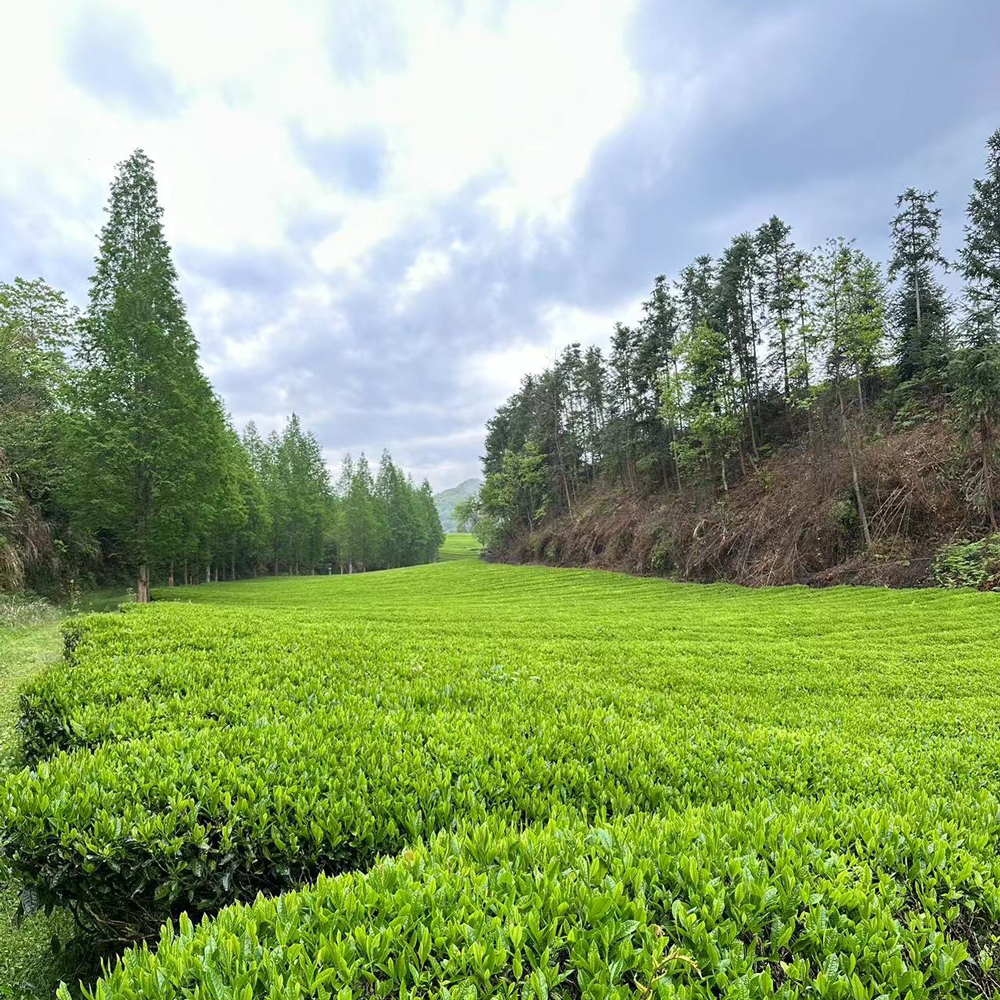
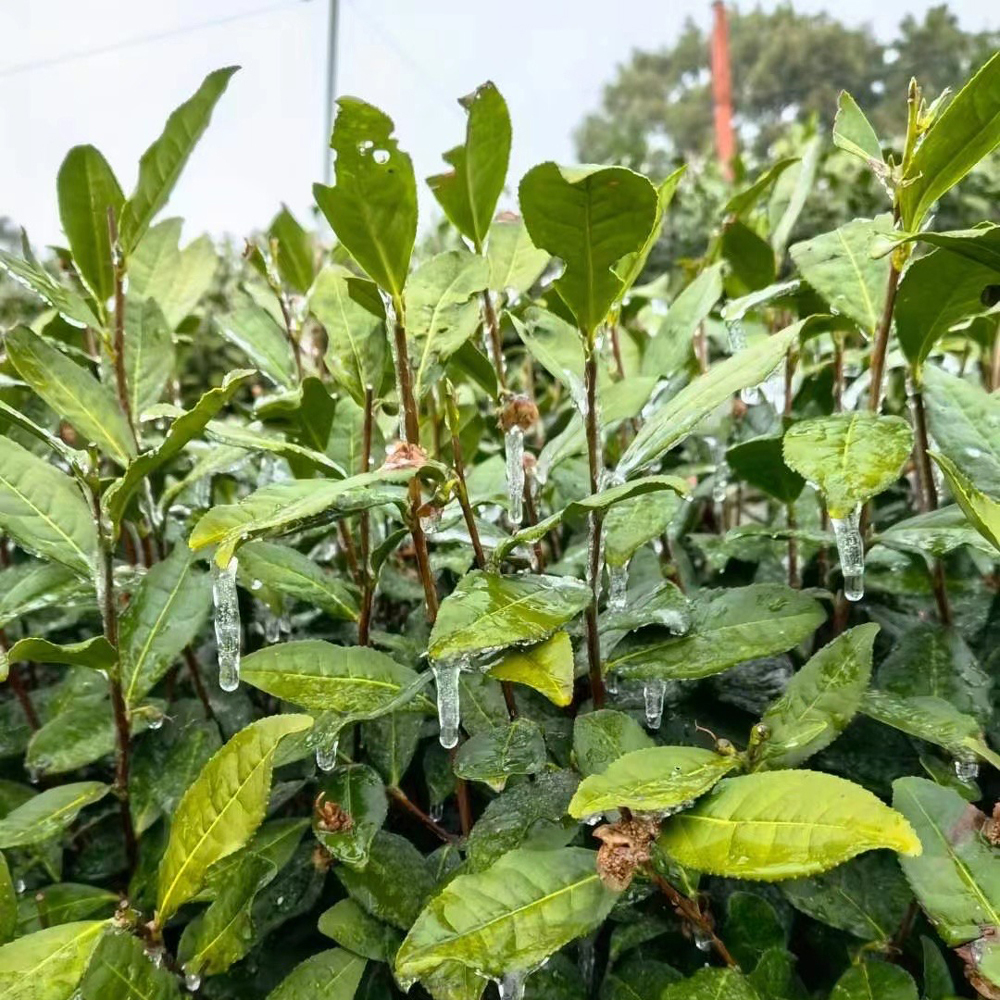
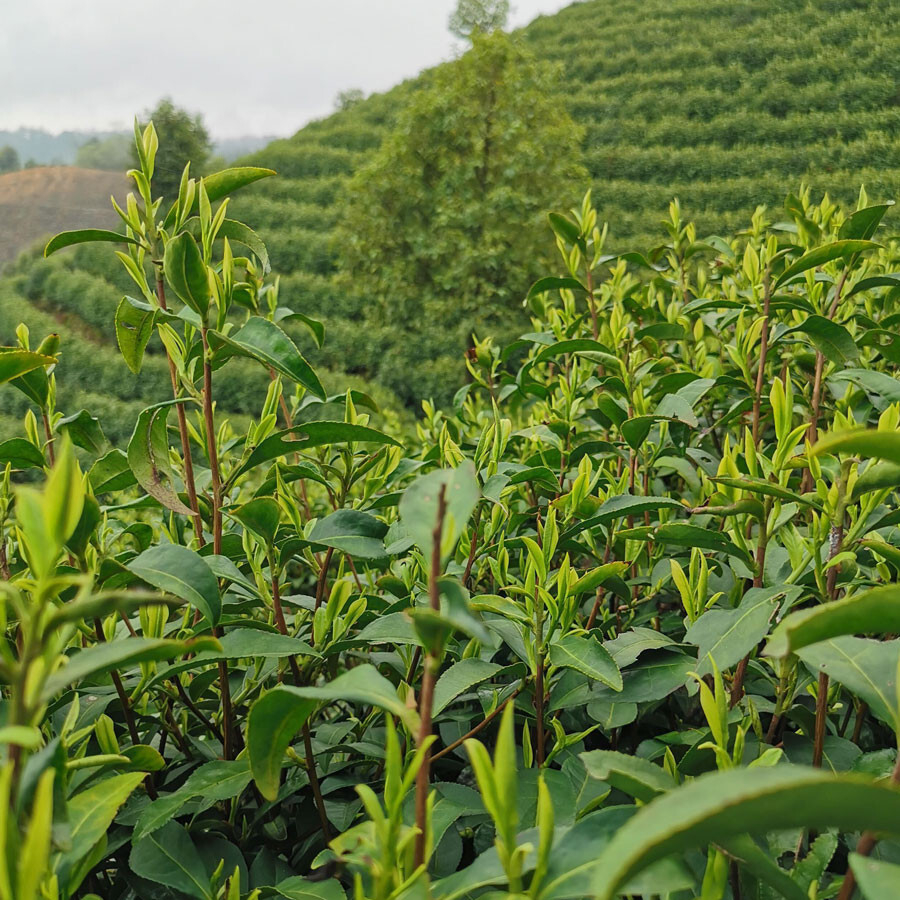
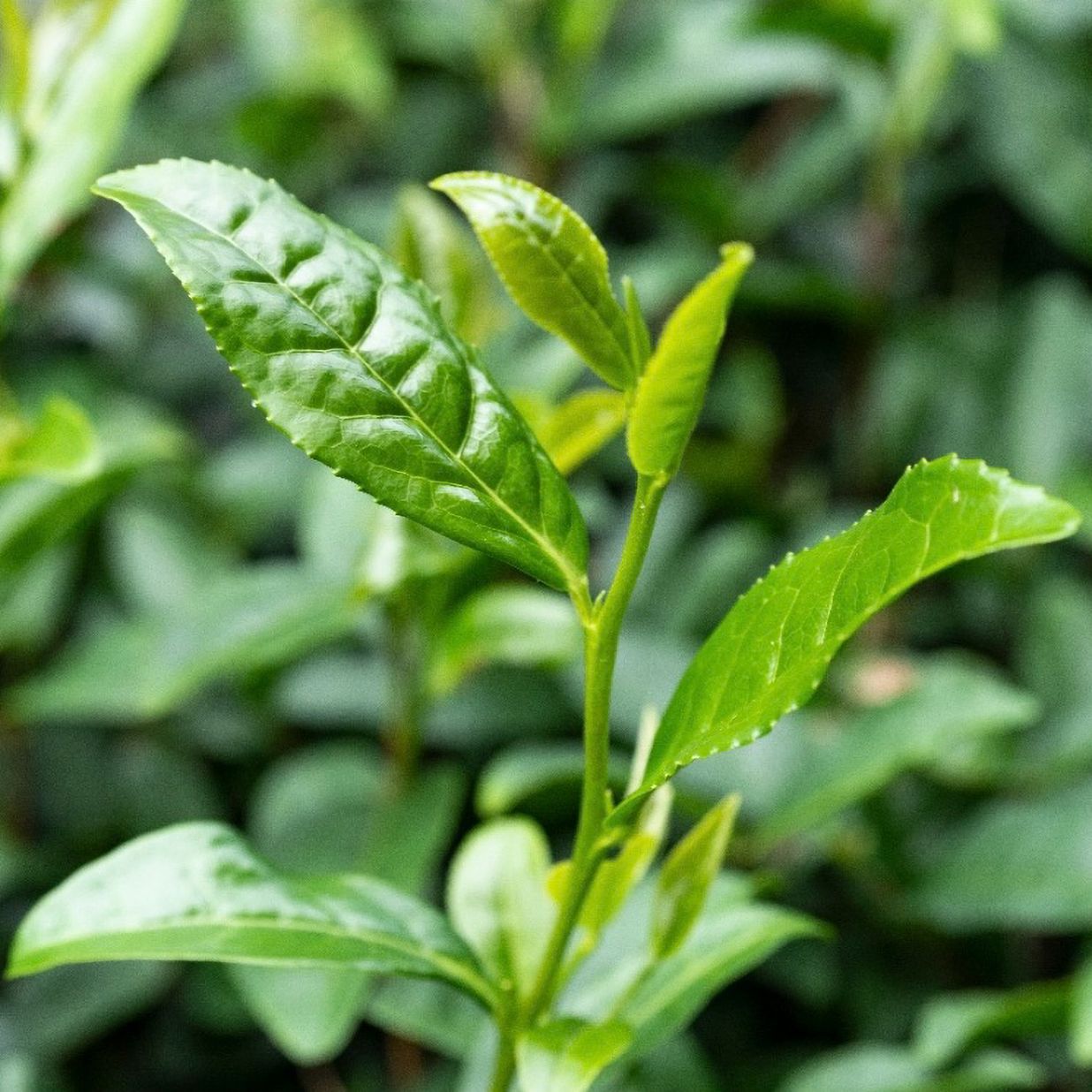
Lushan Mountain is located south of Jiujiang City in Jiangxi Province, situated between the Yangtze River and Poyang Lake. Known for its stunning natural beauty, it has been designated a UNESCO World Natural Heritage Site. With its majestic and rugged terrain, this breathtaking region features gurgling springs and dense mist, set against a backdrop of dramatic cliffs, deep gorges, and lush forests. Grown at an elevation of 800m above sea level, the seasonal temperature fluctuations, frequent cloud cover and heavy rainfall all contribute to the development of the tea's remarkable flavour. Mist forms as water evaporates from surrounding rivers and lakes, creating a breathtaking sea of clouds over the pine forests and tea gardens. Some years, the region experiences up to 200 misty days, a key factor in the slow, steady growth of the tea leaves. With a gradual temperature rise in spring, the tea plants bud later than in lower-altitude regions, often sprouting after the valley rains between late April and early May. The acidic, mineral-rich soil with its distinctive red hue, combined with the cool, temperate climate, creates optimal growing conditions. This slow maturation process enhances the tea's antioxidant content and secondary plant compounds, resulting in a rich, full-bodied flavour with a characteristic mineral freshness, reflecting the purity of its natural surroundings. Lushan’s tea heritage dates back to the Han Dynasty, making it a region deeply rooted in tradition.
Single Origin
This tea comes 100% from the above-mentioned tea fields, sourced directly from the farm.