Celebrate the Moon Festival – enjoy 10% off all Chinese teas. CODE:




Choose your language:

Kamairicha
This rare green tea, fired in special pans (“kama”), is considered a particularly elegant example of its kind. Compared to sencha, it is characterised by less grassiness and umami, instead developing a pleasantly subtle roasted note. Its traditional production methods vary between the two main growing regions of Miyazaki and Saga, each lending its own interpretation. The result is a tea with a particularly robust profile, with pronounced tannins and a high content of polysaccharides.
Gokase, Miyazaki
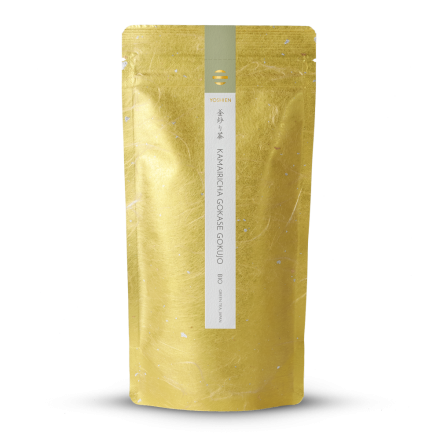
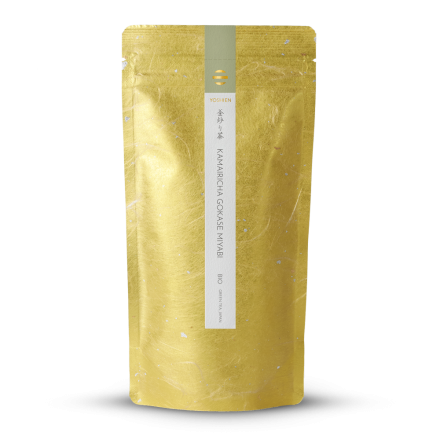
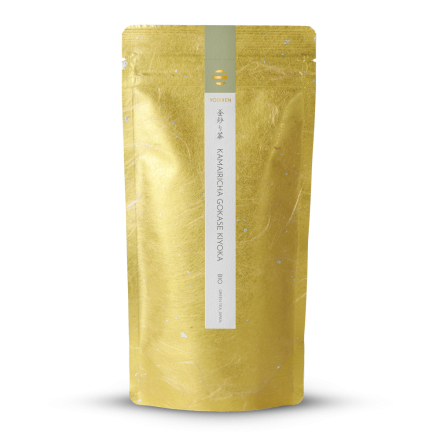
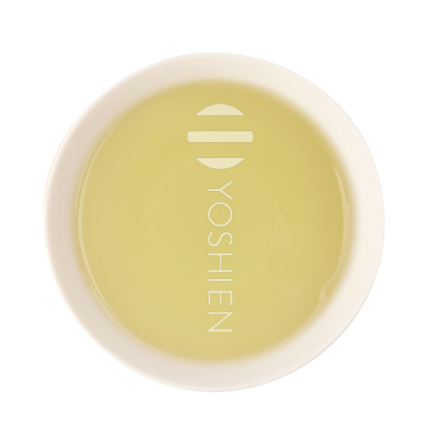
The Gokase terroir in Miyazaki is regarded as one of the finest origins for Kamairicha, crafted using the traditional “Aoyanagi" method, in which the leaves are gently heated in angled pans. The highly esteemed, multi-award-winning tea master Akira Miyazaki is renowned for his Kamairicha of rare precision and elegance.
Ureshino, Saga
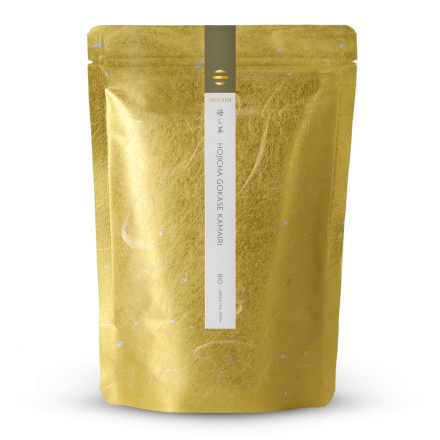
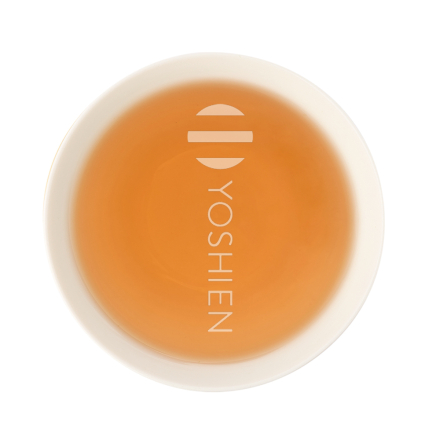
The award-winning tea farmer and Kamairicha specialist Yusuke Ōta of Ureshino, Saga, crafts his teas according to the traditional “Ureshino” method, in which the pan is set horizontally to the ground. This technique preserves the natural flavour profile, lending only a delicate roasted note.

Yamazoe, Nara
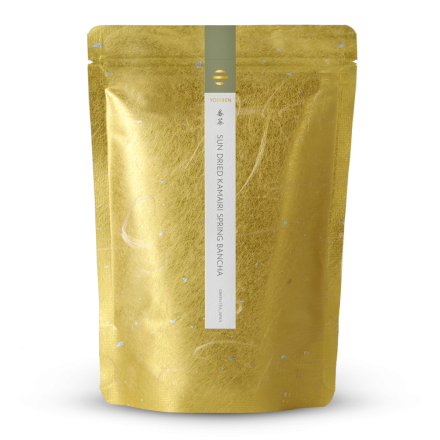
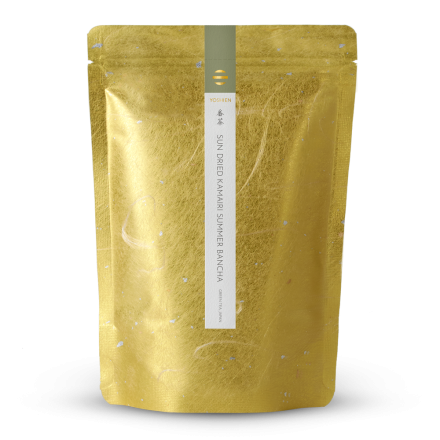
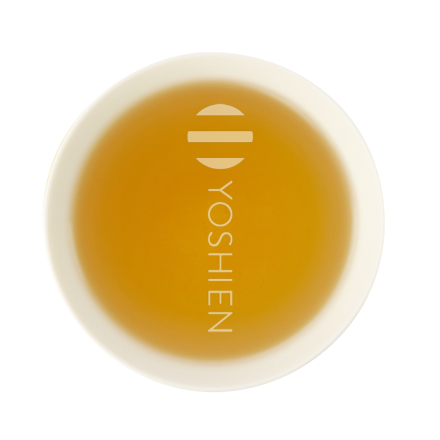
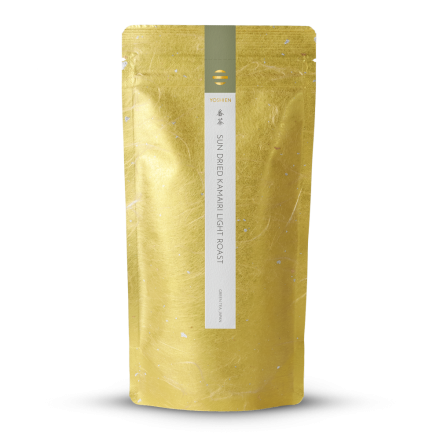
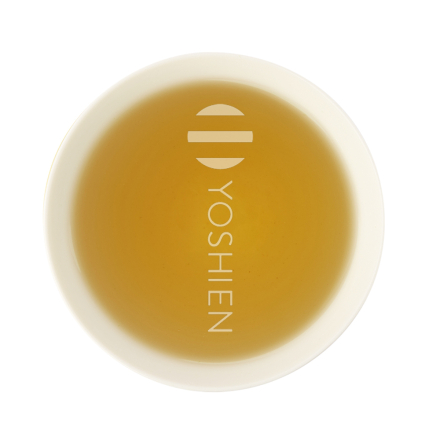
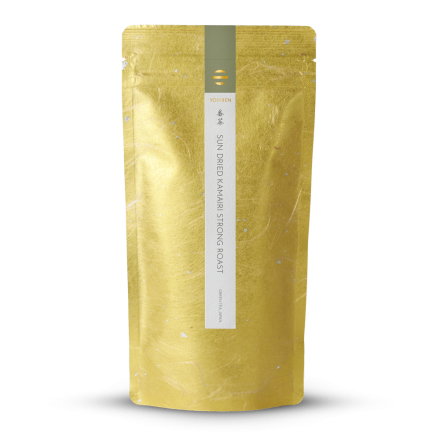
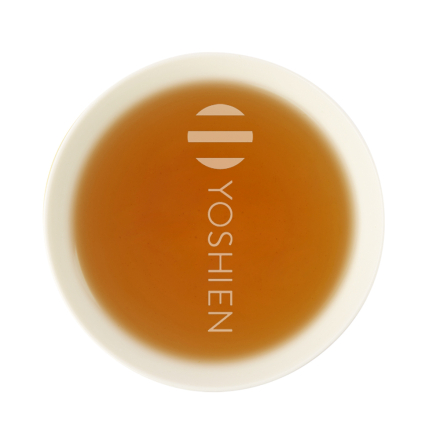
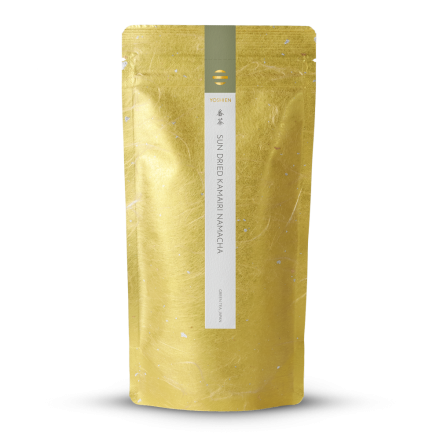
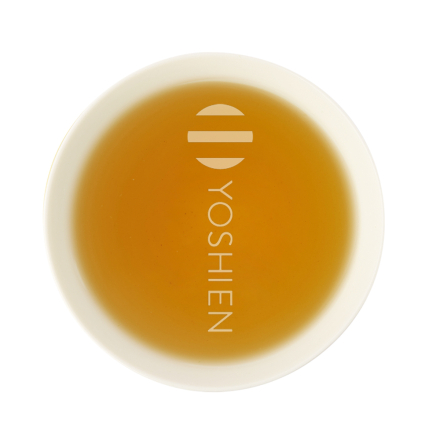
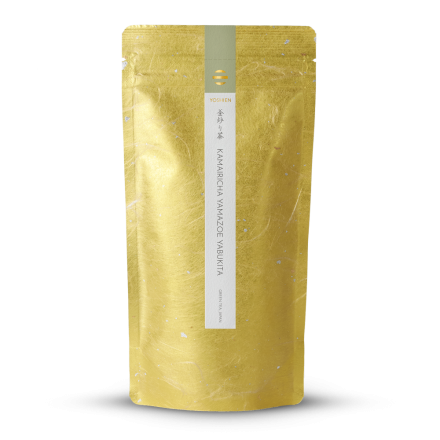
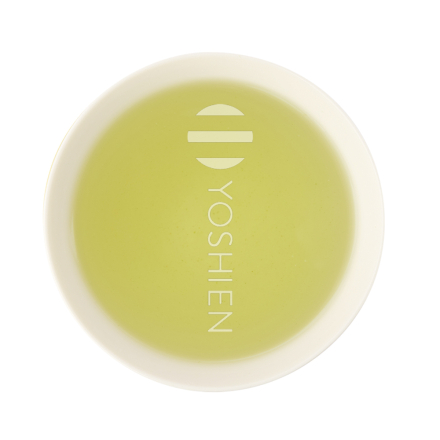
Our farm in Yamazoe, Nara, specialises in the nearly forgotten “Kumano” style of tea making. After roasting and rolling, the leaves are laid out to sun-dry (tenpi-boshi 天日干し) inside a greenhouse built specifically for this purpose. The result is a tea with a distinctive deep sweetness and an a wonderfully soft texture. Alongside these unique, ebony-coloured Kamairicha, the farm also produces a classic green Kamairicha with a crisp, fresh character.
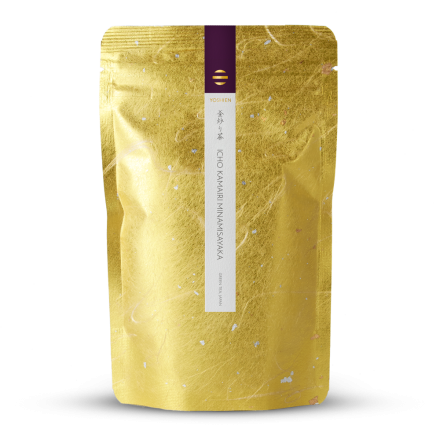
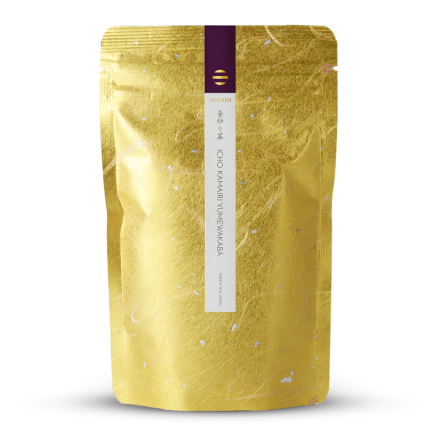
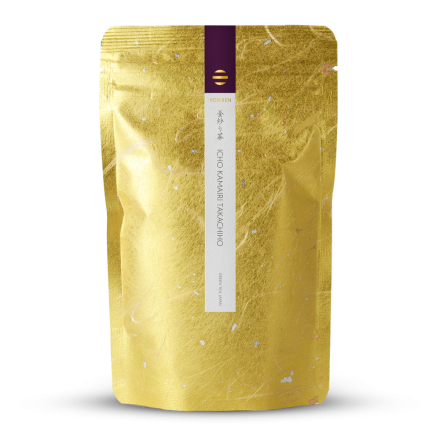
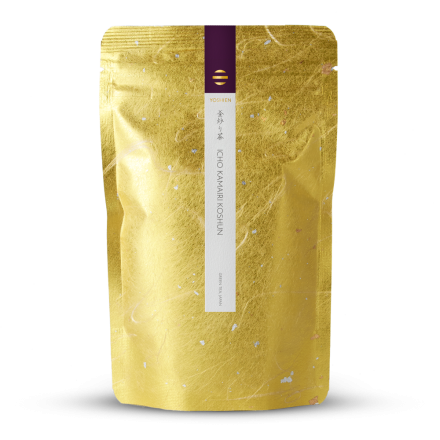
Ichō Kamairicha
Ichō means “withering” and refers to the precise pre-wilting of the tea leaves. This careful process yields expressive green teas with a floral fragrance and refined depth, reminiscent of lightly oxidised oolong. Full-bodied yet elegant in aroma, they create a harmonious bridge between the freshness of green tea and the poise of oolong.