

Goishicha 2022 P.Free

Highest Grade 99 P.

SKU
0272
Goishicha is a twice-fermented Bancha and is among the rarest teas in Japan. Its delicate acidity offers a truly unique tasting experience. Aged since 2022, it is especially well-balanced.
Character Pronounced acidity, persimmon, forest honey, hibiscus, Mediterranean herbal notes, caramel candy
Tea Farm Goishicha Cooperative of the town of Ōtoyo
Terroir Ōtoyo, Nagaoka, Kōchi Prefecture
Harvest Mid-June to early August 2022
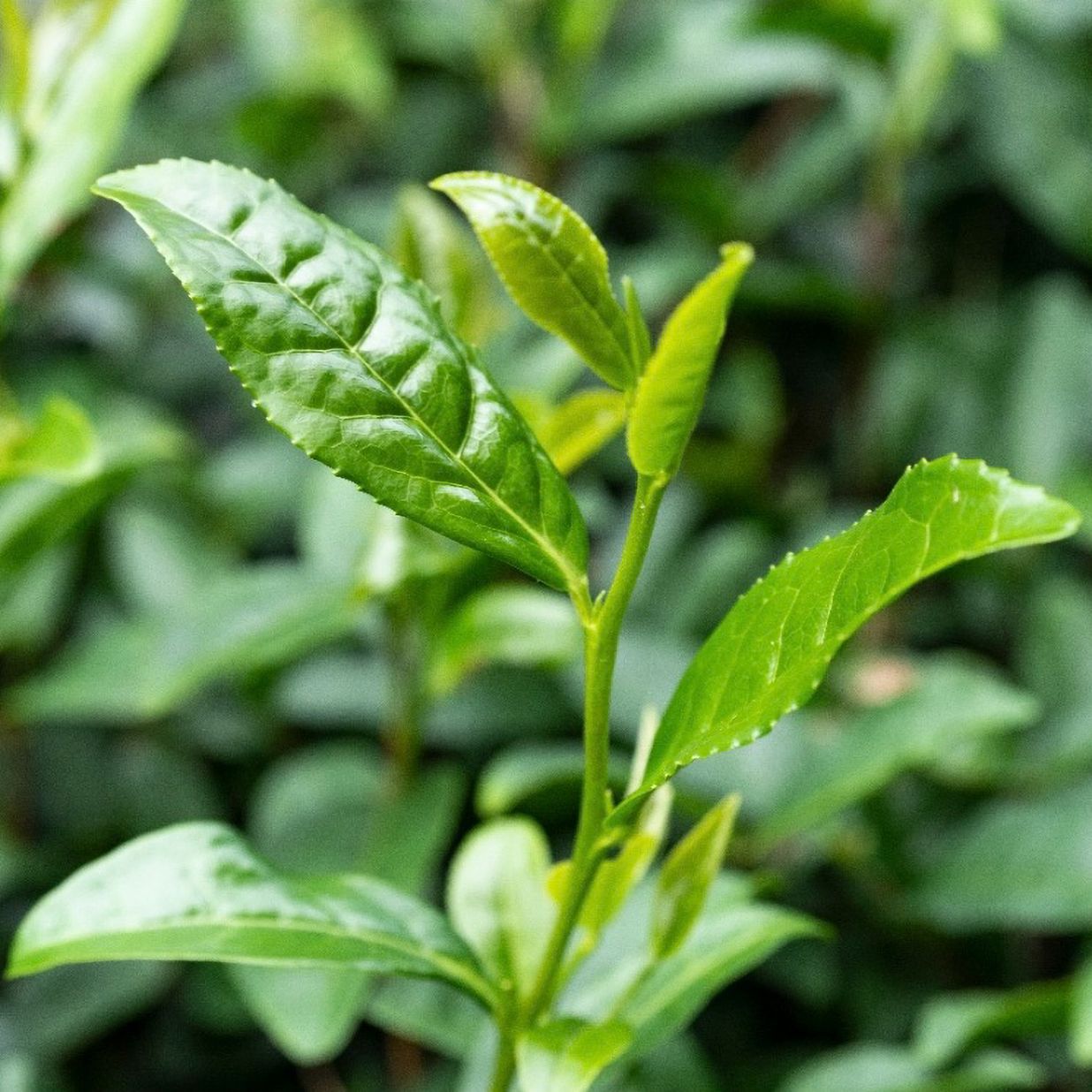
Cultivar Zairai
Elevation 450m above sea level
Steaming Two to three hours
Shading None
Cultivation Cultivated without chemical pesticides
Laboratory Tests Pesticides
Grade 99/100 P. (Goishicha category); Highest Grade
€25.50
20g

Delivery : up to 5 business days

Incl. VAT, excl. shipping

SKU
0272
€1,275.00 / 1kg
In stock
Goishicha 2022 P.Free

Tea Farm

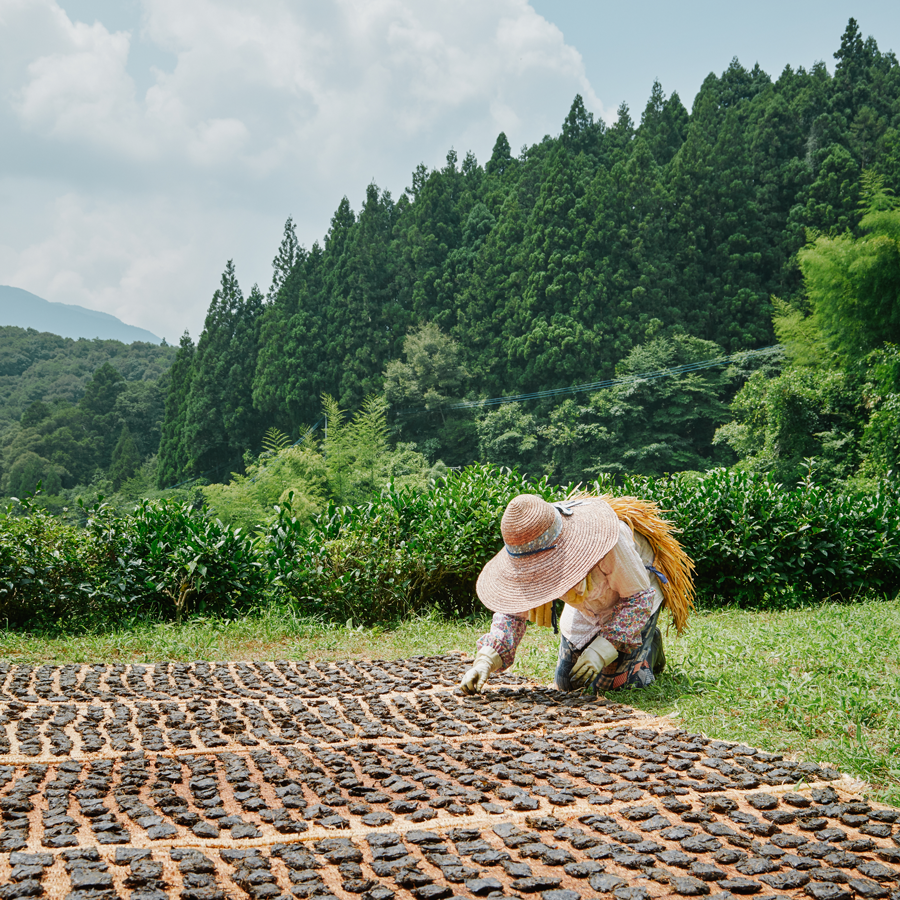
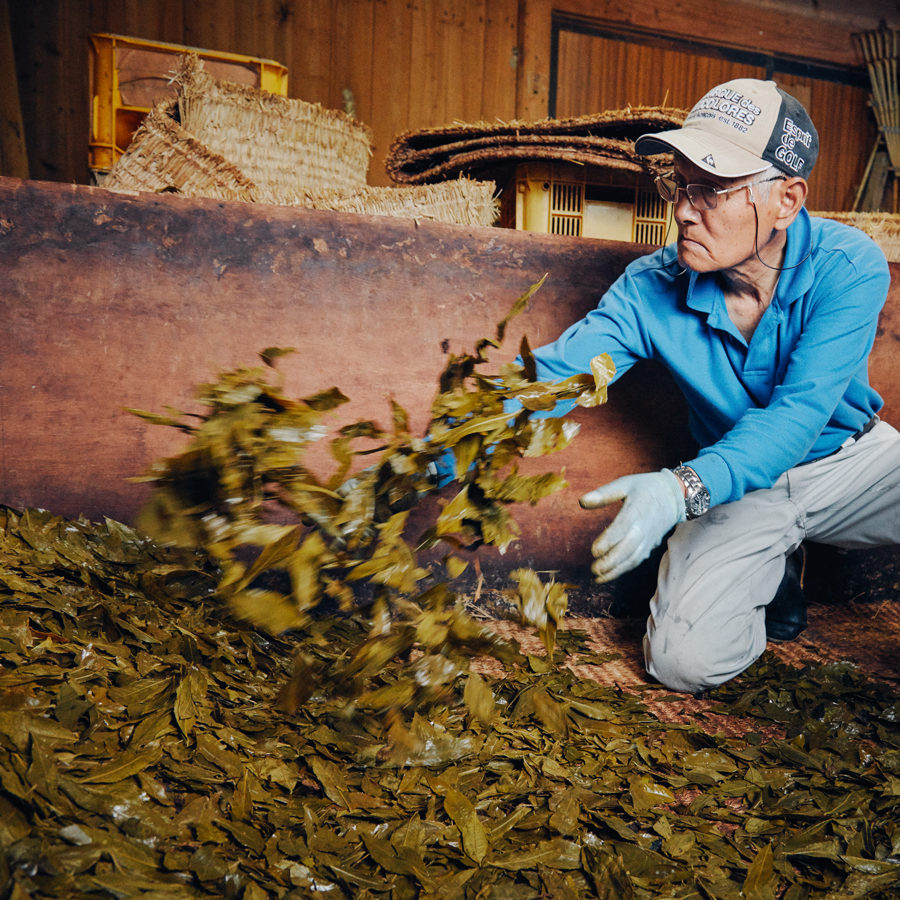
It is thanks to the Goishicha Cooperative of the town of Ōtoyo (founded in 2010) that the roughly 400-year-old Goishicha tradition has been preserved. Several decades earlier, the tea had almost completely fallen into obscurity, and only a single tea farmer continued to uphold the tradition. Owing to the renewed interest of several tea growers who wished to learn the labour-intensive production method, the cooperative now consists of five farmers who, since 2010, have jointly tended one hectare of tea fields and produce the tea entirely by hand.

Goishicha 2022 P.Free

Character

Tasting Notes

Entirely unique in the world of tea, twice post-fermented Goishicha opens up entirely new flavour dimensions with its distinctive, citrus-tinged acidity, reminiscent of rosehip and hibiscus teas. Notes of dried plum, Japanese pickled plum (umeboshi), hawthorn berry and hints of autumn leaves create a flavour profile that is both refreshing and warming, with a deeply soothing character.

The 2022 harvest is particularly well balanced, combining lively acidity with harmonious depth. A pronounced wave of acidity appears first, then gives way to gentler, deeper impressions of forest honey, persimmon and Mediterranean herbs, rounded off by a subtle sweetness reminiscent of a caramel candy. Even in subsequent infusions, the tea remains aromatically rich and becomes even more harmonious as the acidity softens.

Leaf

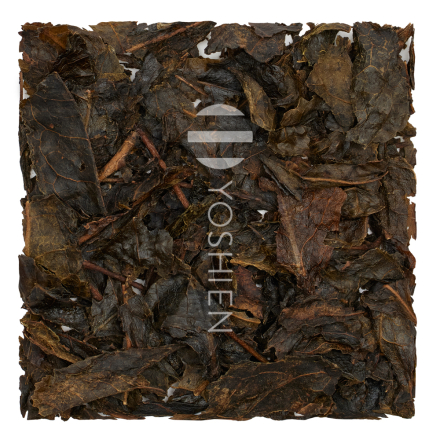
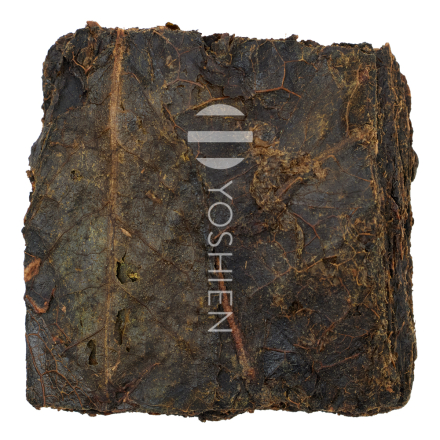
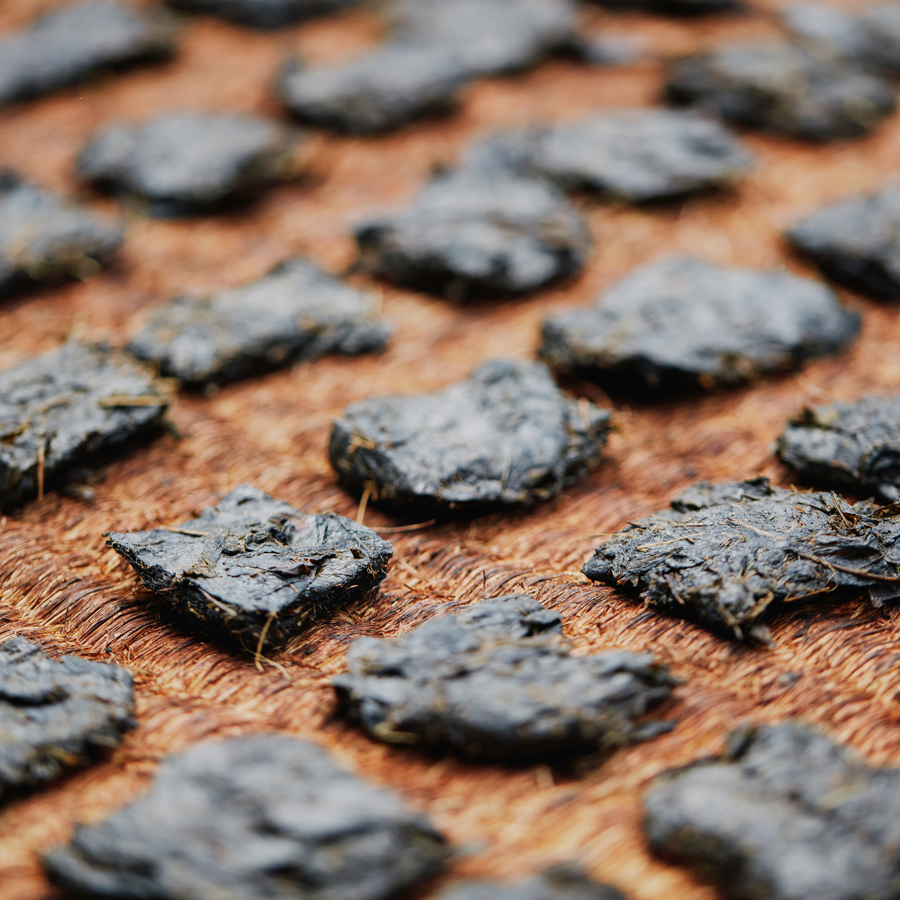
Pressed into square segments

Cup

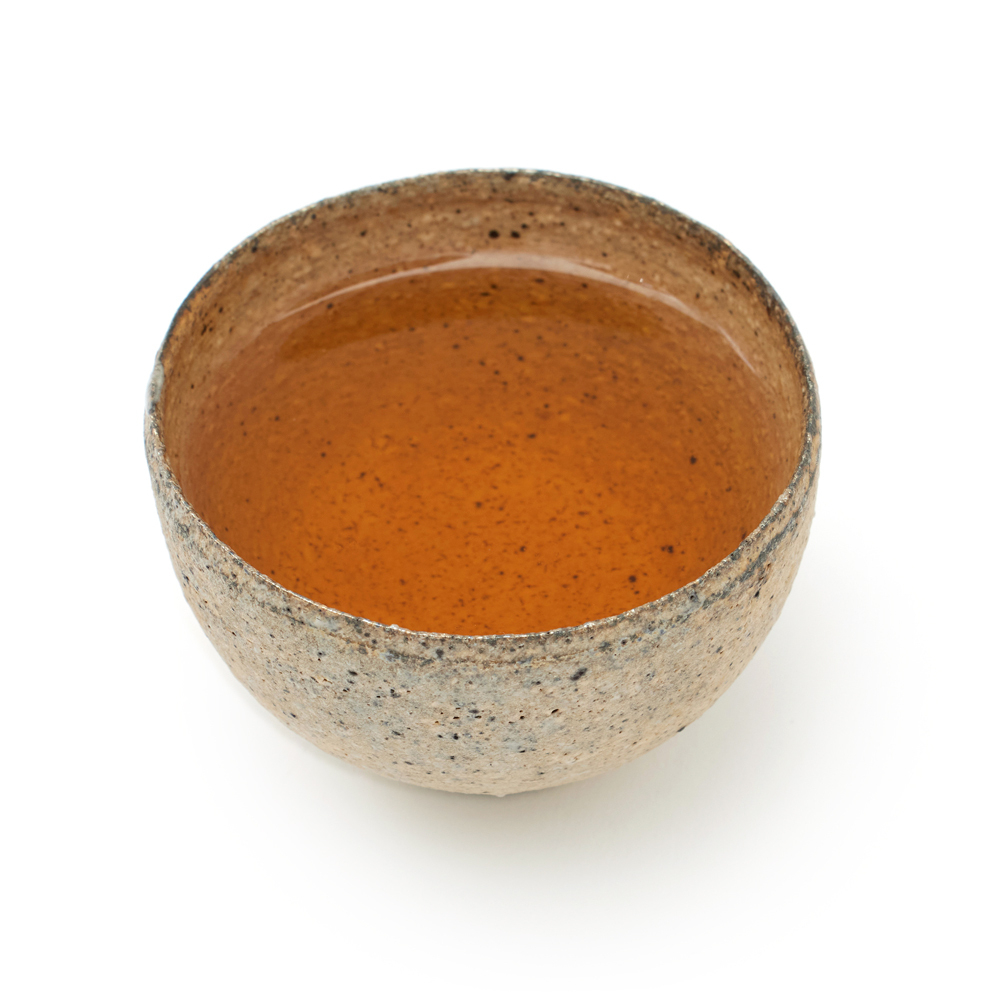
Bright, deep orange

Goishicha 2022 P.Free Goishicha 2022 P.Free Goishicha 2022 P.Free Goishicha 2022 P.Free Goishicha 2022 P.Free

Goishicha

Goishicha 碁石茶, named after the black stones used in the Japanese board game, Go, is a post-fermented tea from the town of Ōtoyo in Kōchi Prefecture on the main island of Shikoku. Owing to its nearly forgotten 400-year-old tradition, Goishicha is virtually unknown even within Japan and remains a true rarity, as only a handful of tea farmers still practice its distinctive two-stage fermentation process. In 2018, Goishicha was officially recognised as part of Japan’s “Intangible Cultural Heritage” under the category “fermented tea production methods in the mountain regions of Shikoku".

Yoshien Labortests

Laboratory Tests

We go to great lengths to identify the finest organic tea farms across the world’s most celebrated terroirs. All our teas are sourced directly from the farmer and, with a few exceptions, are certified organic or come from pesticide-free farms. Each batch of tea for every harvest is tested for pesticides and other pollutants in an independent German lab to ensure they meet our strict quality standards as well as HACCP food safety requirements. Likewise, all the regions of Japan from which we source our teas are tested for radioactivity for every harvest.

Yoshien

Yoshi En

World's Finest Organic Teas

We go to great lengths to identify the finest organic tea farms across the world’s most celebrated terroirs. All our teas are sourced directly from the farmer and, with a few exceptions, are certified organic or come from pesticide-free farms. Each batch of tea for every harvest is tested for pesticides and other pollutants in an independent German lab to ensure they meet our strict quality standards as well as HACCP food safety requirements. Likewise, all the regions of Japan from which we source our teas are tested for radioactivity for every harvest.

Cultivation & Processing

Special features in location, cultivation & processing

The coastline of the mountainous Kōchi Prefecture faces the central Pacific Ocean and is exposed to the strong Kuroshio Current, which flows northwards from the equator. As a result, Kōchi has a humid, subtropical climate that is ideal for the fermentation of Goishicha. Snow falls only in the high mountain ranges, and sea temperatures rarely drop below 16°C throughout the year. Combined with fertile alluvial soils, these conditions create an excellent environment for cultivating fruit and vegetables, as well as supporting an abundance of river and marine fish.

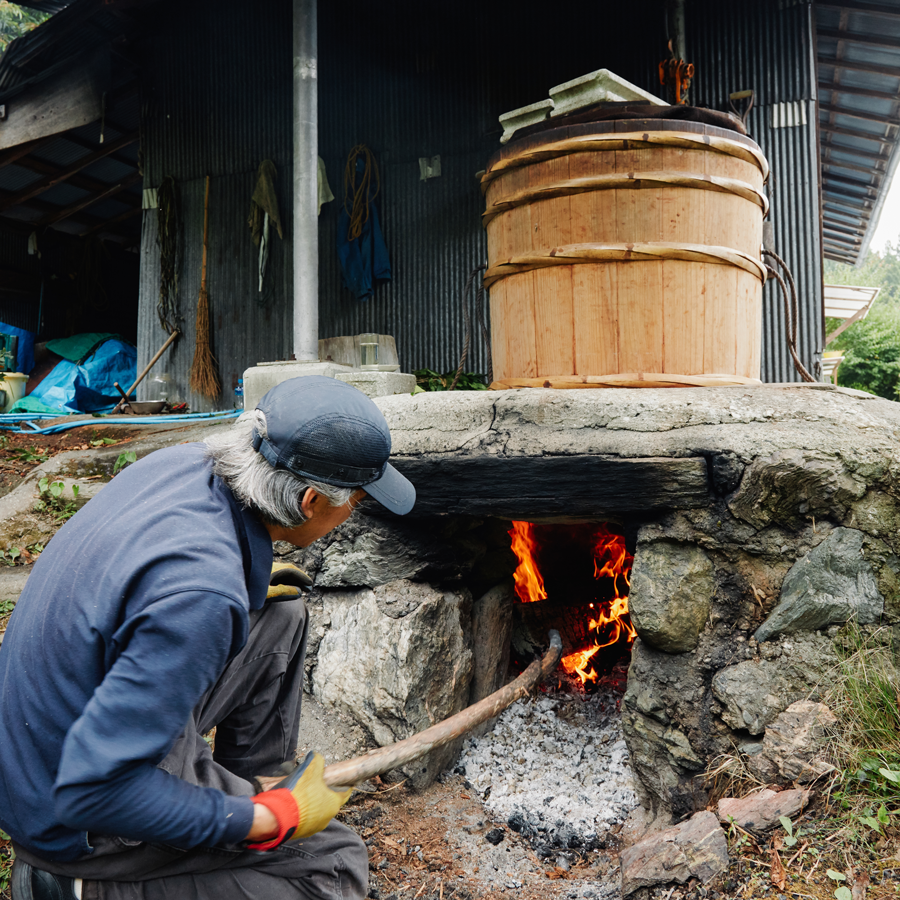
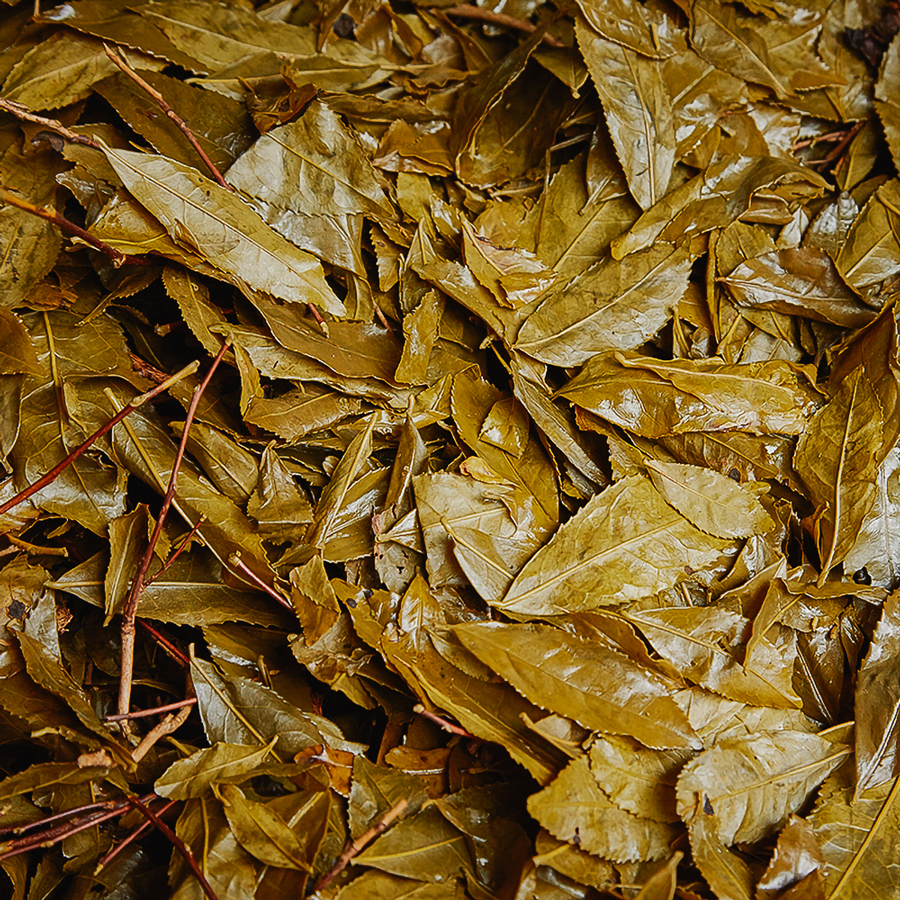
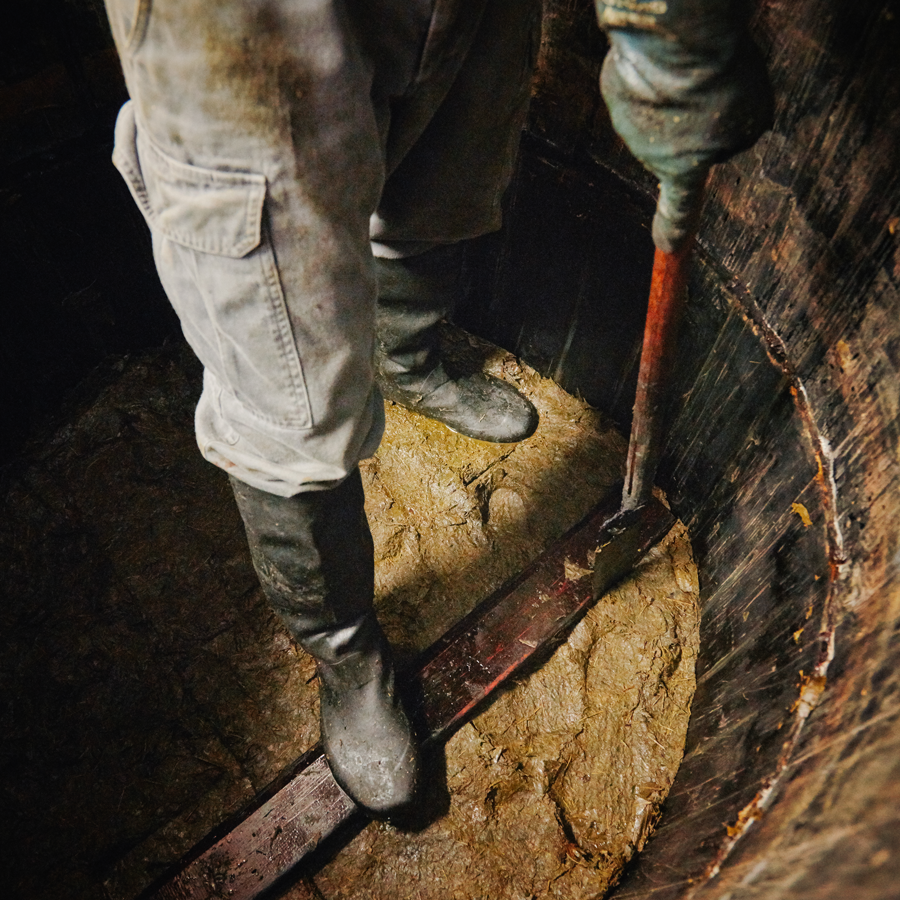
The tea is typically harvested by hand with sickles in summer and then steamed for two to three hours. After steaming, it is spread out on straw mats and separated from its stems. The tea is then heaped into piles 50–70 cm high, covered with another straw mat and aer­obically fermented (with oxygen) for five to ten days with the help of fungal cultures. Next, the tea is packed into large barrels and fermented anaerobically (without oxygen) for 14–20 days, during which lactic acid bacteria drive the process and the tea ferments in its own “juice”. Heavy stones are placed on the lid of the barrel to prevent oxygen from entering. The stones press down on the tea leaves so hard that the oxygen is completely expelled.

The tightly compressed mass of tea leaves is then cut into evenly sized squares and dried in the sun on straw mats. After drying, the tea is aged for up to another year before it is finally sold.

Single Origin

This tea comes 100% from the above-mentioned tea fields in Ōtoyo, sourced directly from the tea farmers.


Preparation

Preparation

One piece of Goishicha per 350ml water, 100°C, steep for 4-5 minutes. Well-suited for multiple infusions.

Packaging & Storage

Packaged directly for us on site in a high quality, airtight, resealable standing zipper pouch with 9 protective layers to preserve flavour and protect against oxidation and contamination. When closing the bag, press out as much air as possible to best preserve the quality of the tea. Alternatively, and especially for longer-term storage, we recommend our stylish and airtight tea caddies.

Recommended Teapot

Ideal for this tea is a special black Kyusu or Tetsu-Kyusu, which retains heat particularly well and gently rounds out the flavours of the Goishicha.

Our recommendations

Loading...
The image could not be loaded.