

Golden Snails
Organic Dianhong
Black Tea

Premium 93 P.

SKU
4155-bio
Premium quality of one of the best black teas in China. From certified organic cultivation at 1,500m elevation in Pu'er, China. Hand-picked. 140g
  • Famous Dianhong tea from its region of origin, Pu'er
  • Organic cultivation, certified since 2011
  • Pesticide-free since the farm's founding in 1998
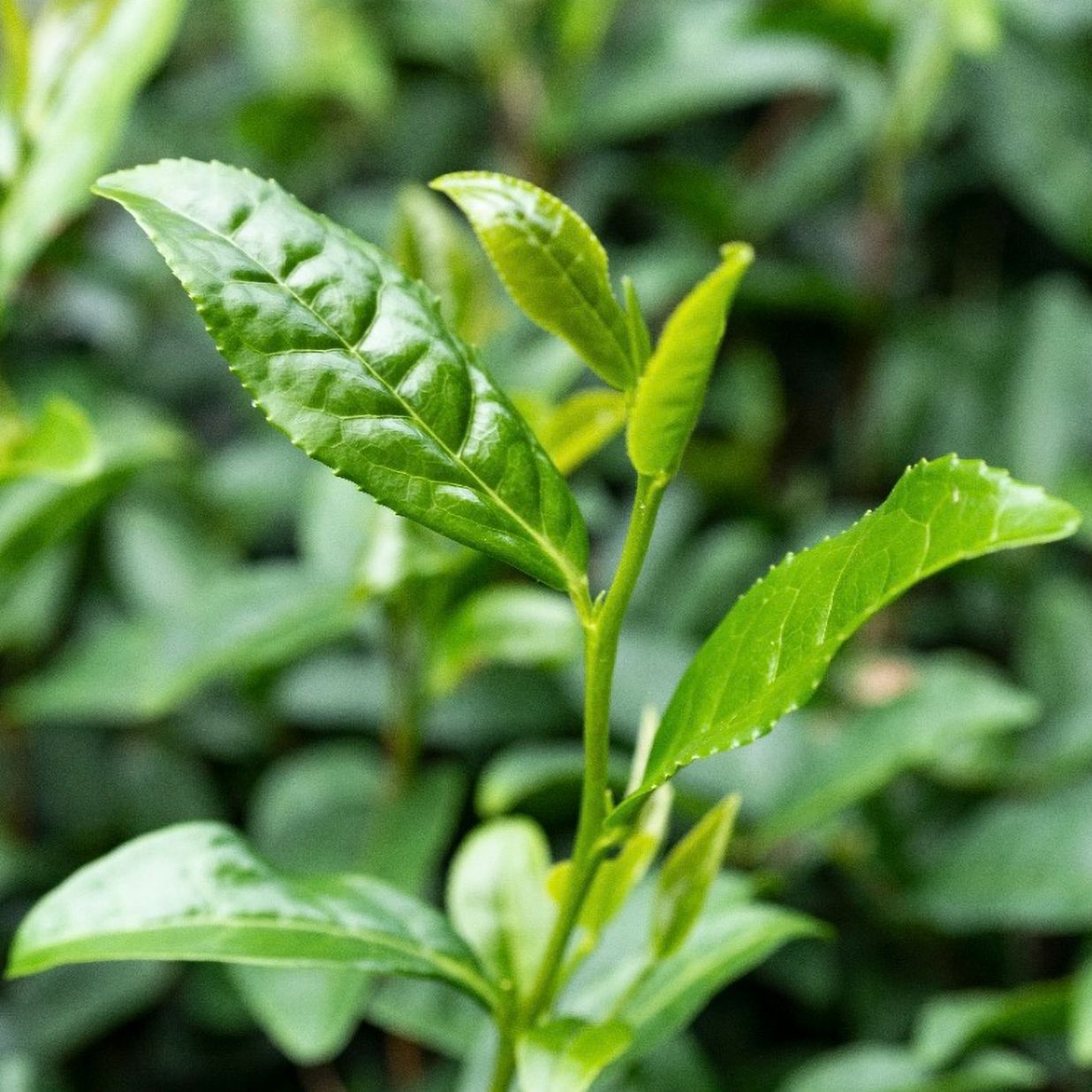
  • Large-leafed, autochthonous cultivar
  • Specialised oxidation
Character Malty-sweet, robust, pleasantly bittersweet, straightforward, slightly rough-edged, classic
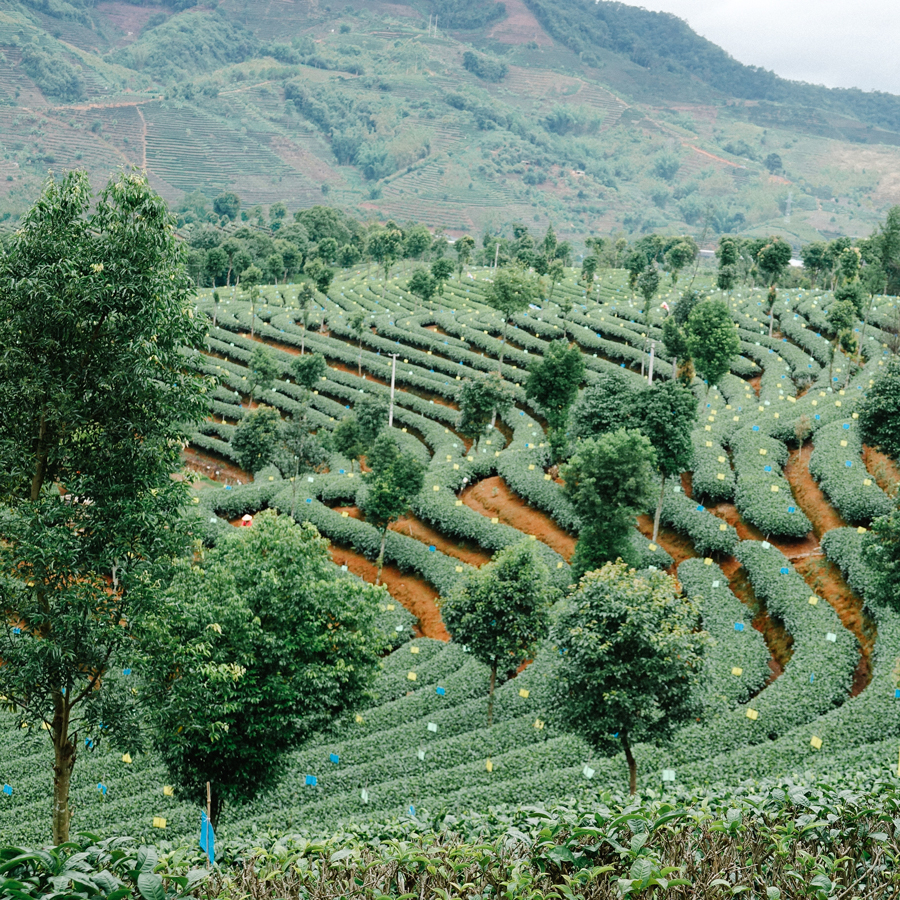
Tea Farm A leading organic tea farm in the Wuliang Mountains in Pu'er
Terroir Pu'er, Yunnan Province, China
Harvest Summer harvest 2026, June, hand-picked
Cultivar XueYa No.100 (雪芽百號) 30%; YunKang No.10 (雲抗十號) 70%
Elevation 1,500m above sea level
Oxidation/Fermentation  Strong oxidation
Processing Method Withering (6-16 hours), rolling, oxidation (6-10 hours), final oven drying (120°C)
Laboratory Tests Pesticides
Cultivation Certified organic cultivation
Grade 97/100 p. (black tea category); Super Premium
€14.90
140g

Delivery : up to 5 business days

Incl. VAT, excl. shipping

SKU
4155-bio
€106.43 / 1kg
In stock
Dianhong  Organic Golden Snails  Black Tea China

Tea Farm

The tea farm is situated in the hills above the city of Pu'er (sometimes written 'Pu Erh') in an area home to a local Dai community. Since 2011, the farm has held all major international organic certifications, although its tea has been cultivated according to organic principles and without the use of pesticides since its establishment in 1998.

Dianhong  Organic Golden Snails  Black Tea China

Character

Tasting Notes

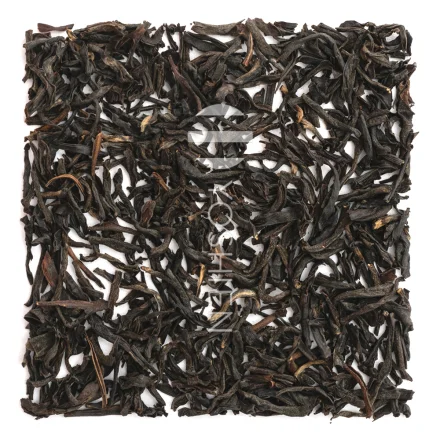
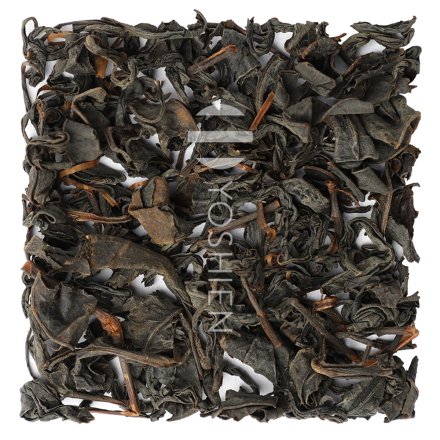
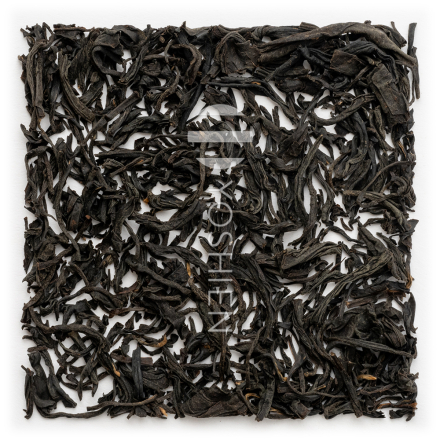
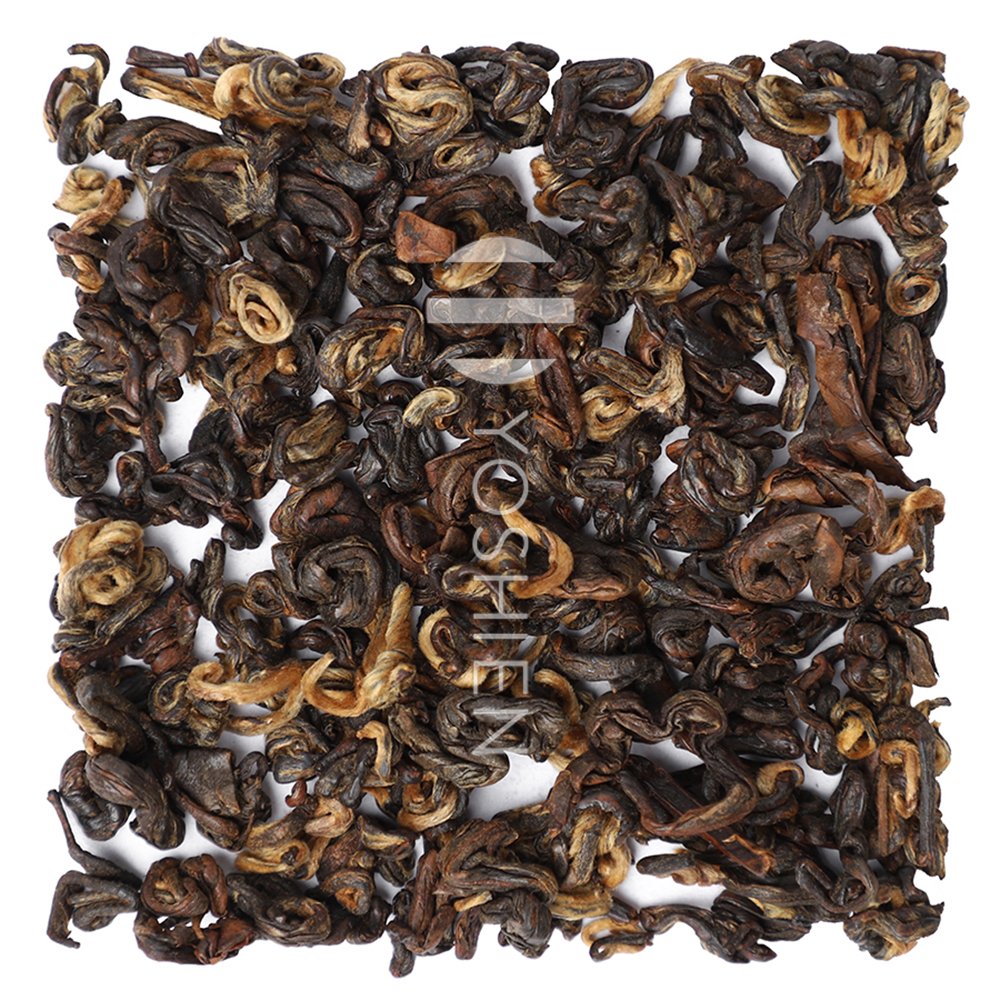
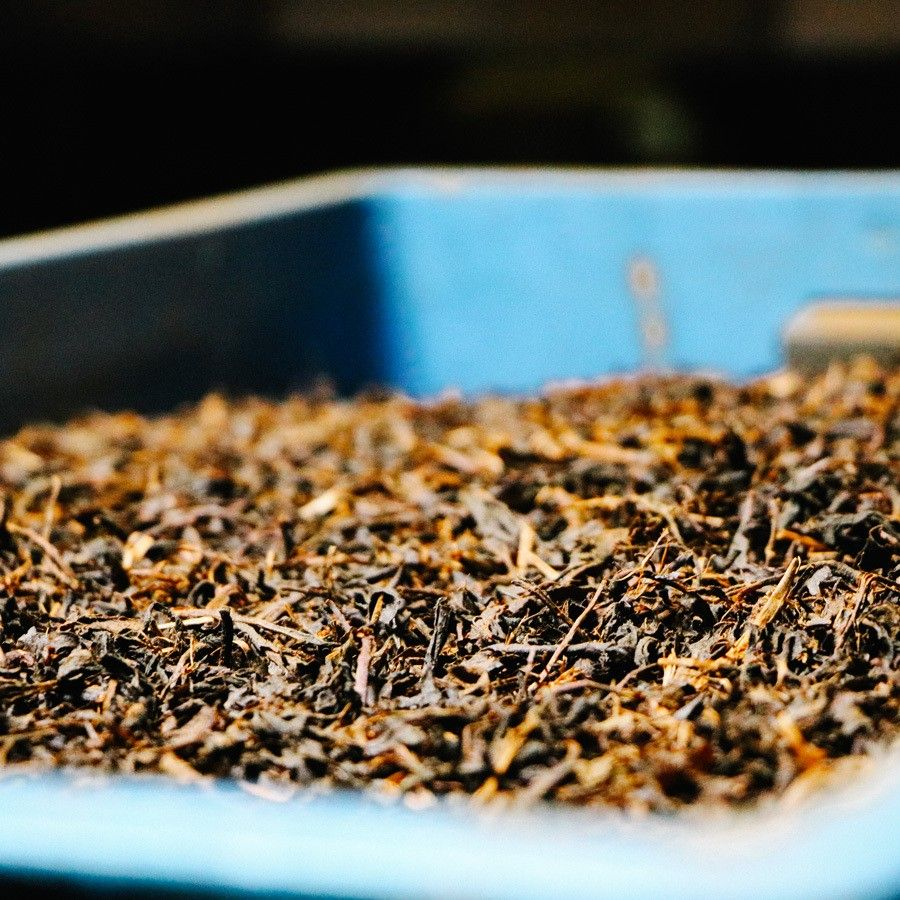
This full-bodied premium grade of the famous Dianhong black tea (Chinese: 滇紅茶; Dian is an ancient name for Yunnan) is a pleasure even before it is brewed. Its large, needle-like leaves are carefully rolled into elegant spirals – a reflection of the skill and care that go into its production.

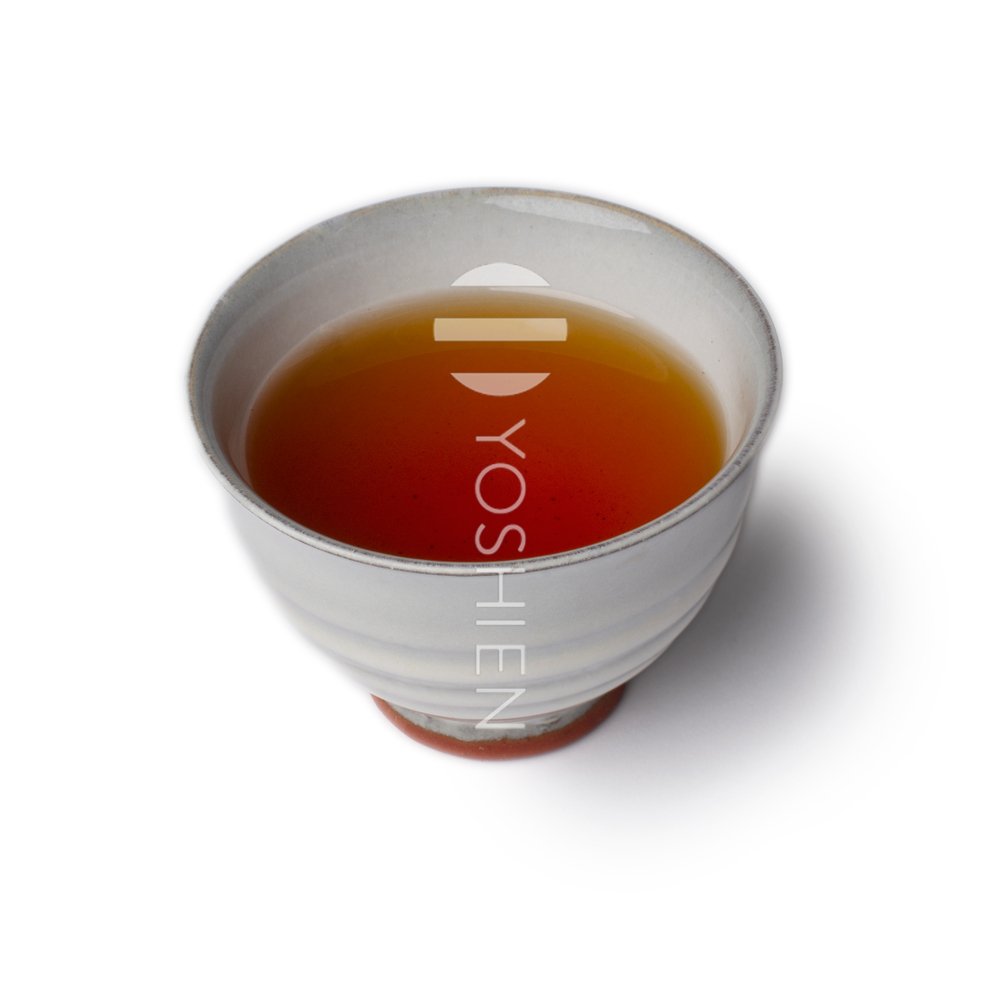
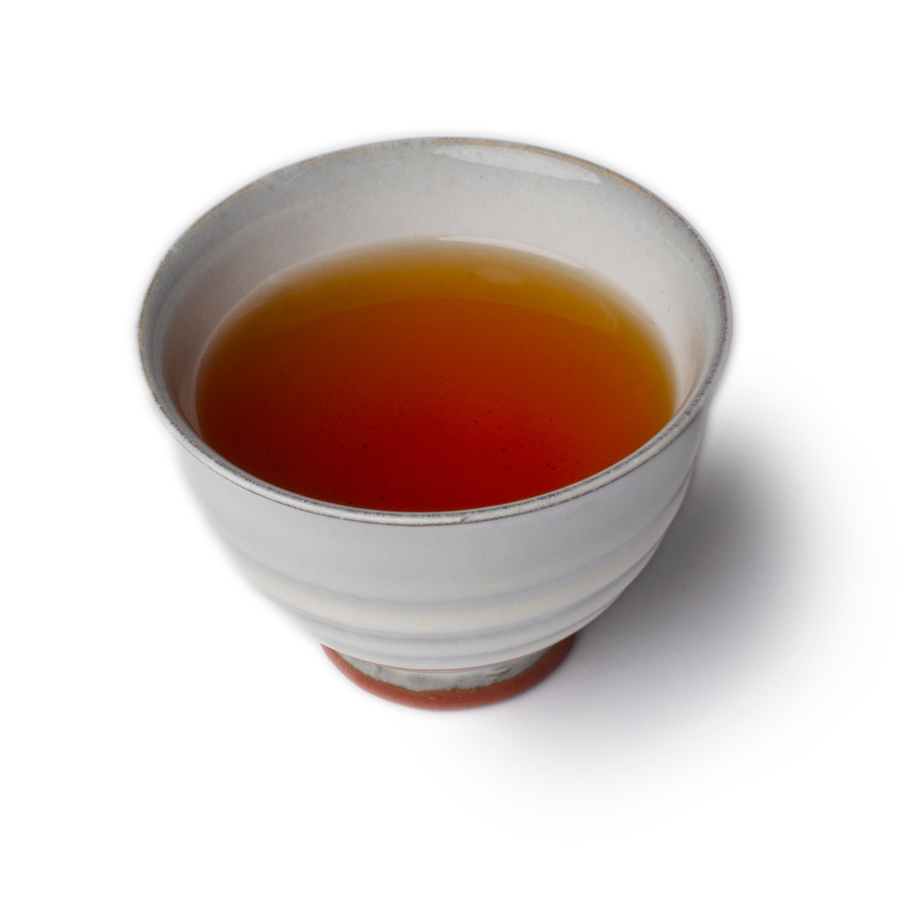
The infusion is a bright orange, with a beautifully malty, clean and straightforward character and a refined touch of bitterness. A wonderful breakfast tea.

Leaf

Needles beautifully rolled into a "snails"

Cup

Light wine red-orange

Dianhong  Organic Golden Snails  Black Tea China

Black Tea

Black tea is the most oxidised form of tea. In contrast to green tea, the oxidation of the leaves after harvest and withering is not stopped with heat, but rather further facilitated by intensive rolling of the leaves, which breaks open cell walls and exposes the enzymes responsible for oxidation. Over the course of this process the leaves change from green to black and a full-bodied and broad aroma develops. The cup is often orange or red, which is where the Chinese name for this tea (hong cha, meaning "red tea") comes from.

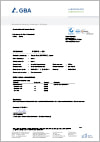
Yoshien Labortests

Laboratory Tests

We go to great lengths to identify the finest organic tea farms across the world’s most celebrated terroirs. All our teas are sourced directly from the farmer and, with a few exceptions, are certified organic or come from pesticide-free farms. Each batch of tea for every harvest is tested for pesticides and other pollutants in an independent German lab to ensure they meet our strict quality standards as well as HACCP food safety requirements.
Yoshien

Yoshi En

Premium Organic Teas

Our comprehensive portfolio focuses on organic, single-origin teas sourced directly from renowned farms. We believe in creating partnerships with farmers who share our values and are committed to sustainable, responsible tea cultivation. Thanks to these strong relationships our exciting range is constantly growing and evolving. As an international team of dedicated and passionate tea experts, we are committed to preserving centuries-old tea culture while ensuring it remains relevant and continues to bring joy in the present. About Yoshi En.

Cultivation & Processing

The highlands of Yunnan have a mild, subtropical climate up to a high elevation. The highland slopes are mostly southern-facing, and are therefore more heavily influenced by the Indian Ocean and the Pacific.

This tea is grown at an elevation of 1,500m in the Wuliang Mountains above the city of Pu'er, far removed from industry. Rather than any major motorways, it is the historical Tea Horse Road that cuts through the tea fields. Traditionally, various large leafed cultivars are grown in Yunnan that in some cases stem from very old tea plants.

Oxidation of the tea takes place indoors. The tea leaves are laid out on bamboo baskets for withering, during which the room temperature is strictly controlled. Thereafter the leaves are machine-rolled. After withering, the leaves are placed in special wooden crates and covered with clothes for oxidation. The tea master monitors the leaves closely to determine when the oxidation should be stopped. The leaves are dried in the last stage at 120°C.

Organic Certification

Organic Certification

PL-EKO-01
Nicht-EU-Landwirtschaft

100% pure

Preparation

Brewing Guide

2 heaped tsp per 200-300ml (85-90°C) water. Steep for 2 minutes.

Cold Brew:

Add two heaped teaspoons of tea per cup of water to a cold brew bottle. Fill with cold water and leave to infuse in the fridge overnight.

Packaging

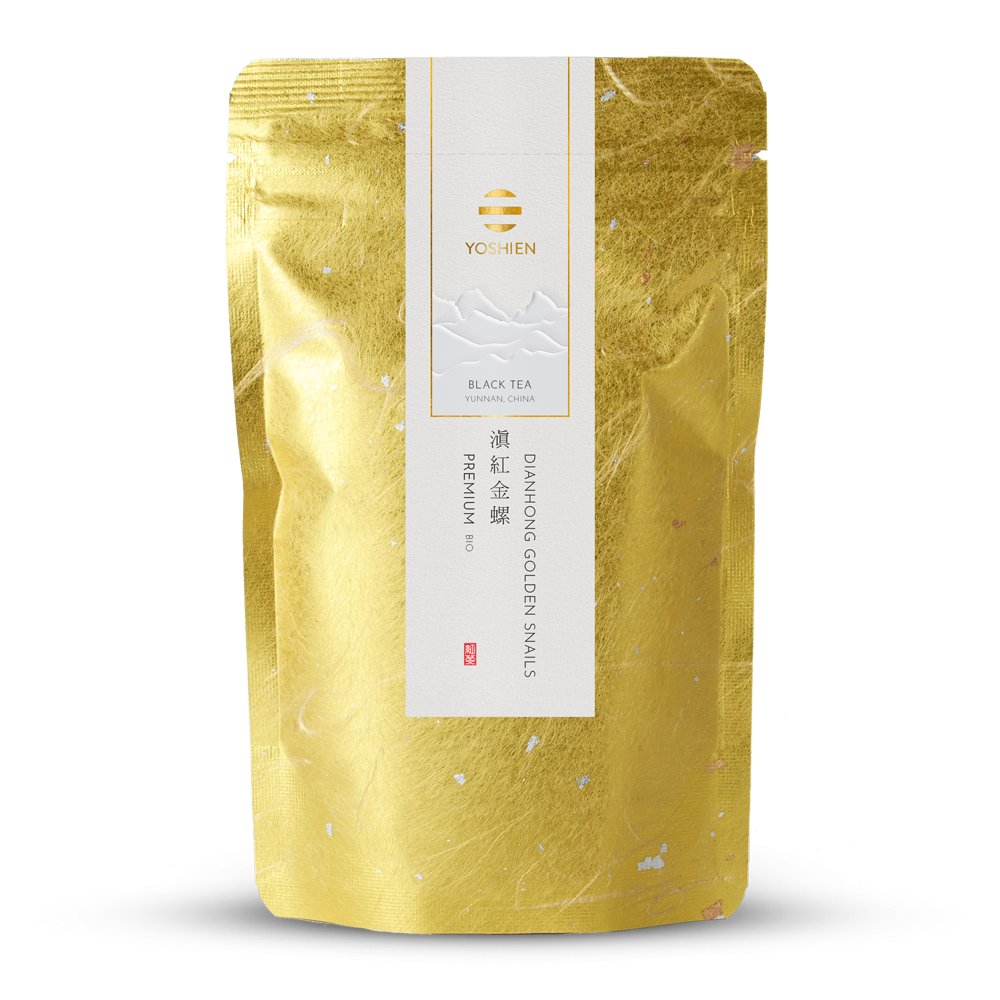
High quality, airtight, resealable standing zipper pouch with nine protective layers to preserve flavour and protect against oxidation and contamination.

Recommended Teapot

For a particularly aromatic infusion, we recommend using a teapot made from natural red clay. In our tastings, a red Tokoname Kyusu brought out the tea’s more delicate flavours especially well. Alternatively, use a large glass teapot with an integrated strainer, giving the leaves plenty of room to unfurl and infuse freely.

Recommended Storage

Ideally store in a quality tea caddy made from cherry tree bark (wooden, Kabazaiku Chazutsu) or an airtight, double-coated metal tin.

Test results

We find it very important that our teas are pure and produced in a way that respects the environment. For this reason, each one of our teas is tested for pesticide residues by an independent laboratory, the results of which can be found here. Some of our teas are also tested for specific nutritional compounds, in which case the test results are also published here.
Test results

Our recommendations

Loading...
The image could not be loaded.