


Cistus Benifuuki
Acute P.Free

Master Blend

SKU
4189
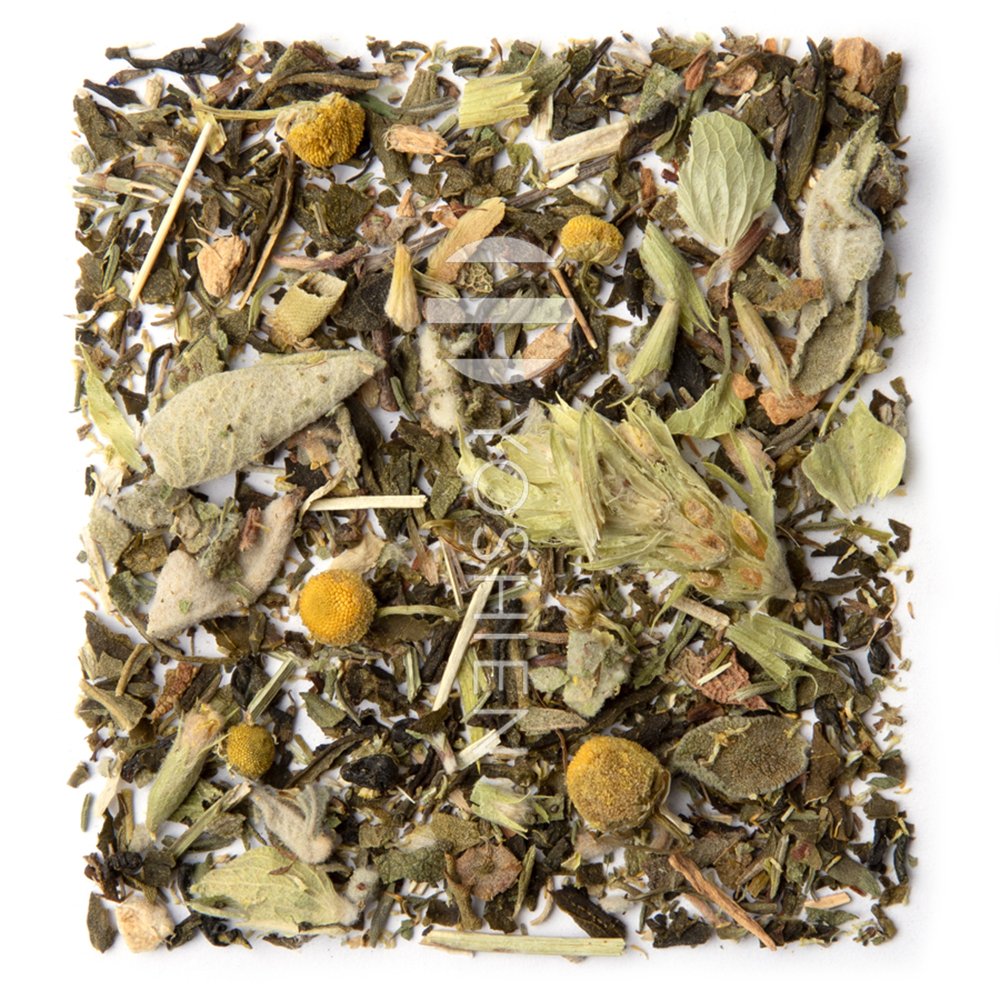
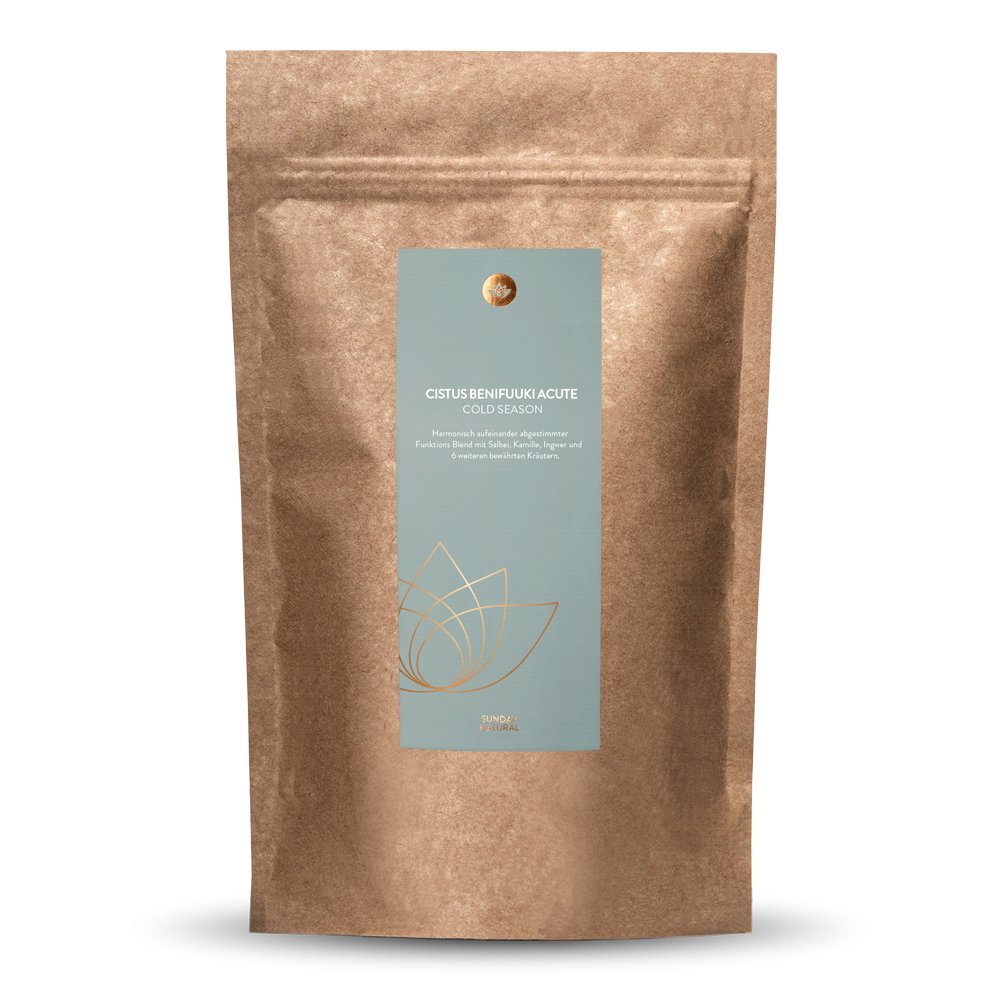
A lively, revitalising winter tea blend designed by our in-house herbal experts. Made with Benifuuki green tea from Japan and Cistus incanus from Greece, with a high concentration of catechins and polyphenols. Nourishing herbs such as sage, ginger, camomile and more make for a balanced winter tea that is invigorating yet soothing. Grown on traditional, regional farms – entirely pesticide free. 150g
Character Strong, warming and uplifting, gently invigorating, subtly tart
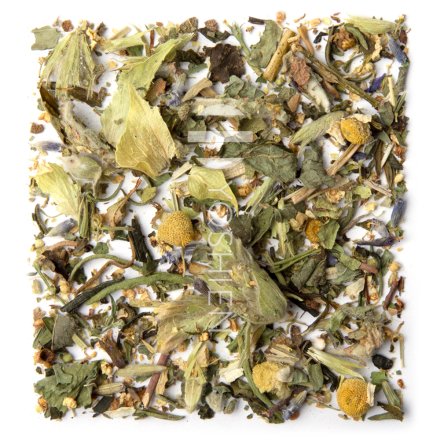
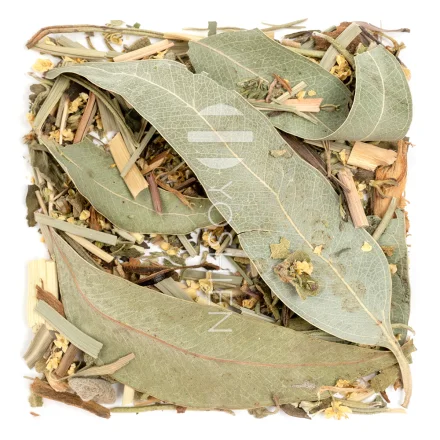
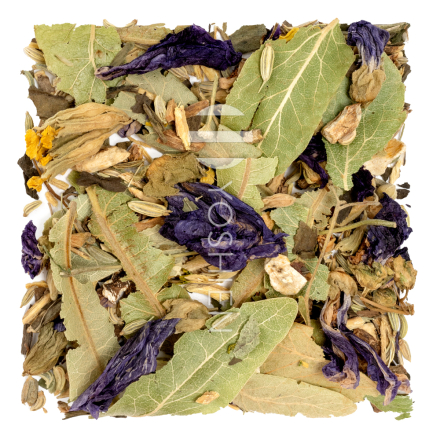
Ingredients Benifuuki green tea (35%), Cistus Incanus (20%), sage (10%), Sideritis mountain tea, chamomile (6%), hyssop, ginger (5%), elderflower, thyme
Tea Farm Directly sourced from various regional, small-scale farms in some of world's finest growing regions, pesticide-free
Cultivation Pesticide-free cultivation
Packaging 100% biodegradable and compostable (starch, cellulose, paper).
Grade 99/100 p. (herbal tea category); Highest Grade
€11.90
150g

Delivery : up to 5 business days

Incl. VAT, excl. shipping

SKU
4189
€79.33 / 1kg
In stock
Cistus Benifuuki Acute

Character

Tasting Notes

This unique blend harmoniously unites Benifuuki, the most robust of all green teas, with eight time-honoured herbs from diverse cultural traditions. Each variety has been carefully selected to maximise the concentration of beneficial compounds, creating an intensive broad-spectrum profile of well-known active ingredients and a uniquely synergistic combination.

When personally curated by our tea experts, the utmost care was taken to use only the finest qualities from the best possible sources. All teas come directly from specialised farms that are leaders in their field. The recipe was developed through an elaborate process to achieve ideal balance, strength, and harmony.

The tea is both warming and invigorating, containing a relatively small amount of caffeine. In combination with the amino acids, the caffeine provides a gentle, sustained sense of vitality: an ideal, uplifting winter tea to accompany you through the day.

Cistus Benifuuki Acute Cistus Benifuuki Acute Cistus Benifuuki Acute Cistus Benifuuki Acute Cistus Benifuuki Acute Cistus Benifuuki Acute

Benifuuki

Benifuuki is a special, relatively recent cross of the varieties Assamica and Sinensis, or of “Benihomare” and “Makura Cd86". It was created in Makurazaki City, Kagoshima in 1965, but the seedling was only registered in 1993. It was found to possess very rare catechins with special properties as well as an above-average amount of the important catechins C, EC and EGC (about 0.8%, 2.0% and 3.8% in dry matter) and the highest amounts of ECG (7.6%) and the main catechin EGCG found in any tea (10.1% or up to 17% when the upper leaves of the first harvest are used).

Yoshien Labortests

Laboratory Tests

We go to great lengths to identify the finest organic tea farms across the world’s most celebrated terroirs. All our teas are sourced directly from the farmer and, with a few exceptions, are certified organic or come from pesticide-free farms. Each batch of tea for every harvest is tested for pesticides and other pollutants in an independent German lab to ensure they meet our strict quality standards as well as HACCP food safety requirements.

Yoshien

Yoshi En

Premium Organic Teas

Our comprehensive portfolio focuses on organic, single-origin teas sourced directly from renowned farms. We believe in creating partnerships with farmers who share our values and are committed to sustainable, responsible tea cultivation. Thanks to these strong relationships our exciting range is constantly growing and evolving. As an international team of dedicated and passionate tea experts, we are committed to preserving centuries-old tea culture while ensuring it remains relevant and continues to bring joy in the present. About Yoshi En.

Contents

Benifuuki Green Tea

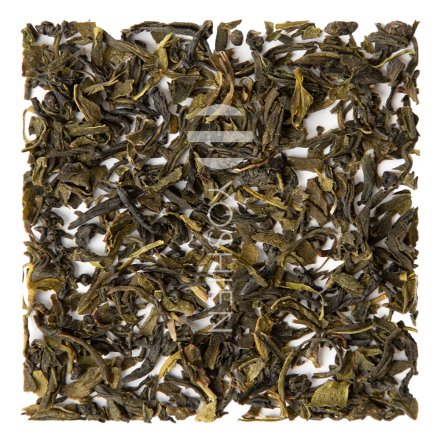
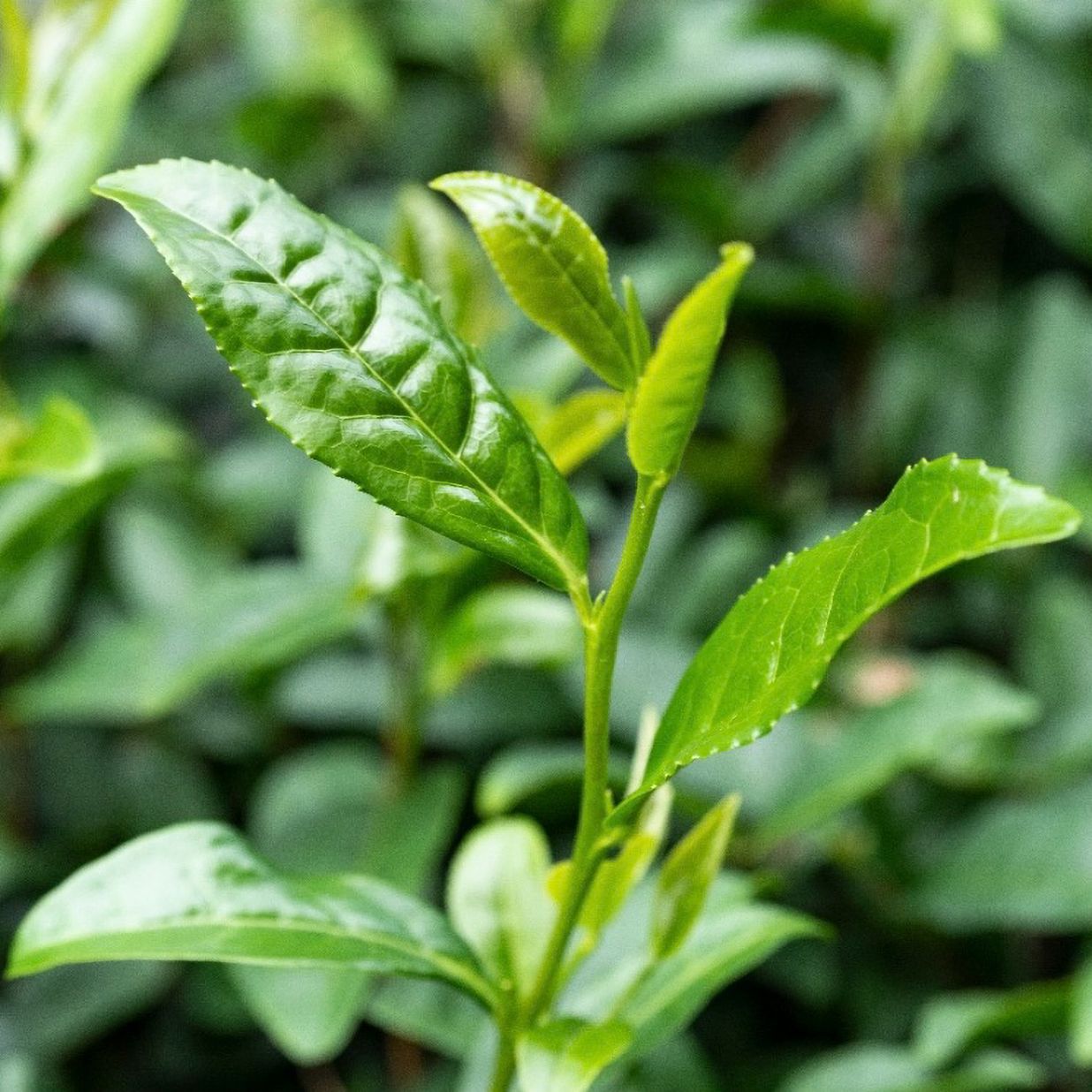
Benifuuki is a special type of green tea with a uniquely high catechin content. The Benifuuki cultivar, a cross between Assamica and Sinensis varieties, contains not only top levels of EGCG and ECG but also the rare methylated catechins EGCG3''Me / -4''Me – which are found in significant amounts only in Benifuuki. Its flavour is elegantly bitter, complemented by a floral sweetness and a characteristic black tea-like note.

Cistus incanus

Cistus incanus is a member of the rock rose family. The plant is predominantly found in southern Europe, where there is copious sunlight. This plant is considered one of the most polyphenol-rich in the world. Cistus can grow up to one metre tall and prefers chalky soil and silicate rocks. The plant folds its leaves in during the hot summer months when waiting for rain, and in the springtime it blooms, bearing delicate pink flowers.

Sage

Common sage (Salvia officinalis) is a perennial herb native to the Mediterranean and Middle East beloved for its culinary, medicinal and ornamental uses. Its scientific name derives from the Latin salvare meaning "to save" or "to be in good health", and it has been cultivated for centuries for its aromatic leaves and purported health benefits. The plant belongs to the mint family (Lamiaceae), has soft grey-green leaves, and produces lavender blue flowers.

Greek Mountain Tea

Greek mountain tea (Sideritis scardica) is naturally rich in antioxidants like anthocyanins. Celebrated since ancient times, Hippocrates praised this herbal tea for its medicinal properties as early as the 5th century BC. The genus name Sideritis is an ancient botanical term for various members of the mint family and derives from the Greek word sideros, meaning “iron."

Camomile

Camomile (Matricaria chamomilla L.) has been a trusted part of herbal tradition for thousands of years, with the flowers being the primary part used in herbal medicine. In ancient Egypt, camomile was held among the most revered herbs and considered to be sacred. Its delicate blossoms contain a valuable combination of plant compounds, long appreciated for their versatility and gentle effectiveness.

Hyssop

Hyssop (Hyssopus officinalis) is a perennial plant from the mint family (Lamiaceae). Its vibrant blue-violet flower clusters, which bloom from June to September, are highly attractive to bees. The species Hyssopus officinalis is native to southern and eastern Europe, western Asia, and northern Africa. In Central Europe, hyssop has been cultivated as a culinary and medicinal herb since the early Middle Ages, and even the abbess Hildegard of Bingen mentioned it several times in her writings.

Ginger

Ginger originated in Southeast Asia, with India and China being the primary centers of its ancient cultivation. In the ginger family Zingiberaceae, there are about 1,600 species of ginger. The plant can grow between 50 and 100 centimetres tall, developing thick stems and long, reed-like leaves. Its flowering shoot emerges from the aromatic root and can reach up to 25 centimetres in length, bearing striking blossoms in shades of yellow-red to deep violet. Common ginger, botanically known as Zingiber officinale, is the variety typically sold in grocery stores worldwide and used for both culinary and medicinal purposes.

Elderflower

Elder (Sambucus nigra) fills the air with its fragrant blossoms from May to July. It often grows in close proximity to human habitation, nestling against house walls and garden fences. By late summer to autumn, its blossoms ripen into deep, dark berries. From the ancient Egyptians to the Celtic tribes, many cultures around the world and across time have prized elderflowers and elderberries for their beneficial properties.

Thyme

Since ancient times, thyme (Thymus vulgaris) has been valued for its revitalising and strengthening properties. In the Middle Ages, a sprig of thyme was considered a symbol of courage and strength. Thyme was often burned as incense in ceremonies to honour the gods. In traditional herbal practice, thyme has been used for a wide range of applications and remains popular to this day, especially as a fragrant, aromatic herb in Mediterranean cuisine.


Cultivation & Processing

Our Benifuuki green tea comes from a tea farm on the island of Tokunoshima, part of Kagoshima Prefecture in the far south of Japan. The farm is currently in the process of obtaining organic certification. Blessed with the longest hours of sunshine in all of Japan, the region naturally enhances the tea’s catechin content. Picked during the first harvest (Ichibancha), which has the highest content of active compounds and the most balanced flavour of this tea, which is rich in bitter compounds.

Our Cistus originates from Greece, cultivated in the renowned herb-growing region of Mount Othrys. Thanks to its natural organic cultivation, it develops an exceptionally high concentration of the special polyphenol complex for which cistus is so celebrated.

Also from Mount Othrys comes our selected variety of Greek mountain tea (Sideritis scardica Type 2). In addition to the characteristic range of compounds typical for this species, it offers particularly high levels of anthocyanins.

All other herbs are sourced from specialised organic farms, each chosen for offering the most suitable, ecologically-friendly growing conditions for their respective plants.

100% pure
pesticide free

Preparation

Brewing Guide

1-2 heaped teaspoons per 200-300ml water, 95°C, steep for 5-8 minutes.

Packaging

High-quality, airtight, BPA-free resealable standing zipper pouch designed to preserve flavour and protect against oxidation and contamination.

Recommended Teapot

Ideal is a spacious teapot made of glass or porcelain with an integrated strainer.

Recommended Storage

The ideal storage is an airtight, internally coated tea caddy.

Our recommendations

Loading...
The image could not be loaded.